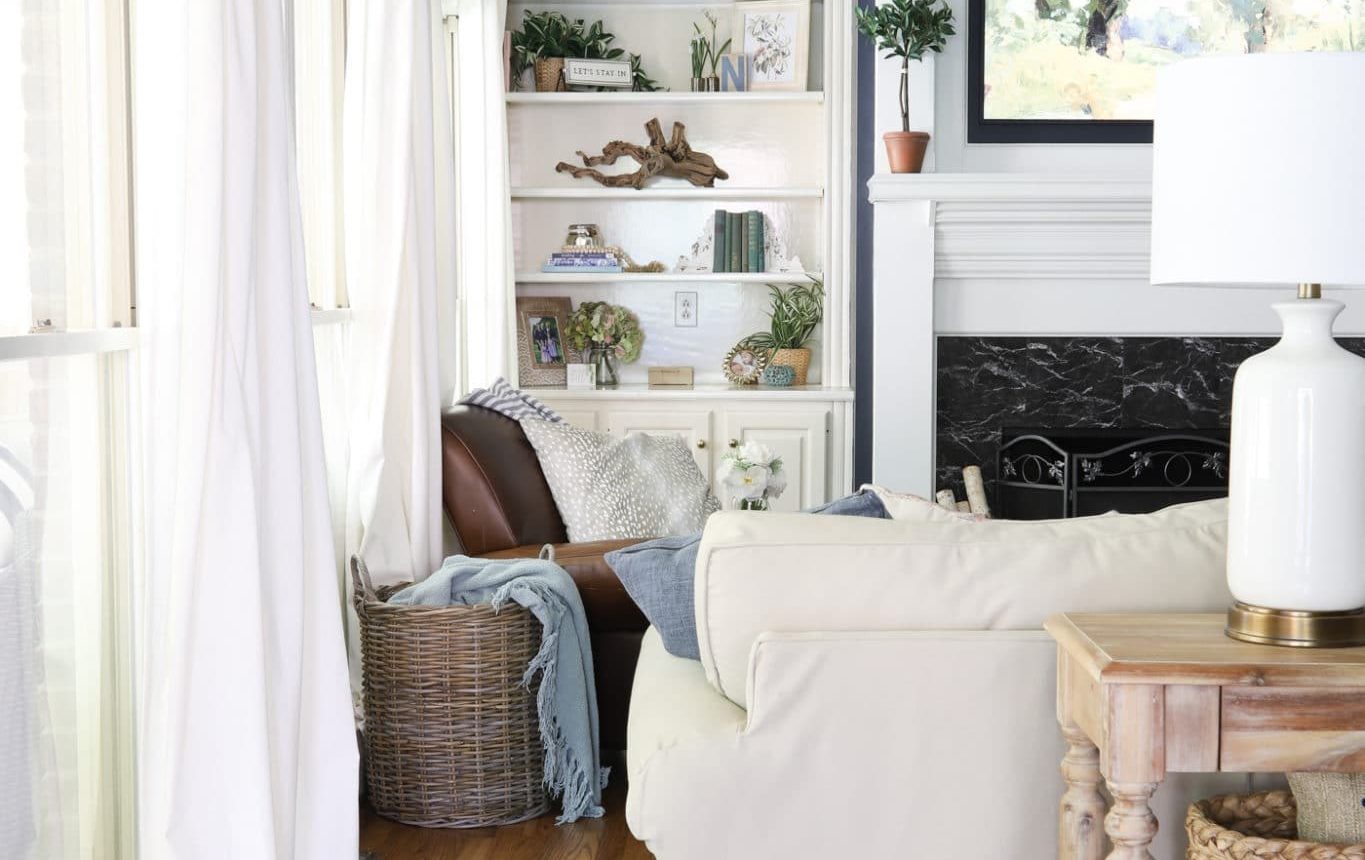
Are you struggling to find the perfect pair of living room curtains? Finding the right balance between style and function can feel overwhelming. The tips below will help you narrow your options and choose curtains that look great and work well in your living room.
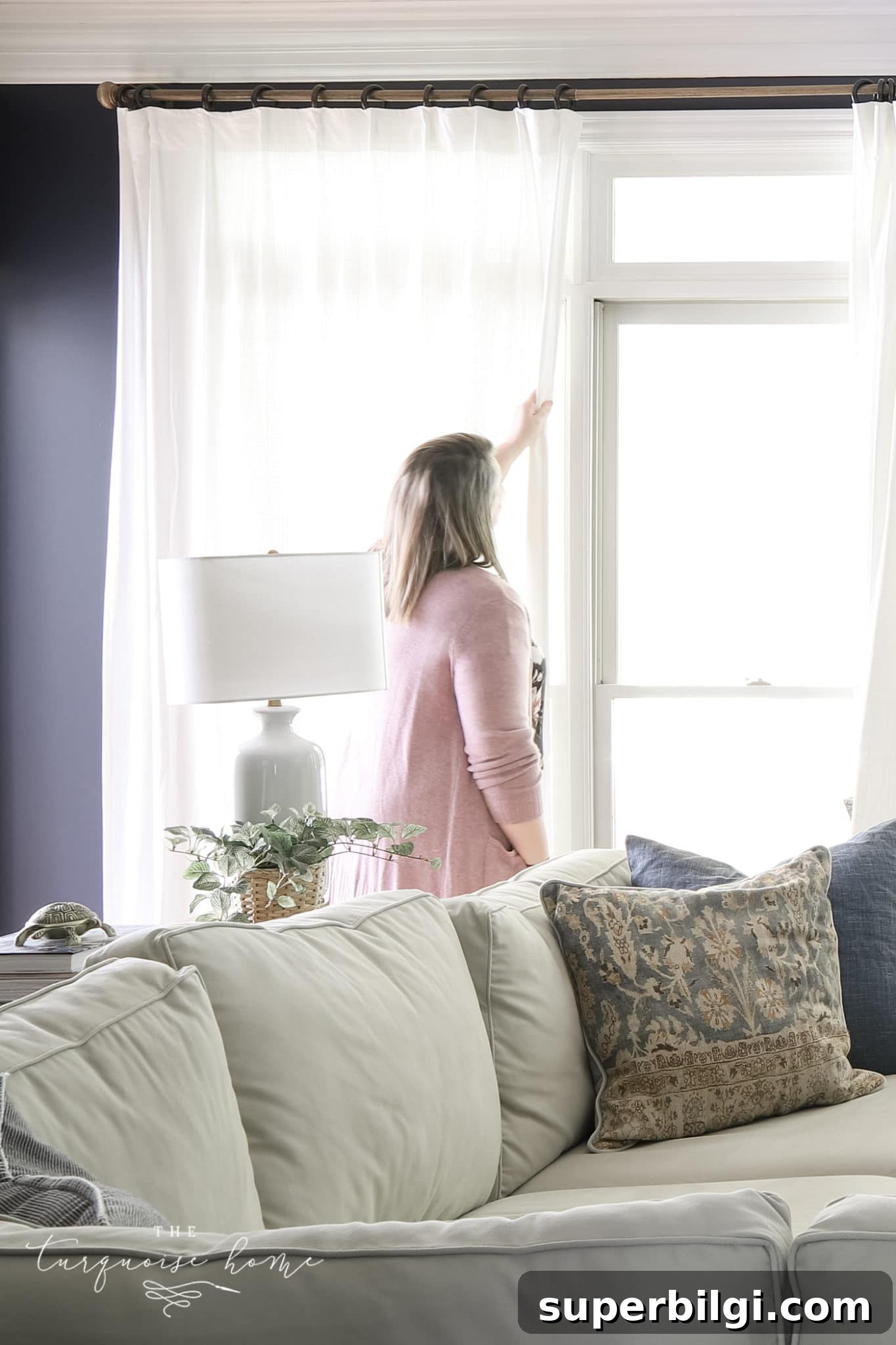
When I first decorated my living room, one of the first changes I made was to remove the blinds. My room gets excellent natural light from large windows, and I wanted to brighten the space and make it feel soft and cozy. Because the walls were painted a deep navy, I chose solid white curtain panels to balance the tone and keep the room feeling light—navy and white is a classic combination for a reason.
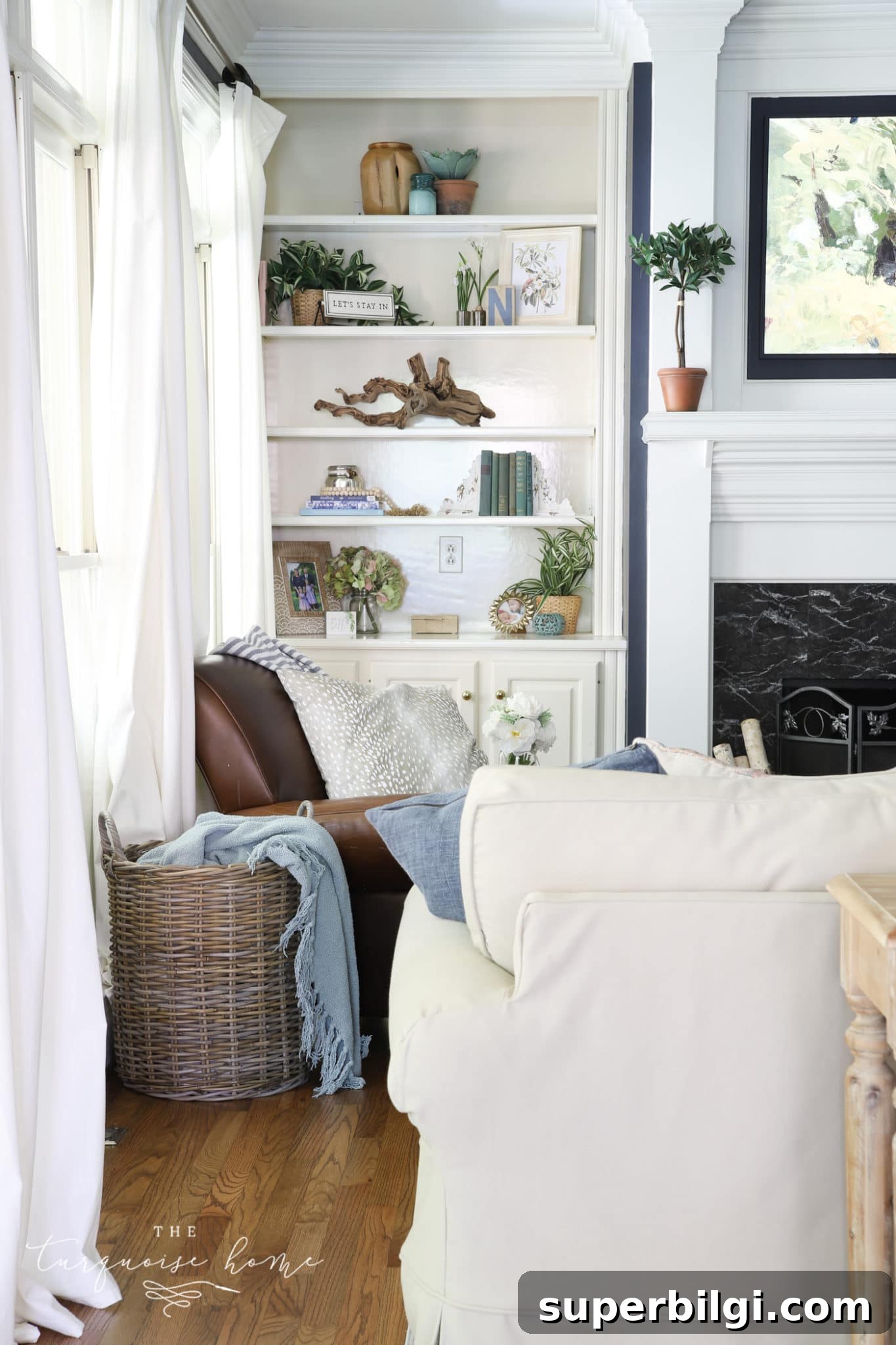
Curtain shopping can be overwhelming because there are so many choices: styles, fabrics, lengths, linings, and hardware. Below are practical guidelines to help you choose living room curtains that suit your décor, control light, and create the mood you want.
Consider the Surrounding Space
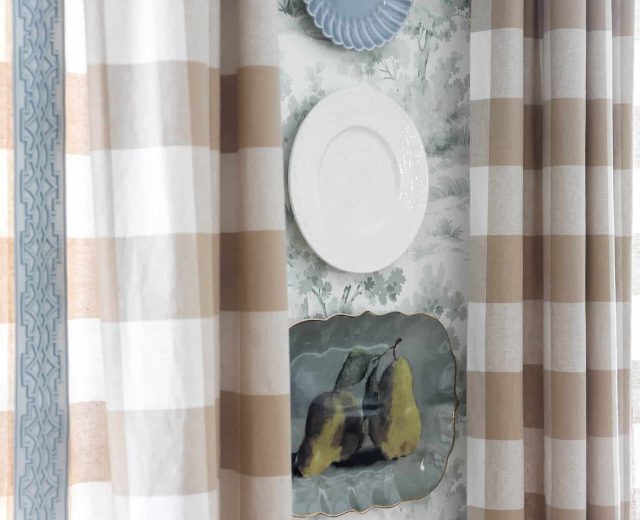
Start by assessing the room. Curtain color and pattern should harmonize with existing décor—furniture, wall art, pillows, and rugs. Solid panels offer a clean, simple backdrop while patterns can create a focal point. Floral prints suit traditional rooms, geometric designs can enhance a modern or art-deco inspired space. However, patterned or bold curtains can easily dominate a room, so balance them with more neutral furnishings.
One advantage of curtains is their flexibility: they are relatively easy to swap seasonally. Thick, insulating drapes are great for winter, while lightweight sheers brighten a room during warmer months.
Decide the Length of Curtains for the Living Room
For living rooms, long and sweeping curtains tend to look the most elegant. Shorter curtains and valances are more appropriate for kitchens, bathrooms, or hallways.
Standard curtain lengths by style:
- Above-sill: Ends about ½ inch above the sill—convenient for windows you open frequently.
- Below-sill: Extends roughly 6 inches below the sill for a casual look.
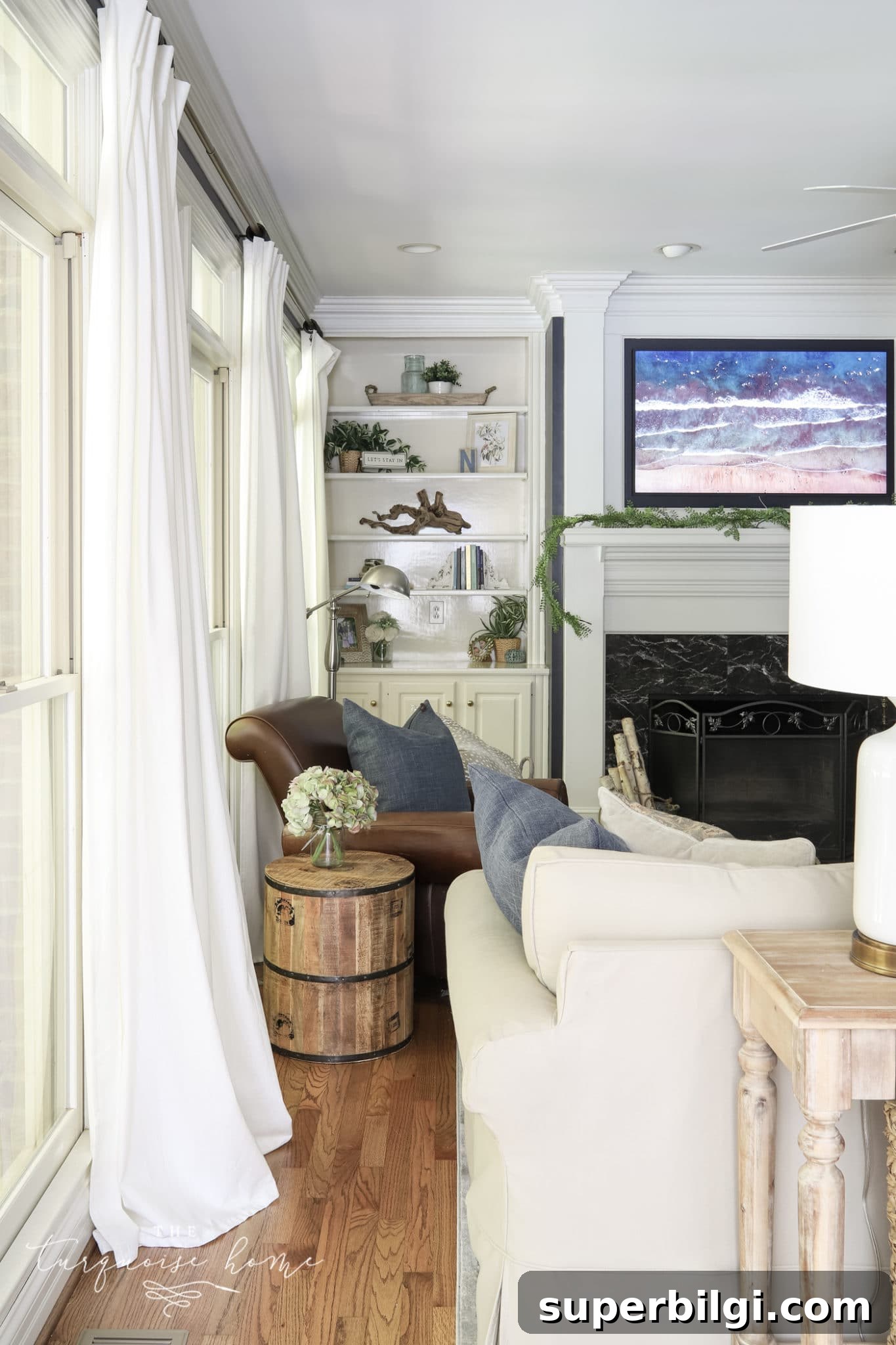
- Floor-length: Typically ¼ inch above the floor for a tailored appearance; in traditional rooms, drapes may slightly touch the floor.
- Puddle/draped length: Allow 3–4 inches to puddle on the floor for a romantic, luxurious effect.
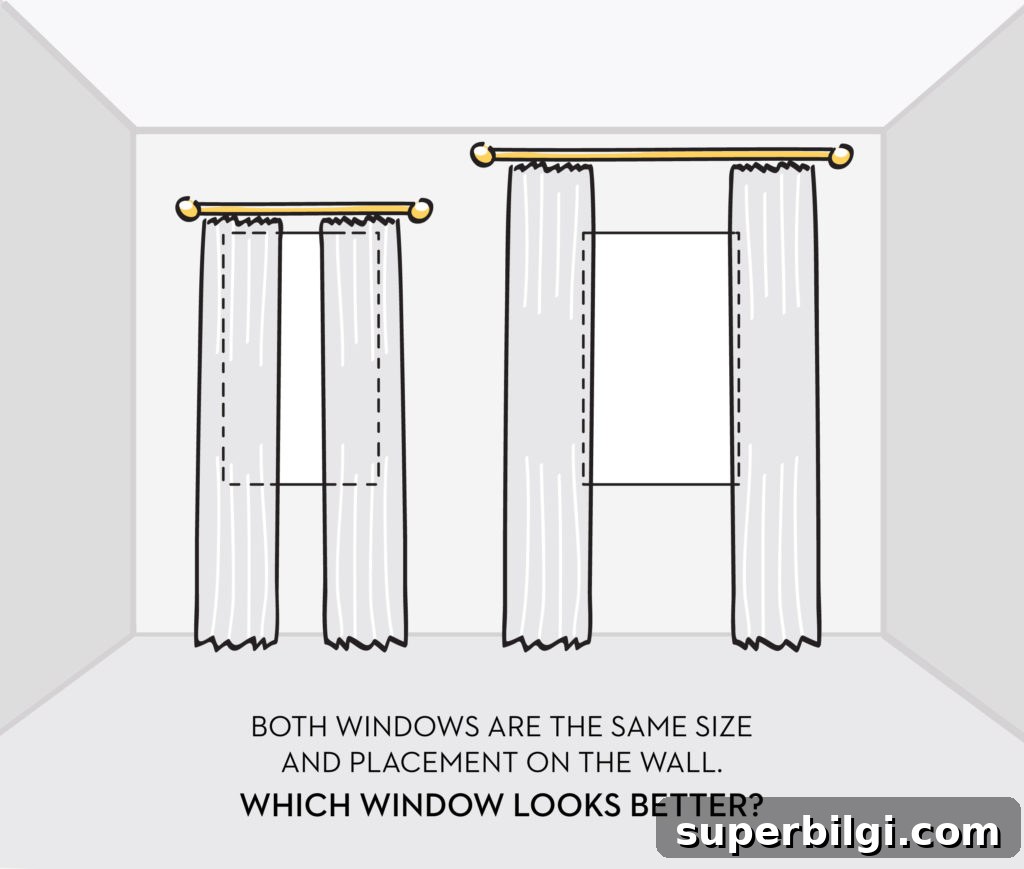
Hanging curtains higher than the window frame—mounting the rod several inches above—creates the illusion of taller ceilings and a grander room. This “high and wide” approach can make a formal living room feel more expansive.
Width of Window Curtains
For a full, gathered look, choose curtain widths that total about 1½ to 3 times the window width. More width creates richer fullness when the panels are closed; less width gives a tailored, streamlined appearance. Fabric weight and weave will also influence how full the curtains appear.
Choose a Curtain Fabric
Decide how your curtains should function: Are they primarily decorative, or do you need privacy and light control? Fabric choice determines texture, light filtration, and maintenance needs.
Heavier fabrics like velvet or tightly woven linen are ideal for insulation and room-darkening. Lightweight fabrics such as sheer linen, voile, or lace offer a breezy, light-filled feel. Consider care instructions—can the fabric be machine washed, or does it require dry cleaning? Choosing an appropriate care level will keep curtains looking their best with minimal fuss.
Popular fabric options
Common choices for living room curtains include linen, velvet, cotton blends, and faux-linen. Linen and linen blends are versatile and offer a relaxed yet refined look. Sheer linen works well layered over a heavier panel for flexibility in light control.
Curtain headings (top finishes)
The curtain heading affects both appearance and how panels hang and move on the rod. Common heading styles:
- Rod pocket: A pocket at the top of the panel that the rod slips through for a casual, gathered look.
- Tab top: Fabric loops stitched to the top; they sit directly on the rod and create a relaxed, informal look.
- Grommet top: Metal rings set into the fabric for smooth sliding and a modern, uniform header.
- Pinch pleat: An elegant, tailored style where fabric is stitched into pleats at the top—classic and formal.
- Pencil pleat: Tightly gathered folds at the top that suit various rod or track systems.
- Box pleat: Structured pleats that form a box-like appearance across the top of the panel.
- Flat panel: Simple, unstructured tops that work well with rings or clips and support a clean, modern aesthetic.
Protective lining
Adding a liner can protect curtains from fading, improve insulation, and control light. A blackout liner blocks most light for media rooms or strong afternoon sun, while a sheer liner diffuses light and adds privacy without darkening the room. Layering linings gives you flexible light control and can extend the life of your curtains.
Add Final Touches with Curtain Hardware
Hardware finishes, rod thickness, and accessories play a major role in the final look.
Curtain rods
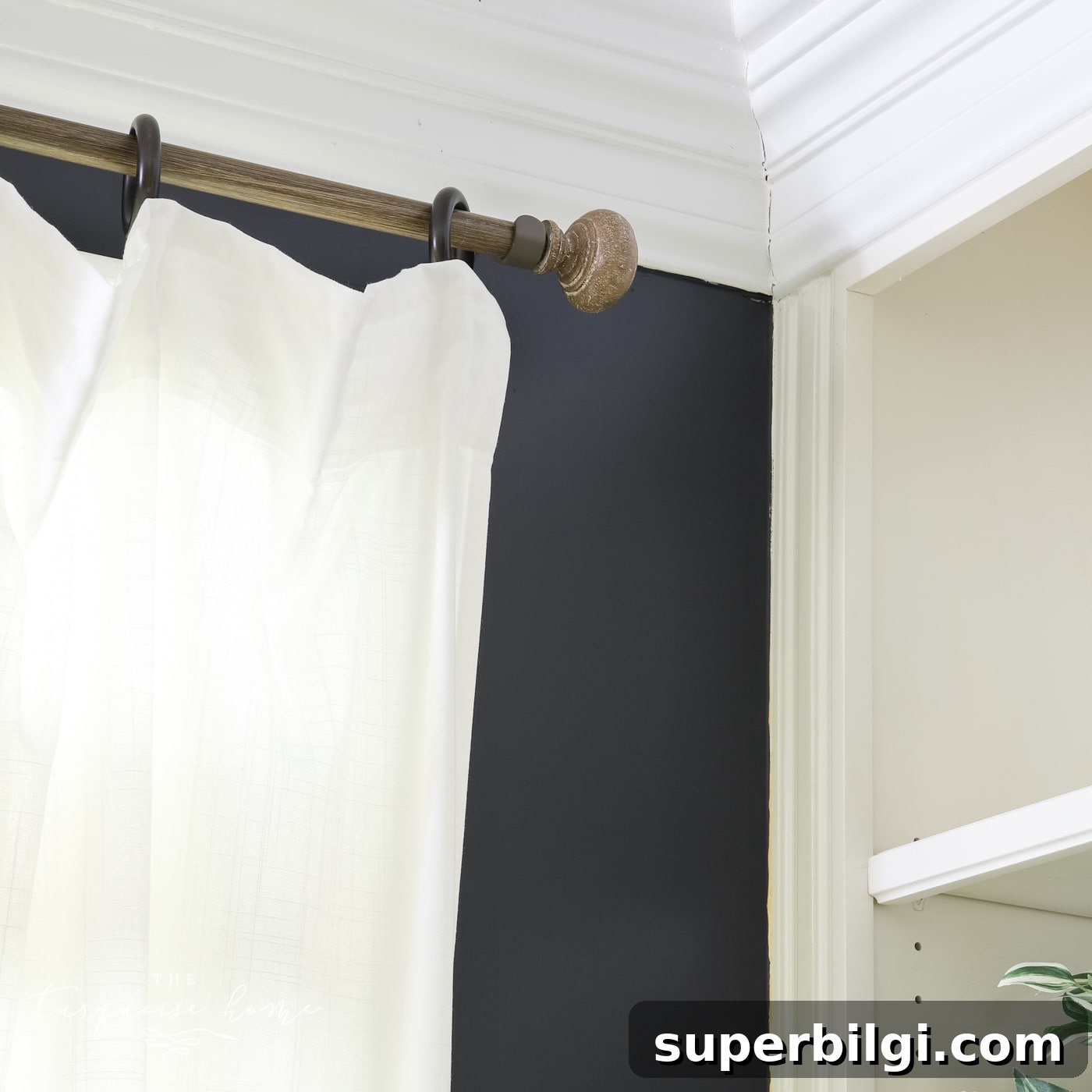
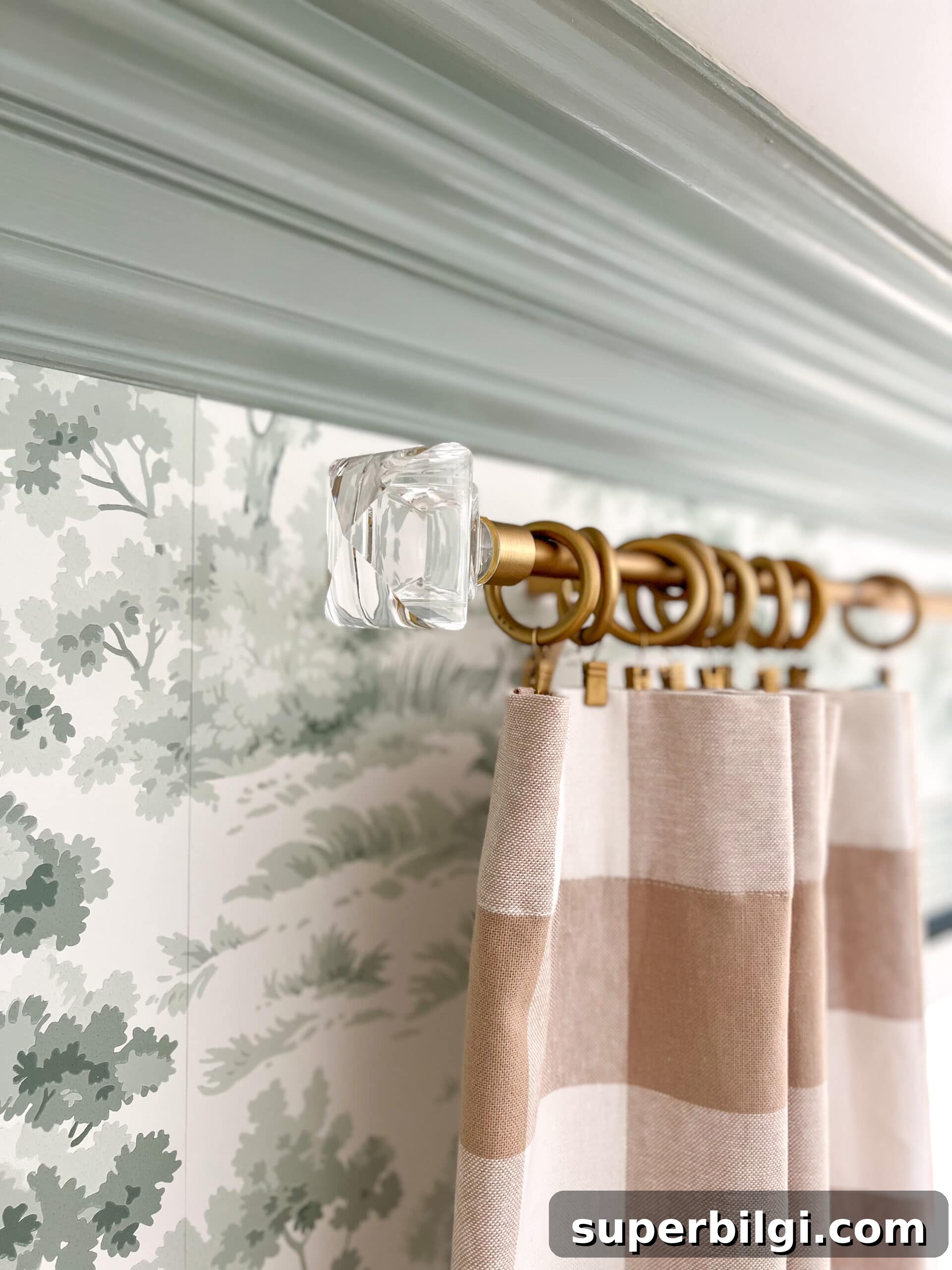
Choose a rod that’s sturdy enough for the width and weight of your curtains—generally at least an inch in diameter for wider spans to prevent sagging. Finials (the decorative end pieces) can be ornate or minimal depending on your style preference.
Where to mount curtain rods
Mounting location affects both function and visual height. Mount the rod 1–2 inches from the ceiling or crown molding, or simply several inches above the window frame to create the illusion of taller ceilings. Rods commonly extend 3–6 inches past the window frame on each side so curtains stack off the glass when open.
Other useful accessories:
- Tiebacks: Fabric or cord tiebacks gather panels to the side, letting in more light and adding a decorative touch.
- Holdbacks: Wall-mounted pieces that hold curtains aside without wrapping them around a hook.
- Brackets: Secure the rod to the wall; choose robust brackets for heavy panels or wide windows.
- Rings or clips: Allow easy movement and can add a decorative accent.
- Drapery wand: Handy for opening high or heavy curtains without touching the fabric, helping prevent wear from oils on hands.
Types of Curtains We Love for Living Rooms
Here are several curtain styles that work particularly well in living rooms:
- Pinch pleat linen drapes: Classic and tailored, linen offers a comfortable, lived-in elegance and can be paired with light-filtering or blackout liners.
- Pinch pleat faux linen: A budget-friendly option that mimics linen’s texture while offering durability and easy care.
- Pinch pleat sheer curtains: Soft, translucent panels that allow ample daylight while providing a sense of privacy and softness.
- Flat panel linen panels: Casual and modern, flat panels work well with rings or clips and are an easy, versatile choice for everyday living rooms.
Final Thoughts
When choosing living room curtains, focus on two main questions: Do you like the look? And do they perform the way you need them to—whether that’s privacy, light control, insulation, or simply adding a decorative layer? If the answer is yes to both, you can confidently mix style with function and enjoy experimenting with textures, layers, and hardware to complete the room’s design.
Related topics to explore for more inspiration:
- The best window treatment options for different rooms
- How to choose bamboo or woven shades
- Choosing paint colors that complement window treatments
- How to arrange furniture and décor around windows
- Creating a gallery wall that works with curtain placement