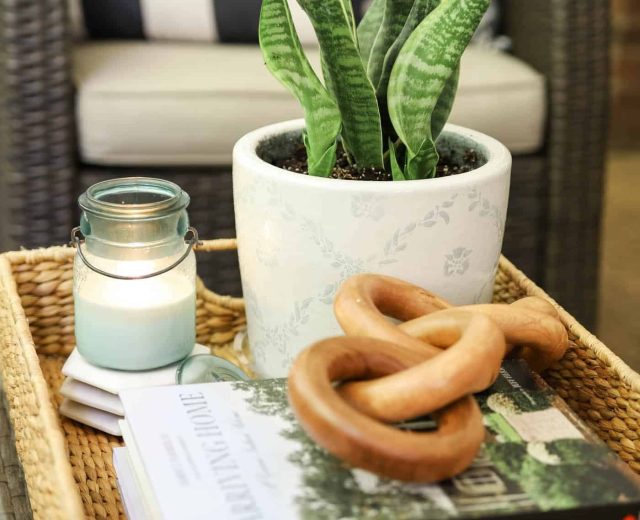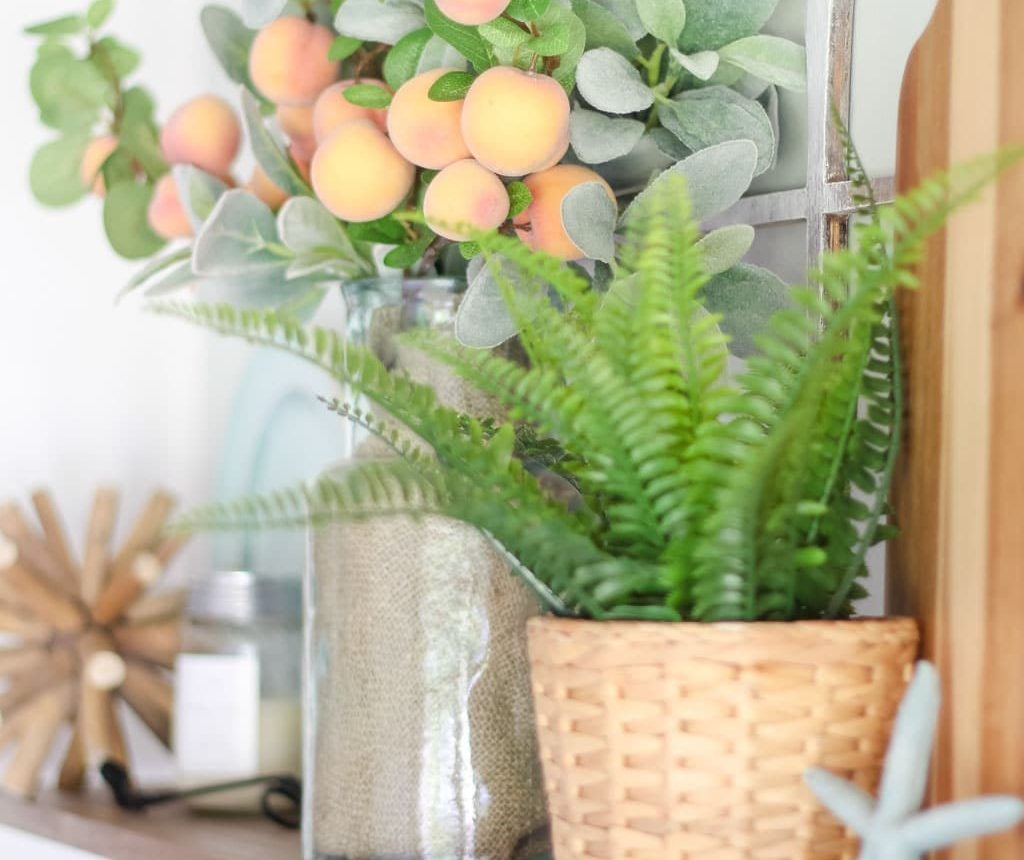
Layering plants into your home adds personality and style to any room. If the thought of another living thing to care for makes you hesitate, don’t worry — faux plants offer the same visual impact without the upkeep.
High-quality artificial plants can look remarkably lifelike, freeing you from watering, pruning, and worrying about light levels. Below is a concise guide to the best places to buy faux plants, what to look for when shopping, and simple styling and care tips to keep faux greenery looking fresh.

Decorating should be enjoyable, and adding greenery is one of the easiest ways to make a house feel like home. Whether you prefer a few small pots on a shelf or a large statement tree, faux plants let you achieve a curated look with minimal effort.
This post contains affiliate links for your convenience.
I enjoy real plants, but I don’t always have the time to care for many of them. Faux plants are a lifesaver when your schedule or lighting conditions don’t support live greenery. They’re also ideal for rental homes, shaded rooms, or busy households that want a polished, green look without the work.
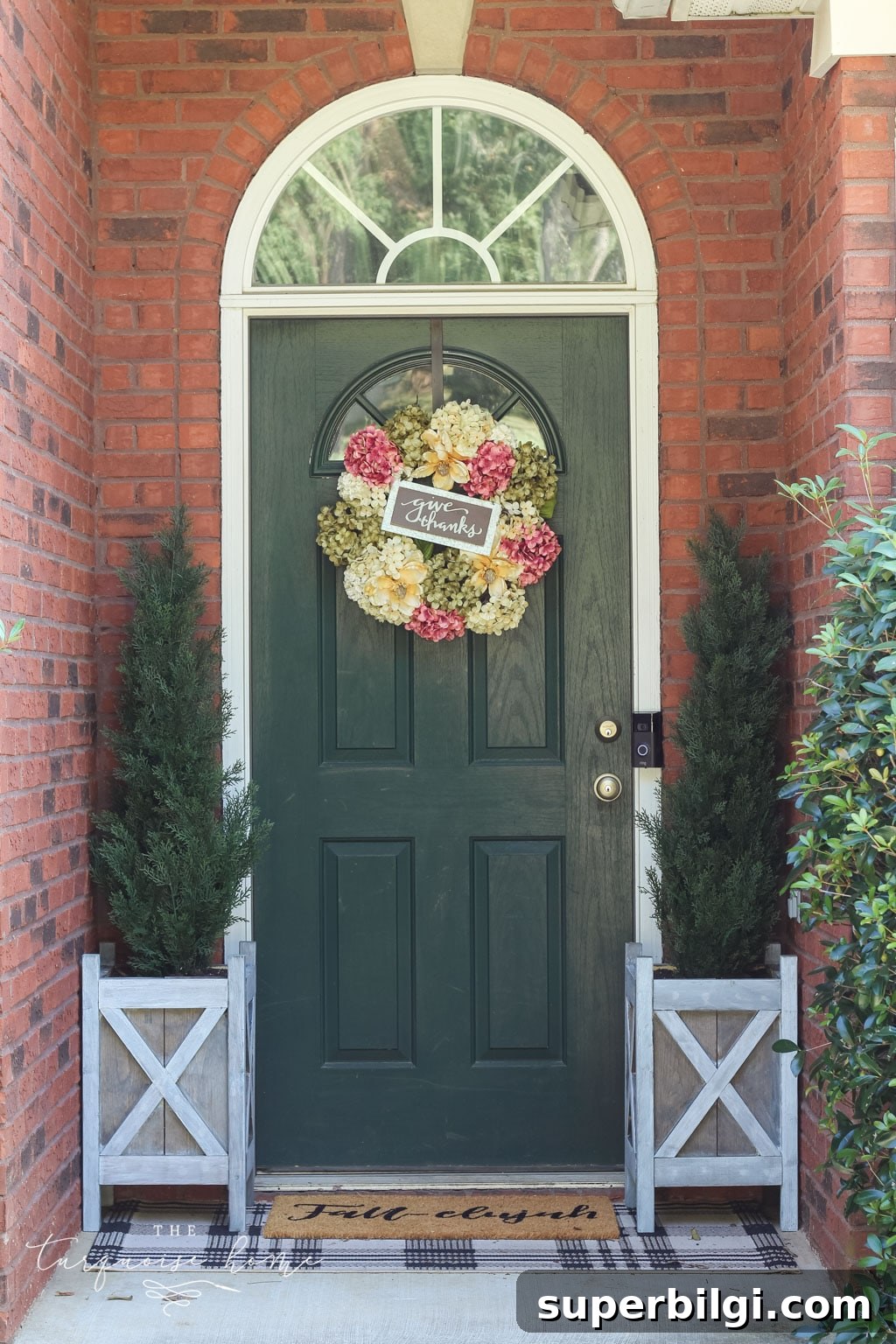
Where To Buy Fake Plants Online
1. Amazon
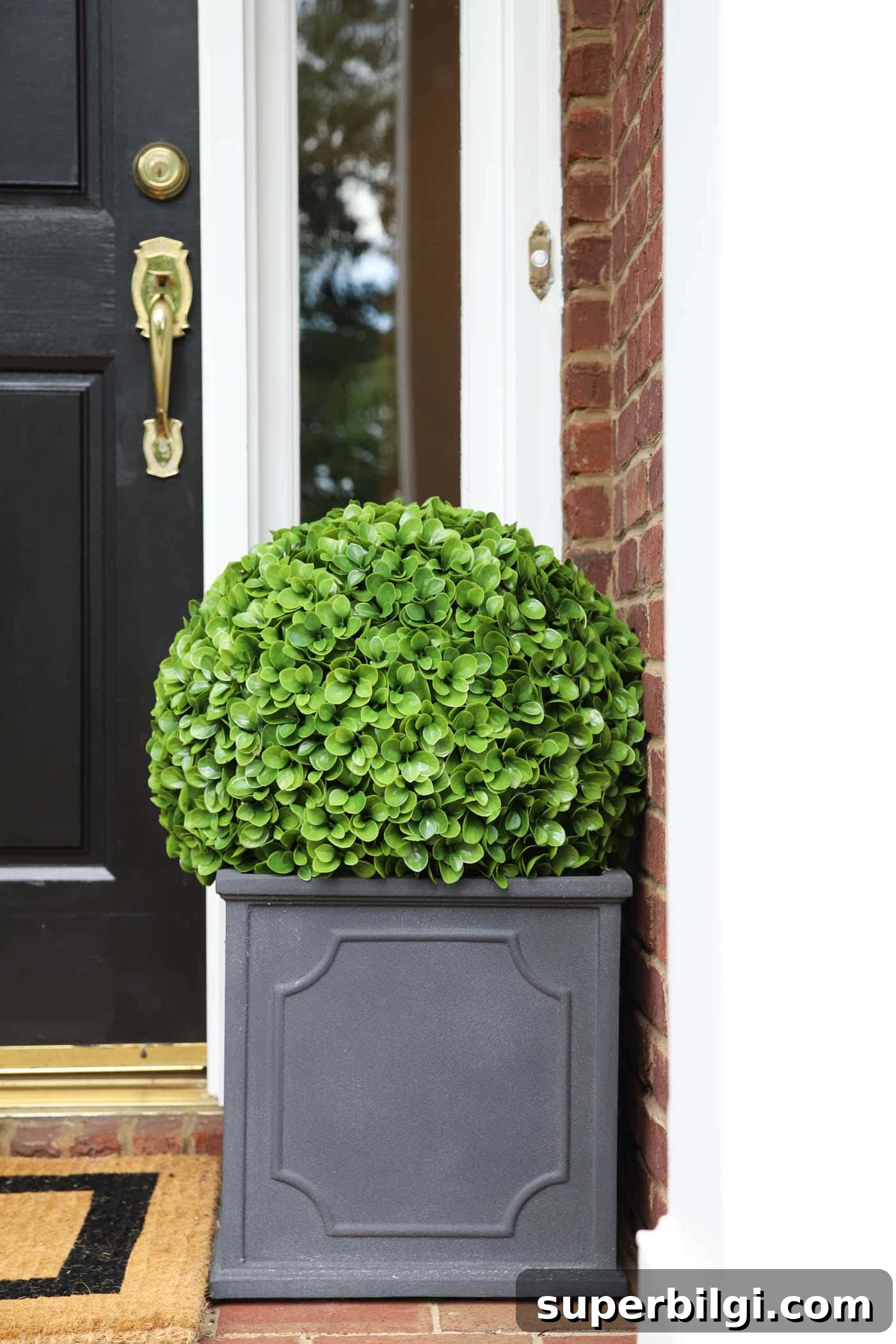
Amazon has a wide selection of faux plants at all price points and is great for last-minute purchases with fast shipping. You can find realistic topiary balls, boxwood towers, and large artificial trees that work well on porches, patios, or by entryways.
What to buy: Topiary balls, boxwood tower topiaries, and large faux trees for floor display.
2. Target
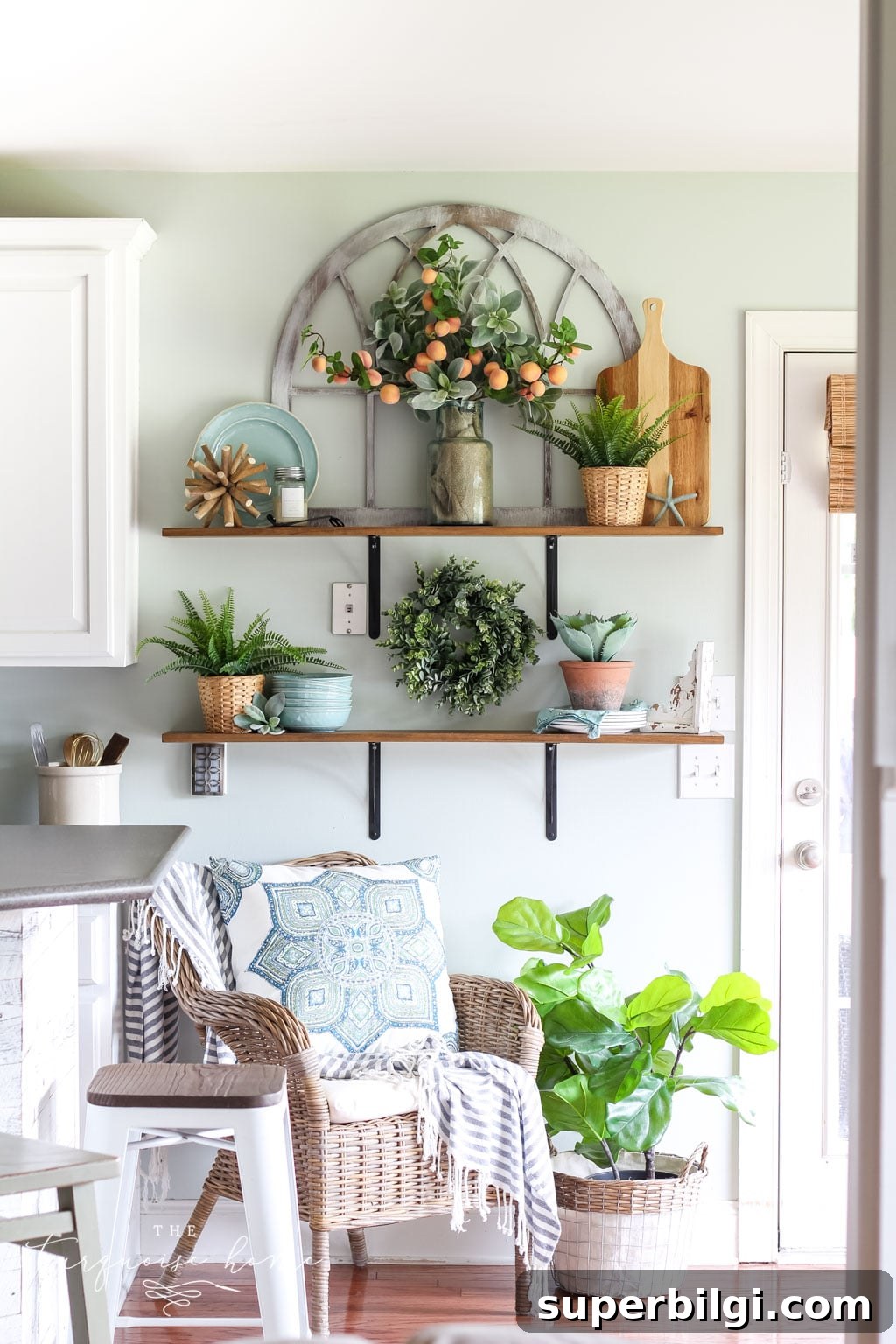
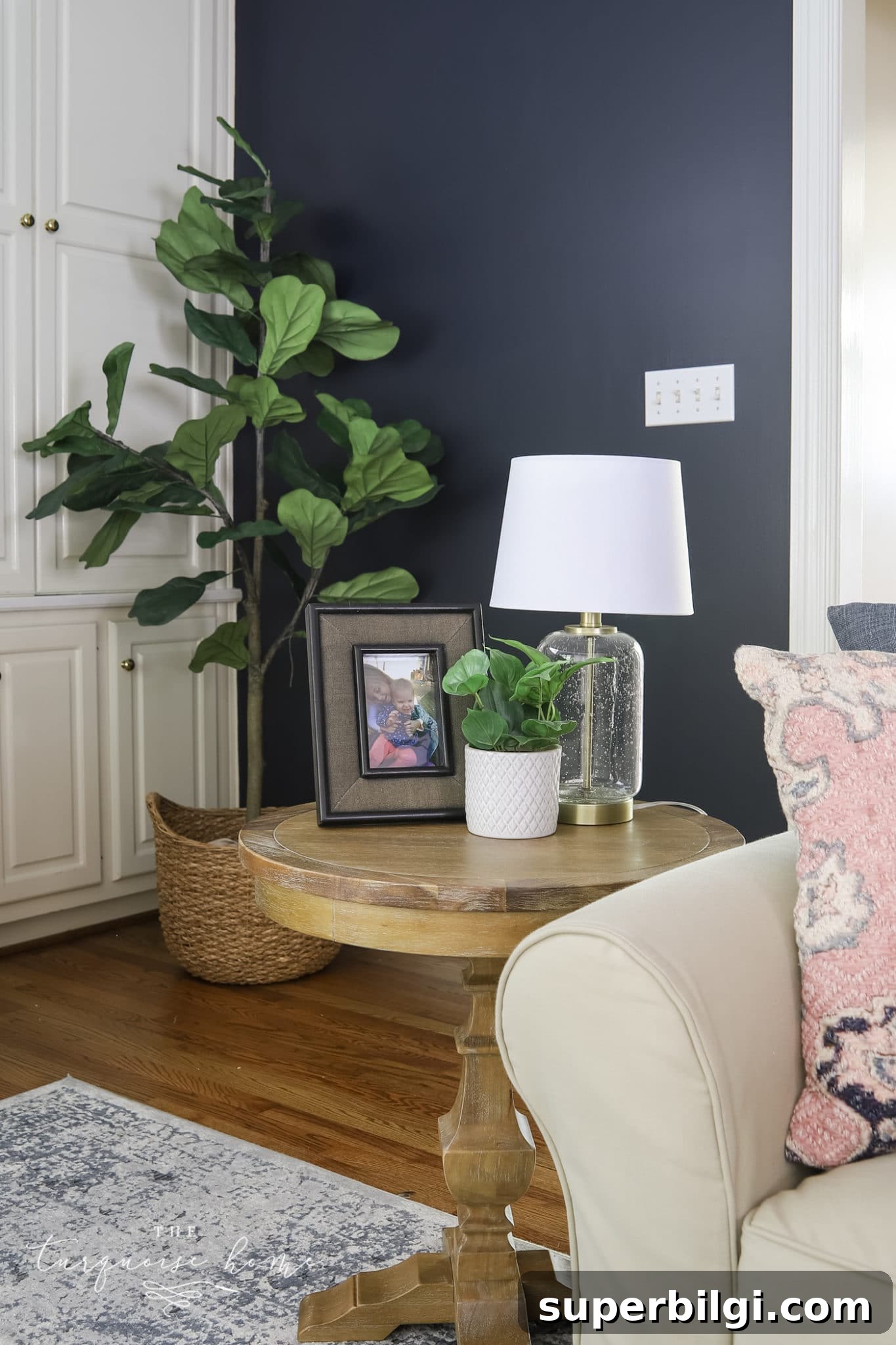
Target consistently stocks stylish, budget-friendly faux plants, often sold in attractive containers. Their options include small tabletop greenery and convincing fiddle leaf figs that make an impact in living rooms and kitchens.
What to buy: Small ferns and budget-friendly fiddle leaf figs—great for filling shelves or corners without overspending.
3. Pottery Barn
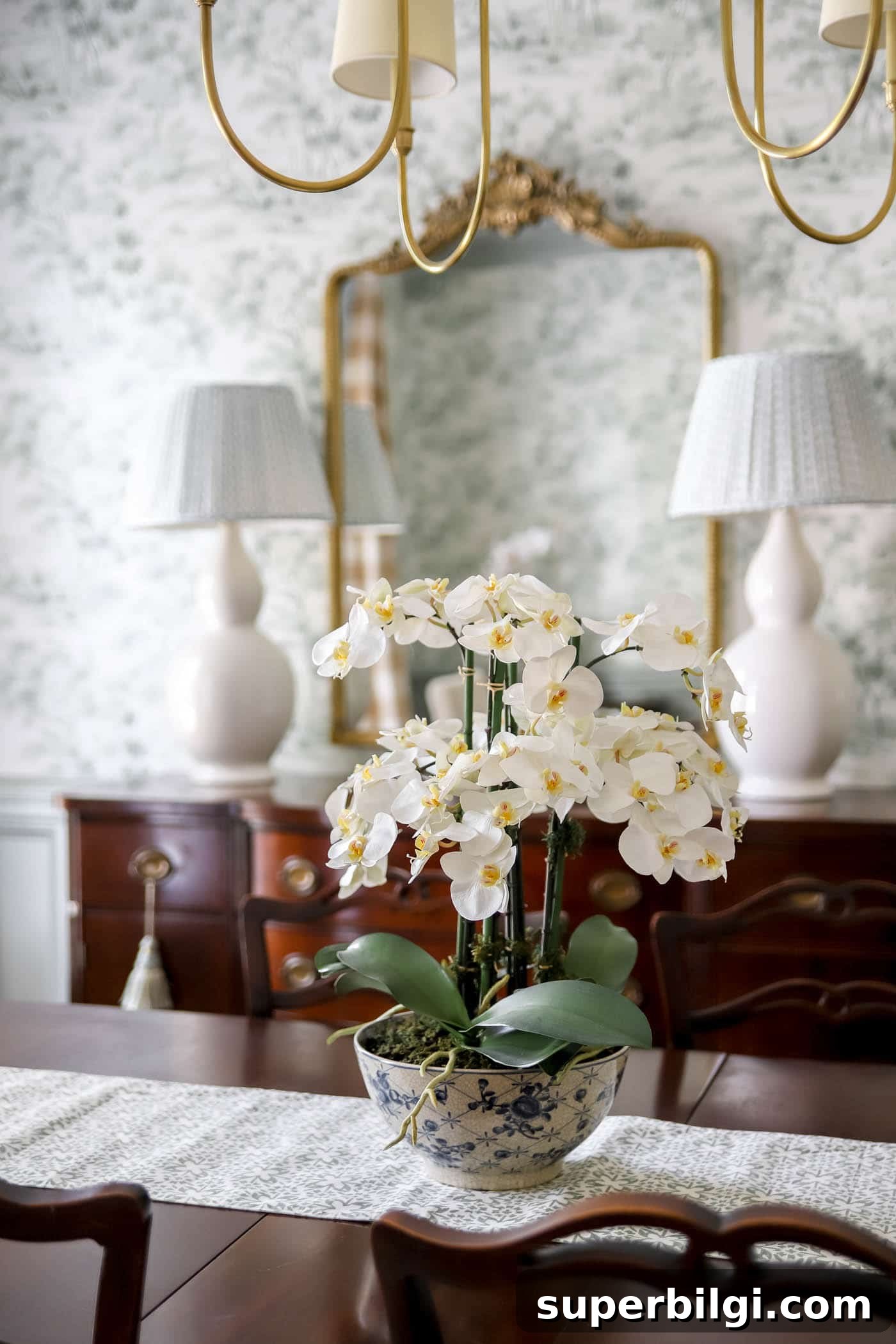
Pottery Barn offers upscale, well-crafted faux plants that read as very realistic. Their larger arrangements and trees are excellent for statement pieces that elevate a room’s look.
What to buy: Variegated trailing plants, elegant faux lemon trees, and premium orchid arrangements.
4. Nearly Natural
Nearly Natural specializes in faux trees and fuller houseplants that are especially lifelike. Their selection is ideal for larger floor plants and impressive topiaries that anchor a room.
What to buy: Large boxwood topiaries, Boston ferns, and realistic olive or ficus trees.
5. Afloral
Afloral is a go-to for realistic stems and floral supplies. If you want to build custom arrangements or add single stems like pampas grass or cherry blossoms, this is a very useful source.
What to buy: Pampas grass stems, trailing pothos stems, and cherry blossom branches for seasonal or permanent displays.
6. Ballard Designs
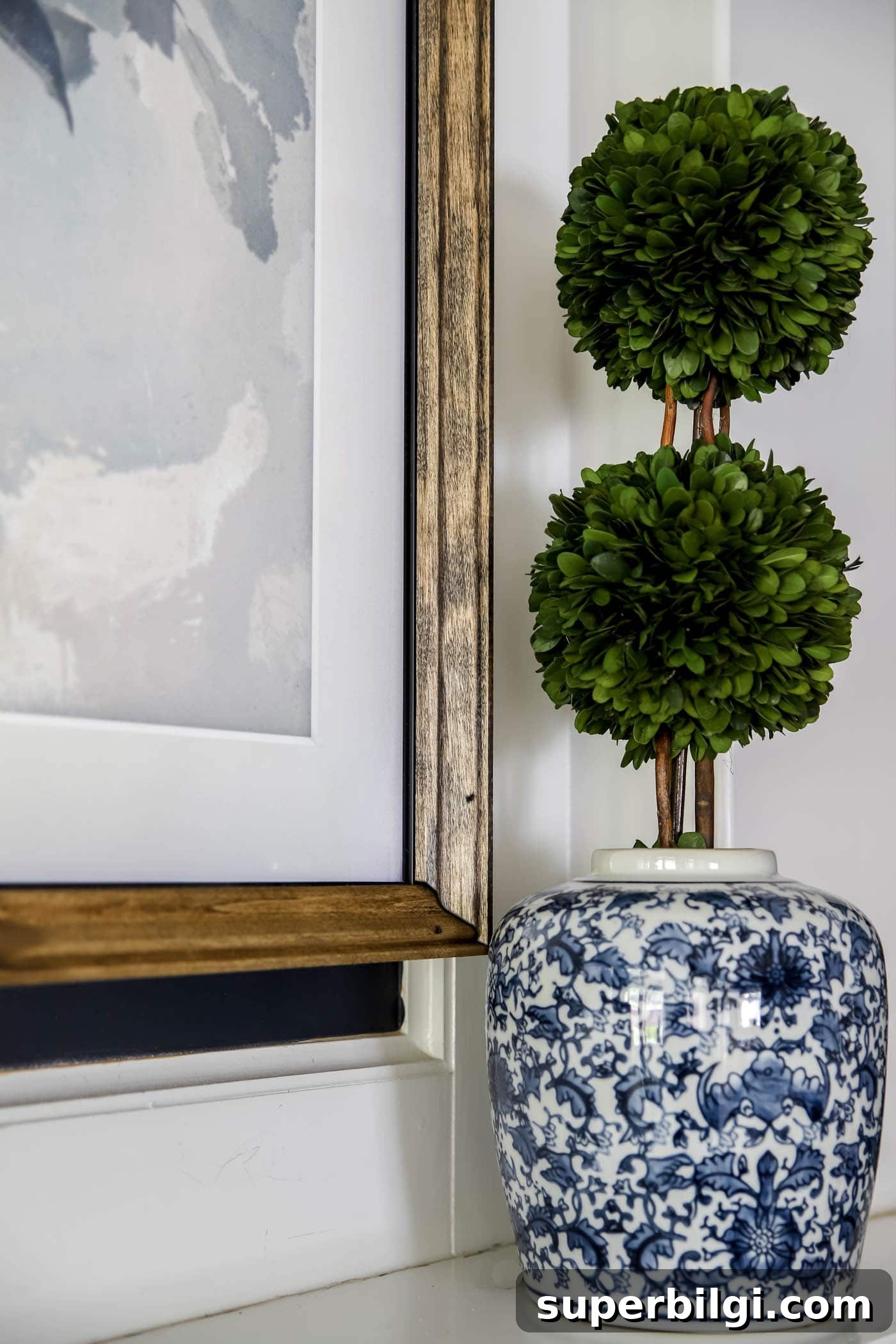
Ballard Designs carries preserved and faux plant options with a decorative focus. Their preserved boxwood pieces and seasonal stems make sophisticated, low-maintenance accents.
What to buy: Preserved boxwood topiaries, dogwood stems, and planter fillers.
7. West Elm
West Elm offers luxurious, well-styled faux plants. Prices tend to be higher, but the finishes and overall realism can be worth the investment for key focal pieces.
What to buy: Striking faux succulents and sculptural potted plants for modern interiors.
8. Wayfair
Wayfair has an extensive selection at a range of prices, making it easy to outfit an entire room or home with coordinated faux greenery and complementary planters.
What to buy: Faux eucalyptus, artificial monstera plants, and large floor trees for statement corners.
What To Look For When You Buy Faux Plants
Not all faux plants are created equal. To make an authentic-looking choice, focus on quality, scale, and texture—these factors determine whether a faux plant looks intentional or cheap.
Quality
Choose artificial plants with realistic leaf shapes, good color variation, and natural-looking stems. Higher-quality faux plants often use fabric or textured plastic that mimics the feel of real leaves. Avoid pieces that smell strongly of plastic or have unnaturally glossy surfaces.
Fit Your Space
Consider where the plant will live. Floor plants should have height and presence; shelf plants should be proportionate and compact. Think about how the plant will interact with nearby furniture and windows so it reads naturally in the space.
Fake Plants vs. Real
Both real and faux plants have advantages. Real plants boost air quality and move with the seasons, but they require time, light, and care. Faux plants offer enduring color and form without maintenance—they never outgrow their pots, never need sunlight, and won’t suffer seasonal decline.
If you have low light or a busy schedule, high-quality faux plants are often the better decor choice. If you enjoy gardening, combining a few real plants with faux options creates a lush, layered look with less upkeep overall.
How To Decorate With Fake Plants
Use faux plants strategically to hide imperfections, conceal cords, or add height and texture where needed. Make arrangements look natural by positioning stems and leaves as a real plant would—bend a few leaves toward light sources and vary heights and textures when grouping pots.
Choose attractive pots and baskets that match your decor. Mixing faux and live plants together can also create a convincing, layered display.
How To Clean Fake Plants
The main trade-off with faux plants is occasional dusting. Cleaning is simple and quick:
- Use a soft paintbrush to dust individual leaves and reach tight spots.
- Wipe leaves with a damp microfiber cloth to remove grime and restore color.
- Use a vacuum attachment on low power for larger plants—be careful not to detach any parts.
With minimal upkeep, faux plants will stay fresh and vibrant for years.
More posts you might enjoy:
- The 3 Easiest House Plants + Indoor Plant Care Tips
- Simple DIY Wood Planter Box
- Easy DIY Planter Teacher Gift Ideas + Free Printable Tag
- How to Get Rid of Gnats in House Plants
- Pothos Plant Care Guide