Wondering what color to paint your interior doors? You can keep them white for a quiet, classic look, go with a warm neutral for gentle contrast, or use a deeper blue, green, or charcoal to give a room more personality. The best choice depends on your wall color, trim, lighting, and how many doors you can see at once.
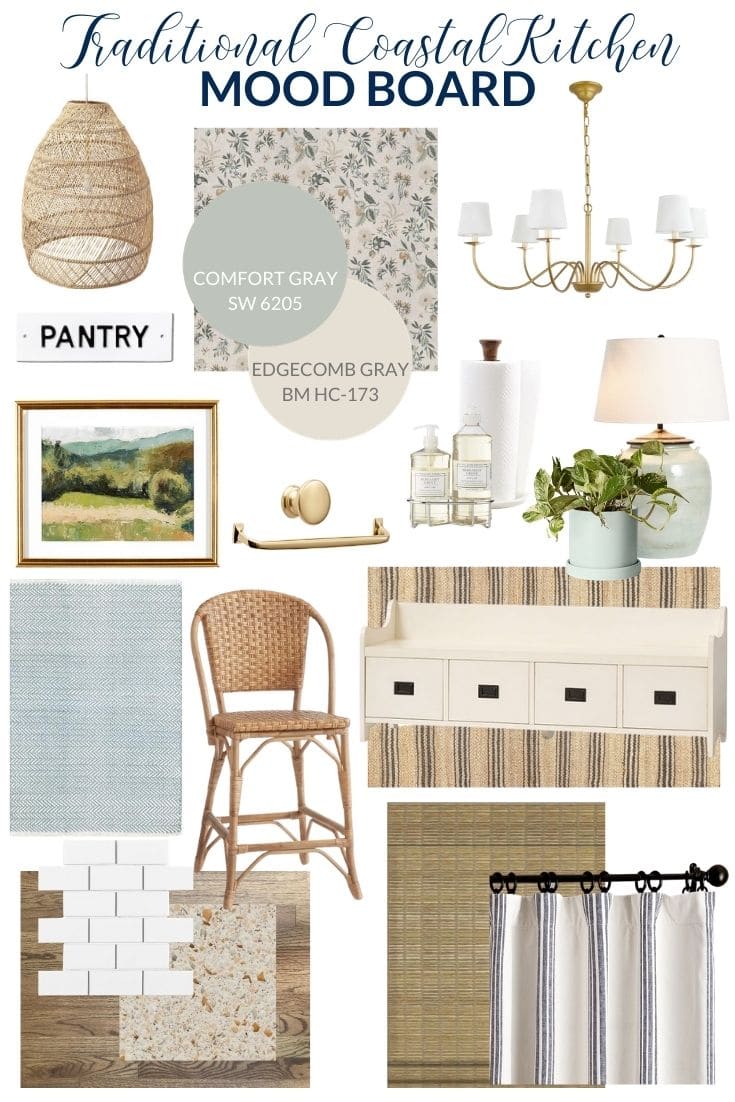
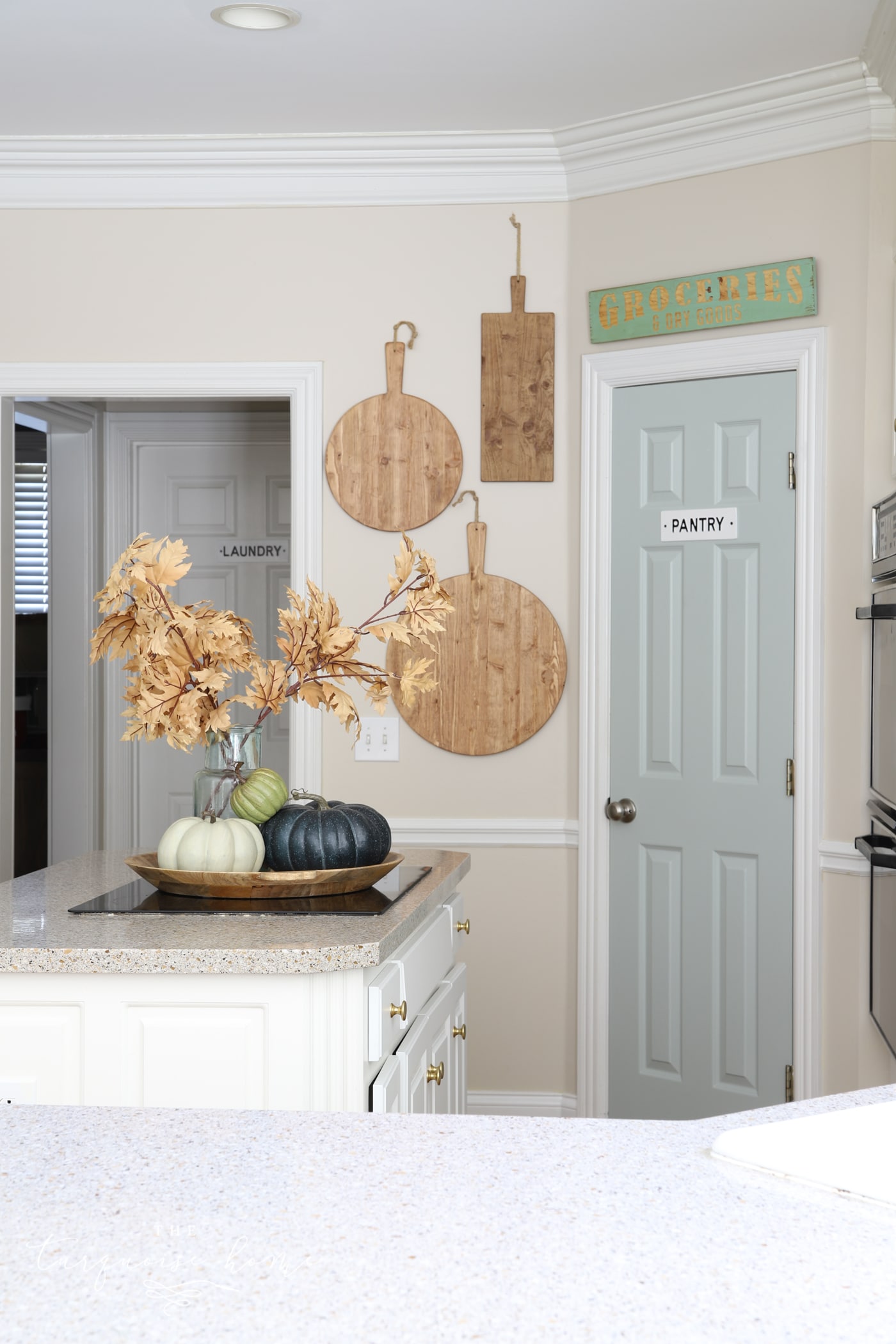
I started small with our kitchen pantry door in Sherwin-Williams Comfort Gray. Painting one door let me live with the color before deciding whether I wanted to use it anywhere else. Below, I'm sharing ten painted-door ideas, along with what I've learned from painting doors in my own home.
Quick answer: which color should you paint interior doors?
If you want a subtle change, try a soft taupe or greige, warm gray, or muted blue-green. For more contrast, consider navy, charcoal, or black. Start with your wall and trim colors, then test your favorite shade on one door in different lighting. You don't have to paint every door in the house.
Are Painted Interior Doors Still in Style?
Absolutely! Painting interior doors a color other than white has been popular for years, and it no longer feels like an unusual decorating choice. A painted door can add a little personality to an otherwise neutral room, tie in a color from your decor, or give a pantry or closet door its own moment. You'll see everything from soft, understated shades to deep blues, greens, and charcoals.
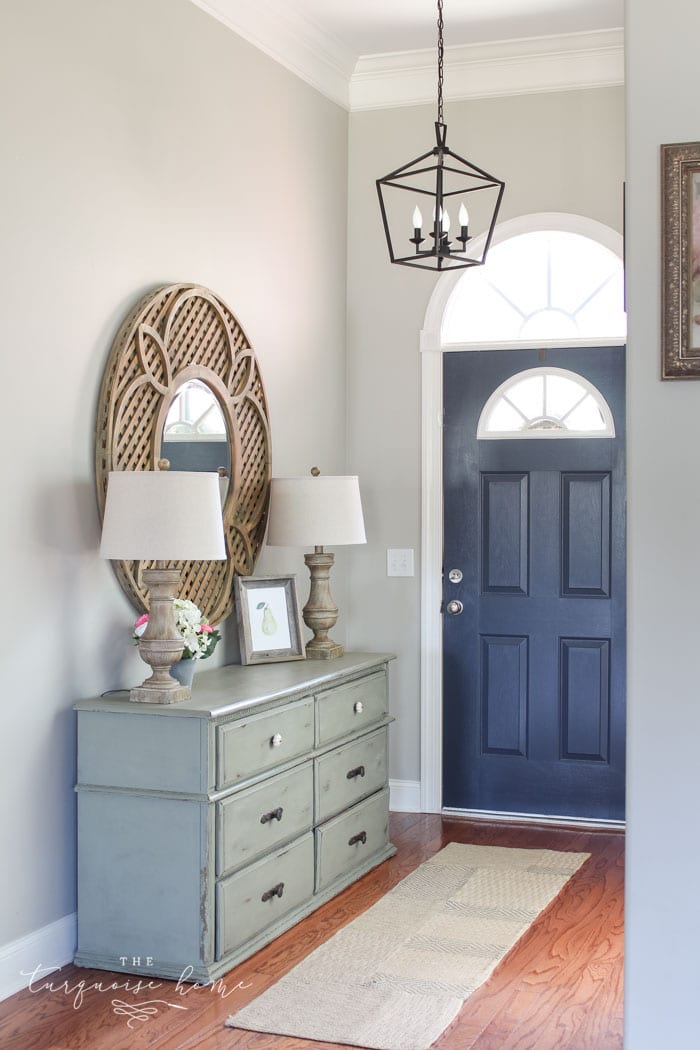
In my old house, I also painted the interior sides of my exterior doors Hale Navy. So if you're nervous about painting your doors, maybe try a couple first and see how it goes!
My favorite part of this decor choice is that it's a very simple fix if I get tired of the color. Plus, it's even easier than painting furniture when you want a fresh look without a big commitment.

How to Choose an Interior Door Color
I love a good neutral room, but sometimes white walls, neutral furniture, and quiet decor need one more layer of color. That's one reason I've enjoyed seeing interior doors painted in shades other than white. It's been a decorating trend for years, and now a blue pantry door or a charcoal bedroom door feels right at home in all kinds of spaces.
What Color Doors Look Good With White Walls?
White walls give you plenty of room to play. A muted blue or blue-green adds soft color, while navy, charcoal or black creates more contrast. If you'd rather keep things subtle, try a warm taupe or a gentle gray.
Before you choose, look around the room for a color you could repeat on the door. It might come from a rug, a piece of art, wallpaper, or even a favorite fabric. That small connection helps the door feel like part of the room.
What About Cream or Warm Neutral Walls?
With cream, beige, or warm greige walls, I'd look at the undertones of the colors together. A warm taupe, soft blue-green, deep navy, or warm charcoal can all be lovely choices. Even a white door can work, as long as you compare it with the wall color in your home so the two look good side by side.
Paint a sample on the door and check it at different times of day. A color you love on a tiny paint chip may look different on a larger surface, especially in a hallway without much natural light.
Do Interior Doors Have to Match the Trim?
Nope! You can paint the door and trim the same color for a more continuous look, or let the door stand out against your existing trim. You also don't have to repaint every baseboard in the room just because you chose a color for one door.
I'd decide which look you like best before you start painting. Hold your door-color sample next to the trim, step back, and see whether the contrast feels intentional to you.
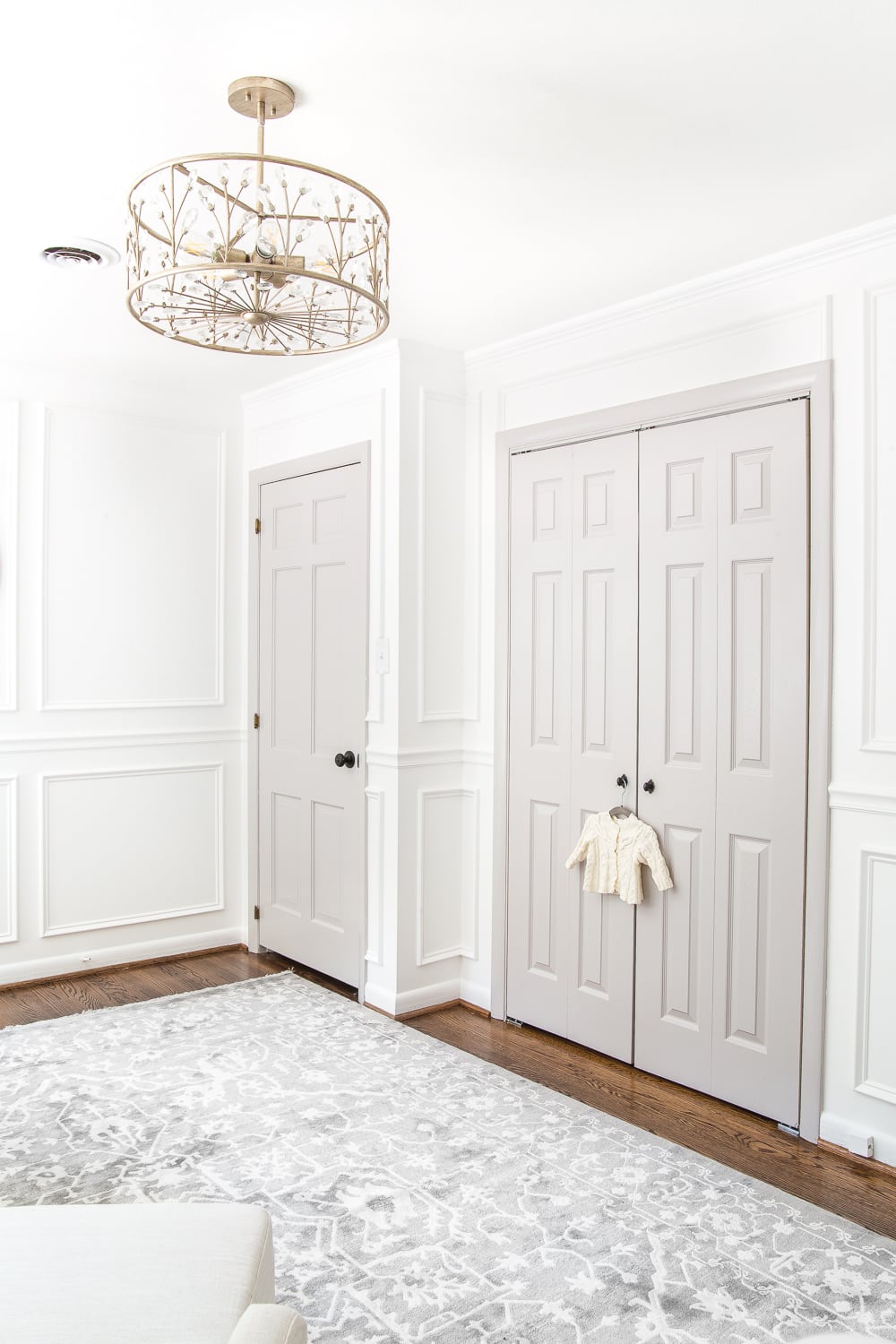
Do All Interior Doors Need to Be the Same Color?
They can be, but they don't have to be. If several doors are visible from one hallway, using the same color on those doors can help the space feel pulled together. Then you might choose a different color for a special door, such as a pantry, closet, or the inside of your front door.
If you want different door colors throughout the house, look for something that connects them, like the same door style, paint finish, or a color palette that repeats from room to room. Most of all, choose what makes sense for your home. You're the one who lives with it!
10 Gorgeous Examples of Interior Door Paint Colors
It's one thing to talk about how amazing a non-white painted interior door looks, but it's entirely different to see one for yourself. That's why I've gathered 10 examples of interior door paint colors that add instant personality to a home.
1. Pops of Blue
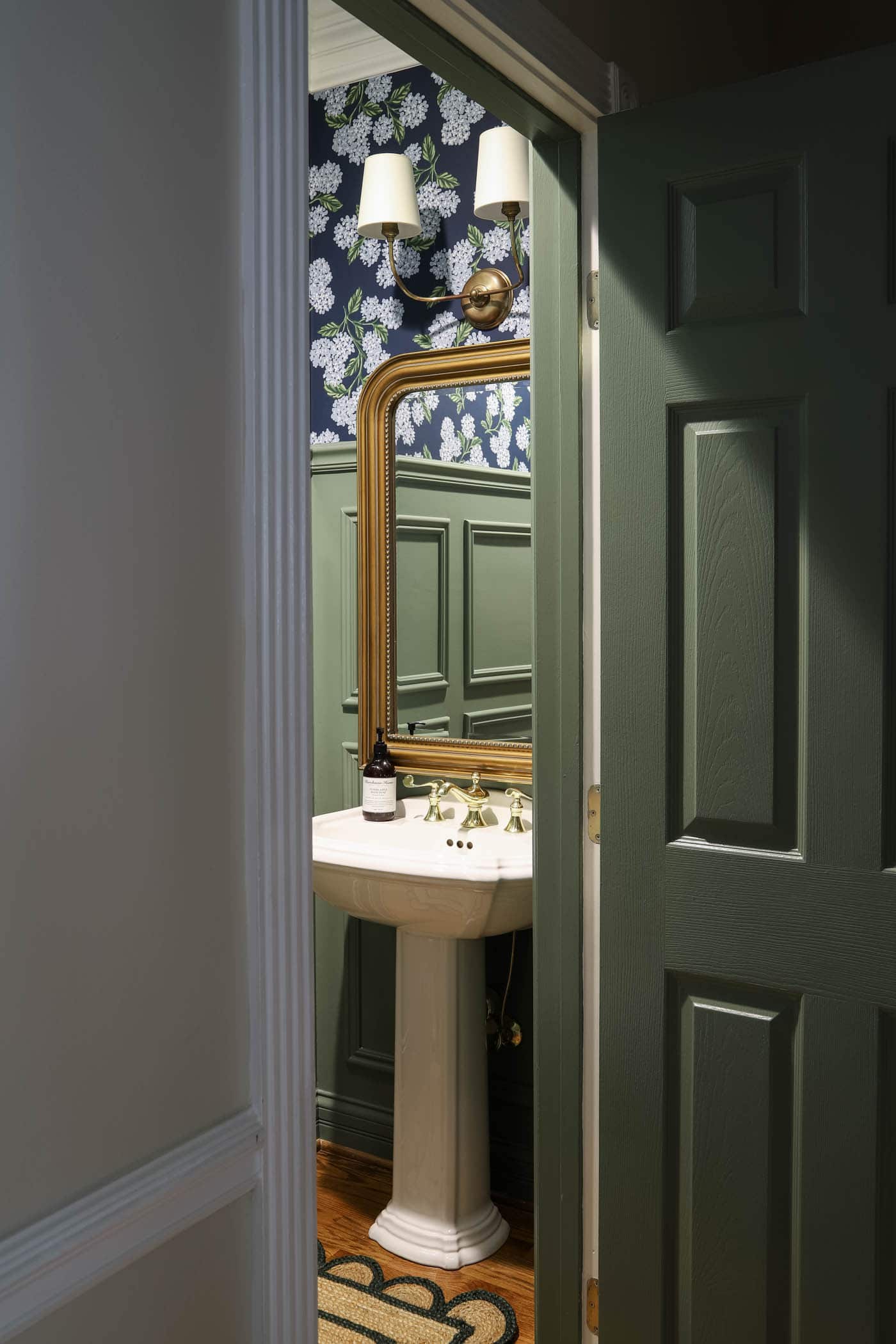
Muted blues are a lovely way to add color without making a door feel too bold. The inside of this front door at Fox Hollow Cottage is painted Benjamin Moore Wythe Blue, a soft blue-green that gives the room a little personality.
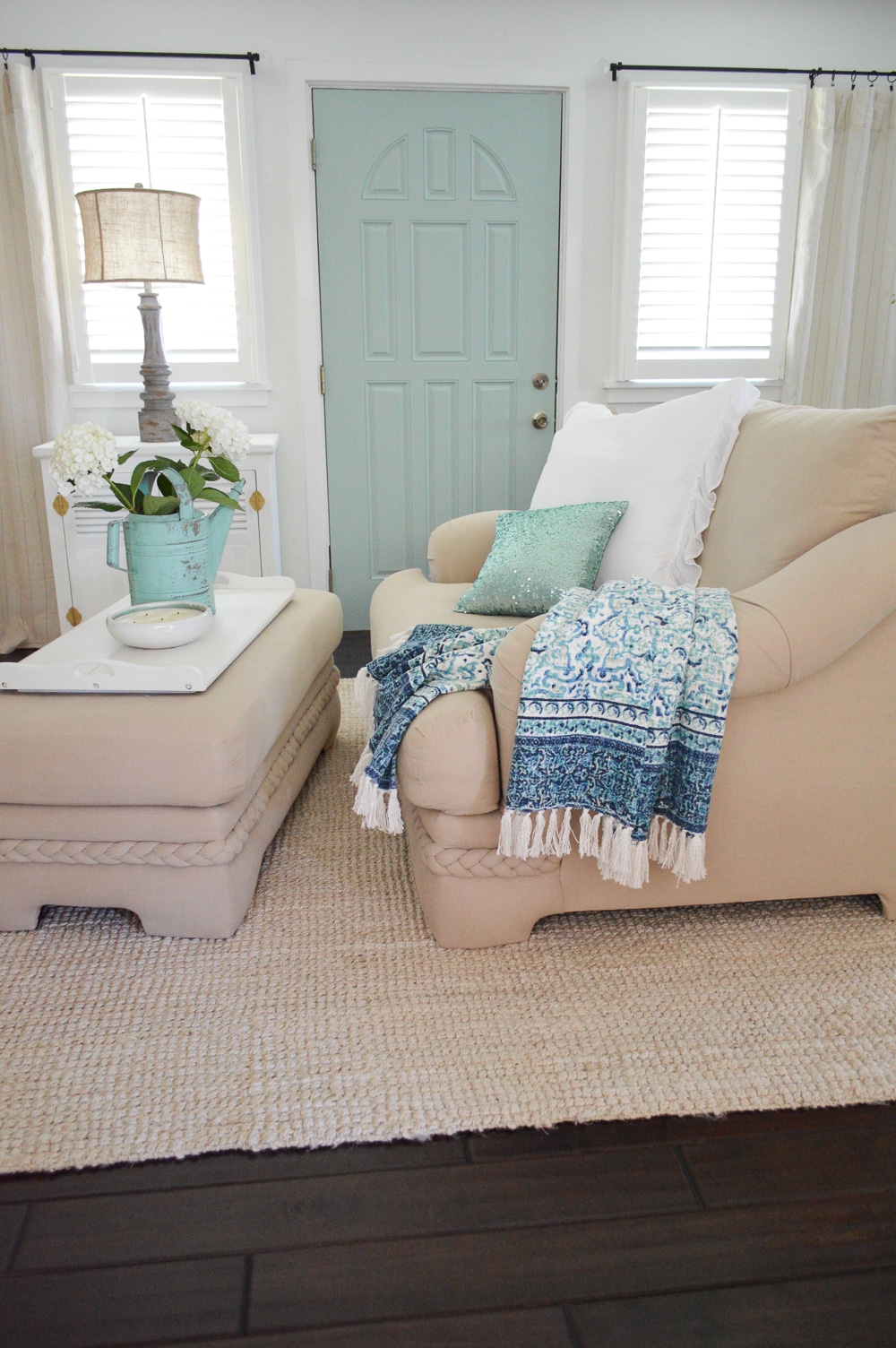
Where it works: Try a shade like this with white or warm neutral walls, especially if you already have touches of blue in your rug, pillows, or artwork. It adds color while still feeling calm and easy to decorate around.
Related post: Benjamin Moore Wythe Blue: Paint Color Review + Real Room Examples
2. Bright Rays of Sunshine
If you want a door that makes you smile every time you walk by, take a look at Benjamin Moore Yellow Highlighter. These painted doors from Pretty Handy Girl bring such a cheerful burst of color to the space!
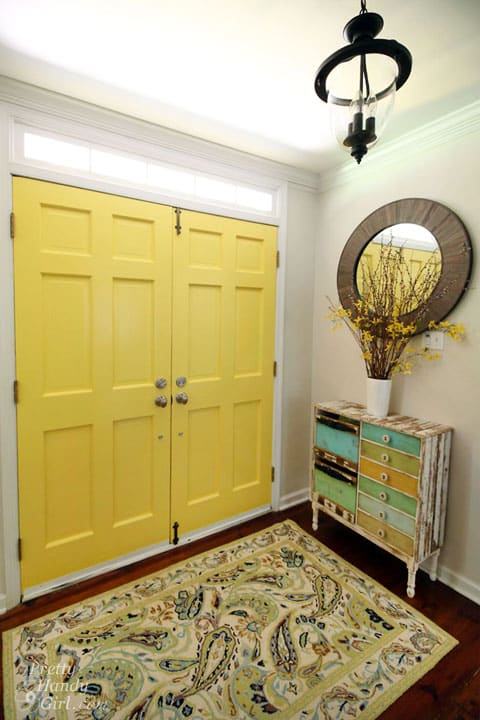
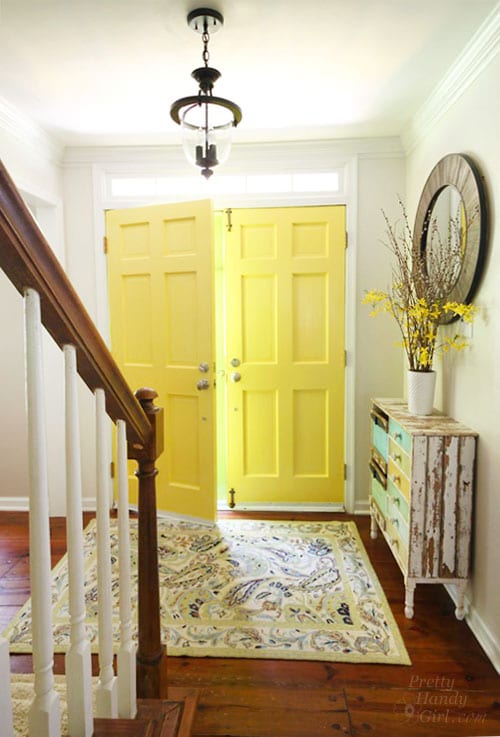
Where it works: A bright yellow door can be especially fun on a pantry, playroom, or any door you want to make a feature. Pair it with simple white walls and quieter decor to let the color shine, or repeat a little yellow in artwork or accessories to tie it into the room.
I love how the door in this example relates to the floral stems, the funky colorful table, and the paisley rug!
3. Neutral Beige
For a quieter change, try a warm neutral. This laundry room door from Stefana Silber is painted Sherwin-Williams Accessible Beige. It adds a little contrast without demanding all the attention.
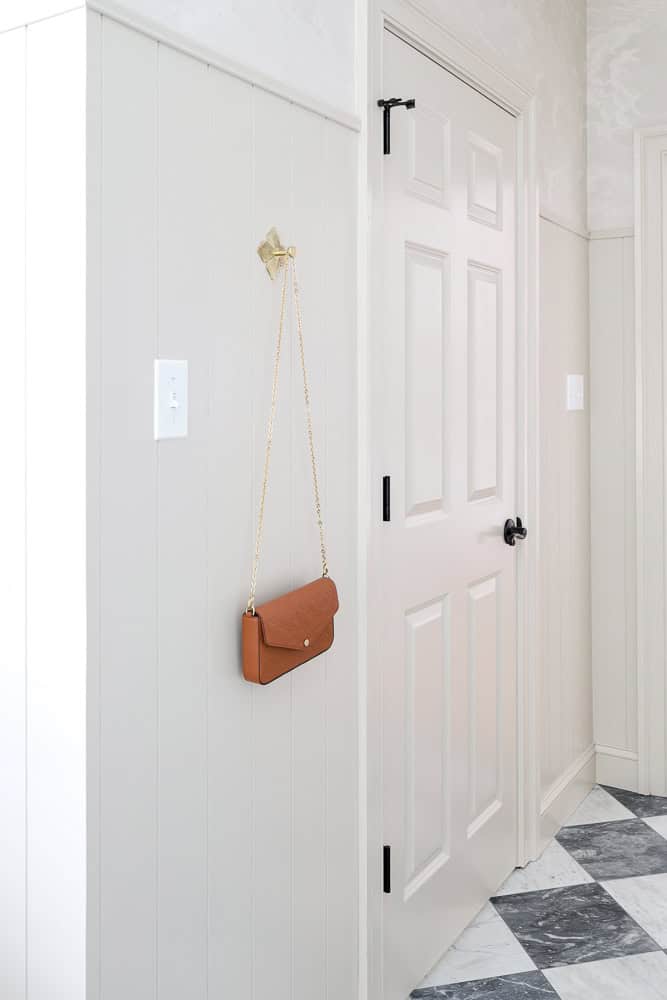
Where it works: A beige door is a lovely choice if you want to move beyond white but still keep your rooms feeling calm and connected. Try it alongside creamy whites, warm wood tones, and other soft neutrals.
4. Pink Boho
Pink doors can be playful, but they can also feel right at home in a grown-up space. In this entryway from Maggie Overby Studios, the pink door adds another layer of color to an already collected, colorful room.
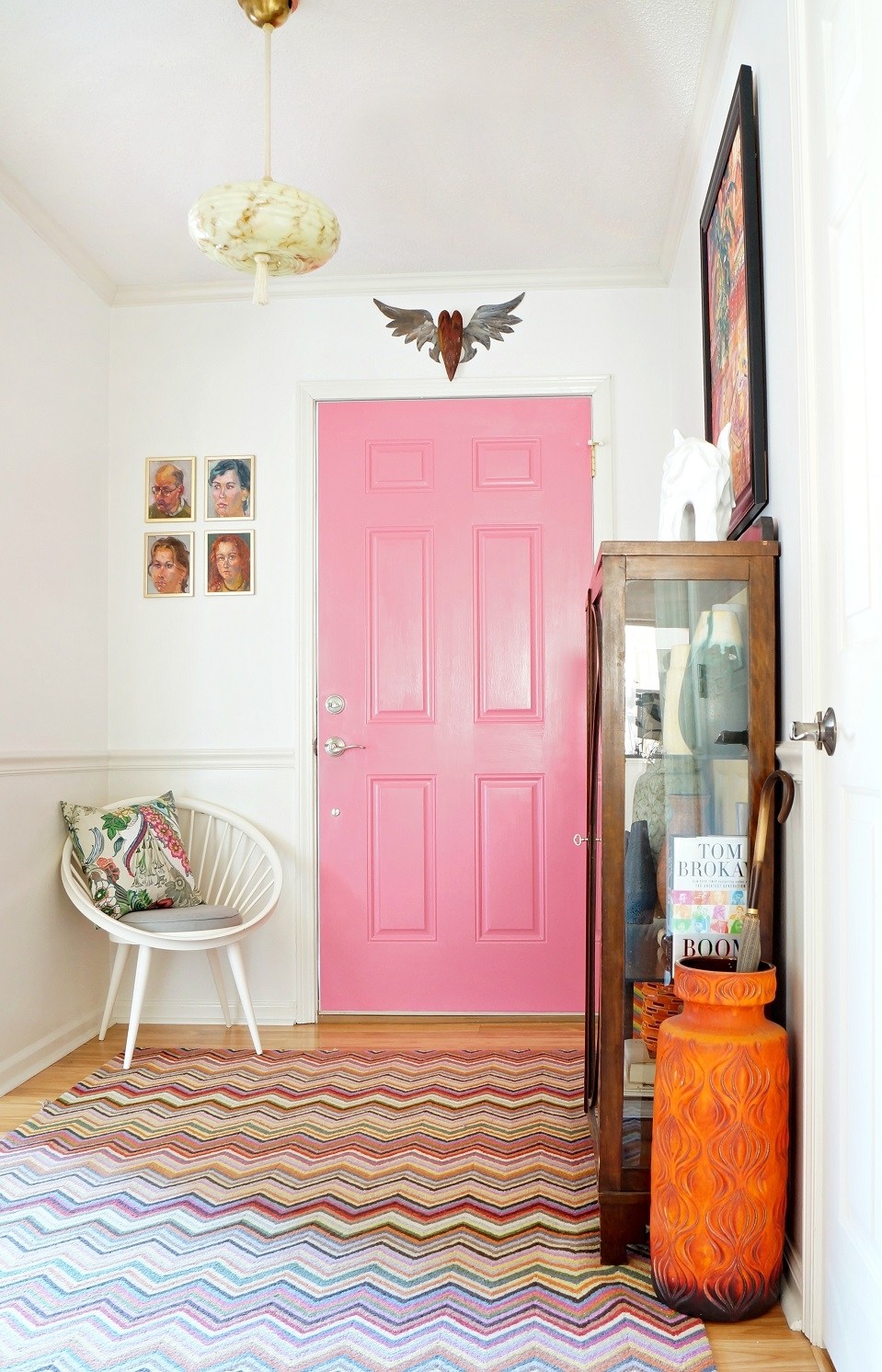
Where it works: If you have a patterned rug, eye-catching wallpaper, or a piece of art you love, try pulling a pink shade from it for the door. Repeating a color already in the room helps the choice feel intentional.
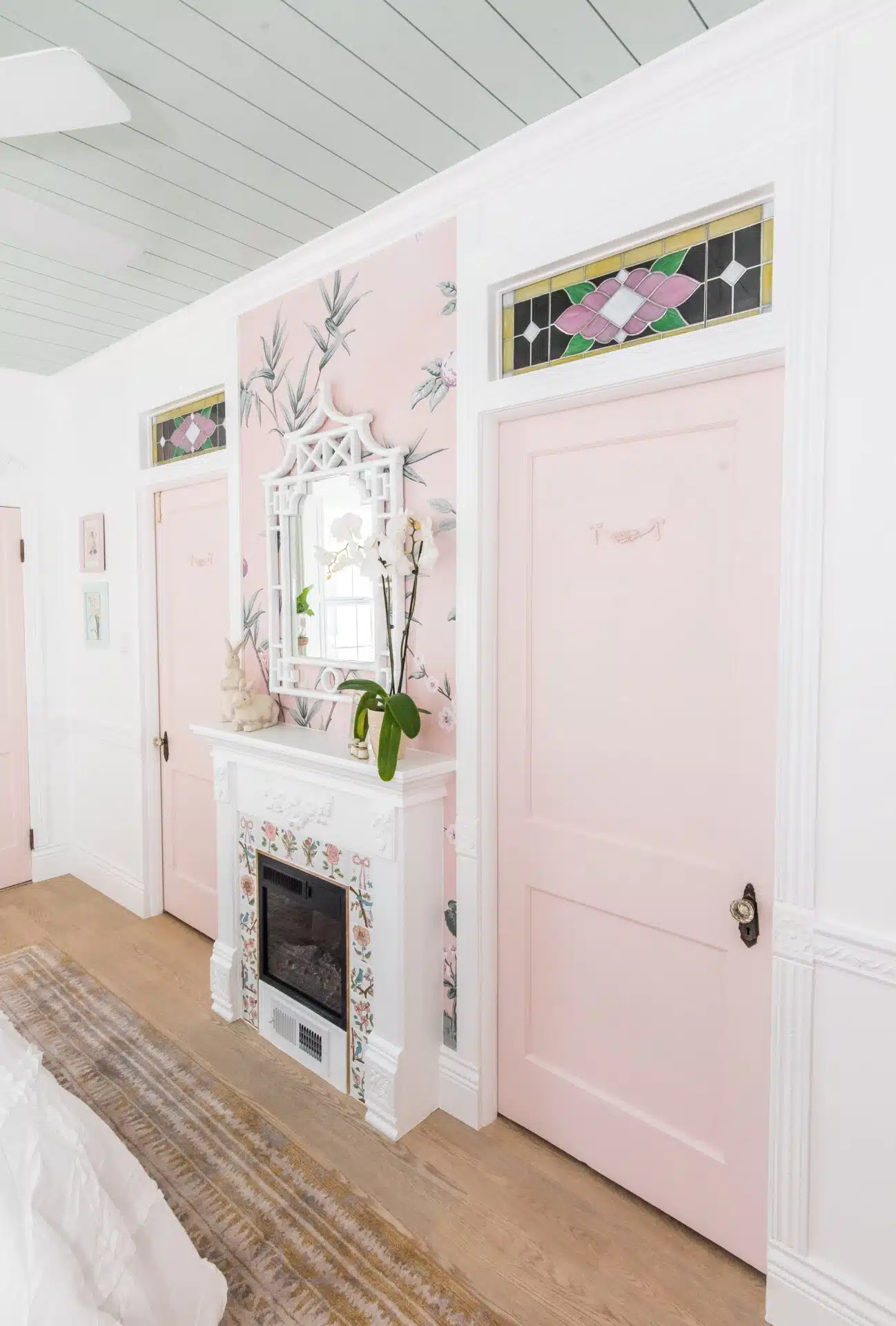
And pink isn't just for a little girl's room, although that would be precious! The pastel doors in this primary bedroom reveal from At Home with Ashley show how a softer shade can feel sweet and polished in a grown-up bedroom, too.
5. Go Deep
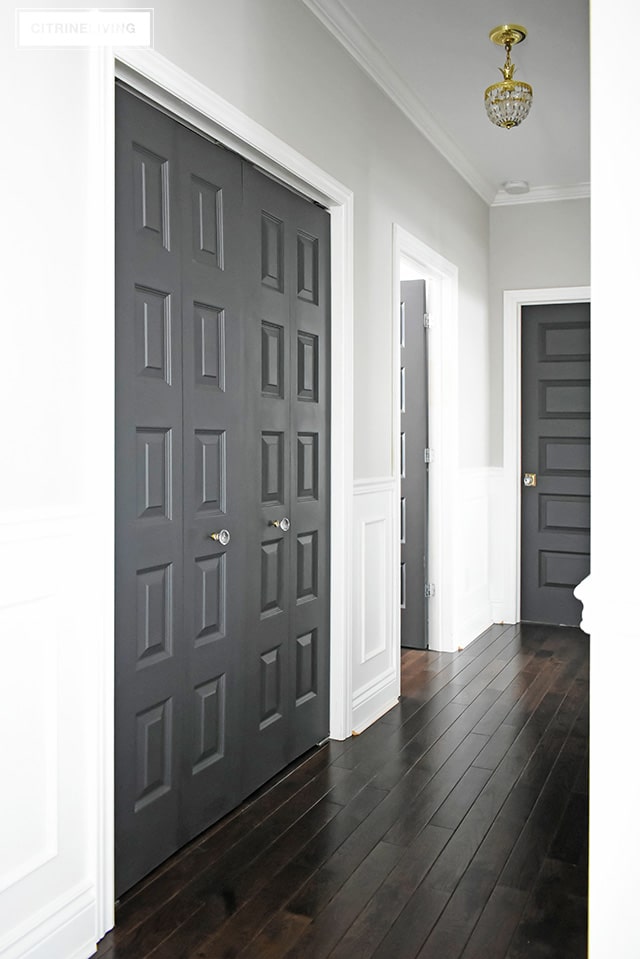
I love the depth these blue doors bring to the hallway at Addicted 2 Decorating. They stand out against the light walls and trim, while also feeling connected to the dark wood floors. It's a bold choice that still feels calm and classic.
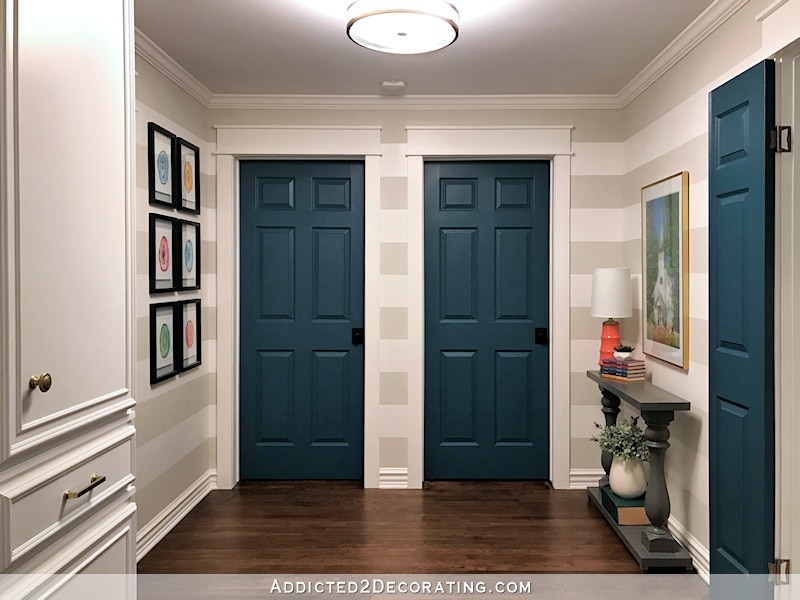
Where it works: Deep blue is especially lovely when you want to add contrast to a neutral hallway or entryway. If several doors are visible at once, painting them the same shade can give the space a pulled-together look.
6. Subtle Blue Gray
If you'd like a softer touch, take a look at the doors Southern Hospitality painted Sherwin-Williams Oyster Bay. The muted blue-gray adds personality without feeling too bold.
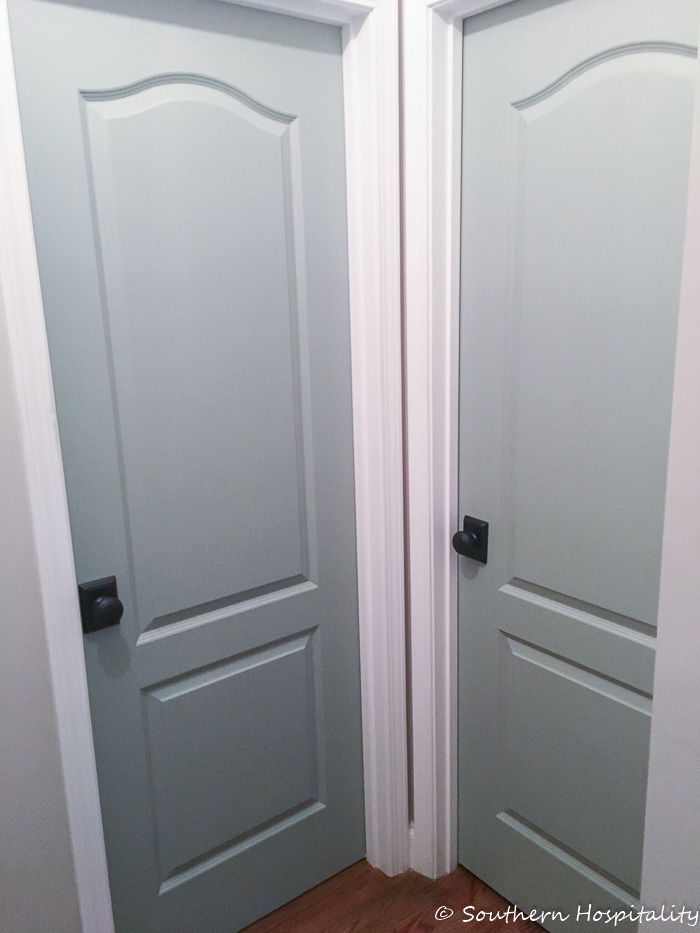
Where it works: A shade like Oyster Bay looks lovely with white or warm neutral walls, especially if you want color on several doors without making the hallway feel busy.
I've seriously considered painting all of my doors Oyster Bay! For now, I dipped my toe into painted doors with a slightly lighter color on our pantry door: Sherwin-Williams Comfort Gray. (I did end up painting my dining room Oyster Bay, and I love it!)
7. Classic Black
Black and white is a classic combination for a reason. The black interior doors at Monica Wants It look striking against the white walls, and the door style gives them plenty of character.
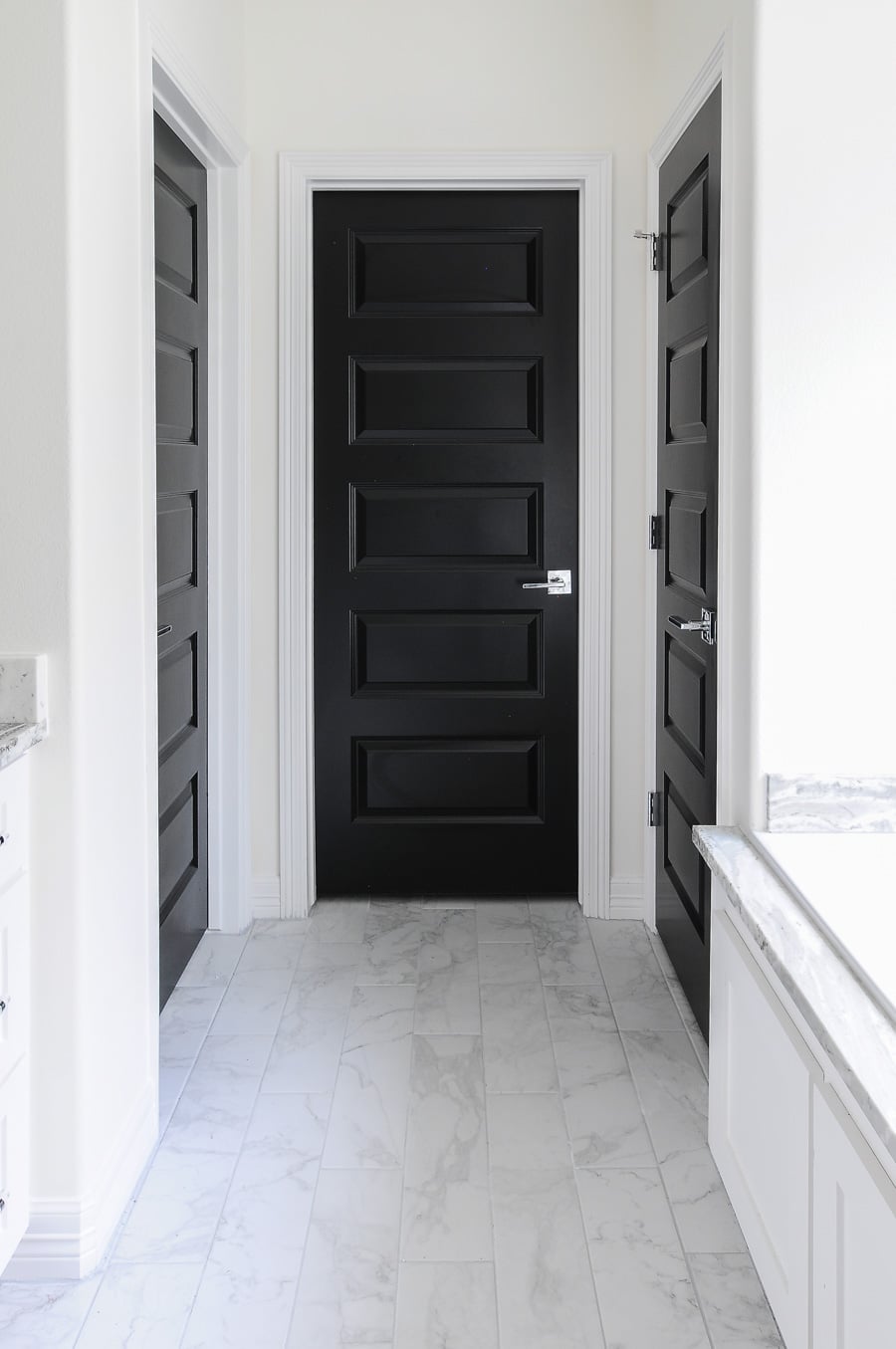
Where it works: Try black doors if you want strong contrast in a white or light neutral hallway. Repeating black in a few other details, such as light fixtures, frames, or hardware, can help the doors feel connected to the rest of your home.
8. Warm Dark Neutral
If black feels a little too strong, a deep charcoal can give you contrast with a softer look. This door from The Inspired Room is painted Benjamin Moore Kendall Charcoal. I love that it's dark and dramatic while still feeling warm.
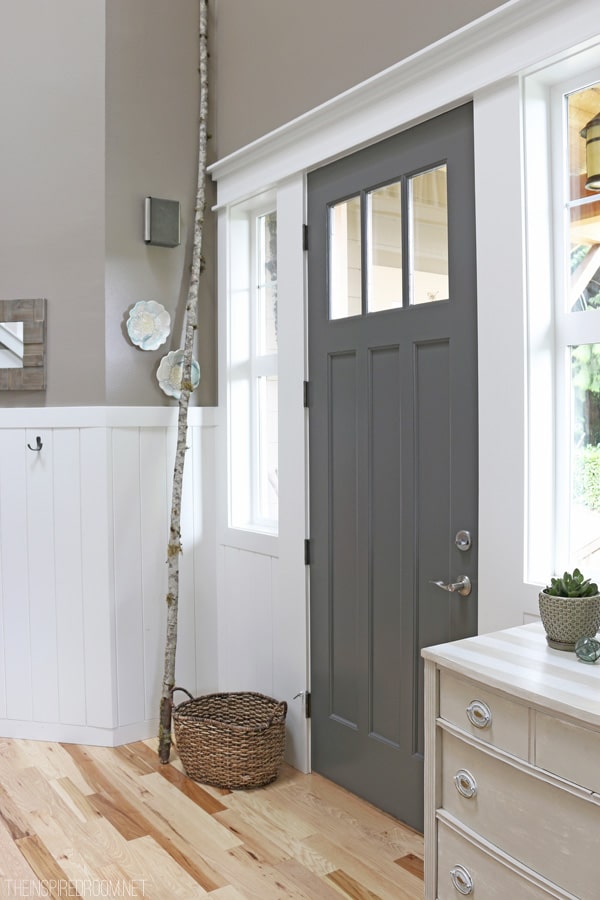
Where it works: Try charcoal with white, cream, or other light neutral walls when you want the door to stand out. It's also a lovely way to pick up darker tones from a rug, furniture, or hardware without choosing true black.
Related post: The Best Gray Paint Colors + Real Room Examples
9. Color Punch
If you're ready to have some fun with color, these bright green doors from A Turtle's Life For Me are such a cheerful example! The green stands out against the navy walls, while the white trim gives both colors a little breathing room.
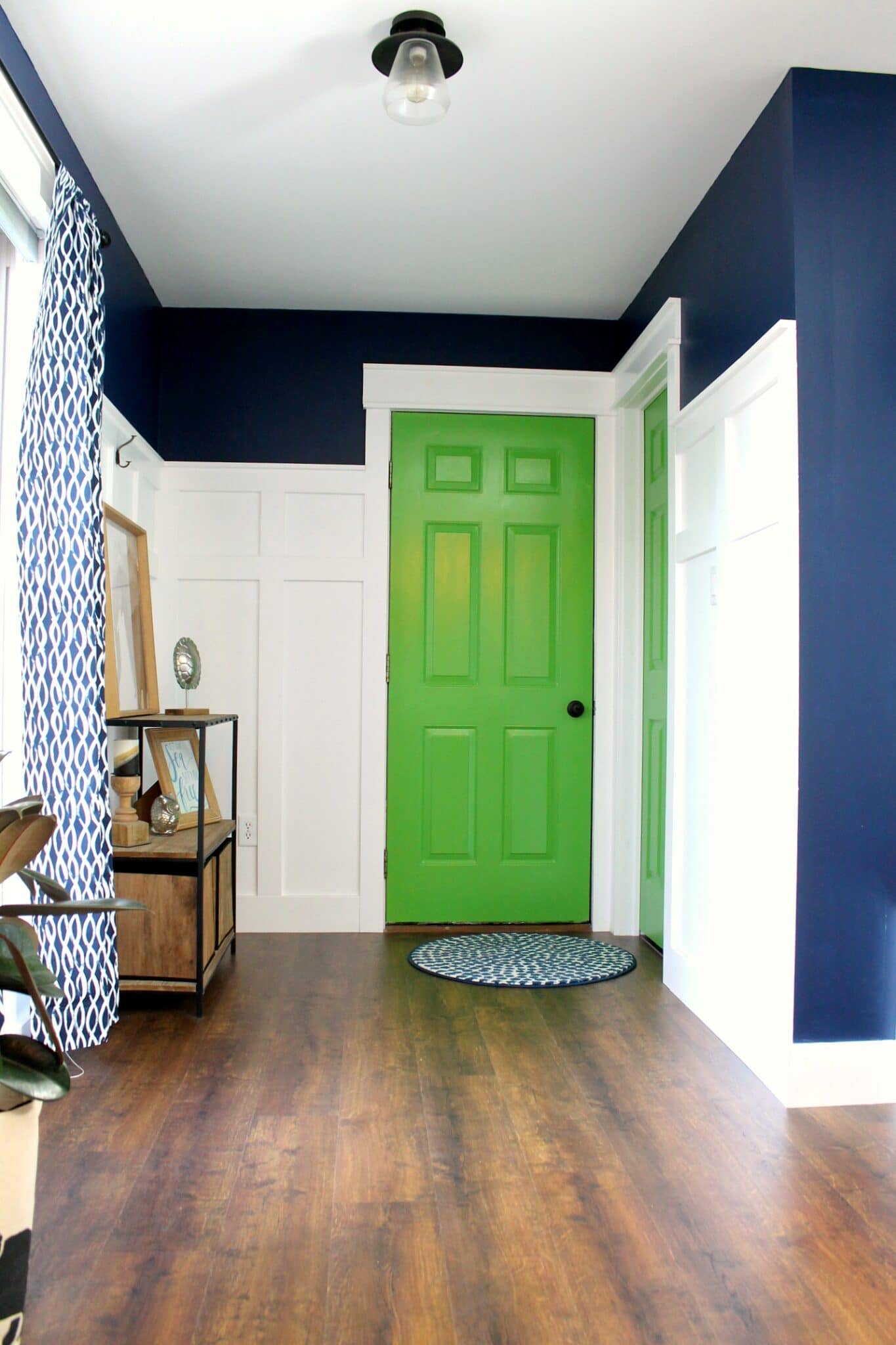
Where it works: A bold door color can be especially fun in a mudroom, laundry room, or playroom. If you're pairing two strong colors like green and navy, choose one to cover more of the space and let the other be the accent.
10. Bold Red
This mudroom from Chris Loves Julia makes a wonderful case for a red door! The inside of their exterior door is painted Farrow & Ball Preference Red to match the cabinetry and trim, giving the whole space a rich, pulled-together look.
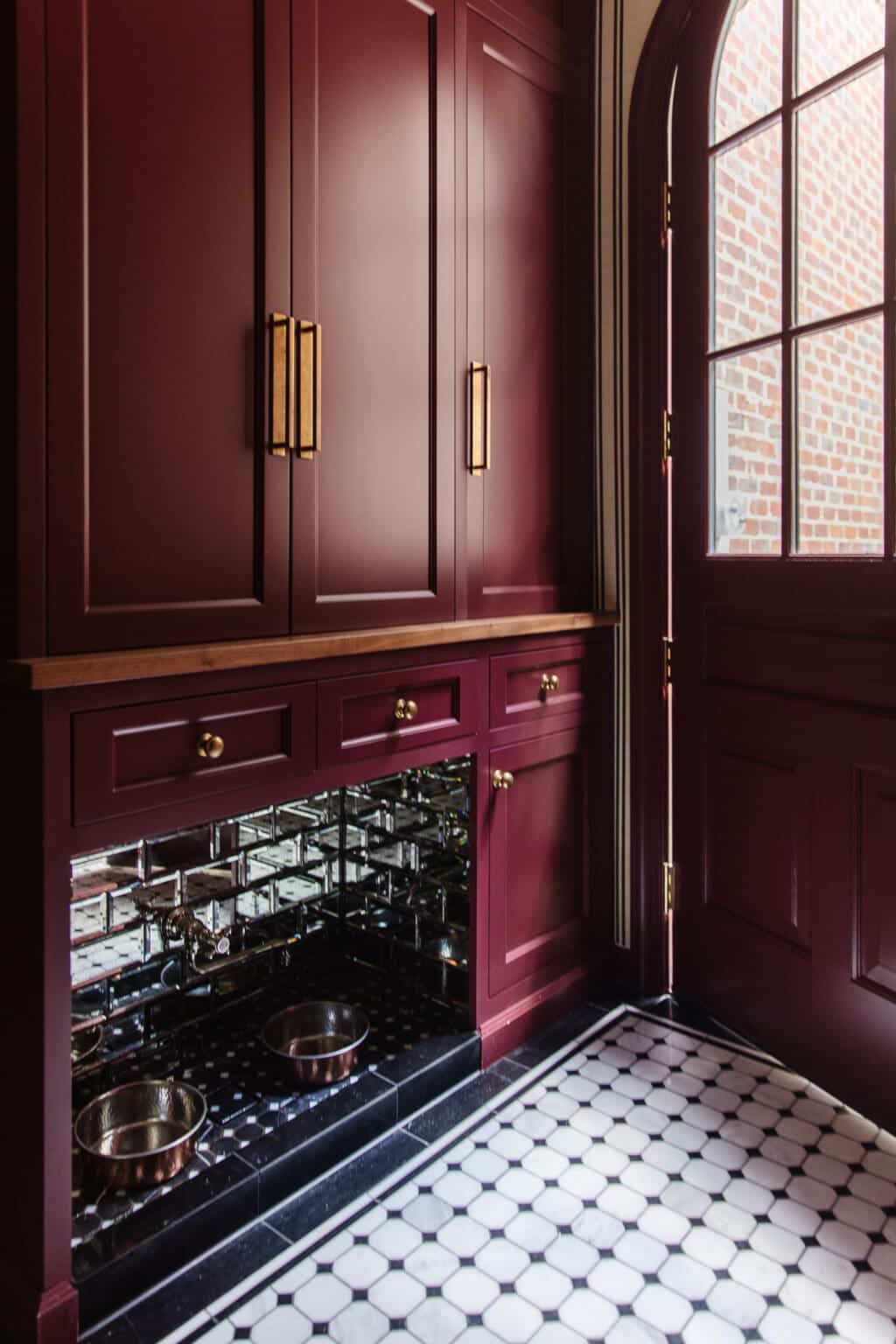
Where it works: A deep red is lovely in a mudroom or entryway if you want a warm welcome when you come home. Painting the door and nearby cabinetry the same color lets you use a bold shade without the door feeling like a separate accent.
Final Thoughts on Painting Interior Doors
Painting an interior door is such a fun way to bring a little more personality into your home. You can keep things subtle with a warm beige or muted blue-green, or make a statement with navy, black, or even red. There's no need to tackle every door at once, either!
If you're unsure where to start, choose one pantry, closet, or bedroom door. Pick a color that connects to something you already love in the room, paint a sample, and see how it looks throughout the day. That's how I got started with our Comfort Gray pantry door, and it made the decision feel much less intimidating.
Which of these door colors would you try in your home? I'd love to hear your favorite in the comments!
More Paint Inspiration
Still deciding on a shade? Start with my guide to choosing a paint color. You can also take a closer look at Comfort Gray and Wythe Blue. And when you're ready to get started, here's how I painted an interior door.