Welcome to Day 9 of the 30 Days to Less of a Hot Mess Challenge. Today we’re focusing on paper clutter — decluttering, organizing, and creating systems so your home feels calmer and easier to manage. If you’re new to the challenge, consider starting at Day 1 to follow along. This post mentions affiliate links used for convenience and disclosure is available on the site.
I began tackling paper clutter many months ago, inspired by The Life-Changing Magic of Tidying Up. I thought paper would be the toughest category, and for a long time it was. For a year I kept trying to handle papers inside my filing cabinets or in random stacks throughout the house, and it felt overwhelming. The turning point came when I followed the KonMari advice and pulled every paper out of every corner of the house — only then could I actually sort and decide what to keep.
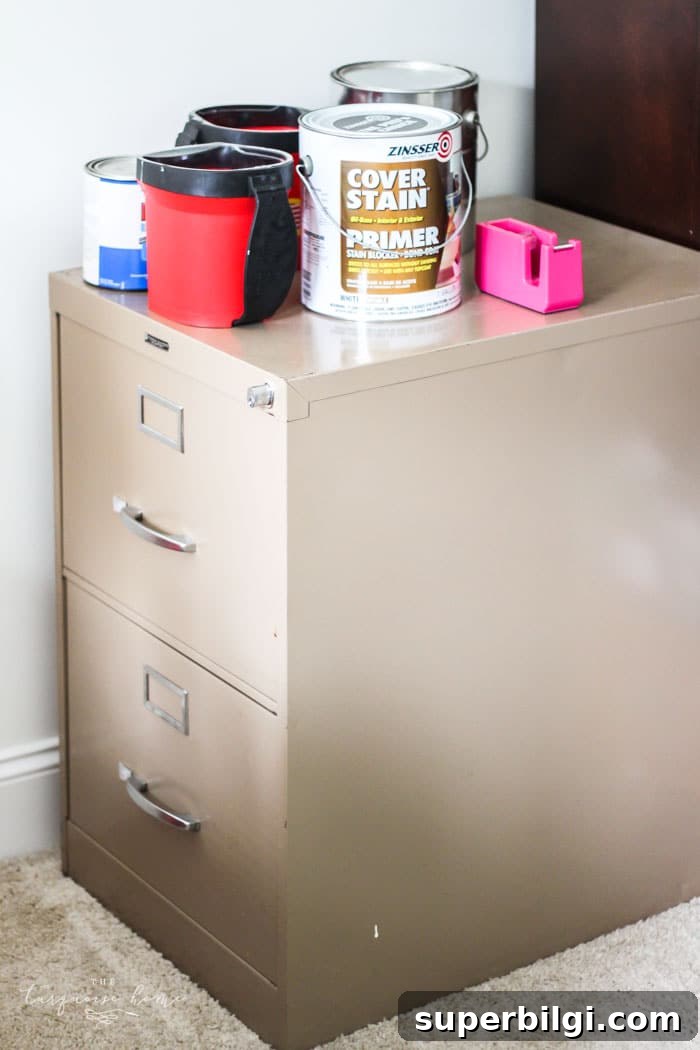
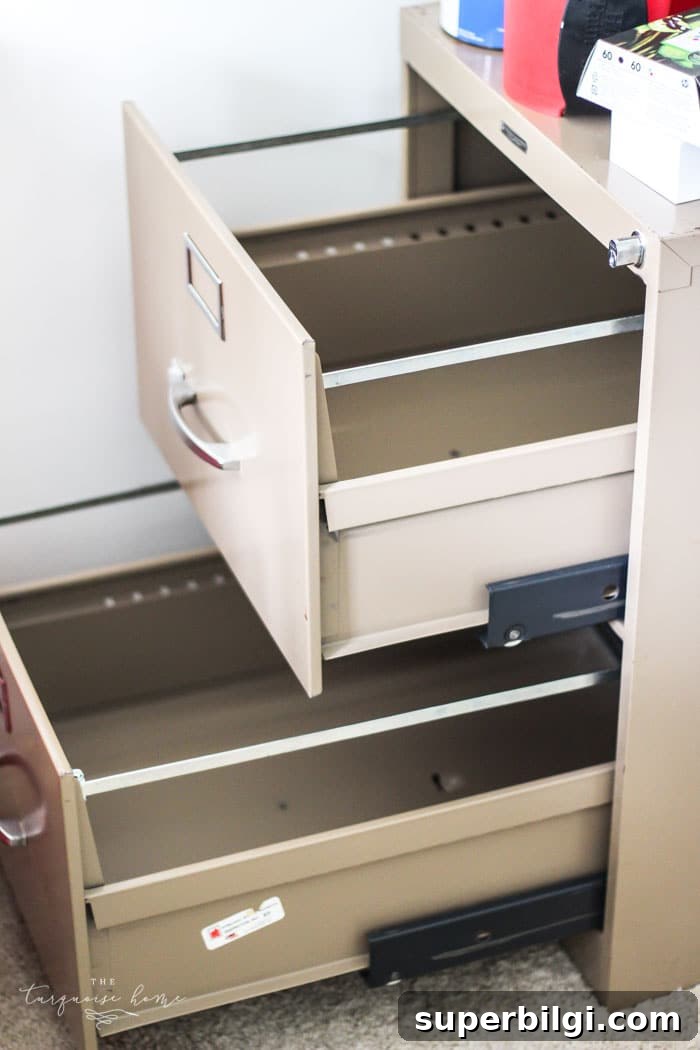
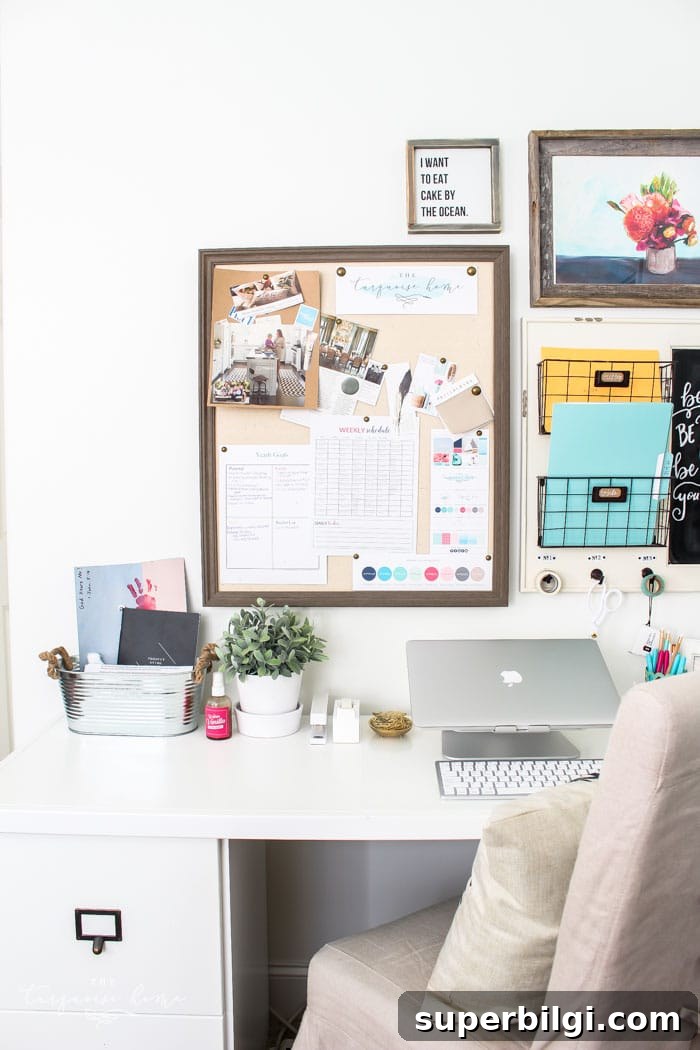
My goal had long been to replace an old brown filing cabinet we’d had since before we married. One drawer ended up with most of the important papers while the other held printer paper and supplies. When I finally bought the desk I’d wanted — a large white desk with base cabinets that function as filing drawers — I knew it was time to attack the paper mess for good. The trick was pulling everything out and sorting it in one place.
Some basic supplies will make the process easier:
- Inbox or open bin for new papers
- File folders
- Hanging file system or cabinet
- Pen for labeling and a planner to record tasks
- Paper shredder for sensitive documents
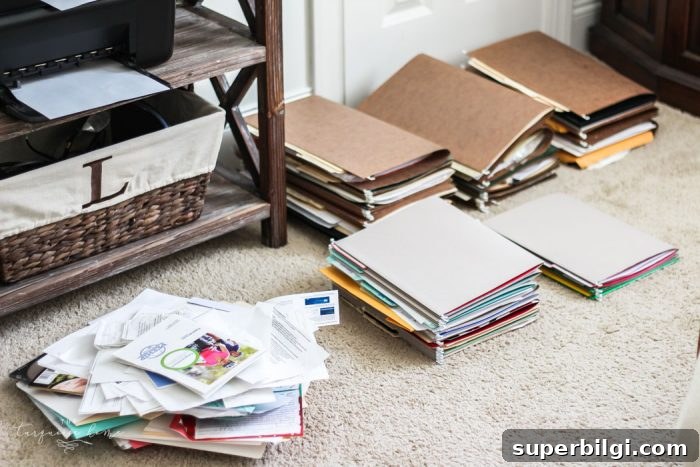
Rule #1 to Get Rid of Paper Clutter For Good: Pull All Papers Together in ONE Place
To really conquer paper clutter, collect papers from every room — kitchen counters, bedrooms, kids’ rooms, the laundry room, bathrooms — and stack everything together where you can see it. Clear out your filing cabinets and bring out piles from drawers and boxes. Only when everything is visible can you make consistent decisions.
Once everything is gathered, sort into a few simple piles. I used four:
- Keep
- To Do
- To Shred
- Trash
Be honest and a little ruthless with the “keep” pile. Most of what I had either went into trash or shred. Keep a planner nearby: when something belongs in the “to do” pile, add it to your calendar or planner immediately so it doesn’t languish forever.
Marie Kondo’s approach to papers is to keep almost nothing — only essential financial and legal documents, and perhaps a few items with real sentimental value. I didn’t follow her that strictly, but I did drastically reduce what I kept. For owner’s manuals I moved from hundreds of papers in binders to a single magazine file with the few manuals we might actually need.
This process takes time. If you’re just starting, don’t expect to finish everything in a day. Block off a long weekend or several sessions on your calendar. Organization is a journey; each step makes daily life easier and motivates you to keep going. As you declutter, you’ll find you want to let go of more items across the home, including clothes and other categories you’ve previously held onto.
Examples of items I discarded:
- Tax returns older than seven years
- House maintenance records for a home we sold more than five years ago
- Old medical bills that were already paid
- Random receipts with no purpose
Note: I am not an accountant or attorney. Follow professional guidance for your own record retention needs. The choices I describe worked for my family but may not apply to everyone.
After sorting, my active file system included categories such as:
- Keep Long Term: mortgage and loan closures, current mortgage documents, select health documents, birth and marriage certificates, passports, social security cards
- Art: artwork and special papers stored flat in a filing drawer
- Medical: a small folder for each family member’s important medical records
- House: current home maintenance records and HOA information
- School & Work: current school and work-related papers; frequently used items go into a home organization binder
Rule #2 to Get Rid of Paper Clutter For Good: Only One Drop Spot
A critical habit for preventing future paper clutter is to have exactly one place where papers land when they enter your home. For years I let paper sit on counters, desks, the command center, and even the master dresser. That led to piles and, when company was coming, shoving everything into a box and forgetting it for months.
Choose one visible, central spot for incoming papers — an inbox, an open bin, or a small desktop tray. From there, deal with papers immediately: toss or shred what you don’t need, file what belongs in long-term storage, and place action items in a “to do” folder and record them in your planner. Set a weekly time to process that inbox so it never grows out of control.
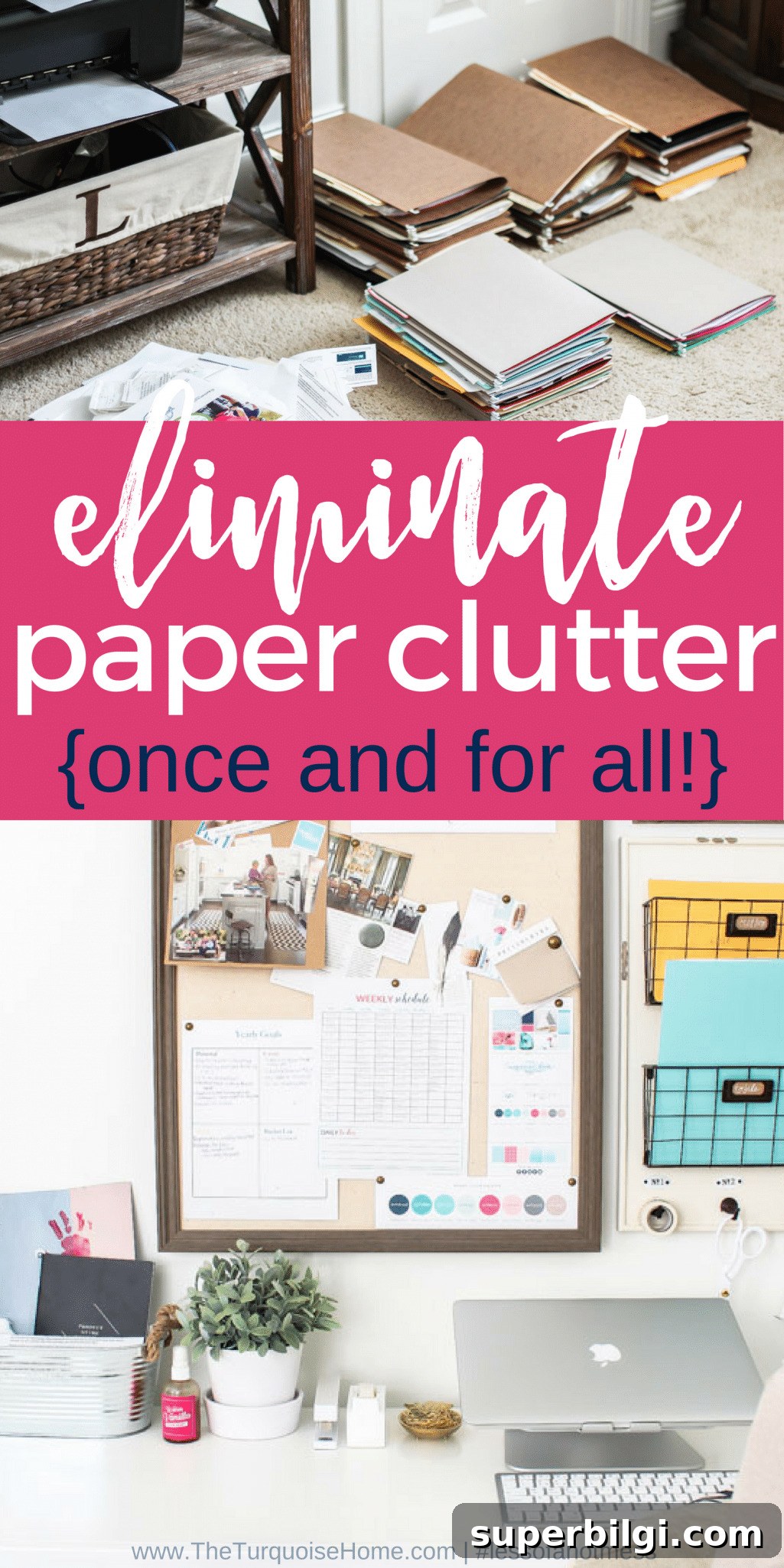
The Messy Work: Start sorting your papers now, or schedule a date on your calendar to begin. You don’t need to take a year — a few focused sessions will make a huge difference. You can do this!
In the mess with you, Laura
MORE POSTS YOU WILL LOVE:
- January Reset Home Ideas: 25 Simple Tasks You Can Do After Christmas
- Daily Simplified Planner Review & Favorite Hack
- How to Organize Christmas Decorations
- How to Organize a House With No Storage
- Under the Bathroom Sink Storage
- How to Organize a Linen Closet
- How to Declutter Your Home in 5 Simple Steps
- Bedside Cord Organization Ideas
- Maximizing Closet Space with the IKEA Pax System