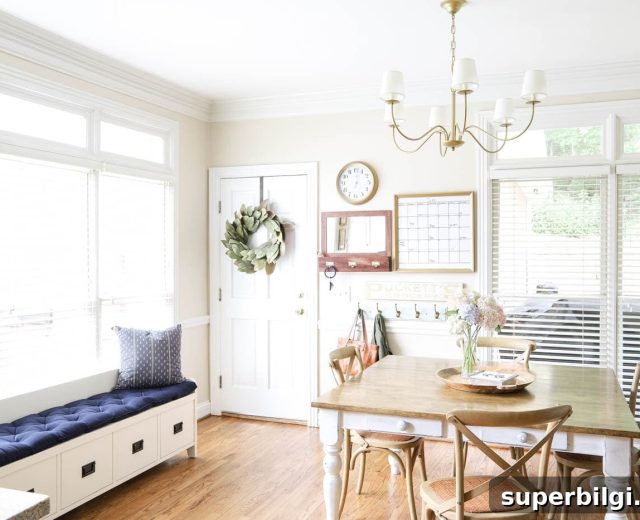
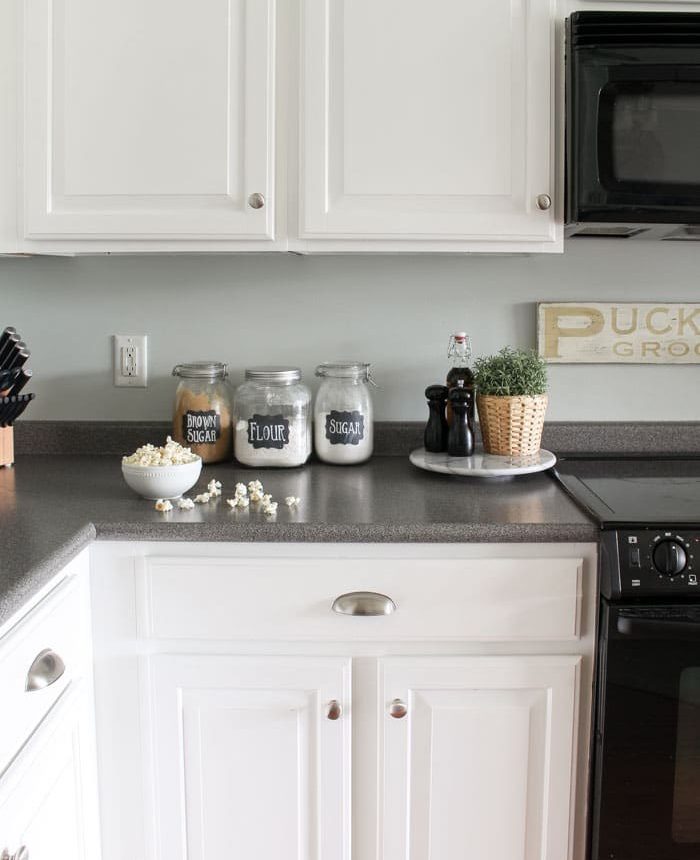
Painted kitchen cabinets remain a strong trend in home design — and for good reason. I’m often asked how my painted cabinets have held up over time and whether I’d make the same choices again after living with them for a while.
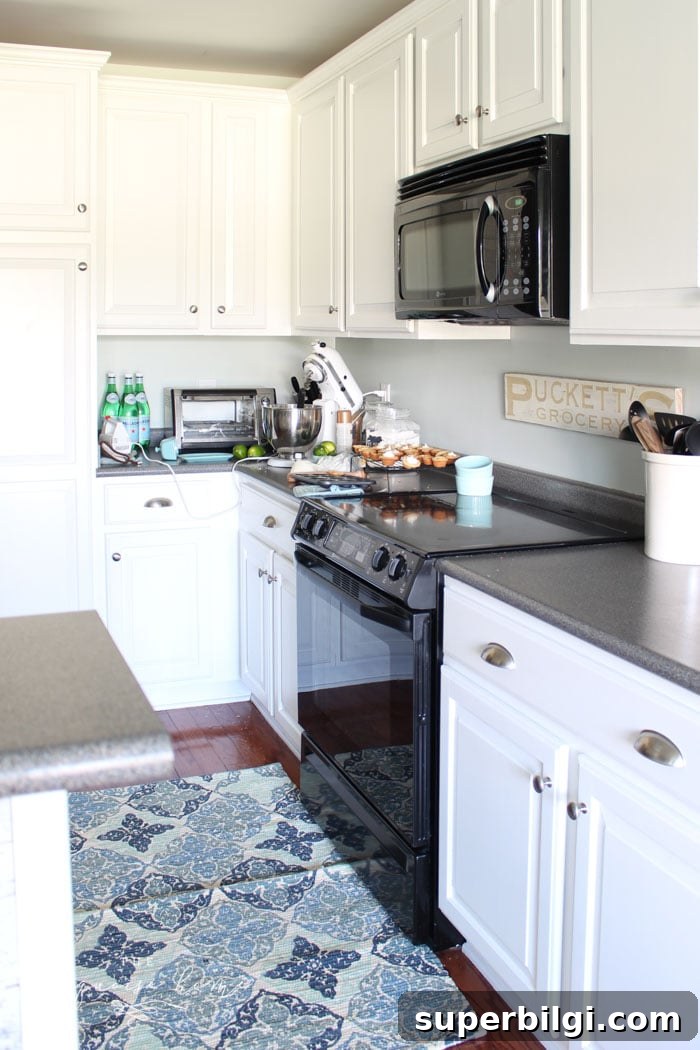
I’ll share the short answer up front: yes, I would paint them again in a heartbeat. That said, there are a few practical lessons and small caveats that are worth knowing before you start your own cabinet project—so keep reading.
RELATED: How to Paint Kitchen Cabinet without professional equipment
We haven’t quite hit the two-year mark since the cabinets were painted, but we’re close enough that I’m comfortable reporting on long-term wear. For clarity, I rounded up to two years rather than saying “one year and three quarters.” I expect them to be essentially the same at the actual two-year mark as they are now.
If you’re thinking about painting your cabinets—kitchen or otherwise—this post should help. Feel free to ask questions and I’ll update with anything else that comes up.
FAQs about My Painted Kitchen Cabinets
How are the cabinets holding up?
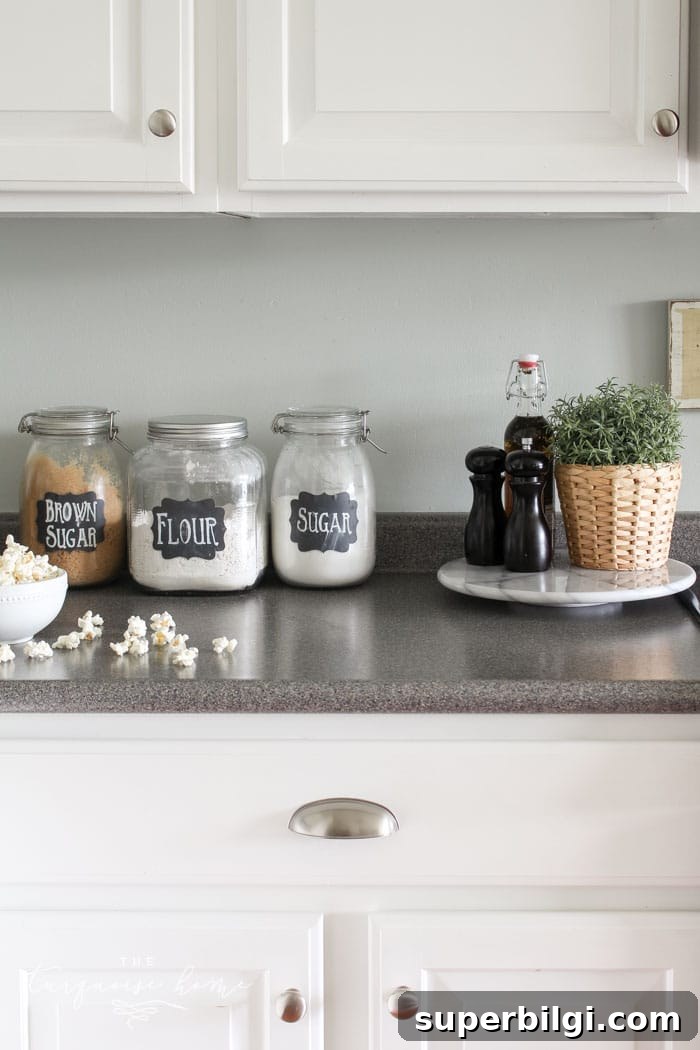
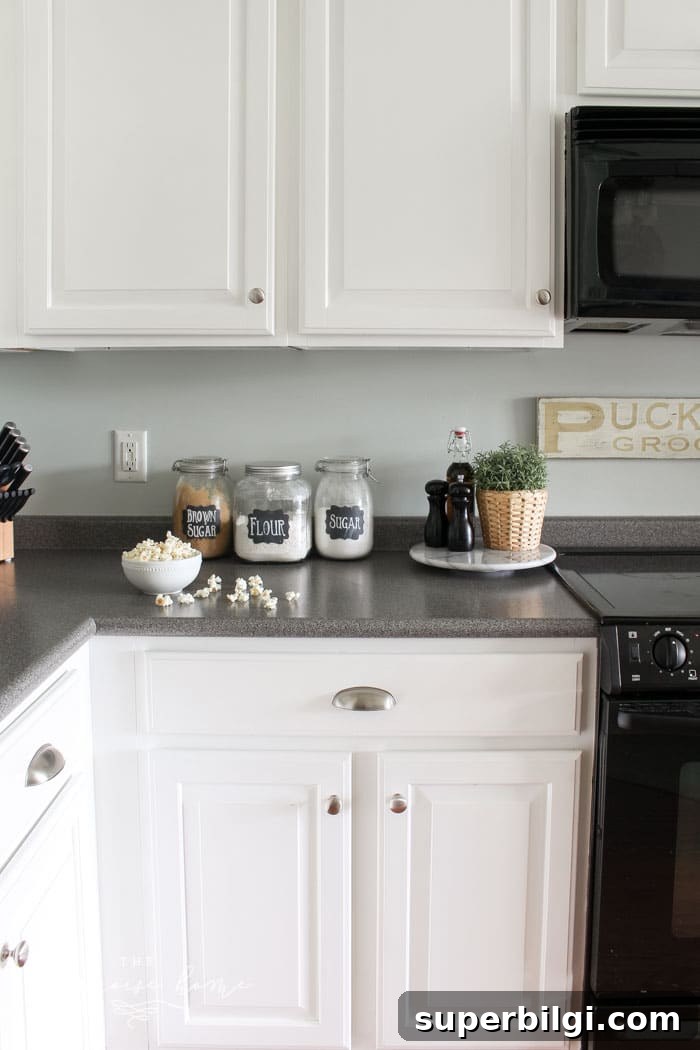
Overall, the cabinets have held up very well. There is minimal chipping, mostly in small, localized spots that I notice more than anyone else. Most of the chipping occurred within the first couple of weeks after painting, which suggests the finish had not fully cured before normal use resumed. The paint appeared to take longer to dry than the can’s suggested time, so if you can allow extra curing time before heavy use, it may reduce those early dings.
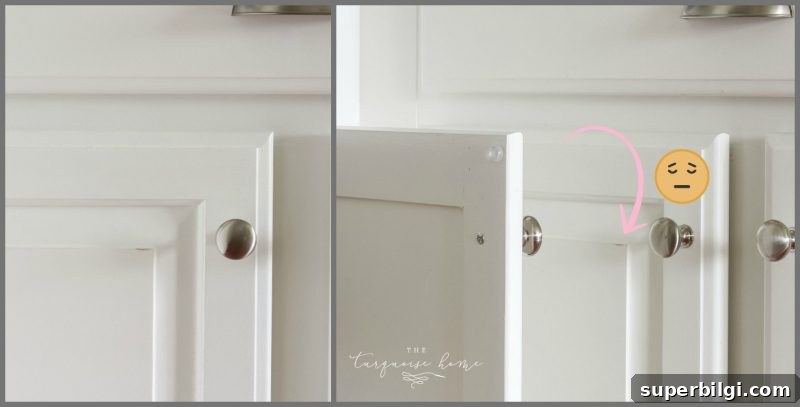
Other minor wear has resulted from impact or rubbing—like where one door hits another when opened, or when dishes and plates are handled roughly. My kids love to play in the lower cabinets and sometimes open them a little harder than I prefer; these small marks are an easy trade-off for the daily life in our home.
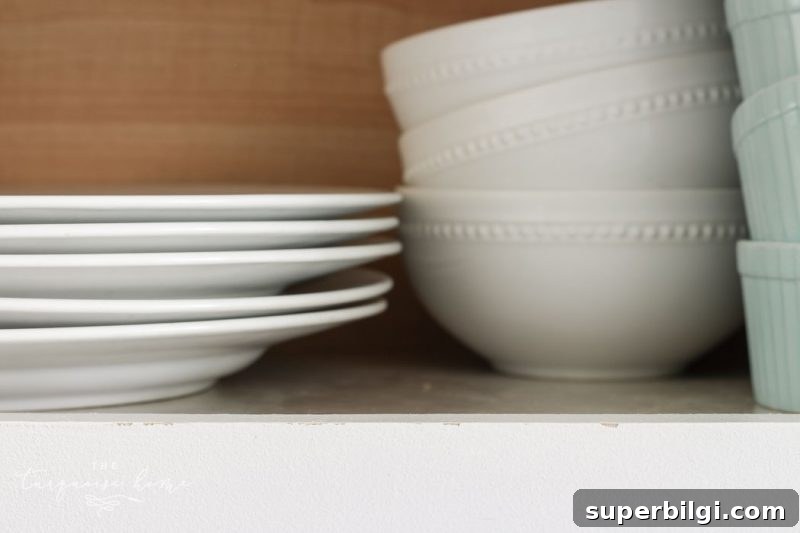
There was one area that took a few knocks during the first week as we put plates away. They’re cosmetic and subtle; again, mostly things I notice more than anyone else visiting our home.
Which paint should you use on kitchen cabinets?
This is the question I get most often. I’ve used two different paints on cabinets in my home:
Ace Hardware’s Door, Trim and Cabinet Paint: This paint is quite thin, glides on smoothly, and levels well. I used multiple thin coats and monitored each door for runs or pooling, lightly smoothing those areas so brush marks weren’t visible.
Benjamin Moore Advance (used on our kitchen cabinets): This paint is thicker and dries faster than the Ace product. After two coats, some brush strokes remained in the beveled details. I considered a third coat after thinning the paint slightly, but decided the finish looked good enough without the extra step—partly out of convenience.
Final thought: Benjamin Moore Advance gives a great finish, but if you use it, I recommend either thinning it slightly as the manufacturer suggests or working deliberately and quickly so it doesn’t thicken while you’re painting. Follow the manufacturer’s directions on the can when thinning or applying.
Is the Benjamin Moore Advance paint yellowing?
No—we’ve had no yellowing. There are reports online that waterborne alkyd paints can yellow over time, especially on whites, but I haven’t experienced that with our cabinets. We used Benjamin Moore’s Simply White, and it has stayed true.
Can you paint kitchen cabinets without sanding?
Yes, you can. I avoided sanding the cabinet bases because I didn’t want the mess of sanding and the challenge of protecting the rest of the kitchen from dust. Instead, I used a liquid deglosser. I was initially skeptical about durability, but the finish has performed well. Remember that most of the early chipping happened shortly after painting, so allowing cabinets to cure for a couple of weeks before heavy use can help the finish settle.
Would you recommend spray painting kitchen cabinets?
Yes—I would recommend trying a paint sprayer for cabinet projects if you have access to one. I painted our cabinets by hand initially because I didn’t own a sprayer at the time. After using a sprayer for a large outdoor project, I can see how much faster and more uniform the finish can be on flat surfaces and detailed cabinetry. For future large projects I’ll likely use a sprayer.
To conclude: if you want a fresh look and don’t want to hire a pro, painting your cabinets yourself is a worthwhile option. It’s hard work, but the results are rewarding and durable when done carefully. If you decide to paint your cabinets, I’d love to see photos of your finished project.
MORE POSTS YOU WILL LOVE:
Explore other DIY and home-improvement posts for more project ideas, room-painting tips, and step-by-step tutorials to help you refresh your space.