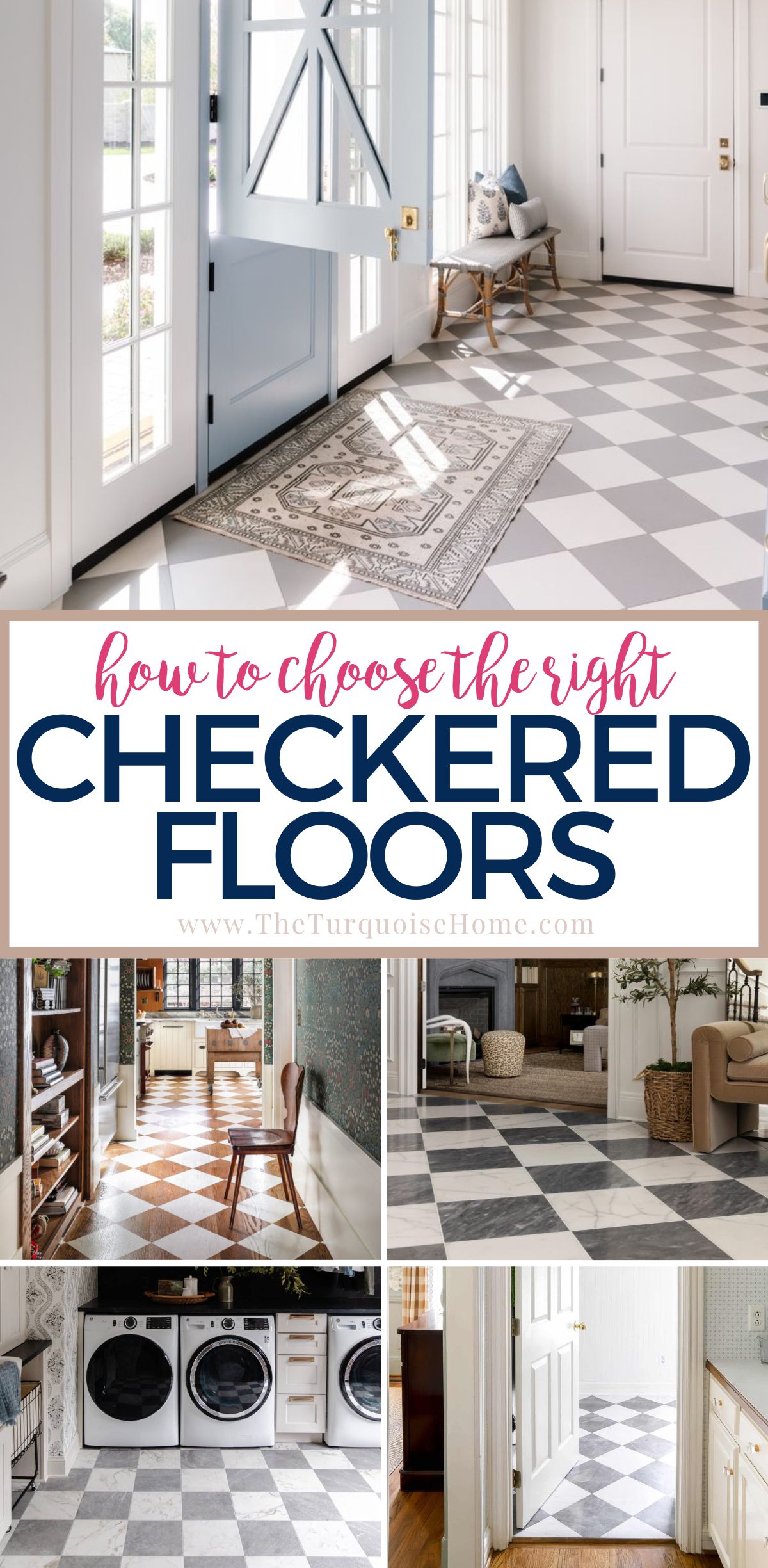
Checkered floors are a tried-and-true classic that passes any trend test! The contrasting pattern is so timeless that you can use it in any style of home, with a wide range of materials and colors!
Whenever I start a project, I almost always begin with timeless design elements, the tried-and-true classics that add charm and character right away. Checkered floors are one of those that pass the trend test!
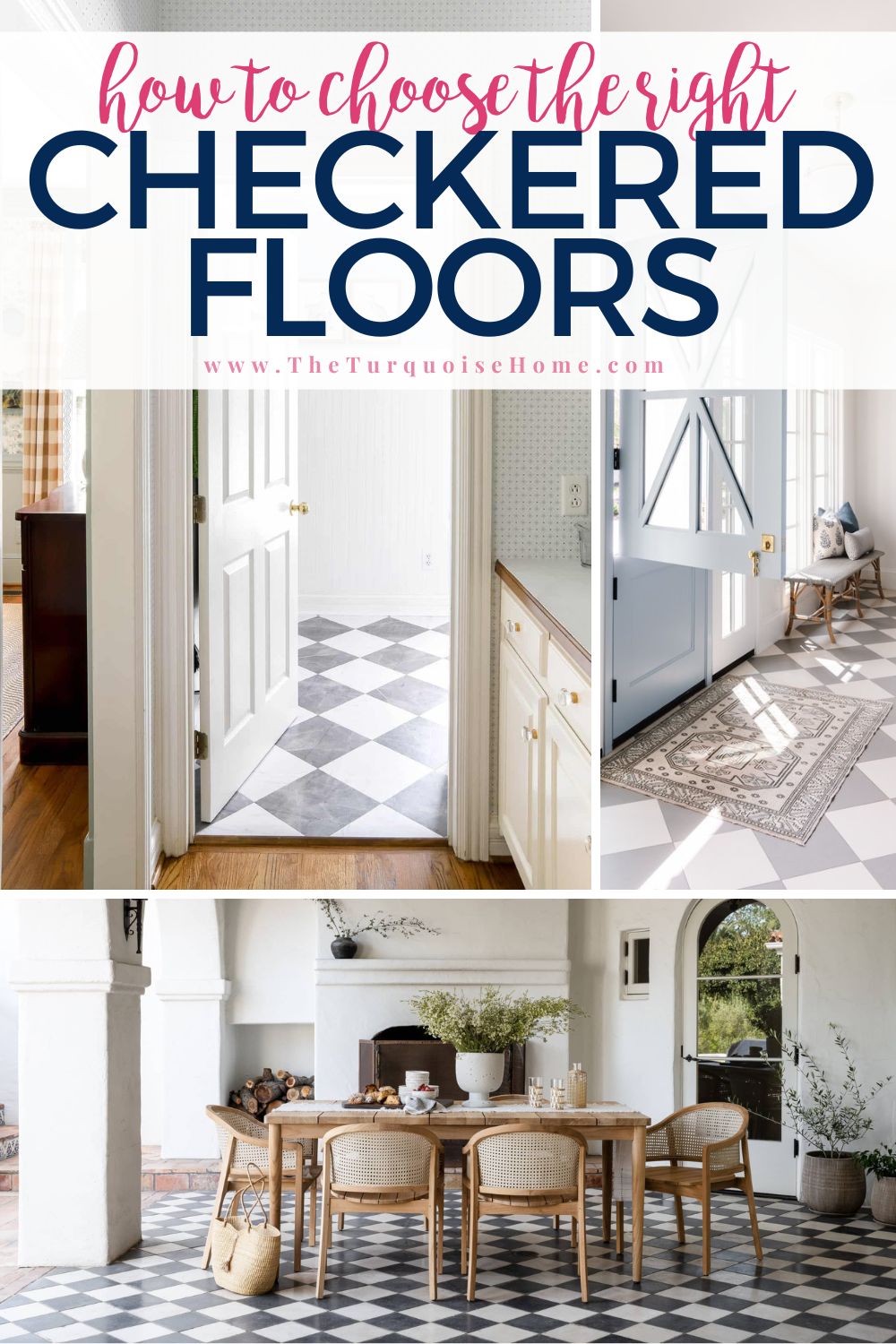
I'll share where checkerboard floors came from, why they never go out of style, the different materials, the best rooms for them, and a few modern twists to spark your creativity. My hope is that once you have all this info, you'll be ready to pick the perfect checkered floor for your home plan.
A Brief History of Checkered Floors
The checkered floor pattern goes back to ancient civilizations, with examples in Egyptian temples and Roman bathhouses. Checkerboard tile floors were popular in European churches from the Middle Ages through the Renaissance and well into the Victorian era. In many of these settings they symbolized the contrasts and duality people experience in life and faith.
By the 20th century, you could spot checkerboard tile underfoot at Roaring Twenties parties. As linoleum went mainstream in the 1930s, the checkerboard look started showing up in more homes, especially kitchens and bathrooms, well into the 1940s and 1950s.
Since then, many people have linked them to the retro, sometimes kitschy look of roadside diners. There's nothing wrong with that, especially if you're recreating a mid-century vibe! But that's just one moment in the many centuries they've shown up.
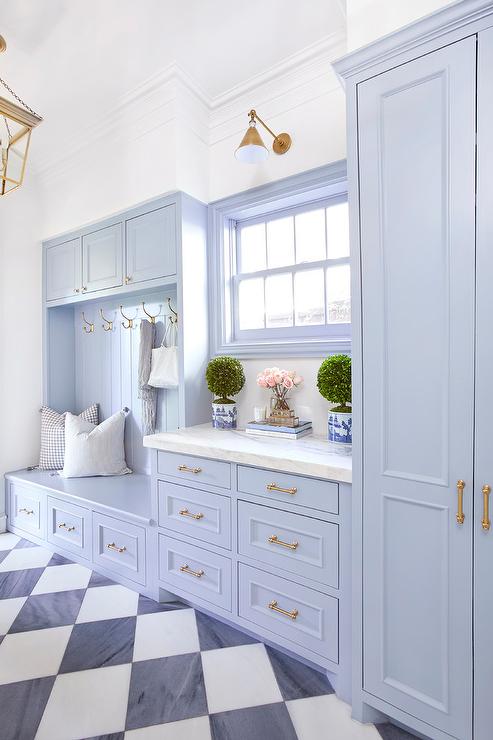
Today, checkered flooring has grown in popularity in both modern and traditional homes. With the revival of throwback styles like grandmillennial, granny chic and coastal grandmother, it's safe to say this timeless option is more popular than ever in today's design world.
Why Checkered Floors Have Stood the Test of Time
Checkered floors have lasted for many reasons, from the elegance of the pattern to the durability of materials like tile and linoleum that are often used for them. We'll get to the many flooring material options in just a moment.
First, I want to focus on how the clean geometry of contrasting colors creates a striking focal point in any space.
Harlequin vs. Checkerboard Flooring
Now is a good time to point out the difference between checkerboard flooring and harlequin flooring. People use the terms interchangeably, but knowing the difference will help you set up your installation to match what you really want! (And it might win you a point or two at trivia night.)
It all comes down to the layout. A traditional checkerboard floor has tiles arranged in a straight grid, like a chess or checkers board. The square tiles run parallel to the focal wall and the length of the room. This look evokes a retro diner vibe and works well in a modern or mid-century modern home.
A harlequin floor differs only in that the tiles are set on a diagonal for a diamond effect. This placement gives a Renaissance feel and a more upscale look. The materials and tile size you choose will shape the final vibe, but harlequin is definitely the more popular choice today.
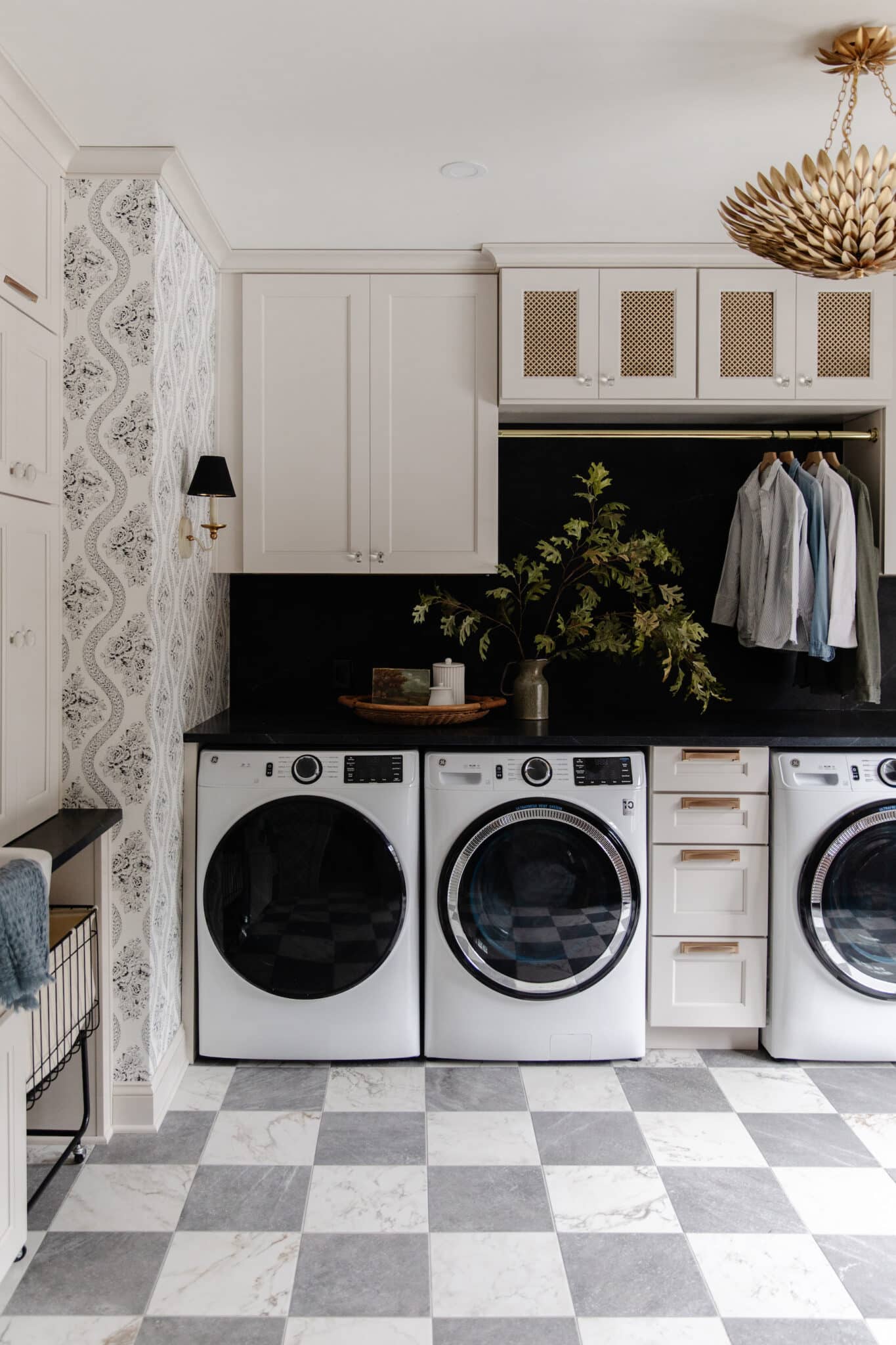
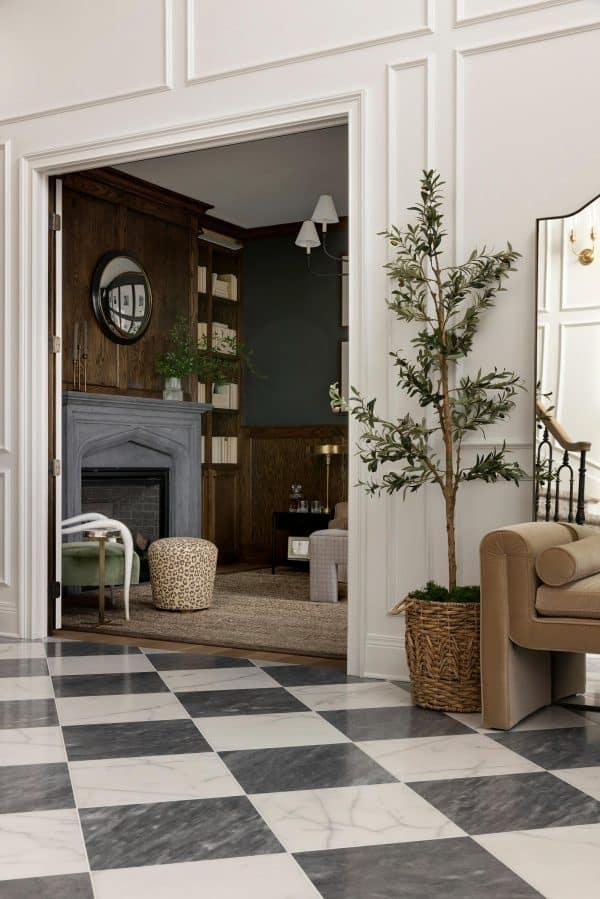
The two examples above also show another big advantage of checkered tile floors: the basic pattern adapts to a wide range of styles and spaces, from a modern colonial to a traditional apartment to a luxe family home.

Choosing the Right Material for Your Checkered Floors
You'll find checkerboard patterns in just about every type of flooring material these days, and each one comes with its own options and benefits.
Here are a few quick options off the top of my head, and I'll go into more detail below.
- Marble Tiles
- Ceramic Tiles
- Porcelain Tiles
- Painted Concrete (can be done outside, just mark off the pattern!)
- Painted Wood
- Vinyl Tiles
- Granite (outdoor-friendly)
- Limestone
- Linoleum
- Wood floors using contrasting paint colors or stains
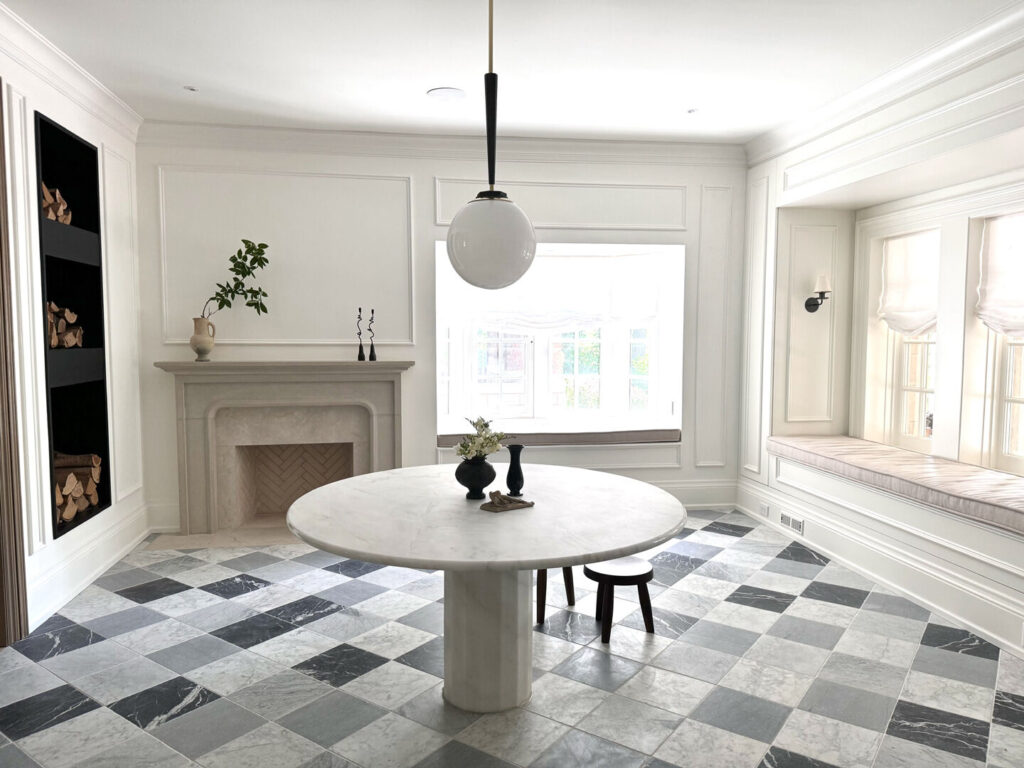
Marble: This example from BelTile blends white Carrara marble tile with Spanish Nero Marquina and gray Bardiglio marble in 12×12 tumbled tiles. With real marble floor tile like this, you can choose a finish: tumbled, like these, for a natural, rustic look that includes chips and other imperfections; honed, which is matte but smooth; brushed, for a slight sheen; or polished, which looks exactly as it sounds.
Other stone tile options: Since marble is the priciest option, many people go with more affordable natural stone, including travertine, granite, slate, sandstone, limestone, quartzite, porcelain and ceramic tile. As with wood floors, plenty of engineered stone products copy the look of natural stone with more durability at a lower cost. These options are ideal for mudrooms and other high-traffic areas.
Vinyl: Usually the most budget-friendly and low-maintenance way to get a marble tile look, vinyl is made of synthetic materials, so it handles high-traffic and high-moisture areas better than linoleum. That said, it typically won't last as long as well-maintained linoleum.
Linoleum: Made from natural materials, linoleum is eco-friendly, comfortable underfoot and very durable. It's more prone to water damage, so many people choose vinyl for humid spots like kitchens and bathrooms.
Wood: Wood brings natural warmth and beauty, and its grain still shows through even if you simply paint an existing floor to get the checkerboard look. The other option is to use wood tiles in contrasting colors to create the effect.
Choosing the Right Size Tiles for a Checkered Floor
The size of your checkerboard tiles makes a big difference to the overall look. Here are some helpful tips to get the look you're after!
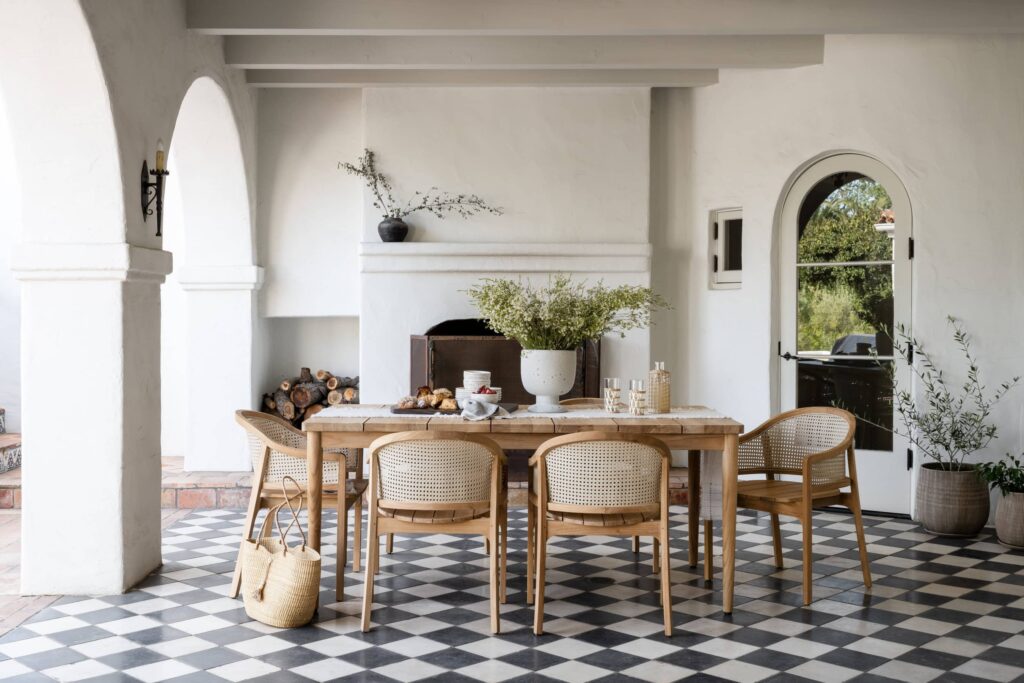
- Assess Room Dimensions: Consider the overall size of your space before choosing tile or pattern size. Larger tiles can make a small room look bigger. For example, 12×12 inch or larger tiles will open up a small bathroom. Smaller tiles work better in larger spaces like kitchens or living rooms, creating an intricate pattern that doesn't overwhelm the room. You don't have to rule out smaller tiles in small spaces. Just keep everything else minimal, unless you're a maximalist.
- Consider Furniture and Fixtures: Along the same lines, the size and style of furniture and fixtures shouldn't compete with the floor. For example, if your furniture has large or bold patterns, smaller tiles can bring balance.
- Your Personal Style: It always comes back to this! In general, larger checkerboard patterns make a modern, dramatic statement, while smaller tiles tend to feel more classic and traditional. As for materials and colors, think about how the space should serve you and your family. For a calm, serene atmosphere, go with neutral tones and subtle patterns. Feeling bold and energetic? Try contrasting colors and larger tiles.
Checkered Floors in Different Rooms
I always say you should go with the style you love wherever you picture it, but there are some rooms where checker tile floors are especially common. Here are a few of the most popular for inspiration.
1. Entryway With Checkered Floors
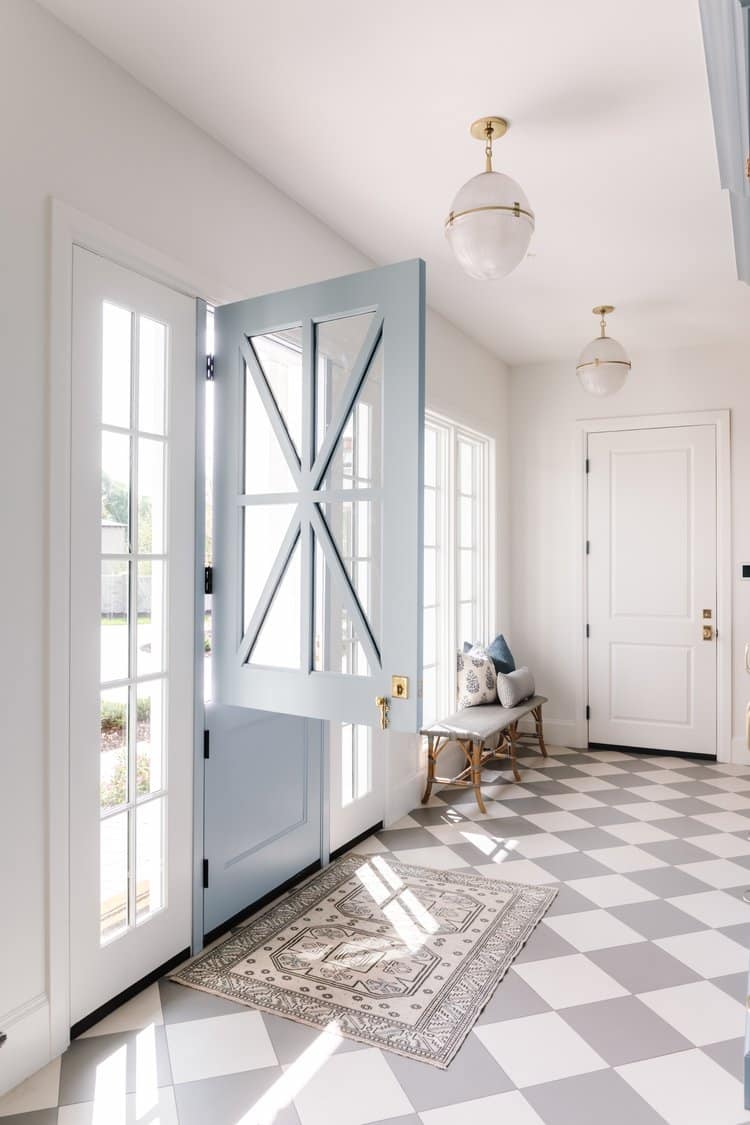
An entryway or foyer with a bold checkered floor makes a striking first impression. I love how the floors, the lines of the door window panes and the natural light come together for a clean, classic welcome.
2. Checkerboard Floor Kitchen
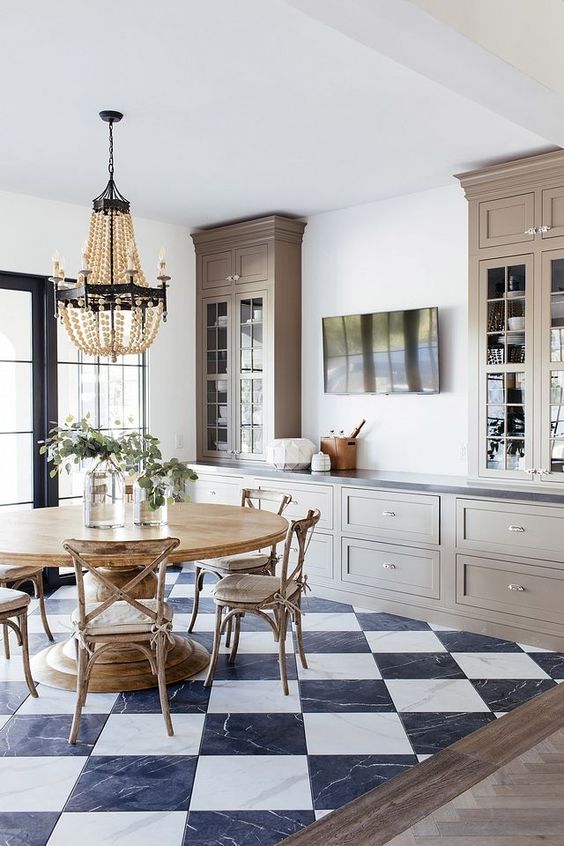
A porcelain checkered floor that looks like marble is a great choice for the kitchen because it's easy to clean and handles heavy foot traffic. This charcoal and white combination is a nice twist on the classic black and white.
3. Marble Checker Tile Bathroom
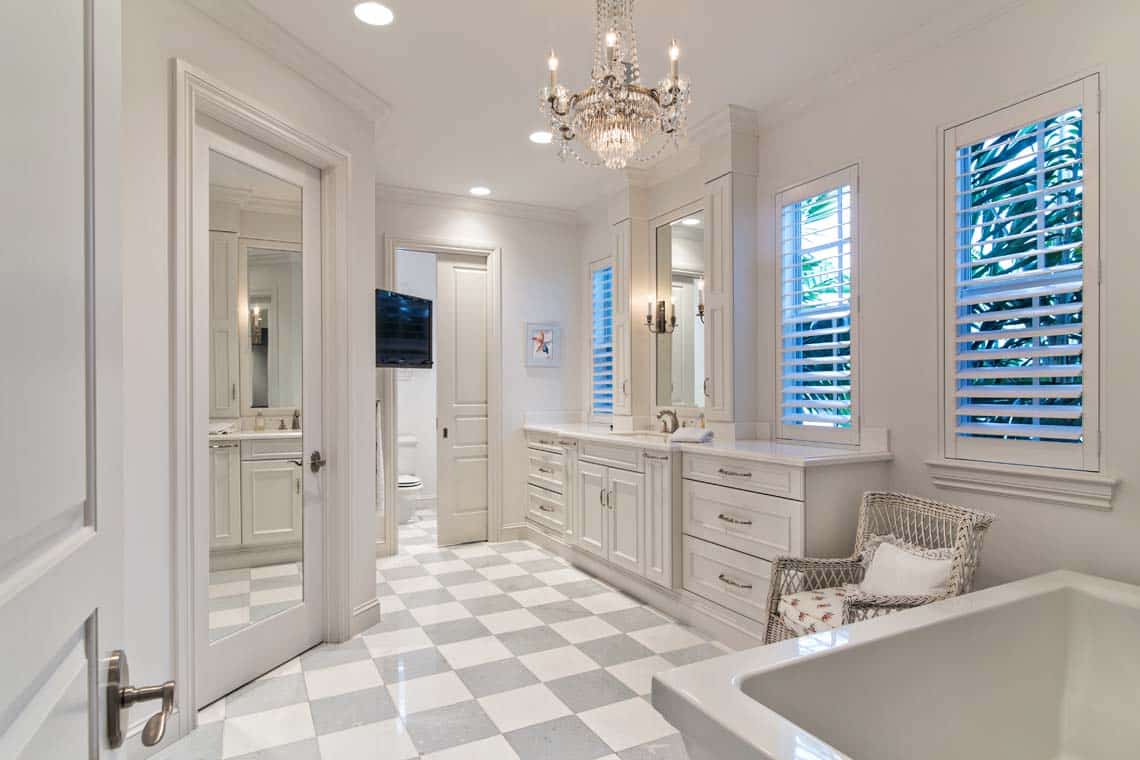
As noted earlier, many people choose smaller tiles to make a bathroom or powder room feel bigger. In this example, the polished gray and white real marble tiles are the traditional 12×12 size, because the space is large enough to handle them. The light gray (rather than black) gives it an airy, open feel.
You could easily recreate this look in a smaller bathroom with vinyl. Look for a mix of small white tiles and gray tiles with subtle veining.
4. Vinyl Checkered Tile in a Laundry Room
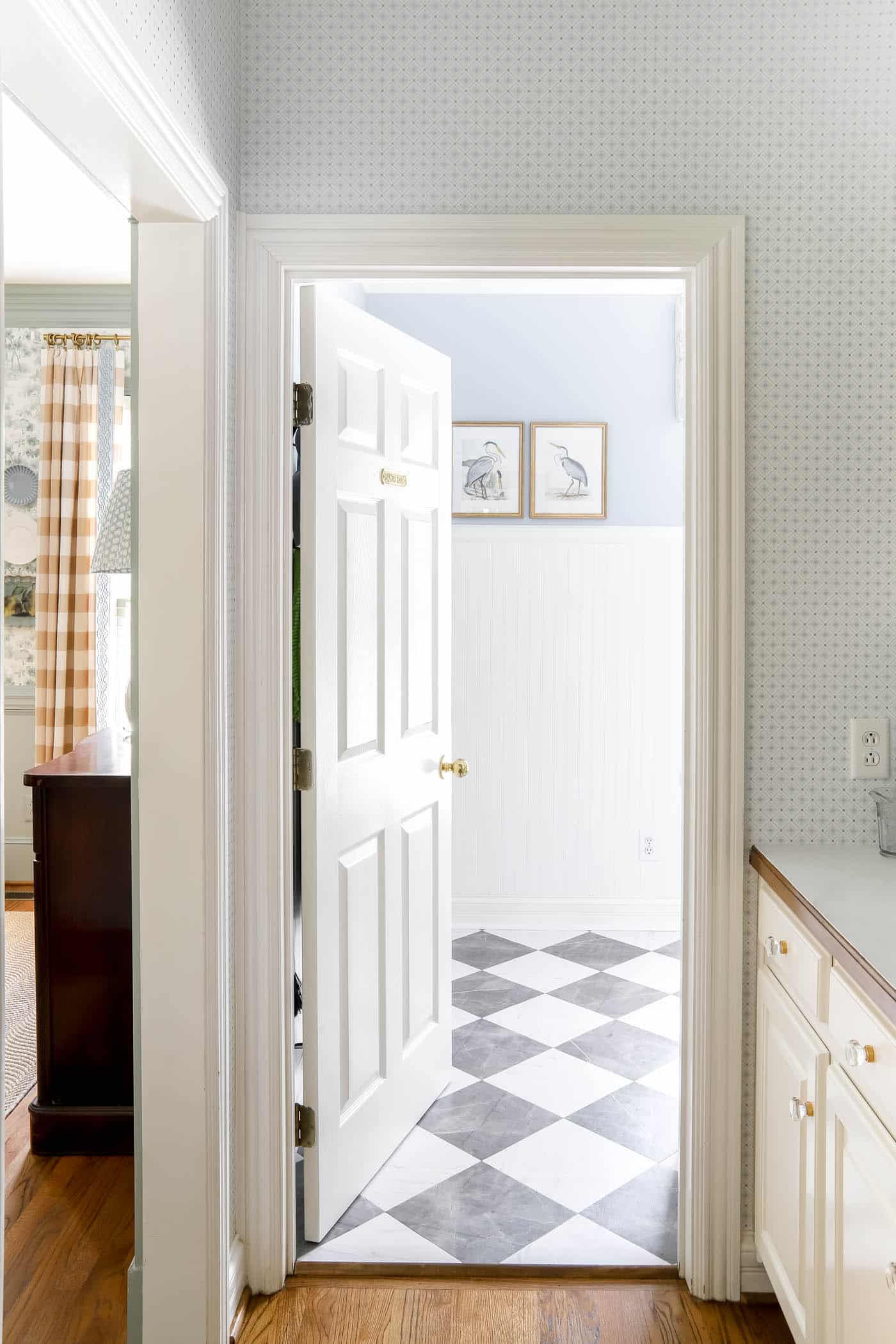
Here's my own laundry room! For the floors in this laundry room makeover, I used vinyl peel-and-stick floor tile. It was practical and easy, and I still love the result.
5. Painted Wood Checkerboard Floor in a Sun Room
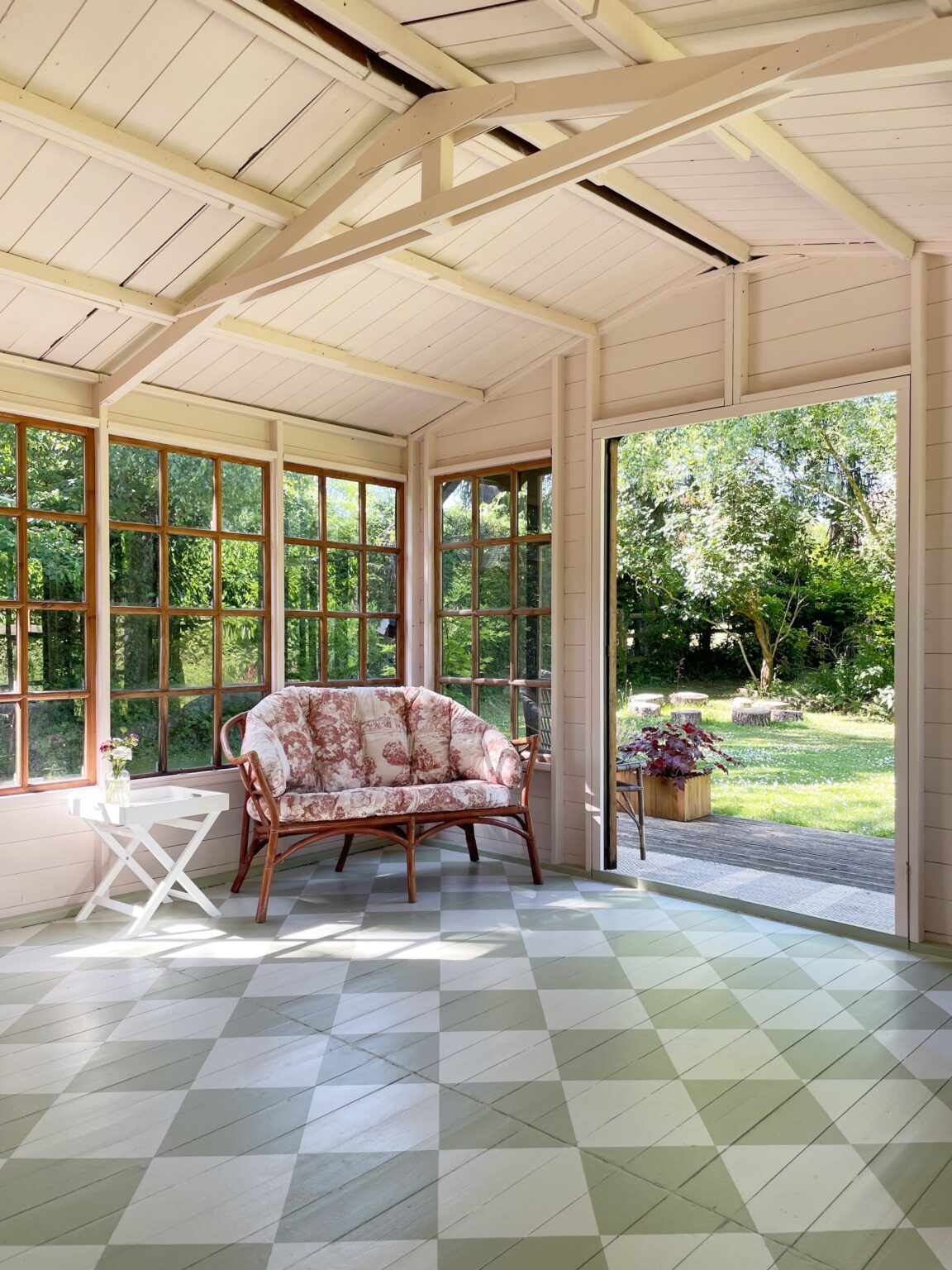
I've seen this painted wood method in other rooms, but I love how natural it looks in a sunroom that opens onto the backyard. Combining green and white makes the room flow outside beautifully.
Modern Twists on the Classic Checkered Floor
Beyond the classic looks above, I found a couple of non-traditional ideas to share, in case you want to break out of the checkered box with your project.
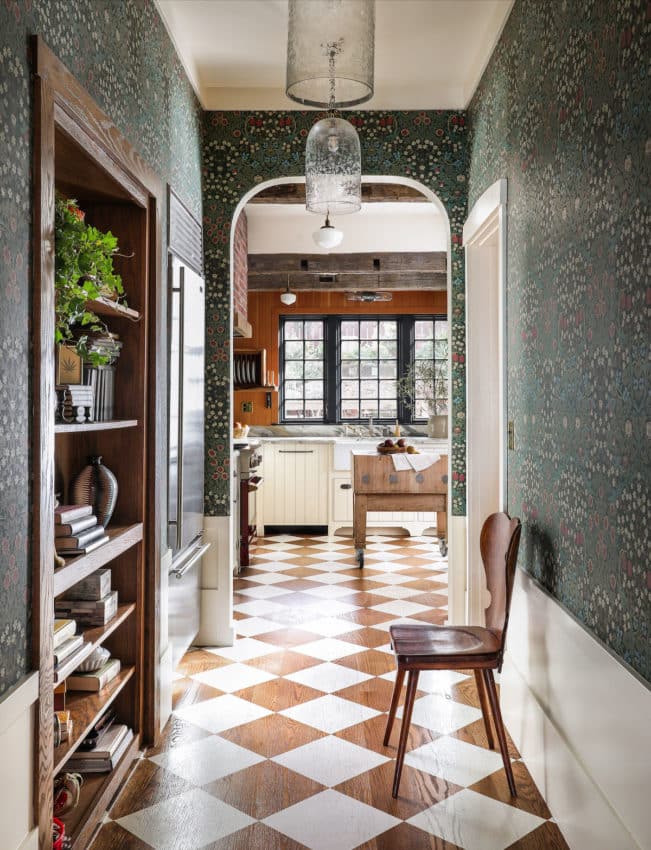
First, this painted wood floor pairs bright white with rich brown, and the warm woodgrain still shows through the pattern as it runs from the butler’s pantry breezeway into the kitchen.
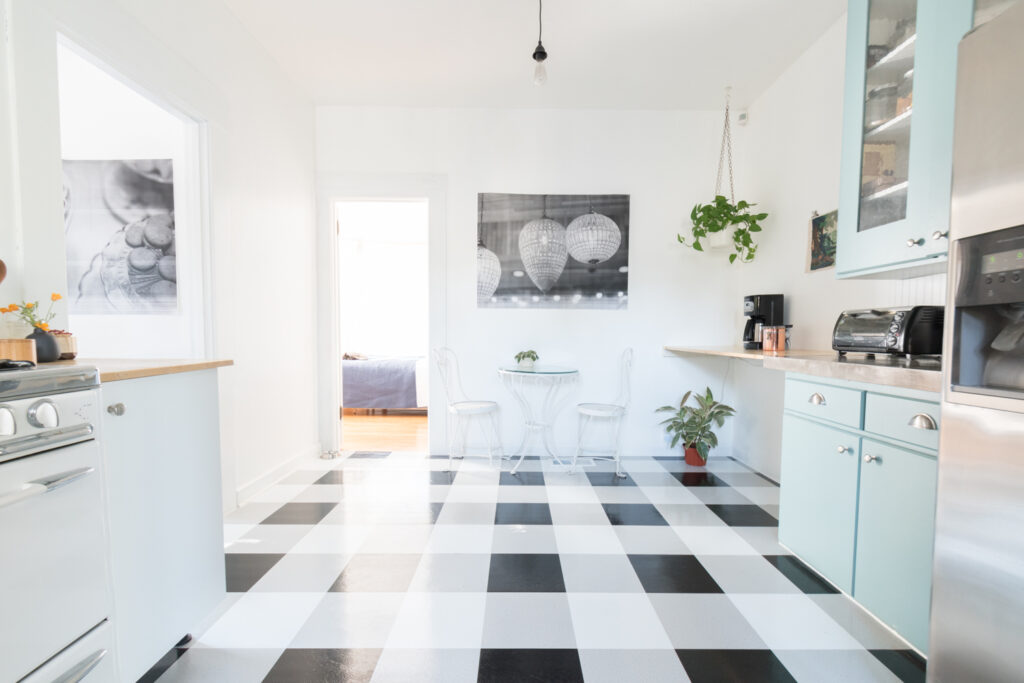
Next, I thought this plaid take on the traditional checkerboard was a fun fit for this modern kitchen. A traditional checkerboard here would have been the safe route. Like a plaid flannel, this pattern adds a warmth the space wouldn't otherwise have.
These may be too bold for some, but you can still mix things up to make your checkerboard floor feel more personal. Combine different finishes for texture, or try unexpected colors like navy and cream or olive and ivory.
Final Thoughts
For a pattern that seems so simple, choosing the perfect checkered floor for your home is anything but black and white. Once you find the right look, material and placement, get ready for a wonderfully dramatic transformation.
More Posts You Will Love: