Finding an entryway rug can be enjoyable and useful at the same time. Here are some tips for choosing the right one for your home, one that can handle heavy foot traffic and still look lovely!
An entryway rug is pretty, but it's also practical! It makes a first impression while keeping your home clean and neat! Let's look at some of the best entryway rugs for your home.
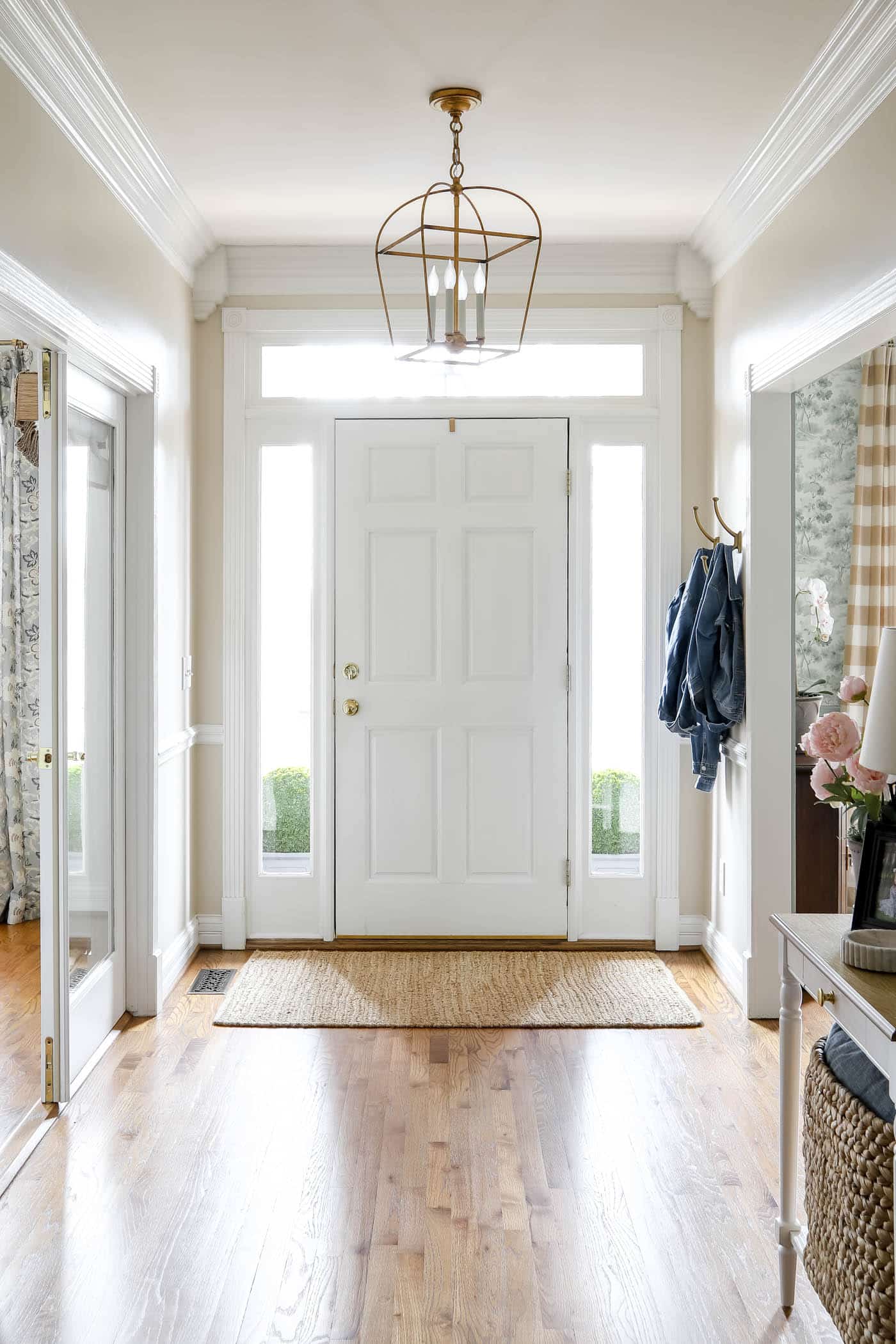
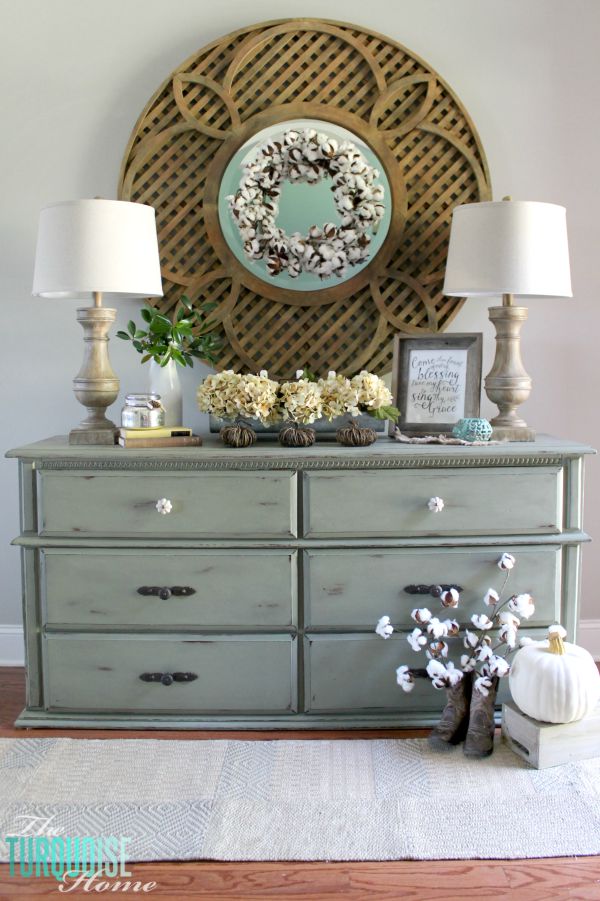
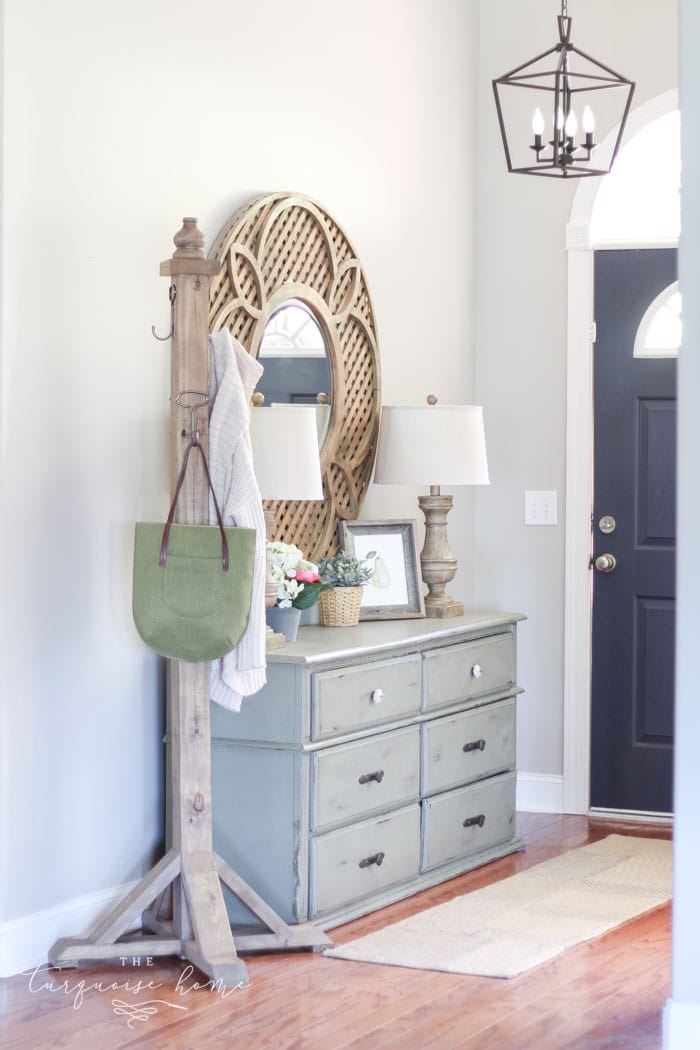
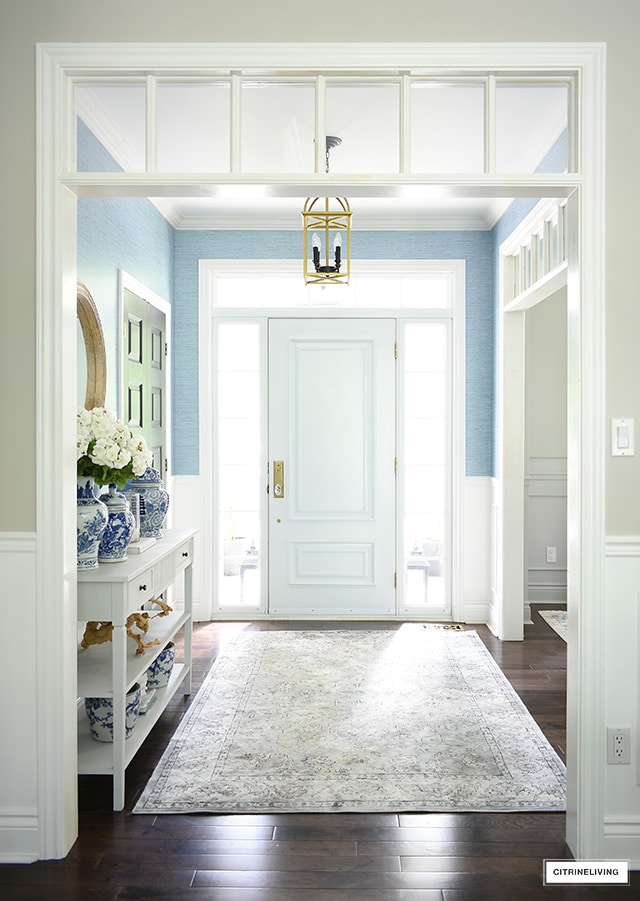
I've had this lovely, neutral heather jute and chenille rug in front of the door since we moved into our home a few years ago. I absolutely adore it!
It ticks every box for me: it's beautiful, has nice texture, suits my decor, is easy to clean, and keeps dirt from being tracked through my home!

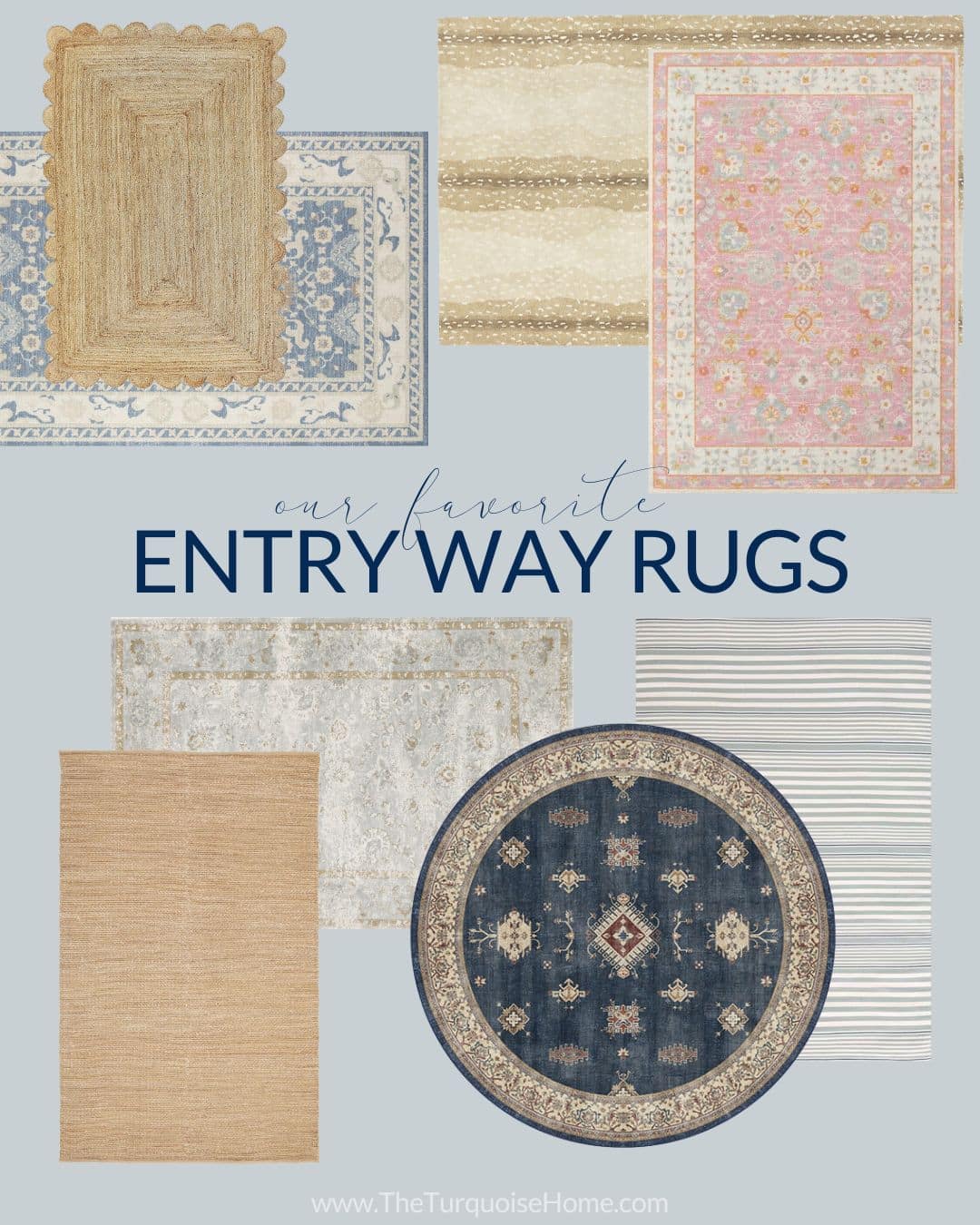
WHERE TO BUY: Jute Scallop Rug | Momeni Anatolia Wool Rug | Antelope Hand Tufted Rug | Pink Rug | Heather Chenille & Jute Rug | Neutral & Sea Blue Rug | Washable Navy Round Rug | Striped Rug
How to Choose an Entryway Rug
There are seven factors to weigh when picking an area rug for the entryway. These are not the same as rugs you'd shop for in a living room or bedroom, or even a doormat, so it helps to think through these options first!
1. Size of the Rug
Measure your entryway to find the right size. Make sure the rug is big enough to cover the high-traffic spots and keep dirt and debris from being carried into the rest of your home.
The most common entryway size is a 3’x5′ rug, though the right size really depends on how big your entryway is! See below for more help choosing the right size.
2. Rug Material
Choose a material that is durable and can hold up to wear and tear. Sisal, jute and coir are popular natural fibers, while nylon and polyester are popular synthetic options.
Wool is another favorite because it's attractive, hard-wearing, comfortable and resistant to grime. Just keep in mind that it costs more than rugs made from synthetic materials.
I personally lean toward natural materials because I love the look, the feel and the price!
3. Color
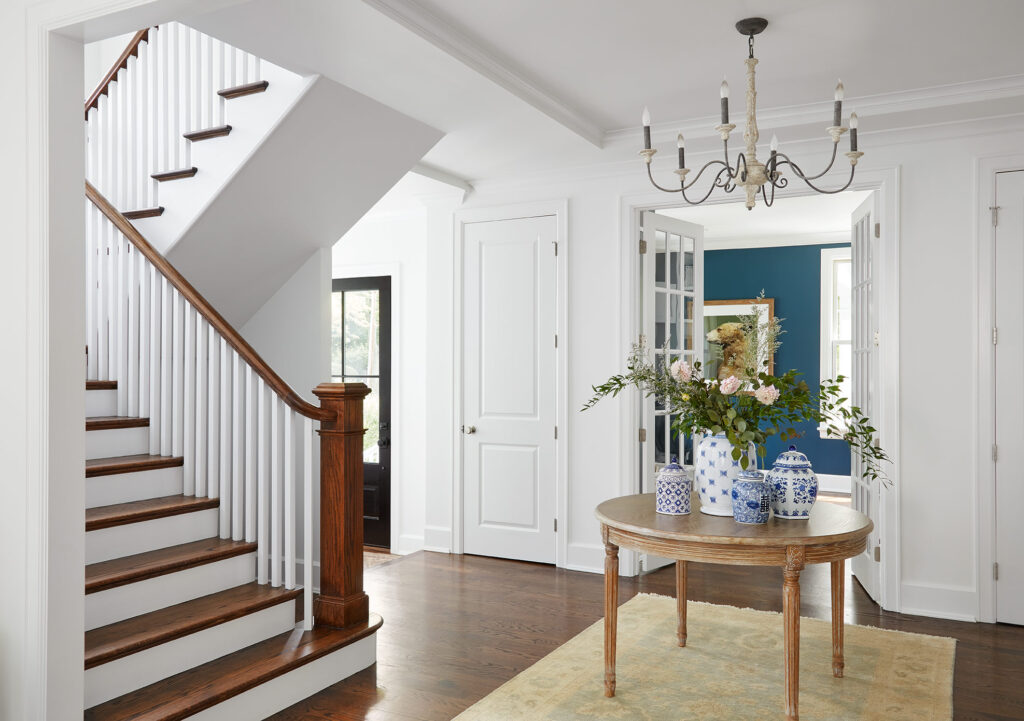
Choose a color that hides dirt and stains, since entrances get busy and can soil quickly. Neutrals like beige, grey and brown are good choices. Patterns also hide dirt well, so don't shy away from a pretty color!
4. Pattern
Pick a pattern that complements your decor and personal style. If your entryway is neutral, a patterned rug can add some visual interest.
5. Texture
Choose a texture that feels good underfoot and gives you grip to prevent slips and falls. Warmth, comfort and safety are the goals here!
Think about pile height, too. Pile is the thickness of the rug. A low-pile rug or a flatweave with a non-slip pad underneath are both good options.
Still, make sure the rug has some body. If it's too thin, it will shift and bunch up every time you walk across it.
Psst... I'll share several ways to keep your rug in place below!
6. Maintenance
Consider how easy the rug is to clean and care for. Regular vacuuming and spot cleaning may be needed to keep it looking its best.
I've vacuumed my jute and chenille rug every week for the three years I've had it. It has never picked up a stain or needed spot cleaning. I LOVE how easy it is to maintain.
7. Placement
Where the rug will go shapes what you should choose. Do you want it right in front of the door, or floating in the middle of the room? Either way, use painter's tape on the floor to mark the exact size before you click the purchase button.
Weighing all of these factors will help you pick a beautiful rug for your home and give you peace of mind when you hit the order button!
How to Keep an Entryway Rug in Place
It's important to stop your entryway rug from slipping and sliding across the floor. Not only is that a tripping hazard, but nobody wants a crooked rug at the front door.
1. Rug Pad
One of the easiest ways to keep a rug put is to use a rug pad. A rug pad is a non-slip mat you place under the rug. It keeps the rug from sliding around on the floor.
Measure your rug and choose a pad that's slightly smaller, so it won't show at the edges. Or simply trim the edges back if it's too wide.
Just avoid a super thick rug, since that could make the rug too tall and cause guests to trip.
2. Double-Sided Tape or Rug Tape
You can also use double-sided tape to hold your rug in place. Some tapes are made specifically for rugs; they're very heavy-duty and are not meant to harm your floors. I've used it before and it works pretty well, but it does eventually need replacing. It can leave sticky residue behind.
3. Corner Rug Grippers
These corner rug grippers are a new find for me. They're essentially a sticker for the corner of your rug, built with a "vacuum technology" design. You stick them to the rug corners and they suction to the floor, with no adhesive on the floor itself! It's amazing, and my favorite way to keep a rug in place.
Bonus: they also keep the corners of the rug flat!
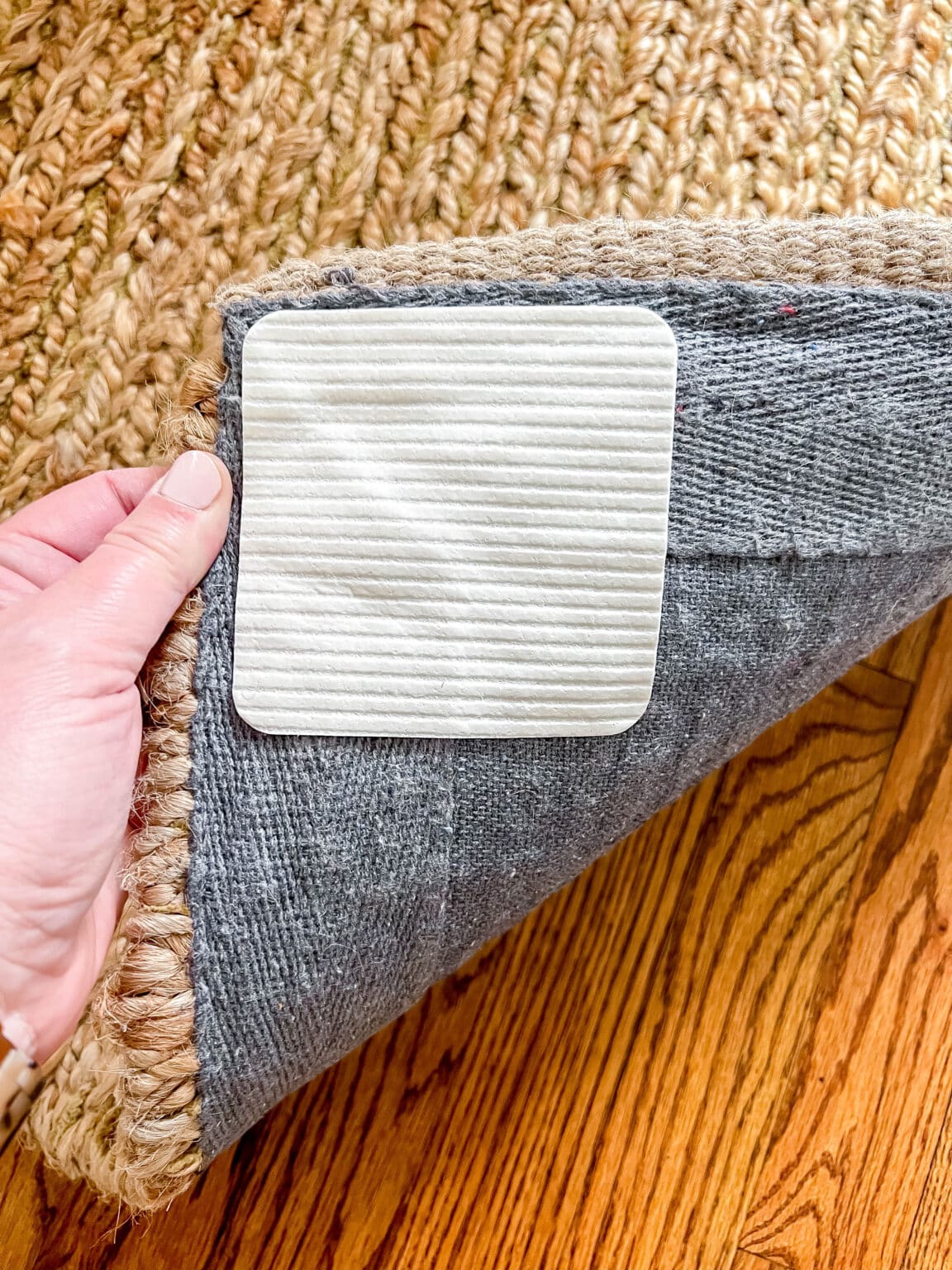
Those are the top three ways to keep an entryway rug in place. Try these tips and ideas to see which one works best for you and your home.
Entryway Rug Size Guide
Here are some general guidelines to follow when selecting the right size rug for your entryway.
1. Measure the Space
Measure the length and width of the entryway to find the largest rug that will fit comfortably. Be sure to also measure any doorways or other obstacles the rug will need to fit around.
2. Leave Space Around the Edges
Leave at least 4 inches between the rug and the walls for a balanced look. This also helps prevent tripping hazards.
3. Consider the Furniture Layout
If you have furniture in your entryway, such as a console table or bench, make sure the rug is large enough to hold it. As a rule of thumb, at least the front two legs of the furniture should sit on the rug.
4. Choose a Rug Shape
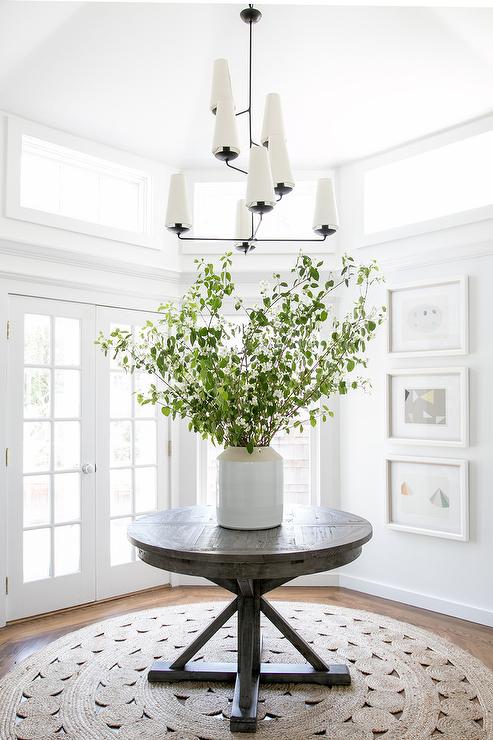
Entryway rugs come in several shapes, including rectangular, oval and round. Pick a shape that suits your entryway and furniture layout. If you have a larger space with room for a small round table in the middle, go ahead and choose a round rug!
If you have a square room, choose a square rug. Only need a rug at the door? Pick a smaller, rectangular doormat-style rug so visitors can wipe their feet before coming in.
A large entryway might fit a small round table in the center with a round rug underneath! A narrower entryway may call for a long runner instead.
Keep all of these in mind when choosing the right rug size for your foyer.
5. Don't Skimp on Quality
Entryways see heavy traffic, so choose a rug made from durable, high-quality materials that can handle daily wear and tear.
In the end, the size of your entryway rug depends on your space and your furniture layout. Measure carefully and pick a rug that is both practical and attractive.
Final Thoughts
Ultimately, the right entryway rug comes down to your personal taste and the style of your home. Take some time to weigh these factors before buying, and you'll find a rug that looks great and works well in your entryway.
More Posts You Will Love: