Welcome to Day 5 of the 30 Days to Less of a Hot Mess Challenge! Today we focus on decluttering, reorganizing, and creating breathing room so your home—and work—feel calmer and more functional. If you’re new to the challenge, you may want to begin at the start.
Hi—I’m Laura. I work from home while raising my girls, balancing play dates, nap schedules, school drop-offs and pickups, and squeezing in work whenever I can. My days are built around family rhythms, and I often work late into the night. Over time I’ve learned how much intentional structure helps me be more productive and less stressed.
I never expected to become a self-employed working mom when I started blogging, but I love it. Working from home lets me be present with my kids and manage my own schedule, which is a huge benefit. Still, working and living in the same space brings challenges—especially when life interrupts a deadline.
Sometimes a child gets sick or needs attention right in the middle of a focused task. On those days I try to keep things moving—entertaining the kids while finishing work—and I’ve learned a few strategies that make those moments less chaotic.
Regardless of your situation—full-time homeschooling, working outside the home, or juggling multiple roles—staying focused and organized is a universal challenge. Below are practical tips that have helped me streamline my work-from-home routine and improve productivity.
I previously wrote about how to be an efficient blogger, and the essentials still apply:
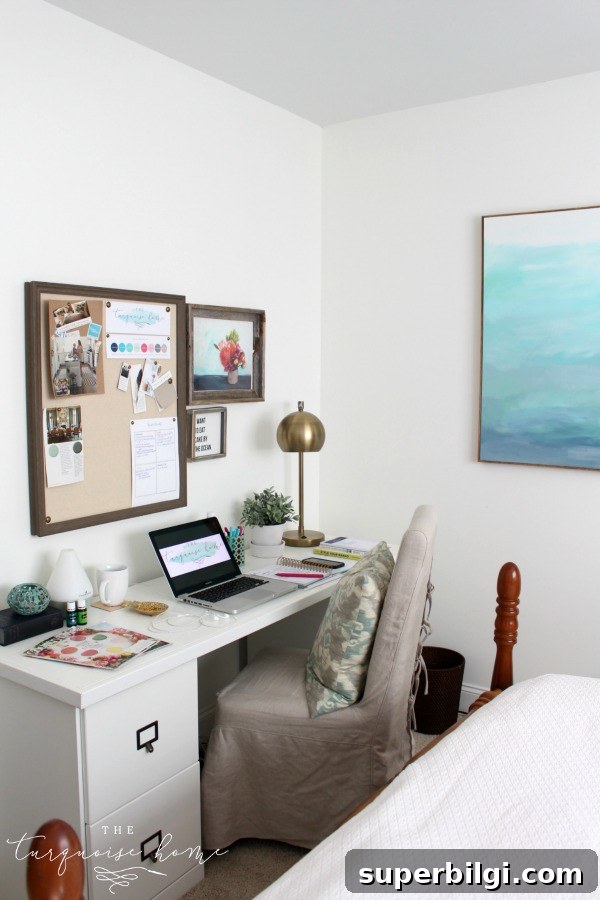
- Have a designated office space. A consistent workspace reduces distractions and helps you mentally switch into work mode. I’m currently refreshing my office and getting it decluttered and organized.
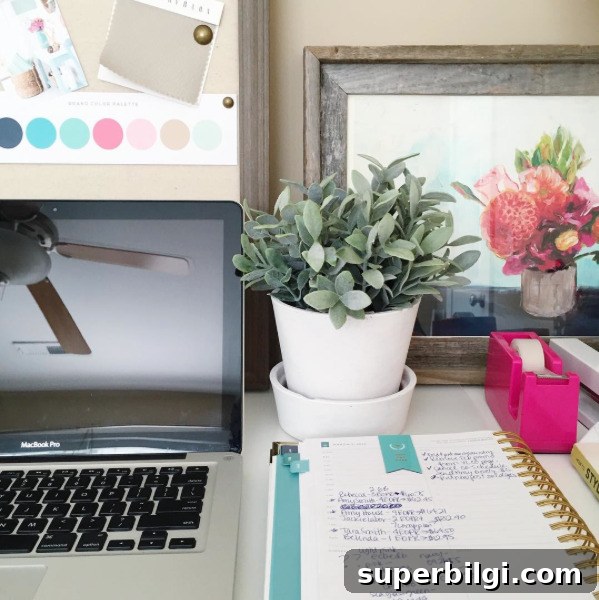
- Use a planner. I use both a personal daily planner and a separate blogging planner for project-level details. Planning your day and week in writing is a simple productivity boost.
- Create office hours. Define when you work and when you’re off. This shifts the culture in your home and prevents work from spilling into family time. It’s a rule I still work to maintain.
- Make your space pleasant and organized. A tidy, attractive workspace makes it easier for me to stay motivated and focused.
When I’m at my desk with minimal distractions and a clear plan, I get the most done. Lately I’ve become more intentional about how I organize my work time—especially using a time-blocking approach.
Read more working-from-home tips in this related post.
How to Time Block and Work More Efficiently
I follow a model based on a 20-hour workweek broken into focused time blocks. You can scale this to fit your available hours. Near the end of this post I offer a free weekly time block printable to help you implement the schedule.
Time Block Work Schedule Rules
- Decide your time block hours. Block them in your planner and treat them as office hours. During these times, avoid scheduling social coffee breaks or spontaneous errands.
- Choose focus categories. Identify the main types of work you need to complete each week so you can assign each block a clear purpose.
- Work in 25-minute blocks with breaks between. I use 25-minute focused intervals with alternating 5- and 10-minute breaks. For example, a two-hour morning session might look like: 9:30–9:55 work, 5-minute break; 10:00–10:25 work, 10-minute break; 10:35–11:00 work, 5-minute break; 11:05–11:30 work. A simple online timer can help you stay on track.
- Eliminate distractions. Keep your phone out of reach and close unnecessary tabs or social apps. Only use sites that are directly tied to your current focus.
- Be consistent. Complete your scheduled hours each week and make up any you miss due to holidays, illness, or family needs.
- Communicate your plan. Let family members or housemates know your schedule so they can support your focused time—and step in when needed.
My Sample Focus Categories
Here’s an example of how a work-at-home blogger might allocate weekly time blocks. Use this as a starting point and adapt it to your priorities.
- Writing – 8 blocks per week
- Staging and Photography – 4 blocks
- Photo Editing – 2 blocks
- Graphic Design – 3 blocks
- Comments – 1 block
- E-mail – 2 blocks
- Scheduling & Editing Posts – 3 blocks
- Pinterest maintenance – 2 blocks
- Goals – 2 blocks
- Newsletter – 2 blocks
- Weekly to-dos – 3 blocks
- Monthly to-dos – 1 block
This example totals about 16.5 hours, with additional evening hours allocated to other projects. Your mix will differ based on your work and responsibilities.
Weekly Time Block Schedule | Free Printable
I created a simple printable you can use to block your weekly hours. Fill in the time slots and assign each block a focus category to stay on track throughout the week.
Note: If you’re already subscribed to my newsletter, check your most recent email for the VIP Library password to download the printable. If not, you can sign up using the links above.
Share your progress this month on social media using the hashtag #lessofahotmess—I’d love to see your organizing and time-blocked routines.
The Messy Work: Print the Weekly Time Block Schedule, define your focus categories, and block off time for each. Stick to the schedule and make up any missed blocks. Tomorrow we’ll cover creating an organized cleaning schedule—see you then!
In the mess with you,
Laura
More posts you might enjoy:
- 50+ Things to Do When You’re Bored at Home
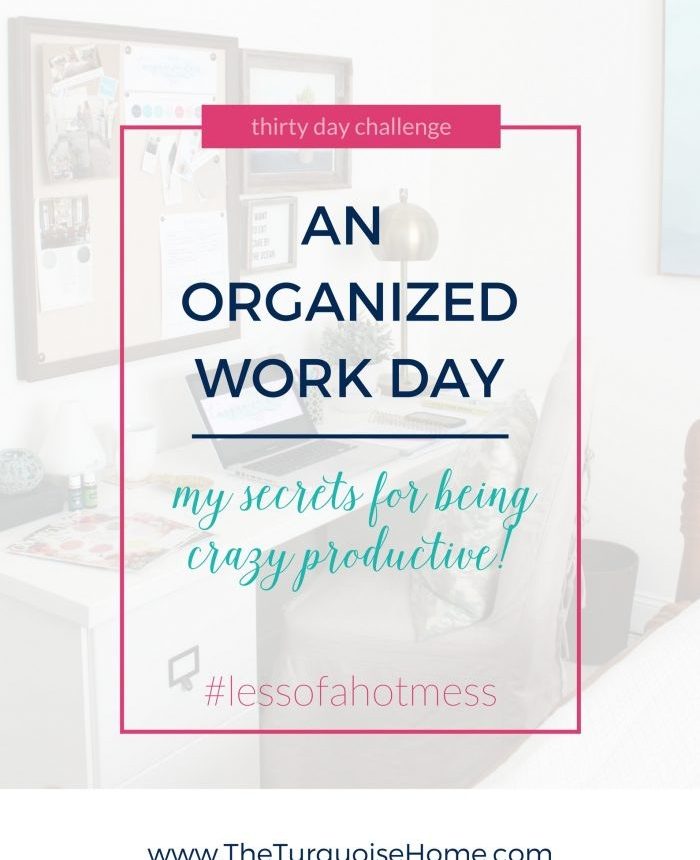
- An Organized Work Day: Secrets for Being Crazy Productive
- Spring Cleaning Checklist {Free Printable}
- How to Declutter Your Home in 5 Simple Steps
- Non-Toxic Glass Stove Top Cleaner