Of my top three easy-care houseplants, pothos plants hold my heart. Perhaps it's the trailing vines of heart-shaped leaves? Here's everything you need to grow this lovely houseplant successfully at home.
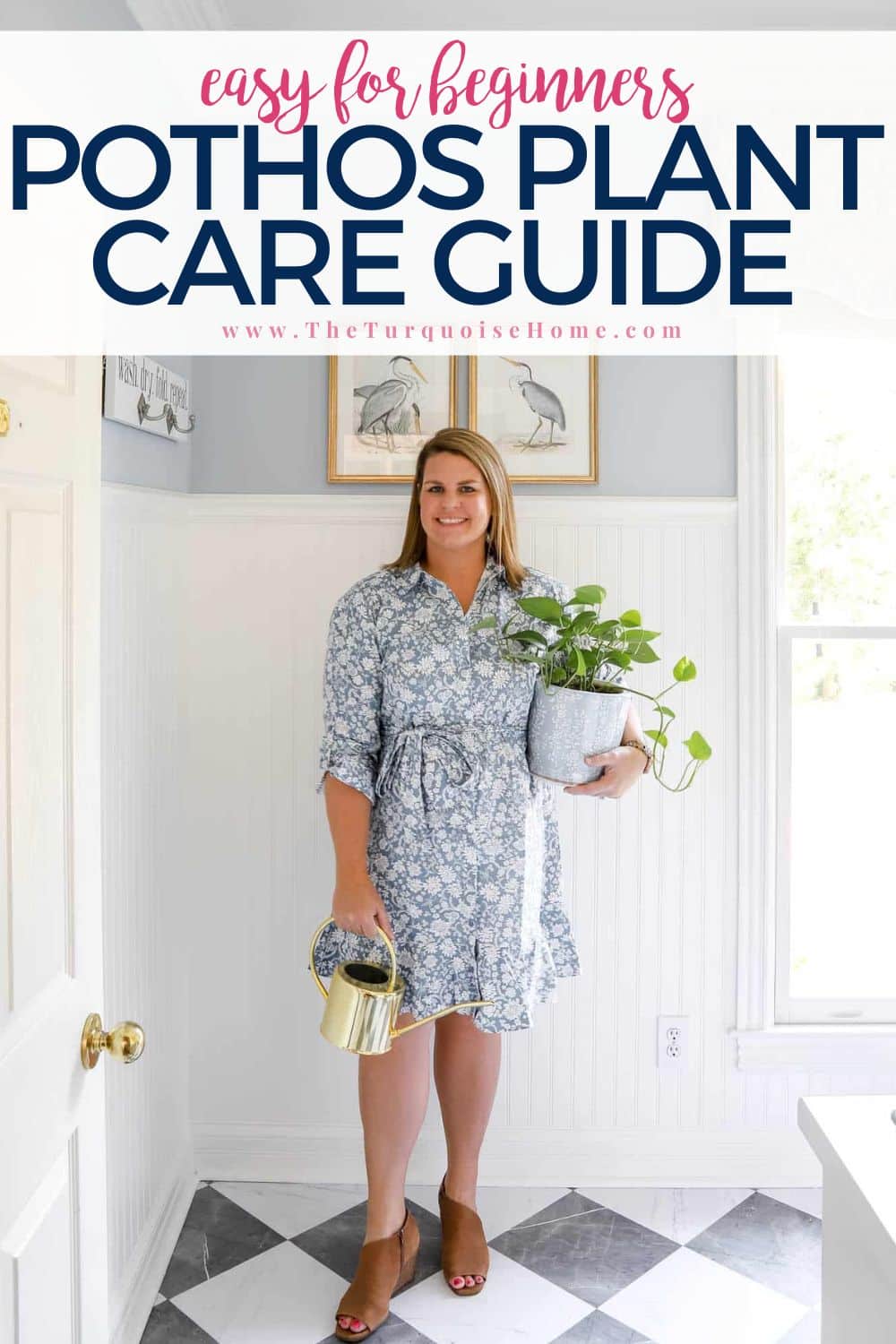
A Marble Queen pothos was the second plant I ever bought, in hopes of keeping something alive and developing a green thumb. (My first was the ZZ plant.) To my surprise, I've not only kept it alive, but I've propagated it for other rooms in my home and given cuttings away as gifts. I adore it!
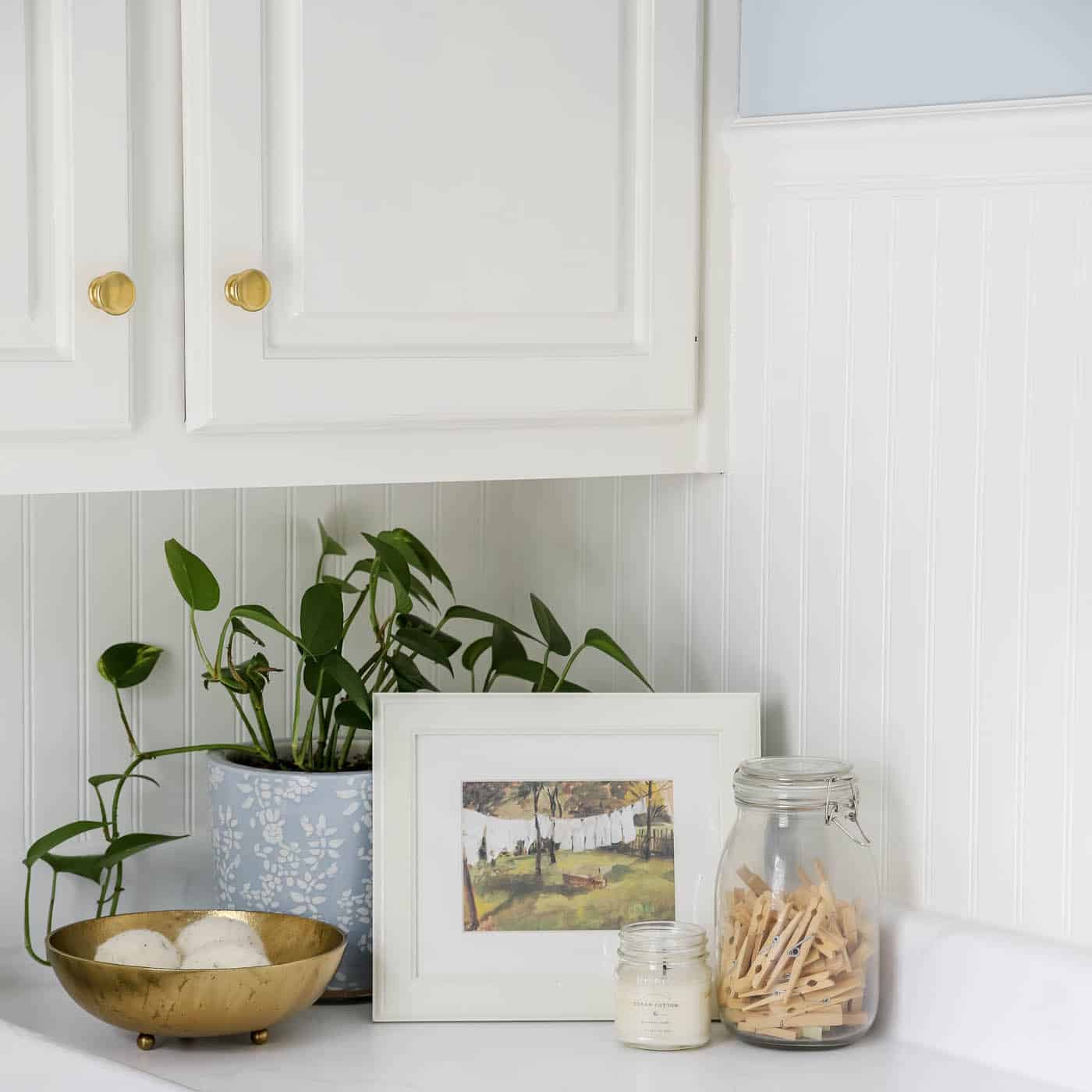
The plant I'm holding in the photo above came from my original plant (see below) and now sits in my freshly made-over laundry room, where it brings so much life to the corner. Let's dig into this wonderfully easy-care plant I love.
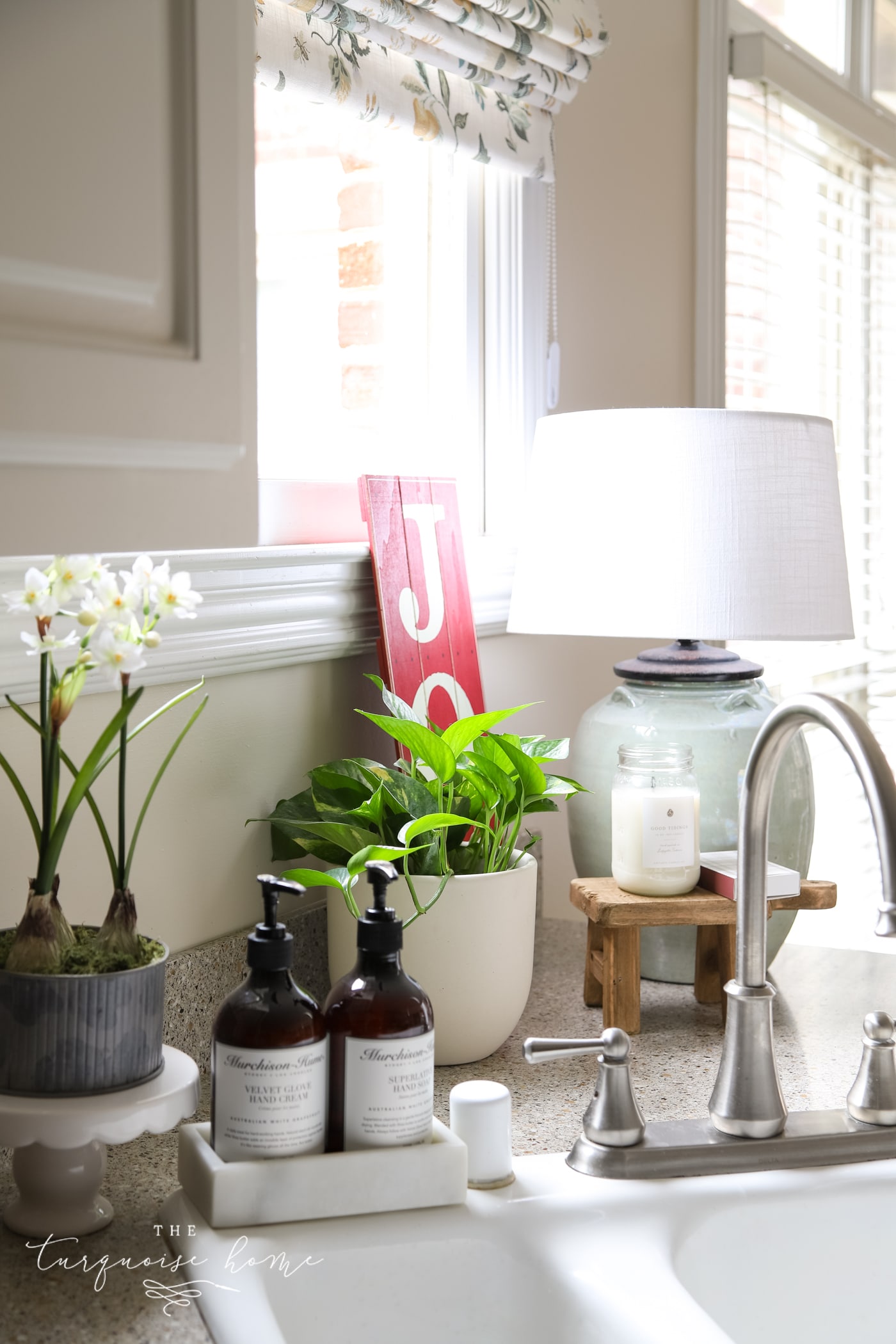

Names of the Pothos Plant
Pothos plants, known scientifically as Epipremnum aureum, are popular for good reason. Also called devil's ivy, hunter's robe or silver vine, these hardy plants brighten any space and are easy to care for.
Why Pothos Plants Are Worth Growing
- Beautiful: Lush green leaves and cascading vines give any room a dramatic touch of natural beauty.
- Easy: If you're new to indoor gardening or simply busy, pothos are very low-maintenance and more "forgiving" than most when you forget to water.
- Purifying: Like many houseplants, pothos act as natural air purifiers, helping you breathe easier by absorbing harmful chemicals such as formaldehyde, benzene and carbon monoxide.
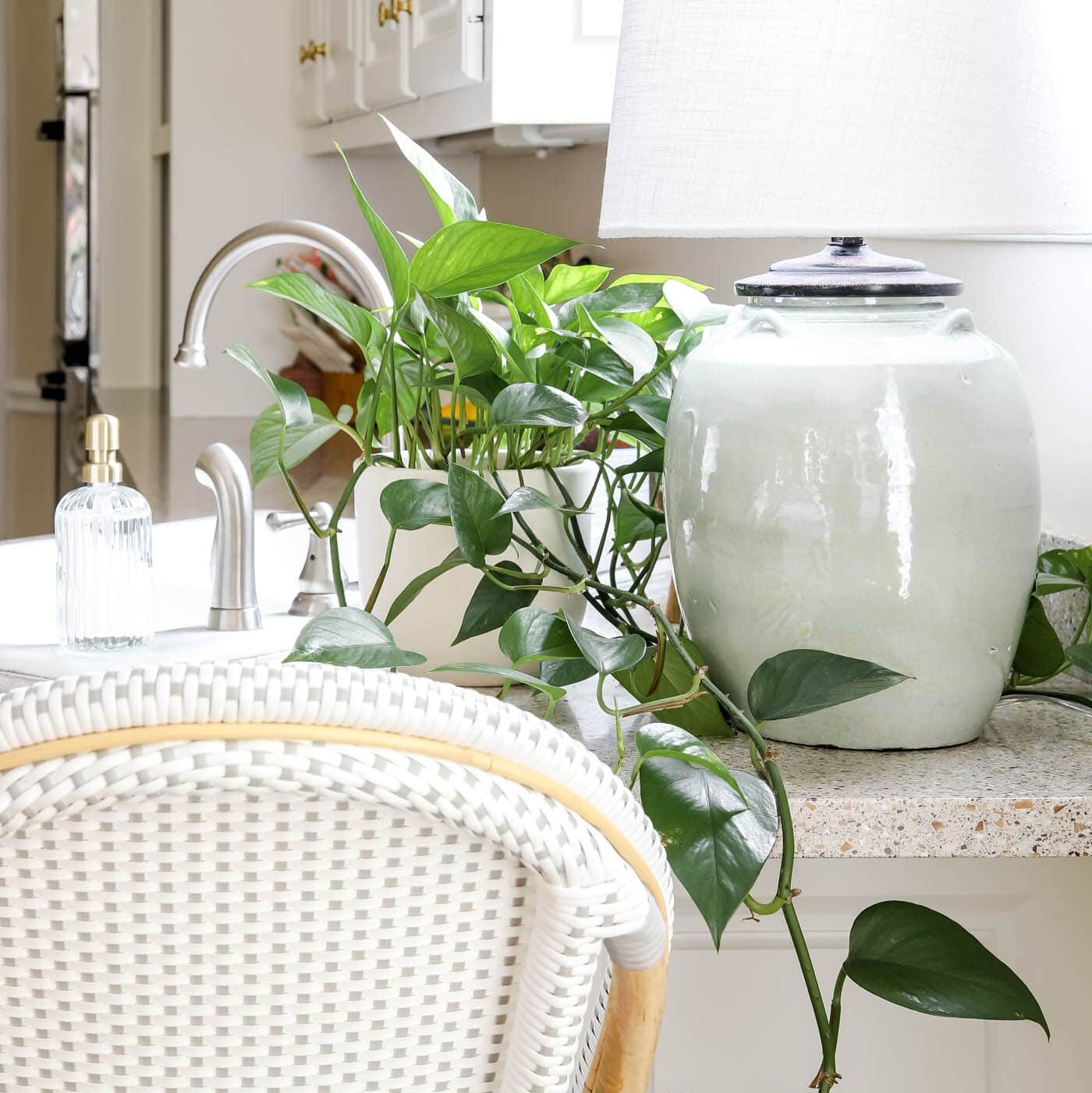
Pothos Varieties
Once you discover the many types of pothos, you'll probably want more than one. Use their distinct looks to mix and match a green display in a sunny corner, with a combination of plant stands and shelves.
- Golden pothos: The most common type, with glossy green leaves and golden-yellow variegation.
- Marble Queen pothos: Dark green leaves with creamy white variegation.
- Neon pothos: As the name suggests, this plant has bright yellow leaves that make a real splash of color wherever you put it.
- Jade pothos: Glossy dark green leaves with no variegation make these stand out.
- Pearls and jade pothos: Glossy dark green leaves speckled with creamy white and light green spots.
- Manjula pothos: White and cream variegation similar to the Marble Queen, but on much larger leaves.
- N'Joy pothos: Bold white variegation on smaller-than-average green leaves gives this pothos a lush, compact look.
- Cebu blue pothos: Harder to find, with narrow blue-green leaves.
- Hawaiian pothos: Large, glossy leaves with golden-yellow variegation.
- Jessenia pothos: Its leaf variegation resembles the Marble Queen, but it has no white tones, only chartreuse and yellow.
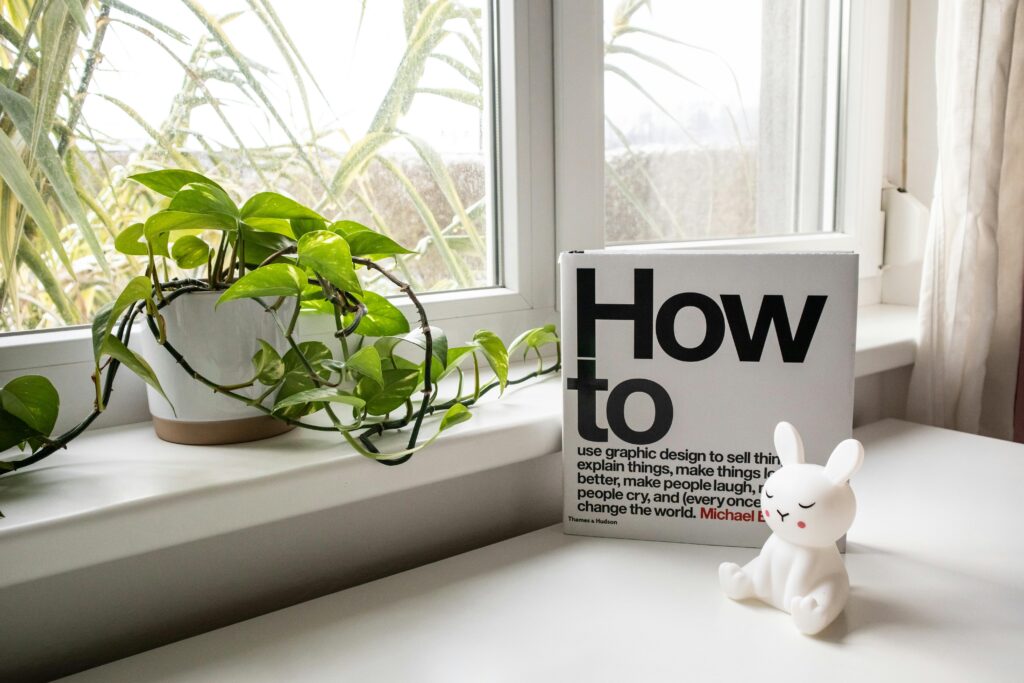
How to Propagate Pothos
Now you've seen a sample of the many varieties, and you'll be glad to know they're easy to propagate, so you can compare and share them with friends.
Follow these simple steps to root a pothos cutting in water:
- Choose a 4- to 6-inch vine with at least four leaves from a healthy plant with mature vines and foliage.
- Using clean, sharp scissors or pruning shears, cut the vine about an inch below a root node. Strip off the leaf or leaves nearest that node to encourage root growth.
- Submerge the root node in a glass of water, placed somewhere bright but out of direct sun, which is too harsh.
- Swap the water every few days to stop bacteria from building up. Roots should appear within two to three weeks.
- Move the cutting into a small pot of well-draining soil.
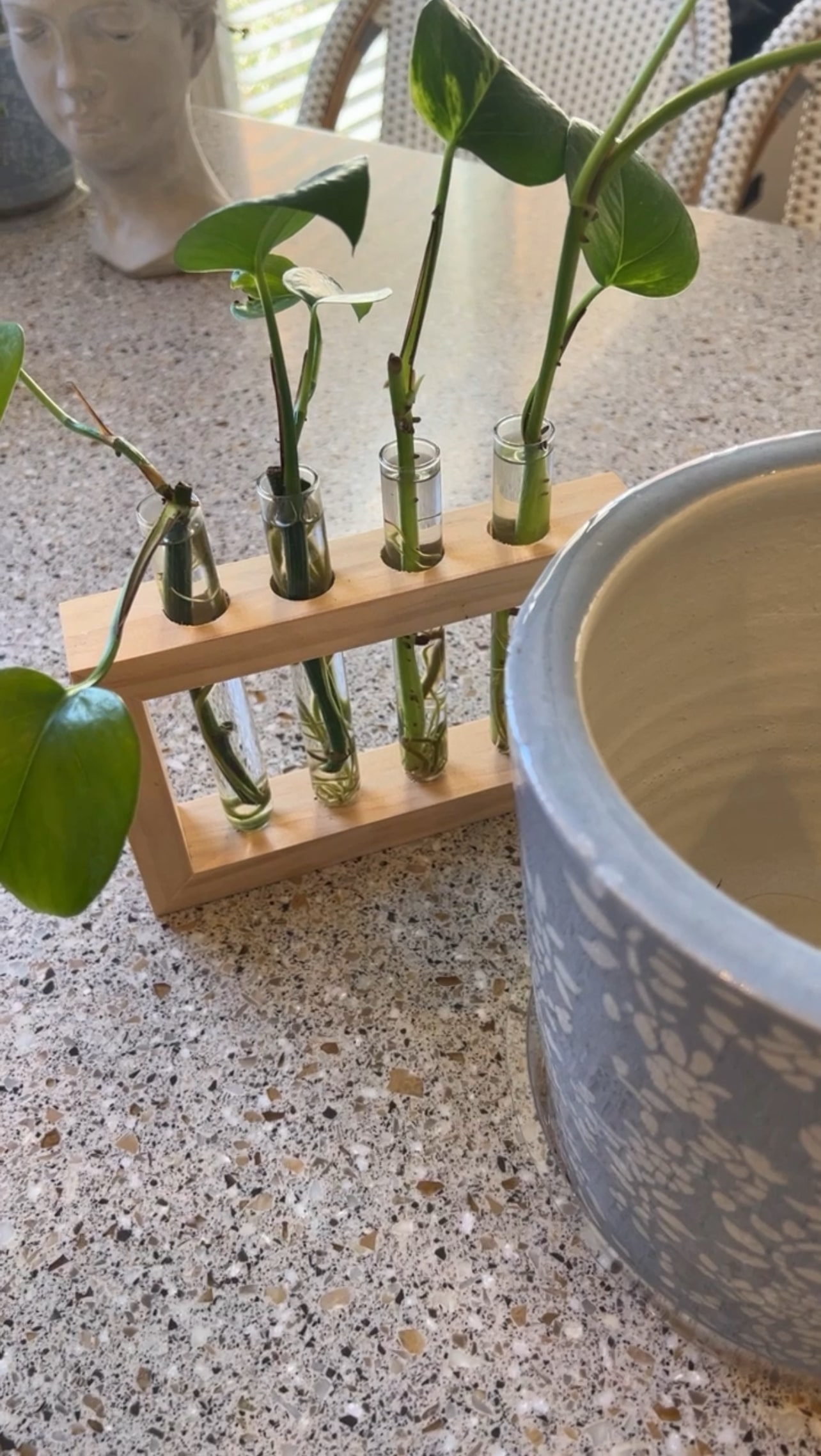
I've propagated my pothos many times, giving some away as gifts and keeping others for myself. I love my little propagation station for making new plant babies!
How to Look After Pothos Plants
From watering to placement, here are all the care tips you need to keep your pothos looking its best.
Light Needs of Pothos Plants
Pothos thrive in bright, indirect light. Direct sun is too much and can scorch the leaves! They also adapt to low light, so they suit almost any spot except one in blazing sun.
Are Pothos Plants Safe Around Pets?
No. The stems and leaves contain calcium oxalate crystals that are toxic to pets and people and can cause serious illness. Keep the stems and trailing (or climbing) tendrils well away from little ones and pets.
How often should you water a pothos plant each week?
Only water pothos when the top inch of soil is dry (or even two inches). Don't overwater, as that can cause root rot and other problems. If you're unsure, grab a moisture meter!
What size pot does my pothos need?
The best pot for a pothos has drainage holes and is about twice the size of the root ball. A pot that's too big can lead to overwatering, so choose carefully.
When should I repot my pothos?
Pothos usually need repotting every 12 to 18 months, ideally during the spring and summer growing season. Choose a container one size up from the old one, and repot in fresh, well-draining soil your pothos will love.
To check whether it's rootbound and needs repotting sooner, remove the plant and look for a dense mass of roots wrapping around the root ball. If you see that, repotting will give the roots room to spread out properly. Always loosen the root ball with your hands before repotting.
If your plant seems to have stopped growing, and it isn't short of light or nutrients, it may simply need a bigger pot to grow into. Finally, if the soil dries out much faster between waterings, that's another sign it needs a bigger pot with more soil to hold moisture.
What soil does my pothos need?
Pothos need a well-draining mix, which you can easily make from potting soil, perlite and orchid bark.
What temperature and humidity suit a pothos best?
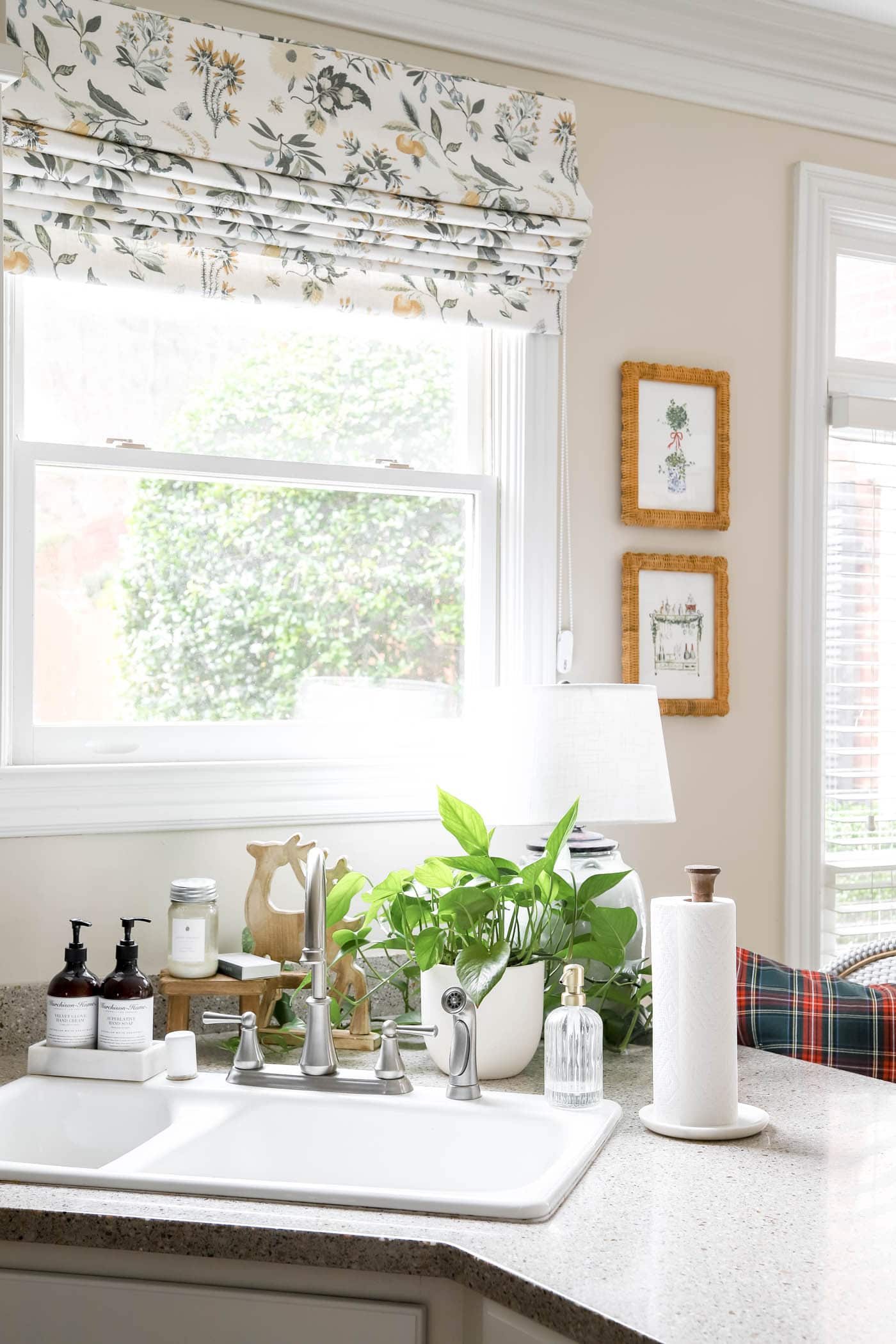
Average room temperatures between 65-80°F (18-27°C) suit pothos best. They prefer moderate to high humidity but can cope with less. Misting or using a humidifier helps keep humidity up in dry air. They also make great plants for powder rooms or for the kitchen by the sink (one of my favorite spots).
Common Pothos Problems and How to Fix Them
These hardy houseplants are known for being easy to care for, but they may need a little attention now and then. Here are a few warning signs and how to fix them,
If your pothos is:
- Browning: Low humidity or too little water can turn leaf tips brown. If you're watering enough, boost humidity with a mister. If that doesn't help, find a naturally more humid spot in your home.
- Yellowing: Yellow leaves are almost always a sign of overwatering. Let the soil dry out fully between waterings and adjust your schedule from now on. Too much water over time can cause root rot, which can kill the plant. If you suspect root rot, take the plant out and inspect it. Carefully trim away any rotten roots, then repot in fresh, well-draining soil.
- Not growing or growing very slowly: Too little light or too few nutrients (or both) can make growth stall or crawl. Try moving the plant somewhere brighter, still out of direct sun, and add fertilizer when you water during the spring and summer growing seasons.
Must-Have Houseplant Accessories
Finally, here are a few of my favorite accessories and supplies for caring for houseplants:
- Miracle-Gro Liquid Fertilizer
- Self-watering planters, handy if you sometimes forget your weekly watering.
- Bamboo Plant Shelf for the ideally lit spot in your home.
- A soil moisture, light and pH tester is the ideal tool for getting your light and soil conditions just right.
Leave me a comment if you have more questions about pothos basics. I'll reply as soon as I can!
More Posts You'll Love: