Let's talk about a question every houseplant lover runs into eventually: why are my indoor plants attracting fungus gnats? Grab a glass of sweet tea to take the edge off as we dive into the unfortunate world of plant pests and how to get rid of gnats in our houseplants.

Here's what to do first: If tiny flies are hovering around your houseplants, they're probably fungus gnats. Start by letting the soil surface dry out between waterings, as much as your plant can tolerate. Place a yellow sticky trap near the pot to catch the flying adults. If they keep coming back, use a soil treatment labeled for fungus gnat larvae and follow the package directions. Treating the soil matters, because catching the flies you see won't deal with the larvae already growing there. I'll share more below!
A few years back, I finally became a true houseplant person. I've always admired greenery in home decor and found some really great fake plants. At the time I was hesitant to add many real ones until I knew how to care for them properly.
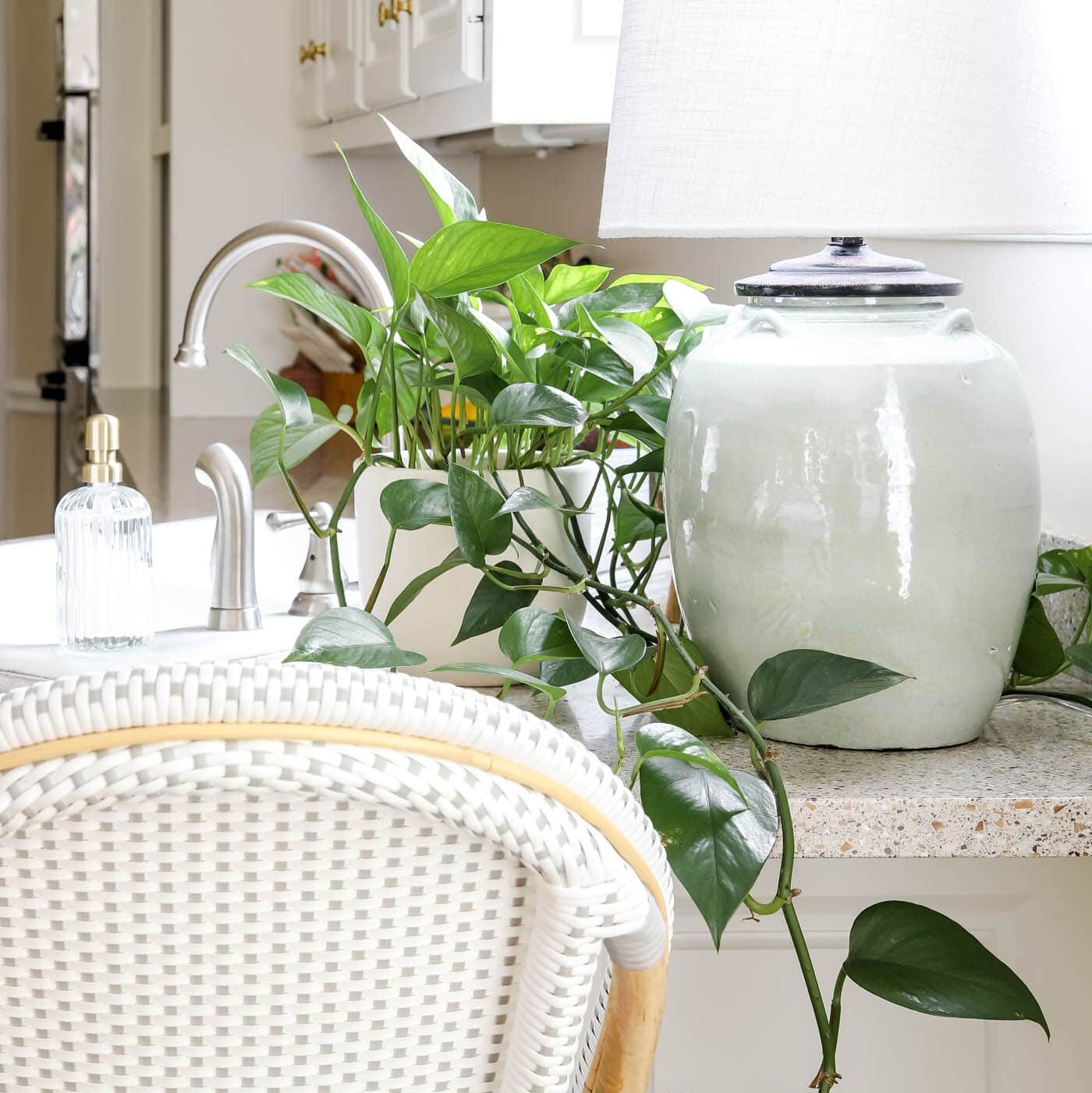
I started by bringing in the easiest house plants to my home: a ZZ plant, a snake plant and a pothos plant. Over time I've learned to care for these and others, and I've even written guides for each one to share what I've learned so far.
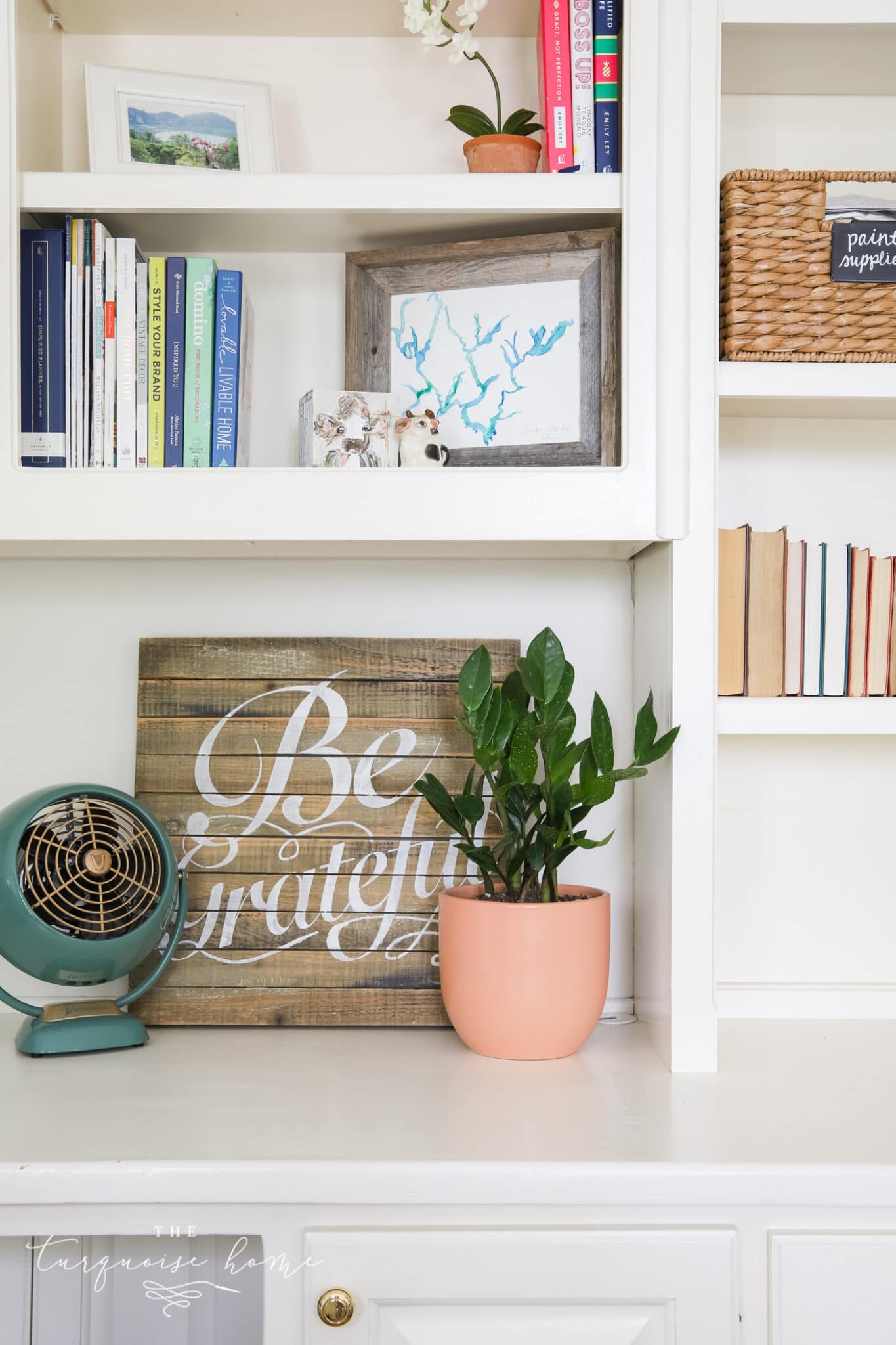
Those guides touch on the potential for plant pest problems and how to keep them at bay. That brings us back to fungus gnats, and why these pesky little bugs love our green friends as much as we do.

How can I tell if my plants have fungus gnats?
Look for small, mosquito-like flies hovering around your plants, especially when the soil gets disturbed. You might also spot tiny white or translucent larvae in the soil. If your plant has yellowing leaves or slow growth, check its watering and drainage, too. Those symptoms can have more than one cause.
Don't feel bad if you get them, because it happens to just about everyone with a lot of plants. Now that I have many plants, I have to work hard to keep the gnats at bay.
Why are my indoor plants attracting gnats?
Houseplants often attract fungus gnats that normally live outdoors. They lay their eggs in moist soil outside. So when they sense perfectly tended, damp soil in our indoor pots, they fly right in. Wouldn't you?
That's understandable, but I have no desire for a fungus gnat infestation in my home, and I'm sure you don't either. We put that soil in there for our plants, not for gnats!
What is the fastest way to get rid of gnats in plants?
The best place to start is the soil. Let its surface dry between waterings as much as your plant can tolerate, and use yellow sticky traps to catch and monitor the adults. If new gnats keep showing up, a soil treatment labeled for fungus gnat larvae can deal with the next generation. Larvae mainly feed on fungi and decaying matter in damp potting mix, though they can sometimes feed on plant roots.
How to Get Rid of Fungus Gnats in Houseplants: Start With These 3 Steps
If you've spotted little flies around your plants, start with your watering routine, then tackle the adults and the larvae separately. You don't need to try every home remedy in the kitchen!
1. Let the Soil Surface Dry Between Waterings
Fungus gnats love consistently damp potting soil, so check the soil before reaching for your watering can. Let the surface dry out as much as your particular plant can handle between waterings, without letting it wilt. Make sure the pot can drain, and empty any water that collects in the saucer.
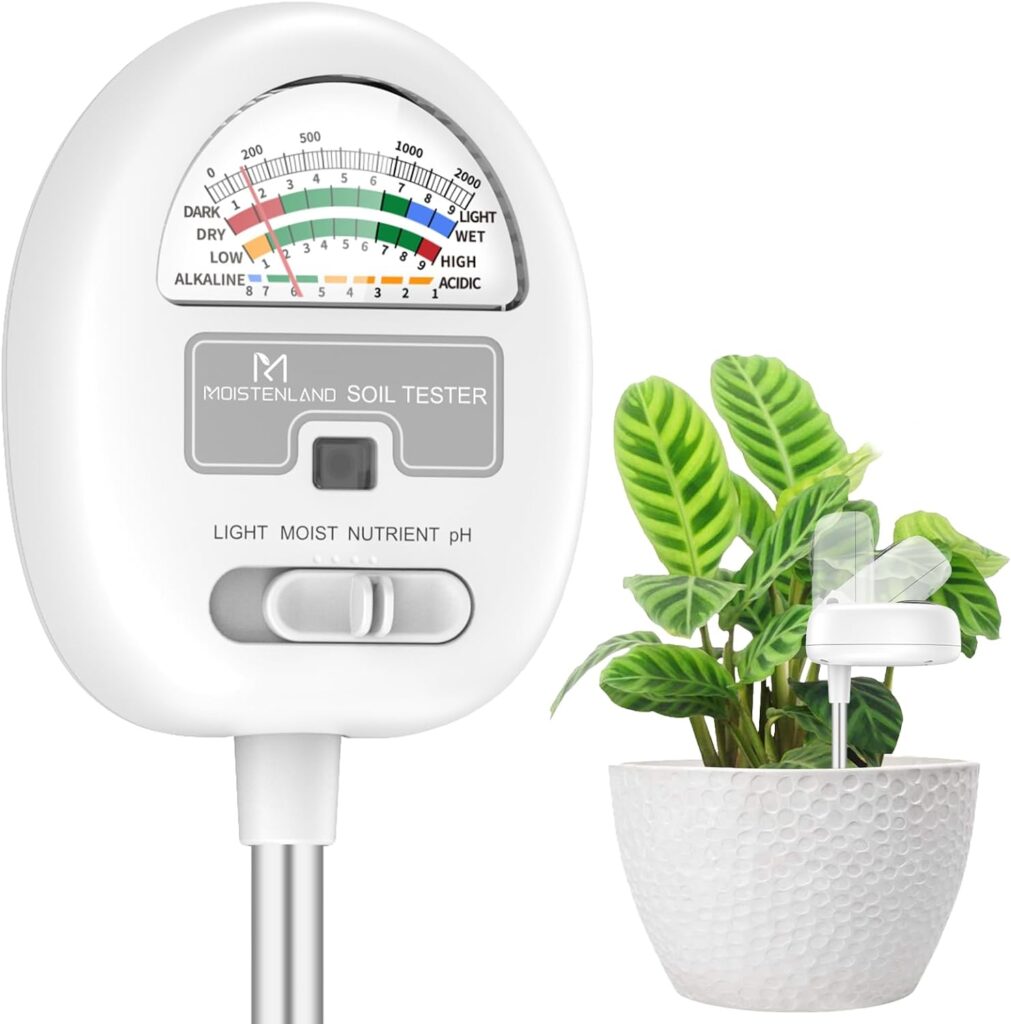
If you're not sure when to water, a soil moisture meter can be a helpful reminder to check. I still like to feel the soil and consider what each plant needs. My ZZ plant and pothos don't always need a drink on the same day!
2. Catch the Adult Gnats With Yellow Sticky Traps
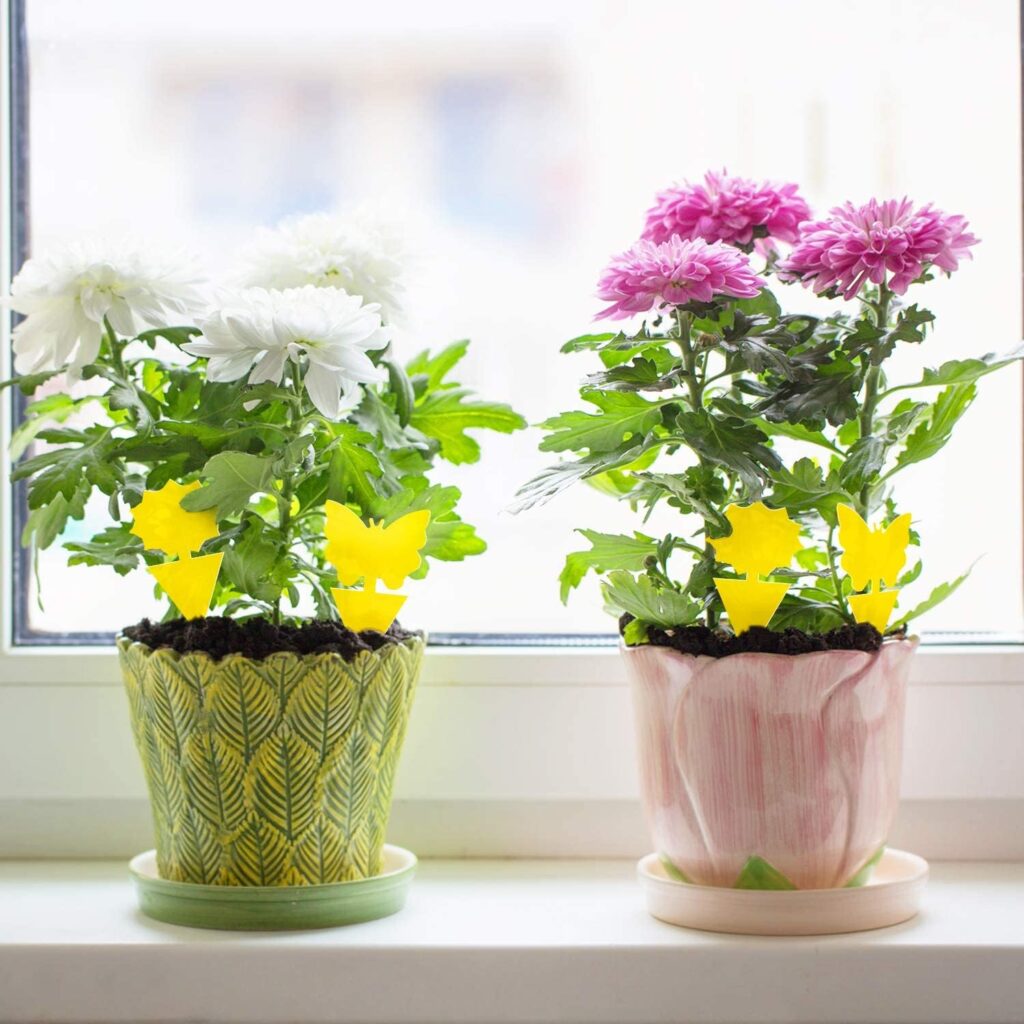
Place yellow sticky traps close to the soil in the pots where you've noticed gnats. They catch the flying adults and make it easier to see whether the number of gnats is dropping. Replace the traps as needed.
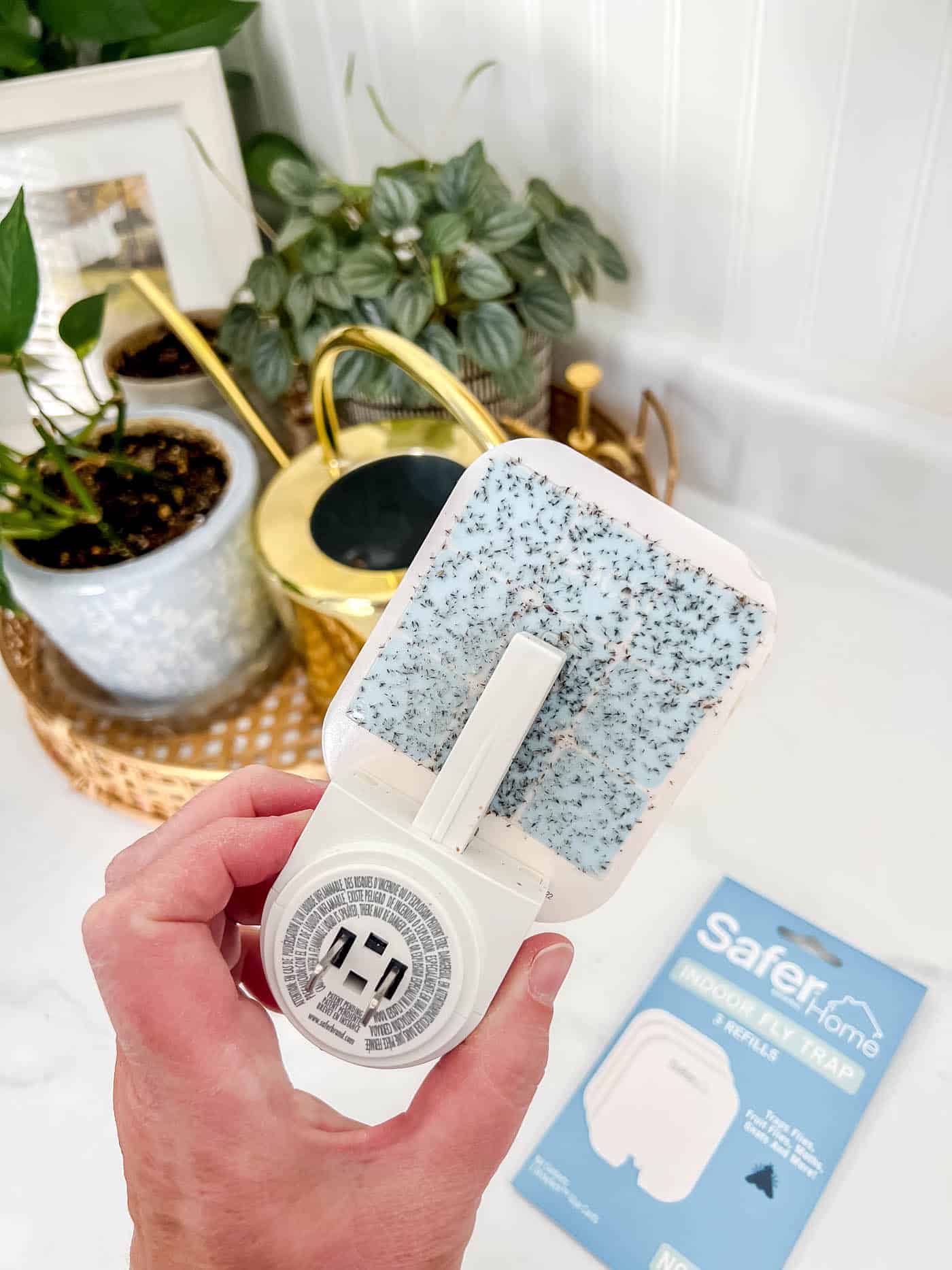
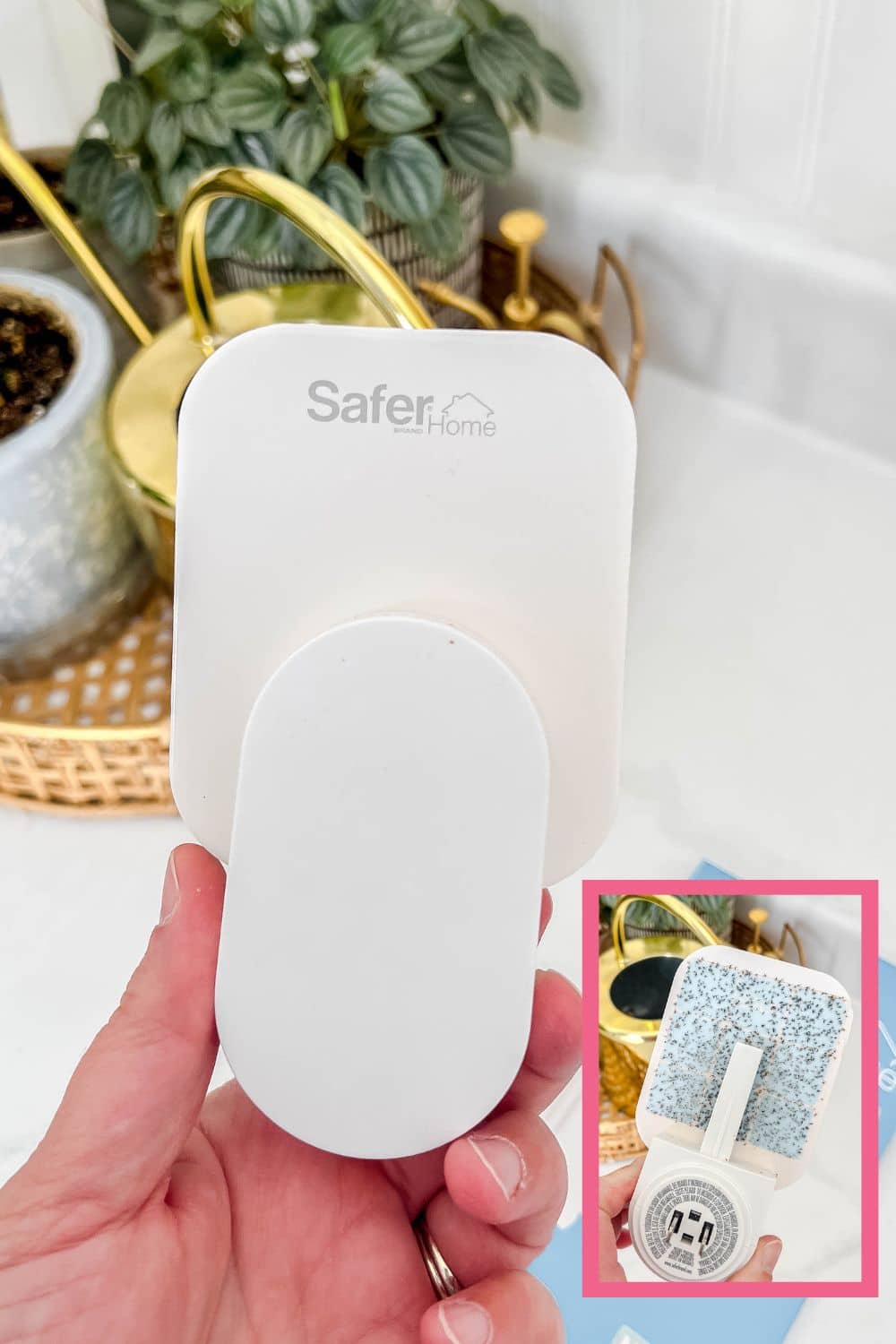
I also use these plug-in gnat traps near my fruit bowl and houseplants, and I've noticed fewer little flies buzzing around. They're a handy extra, but neither kind of trap treats the larvae already living in the potting soil. That's why the next step matters if gnats keep appearing.
3. Treat the Larvae in the Soil With BTi
If the sticky traps keep catching new gnats, look for a soil treatment labeled for fungus gnat larvae that contains Bacillus thuringiensis israelensis, usually shortened to BTi. It targets the larvae in the soil, so you can address the problem you can't see as well as the flies you can.

One option I found is Fungus Gnat Death Drops from Happy Happy Houseplant. Check the current product label for exact directions on mixing, applying and repeating the treatment.
BTi targets larvae; it doesn't kill adult gnats, so keep using your sticky traps to monitor those.
If the Gnats Keep Coming Back
Check your other houseplants to see whether another pot is the source. If one plant keeps having a stubborn problem, you can repot it in fresh potting mix in a clean container. Then keep an eye on its watering routine so the new soil doesn't stay soggy.
Want to check for larvae? Set a slice of raw potato on the soil and look underneath it later. You may spot tiny larvae with dark heads. It's a way to check what's happening in the soil, but potato slices alone won't clear up an infestation.
More FAQs About Eliminating Gnats Around Indoor Plants
Can I bring new plants into my home while dealing with a fungus gnat infestation?
It's best to hold off on bringing new plants home until the infestation is resolved. New plants could introduce more gnats or become infested themselves. If you do bring new plants home, quarantine them in a separate room and inspect them carefully for signs of gnats before adding them to your collection.
Are there certain plants that are more resistant to fungus gnats?
No houseplant is completely gnat-proof, but plants that tolerate drier soil, such as snake plants and ZZ plants, may be less likely to have a problem.
Will fungus gnats kill my houseplant?
Usually, no. Adult fungus gnats are mainly a nuisance, though larvae can sometimes harm roots, especially on young or vulnerable plants. If your plant is yellowing, check its watering and drainage, too. Don't assume the gnats are the only cause.
How long does it take to eliminate fungus gnats?
That depends on how bad the infestation is and the methods you use. Generally, it can take several weeks to notice a significant drop in the gnat population. Consistency and persistence are key to getting rid of them for good.
Keep checking your traps and the soil over the next few weeks. Catching the adults, treating larvae when needed and adjusting your watering routine work together to bring the gnat population down.
Have you used any of these methods to protect your plants from gnats? I'd love to hear about your experience or any others I should consider.
More Posts You Will Love: