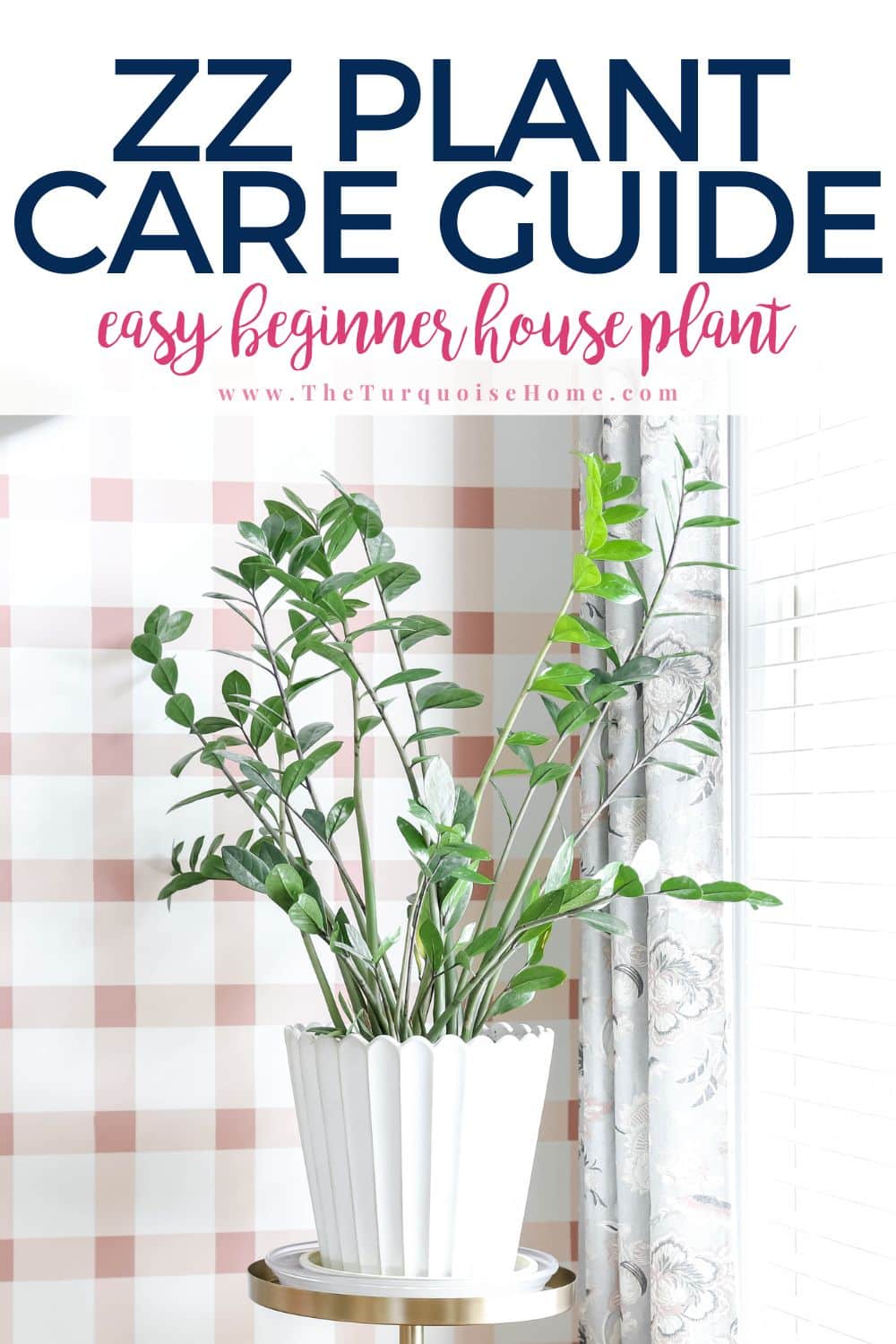
It's two Zs, not three, so don't overlook a ZZ plant if you want an effortless way to add lush greenery and fresher air to your space. Through plenty of trial and error, I've found it's one of the best starter houseplants, and seasoned plant lovers adore it too.
I used to have a black thumb. Nothing I owned stayed green for long! Looking back, I blame the fact that keeping my kids alive took priority over everything else. Only a few years ago, I would have told you I was strictly a fake plant person.
Then I started experimenting with the three simplest houseplants, and since then I've kept many plants thriving! It took some learning, but I've loved building my collection ever since.

Welcome, ZZ Plant! Farewell, Black Thumb.
This ZZ plant was my very first plant, also known as Zamicioculcas zamiifolia or Zanzibar gem. It first appeared on the blog in 2020 when I published my easiest houseplants post. I bought it from The Sill, a shop I adore for plenty of reasons, including the option to pick a planter with your order (and free shipping!).
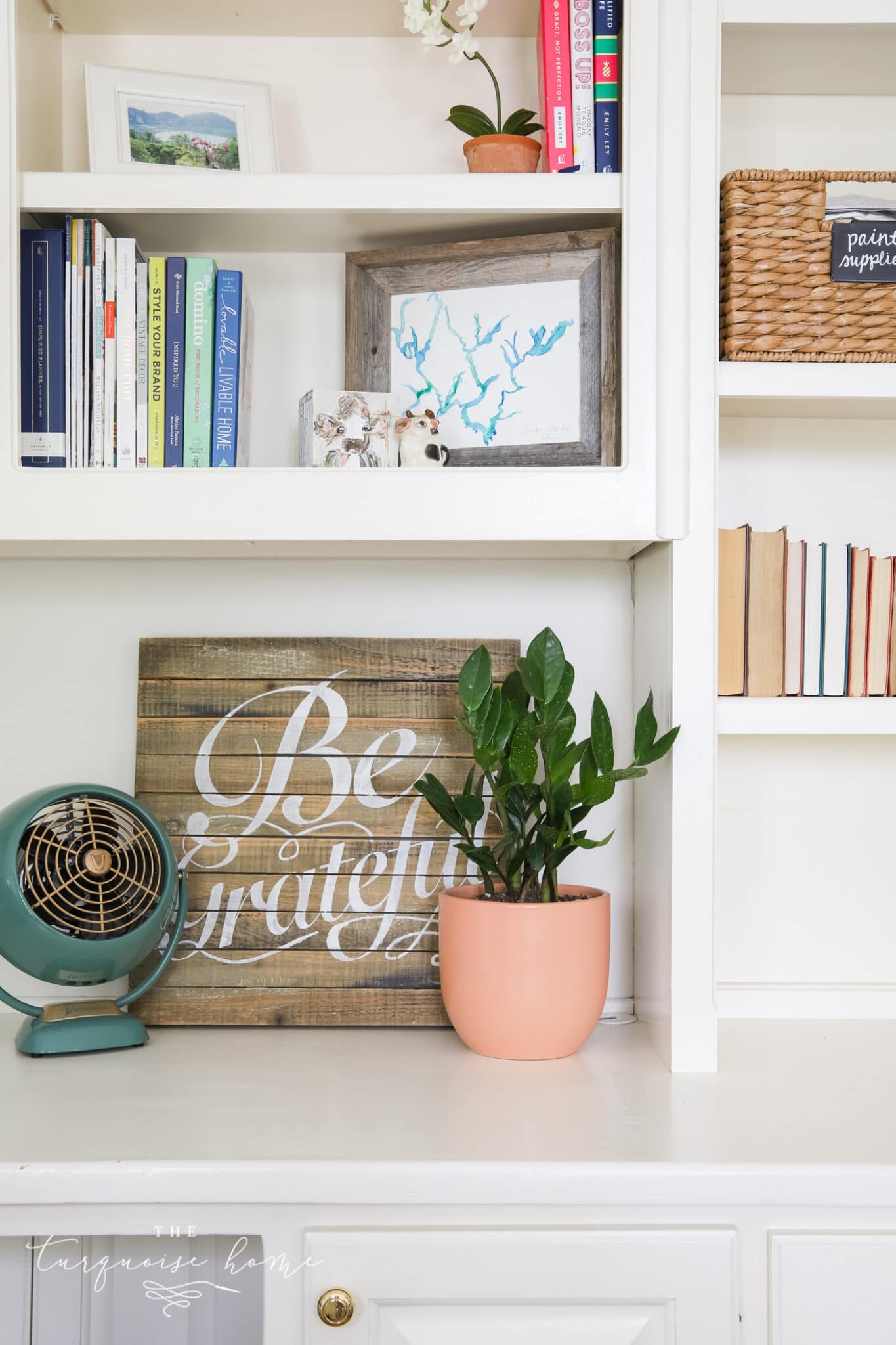
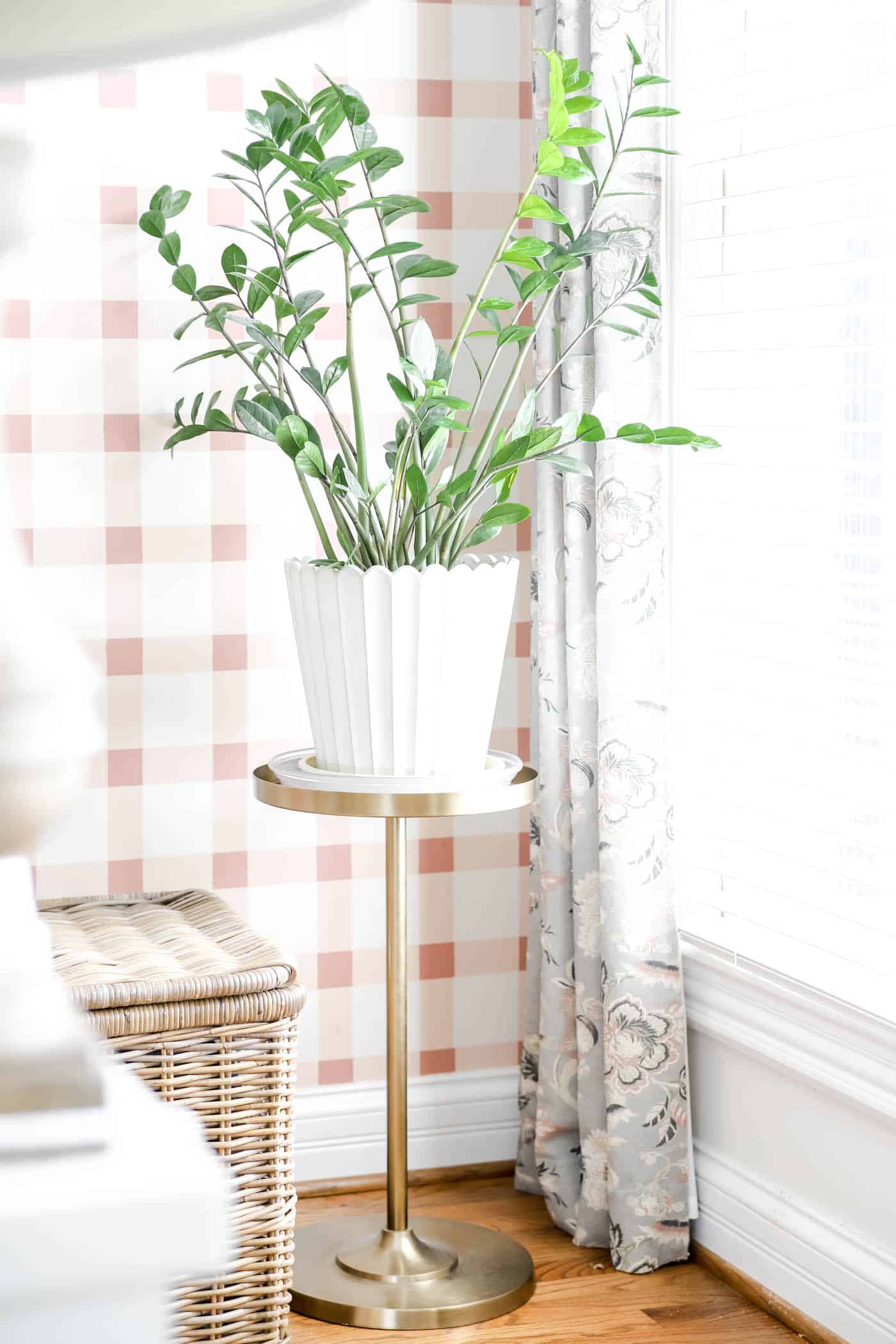
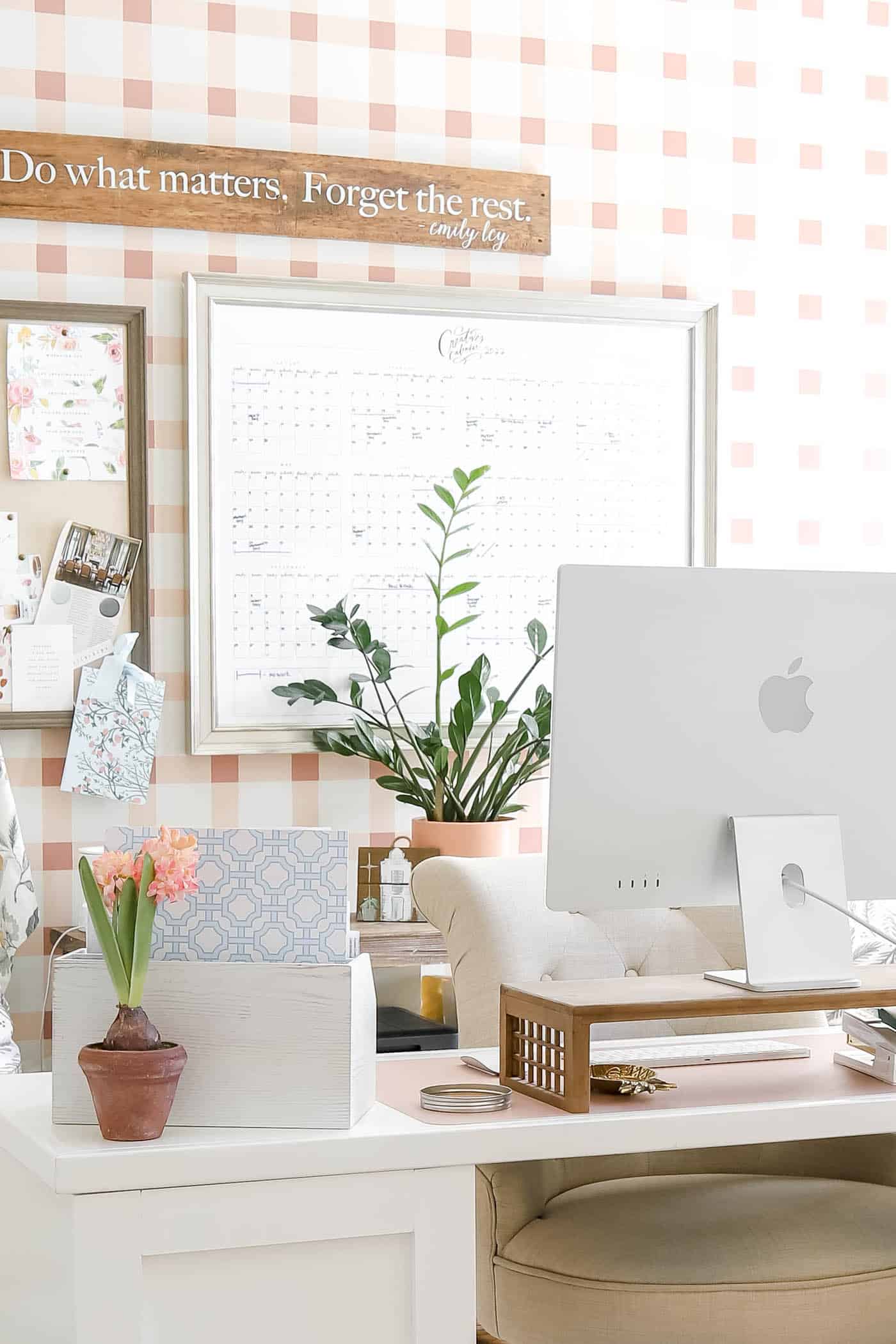
Caring for my ZZ plant has been remarkably simple. This low-fuss beauty started out behind my desk in the office, but after four years it grew so big that it earned its own plant stand in the corner!
The southeast light streaming into my office suits the ZZ plant perfectly. Best of all, it needs very little water, so even when I forget about it for a month, it keeps on thriving!
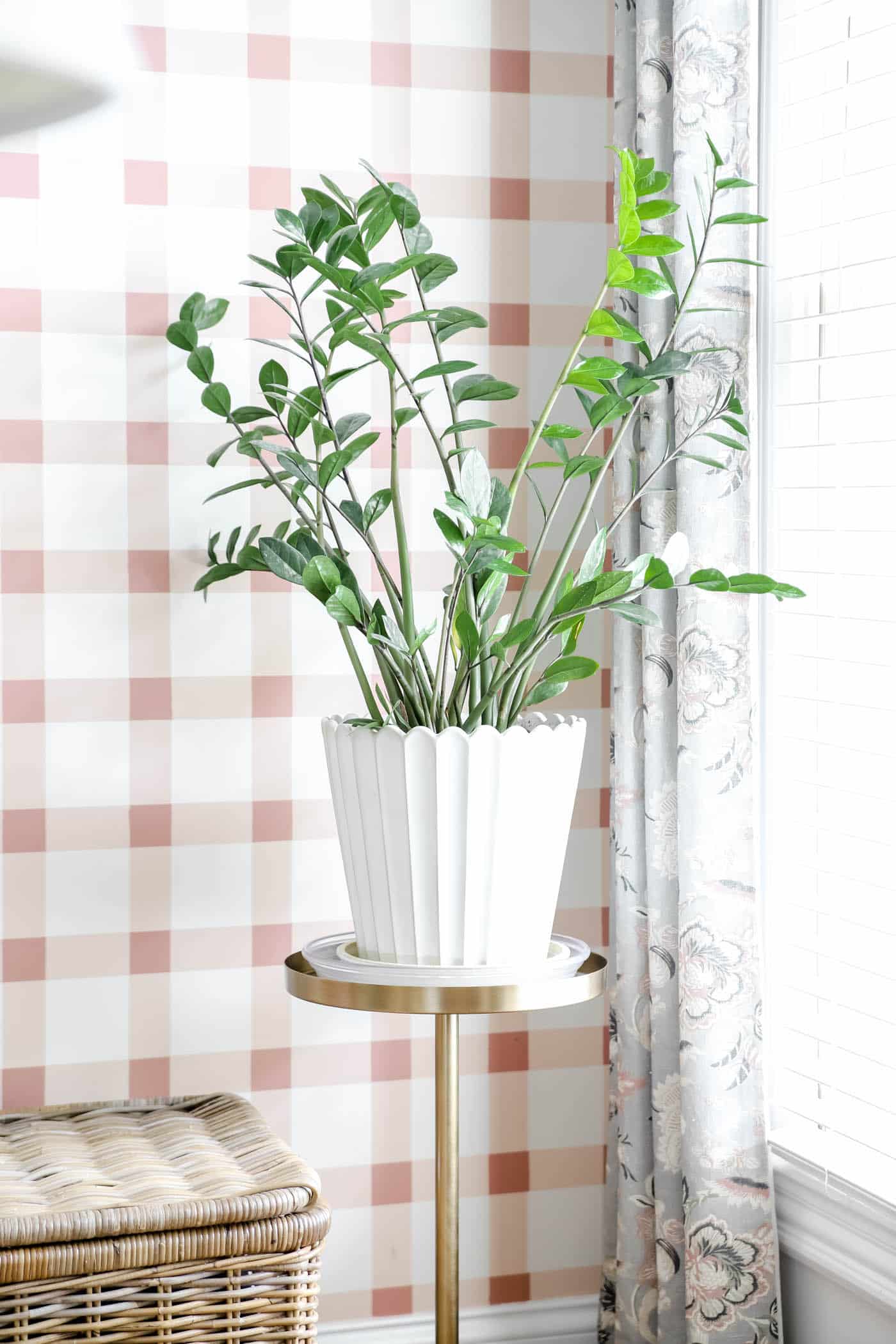
I've missed watering it plenty of times, yet it keeps thriving and sends out fresh shoots every spring! Here's how the same plant looks today. It outgrew its old home, so it needed a bigger planter and its own stand!
Why People Love ZZ Plants
- Easy: Once again, I'd argue this is the ZZ plant's biggest perk. I've even seen it called "thriving on neglect," since it prefers dry soil and tolerates low light.
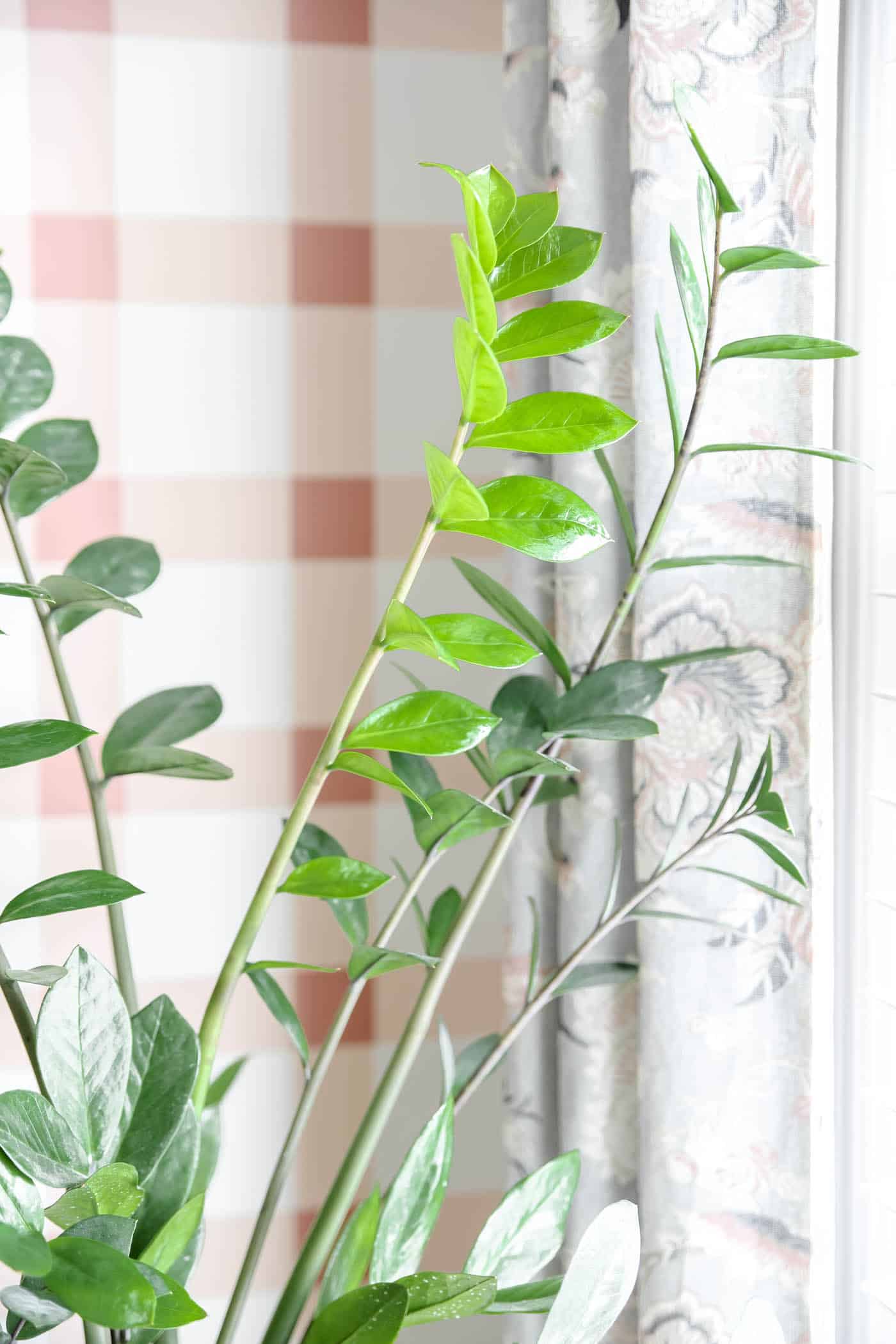
- Pretty: Native to Kenya, ZZ plants bring a tropical feel with thick, glossy, deep green leaves. They add a splash of color and a breath of the outdoors inside.
- Healthy: A recent study singled out the ZZ plant as one of the top choices for cleaner air, since it quietly absorbs nitrogen dioxide from the room. That gas is harmful in large amounts, and appliances such as gas ovens, space heaters, water heaters and clothes dryers can release small traces of it.
Caring for Your ZZ Plant
Looking after a ZZ plant takes very little work, but even low-effort plants need a bit of attention to flourish.
Light Needs for ZZ Plants
ZZ plants grow best in medium to bright indirect light. They manage in dim spots, though not especially well, and direct sun is a definite no.
When to Water Your ZZ Plant
ZZ plants only need water about twice a month! Depending on how much light they receive, they usually need a drink every two or three weeks. To play it safe, wait until the soil dries out between waterings.
A soil moisture meter will tell you how damp the soil is, or you can simply touch it. If the soil crumbles off your fingers, it's time to water. If it sticks to your fingers, wait a little longer.
Fun fact: these plants evolved in dry African regions, so they have thick underground stems, called rhizomes, that stash water for dry spells.
Cleaning Your ZZ Plant
For cleaning, simply dust the leaves, using a damp cloth if needed. A mister can add more moisture than the plant wants. If you're dealing with gnats, you can wipe the leaves with neem oil. Keep the plant out of direct sun for a few hours afterward, or the leaves may scorch. I do this in the evening so I never have to fret about it!
What Size Pot Does a ZZ Plant Need?
A handy guideline: measure the plant's height, add at least an inch, and use that figure as the pot's width. For example, an eight-inch plant calls for a pot at least nine inches across.
Make sure the pot drains well. These plants prefer mostly dry soil and light watering, so standing water is their enemy.
It's wise to repot roughly every two years. Choose a pot just a bit larger than the current one so the roots can settle in more comfortably.
What Soil Suits a ZZ Plant?
As mentioned earlier, ZZ plants like soil that drains freely, with a pH between 6.0 and 7.0. A standard indoor potting mix does the job, and a handful of perlite improves drainage further.
Feeding is optional, but as with everything here, moderation is key. Only fertilize during the growing season, and how often depends on the fertilizer you choose.
I feed all my indoor plants with Plant Food from Happy Happy Houseplant. It can be used with every watering, and I credit it for the healthy growth of my ZZ plant.
Ideal Temperature and Humidity for ZZ Plants
They're easy houseplants because they enjoy the same temperatures we do, somewhere between 60 and 75 degrees. Normal household humidity suits them, so just keep them clear of cold drafts and they'll be happy.
Are ZZ Plants Pet-Safe?
No. They aren't deadly, but eating them can make pets or people quite ill. Keep them away from kids and critters.
Common ZZ Plant Problems and Fixes
ZZ plants are forgiving, and fixing an issue is simple once you spot it. Most problems come down to too much or too little light or water.
If your ZZ plant is showing:
- Wilting or wrinkled leaves: It needs more water. Underwatering is uncommon with these plants, but it does happen. If so, don't drench it. Just shorten the gap between waterings and keep watching.
- Yellow leaves: This usually signals overwatering. Check the roots for rot too. Here's a useful video showing how to spot root rot and rescue the plant if it's affected.
- Curling leaves or leaves that look scorched: That means they're getting too much sun. Move it somewhere with much softer natural light.
- Signs of pests: Spray the plant with neem oil each week and wipe the leaves to clear common houseplant bugs like aphids or mealybugs. These plants are tough and fairly resistant on their own, but pests can still turn up.
Leave me a comment if you have more questions about these wonderful, low-fuss plants. If I don't know the answer, I'll happily look into it and get back to you as soon as I can.
More Posts You Might Enjoy: