
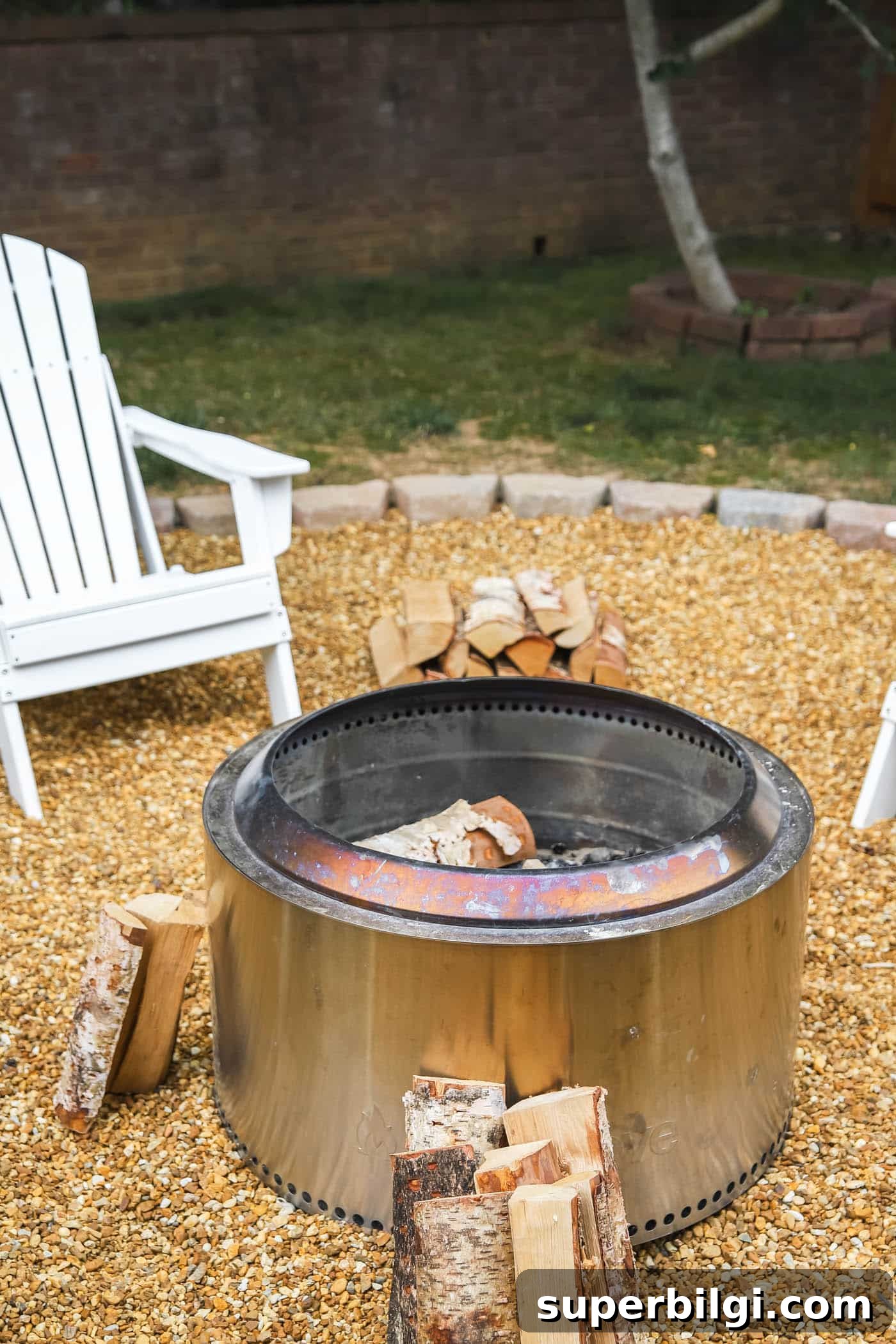
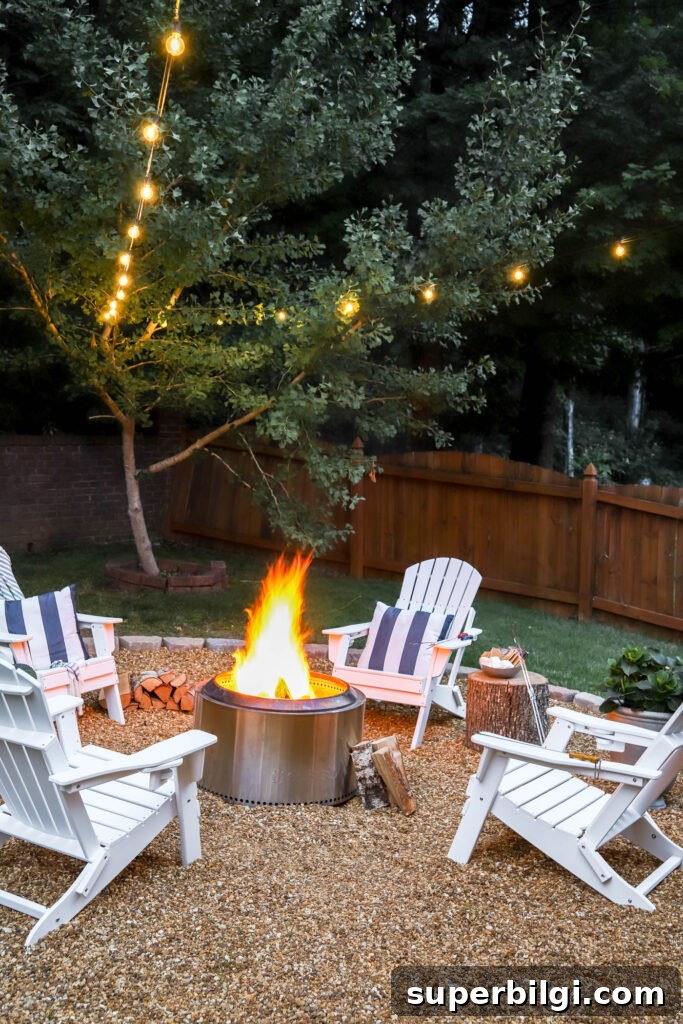
Few things are more pleasant than gathering around a cozy fire pit for conversation or roasting marshmallows, except maybe the stubborn smoky smell that sometimes clings to you afterward. I found a solution: our Solo Stove Yukon has transformed backyard evenings for our family.
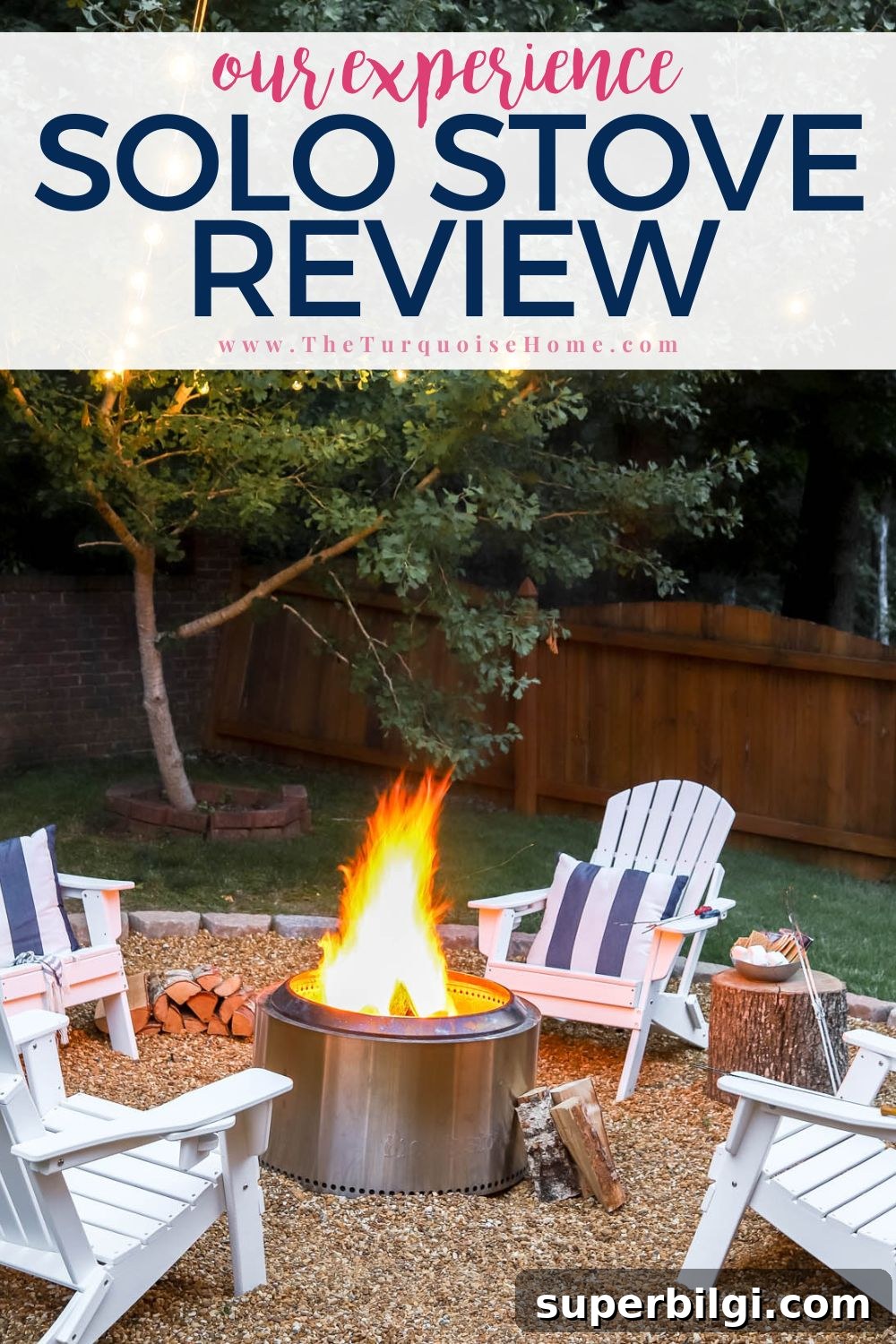
We’ve owned this smokeless fire pit for several years, so I can offer a firsthand Solo Stove review based on regular use and real experience.
This post contains affiliate links for convenience. See my full disclosure policy.
Are Solo Stoves really good?
In short, yes. We absolutely love ours—it’s one of the best purchases we’ve made for outdoor living. I used to avoid sitting by a traditional fire pit because of the smoke and how quickly my clothes and hair would smell. Since we invested in a Solo Stove, I can enjoy an outdoor fire with family without immediately needing a shower.
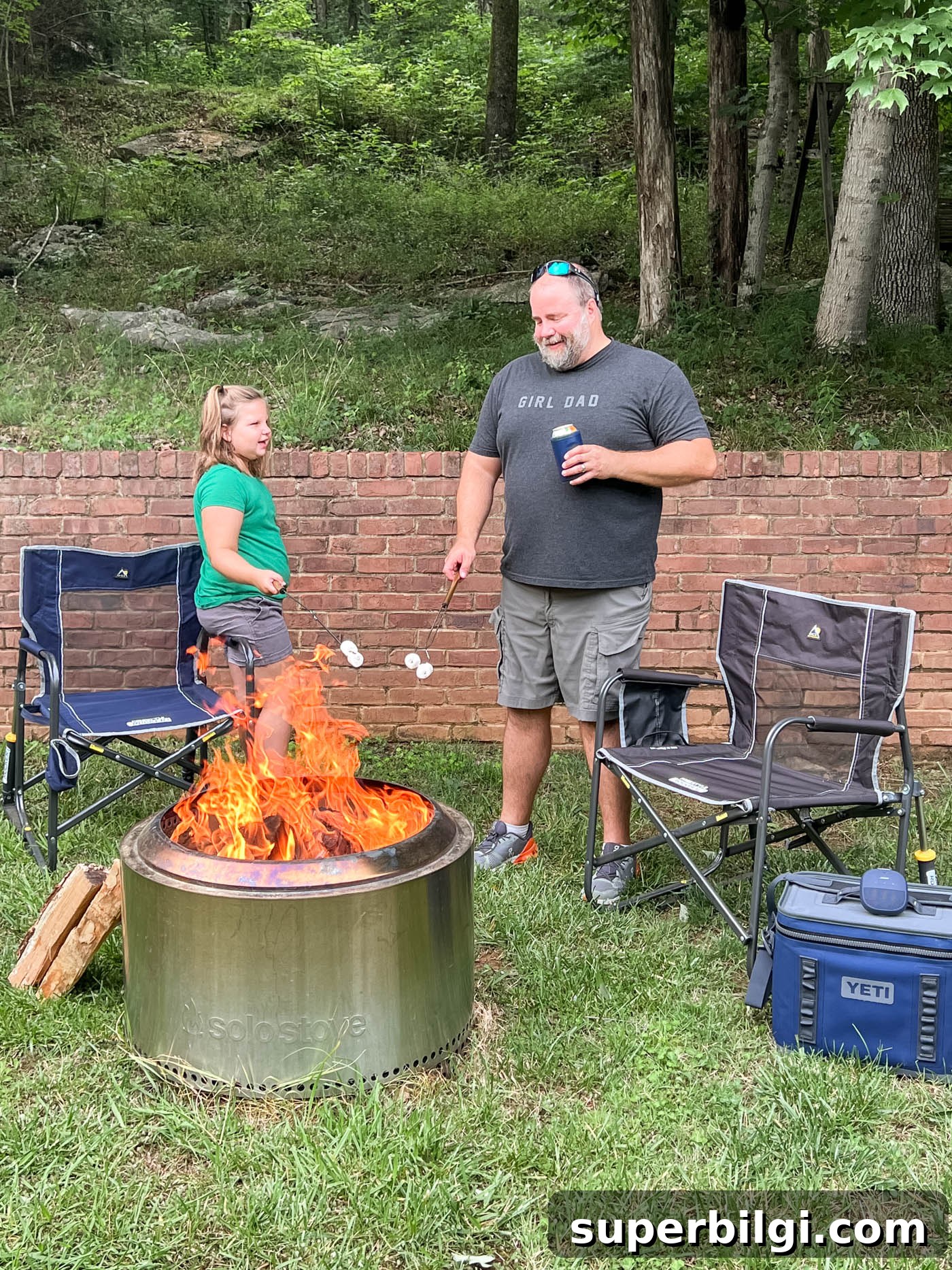
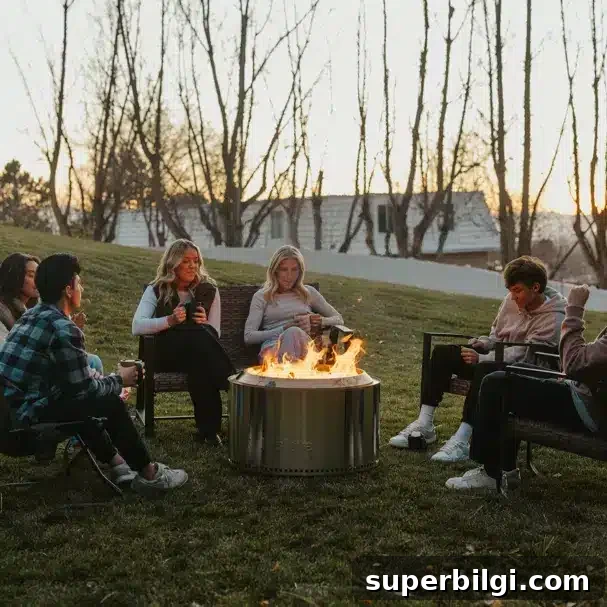
Our kids love making s’mores, and we especially enjoy fires in the spring and fall.
Benefits of Solo Stoves
Solo Stoves offer many advantages over a basic wood-burning fire pit. Below are the key benefits that apply across the different models.
Less smoke — how does it work?
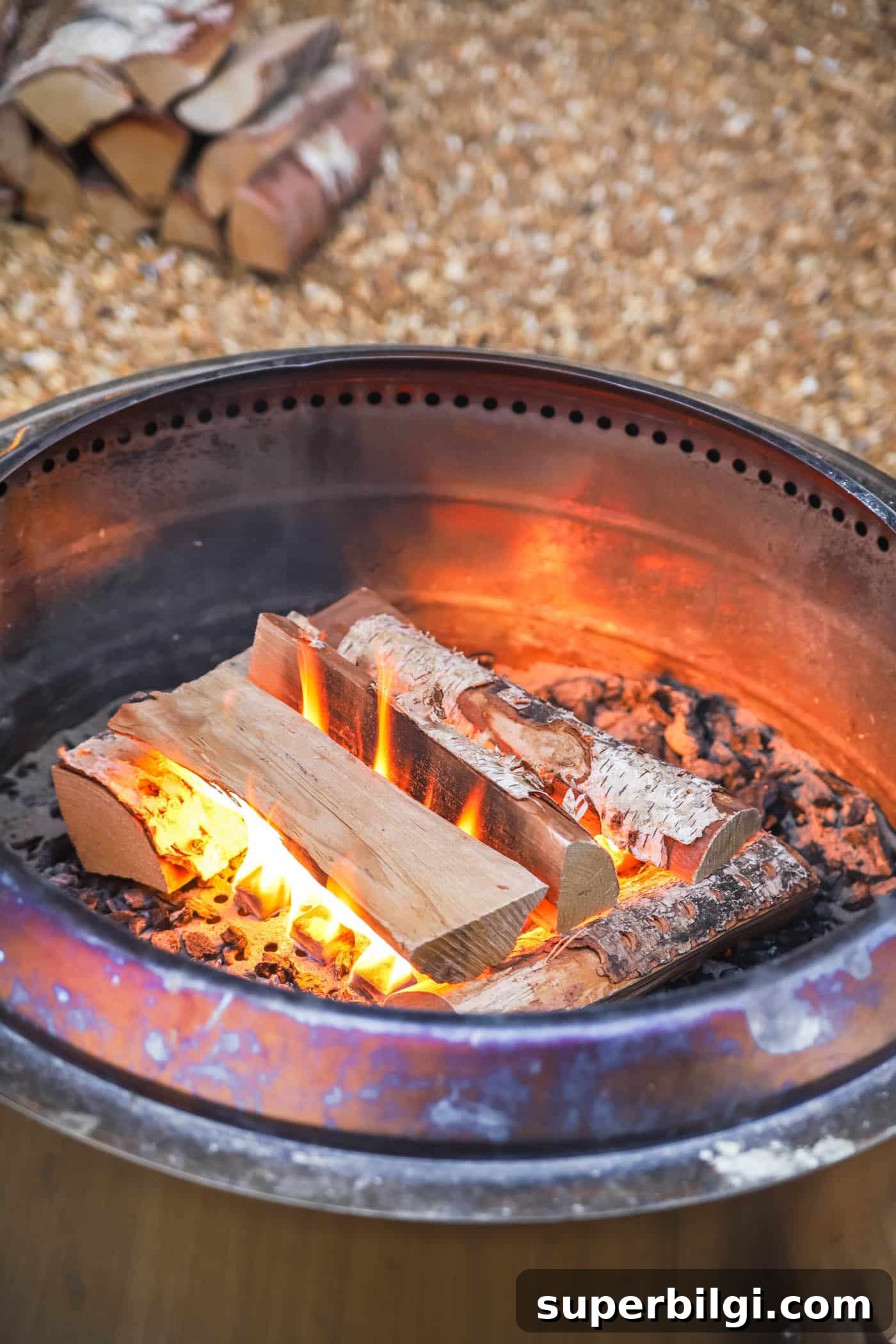
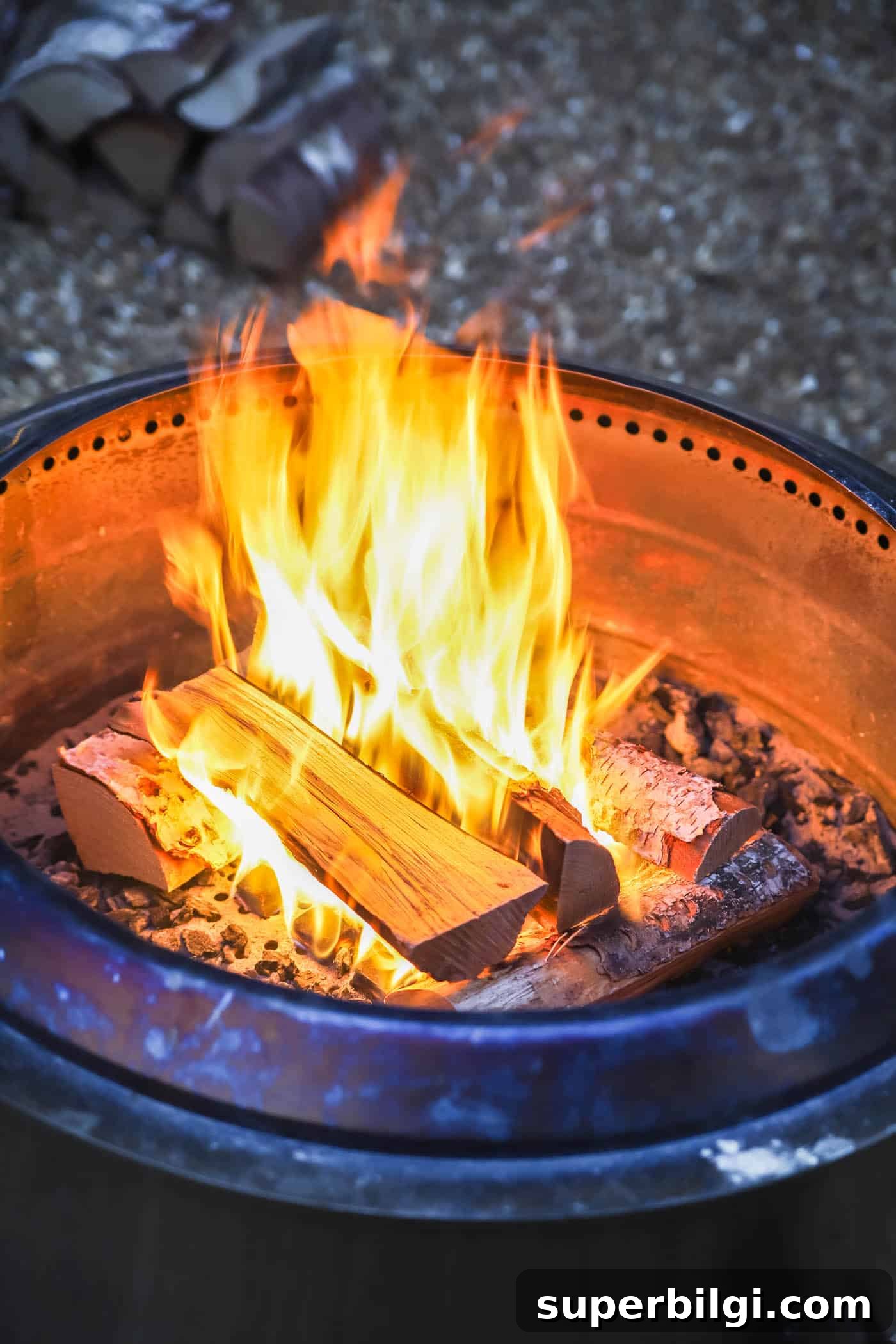
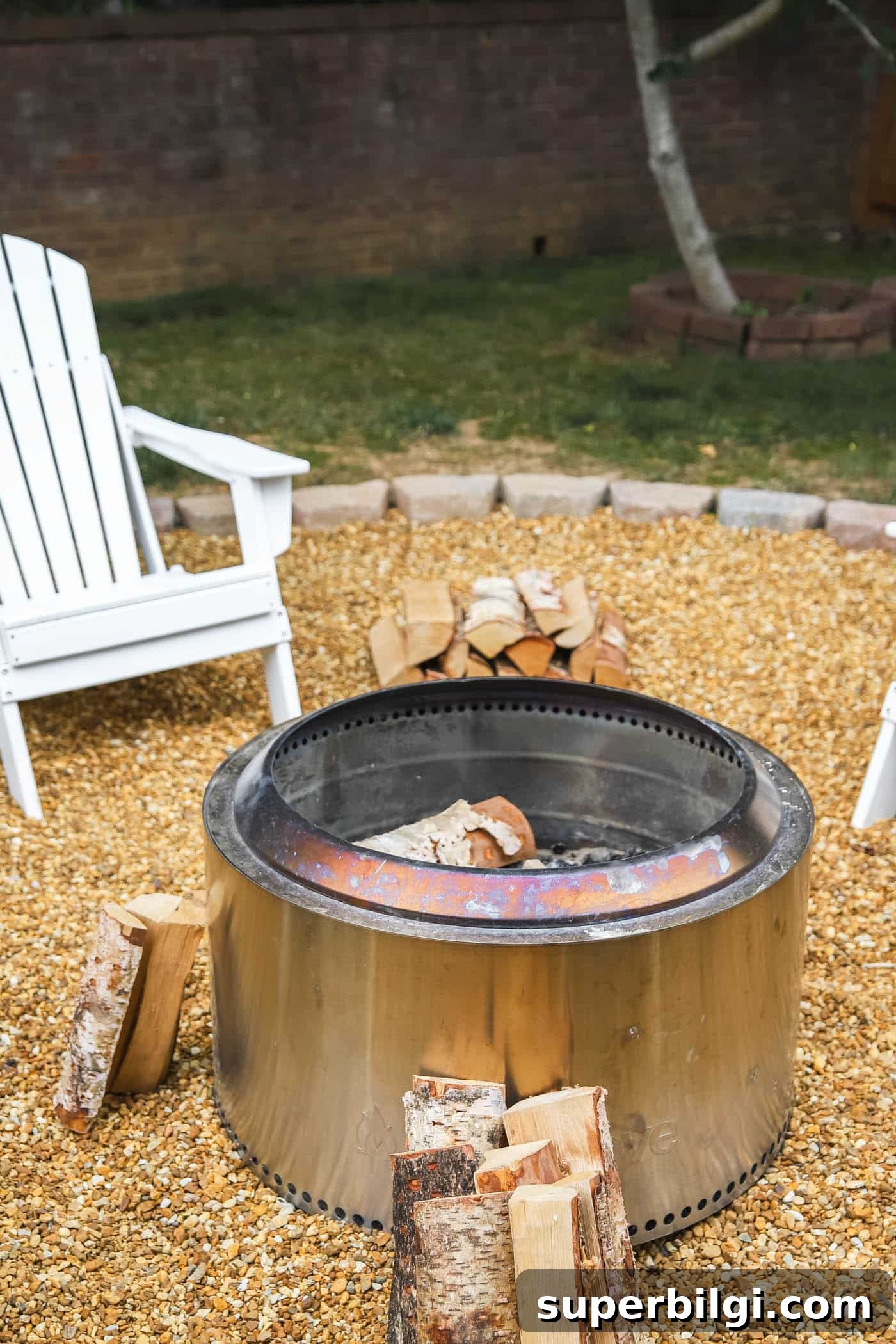
These stoves are effectively smokeless once the fire is established. Their design controls airflow to super-heat incoming air so smoke is burned off before it can drift outward. In practice, vent holes at the bottom pull air in and heat it in the burn chamber; that heated air rises through top vents to create a secondary burn that consumes most of the smoke, sparks, and small embers. The result is a much cleaner fire and no lingering smoky smell on clothes or hair.
Easy to use
Starting a Solo Stove is simple. Build a small grid of kindling, add a fire starter, then layer progressively larger pieces of wood. As the fire grows toward the top vent holes, the secondary burn will kick in and keep the flames efficient and relatively smokeless. Clean-up is straightforward: most models include a removable ash pan so you can empty ashes without lifting or tipping the whole unit once it’s cool.
Portability
Portability is a major plus. Smaller models are easy to take to friends’ houses or on camping trips, and even the largest model is manageable for homeowners—most are relatively lightweight compared to permanent fire features.
Durability
Solo Stoves are constructed from 304 stainless steel, which is durable and corrosion-resistant. The brand backs products with a lifetime warranty against manufacturing defects. With basic care—keeping the stove dry and clean—these units are designed to last many years.
Solo Stove sizes
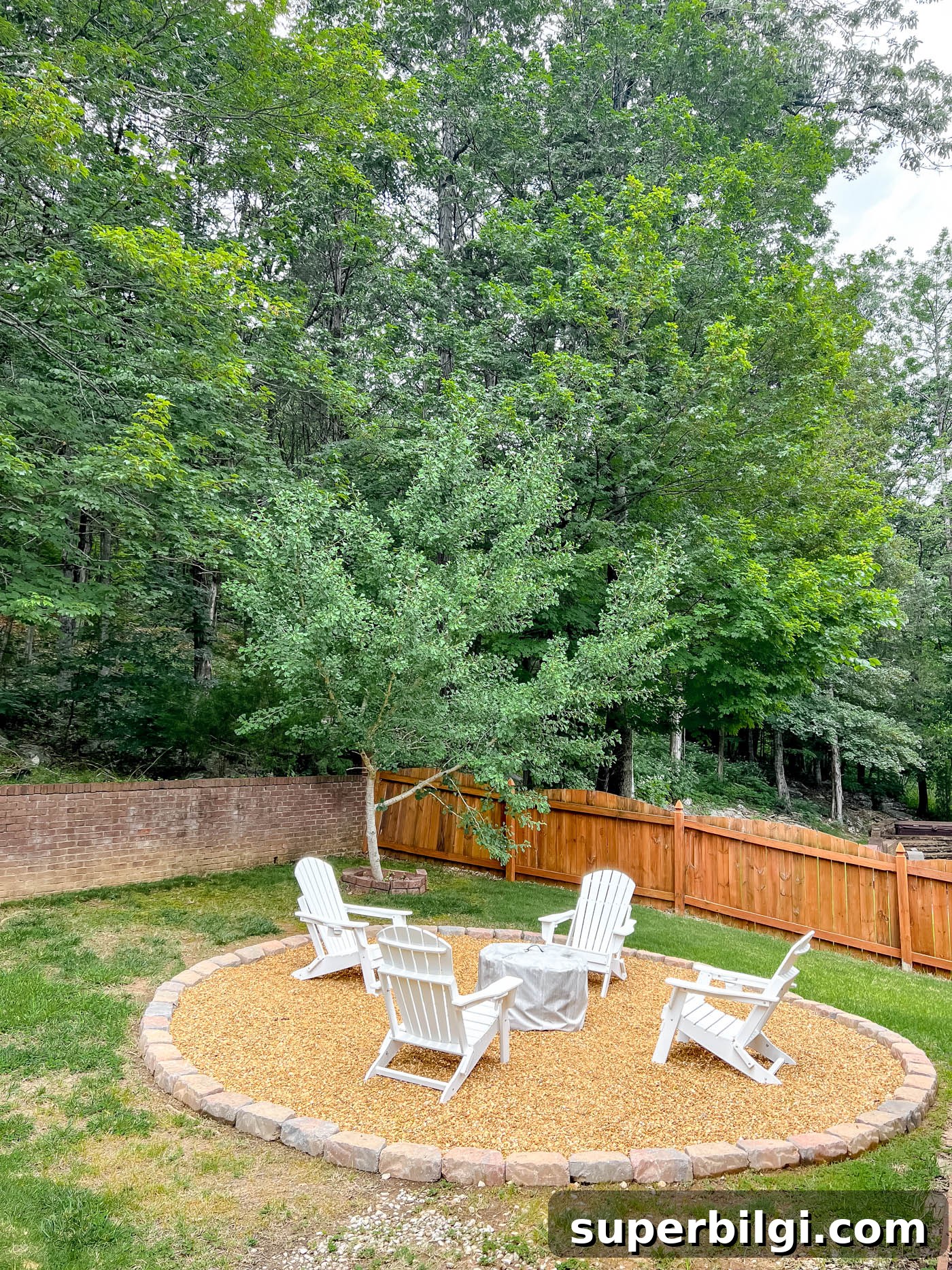
We chose the Yukon model four years ago. Our older Yukon measures about 30 inches in diameter; newer Yukon models are slightly smaller. Solo Stove now offers a range of sizes to suit different needs and spaces. Below are the main models from smallest to largest.
Ranger Solo Stove
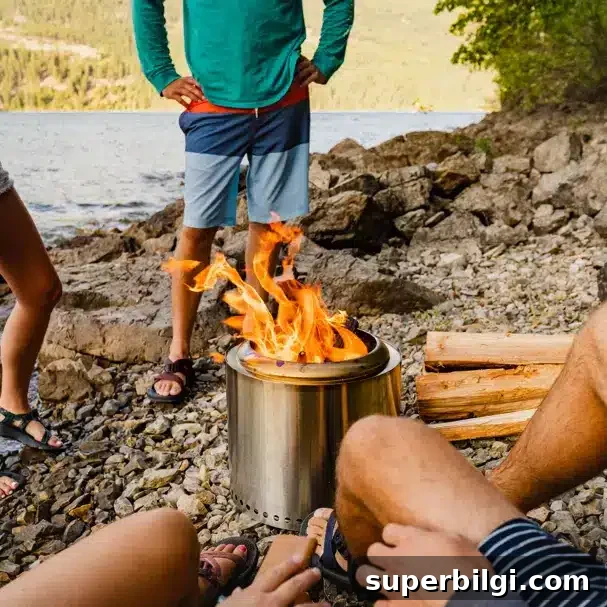
The Ranger is the most portable option. It’s made of stainless steel, about 15 inches in diameter, roughly 12.5 inches tall, and weighs about 15 lbs—small enough to carry for camping or tailgating.
Bonfire Solo Stove
The Bonfire is a best-seller that balances portability and presence. It weighs roughly 23 lbs, stands about 14 inches tall, and has a diameter near 19.5 inches. It’s available in stainless steel or durable high-heat ceramic-coated color options.
Yukon Solo Stove
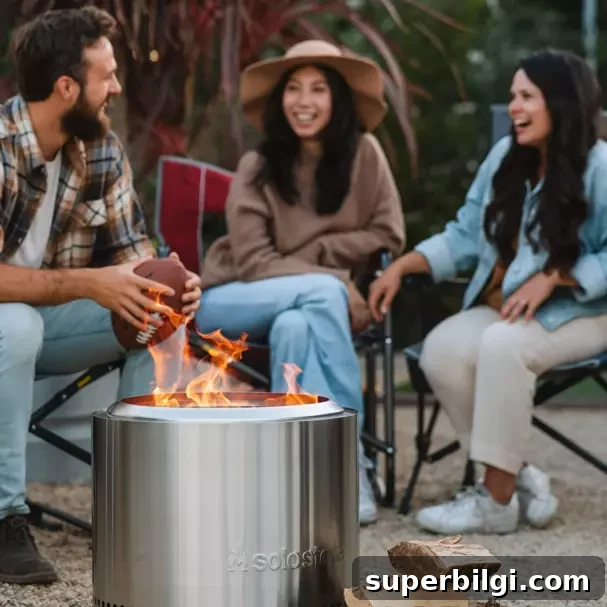
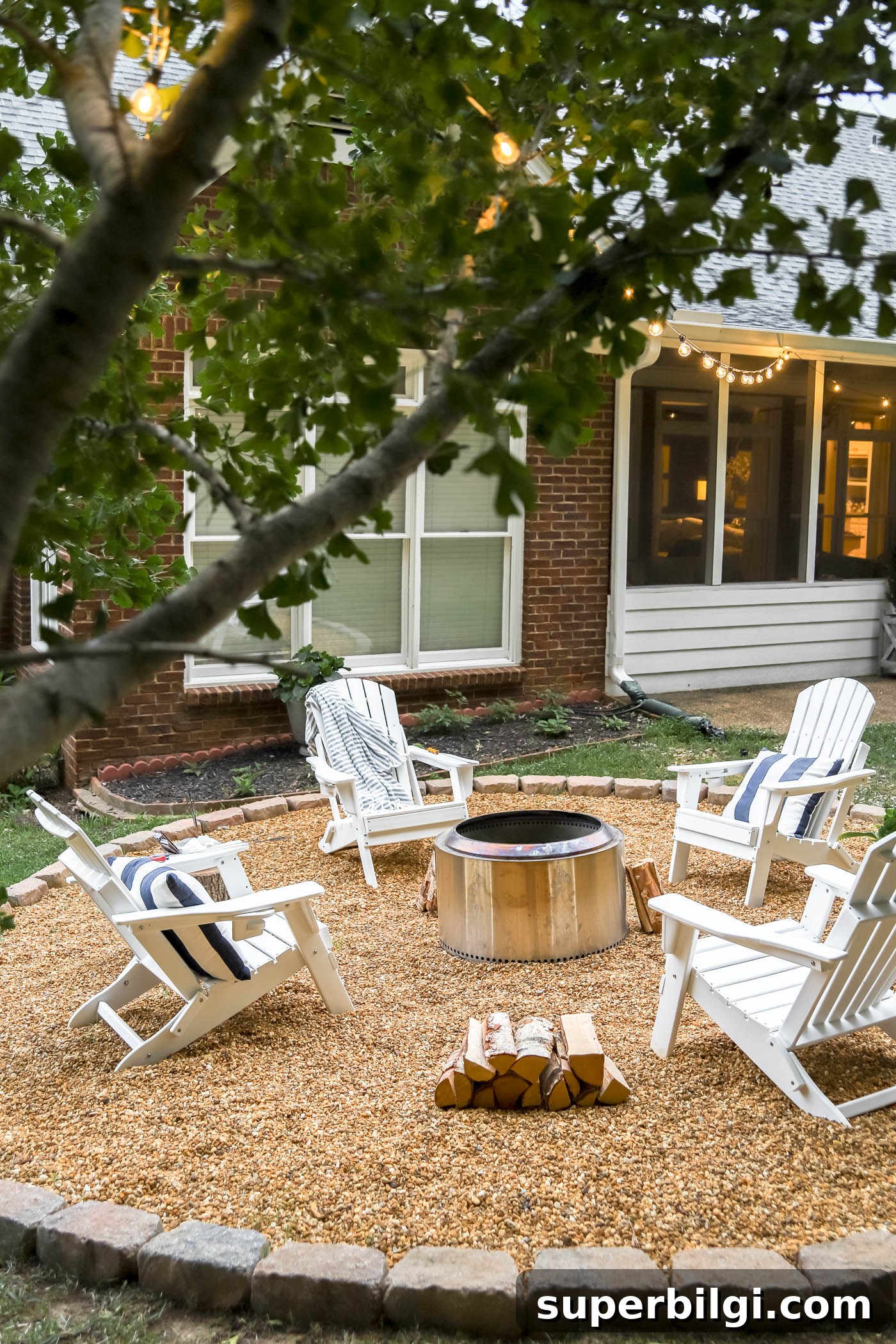
The Yukon is larger and ideal for bigger gatherings. It’s heavier and wider than the Ranger or Bonfire, offering more heat and a larger fire surface. Our Yukon model is an earlier version slightly larger than the current Yukon 2.0.
Canyon Solo Stove
The Canyon is the largest model offered. It’s designed for homeowners who want a substantial backyard fire feature and typically includes accessories such as a stand and a weather-resistant cover for added protection.
Solo Stove accessories: what to buy now and later
There are many accessories available to enhance your Solo Stove experience. Start with the basics: a stand and a weather-resistant cover. The stand raises the stove for safer use on heat-sensitive surfaces and improves portability. A good cover protects your investment from rain and debris.
Other helpful accessories include a lid that doubles as a tabletop when the stove is not in use, surrounds that add space for small plates and drinks, heat deflectors, pellet adapters, and cooktops for grilling and searing. The lid also acts as an extra safety measure until you’re sure the fire is completely out.
Common questions about Solo Stoves
Below are a few questions that often come up about using Solo Stoves. If you have other questions, feel free to ask in the comments.
Can I grill on a Solo Stove?
Yes. Solo offers cast iron cooking accessories and hubs that convert the stove into a grill. With the right attachments, you can cook burgers, chicken, or use a griddle or wok. There’s also a separate pizza oven that complements the line of cooking accessories.
Do Solo Stoves burn a lot of wood?
Because they burn hotter and more cleanly, Solo Stoves can feel like they consume more wood per session. However, they burn efficiently, leaving mostly ash and minimal unburned wood waste. For best results use dry hardwoods such as hickory, oak, maple, or birch; avoid resinous softwoods like fresh pine unless fully dried and used only as kindling.
Do Solo Stoves rust out?
Stainless steel can corrode if left exposed to harsh conditions, but with routine care—keeping the stove dry, covered, and stored when not in use—your Solo Stove can remain in excellent condition for many years. The company also provides a warranty against manufacturing defects.
More posts you might enjoy:
- How to Hang Outdoor String Lights
- The Best, Affordable Wicker Patio Furniture
- How to Plant Flowers in a Pot, Planter or Container
- 12 Drool-Worthy Screened-In Porch Decorating Ideas
- My Haint Blue Porch Ceiling