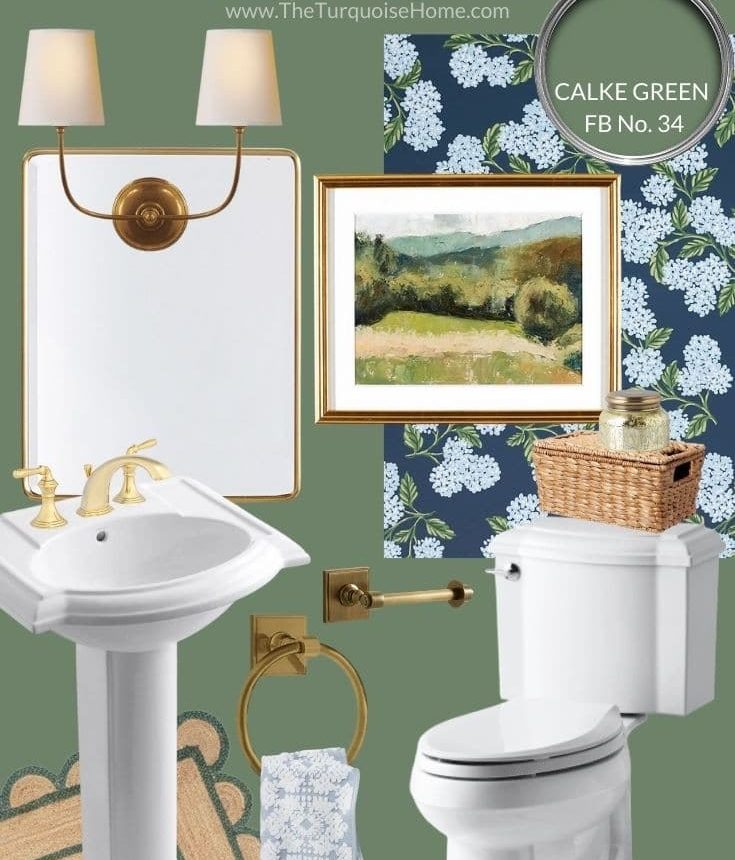
Learn practical, beautiful ways to refresh a room so it both looks great and works for your family — here’s how to start a room makeover.
Standing in front of an empty room can feel overwhelming. You might not know whether to begin with paint, furniture, or accessories. Over the years I’ve tackled many room makeovers and developed a straightforward sequence that keeps projects organized and yields results you’ll enjoy for years.
This guide walks you through the essential steps: define how the room must function, decide how you want it to feel, gather inspiration, set a budget, pick fabrics or wallpaper, choose paint and accents, create a design board, then purchase and install. Follow these steps and your makeover will be purposeful, efficient, and beautiful.
Years ago I typically reached for a paint swatch first and let everything else fall into place around that decision. While paint is important, I now recommend a different order that makes the whole process easier and more cohesive.
Whether your goal is to refresh the style of a room or to reconfigure it so it better suits family life, the approach is the same: be intentional about function, mood, materials, and budget. Let’s walk through the steps.
How to Start a Room Makeover
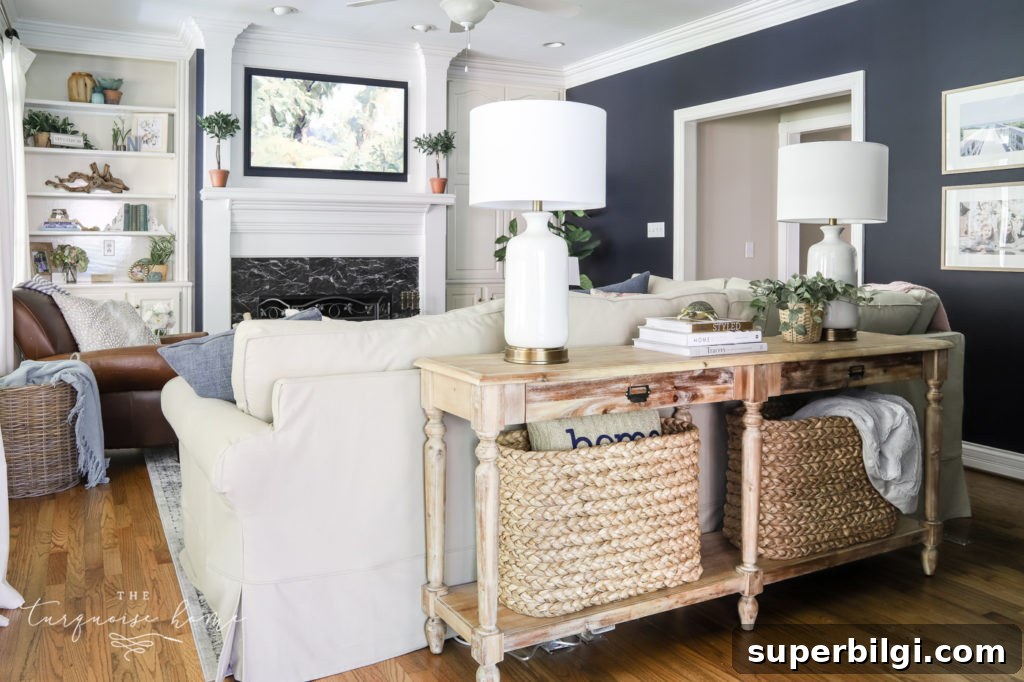
1. Brainstorm your needs
Start with function. Ask yourself what the room must do on a daily basis. Do you need seating for family game nights, a place to work, extra storage, or a guest sleeping area? Observe how you currently use the room for a week or two, and write a prioritized list of needs. When you know the must-haves, you can make design choices that solve real problems rather than just creating a pretty room that isn’t practical.

2. Talk about how you want to feel
Design is emotional. Decide the mood you want for the space — words like cozy, calm, sophisticated, bright, or moody make excellent anchors. Pick three descriptive words and use them to guide choices about color, lighting, texture, and scale. For example, if you want a room to feel “cozy, casual, and warm,” you’ll prioritize layered lighting, soft textiles, and warm wood tones.
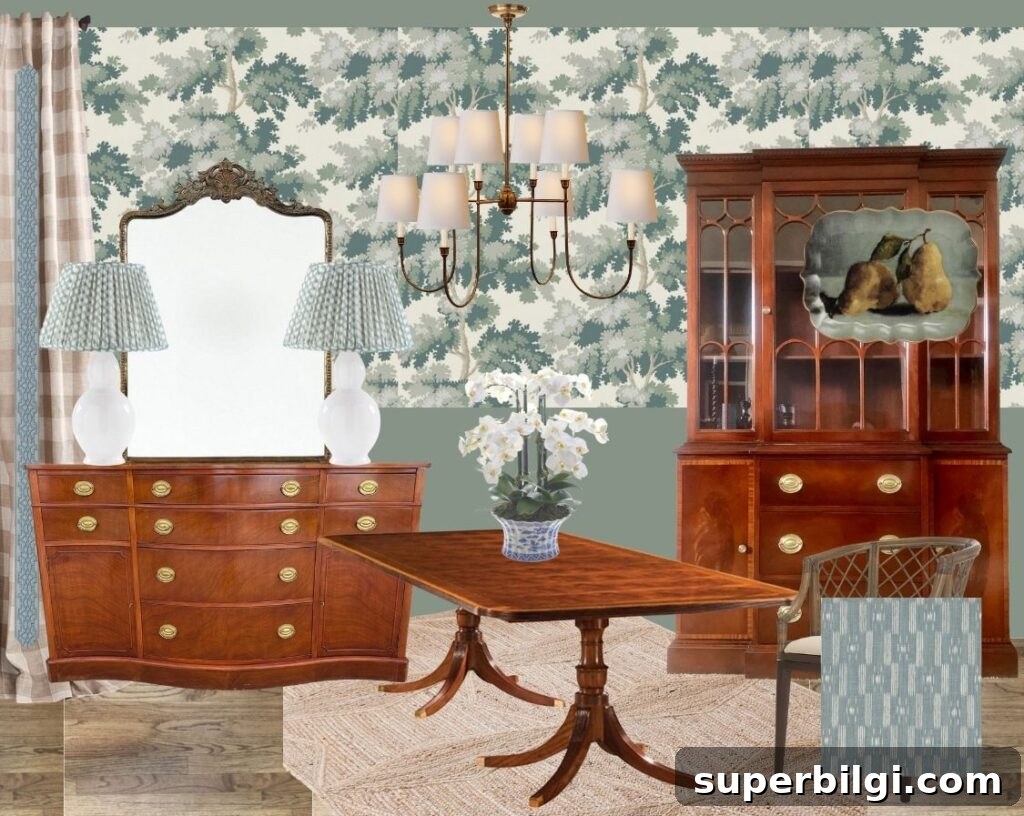
When I refreshed my dining room, I wanted it to feel elevated but still livable, so I limited the palette to two main colors and selected textiles that read sophisticated yet comfortable.
3. Get inspired
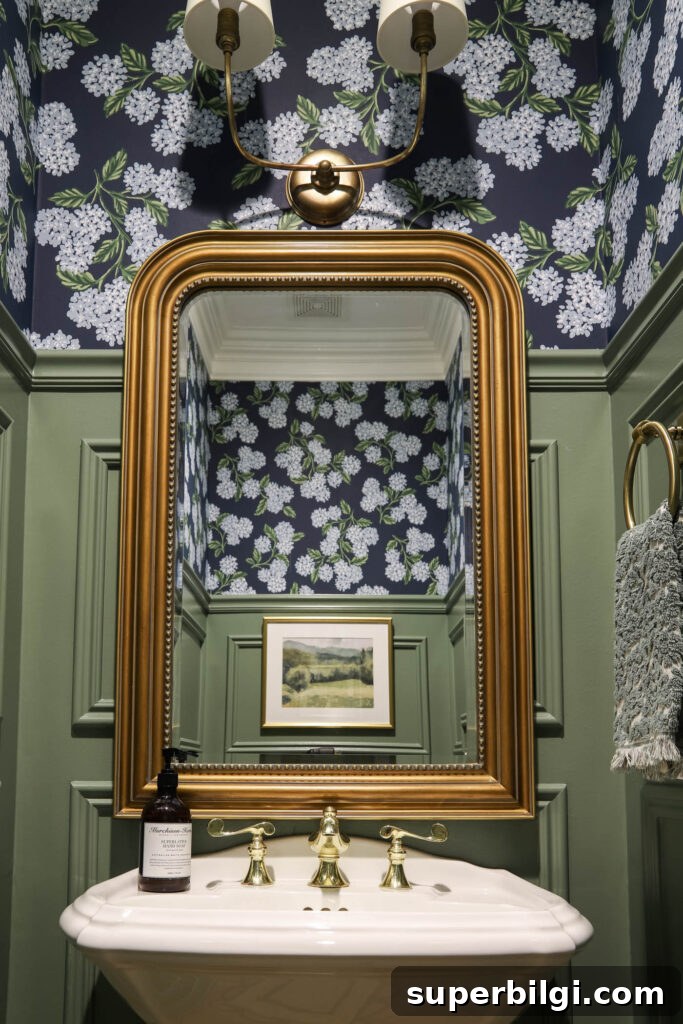
Collect images, colors, and room details that spark you. Use Pinterest, magazines, or a physical folder to save looks that resonate. When you compare images, look for repeating elements — similar wall finishes, recurring textures, a common color, or furniture styles that reappear. Those repeating elements reveal the visual language you naturally prefer and help you develop a cohesive plan.
Once you have function, feeling, and inspiration, you’re ready to set practical parameters: budget and materials.
4. Set a budget
Assign a realistic budget for the entire makeover and add a 15–20% contingency for unexpected costs or last-minute upgrades. Splitting the budget into categories — furnishings, paint and wallpaper, lighting, window treatments, and accessories — helps you prioritize and prevents overspending in one area.
5. Choose your fabric or wallpaper first
I recommend picking fabrics or wallpaper before paint. Patterns, textures, and upholstery often determine the right wall color and compliment choices. If you start with paint, it can limit fabric options and force you into neutrals. Selecting fabrics first gives you a stronger foundation for the room’s palette and ensures coordinated layers.
- Choose durable fabrics for high-use rooms.
- Consider scale — large patterns need space to read, while small patterns repeat nicely in smaller areas.
6. Choose paint and accent colors
Once fabrics are chosen, selecting paint becomes easy. Pick a main wall color that supports your mood words, and then select one or two accent colors from the fabric pattern to use in accessories, trim, or smaller furniture pieces. Using an accent color sparingly can create a cohesive, layered look that reads intentional rather than cluttered.
If you need help choosing finishes, test paint samples and fabric swatches together in the room’s natural light before committing.
7. Cast the vision with a design board
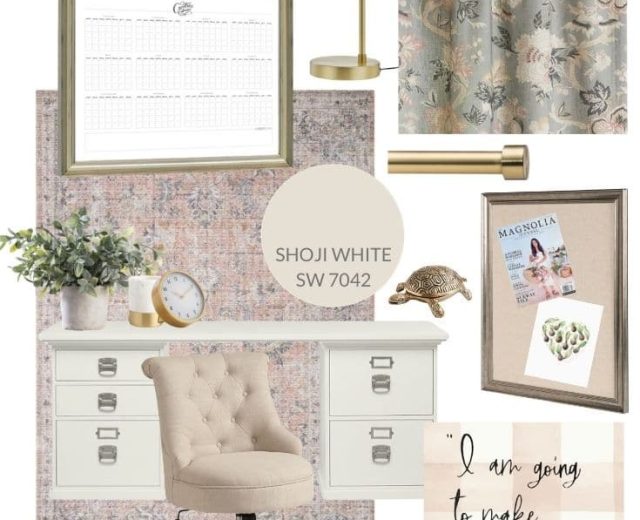
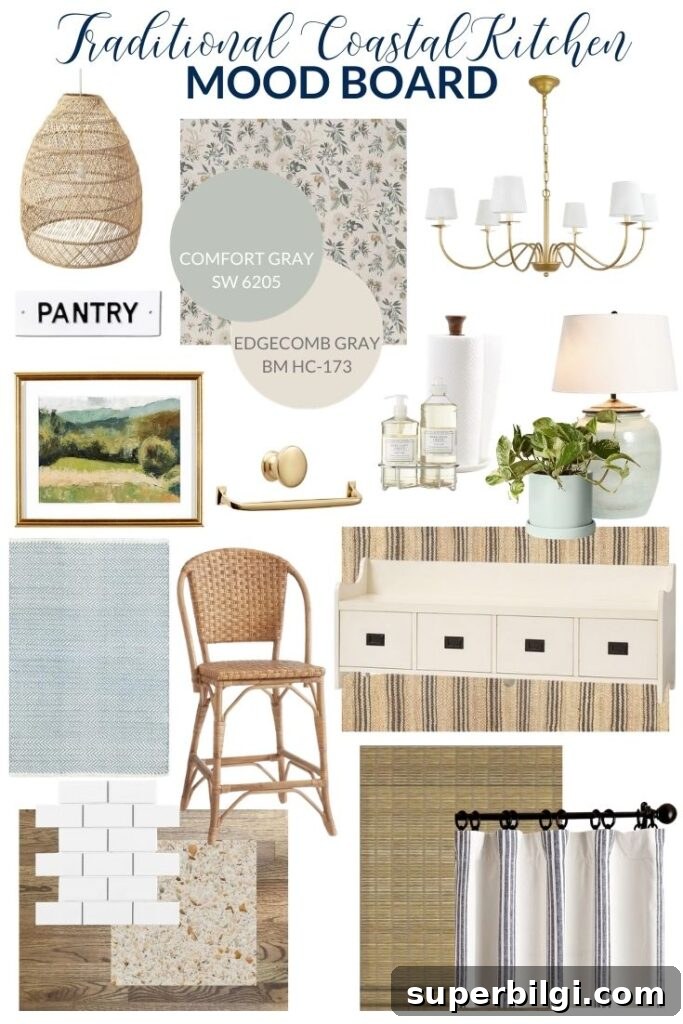
A mood board or design plan pulls your decisions together visually. Include a photo of the room, fabric swatches, paint chips, lighting options, and key furniture. This visual reference keeps your selections cohesive and helps you spot gaps early — maybe you need a rug to ground seating or a different lamp scale for balance.

Treat the mood board as flexible — it can evolve as you source pieces, but it will keep the overall vision consistent.
8. Purchase and install
With a plan and budget in place, buy the items that matter most first: upholstery, rugs, and major lighting. Schedule any contractors early so installation fits your timeline. DIY where you can, and bring in professionals for specialized work. Install in layers: start with paint and large furniture, then add rugs, lighting, window treatments, and finally accessories and art.
Following these steps ensures your makeover is purposeful and practical as well as pretty. If you stay focused on function, mood, and a clear palette, the result will be a room that feels intentional and enjoyable.
What would you add to this process? I’d love to hear your tips and favorite tricks.
Have fun and happy decorating!