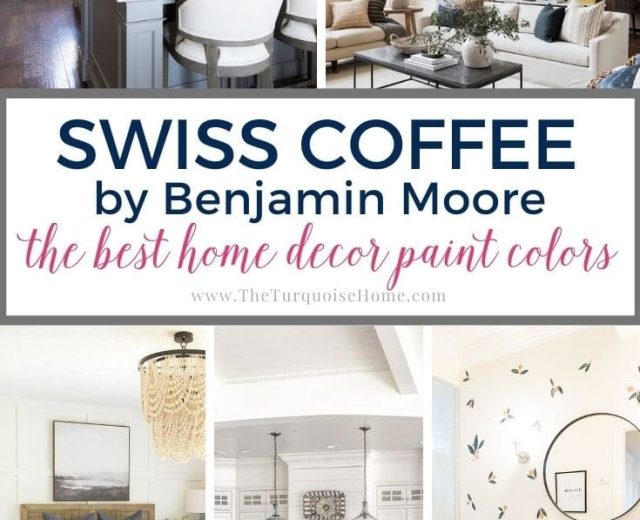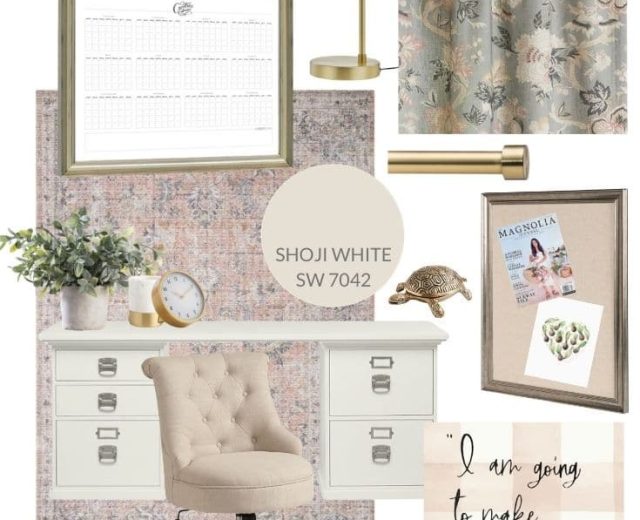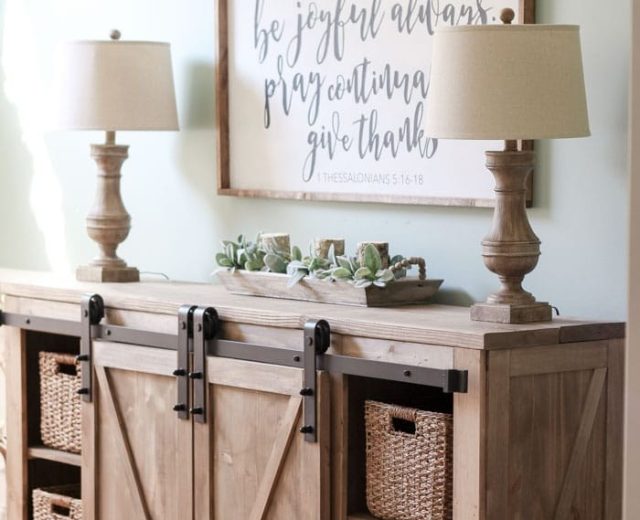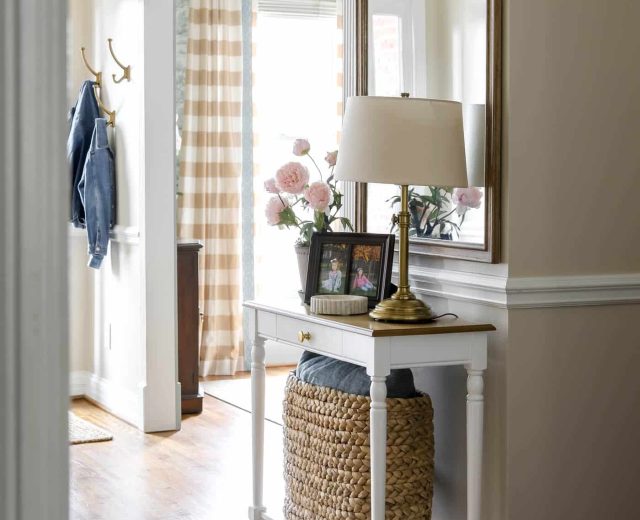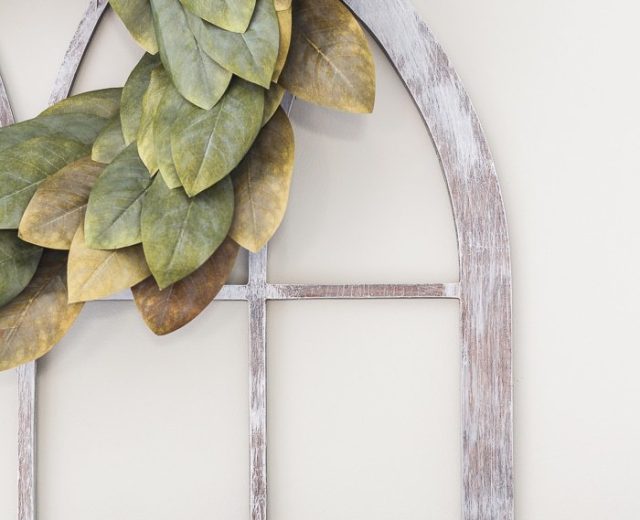
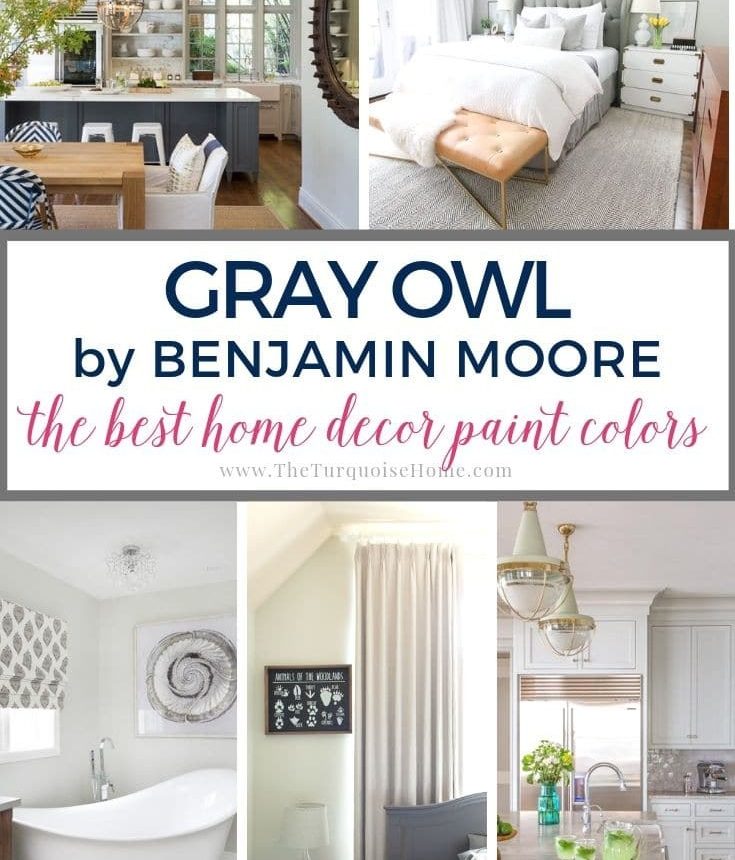
Gray Owl by Benjamin Moore is a soft, versatile neutral gray that works beautifully when you want a light, airy feel without going all-white. It creates a calm, clean backdrop that allows white trim and accents to pop while adding a subtle warmth to the room.
This article references paint sampling and decorating tips. Try a real paint sample in your home before committing—colors can shift dramatically with light.
PRO Tip
Always test the actual paint in the space where it will be used. Peel-and-stick real paint samples or painted poster boards give the most reliable results. Move your sample around the room and view it at different times of day so you can see how the light affects the undertones.
Benjamin Moore’s Gray Owl
Benjamin Moore Gray Owl is a favorite among designers and homeowners for good reason. It reads as a true neutral in many settings while offering subtle complexity. Unlike stark whites, Gray Owl provides visual depth without making a room feel heavy. Its balance of lightness and warmth makes it suitable for many spaces, from kitchens and bathrooms to living rooms and bedrooms.
Gray Owl Undertones
What makes Gray Owl especially appealing is its chameleon-like undertones. Compared with other popular grays, Gray Owl often shows faint green undertones, though it can also reveal blue or true-gray characteristics depending on lighting and surrounding colors.
In bright, north- or east-facing rooms or where the décor includes blue accents, Gray Owl commonly picks up cooler, bluer tones and feels crisp and clean. When paired with earthy hues, warm wood, or brown-based furnishings, the paint leans toward its greenish side and can feel snug and inviting.
Light direction and intensity can produce dramatic changes in appearance: the same wall may read cooler in the morning, truer gray midday, and warmer or greener later in the day. That variability is why sampling is essential—observe the swatch at multiple times and in different parts of the room.
Coordinating Colors
Gray Owl works well with a wide palette. For an earthy, grounded look, try pairing it with warm browns and muted taupes—these combinations emphasize Gray Owl’s green undertones and create a cozy, cohesive feel. Examples in this family include medium-to-deep browns and muted neutral accents.
If you want to highlight cooler notes, combine Gray Owl with soft blues, slate grays, or a deep navy for contrast. A classic pairing places Gray Owl between a lighter neutral and a deep blue or charcoal to emphasize its cooler side while keeping the overall scheme balanced and elegant.
Gray Owl Examples in Rooms
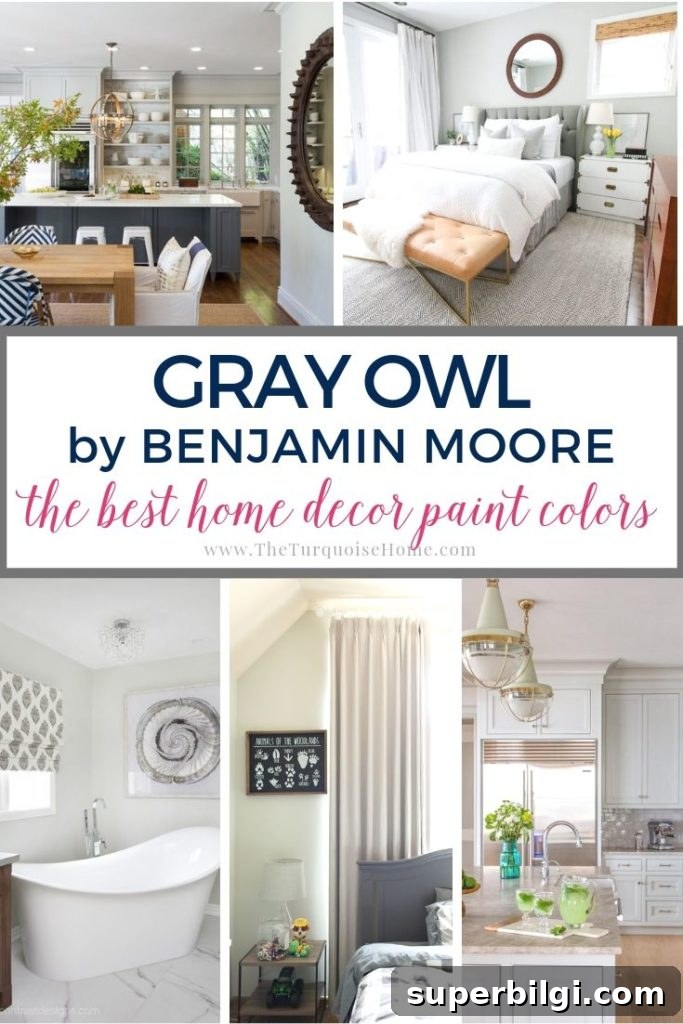
Because Gray Owl shifts with light and context, looking at real-room examples helps understand its versatility. Below are common room types and how Gray Owl typically behaves in each.
Kitchens with Gray Owl
In kitchens, Gray Owl often reads differently across zones—on cabinetry it can appear cooler or bluer in shaded areas, while islands or sunlit sections may look truer gray. Paired with light wood floors and white trim, Gray Owl offers a modern, welcoming canvas that ties cabinets, counters, and accents together without overpowering the space.
Bedrooms with Gray Owl
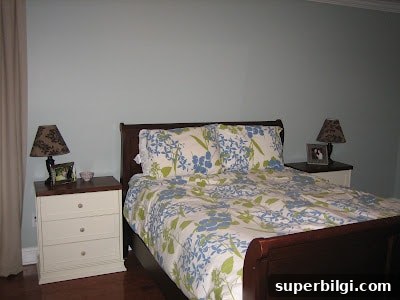
Bedrooms showcase Gray Owl’s softer side. With warm wood furniture and soft textiles, Gray Owl can warm a room and create a restful atmosphere. When contrasted with dark gray bedding or charcoal accents, the paint’s greenish or blueish undertones may become more noticeable, giving the space subtle color variation that shifts as the light changes.
Bathrooms with Gray Owl
In bathrooms, Gray Owl often serves as an excellent backdrop for white fixtures and tile. With plenty of natural light, it appears as a clean, light gray; in rooms with darker tiles or navy accents, Gray Owl can help a bathroom feel open while remaining polished and composed.
Living and Dining Rooms with Gray Owl
Living and dining areas demonstrate Gray Owl’s balanced nature. In open-plan spaces it frequently reads as a neutral bridge between lighter trim and deeper accent colors. Depending on furnishings and lighting, it can feel slightly cool or softly warm, making it a reliable choice for versatile living spaces.
After seeing these examples, you may want to try a sample in your own home. A small real-paint sample moved around during the day will reveal how Gray Owl behaves in your specific lighting and with your chosen decor.
Tips for Painting a Room Yourself
When painting, preparation matters as much as color selection. Invest in quality tools: good brushes, painter’s tape, drop cloths, a reliable roller tray, and a comfortable paint cup make the job faster and the finish neater. Test the paint on a board or with peel-and-stick samples, then observe the color across different times of day before painting the entire room.
- Use high-quality brushes and rollers for smoother application and fewer touch-ups.
- Mask trim and delicate surfaces with painter’s tape to keep lines crisp.
- Cover floors and furniture with drop cloths to protect from splashes and spills.
- Apply two even coats for depth and uniform coverage; let the first coat dry fully before applying the second.
More Paint Colors You Might Like
- Benjamin Moore Revere Pewter
- Benjamin Moore Hale Navy
- Sherwin-Williams Repose Gray
- Sherwin-Williams Agreeable Gray
- Sherwin-Williams Sea Salt
Gray Owl remains popular because it’s a dependable, adaptable gray that complements many styles and palettes. With careful sampling and attention to light, it’s easy to use Gray Owl to create a calm, refined interior that fits your home.