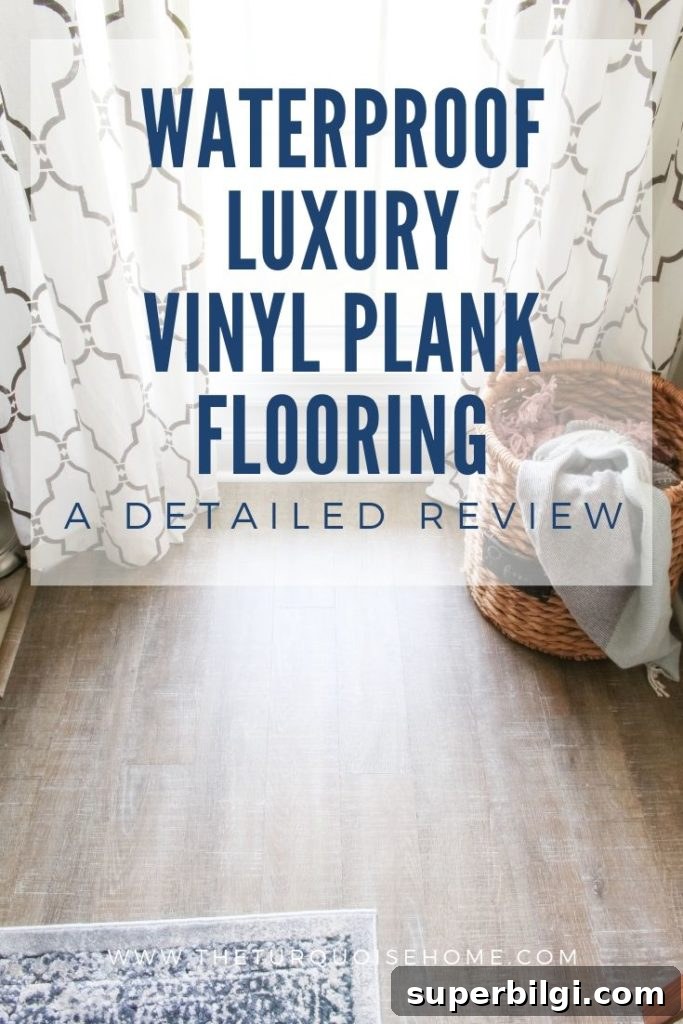
After living with our new floors for a couple of weeks, I’m sharing the honest pros and cons of choosing Luxury Vinyl Plank (LVP) flooring.
If you didn’t catch the backstory on why we replaced our engineered hardwood, I wrote about the selection process earlier. Long story short: our old reddish-brown engineered hardwood had significant wear and sun damage, and replacing it had been on my list since we moved in seven years ago. When the time finally came, I had to decide quickly and, after visiting several flooring stores and talking with professionals, I chose luxury vinyl plank.
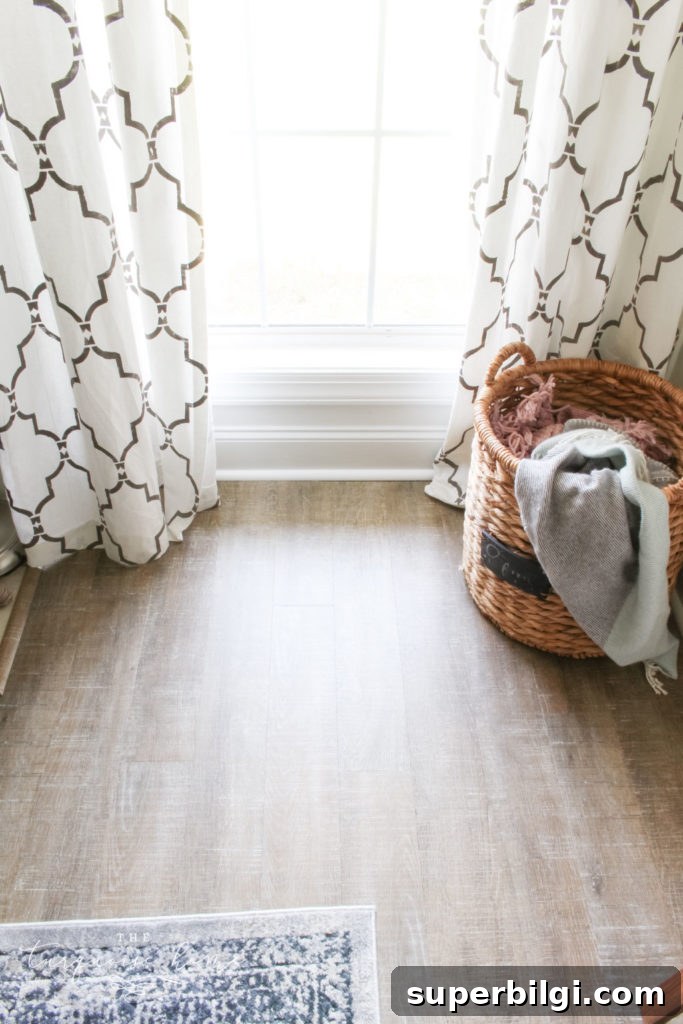
I originally assumed we’d pick another engineered hardwood, but LVP kept coming up in conversations and research. The waterproof and low-maintenance qualities were especially appealing—important for a household with a young child who loves kitchen “science experiments.” We installed COREtec Boardwalk Oak LVP with a cork backing for added cushioning and natural antibacterial properties.
What is Luxury Vinyl Plank?
Luxury Vinyl Plank (LVP) is a manufactured vinyl flooring that mimics the look of wood while offering superior moisture resistance and durability. Modern LVP is designed to be waterproof in many formats and can be installed as a floating floor over existing flat surfaces like concrete, tile, or older wood. Our COREtec boards include a cork underlayment, which provides cushioning and an extra hygienic benefit.
The Pros of Luxury Vinyl Plank
Appearance
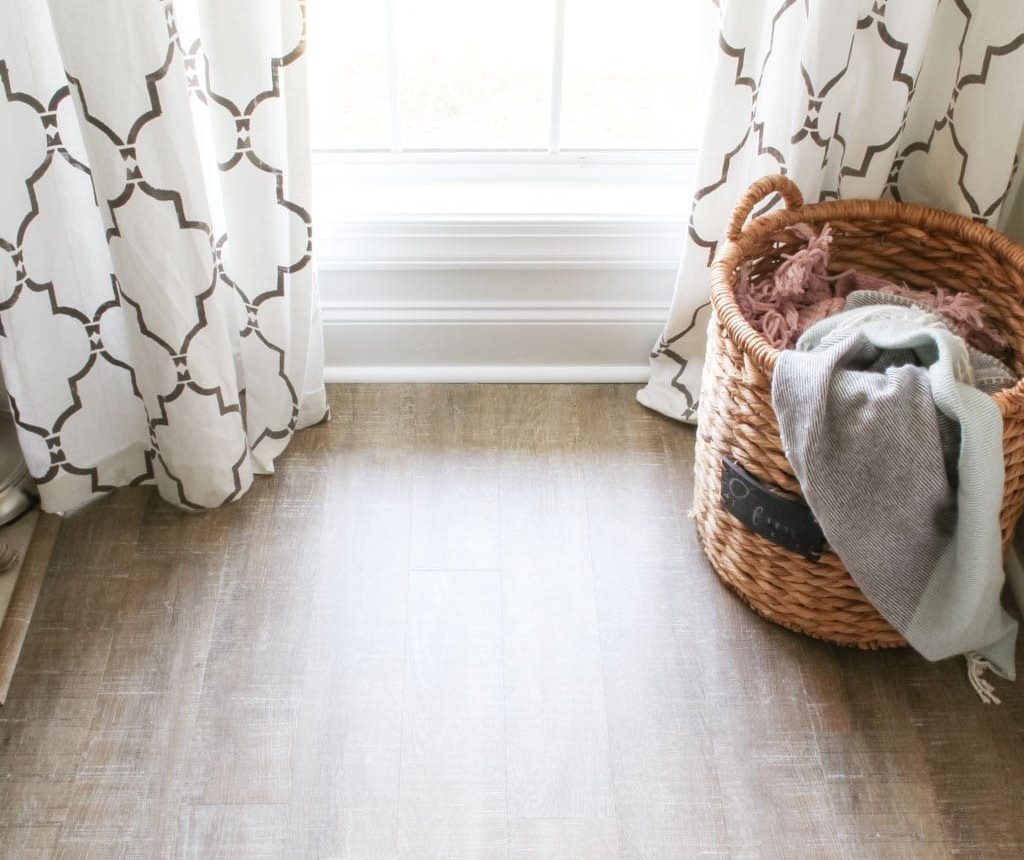
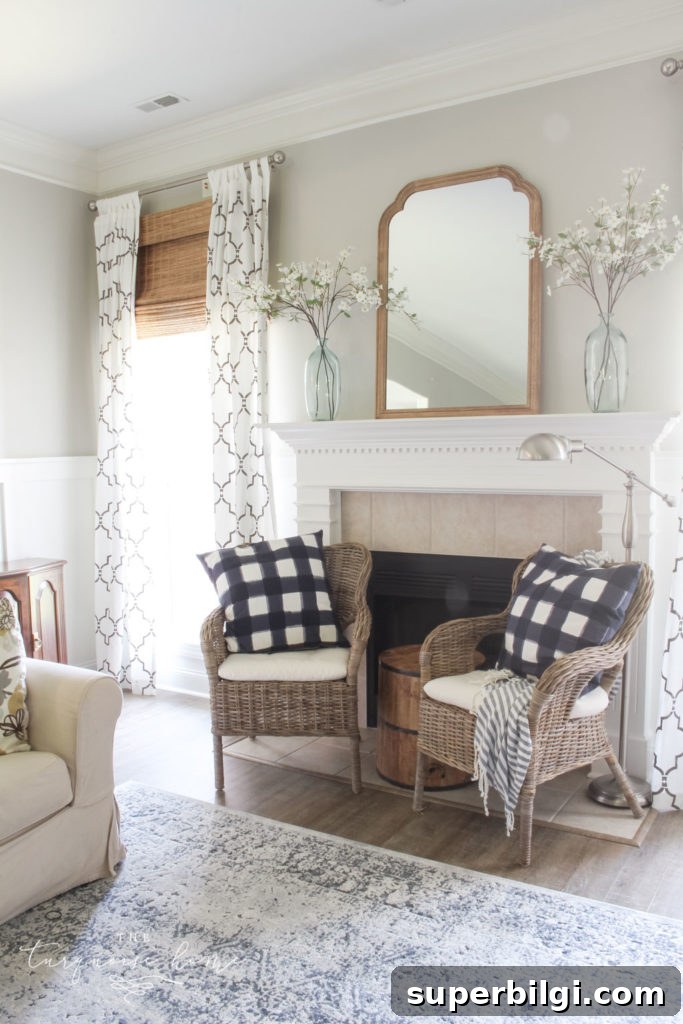
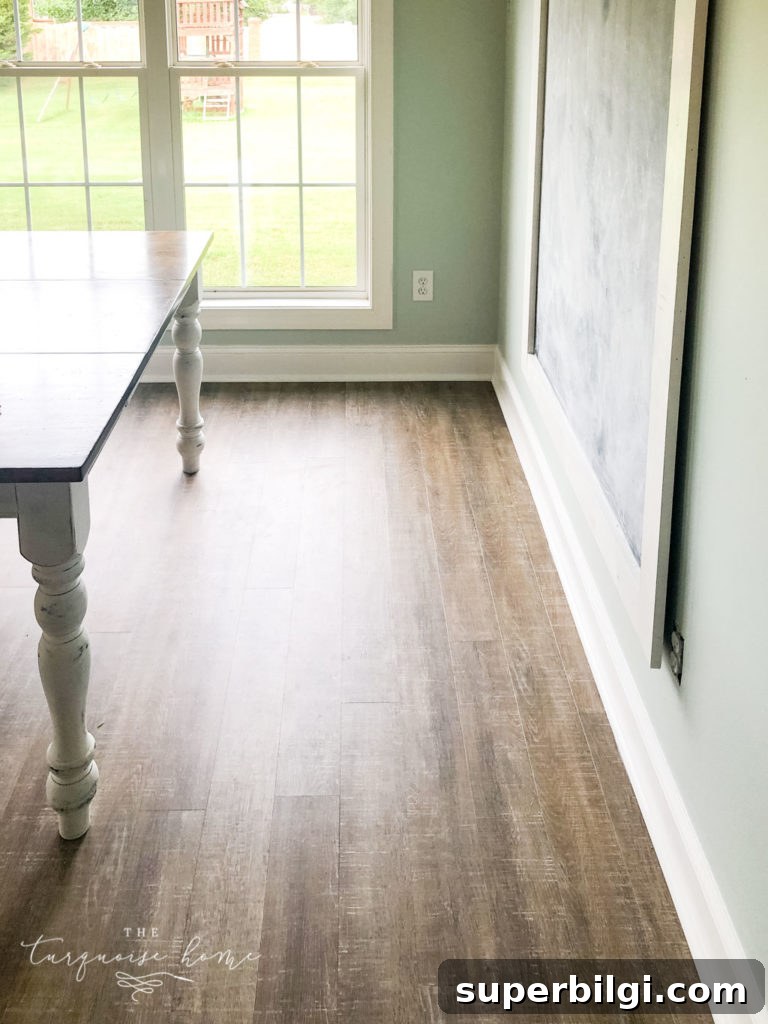
The visual appeal was the main reason we chose LVP. The COREtec Boardwalk Oak we selected gives a weathered, farmhouse look with balanced warm and cool tones that complement our home’s palette. The planks have low variation, so the floor reads as uniform and rustic without busy patterns competing with decor. If you want the farmhouse or coastal aesthetic without the cost and upkeep of hardwood, high-quality LVP delivers that look affordably.
Cleaning and Maintenance
Cleaning LVP has been effortless. Daily messes are easily swept, vacuumed, or wiped with a damp mop. I use a water-only mop system most of the time and occasionally a gentle multi-surface cleaner for stubborn grease. Because the surface is waterproof, spills don’t soak in, making it practical for kitchens, mudrooms, and family living areas.
Installation Flexibility
LVP is relatively straightforward to install, and many DIYers successfully float it over existing flat floors. Its thinner profile makes it easier to fit around cabinets and appliances. In our case, insurance covered removal of the damaged flooring and installation over a concrete slab, but if we had done it ourselves, we likely would have floated it over the remaining hardwood. The option to install over many substrates adds convenience and reduces demolition costs.
Popularity and Market Appeal
LVP is popular in new construction and remodeling across many neighborhoods. While some say it doesn’t increase resale value the same way hardwood can, its durability, waterproof qualities, and modern appearance make it attractive to many buyers—especially families and pet owners looking for low-maintenance, long-lasting flooring.
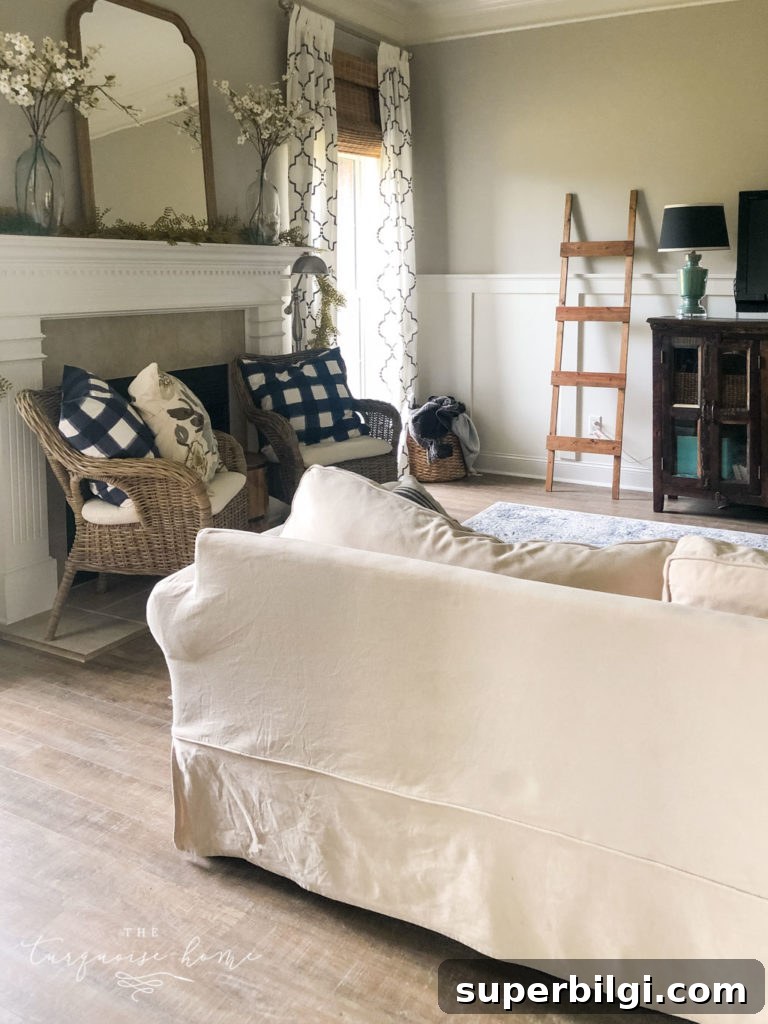
The Cons of Luxury Vinyl Flooring
Sound
One drawback is that LVP can sound different underfoot compared with real wood. Our floors are noticeably louder and produce a hollower sound when walking, which can be more pronounced in certain shoes. If you’re sensitive to noise or need quiet floors for bedrooms and nurseries, consider selecting a thicker product, an LVP with more texture, or using more area rugs and runners to dampen sound.
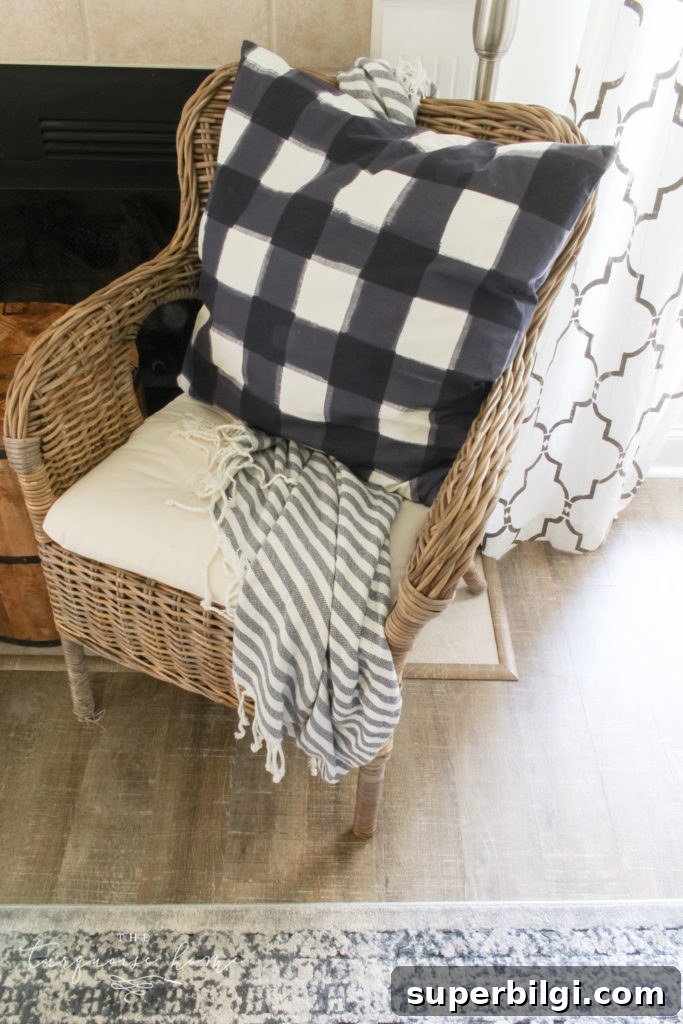
Feel Underfoot
Our boards are smooth with a matte finish and feel softer than traditional hardwood, especially with the cork backing. While some people appreciate that cushioned feel, I personally miss the firmer, more tactile sensation of wood beneath my feet. Choosing a textured or embossed LVP can provide a more authentic wood-like grain and firmer feel.
Visibility of Spills and Dirt
Despite choosing a medium/light color, the matte surface of our LVP shows drips, crumbs, and dust more readily than I expected. That visibility has nudged me to clean more frequently, which isn’t a bad outcome but is worth noting if you prefer lower-visibility floors. Area rugs in high-traffic zones will help minimize the visible mess.
Final Thoughts
Overall, I love the look and practicality of our new LVP floors. They delivered the farmhouse coastal aesthetic I wanted at a fraction of the cost of comparable engineered hardwood. If I build a custom home in the future, I may choose to invest in premium hardwood for that particular project, but for this remodel the balance of appearance, durability, and maintenance made LVP the right choice for our family.
Major updates like new flooring take time to feel familiar, but already our home feels refreshed and more functional. With a few area rugs and runners to address sound and traffic, I expect we’ll enjoy these floors for many years.
More posts you might like:
- Cheap Flooring Ideas: Update Your Floors on a Budget
- How to Install Peel & Stick Floor Tile
- The Best Peel and Stick Floor Tile Ideas
- How to Choose the Right Checkered Floors for Your Home