Sing it out loud with me…
“I like dark furniture, and I cannot lie — brown-hued furnishings I can’t deny.”
Okay, that’s enough of my attempt at a rhyme. I’m not a rapper, and I’ll spare you any further lyric attempts. What I will say is this: I love the look of dark wood furniture, and it’s a deliberate choice in my home.
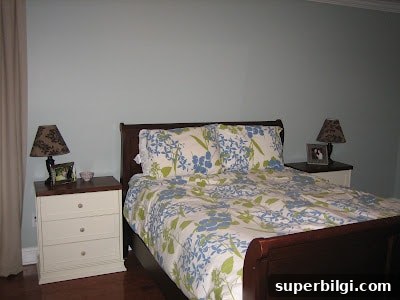
Many of the dark, solid wood pieces in our house arrived with my husband when we married. They’re well-built, classic pieces that have earned their place in our rooms. While painted furniture remains a popular trend—and I admire many painted finishes—I haven’t painted those treasured pieces. (I did paint two free nightstands, but those were exceptions.)
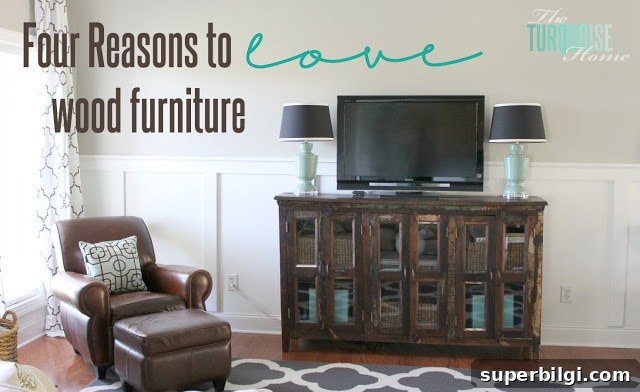
There was a time when all our walls were beige and the brown-on-brown look felt overwhelming. I nearly painted everything to lighten the space, but I eventually refreshed the walls with Revere Pewter and added white board & batten. That update revived my love for the warm, dark wood tones. The contrast between the lighter walls and the darker furniture is exactly what I wanted.
Here are four reasons I’ve chosen not to paint my wood furniture—and why dark wood remains a strong design choice in clean, cottage-inspired interiors.
Source
Dark wood is one element of the Clean Cottage Style.
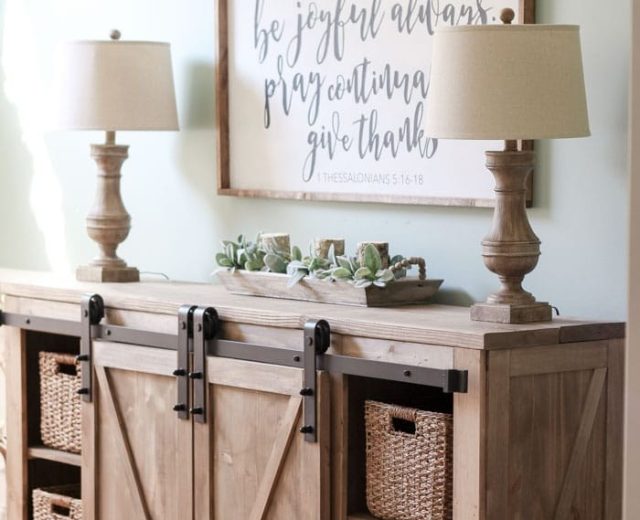
The Clean, Crisp Cottage aesthetic blends light, airy colors with warm, natural materials, and dark wood is a key ingredient for that balance. While painted furniture—white, pastel, or colorful—definitely has its place, not every surface should be painted. Leaving some pieces in their original stained finish introduces warmth, texture, and authenticity to a cottage-style room. Those warm wood tones pair beautifully with crisp whites, soft neutrals, and layered textiles to create an inviting living space.
It brings a sense of masculinity to the room.
Dark wood introduces a subtle masculine counterpoint in rooms that might otherwise lean heavily feminine—soft fabrics, floral accents, or pastel colors. My husband, who brought most of the dark pieces into our home, appreciates that balance. Including a few substantial, dark wood items ensures the space feels layered and lived-in, rather than overly themed or one-note.
Source: Our Vintage Home Love
It warms and grounds the space.
All-white rooms and pale palettes can read as fresh and modern, but they can also feel stark or one-dimensional. Dark wood introduces warmth and a grounding presence that anchors light, airy interiors. A rich wood tone gives depth to a room and makes it feel cozy without sacrificing brightness. In short, stained wood can turn a beautiful but clinical space into a welcoming home.
Source: The Lettered Cottage
It brings contrast to light or white rooms.
Contrast creates drama and visual interest. Dark wood against pale walls, soft textiles, and bright accents makes furniture pop and helps the eye travel through the space. While I once favored darker rooms entirely, today I prefer a lighter base palette punctuated by darker, meaningful pieces that provide contrast and personality.
That said, I’m not against painted furniture. I admire colorful and distressed painted pieces—greens, blues, pinks, and sunny yellows all have their charm. In fact, I have a Craigslist dresser in my garage that I plan to paint because it’s damaged and re-staining isn’t worth the effort. Mixing painted and stained furniture creates a layered, collected look that I love. The key is balance: choose what you truly love rather than following trends blindly.
If you find yourself doubting a cherished piece, try refreshing the room first—lighten the walls, swap fabrics, or rearrange furniture. Sometimes a small change will make you fall in love with that dark wood piece all over again.
Do you prefer dark wood furniture, or do you lean toward painted pieces? Have you ever rediscovered an old favorite after changing the room around?
MORE POSTS YOU WILL LOVE:
- Weathered Reclaimed Wood Kitchen Bar with Stikwood
- DIY Gray Wash on Wood Technique
- How to Choose & Buy New Furniture