Who would have thought I’d get personal twice in one week? Well, here we are. 🙂
If you’ve been around this blog for a while, you know it usually focuses on lighter, creative things — building furniture like a DIY farmhouse table, crafting, or a full living room makeover. We cover paint choices like the perfect gray, sprinkle birthday party ideas, and lessons learned from thrifted finds. But life isn’t always picture-perfect, and there are chapters I don’t usually share here. For this one, I felt compelled to open up.

I’m sharing this part of my life because I hope it comforts other moms who are facing the same struggle. Hearing someone else’s story often helps lessen the feeling of being alone, and that’s exactly what I needed when I first started this journey.
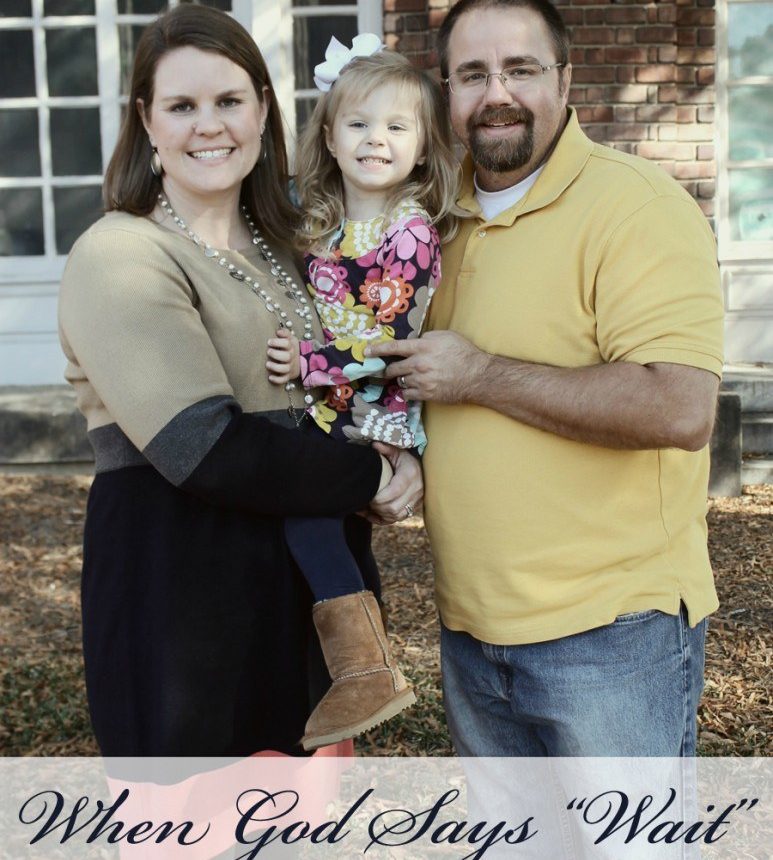
This season we’re living through something hard: secondary infertility. In plain terms, secondary infertility is the difficulty — or inability — to become pregnant again after having given birth previously. Even though we are so grateful for what we have, Coach and I deeply want to grow our family and give Miss A a sibling. She would probably treat a new baby like her very own, living doll — and I’m sure she’d be delighted to help. (Don’t worry — I wouldn’t actually leave a baby in the care of a three-year-old!)
Miss A has started noticing other kids getting baby siblings, and she asks more often about having a baby sister or brother of her own. Watching her curiosity and excitement is bittersweet for us. We want it too, but the timing and the path to another child aren’t straightforward yet.
Talking about secondary infertility feels vulnerable. There are days when grief and frustration are the loudest emotions, and other days when hope and quiet determination show up. For anyone else walking through this, know that those mixed feelings are normal. You may feel isolated — friends and family often assume that because you have one child, everything else will come easily. That assumption can make the silence louder.
If you’re dealing with secondary infertility, a few things helped me along the way and might help you too:
- Acknowledge the grief. It’s okay to mourn the path you expected and to feel a range of emotions, from sadness to anger to envy.
- Find people who understand. Whether it’s an in-person support group, an online community, or a trusted friend who listens without judgment, connection matters.
- Talk with your partner. Infertility affects relationships, and honest communication about feelings, finances, and next steps keeps you aligned as a team.
- Seek medical guidance. A fertility specialist or your regular doctor can review options and help clarify what’s possible for your family. Medical advice should always come from professionals who know your history.
- Prioritize self-care. Sleep, nutrition, creative outlets (like the projects I usually share here), and counseling can all provide resilience during a difficult season.
I don’t have all the answers, and I won’t pretend this is easy. But I do want to be honest about the complexity of loving the life you have while quietly longing for more. Sharing our experience here is part of that honesty — a way to reach others who might be in the same place and to say, “You are not alone.”
For anyone who has been through this or is currently navigating secondary infertility, I see you. I’m grateful for the small joys — a paint project finished, a room refreshed, or a craft day with Miss A — that give light on the darker days. The practical tips and emotional support from others kept me going, and I hope my words do the same for someone else.
If you want to read more about our experience, I’m sharing the story of our journey with secondary infertility at my friend Bobi Ann’s blog today. Thank you for listening, for being part of this community, and for allowing space for the real and vulnerable parts of life alongside the pretty and creative ones.