It’s time to answer a question almost every houseplant lover faces: why are indoor plants attracting fungus gnats? Pour a glass of sweet tea and let’s walk through what causes them and how to get rid of gnats in your houseplants.

Quick start: If you see tiny flies hovering around your pots, they’re likely fungus gnats. Begin by allowing the top layer of potting mix to dry before watering again, as much as the plant can tolerate. Place a yellow sticky trap near the pot to catch the adult flies. If gnats persist, treat the soil with a product formulated for fungus gnat larvae and follow label directions. Treating the soil is essential because catching adults alone won’t eliminate larvae already developing in the mix.
I became a dedicated houseplant owner a few years ago. I loved how plants add life to a room and I started with easy-care varieties: a ZZ plant, a snake plant and pothos. As my collection grew, so did my experience with normal houseplant issues—one common problem being fungus gnats. Below I’ll share straightforward, practical steps to identify and control them.
This article may contain affiliate links for convenience. See site disclosure for details.
How can I tell if my plants have fungus gnats?
Look for small, mosquito-like flies hovering near pots, especially when soil is disturbed. In the potting mix you may spot tiny white or translucent larvae. If a plant shows yellowing leaves or slowed growth, check watering and drainage—those symptoms can have multiple causes, not just gnats.
Don’t be discouraged if you find them; fungus gnats are common in indoor gardening. The good news is they’re manageable with consistent steps focused on both adults and soil-dwelling larvae.
Why are my indoor plants attracting gnats?
Fungus gnats breed in moist organic material. Outdoors they lay eggs in damp soil or decomposing matter; when they find the consistently damp, nutrient-rich potting mix in our indoor pots, they move in. That moist environment and available fungi or decaying bits in potting soil make potted plants attractive breeding sites.
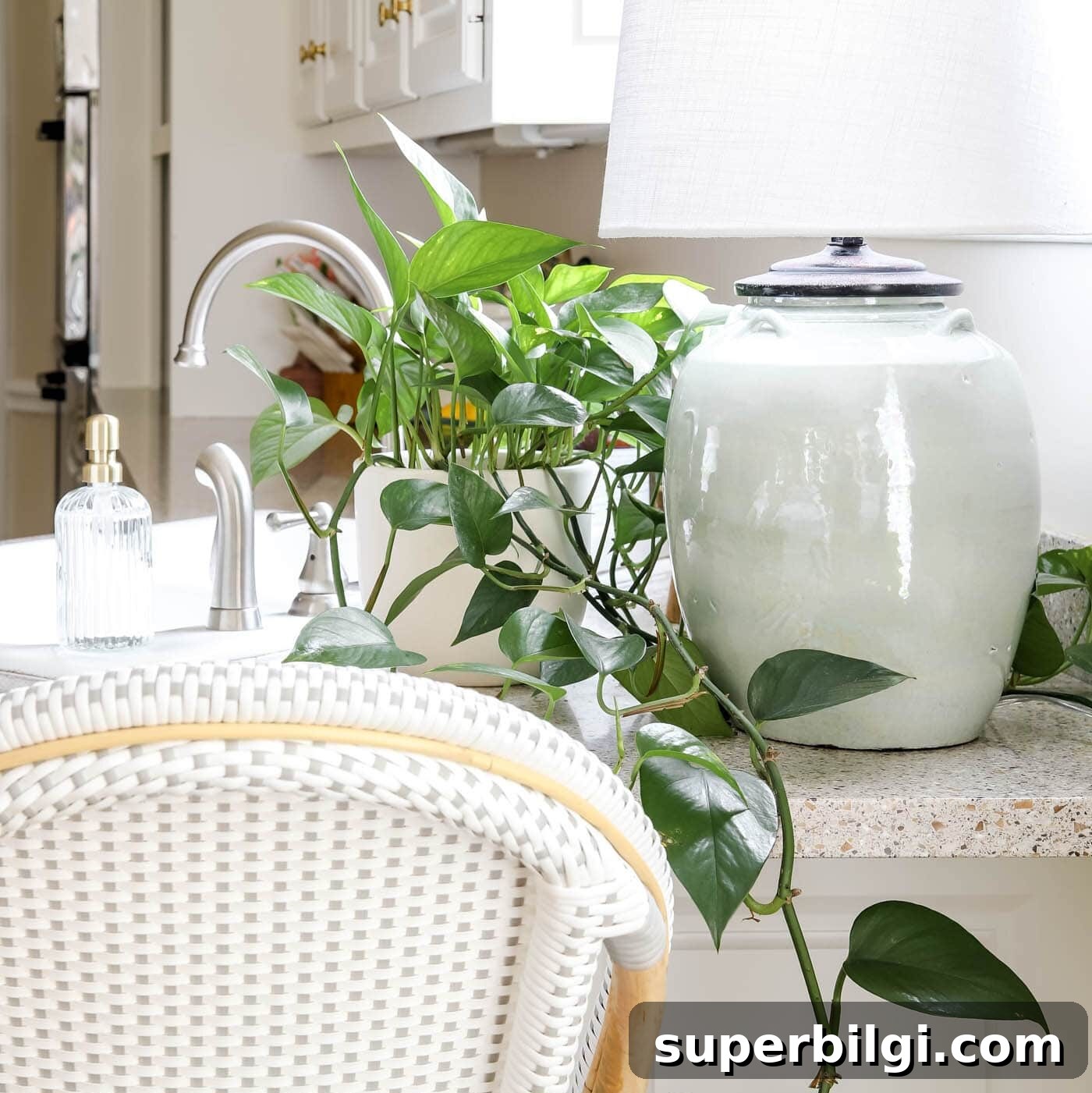
What is the fastest way to get rid of gnats in plants?
Start with the soil. Allow the surface to dry between waterings as much as the plant tolerates, use yellow sticky traps to reduce adult numbers and monitor progress, and treat the soil for larvae if adults continue to appear. Larvae feed on fungi and decaying material in damp mix and occasionally nibble on tender roots, so addressing the soil is crucial.
How to Get Rid of Fungus Gnats in Houseplants: Start With These 3 Steps
If you’ve spotted gnats, adjust your watering routine first, then attack adults and larvae separately. You don’t need every home trick—focus on what’s proven to work.
1. Let the Soil Surface Dry Between Waterings
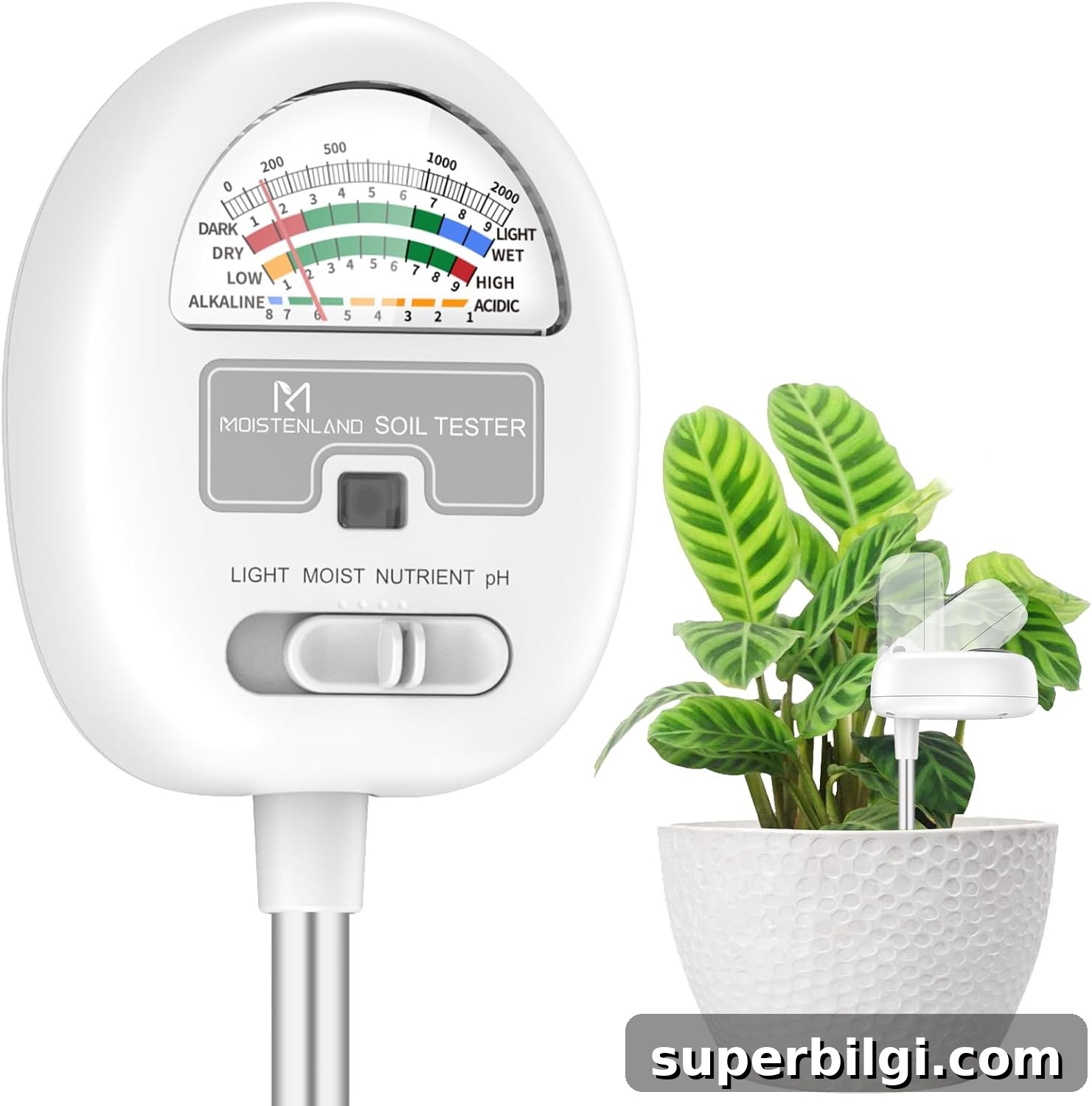
Fungus gnats thrive in consistently damp soil. Check the top inch of potting mix before watering and allow it to dry out to a level that’s safe for your specific plant. Ensure pots have drainage holes and empty saucers after watering so water doesn’t sit at the roots. A soil moisture meter can help, but a simple feel test often works well once you know your plants.
2. Catch the Adult Gnats With Yellow Sticky Traps
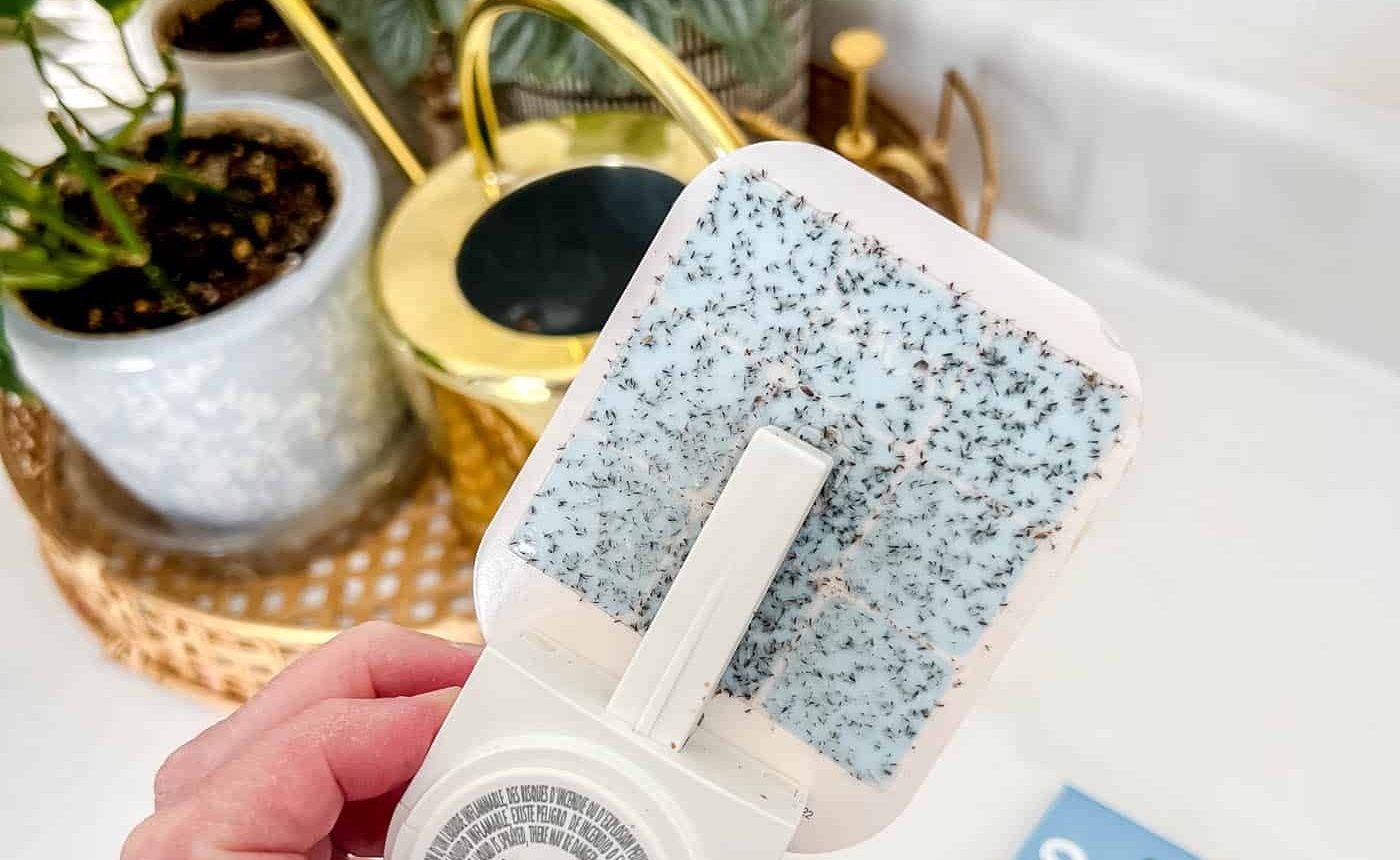
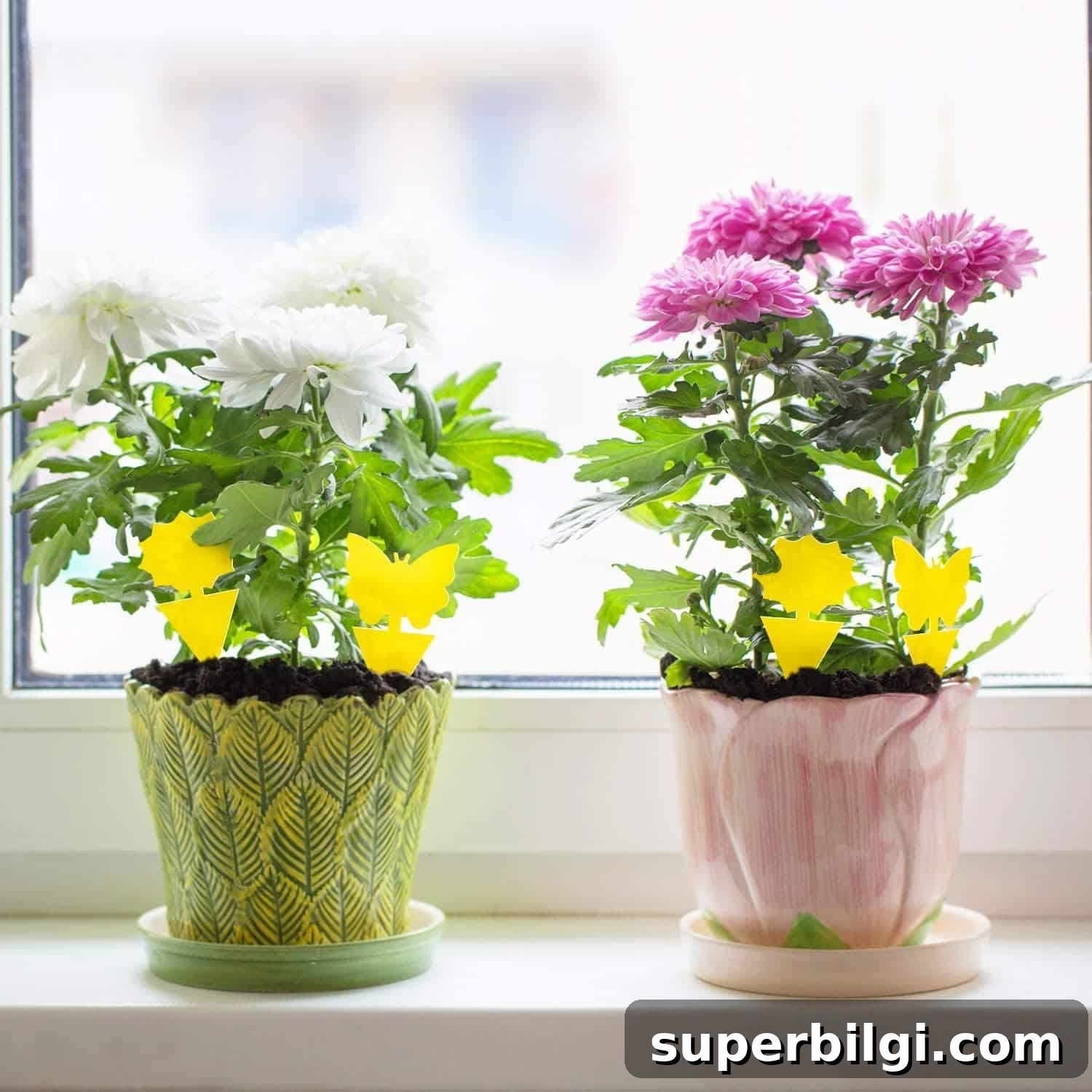
Place yellow sticky traps near soil surfaces in affected pots. They capture flying adults, reduce breeding, and give you a visible measure of whether your efforts are working. Replace traps as they fill up. Plug-in traps can help in nearby areas like kitchens but won’t eliminate larvae in the soil.
3. Treat the Larvae in the Soil With BTi
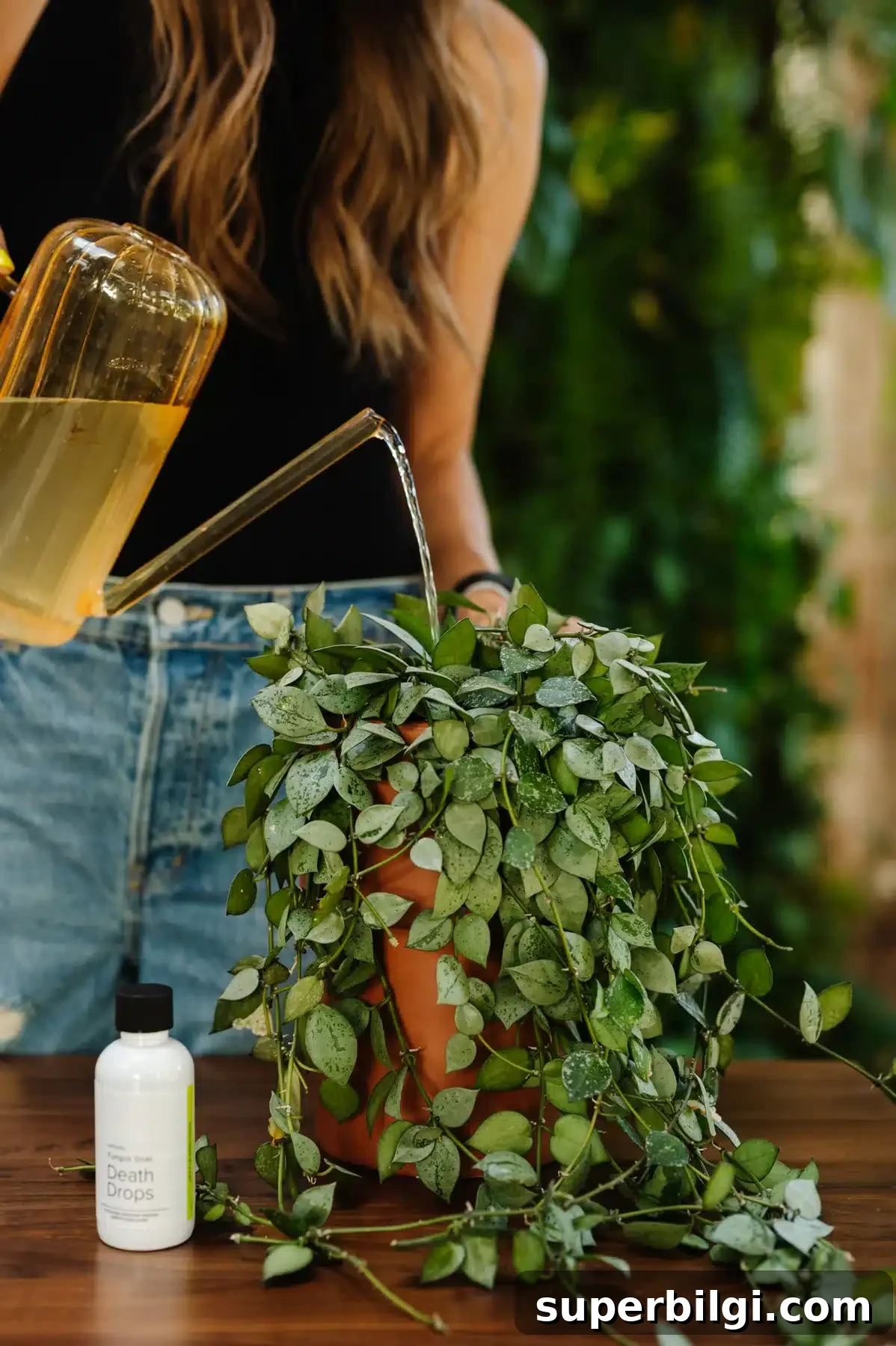
If sticky traps continue to catch adults, use a soil treatment labeled for fungus gnat larvae that contains Bacillus thuringiensis israelensis (BTi). BTi targets larvae in the potting mix without harming most beneficial organisms when used as directed. Follow the product label for mixing, application and any repeat treatments. Remember: BTi affects larvae, not adults, so keep using traps to manage flying gnats while larvae are eliminated.
If the Gnats Keep Coming Back
Inspect all your plants—one pot may be the source. For a stubbornly infested plant, repot into fresh, sterile potting mix and a clean container. Be careful not to overwater the new soil. To check for larvae, place a slice of raw potato on the soil overnight and examine it later; tiny larvae often gather beneath it. That can help diagnose an ongoing infestation, but potato slices won’t solve the problem alone.
More FAQs About Eliminating Gnats Around Indoor Plants
Can I bring new plants into my home while dealing with a fungus gnat infestation?
It’s wise to avoid adding new plants until you’ve controlled the infestation. New arrivals could introduce more gnats or become infested. If you must bring a plant in, quarantine it in a separate room and inspect the soil and foliage for signs of pests before integrating it with the rest of your collection.
Are certain plants more resistant to fungus gnats?
No plant is completely immune, but species that prefer drier soil—such as snake plants and ZZ plants—are less likely to develop fungus gnat problems because their soil stays drier between waterings.
Will fungus gnats kill my houseplant?
Adult gnats are mainly a nuisance. Larvae can damage roots, particularly on seedlings or weak plants, but severe damage is uncommon with mature, healthy plants. If a plant looks unhealthy, always check watering, light and drainage before attributing decline solely to gnats.
How long does it take to eliminate fungus gnats?
Eradication time varies with infestation severity and methods used. Expect several weeks of consistent treatment—drying soil between waterings, trapping adults and treating larvae when necessary. Regular monitoring and persistence will reduce the population and keep gnats from returning.
Have you tried any of these methods? I’d love to hear which techniques worked for you or any other strategies you recommend for protecting houseplants from gnats.
Related posts you may enjoy:
- The 3 Easiest House Plants + Indoor Plant Care Tips
- How to Plant Flowers in a Pot, Planter or Container
- ZZ Plant Care Guide
- Where to Buy the Best Fake Plants
- Simple DIY Wood Planter Box