Choosing an entryway rug can be both stylish and practical. Use these tips to pick a rug that stands up to heavy foot traffic, keeps your floors cleaner, and enhances your home’s first impression.
An entryway rug does more than look attractive — it protects floors, traps dirt, and sets the tone for your home. Below are straightforward, practical guidelines to help you choose the best entry rug for your space.
This post contains affiliate links for convenience. See my full disclosure policy.
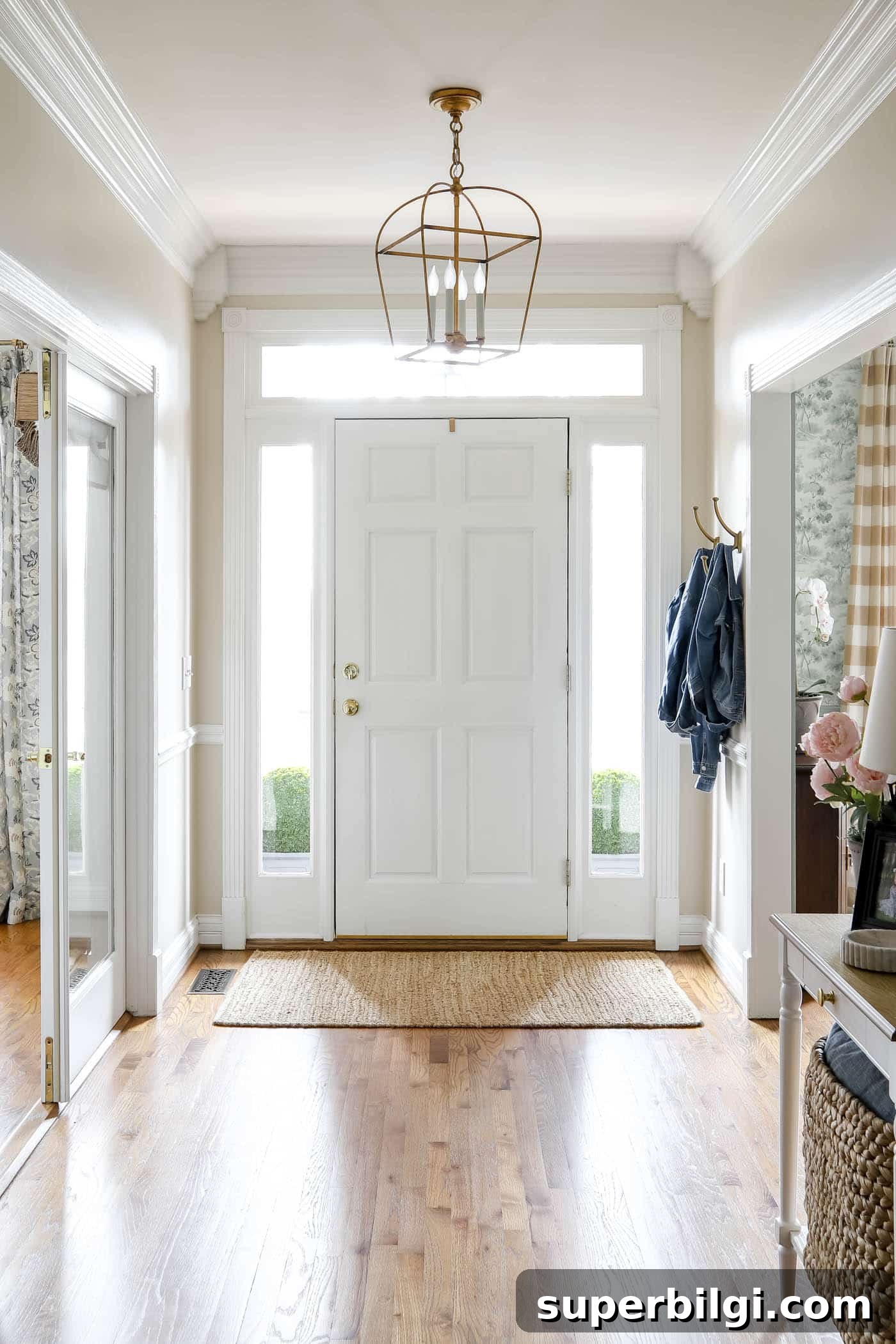
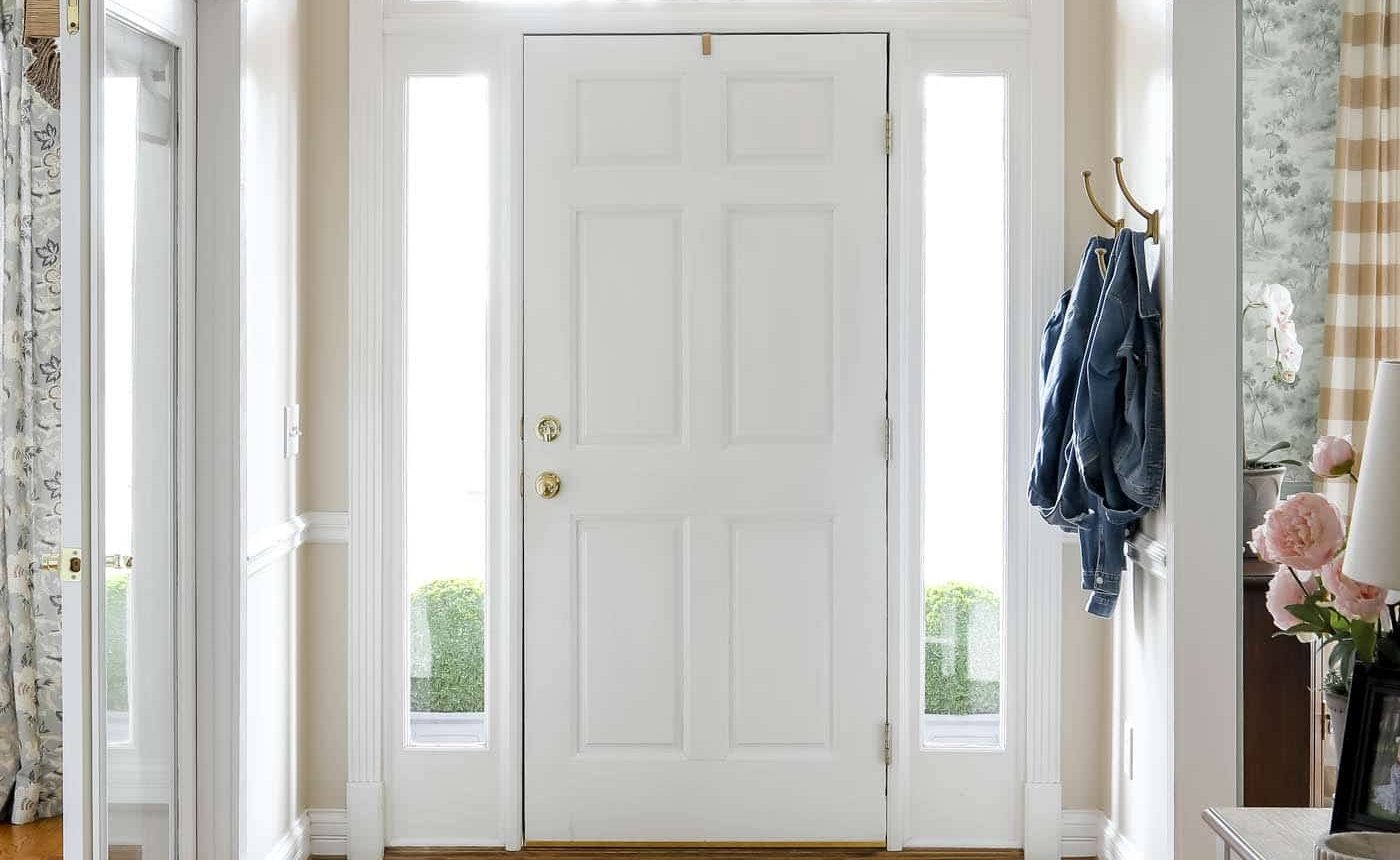
I’ve used a neutral heather jute/chenille rug in front of our door for years and love it. It meets the essentials: attractive texture, easy maintenance, blends with my decor, and does a great job keeping dirt from spreading through the house.
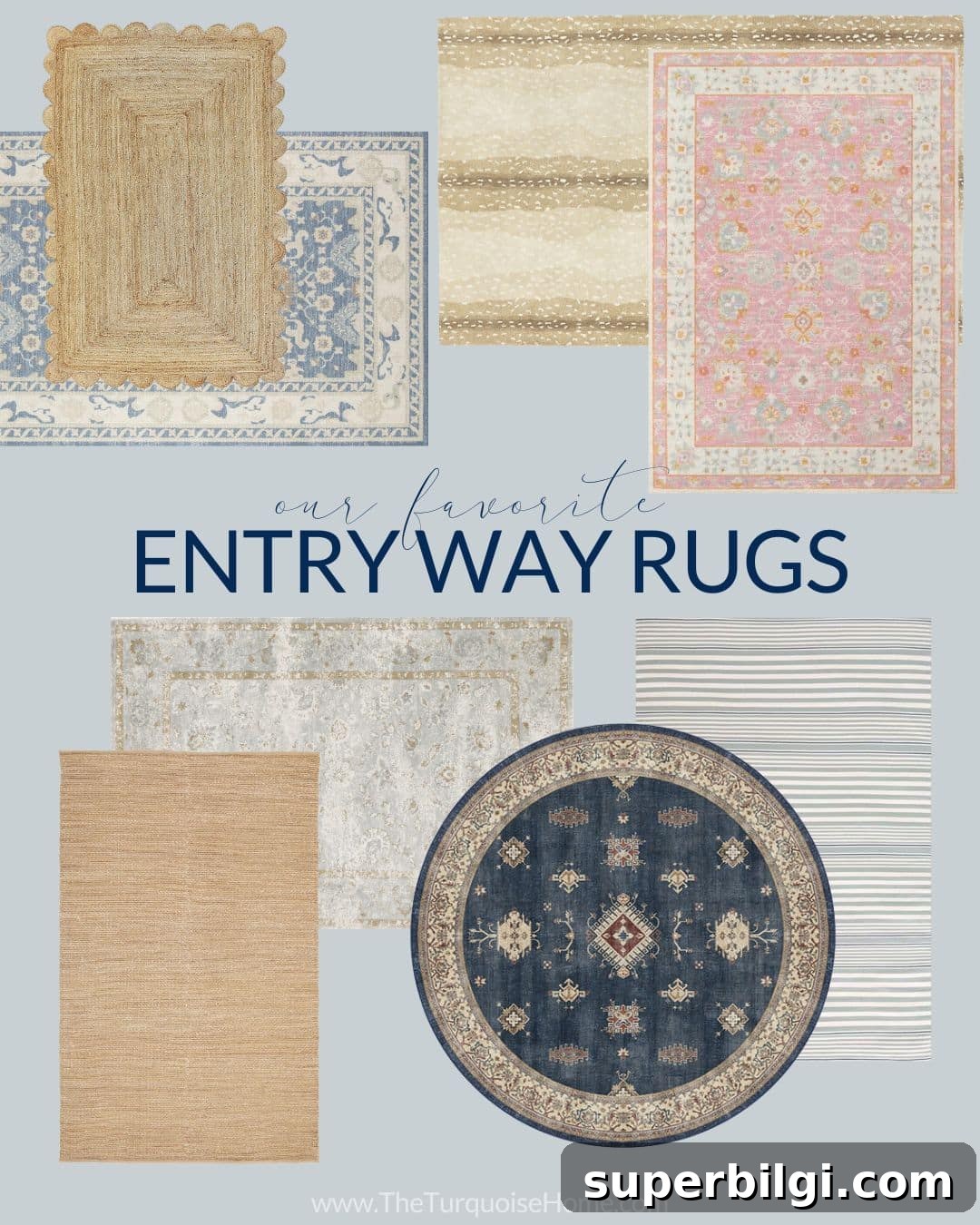
How to Choose an Entryway Rug
Choosing an entry rug is different from picking a living room or bedroom rug. Entryways need durability, easy cleaning, and the right size and shape to handle heavy use. Consider these seven factors as you shop.
1. Size of the Rug
Measure your entryway before buying. The rug should cover the main traffic path so shoes don’t track dirt inside. Many entryways work well with a 3’x5’ rug, but choose a size that fits your foyer’s dimensions and leaves adequate space around the edges.
2. Rug Material
Pick a material that resists wear and is easy to maintain. Natural fibers such as jute, sisal, and coir are durable and offer organic texture. Synthetic fibers like nylon and polyester are stain-resistant and budget-friendly. Wool is durable and comfortable but typically costs more. I prefer natural fiber rugs for their look, feel, and value.
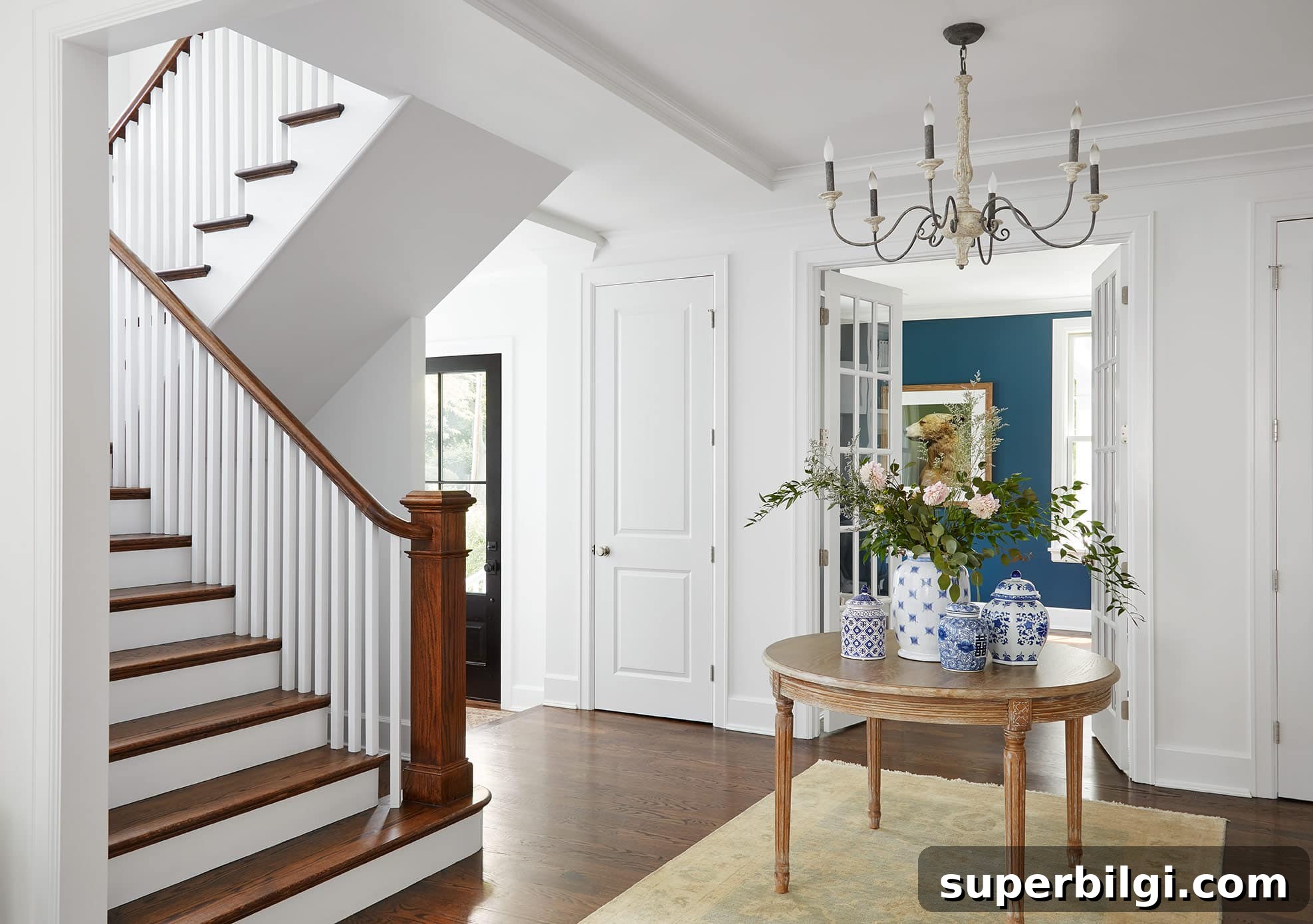
3. Color
Choose colors that hide dirt and stains in high-traffic entryways. Neutrals like beige, gray, and brown are practical, but patterned rugs and darker tones can also disguise wear while adding visual interest. Pick a color that complements your walls and flooring.
4. Pattern
Patterns do double duty: they hide stains and bring personality to the space. If your entryway is neutral, a patterned rug can become a focal point. Balance the scale of the pattern with the size of the area — bold patterns work well in small rugs and subdued patterns suit larger pieces.
5. Texture
Texture affects comfort and traction. Low-pile or flatweave rugs are easier to clean and reduce tripping risk, while plush piles add softness but can trap dirt and require more care. Ensure your rug has enough structure so it doesn’t bunch or shift underfoot.
A non-slip pad below the rug improves stability and helps the rug stay flat. I’ll share common anchoring options below.
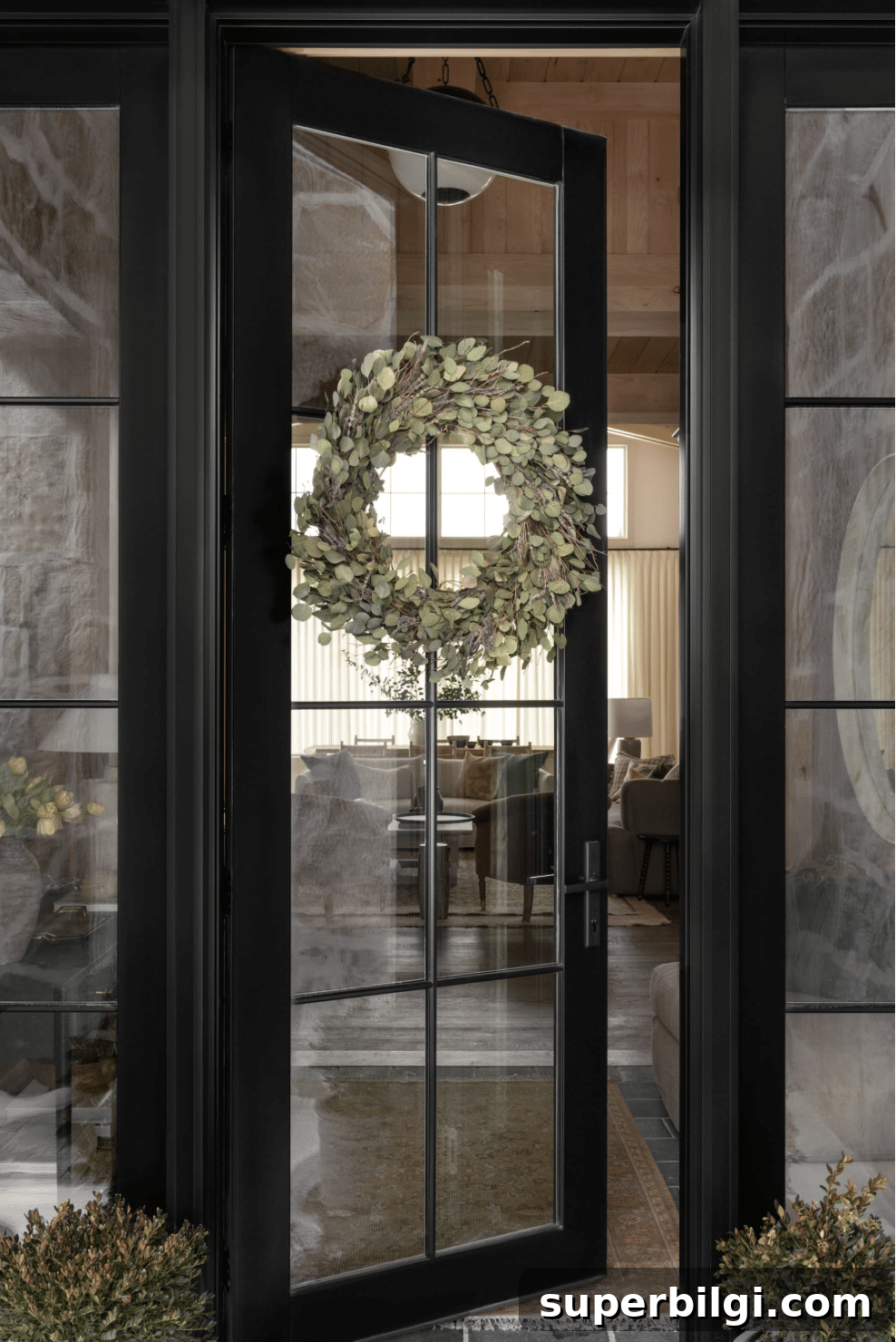
6. Maintenance
Entryway rugs need regular care. Vacuuming and occasional spot cleaning will keep them looking fresh. Natural fiber rugs like jute or chenille can be surprisingly low-maintenance if vacuumed regularly. If easy cleaning is a priority, look for rugs labeled stain-resistant or machine-washable.
7. Placement
Decide exactly where the rug will sit: directly inside the door, centered under a table, or as a runner along a hallway. Use painter’s tape to mark the rug’s intended footprint on the floor so you can visualize scale before buying. That helps avoid choosing a rug that’s too large or too small.
Considering size, material, color, pattern, texture, maintenance, and placement will help you choose a functional, attractive entryway rug you’ll enjoy for years.
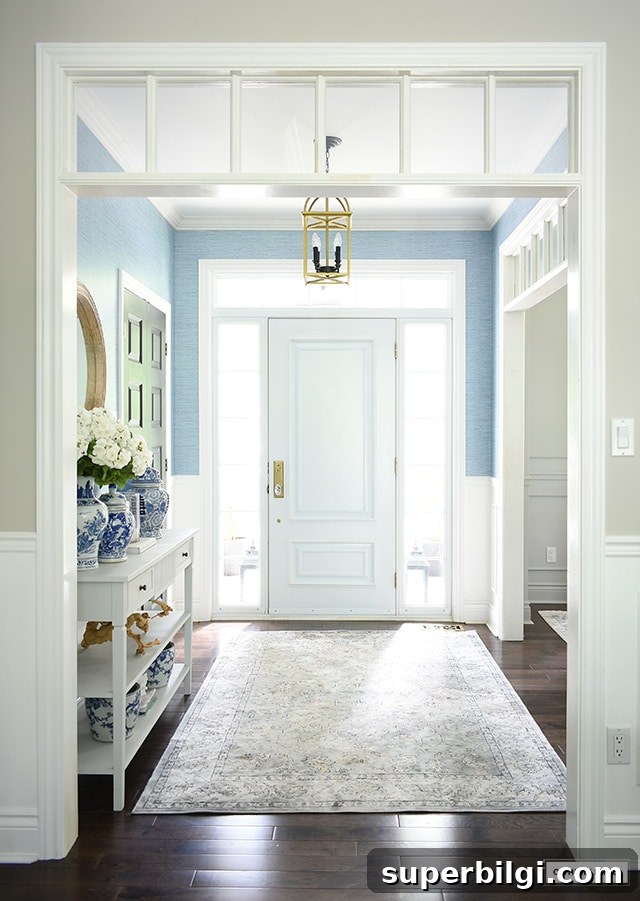
How to Keep an Entryway Rug in Place
Preventing slipping and shifting is essential for safety and appearance. Here are three reliable methods to secure your rug:
1. Rug Pad
A rug pad provides cushioning and grip beneath the rug. Choose a pad slightly smaller than the rug so it doesn’t show around the edges. Pads add traction and extend the life of both rug and floor.
2. Double-Sided or Rug Tape
Heavy-duty double-sided rug tape can hold a rug in place. Some products are designed for floors and remove cleanly, though tape may need periodic replacement and can leave residue if not removed carefully.
3. Corner Rug Grippers
Corner grippers or adhesive tabs secure rug corners to the floor and prevent curling. They’re an excellent option when you want a low-profile solution that keeps corners down and reduces shifting.
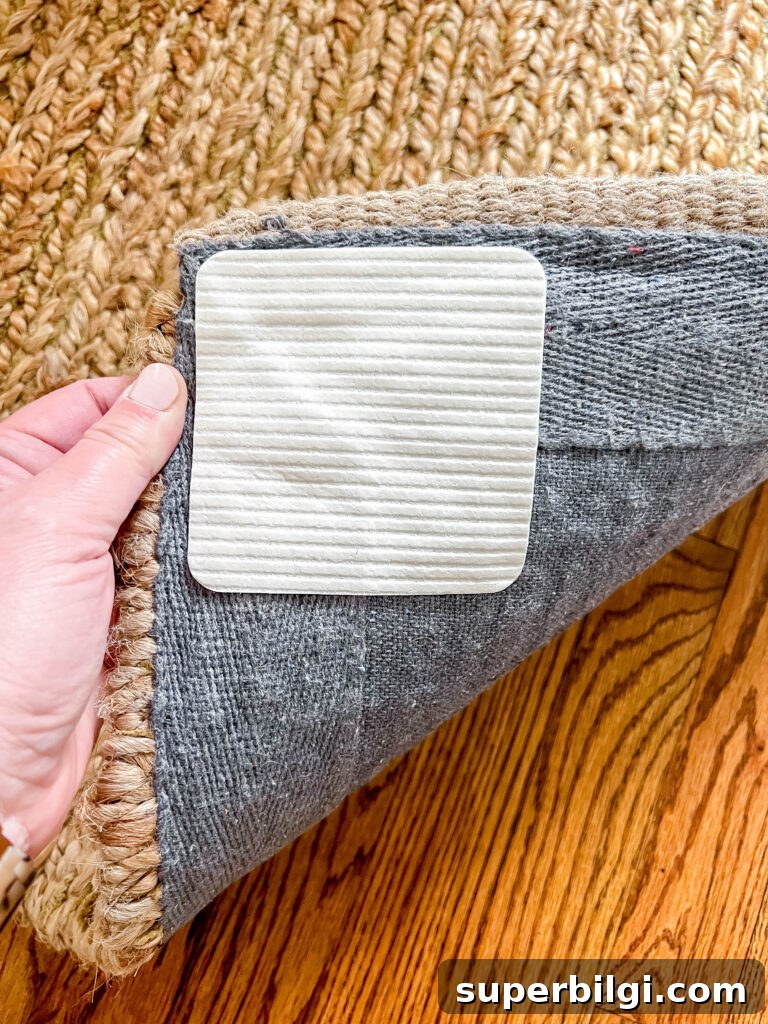
Try one or combine two of these methods to find what works best on your floor type.
Entryway Rug Size Guide
Follow these simple guidelines to choose the right rug size for your foyer.
1. Measure the Space
Start with the length and width of the entryway, then note door swing, furniture placement, and any obstacles. Accurate measurements prevent surprises when the rug arrives.
2. Leave Space Around the Edges
Leave roughly 4 inches between the rug and the walls to create a balanced look and prevent tripping. Adjust this spacing based on room scale and layout.
3. Consider Furniture Layout
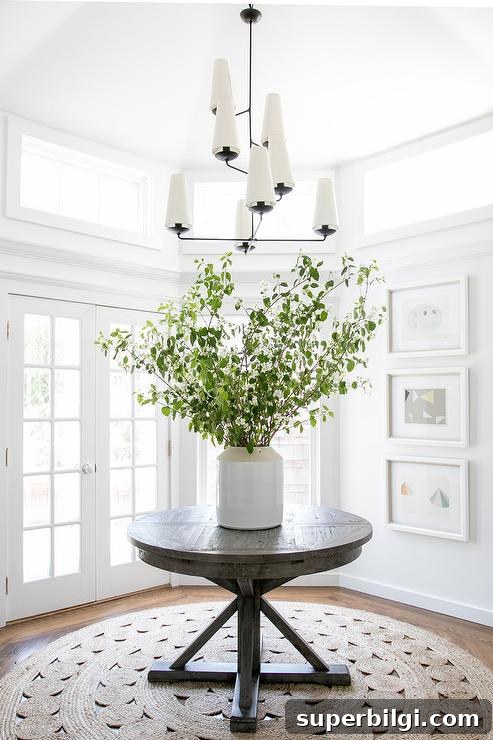
If your entry includes a bench, console table, or round table, make sure the rug size accommodates that furniture. A common guideline is to have the front legs of furniture sit on the rug for cohesion.
4. Choose a Rug Shape
Select a rug shape that fits the room. Rectangular rugs and runners suit narrow halls, while round rugs work beautifully under a small table or in a circular foyer. Match the rug shape to your space and furniture arrangement for the best fit.
5. Don’t Skimp on Quality
Because entryways see constant use, invest in a durable rug made from quality materials. A well-made rug will hold up longer and look better over time, making it a smarter purchase overall.
In short, measure carefully, choose a durable material and color that hides wear, pick the right shape and size for your layout, and anchor the rug securely. Those steps will help you find an entryway rug that is both practical and beautiful.
Final Thoughts
Selecting an entryway rug comes down to balancing style and function. Consider your daily traffic, cleaning preferences, and the look you want to achieve. With the right choices, an entry rug will protect your floors, reduce dirt in the home, and create a welcoming first impression.
More Posts You Will Love:
- 17 Stunning, Easy-To-Install Entryway Lighting Fixtures
- A Neutral Christmas Entryway
- 15 Small Entryway Storage Ideas
- My Honest Ruggable Rug Review
- What Rug Sizes Should You Use in Your Home?