Are you juggling too many things this school year and need a better system? Here are practical back-to-school organization tips for parents to help you stay calm and in control.
Back-to-school time often feels like a fresh start—new pencils, crisp notebooks, and renewed schedules. Without a plan, though, mornings and afternoons can quickly become chaotic. The strategies below focus on simple, sustainable systems to manage papers, lunches, routines, and homework so your household runs more smoothly.
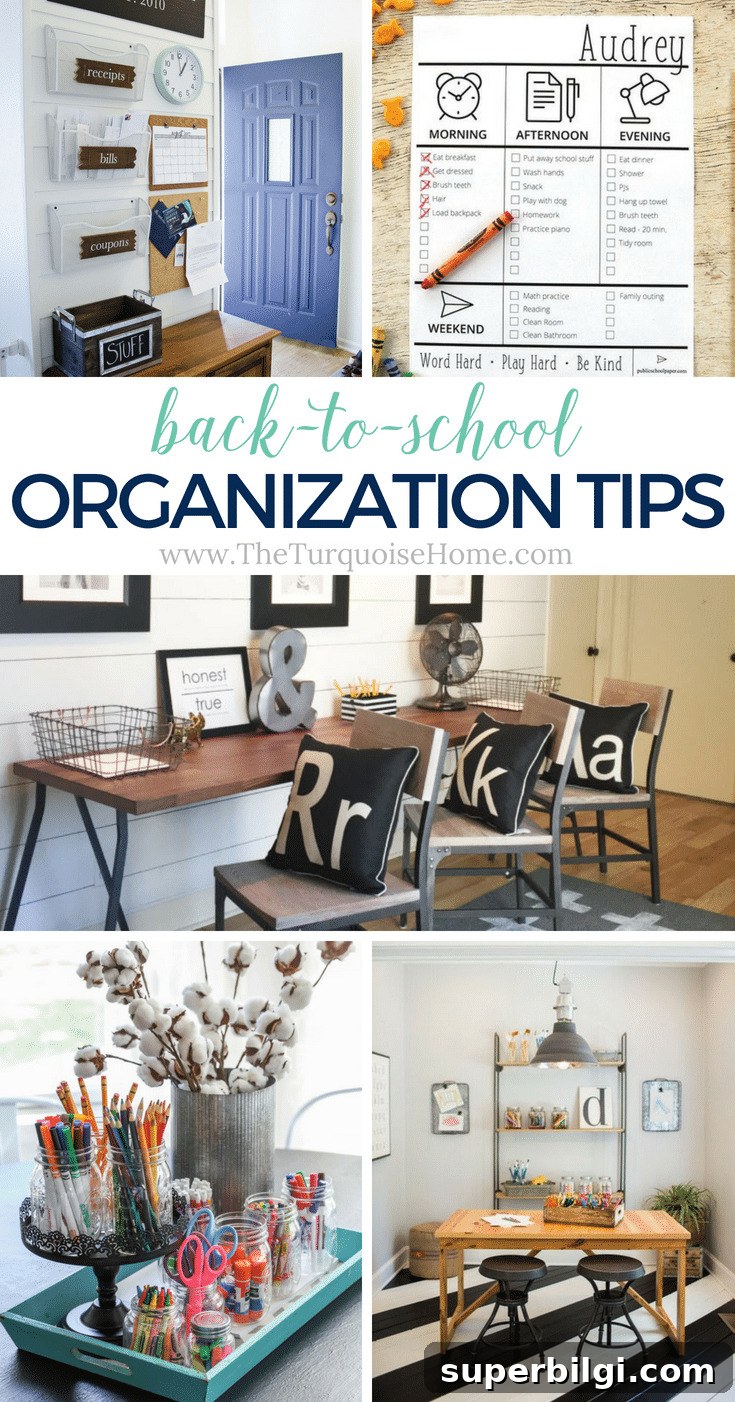
Common morning and school-related challenges include:
- Parents feeling rushed because they start the day cramming to get kids ready.
- Paperwork piling up—permission slips, notices, and forms end up scattered and get lost.
- No consistent place to drop backpacks, shoes, and lunchboxes, which creates last-minute scrambles.
- Children not finding clean or appropriate clothes or missing shoes at departure time.
- Rushing to pack lunches or forgetting essential items.
- Finding a quiet, distraction-free spot for homework after school.
7 Tips for a Smooth Back-to-School Routine
Tip #1: Start with a Mom Morning Routine before the kids wake up
Waking up 30–60 minutes earlier can transform your mornings. Even a short routine—getting dressed, having coffee, and a few minutes of quiet or a devotional—helps you face the day with more patience and presence. It’s a small investment that reduces stress for everyone.
Tip #2: Create a Family Command Center
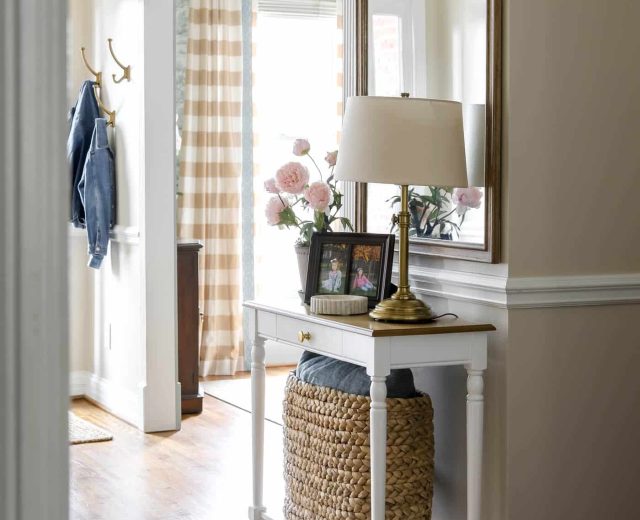
Designate one central drop zone with a calendar, bulletin board, and storage for incoming papers. Add hooks for backpacks and a small set of cubbies or folders—one per family member—to collect permission slips and important notices. A clearly visible calendar for schedules and activities cuts down on missed events and frantic searching.
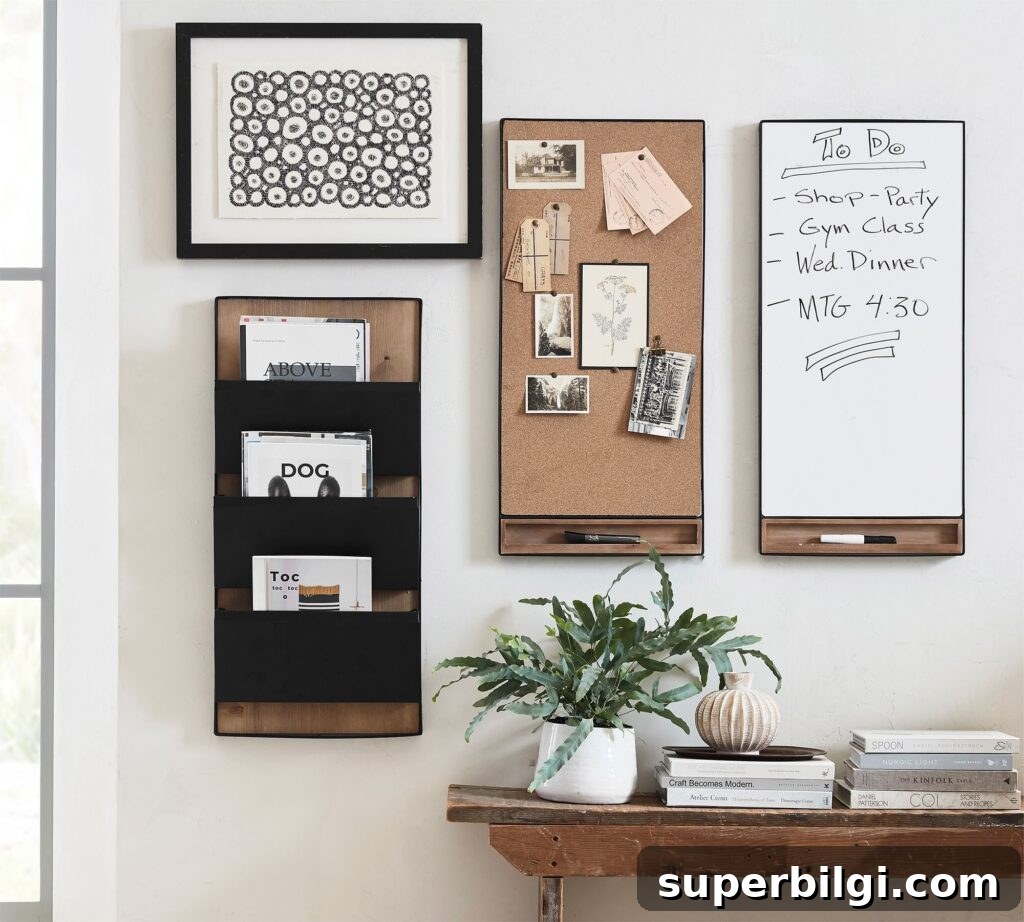
Even a tiny wall space by the garage or kitchen makes an ideal command center: hooks, a calendar, a mirror, and cubbies give everything a home. Place a small bench or shoe storage nearby so kids can sit and put shoes on without tripping over them.
Tip #3: Use a Getting-Ready Checklist
Create simple checklists or charts so kids know exactly what to do before leaving or after coming home. A visual routine reduces repeated reminders and helps build independence. Laminate a printable checklist or place it in a glass frame and use a dry-erase marker so it can be reused daily.
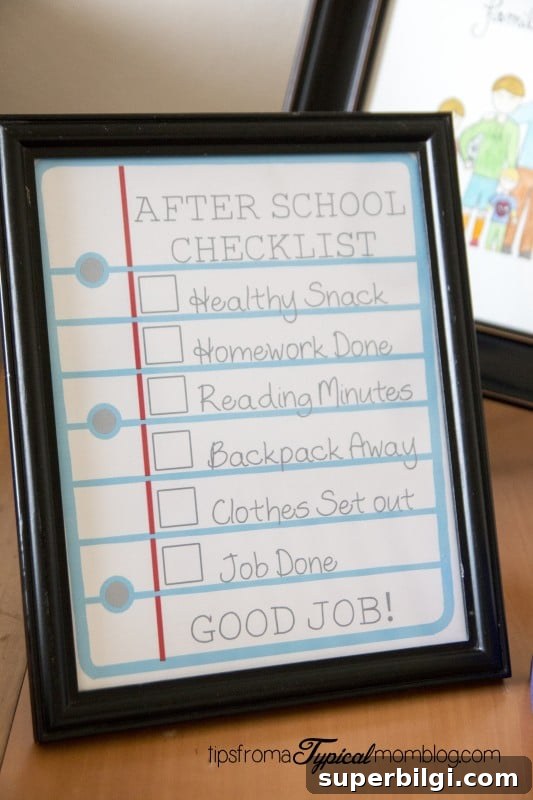
Consider giving older children their own alarm clocks so they can wake independently and begin their morning routine without parental prompts.
Tip #4: Set up a Homework Caddy
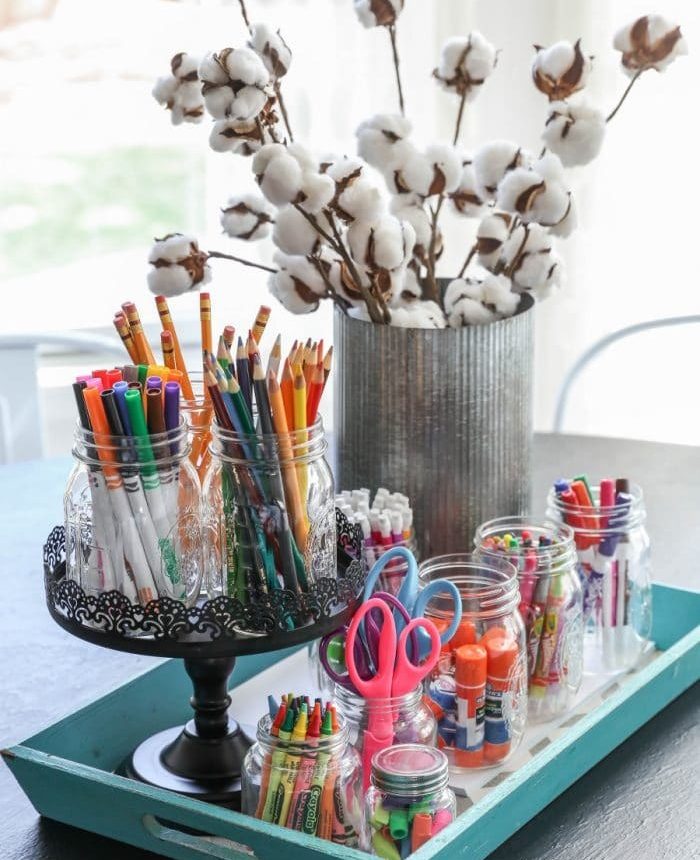
Keep pencils, sharpeners, erasers, rulers, calculators, markers, and crayons together in a portable caddy. When supplies are centralized, children can access what they need without interrupting your tasks. A utensil caddy is an inexpensive, portable solution that you can store away when not in use.
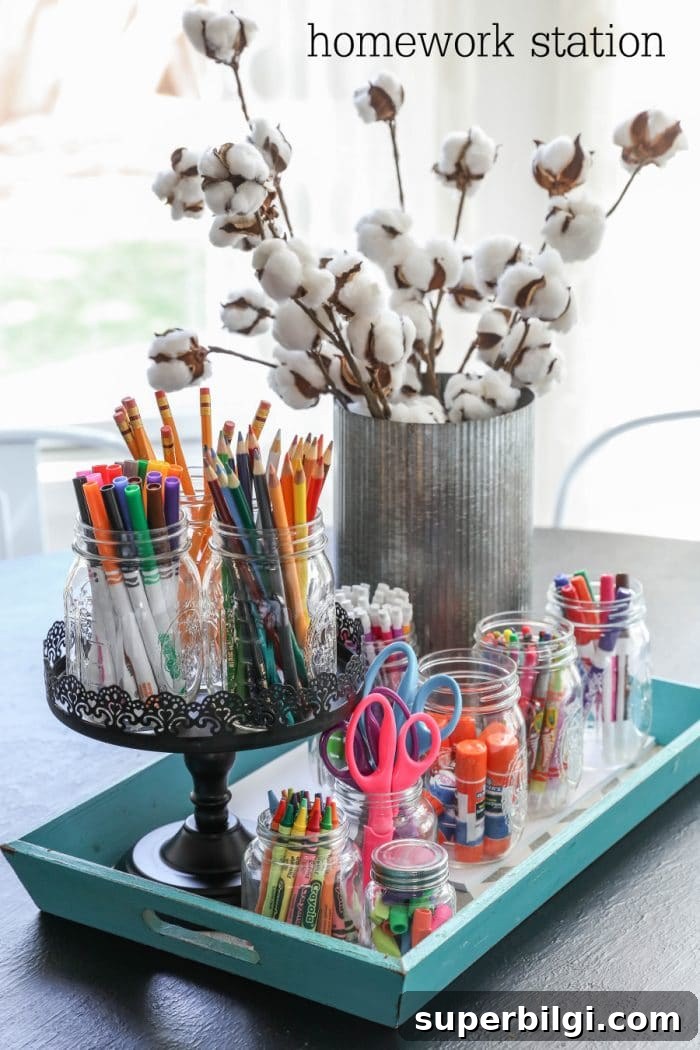
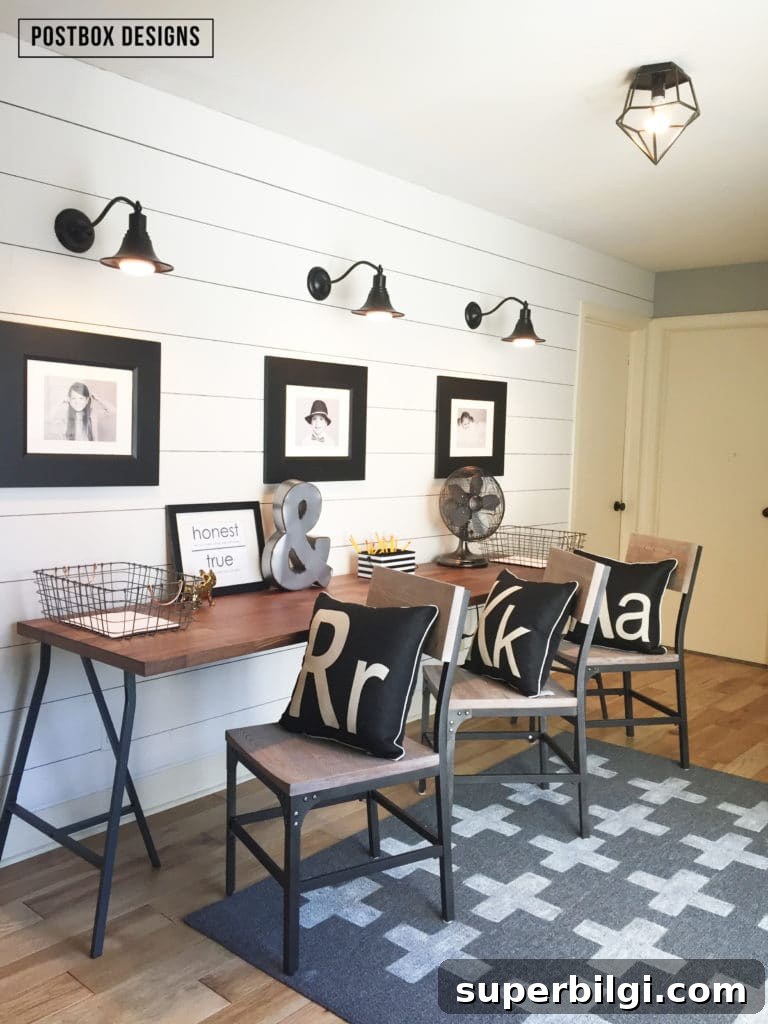
Tip #5: Designate a Distraction-Free Homework Space
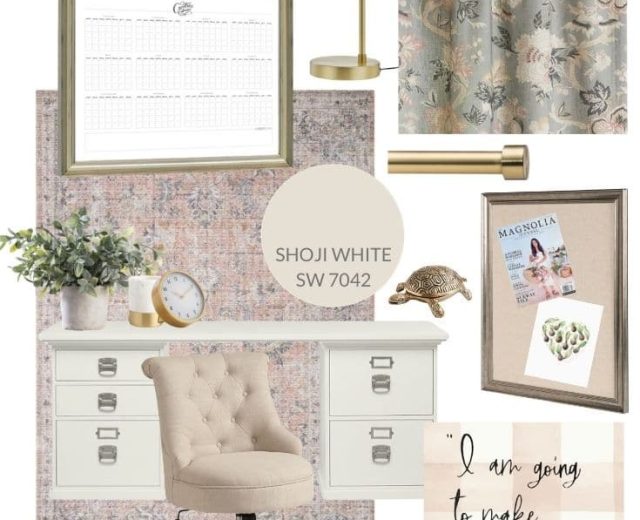
Choose a consistent place where kids do schoolwork—a kitchen nook, a quiet hallway, or a desk in their room. A dedicated spot reduces interruptions and keeps school projects from taking over the dining table. Personalize the area with easy-to-reach supplies and a comfortable chair to encourage focused work.
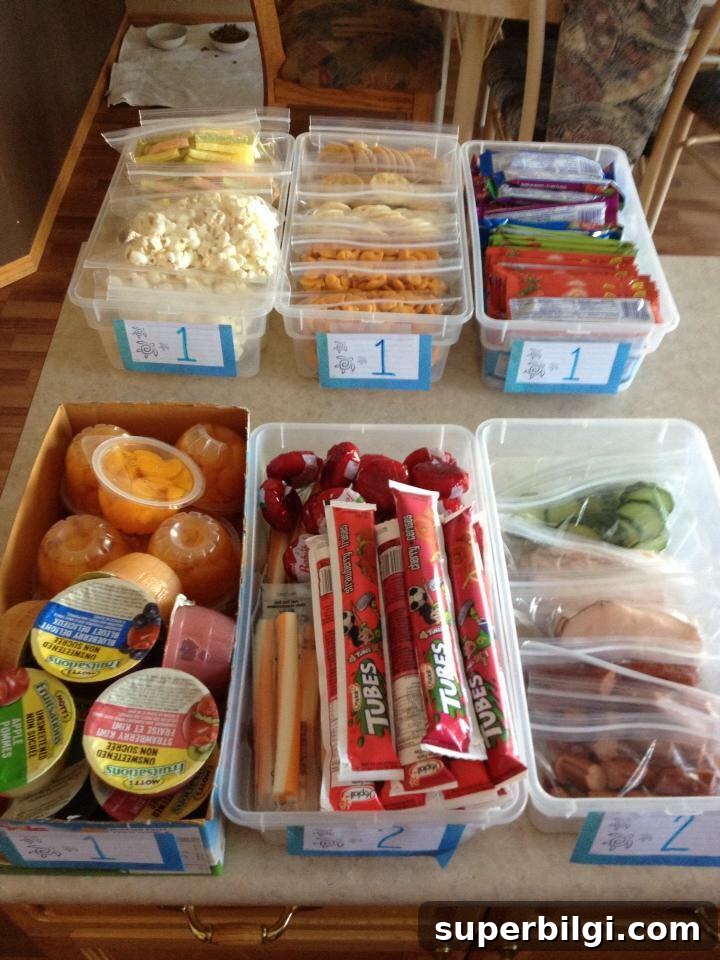
Tip #6: Create a Lunch-Packing Station and Pack Ahead
Designate pantry bins and labeled containers so kids can assemble their own lunches. Packing lunches the night before saves morning stress and gives you time to add fresh items in the morning if needed. Clear labeling—how many items to take from each bin—makes the system simple and repeatable for kids.
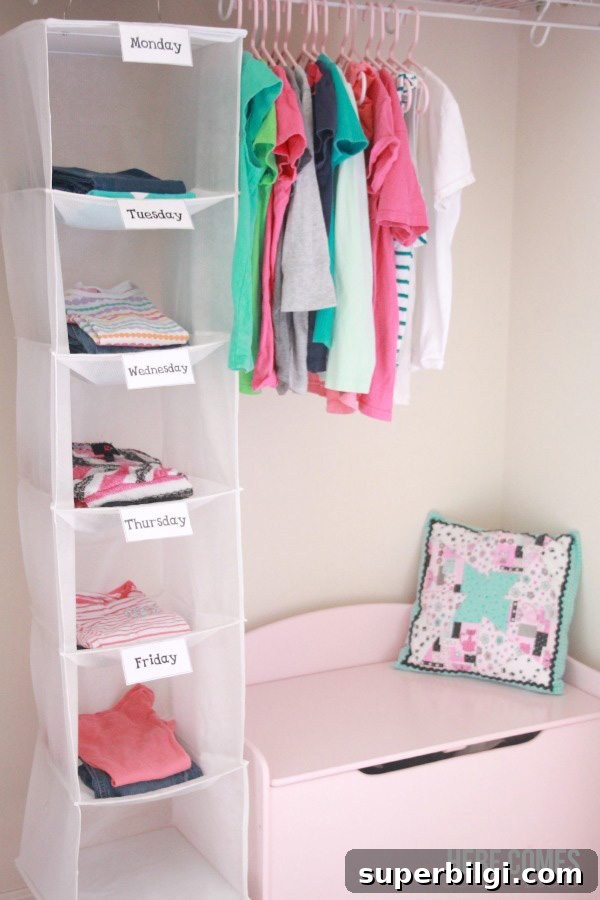
Tip #7: Lay Out Clothes in Advance
Choose outfits for the week on Sunday night or at least pick tomorrow’s clothes before bed. For children who need special pieces ironed or accessories found, planning ahead prevents stressful searches in the morning. A hanging organizer or a set of labeled outfit slots makes mornings simple and reduces decision fatigue.
Putting these systems in place takes a bit of time up front, but the payoff is huge: calmer mornings, fewer missing items, and children who can take on more responsibility. Start with one or two changes and build from there—consistency is what makes these strategies work long term.
If you have a favorite back-to-school tip, try it out and see how it fits your family’s routine. Small, intentional systems add up to big improvements across the school year.
Related topics you might find helpful:
- Teacher appreciation and simple back-to-school gestures
- Practical tips for organizing kids’ clothing
- How to create a household organization binder
- Solutions for organizing a home with limited storage
- Creative ideas for arts and crafts storage