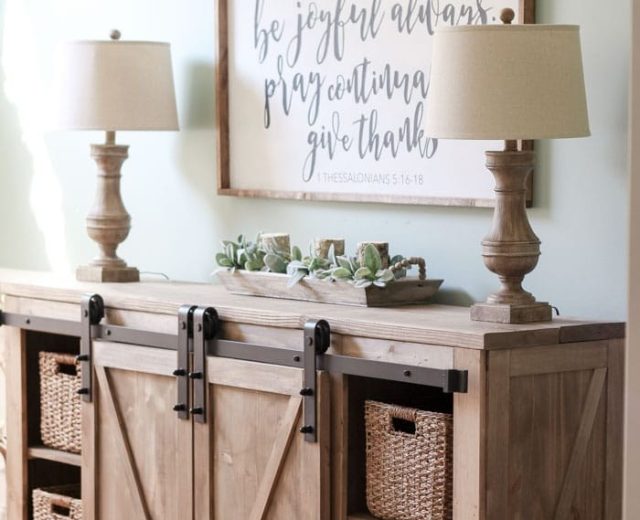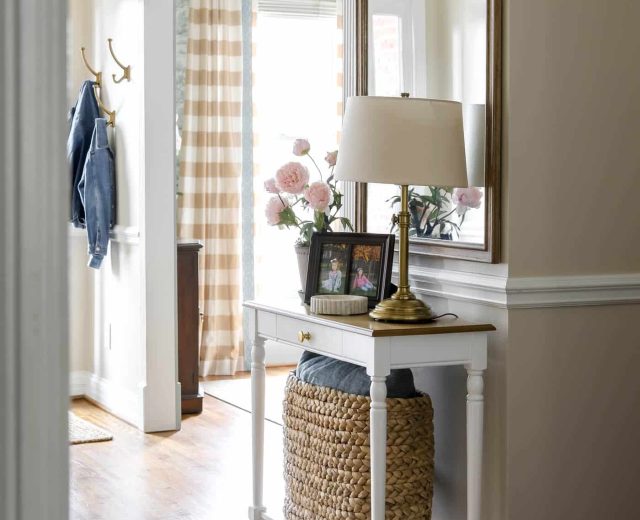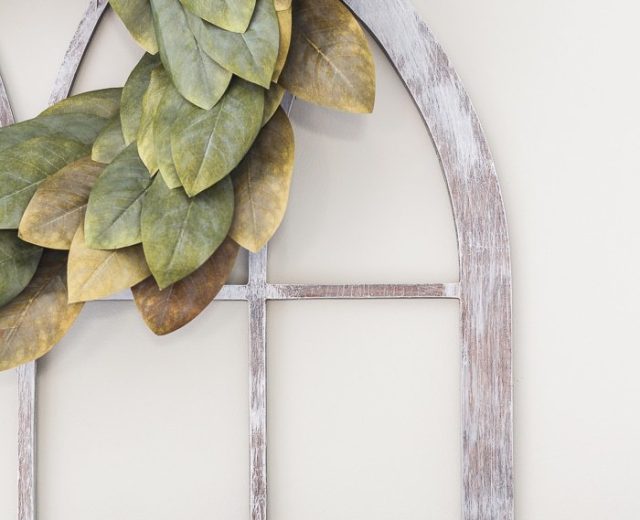
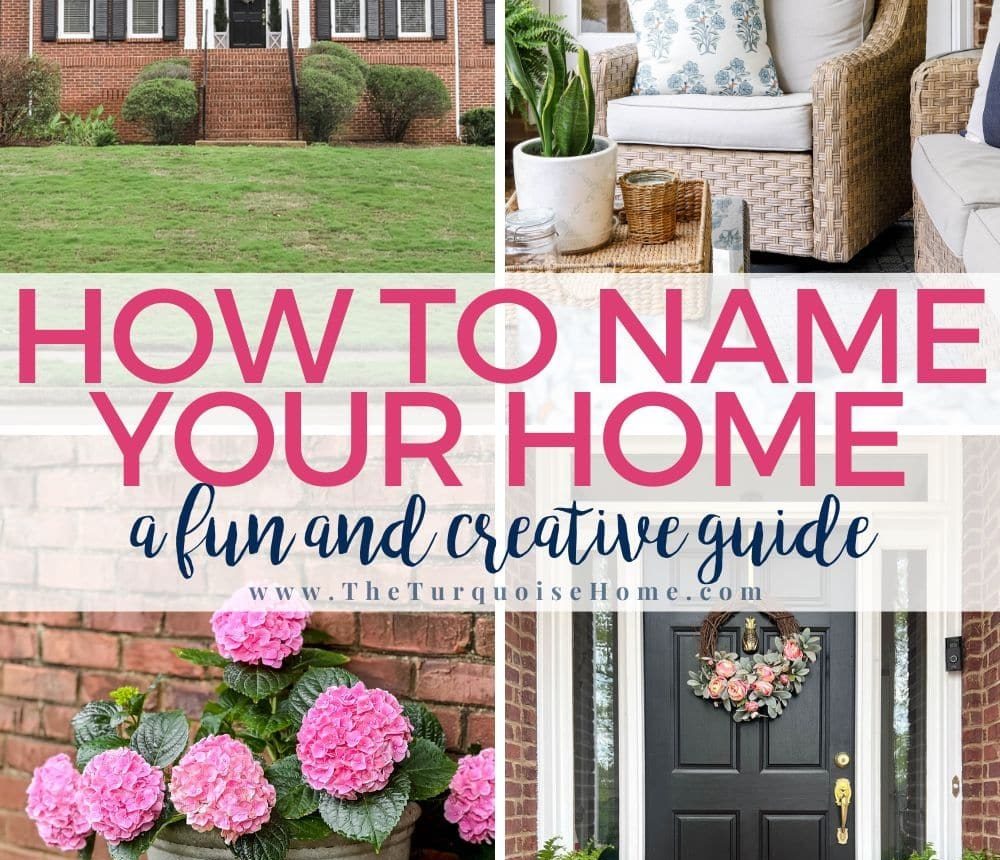
Your home is more than a building; it reflects your personality, style, and creativity. Giving it a name gives it character and a sense of place.
It might sound whimsical, but many people enjoy naming their homes. From “Lakeview Cottage” to “Hydrangea Bungalow” or “Eastlake Manor,” a house name can feel personal and meaningful.
Naming houses is common with older, historic properties, but it can be just as fun for newer homes. Whether you’re moving into a fresh space, refreshing an existing one, or simply inspired, naming your home is a creative way to make your address feel special.
Below is a practical guide to help you choose a name that’s memorable, meaningful, and uniquely yours. I’ll also share the name I finally chose for my own house.
Why Name Your Home?
A house name does more than add flair. It makes your space feel intentional and can add sentimental and aesthetic value. Here are a few practical reasons to consider naming your home:
- A personal touch: A name makes your home feel uniquely yours, similar to choosing paint or furniture.
- Design appeal: Names like “Rosewood Cottage” or “Birch Hill Lodge” give a welcoming, finished look when used on signs, mats, or stationery.
- Conversation starter: A distinctive name easily sparks stories and questions when you host guests.
Inspiration for Naming Your Home
Think about the things around you—landscape, architecture, memories, and hobbies. These elements often point toward a name that feels authentic.
Draw From Nature
If your property has notable trees, water, or wildlife, let nature lead the way. Natural features are timeless sources of inspiration.
Example ideas:
- Willow Creek Cottage
- Sunny Ridge Manor
- Bluebird Haven
- Pine Cone Hill
- Pebble Brook
Reflect the Architecture
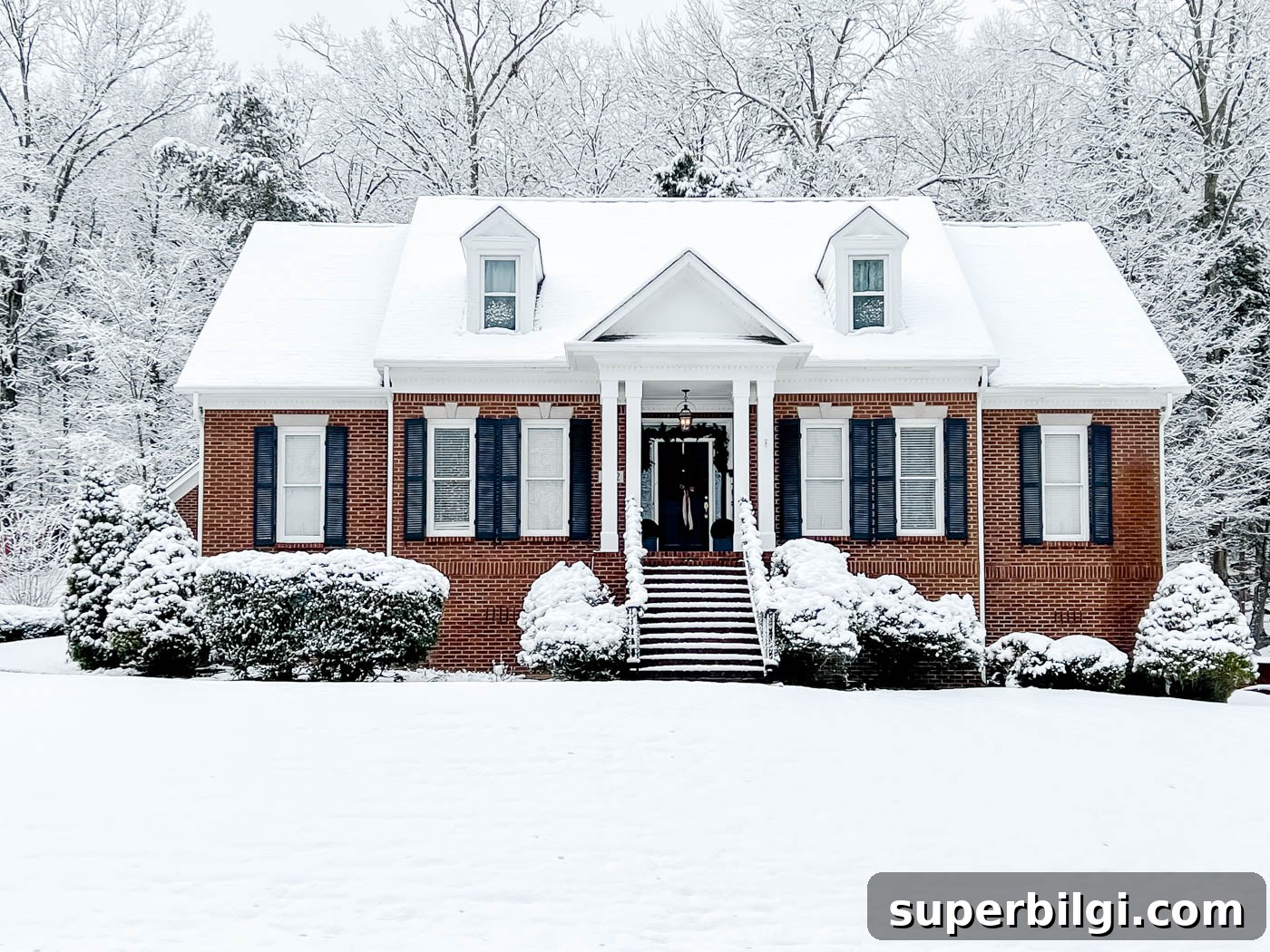
Let the architectural style inspire the name—whether your home is a cottage, loft, Tudor, or modern build. That helps the name feel like a natural match.
Example ideas:
- The Gable House
- The Loft on Sixth
- Tudor’s Nest
- The Cozy Cottage
- Fairfax Estate
Consider Sentimental References
Names rooted in memories, family stories, or favorite places add deeper meaning. Think of beloved spots in your home—like a reading nook or garden room—or a treasured trip or relative.
Example ideas:
- Granddad’s Retreat
- Maple Grove
- The Vinyl Den
- Parisian Escape
- Liberty Heights
Lean Into Humor or Quirkiness
If you enjoy a lighthearted tone, a playful or quirky name will reflect that personality perfectly.
Example ideas:
- The Shire House
- Area 52
- Birdbrain Bungalow
- The Sandcastle
- The Waffle House
Take Inspiration From History
Historic names or traditional-sounding options suit older homes and lend a sense of timelessness and dignity.
Example ideas:
- Franklin Manor
- The Lantern House
- Windsor Lodge
- Old Timber Inn
- Juniper Hall
6 Steps to Name Your Home
Follow these simple steps to arrive at a name that feels right for your home:
Step 1: Look to your surroundings
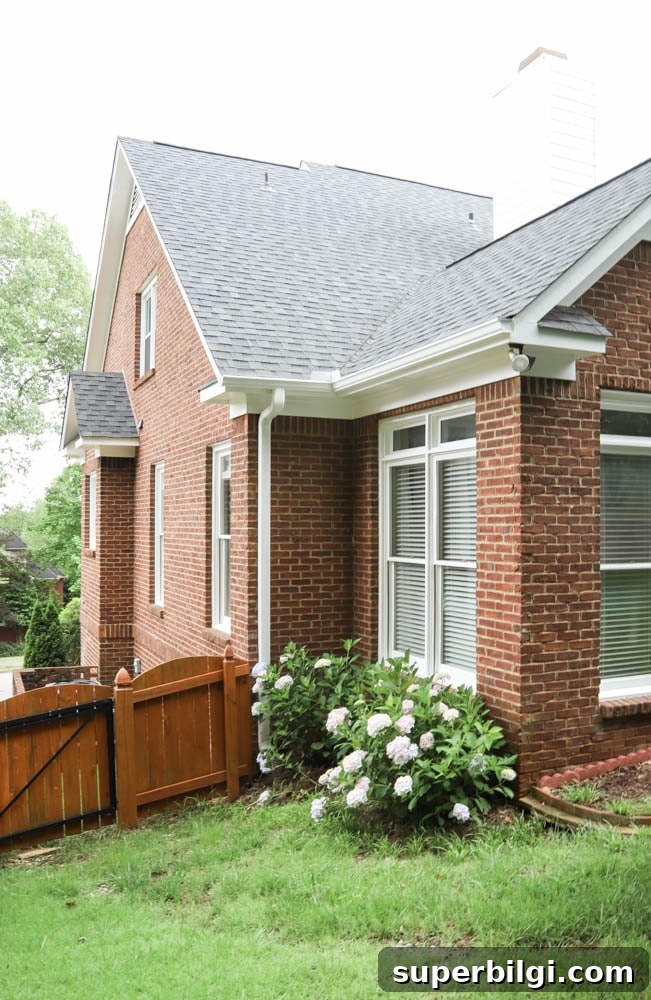
Walk the property and note standout features: trees, slopes, water, gardens, or views. These unique elements often yield the best name ideas.
Step 2: Think about your home’s personality
Decide how the house feels—cozy, modern, formal, relaxed—and pick descriptive words that capture that essence. Give yourself time if you’re still settling in; a home’s character often reveals itself over months or years.
Step 3: Incorporate personal connections
Weave in family names, favorite travel destinations, or meaningful objects to make the name resonate on a personal level.
Step 4: Play around with words
Combine descriptors, place names, or features: try variations until one feels right—“Sunny Birch Retreat,” “Marigold Cottage,” etc.
Step 5: Check for uniqueness
Search online to make sure the name isn’t overly common, especially if you plan to make signage or use it for a rental property.

Step 6: Make it official
Once you commit to a name, use it everywhere: design a logo, add a porch sign, etch it on a welcome mat, or include it on holiday cards. Treating it like a brand helps the name stick.
Naming My Home
When I recently changed our Wi‑Fi network name, it felt like the right moment to finally name our house. After six years here and gradual updates in each room, I wanted a name that reflected those memories and this place.
I experimented with name generators and lists until one clicked. The name I settled on is:
Elmwood Manor
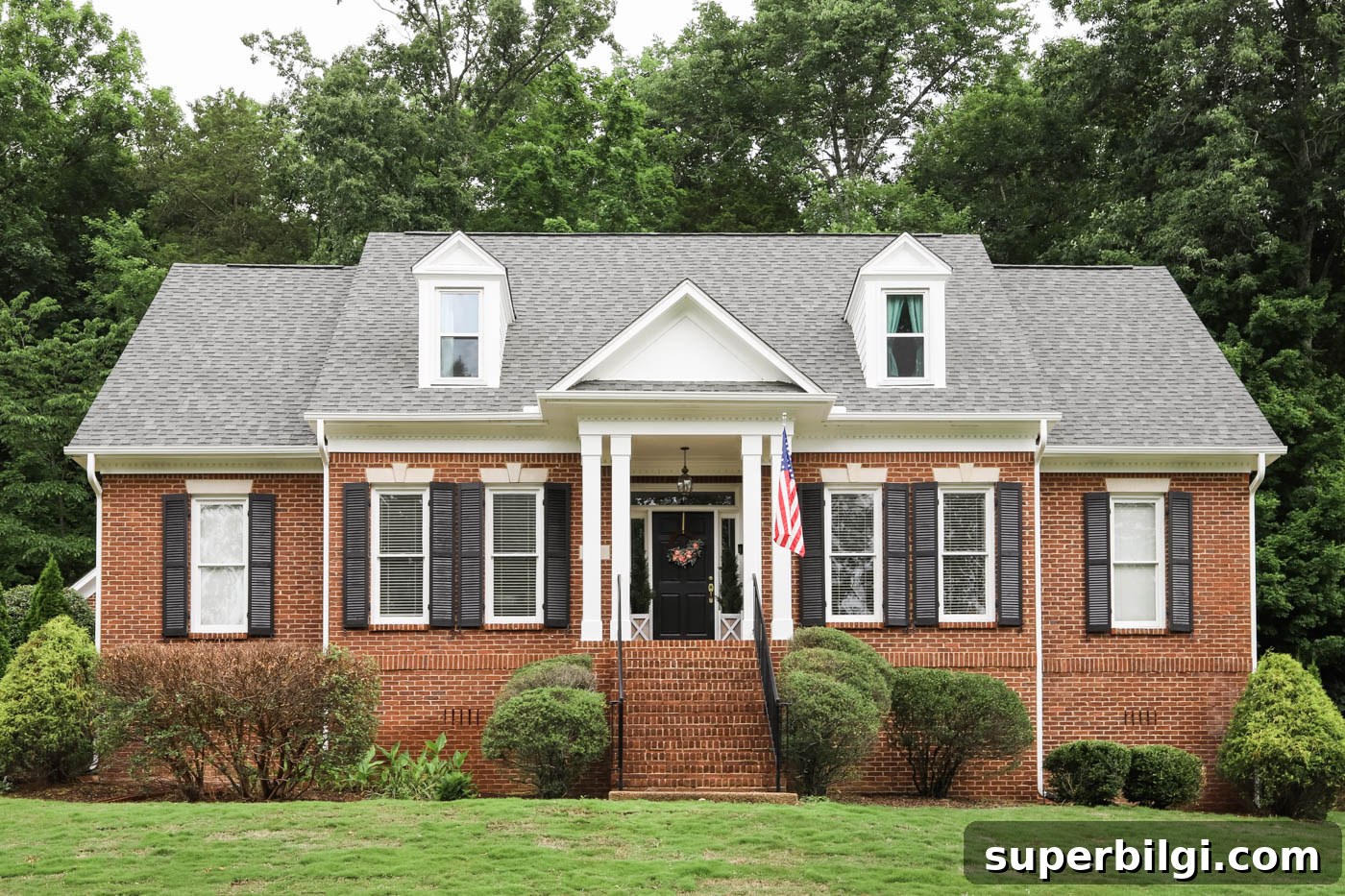
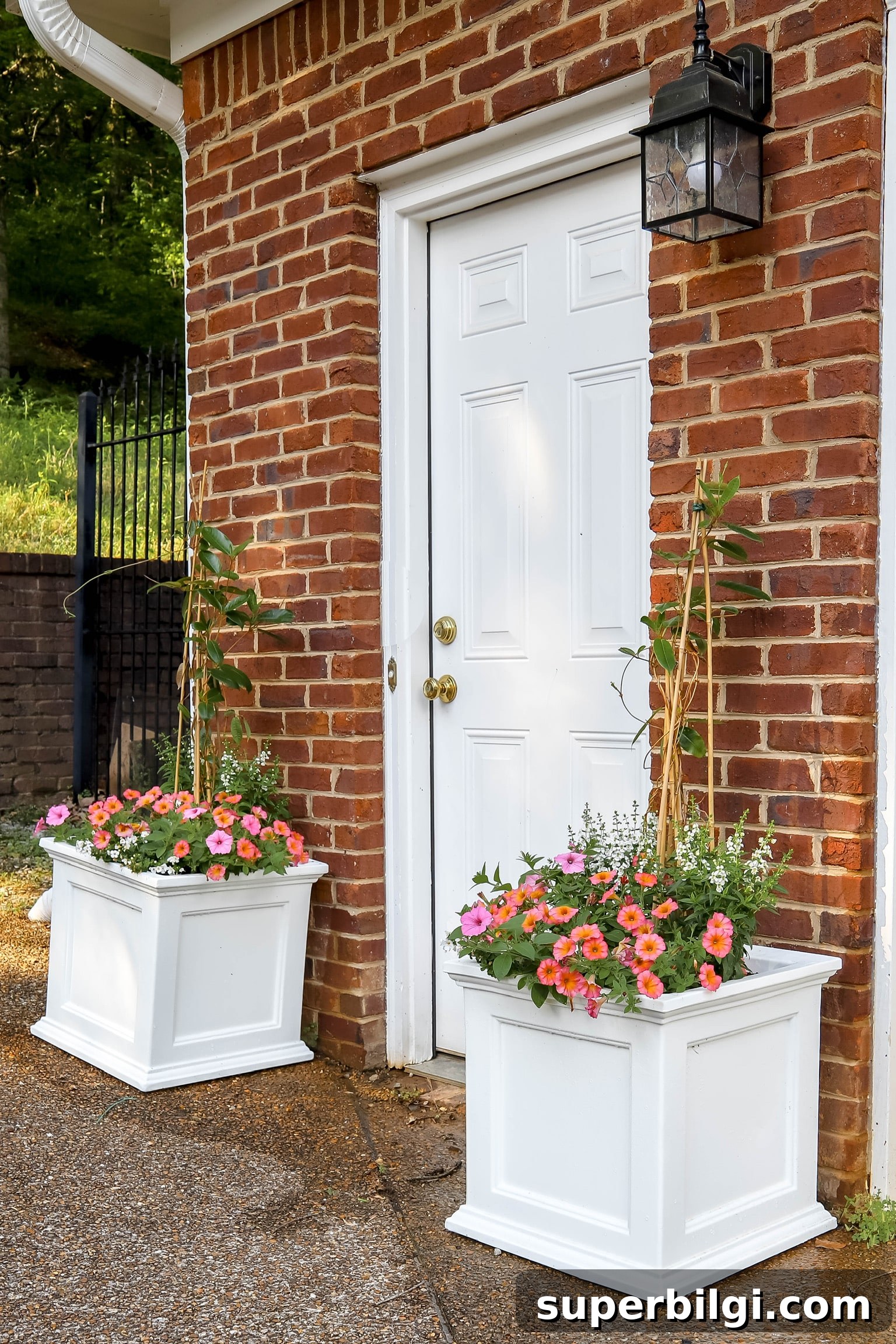
This choice nods to an elm tree that the previous owner planted behind our driveway 17 years ago and to the nearby woods that back our yard. “Manor” felt more fitting than “cottage” for the look and presence of the property—more stately and evocative, even if our plot isn’t technically large.
Create a Logo for Your New House Name
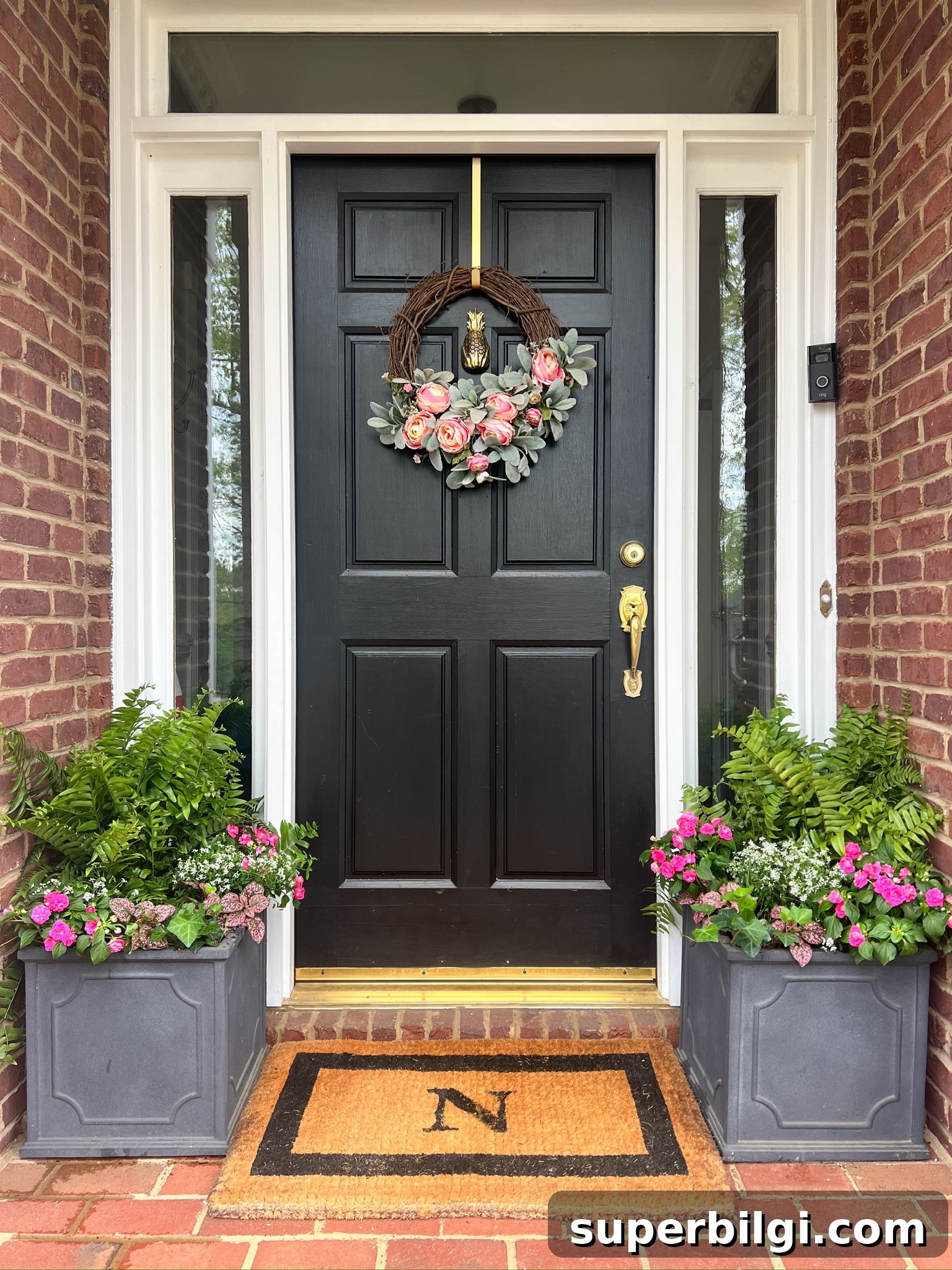
Turn the name into a visual identity. Use design tools to create a simple logo and then produce home items—signs, tea towels, door knockers, or stationery—that feature the name. Choosing colors and a typeface reinforces the personality you want the name to convey.
For Elmwood Manor, I created a logo that echoes the tree and the woodland palette—colors I already love. Next steps include making a front porch sign and a welcome mat so the name feels tangible.

Final Thoughts: Make It Personal, Make It You
Naming your home is a simple, enjoyable way to celebrate the place where you live. Whether you prefer a refined, classic name or a quirky, humorous one, choose something that feels authentic to your family and the life you build there.
A name can become part of the stories you tell about your house—where memories begin and where family traditions grow.
More posts you might enjoy:
- How to Add Curb Appeal to Your Home
- Small Porch Decorating Ideas
- Our Brick House Exterior Makeover
- Create a Whole House Color Palette
- 10 Inspiring Office Decor Ideas