Transform your space with the perfect brown paint. Explore tips, color pairings, and design inspiration to create a cozy and stylish home you’ll love.
Brown paint brings warmth and depth to any room — from soft taupe backdrops to rich chocolate tones. When paired with creamy whites, warm woods, or blue-and-white accents, brown makes a welcoming foundation for a cozy, classic home.
The key is finding the right brown for your space. Some shades lean golden or reddish, while others carry gray or green undertones. Lighting, flooring and furnishings will change how each hue reads, so sample carefully.
Below are brown paint color ideas for bedrooms, living rooms, kitchens and more, plus pairing suggestions and practical tips to help you narrow down favorites.

Brown tones—whether labeled mushroom, taupe or chocolate—are enjoying a revival, offering warmth without feeling dated.
This post contains affiliate links for your convenience. See my full disclosure policy.
Brown Paint Colors at a Glance
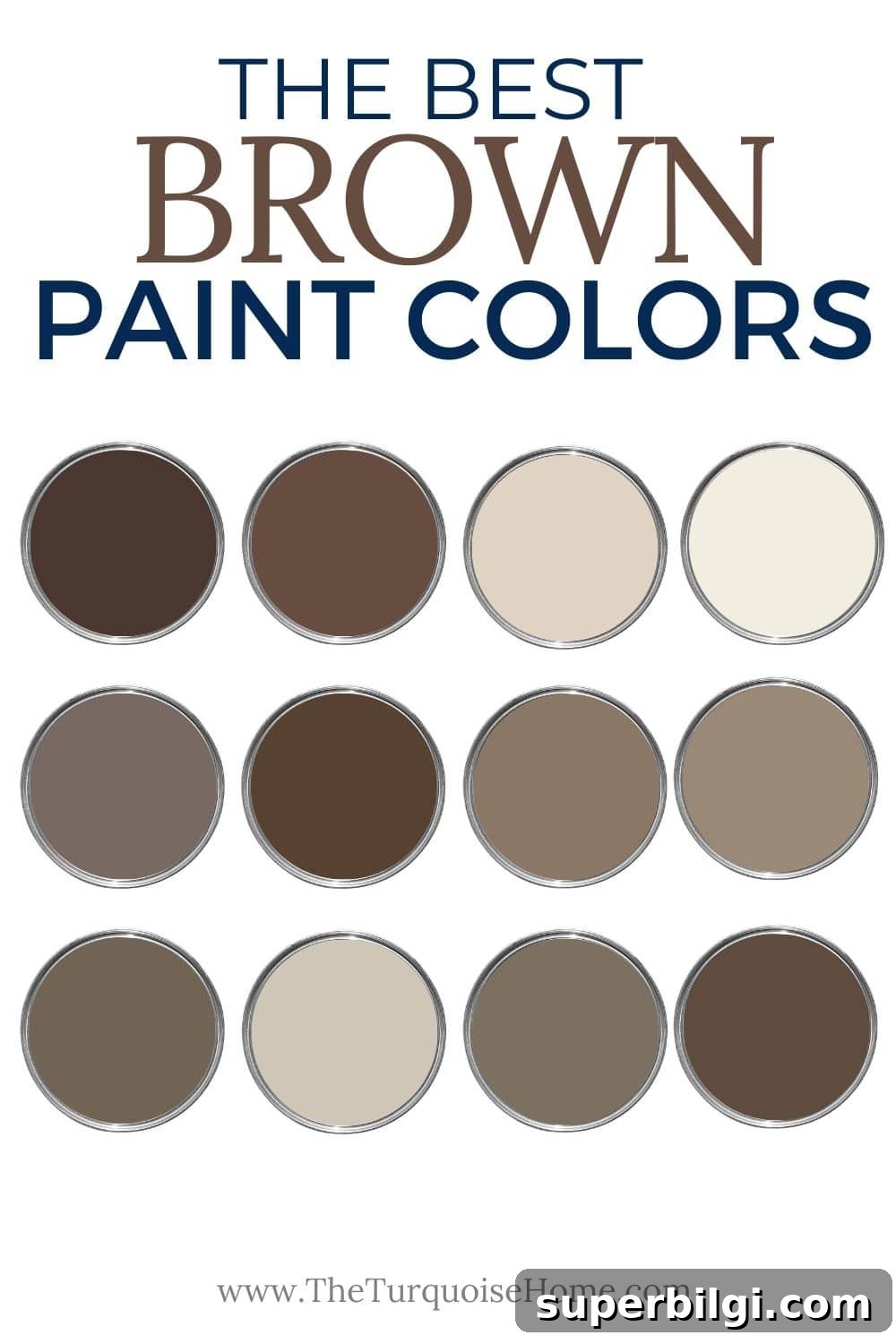
Not sure where to start? Narrow your search by how light or deep you want the walls to feel.
- Light neutral alternative: Accessible Beige by Sherwin-Williams. A beige with gray undertones that works well when you want a lighter, warm backdrop. See the Living Room section.
- Medium brown: Mouse’s Back by Farrow & Ball. A muted gray-brown with green undertones for an earthy, grounded look. See the Kitchen and Dining Room section.
- Deeper muted brown: Davenport Tan by Benjamin Moore. A cozy choice for a bedroom with blue and white accents. See the Bedroom section.
- Deep chocolate brown: Mocha Brown by Benjamin Moore. A rich option when you want greater depth and contrast. See the Living Room section.
- Very deep brown: Tarpley Brown by Benjamin Moore. A bold, moody choice for an office or painted built-ins. See the Home Office section.
Choose the depth that appeals to you, then test one or two favorites beside your flooring and furniture. These suggestions are a starting point—lighting will change how each color looks in your home.
My Experience with Brown
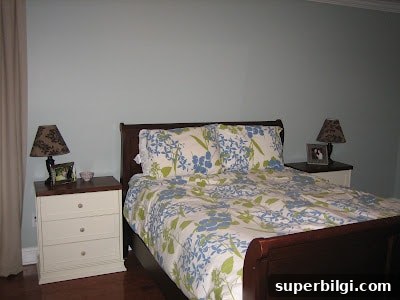
I painted our bedroom Benjamin Moore Davenport Tan and love the cozy backdrop it creates for blue-and-white accents, layered bedding and wood furniture. If you’re considering a deeper neutral, sampling in your own room helps you see how it responds to light and surrounding finishes.
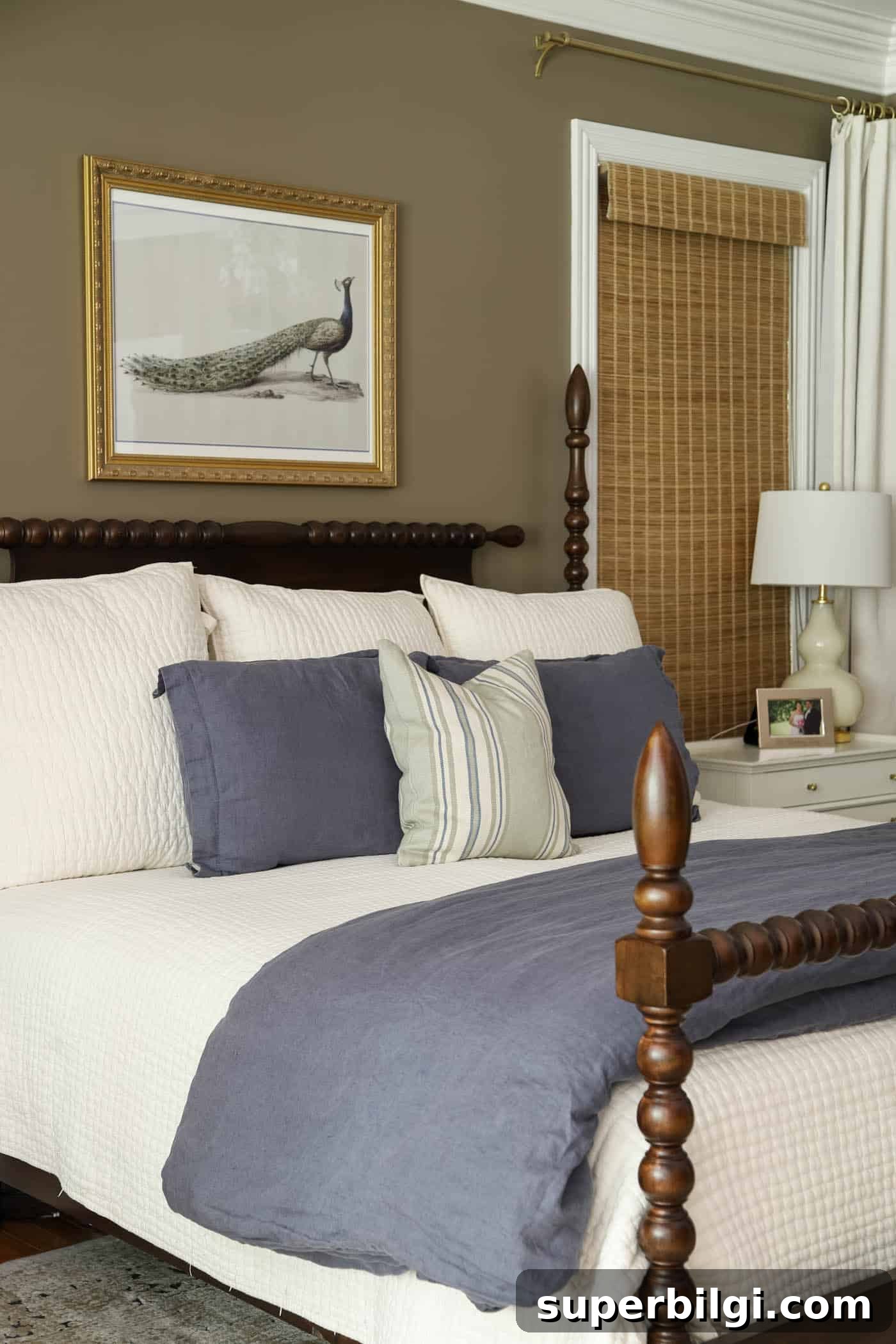
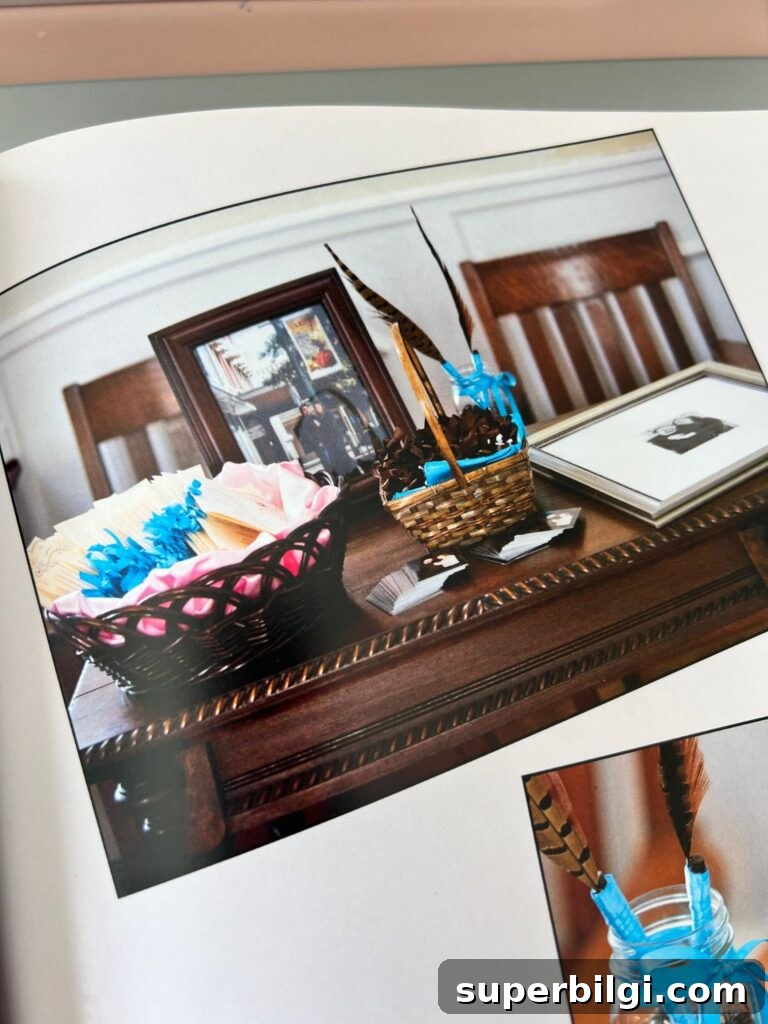
Choosing a brown also brought back personal memories—my wedding palette included chocolate brown and turquoise, and seeing those tones together in our bedroom felt like a full-circle moment. It reminds me how much surrounding colors influence the final result: the same brown can read very differently beside other finishes.

Comparing samples in your own room is essential. Let’s explore some top brown paint picks and how to use them by room.
Why Choose Brown Paint?
Brown is more than a neutral backdrop. It evokes warmth, nature and stability—qualities that anchor a room and create a calming atmosphere. Inspired by wood, leather and stone, brown tones look great in both modern and rustic interiors.
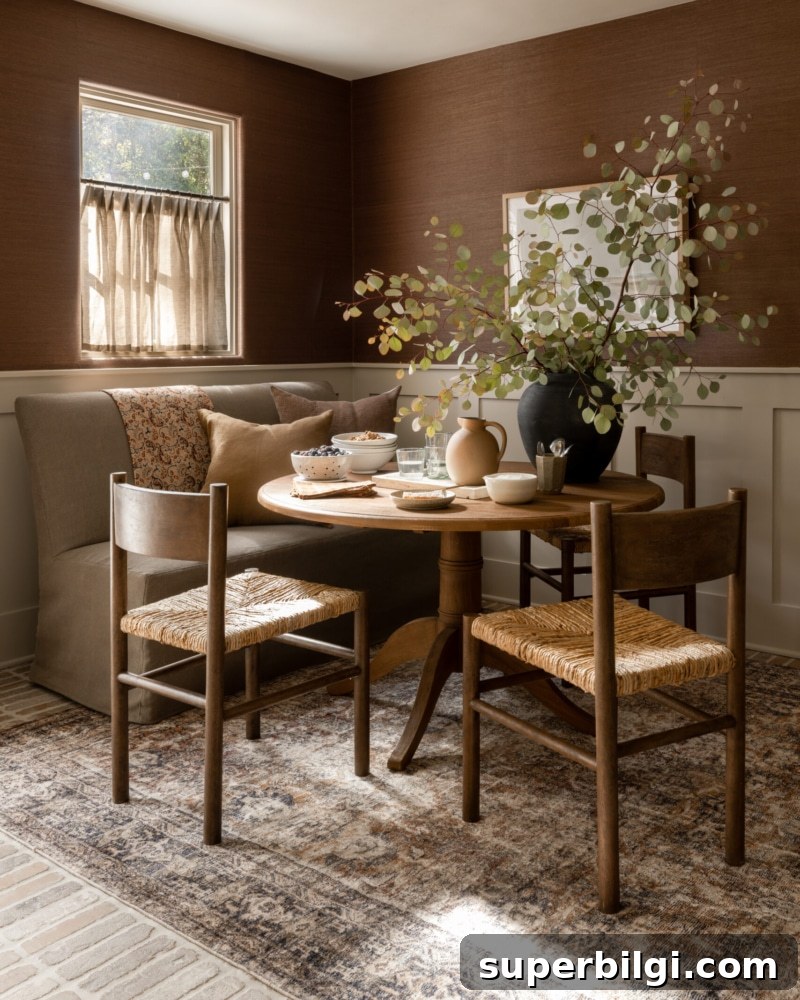
Brown is versatile: it can create a dramatic focal wall or an understated backdrop. It pairs well with nearly every color and style, from coastal to classic to contemporary.
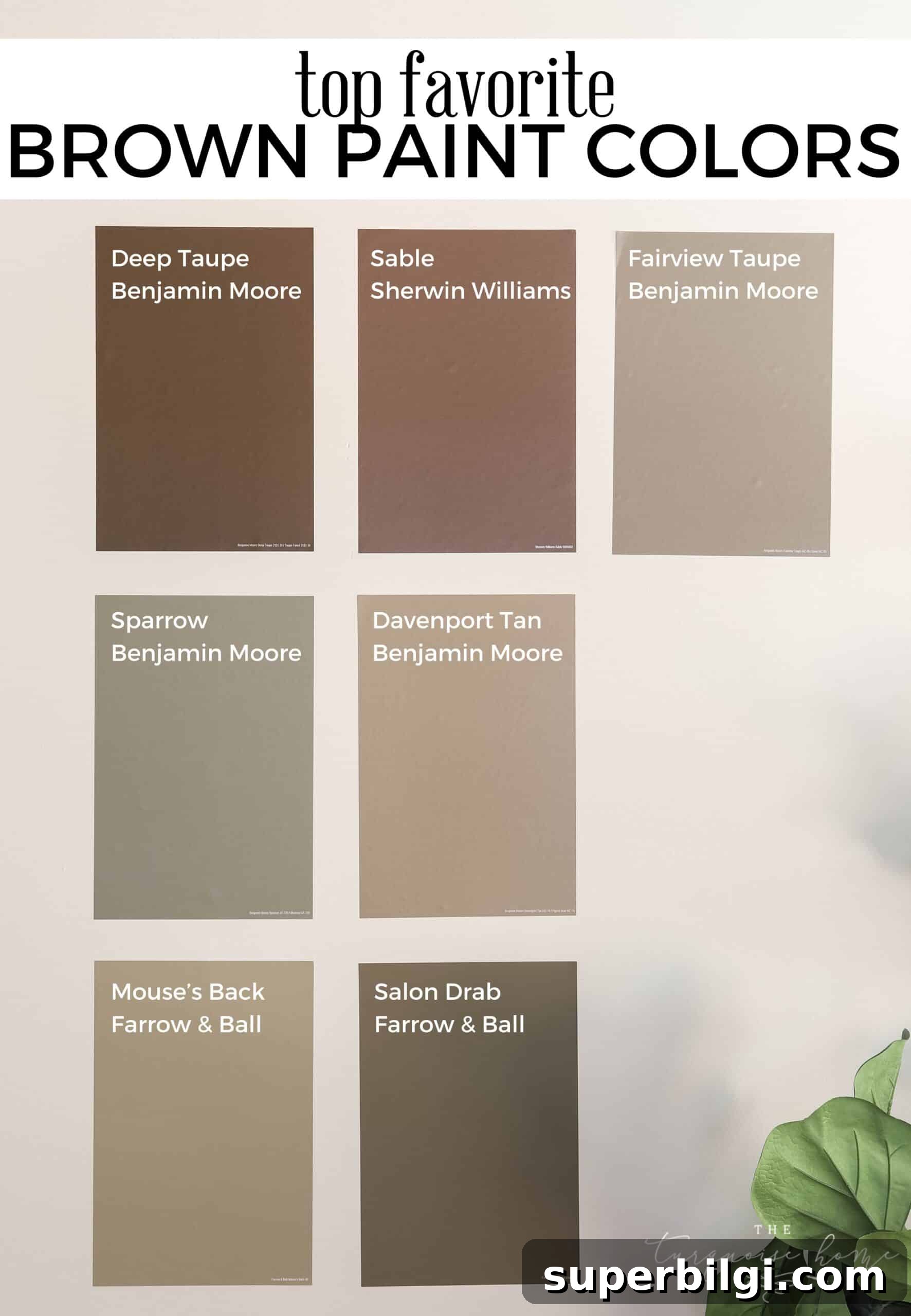
After a long run of cool grays and stark black-and-white palettes, a wave of warmer beiges and browns is bringing softness back into interiors. These tones add depth and romance that cold grays often lack.
Choosing the Right Brown Paint for Every Room
Start by assessing what’s already in your room—flooring, cabinets, countertops and large furniture. Compare a few paint samples beside those finishes to find a balanced, inviting combination.
Browns can have warm (yellow, orange, red) or cool (green, gray) undertones. Neither is right or wrong—pick the undertone that complements your decor. Test large samples on more than one wall and check them in morning, afternoon and in artificial light. If you’re painting cabinets, place samples vertically beside countertops and backsplash.
Narrow your options to two or three favorites to keep the decision manageable.
1. Living Room
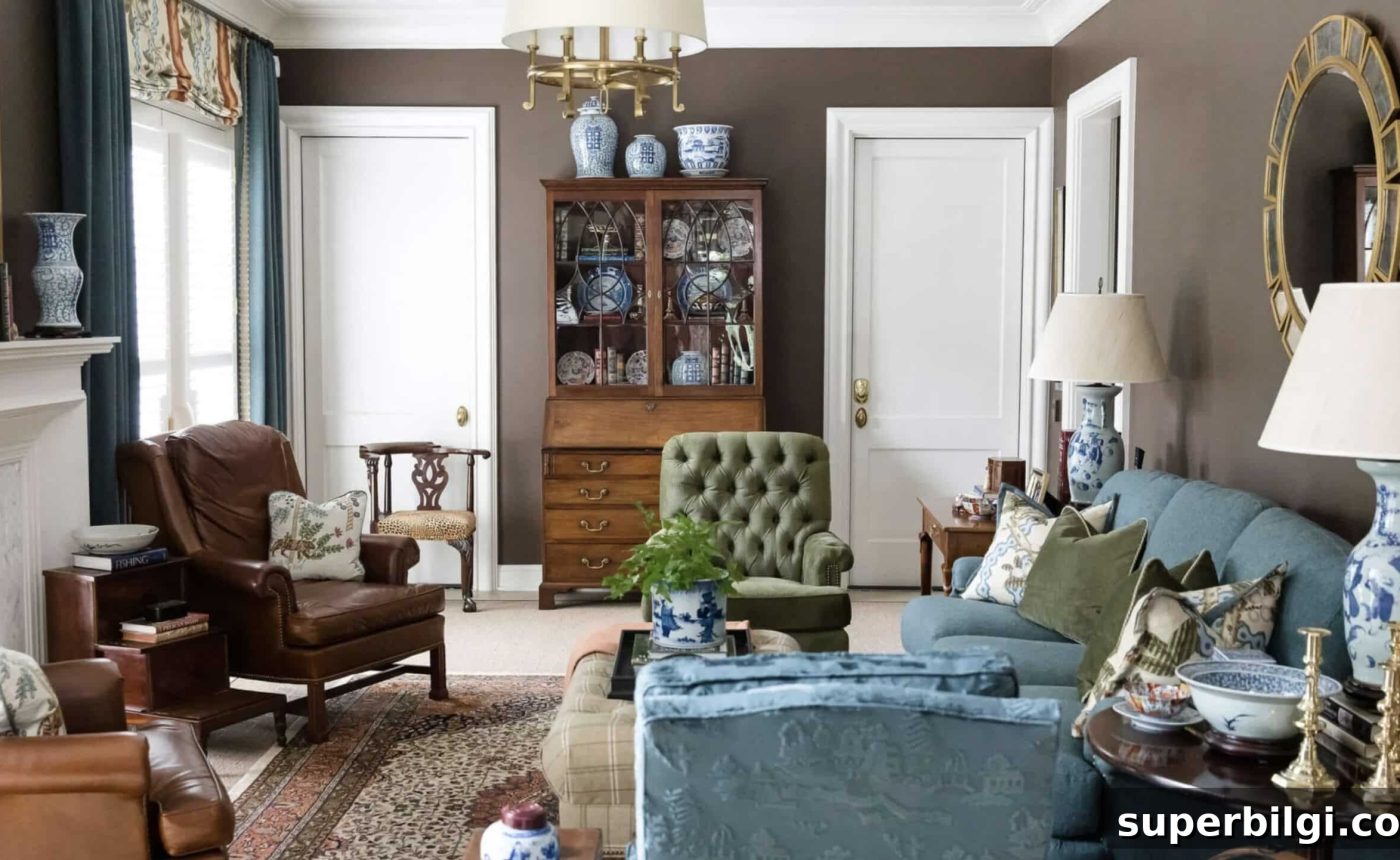
The living room is the heart of the home, and brown creates an inviting, cozy atmosphere. Warm mid-tones pair beautifully with cream or beige furniture for a classic look. For a more modern feel, try deep chocolate browns with navy or gold accents to add sophistication.
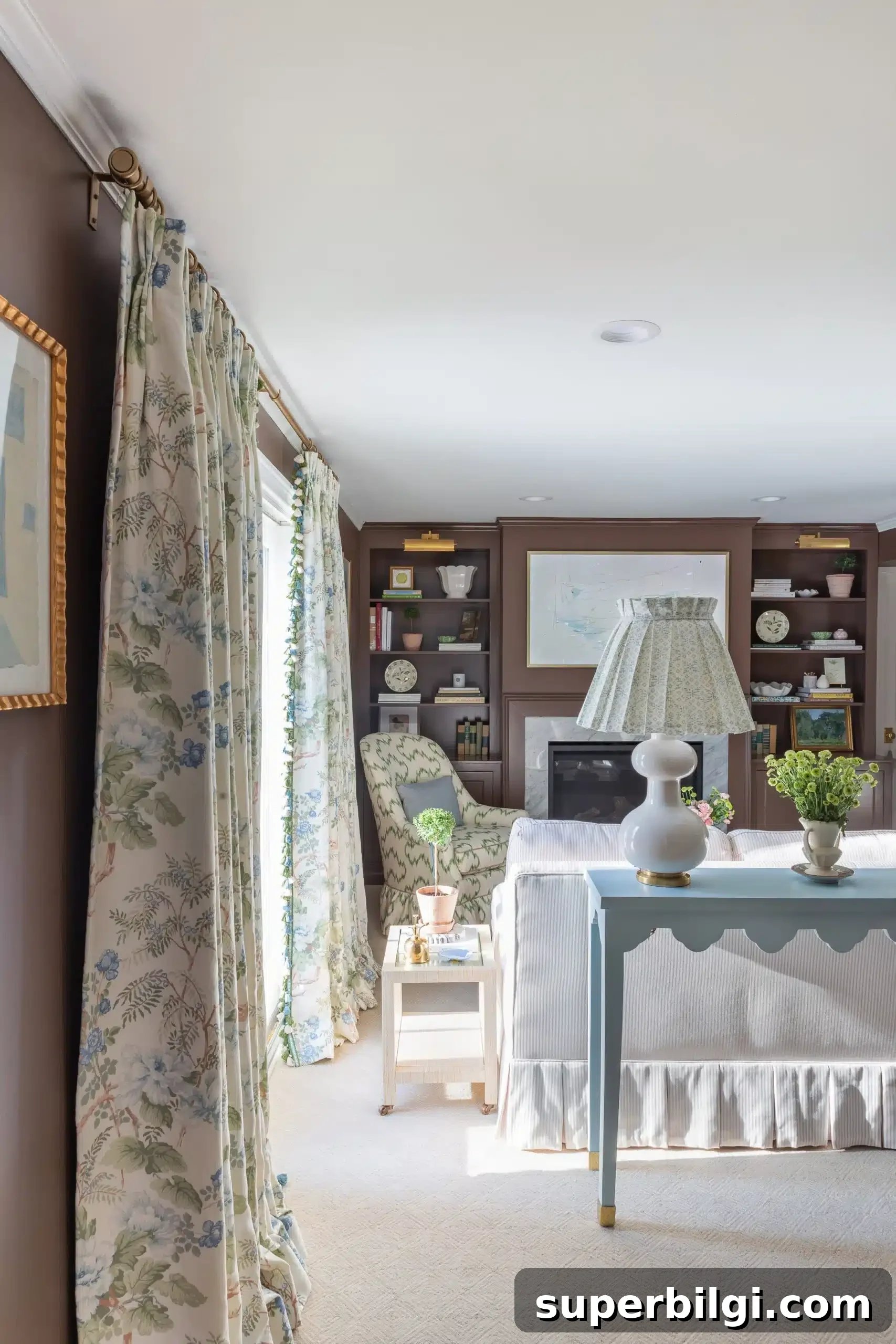
Pro Tip: Choose matte or eggshell finishes in living rooms to keep walls soft and inviting.
Recommended Shades:
- Sherwin-Williams Sable — Great for a cozy living room with an impactful brown backdrop. Pairs well with ivory upholstery, blue accents and brass lighting.
- Benjamin Moore Mocha Brown — A rich chocolate tone that pairs with soft whites, muted blues and warm gold accents.
- Sherwin-Williams Accessible Beige — A lighter warm neutral when full brown walls feel like too much. Pairs with cream upholstery and woven textures.
2. Bedroom
Brown in the bedroom creates a restful haven. Light taupes with crisp white bedding give a relaxed, beachy vibe. For a more luxurious look, choose deeper browns and layer jewel-toned bedding like emerald or sapphire.
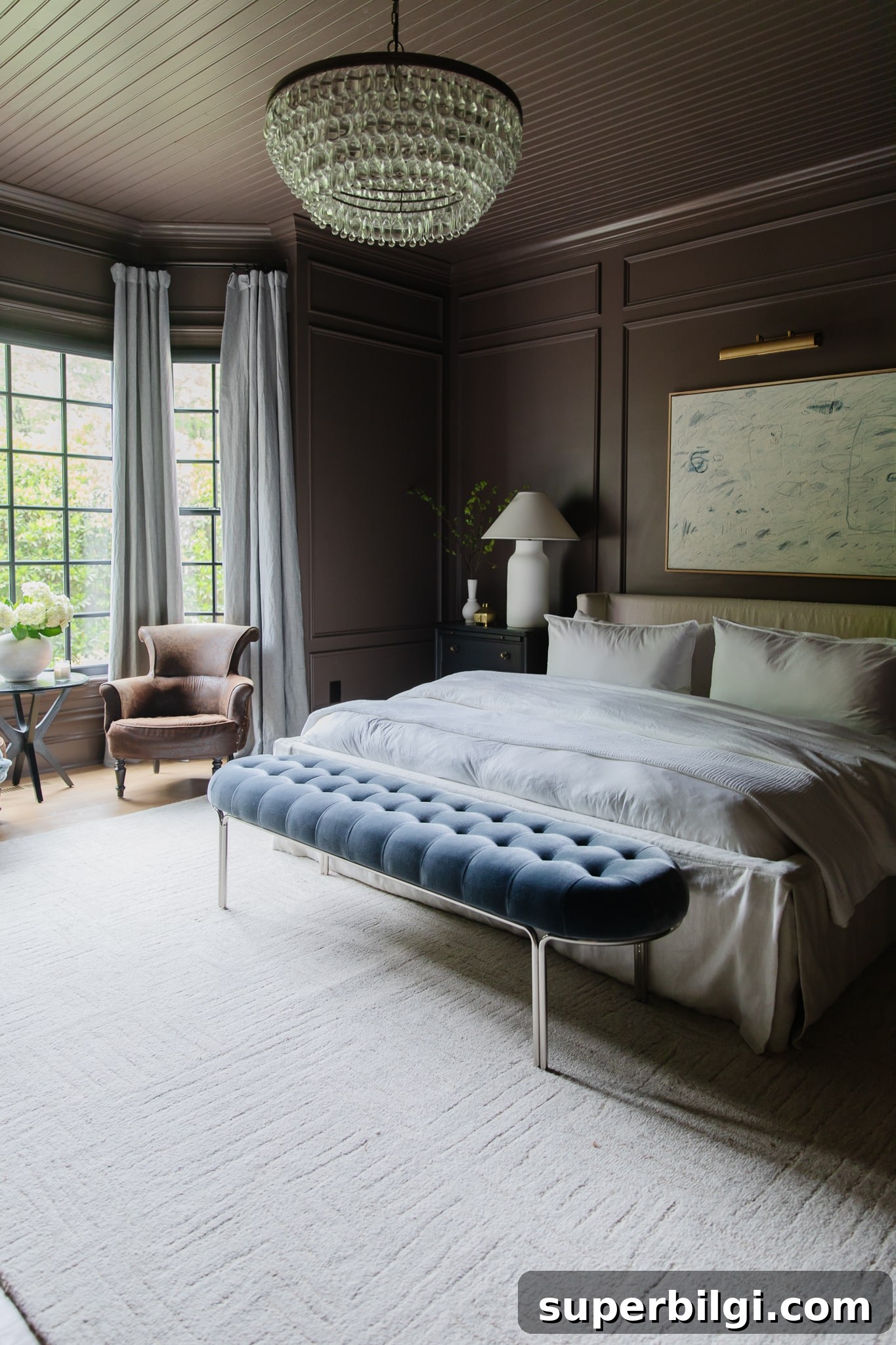
Pro Tip: Add texture with wood furniture or a textured accent wall to create depth.
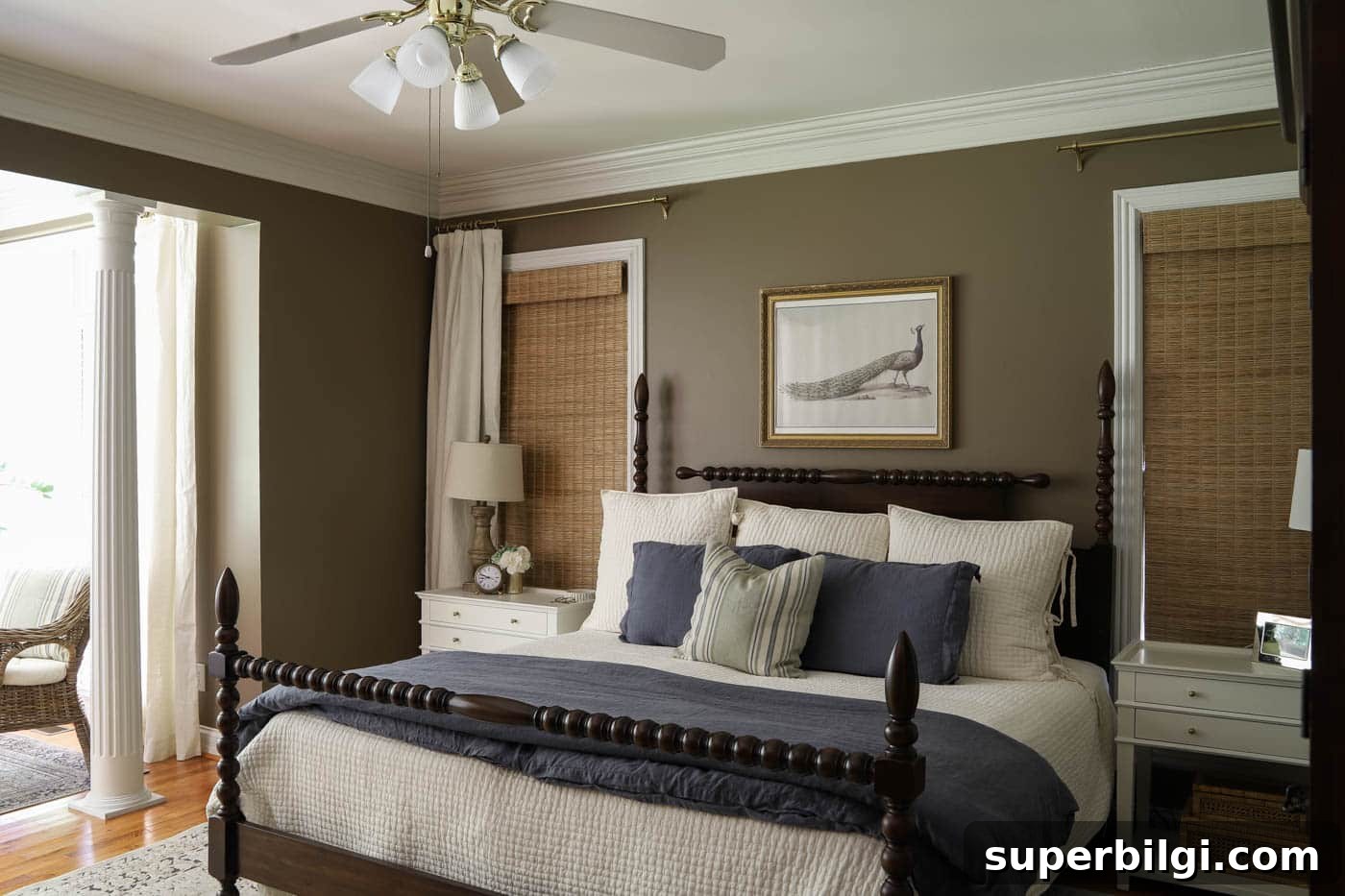
Recommended Shades:
- Farrow & Ball London Clay — An earthy brown with warm, rosy character. Pairs with off-whites, dusty pinks and layered linens.
- Benjamin Moore Davenport Tan — A muted, cozy brown that pairs beautifully with blue-and-white accents, creamy bedding and wood furniture.
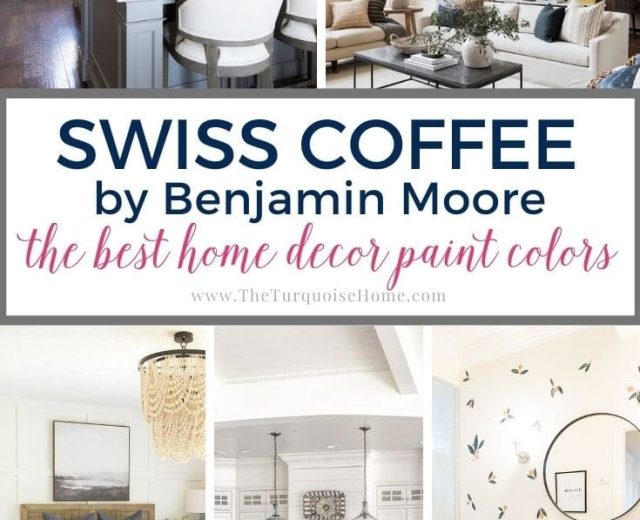
- Benjamin Moore Swiss Coffee — If you prefer lighter walls, Swiss Coffee is a warm white that complements wood furnishings and brown accents.
3. Kitchen and Dining Room
Brown in kitchens and dining rooms adds cozy, earthy charm. Caramel or cinnamon tones invite conversation and comfort. For a modern approach, use an espresso backsplash with soft beige walls to balance richness and light.
Pro Tip: Use washable wall paint for kitchens and opt for specially formulated cabinet paints if you’re painting cabinetry.
Recommended Shades:
- Farrow & Ball Salon Drab — Deep chocolate ideal for dining rooms or painted cabinets. Pairs with off-whites, antique brass and natural wood.
- Benjamin Moore Cocoa Butter — A lighter neutral alternative with warm undertones. Sample near countertops, as pinky undertones can appear with certain surfaces.
- Farrow & Ball Mouse’s Back — A popular muted gray-brown for cabinets and earthy dining spaces; works well with soft whites and woven textures.
Mouse’s Back is a widely used cabinet color for a reason — it creates an elegant, muted backdrop that complements many surfaces.
4. Bathroom
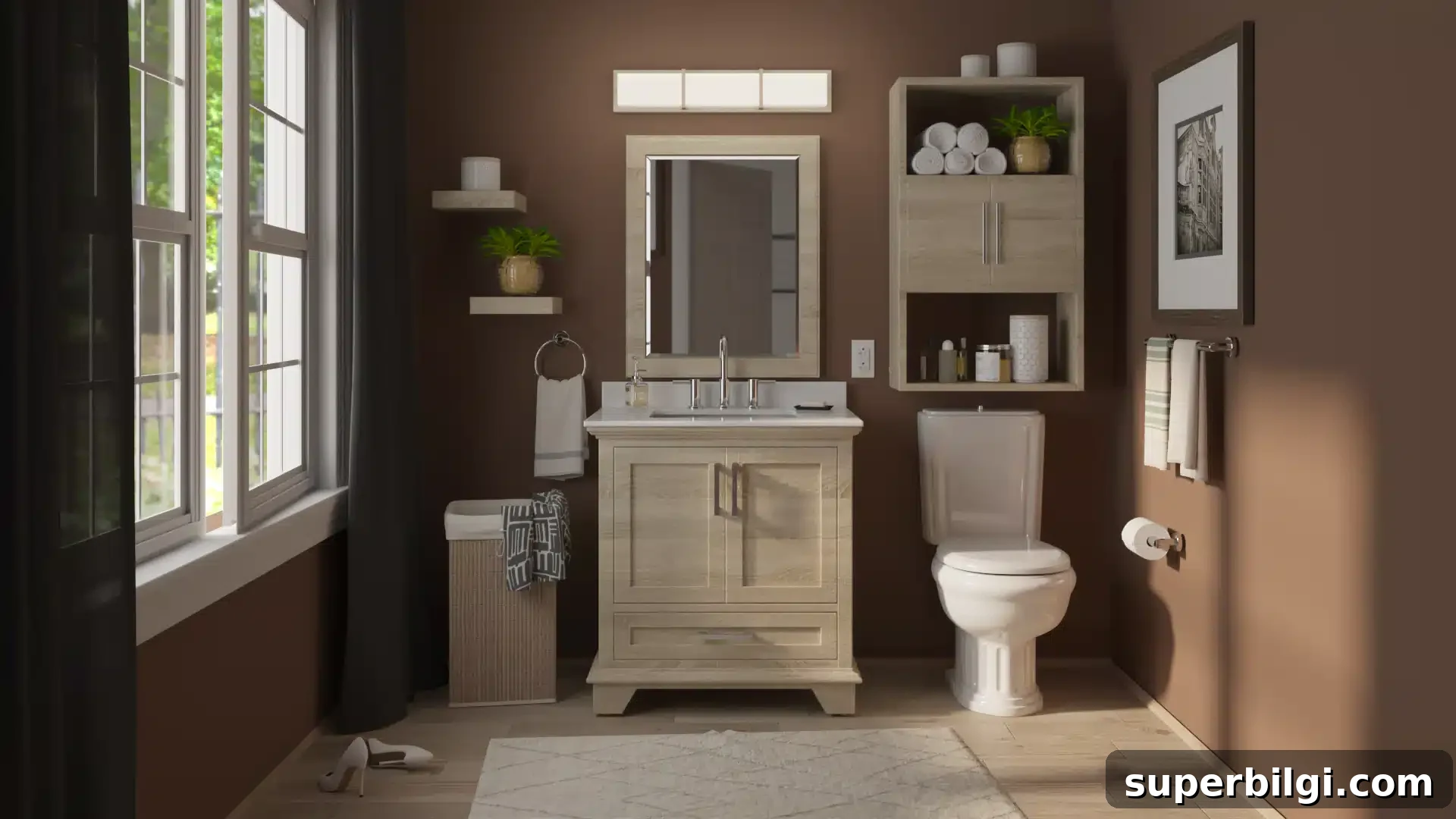
Brown hues can give bathrooms a spa-like warmth. Soft taupes and sandy tones pair beautifully with white tile, while deeper mahogany or coffee tones add drama to larger spaces.
Pro Tip: Elevate a brown bathroom with metallic fixtures in copper, brass or gold.
Recommended Shades:
- Valspar Rue Bourbon — A deep brown for powder rooms or accent vanities. Pairs with cream towels and brass accents.
- Benjamin Moore Fairview Taupe — A deep neutral with earthy warmth; pairs with light stone and wood accents.
- Behr Dark Truffle — Dramatic and rich, ideal for a statement powder room or painted vanity.
5. Home Office
A dark, wood-paneled office is timeless; if you don’t have real paneling, a deep brown wall can recreate that moody, classic vibe. Brown promotes a grounded, focused atmosphere—ideal for productive work.
Pro Tip: Decide whether you want an airy or intimate office: a lighter greige opens a space, while a deep brown makes a small room feel cozy. Sample both with your desk and lighting before committing.
Recommended Shades:
- Farrow & Ball Mouse’s Back — Muted, earthy, and excellent for an office palette.
- Behr Castle Path — A lighter neutral that pairs well with cream textiles and woven storage.
- Benjamin Moore Tarpley Brown — A richly colored choice for built-ins or statement doors.
- Benjamin Moore Deep Taupe — A moody, substantial option for focused, elegant spaces.
How to Pair Brown with Other Colors
Brown works with a wide range of colors. Here are combinations that consistently look great:
- Brown + White/Beige — Timeless and clean; creates a minimal, warm foundation.
- Brown + Blush Pink — Soft and romantic, adds a feminine warmth.
- Brown + Green — A nature-inspired pairing that feels calming and grounded.
- Brown + Blue — Cool blues balance brown’s warmth, ideal for coastal or contemporary styles.
- Brown + Gold — Metallic gold adds luxe depth to rich brown walls.
Tips for Picking the Best Brown Paint Color
Not sure where to start? Use these practical tips to find a brown that suits your home.
- Consider the Light: Test samples at different times of day. Natural and artificial light drastically change how a color reads.
- Know Your Undertones: Choose warm or cool undertones based on existing finishes and fabrics in the room.
- Stick to Your Style: Lighter browns feel modern and airy; deeper browns offer classic richness and drama.
- Start Small: Not ready for full walls? Try painted furniture, cabinetry, or accent pieces to evaluate the color.
Find the Right Brown for Your Home
Whether you prefer soft taupe or deep chocolate, the right brown paint can create a collected, cozy feeling. Pick two or three samples from this guide, place them next to your flooring and furniture, and observe them throughout the day and at night.
You don’t need to sample every shade—give your favorites a fair test so you can see how they behave in your space. If you’d like inspiration, see our bedroom painted in Benjamin Moore Davenport Tan.
Which brown paint would you like to try? Share your thoughts in the comments.
More Posts You Will Love:
- The Paint Colors in my Home
- Samplize Peel and Stick Paint Samples Review
- Benjamin Moore Palladian Blue {Paint Color Spotlight}
- Best Living Room Paint Colors
- The Best Blue Green Paint Colors for Your Home