Have you ever walked into a room and instantly sensed that something felt… off? Even beautiful furniture can lose its impact when common décor mistakes undermine the overall look. Small details—wrong proportions, poor lighting, clutter—can make a space look inexpensive or unfinished, even if that’s not your intention.
Good news: you don’t need luxury pieces or a professional designer to improve the look of your home. A few targeted changes can quickly lift the style and make your rooms feel intentional and polished.
There are always exceptions, but in most cases these 12 common problems will make a space feel less refined. Below I’ll explain each issue and offer practical fixes you can implement without a huge budget or a total remodel.
This post contains affiliate links for your convenience. See my full disclosure policy.
Top 12 Ways That Make Your Home Look Cheap
If you want a home that feels cozy, cohesive, and thoughtfully designed, start by correcting common décor missteps. Here are 12 issues that frequently undermine interiors—and how to fix each one.
1. Misplaced Curtains
Hanging curtains too low or using the wrong length can make windows and ceilings look smaller. The simple rule: hang curtains high and wide. Placing the rod close to the ceiling visually raises the room, and wider panels create the illusion of larger windows.
- Curtain rod about 1 inch below the ceiling or crown molding
- Extend the rod 8–12 inches beyond the window frame on each side
- Panels should either graze the floor or sit about 1/2 inch above it
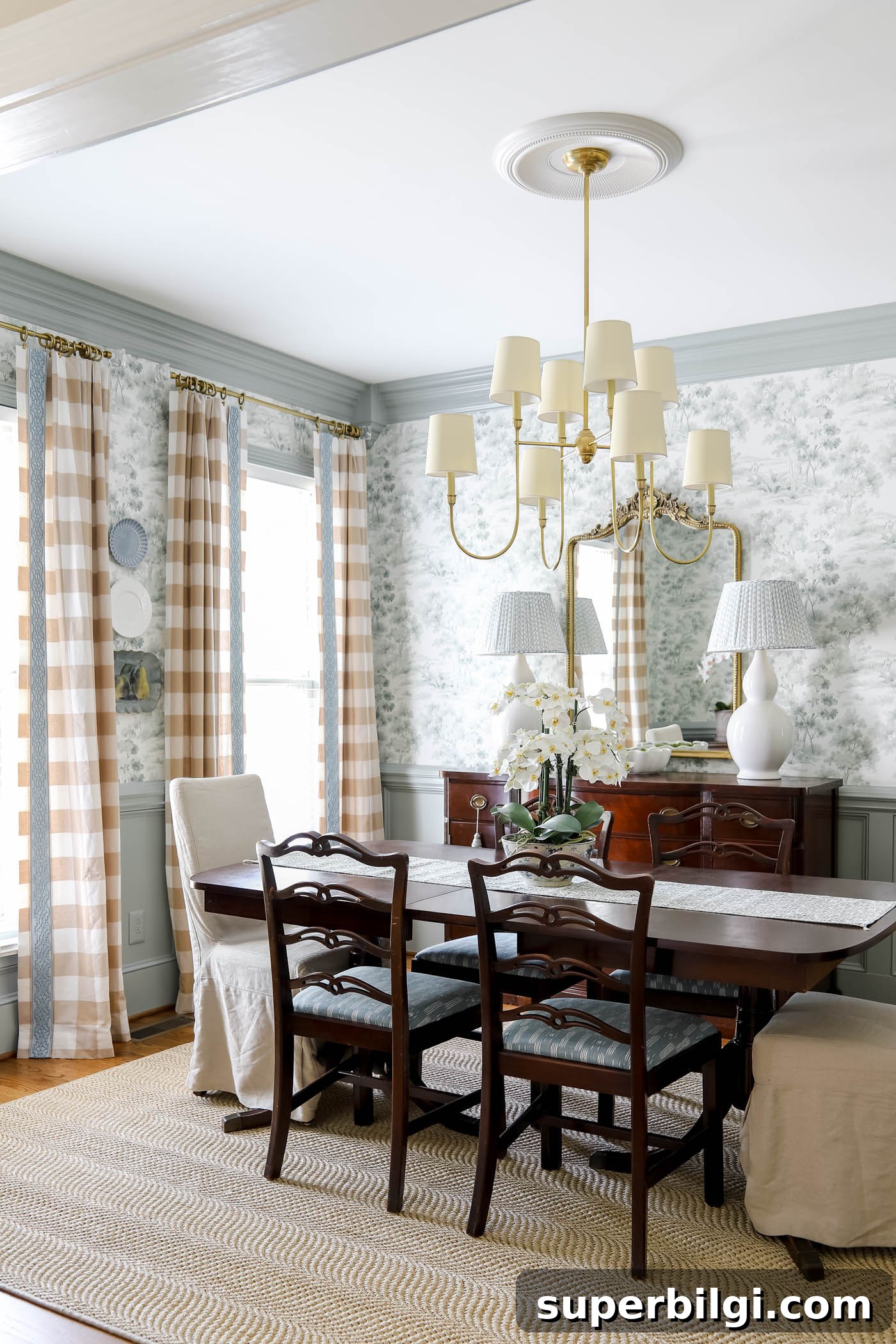
Fix it: Replace ill-fitting curtains with the correct length and hang them higher. This one change dramatically improves proportion and polish.
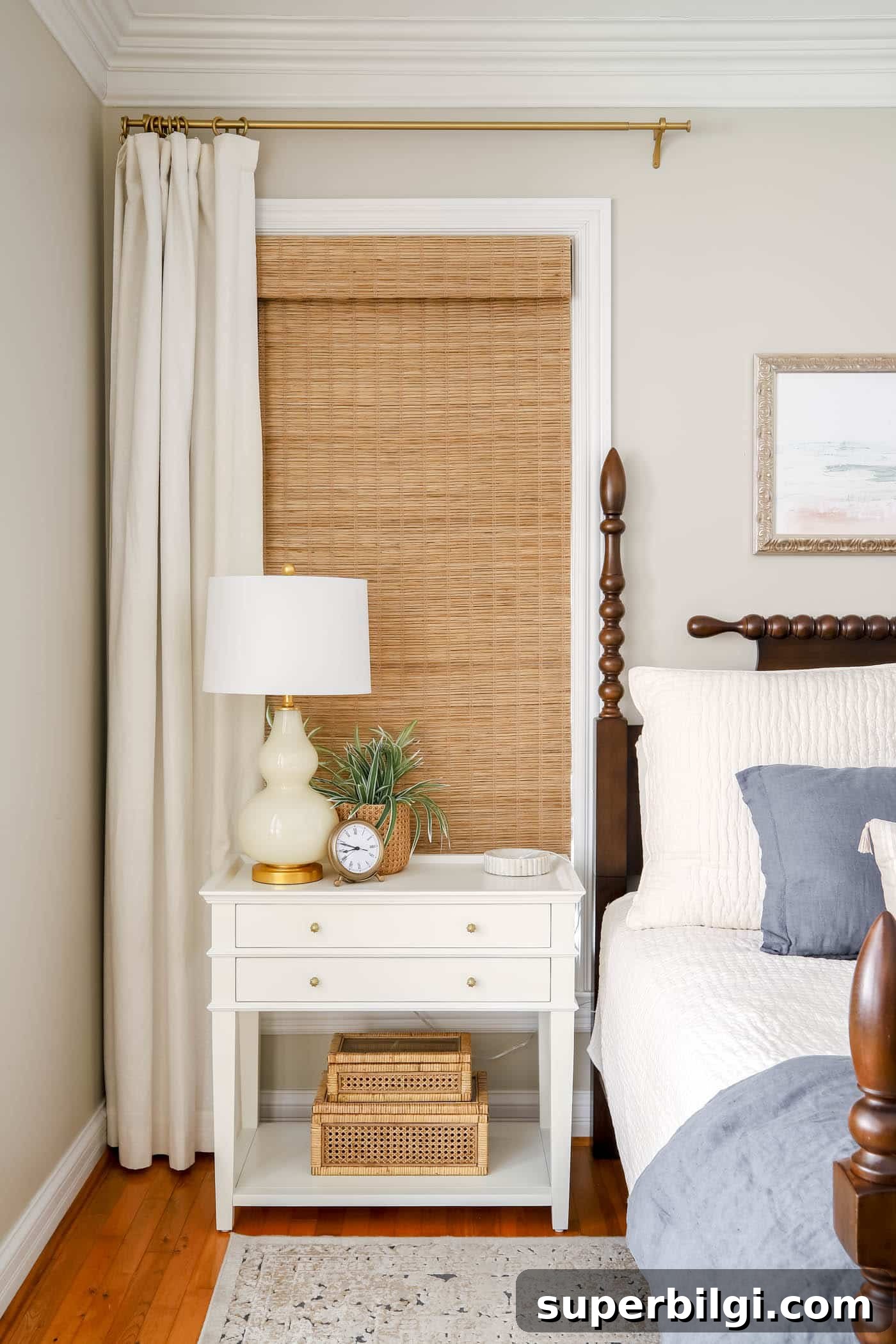
2. Wrong-Sized Rugs
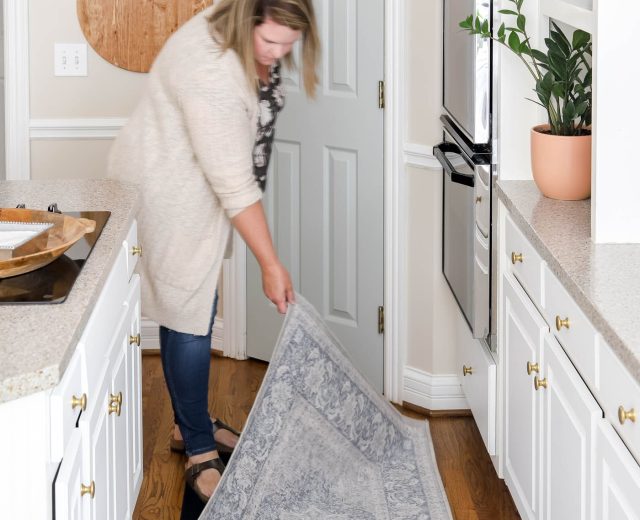
A rug that’s too small can make a room feel disjointed and cold. Rugs bring warmth, texture, and cohesion—so choose the largest size that fits the space.
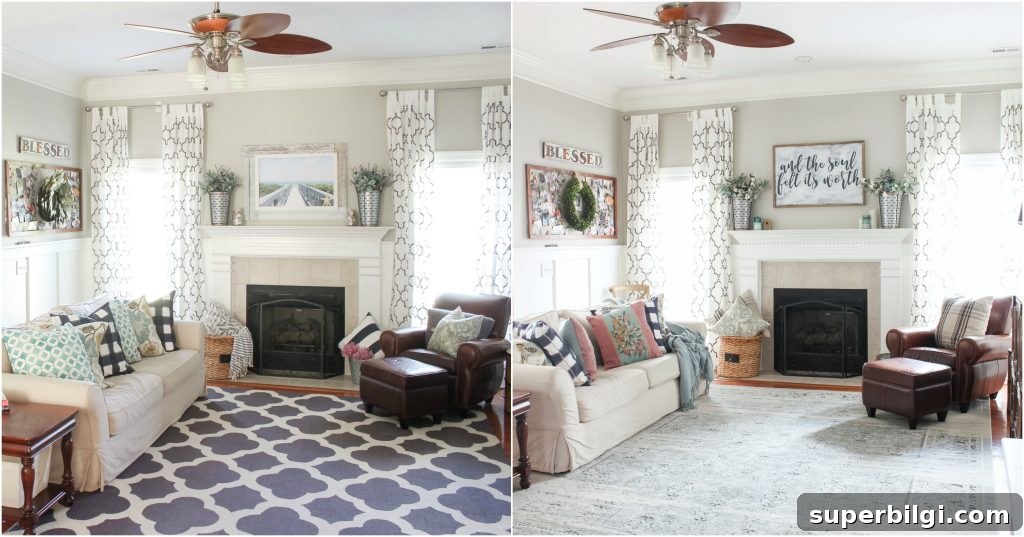
Fix it: In a living room, aim for a rug that at least accommodates the front legs of sofas and chairs. In the dining room, choose a rug that extends past the chairs so they remain on the rug when pulled out.
3. Matchy-Matchy Furniture
Buying a full matching set can make a room feel showroom-generic. A more curated look comes from mixing finishes, eras, and textures so the space feels collected over time.
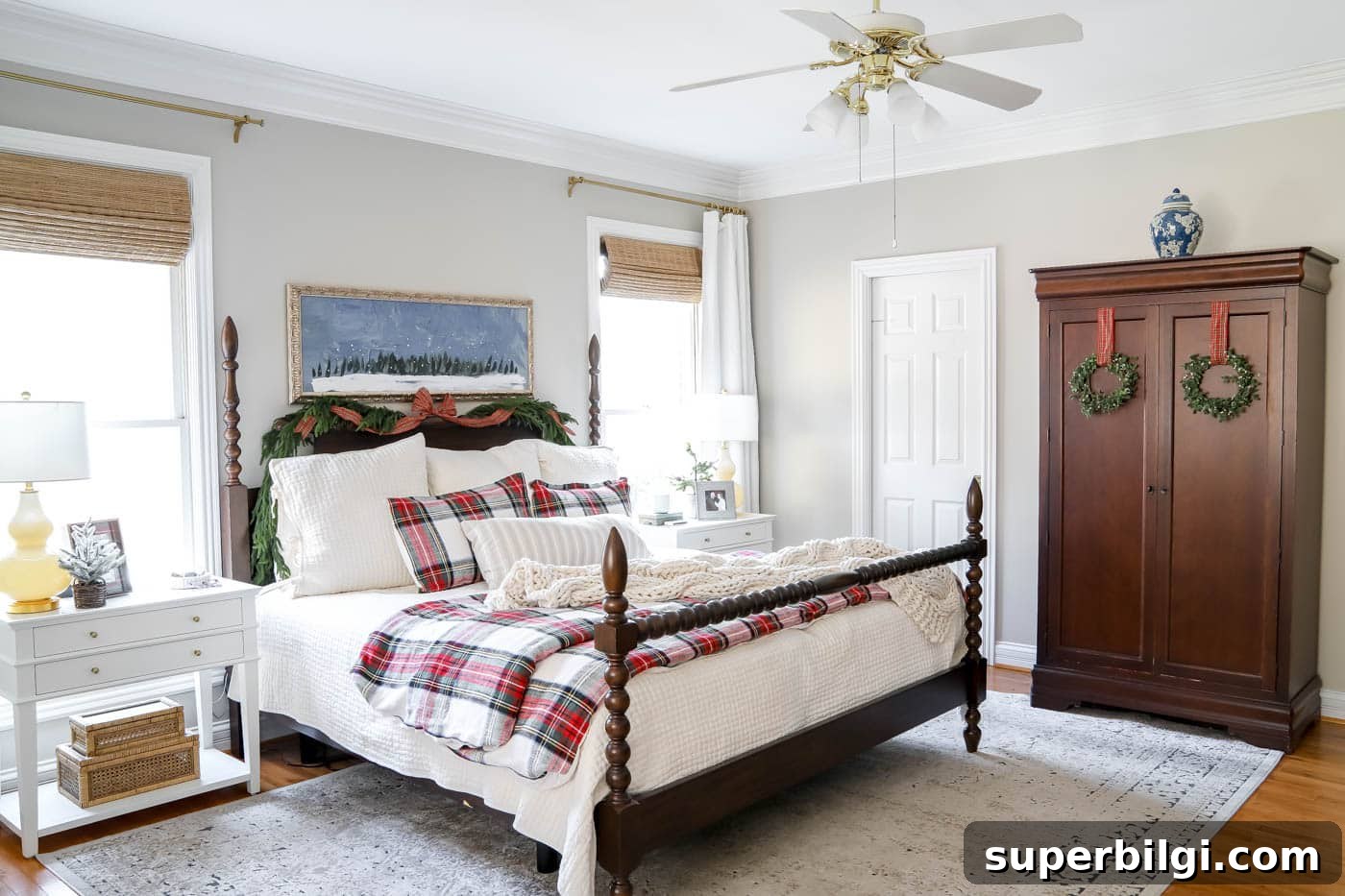
Fix it: Swap pieces between rooms, or buy individual items to coordinate rather than a single set. Contrast—like a white nightstand against a dark bed—adds depth.
4. Poor Lighting Choices
Lighting is often overlooked but it defines mood and highlights design. Relying on harsh overhead lighting or undersized fixtures makes rooms feel flat.
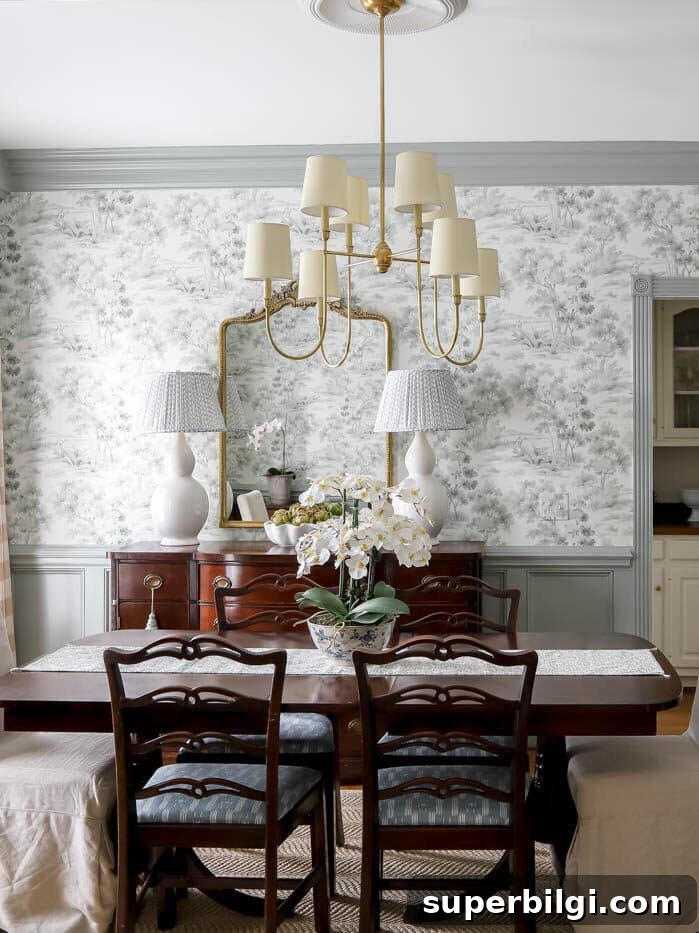
Fix it: Layer lighting—combine ambient overhead lights with task and accent lighting like table and floor lamps. Use warm bulbs to create a welcoming glow and choose fixtures scaled to the room.
5. Ignoring Cords and Wires
Visible cords and tangled wires instantly make a room look untidy. Hiding or organizing them creates a cleaner, higher-end appearance.
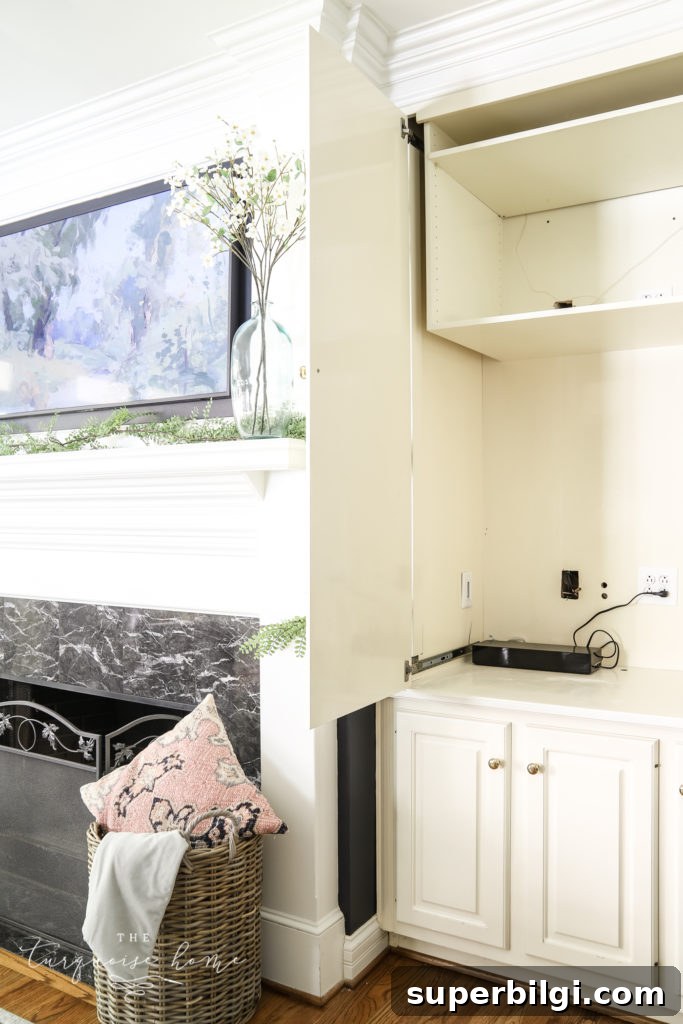
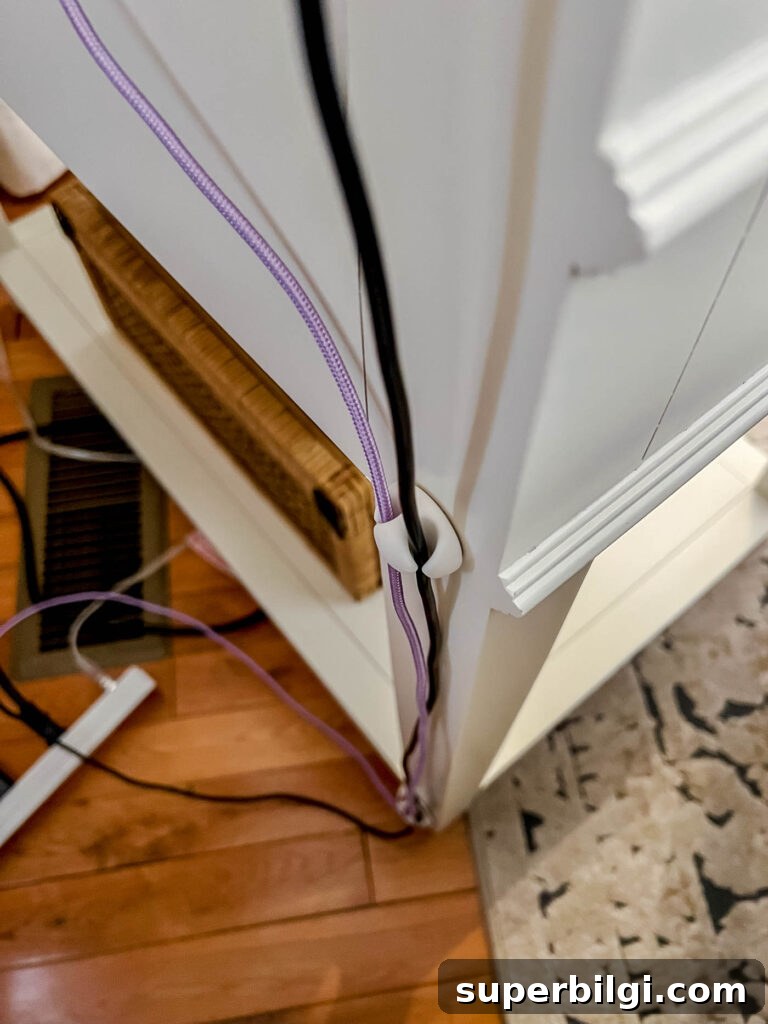
Fix it: Use cord organizers, raceways, or concealment solutions. When possible, route cables through the wall for a seamless look.
6. Misaligned or Wrong-Sized Art
Artwork hung too high or pieces that are too small can make walls feel sparse and poorly considered. Proportion and placement matter.
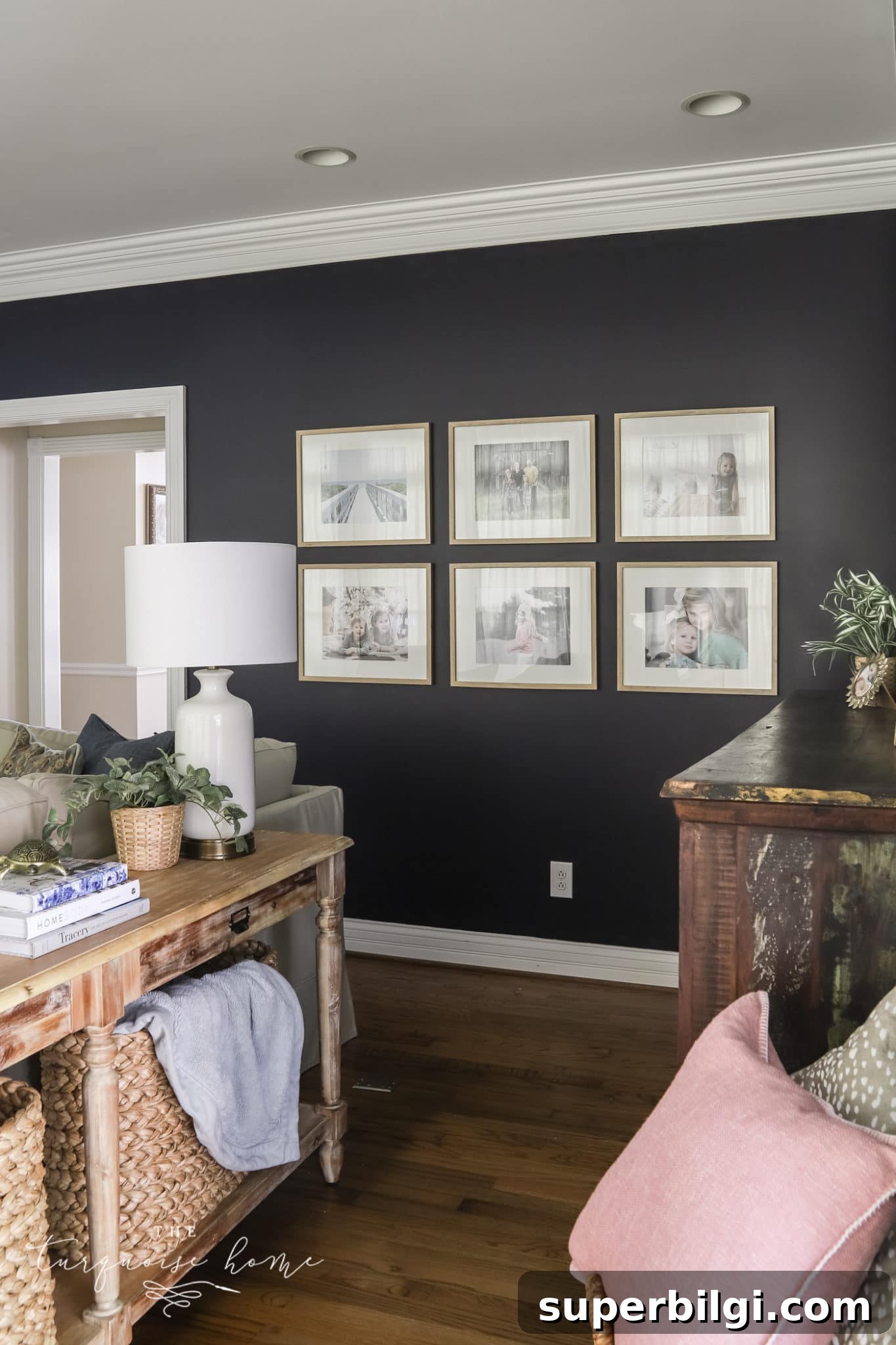
Fix it: Aim to place the center of artwork around 57″–60″ from the floor. For gallery walls, use consistent framing and balance. When possible, choose one larger statement piece rather than many tiny prints.


7. Accent Walls
An isolated accent wall can feel like an unfinished decision. When only one wall is treated, it can suggest you ran out of paint or budget.
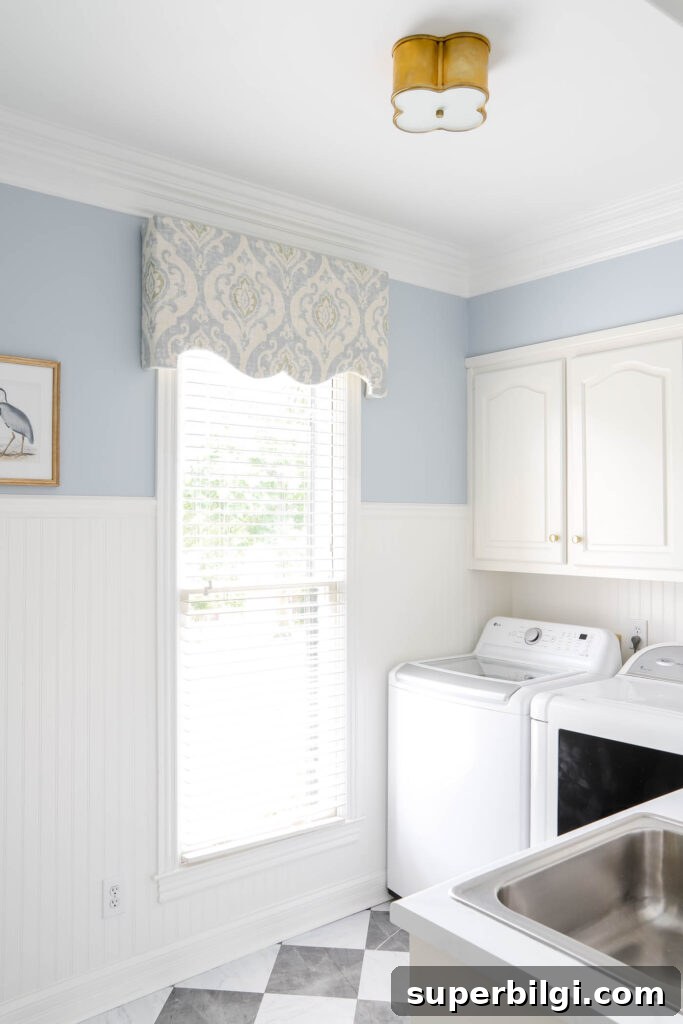
Fix it: Consider treatments that span more of the room—beadboard, wall molding, or wallpaper applied above a trim line create continuity and feel intentional across the space.
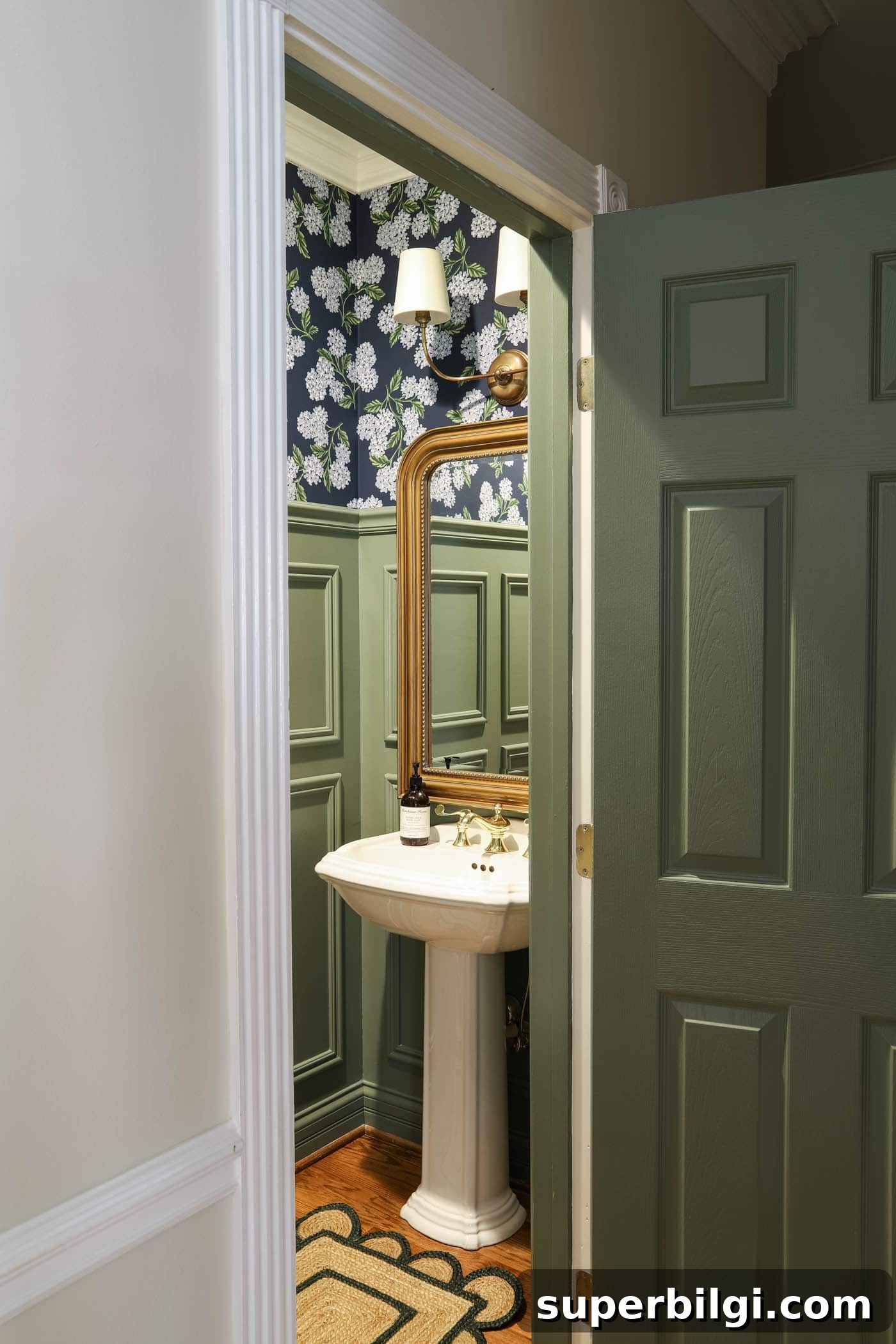
Personal note: An accent wall can work when there’s a clear reason—like limited wall space or an intentional focal area. Use it sparingly and with purpose.
8. Too Much Clutter
Excess clutter disrupts the eye and makes even attractive rooms feel chaotic. Surfaces covered in paperwork, toys, or unnecessary knick-knacks reduce the sense of quality.
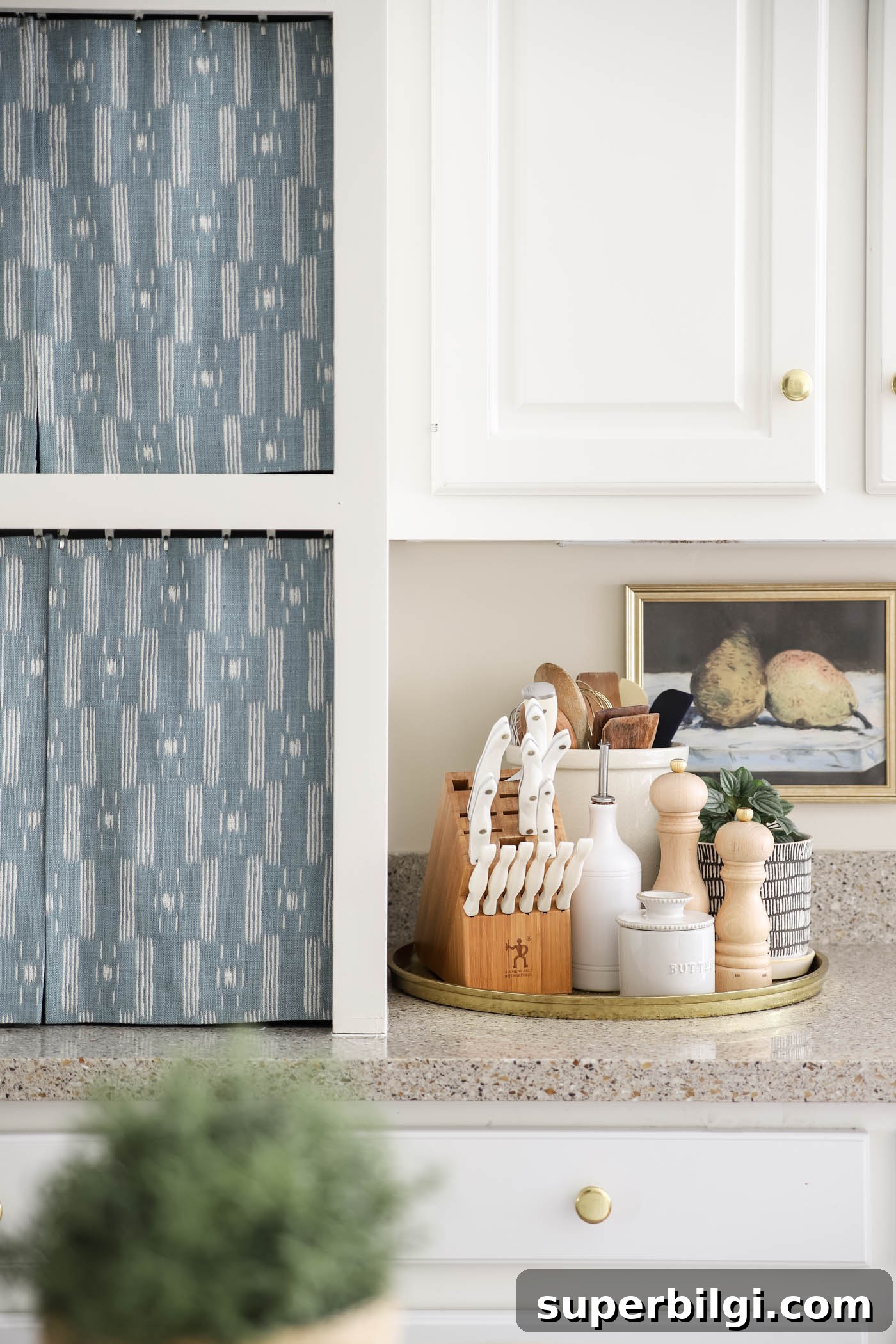
Fix it: Declutter regularly and adopt storage solutions—baskets, bins, and shelves help keep surfaces clean. Try the “one in, one out” rule to maintain balance.
9. Inconsistent Flooring
Abrupt or mismatched floor transitions can break visual flow and make a home feel disjointed. Consistent flooring ties spaces together and feels more intentional.
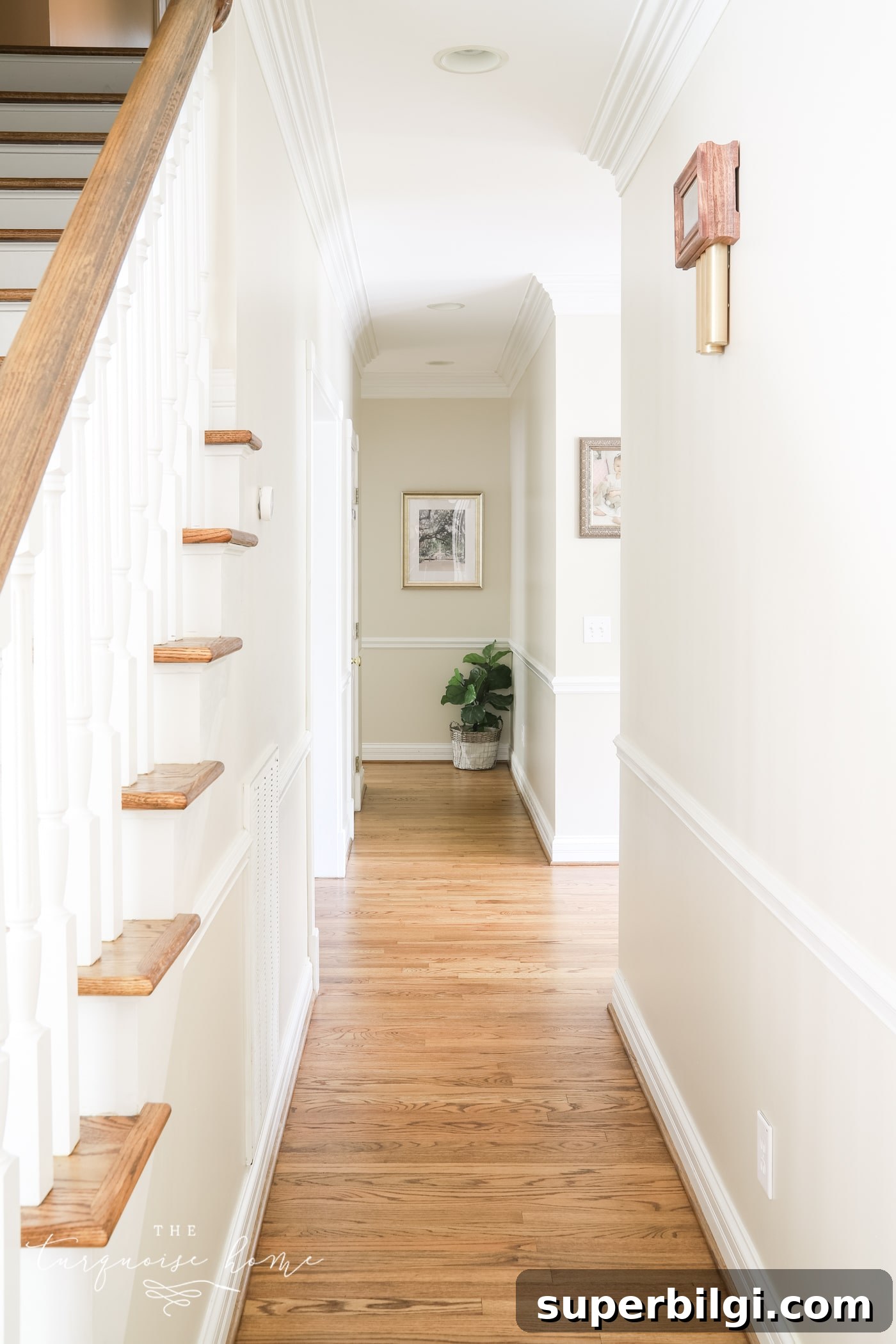
Fix it: When possible, use the same flooring across a level, or choose transitions that are subtle and deliberate. Use rugs to define individual rooms instead of switching materials frequently.
10. Ignoring Greenery
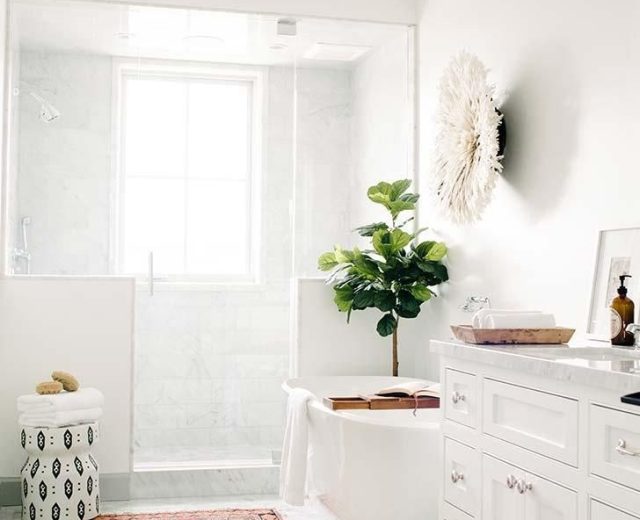
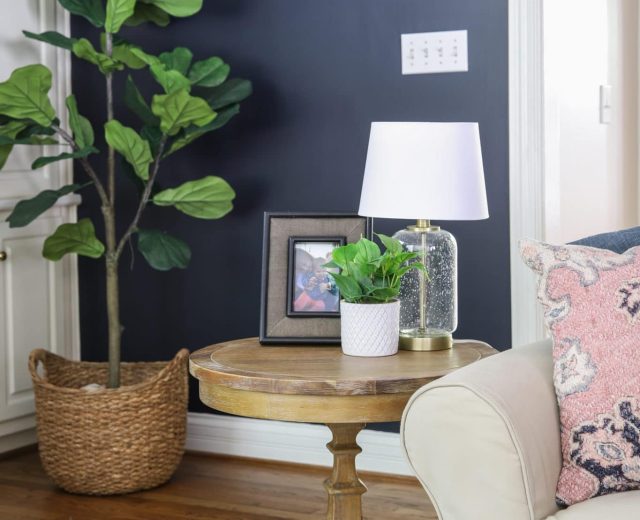
A lack of plants or natural textures can make rooms feel lifeless. Greenery—real or high-quality faux—adds color, softness, and life to interiors.
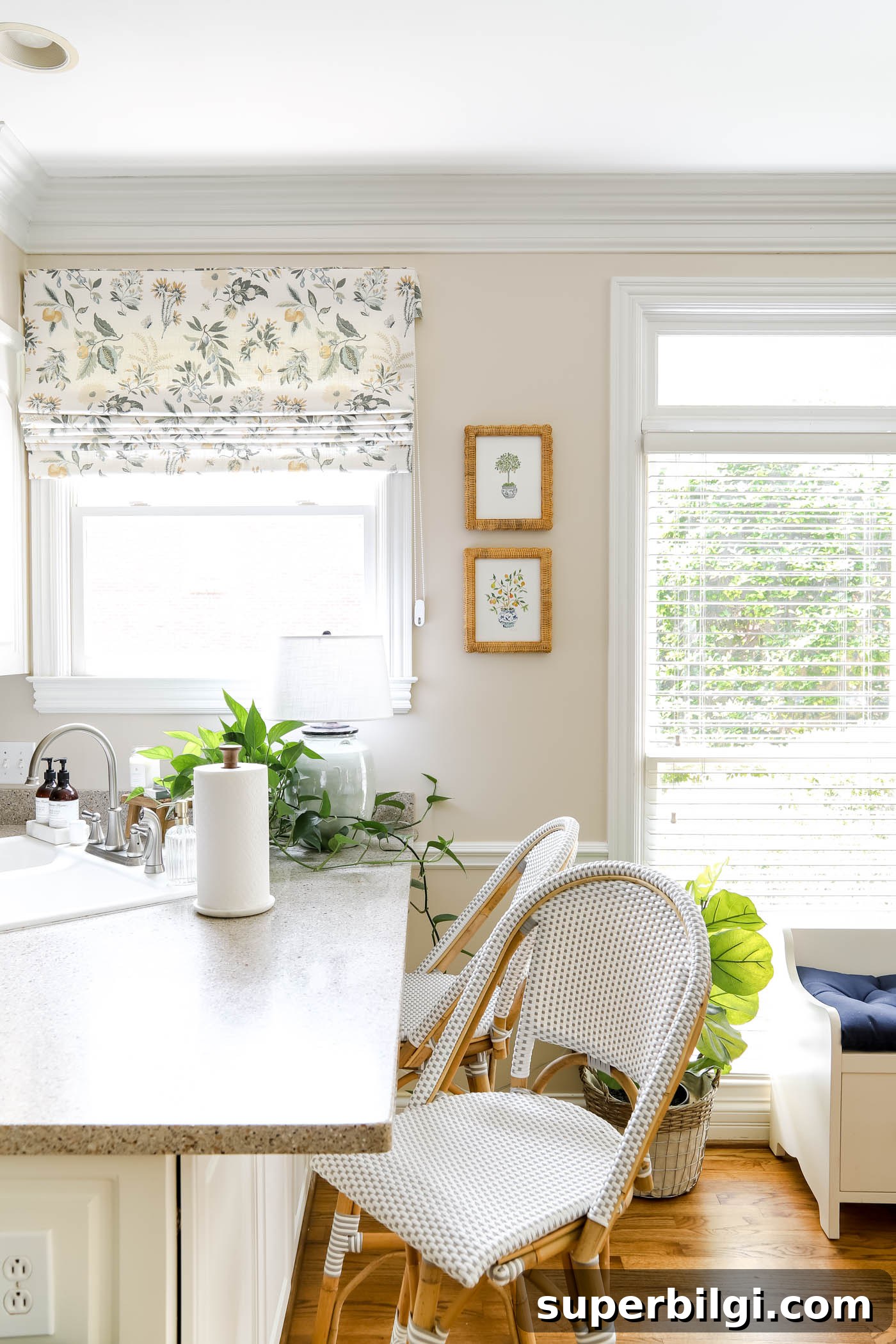
Fix it: Incorporate houseplants, fresh flowers, or realistic faux greens. Beginner-friendly options like pothos or faux fiddle-leaf figs are great starters.
11. Too Short Cabinets
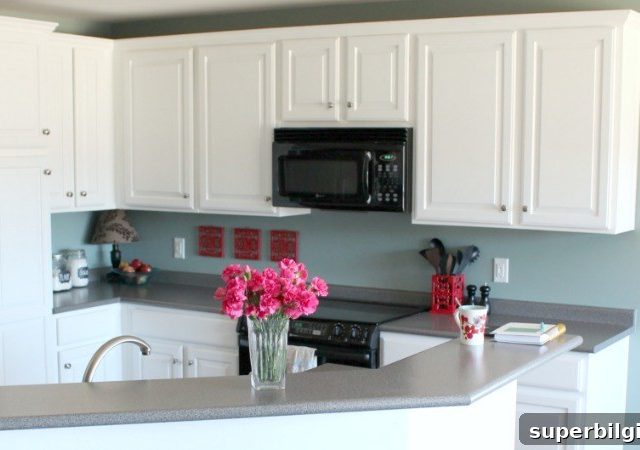
Cabinets that stop well below the ceiling create a visual gap that looks unfinished and collects dust. Tall, continuous cabinetry reads as custom and intentional.
Fix it: Extend cabinets to the ceiling or build in a faux enclosure above them. Crown molding or built-in cabinetry elevates the kitchen’s overall look.
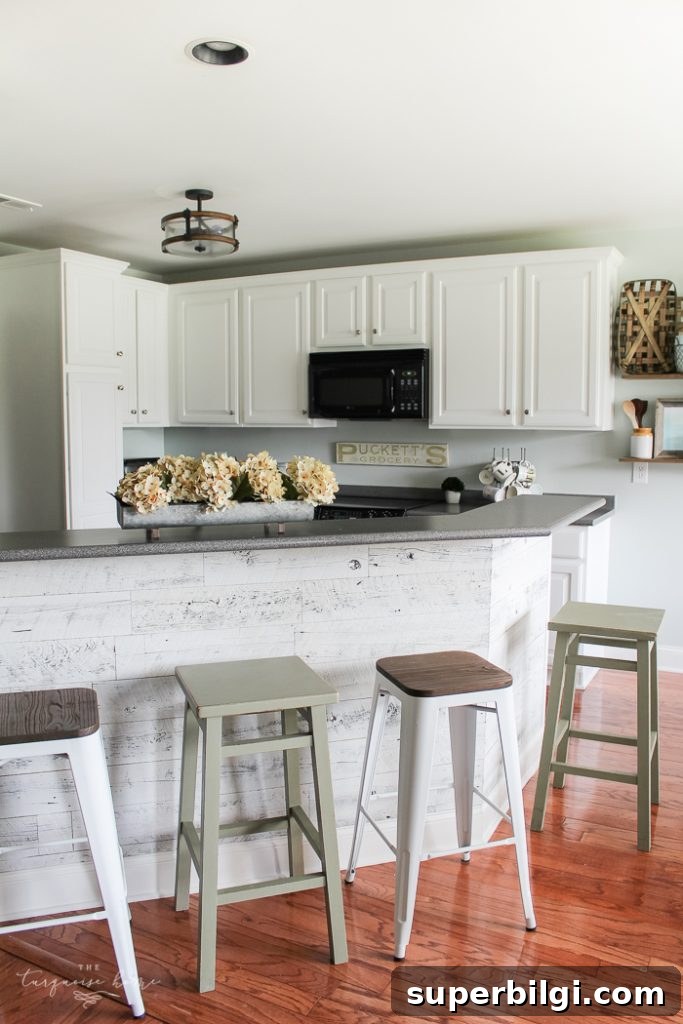
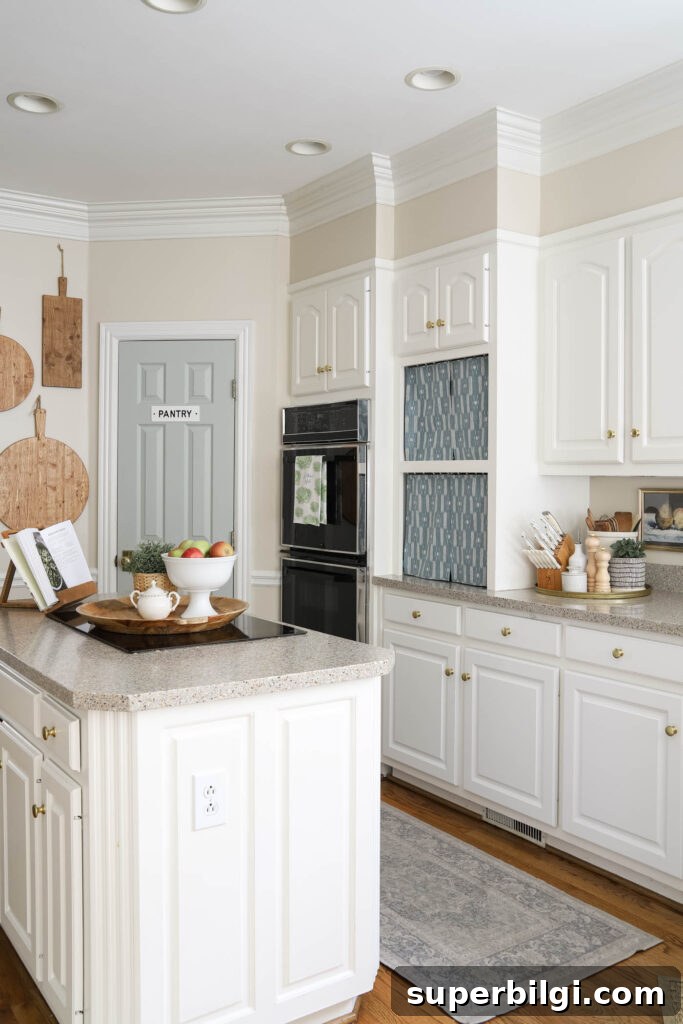
A small investment in finishing the area above cabinets pays off stylistically and practically.
12. Cheap-Looking Window Treatments
Thin blinds or poorly hung curtains instantly downgrade a room’s appearance. Quality materials and proper installation make a simple, affordable impact.
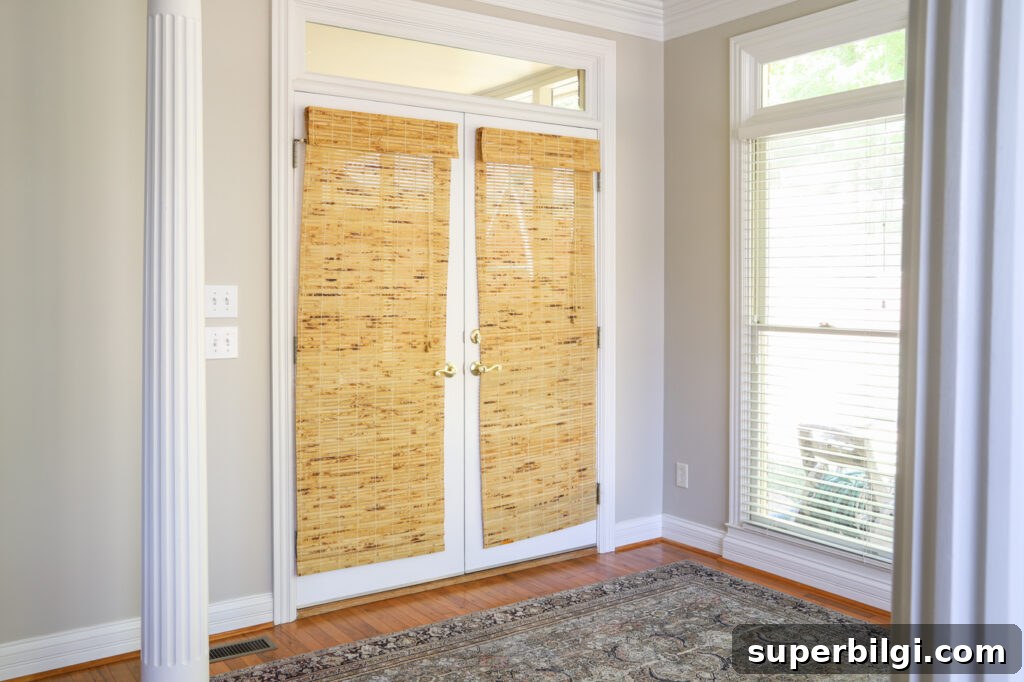
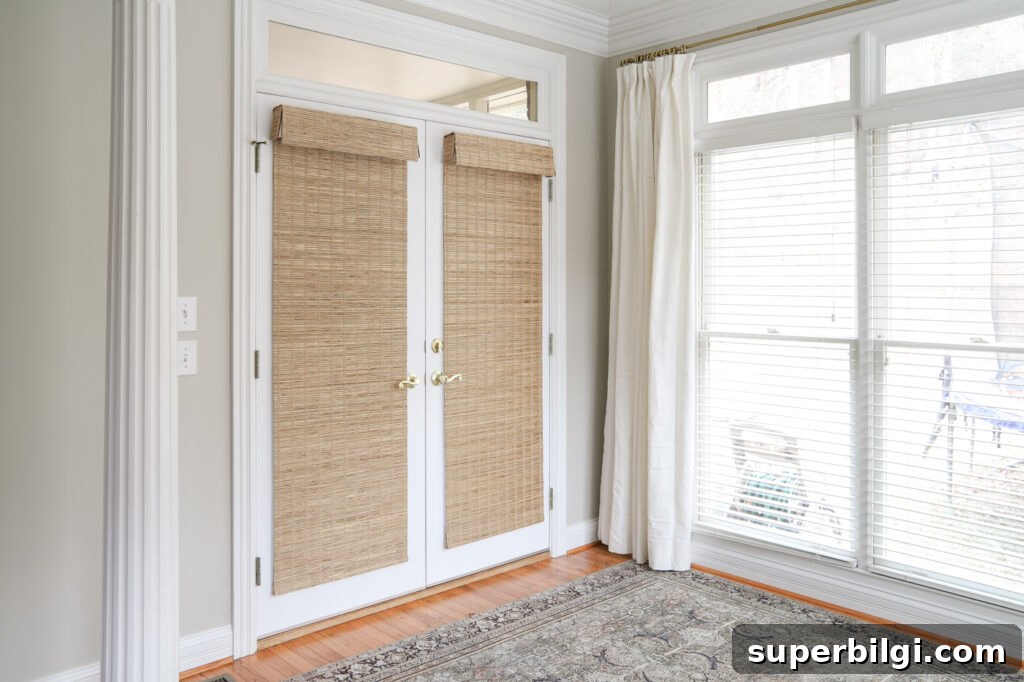
Fix it: Choose fabric curtains that reach the floor, solid wood blinds, shutters, or high-quality roller shades. Hang rods higher and wider than the window to create the impression of taller ceilings and larger windows. Cornices or simple custom trim can also provide a tailored, expensive look without a huge cost.
Elevate Your Home One Step at a Time
You don’t need a full renovation to make your home look more finished and stylish. Start with one or two of the fixes above—upgrading lighting, correcting curtain height, organizing cords, or swapping a rug can produce dramatic improvements.
Small, deliberate changes compound quickly. Focus on proportion, quality finishes, and editing clutter to create a cohesive, welcoming home that reflects your personal style.
Have tips of your own for creating a polished home? Share your ideas in the comments—practical suggestions help everyone improve their spaces.
More Posts You Will Love:
- How To Decorate With Ginger Jars
- Cheap Home Decor Ideas & Where to Buy Online
- Luxury Vinyl Plank Flooring Review
- How to Choose Living Room Curtains
- Best Living Room Paint Colors