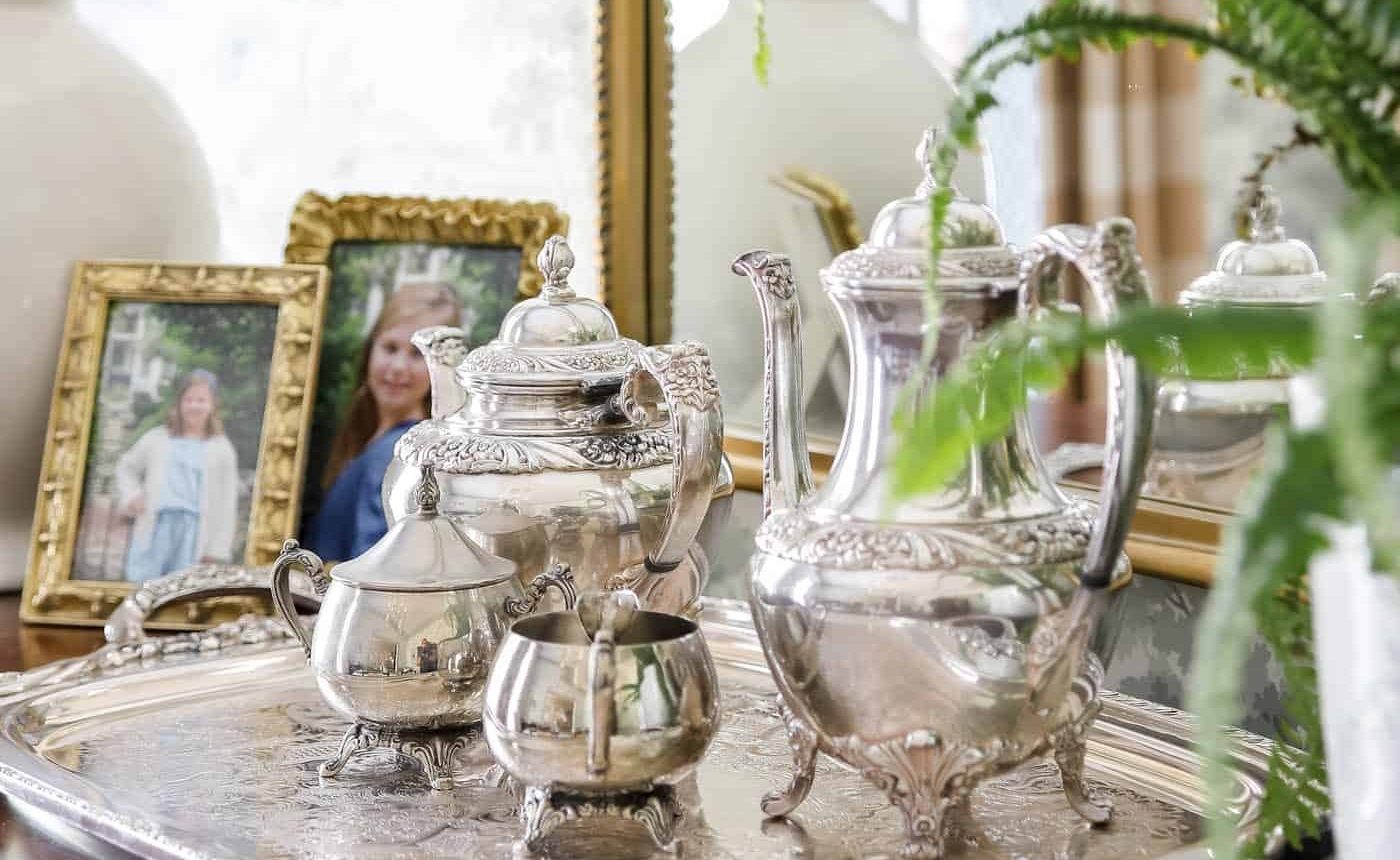
Not sure what to do with inherited silver? Discover simple, beautiful ways to decorate with antique silver serving pieces and incorporate family heirlooms into everyday home decor.
When my grandmother passed away last year, I was grateful to receive several of her silver pieces. I had already inherited her dining room suite, so reuniting the silver with the furniture my great‑grandmother and grandmother loved felt like the perfect decorating reunion.
At first I stored the pieces in drawers and cabinets because I didn’t know how to use them. But they were too lovely to hide. I began looking for ways to display and use them regularly—and discovered how well they fit into modern, collected interiors.
Now I keep them out, even if I have to polish more often. Seeing them daily helps me maintain them and enjoy their beauty rather than waiting for a special occasion.
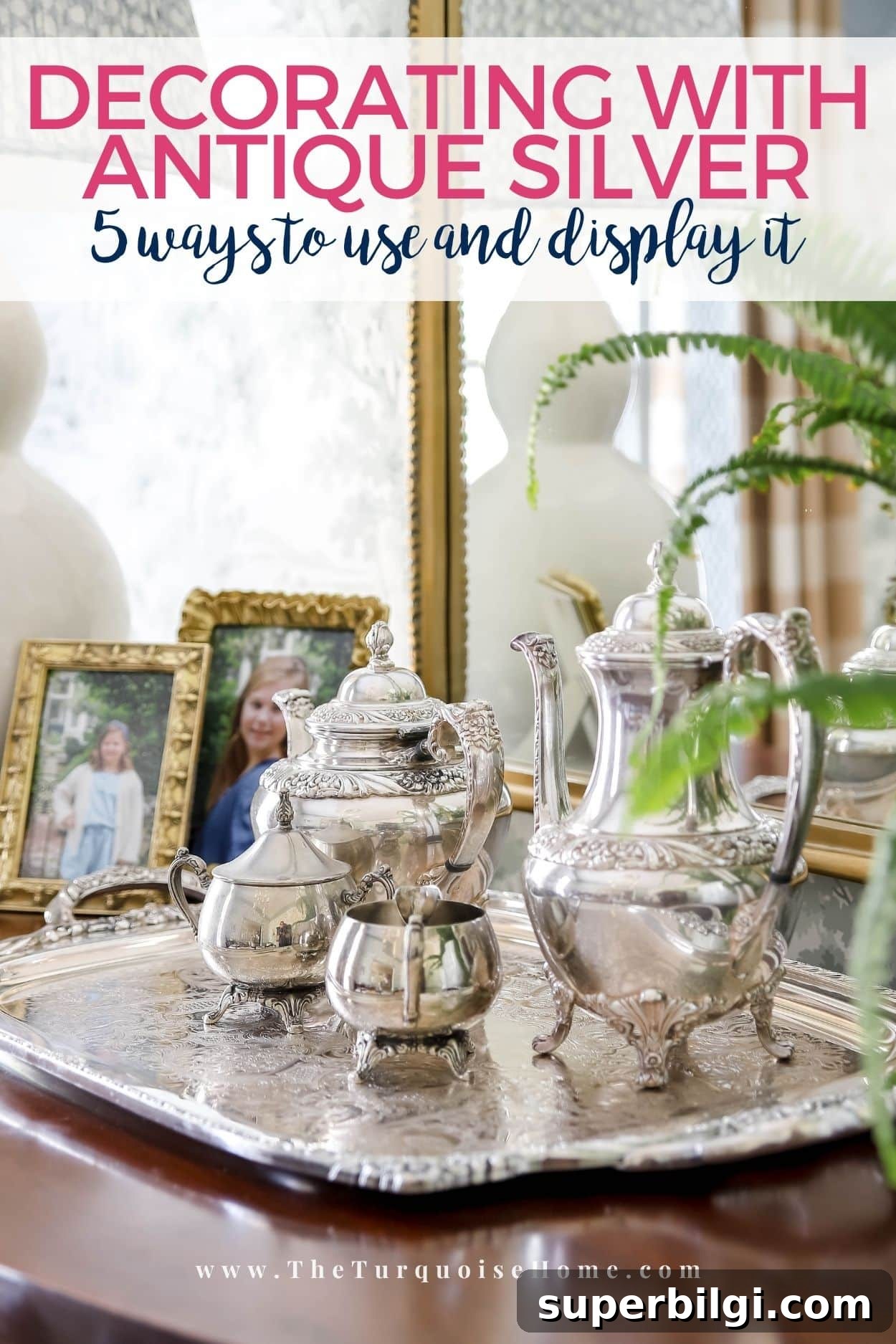
Heirlooms don’t have to feel old-fashioned—when mixed with casual, everyday items, they add personality and history. Below I’ll show how I’ve given each special piece a place in the home.
Note: You don’t need to inherit silver to start decorating with it. I’m excited to add pieces I find at antique shops and flea markets—you can find affordable silver if you keep an eye out.
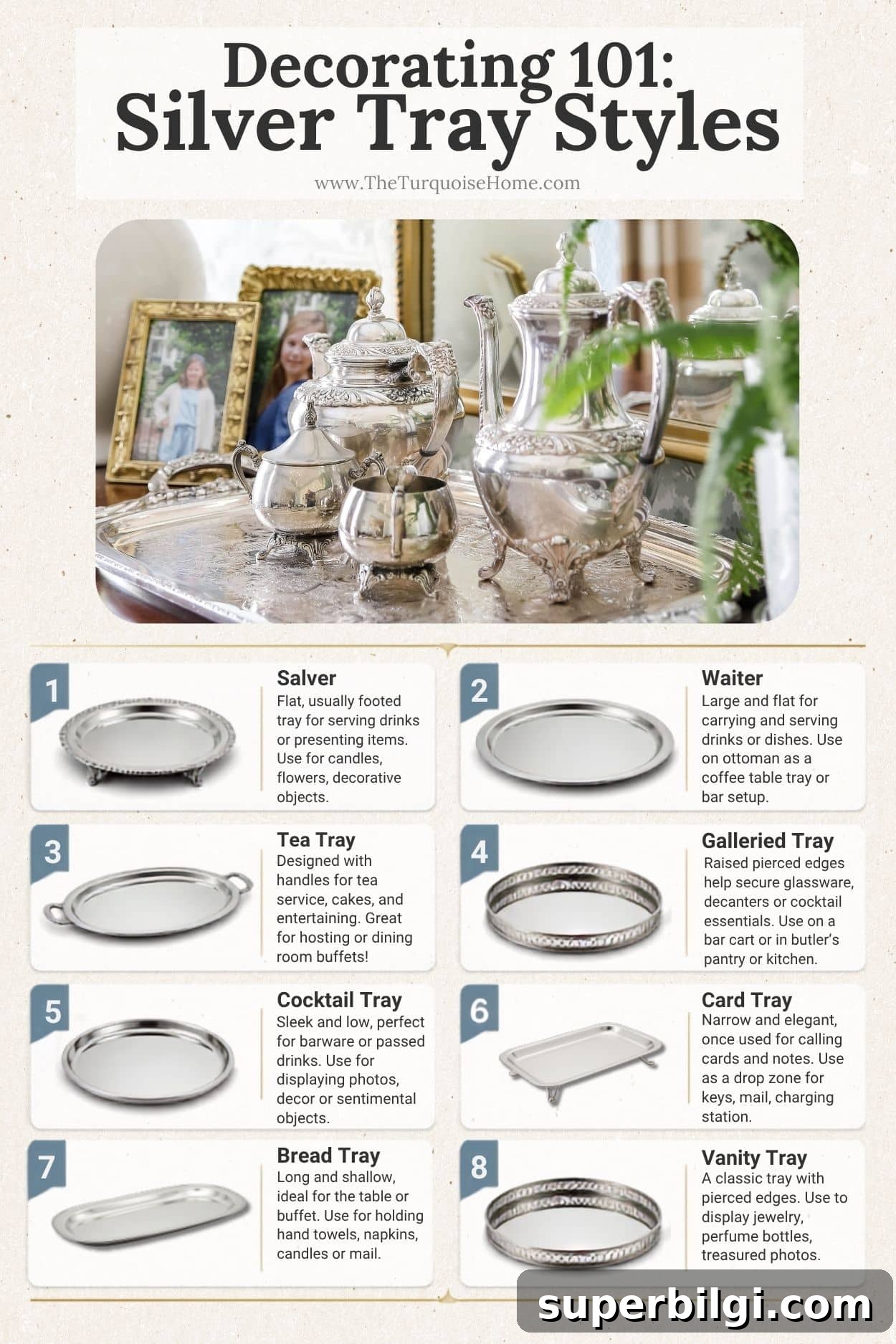
Common Types of Antique Silver Serving Pieces (and What They Were Used For)
Before collecting antique silver, it helps to know what you’re looking at. When I inherited pieces from my grandmother, I discovered I didn’t always know their proper names or original uses. Knowing an item’s original purpose can spark ideas for how to use it today—like turning a card tray into a charging station for a kitchen desk.
Trays, platters, bowls, pitchers and small serving dishes are among the most versatile pieces. You don’t have to use them the way they were intended—think creatively about function and placement.
Why Silver Still Works in Today’s Homes
Antique silver might seem like something for a china cabinet, but it works beautifully in modern homes when mixed with casual pieces. The key is to use silver alongside everyday items rather than hiding it away for special events.
A silver tray, bowl or pitcher can be just as useful on a random Tuesday as it is at a holiday dinner. A bit of tarnish gives a piece character, and mixing metals and textures helps silver feel like a natural part of a collected, lived-in space.
Silver pairs especially well with:
- Warm wood: The warmth of wood balances silver’s shine and prevents a formal look.
- Woven textures: Rattan, wicker and baskets introduce a casual contrast to polished silver.
- White dishes: Classic and timeless when displayed together.
- Blue and white pottery: One of my favorite combinations—timeless and collected.
- Greenery: Fresh flowers or clipped branches in a silver pitcher instantly relax the look.
- Brass and gold: Mixing metals creates a layered, curated feel.
- Books and everyday decor: Stack a small silver bowl on books or mix with candles and frames for approachable vignettes.
Using silver alongside items you already own keeps it from feeling precious or fussy. I’d rather enjoy a piece on display than keep it in storage waiting for “someday.”
How to Use Antique Silver in Your Home
1. Decorate with Antique Silver Trays Throughout Your Home
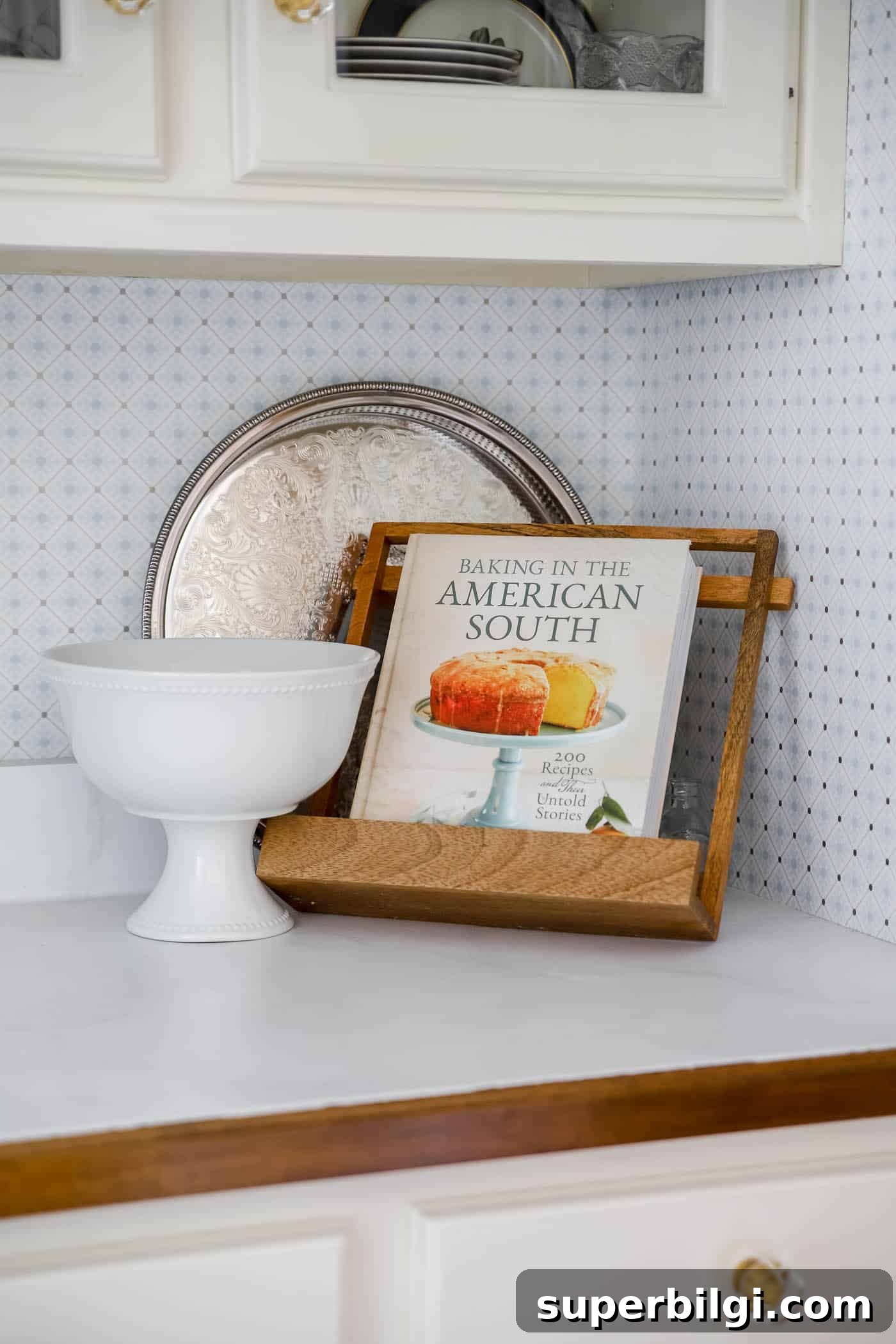
Silver trays and platters are some of the most versatile antique pieces. Use them on a coffee table or ottoman to corral books, a candle and a vase. Place a tray on a dresser to hold jewelry, or use a small tray on the kitchen counter to gather everyday items. Lean a larger tray vertically behind decor to create a striking backdrop.
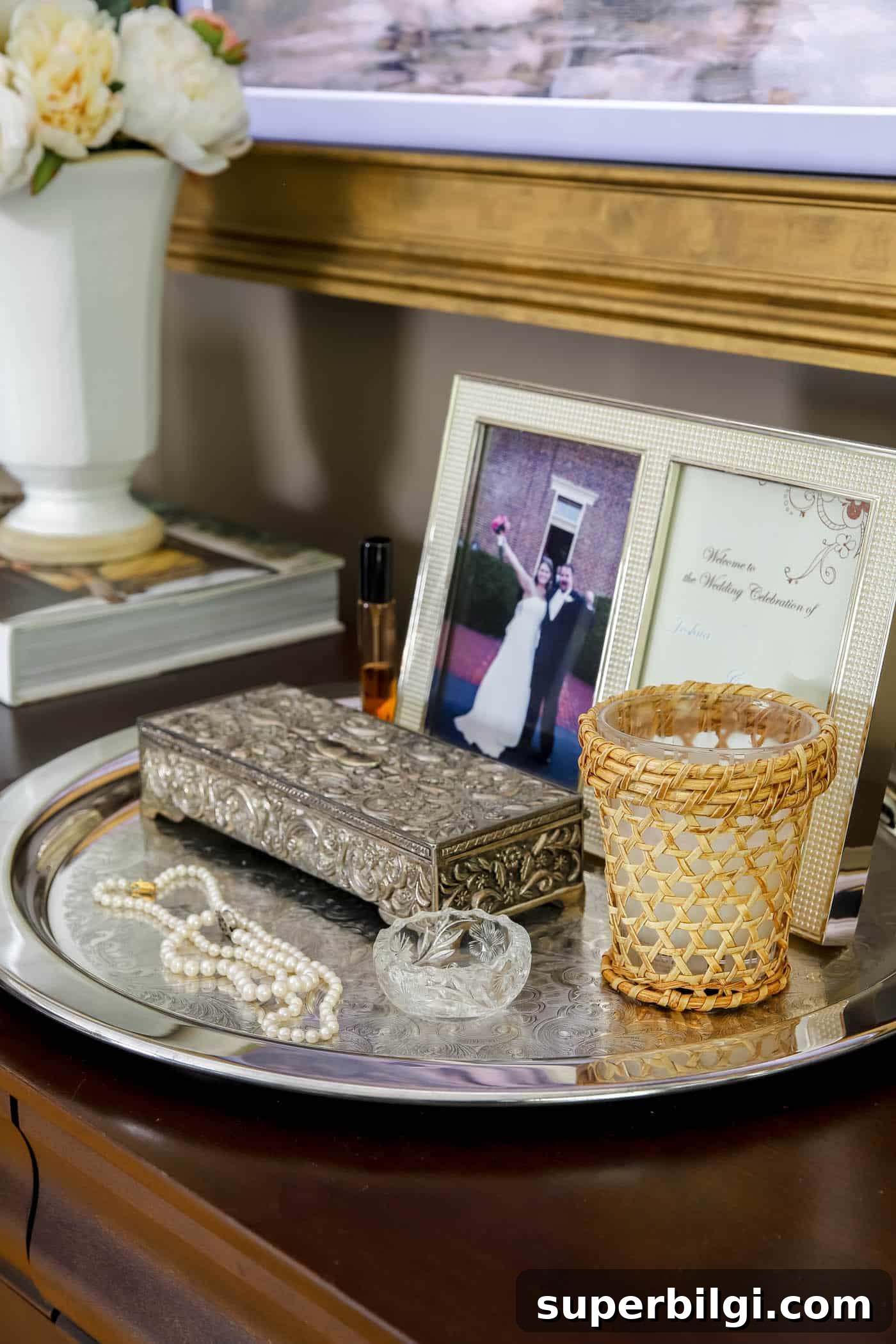
I also use a large silver tray on my bedroom dresser layered with a framed photo, a jewelry box and a woven candle holder—the contrast of silver against warm wood feels both elegant and relaxed.
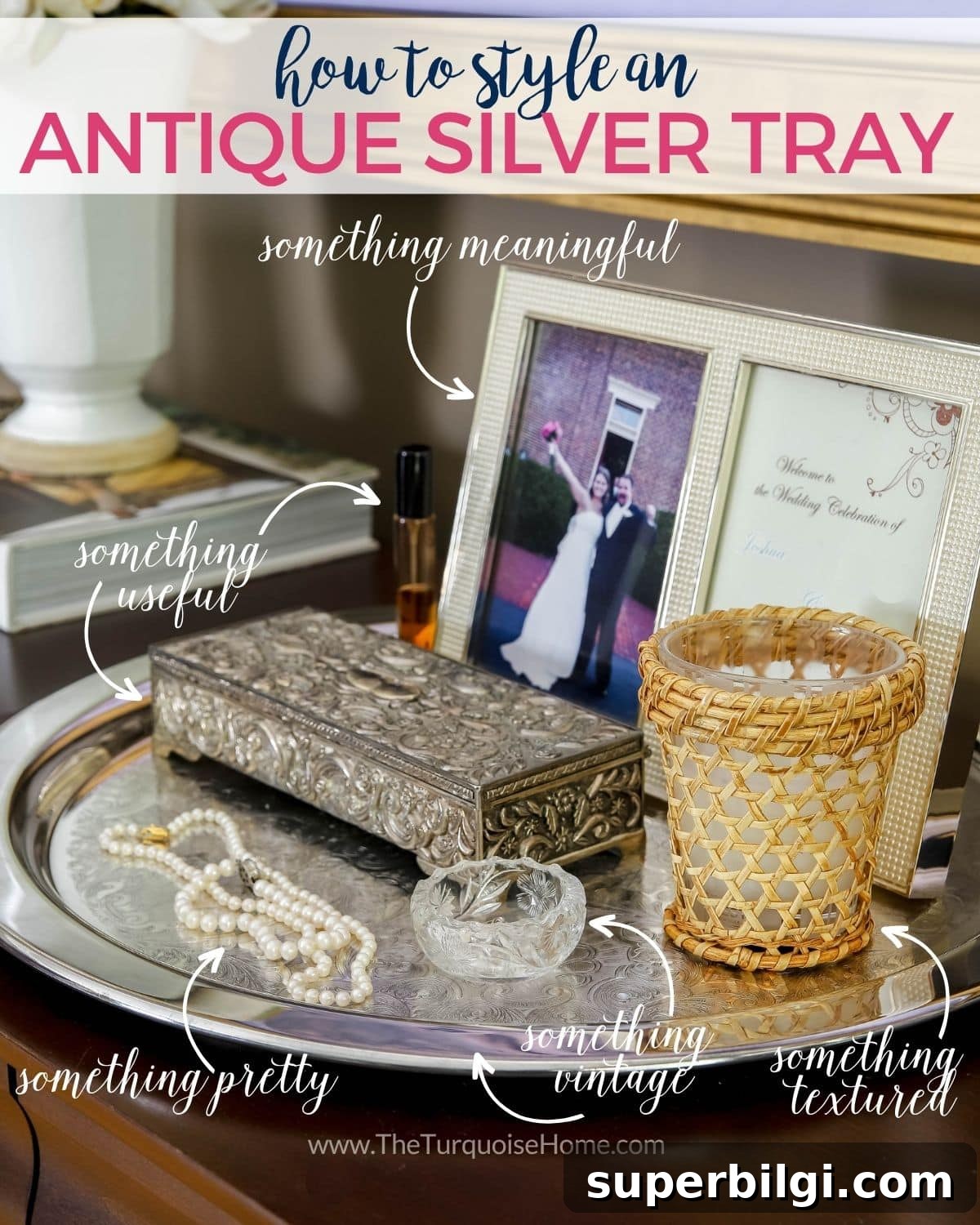
Scatter silver pieces throughout the house instead of displaying them all together. Mixing them with books, pottery, baskets and photos creates a collected-over-time look rather than a museum display.
2. Turn Silver Bowls Into Pretty Catch-Alls
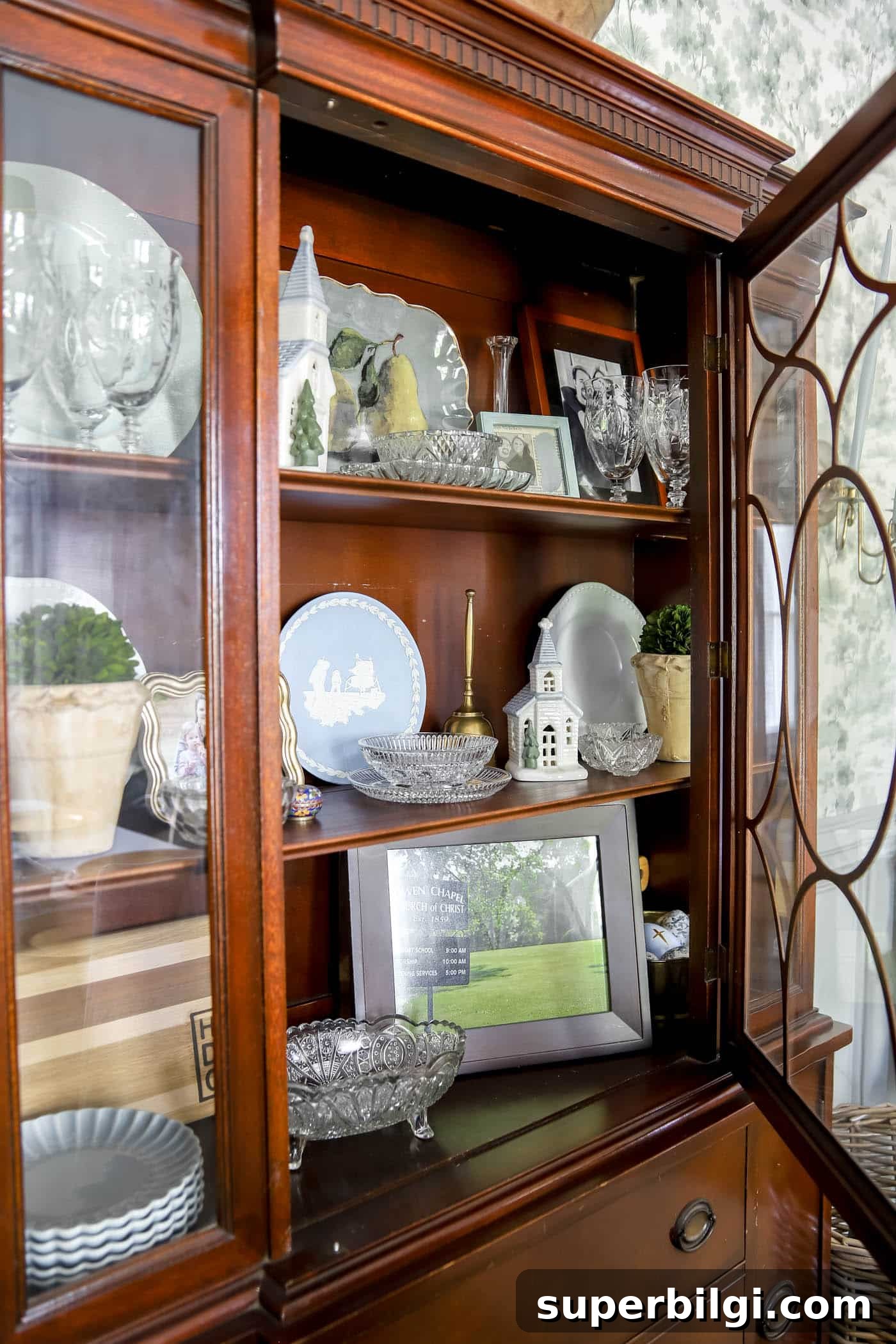
Small silver bowls make elegant catch-alls. Use one by the entry for keys, on a dresser for jewelry, beside a candle for matches, or in a guest bathroom for small toiletries. They’re also lovely for seasonal displays—fill a bowl with pinecones in fall, colorful eggs in spring, or ornaments at Christmas.
I don’t yet have many small bowls in my inherited collection, but I look for them at thrift stores and antique shops. They’re practical and decorative everywhere from the kitchen to the living room.
3. Use Silver Pitchers and Vessels as Vases
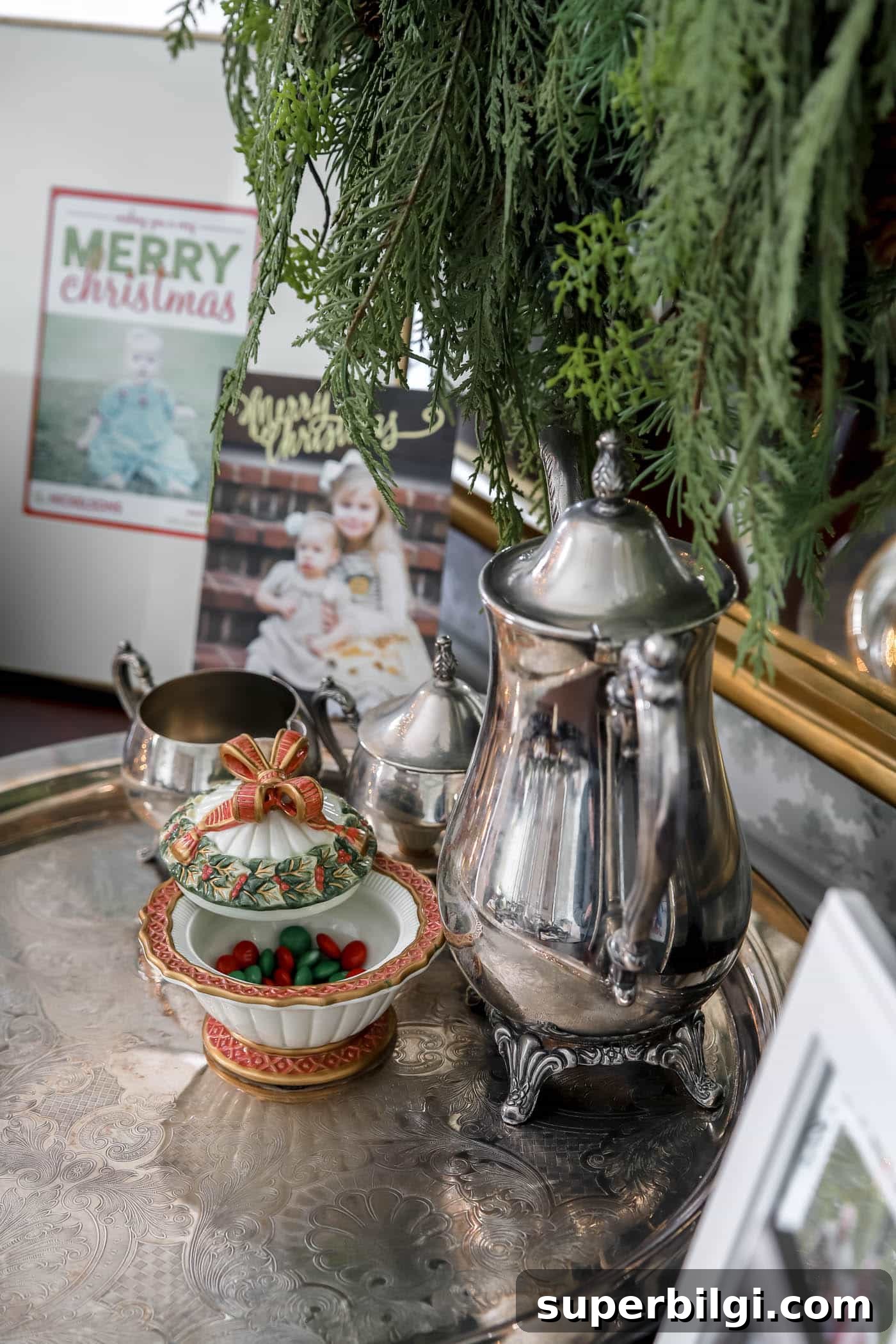
Silver pitchers, coffee pots and creamers have beautiful shapes that make stunning vases. Fill them with seasonally clipped flowers or greenery to instantly soften their form and integrate them into everyday decor.
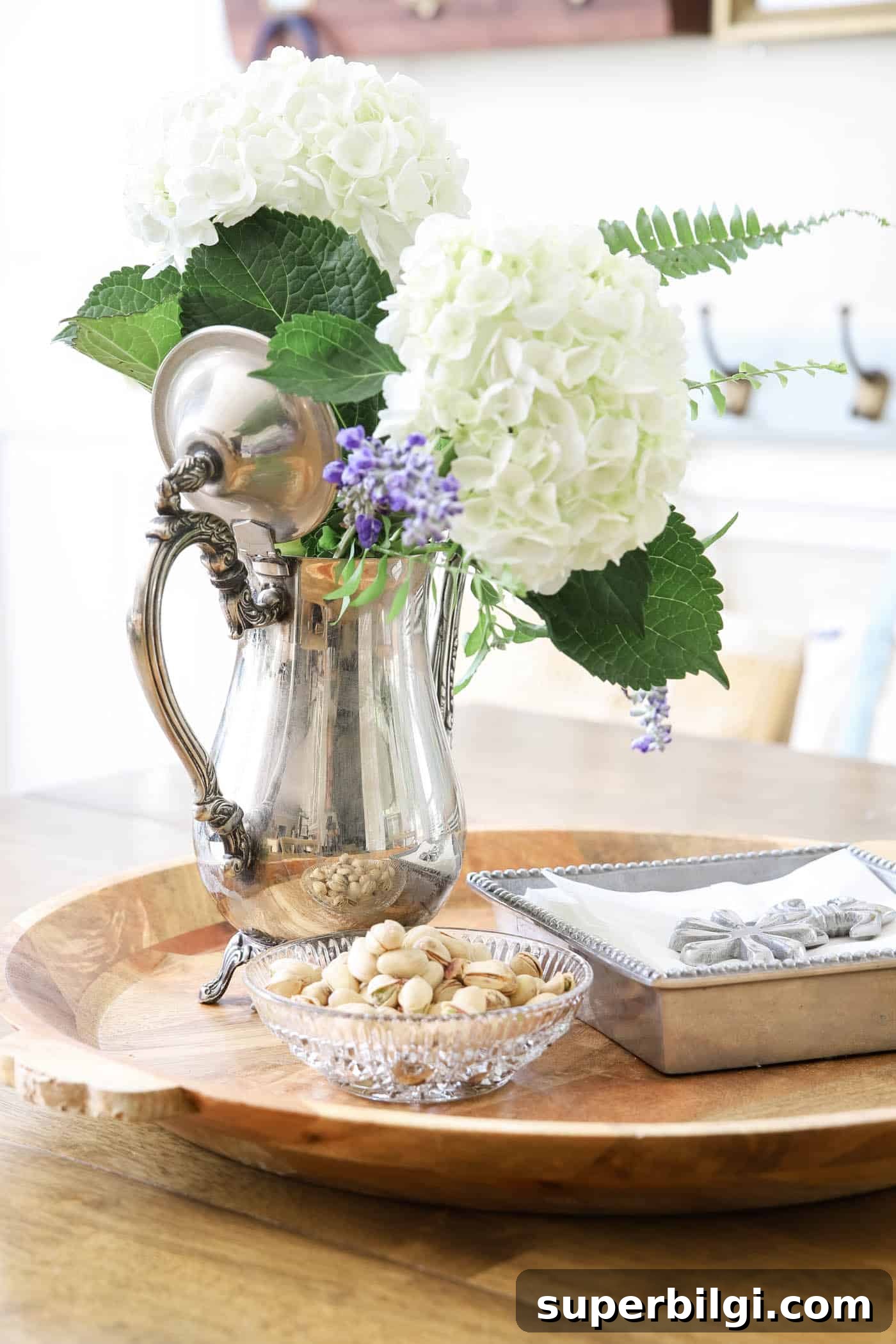
I filled a silver teapot with white hydrangeas and small purple sprigs from the yard. The slightly tarnished silver looks beautiful against fresh blooms, and placing the arrangement on a warm wood tray keeps the arrangement casual and inviting.
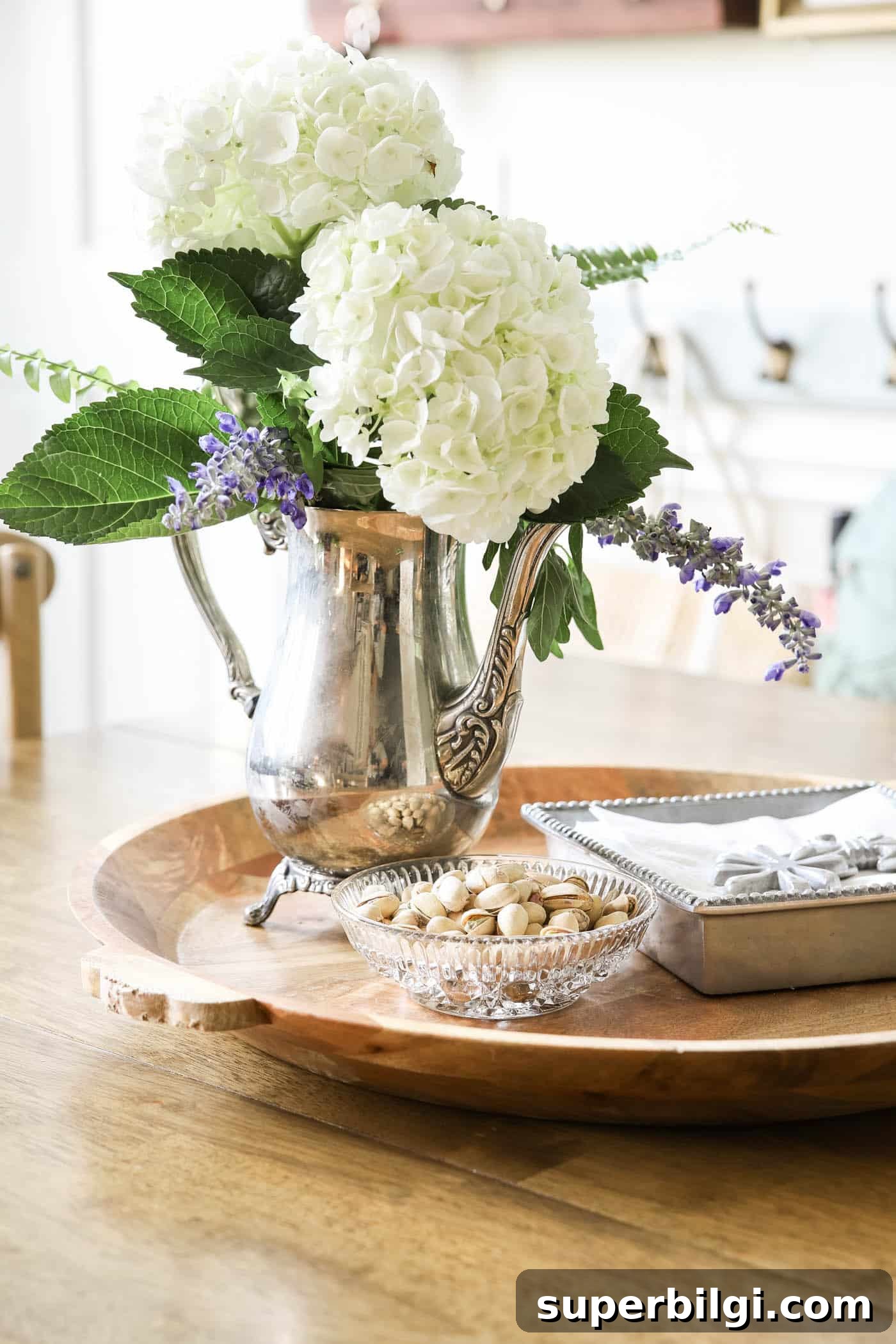
Change the flowers with the seasons—tulips in spring, hydrangeas in summer, branches in fall and evergreen clippings at Christmas. Even a small creamer can hold a few blooms and bring daily joy.
4. Mix Antique Silver With Your Everyday Decor
You don’t need an antique-filled house to make silver work. I prefer mixing old silver with modern items so the contrast feels unexpected and personal. For example, a small silver card tray I inherited now corrals Apple Watch chargers on our kitchen counter alongside a marble-and-brass pencil cup, a blue-and-white planter and artwork.
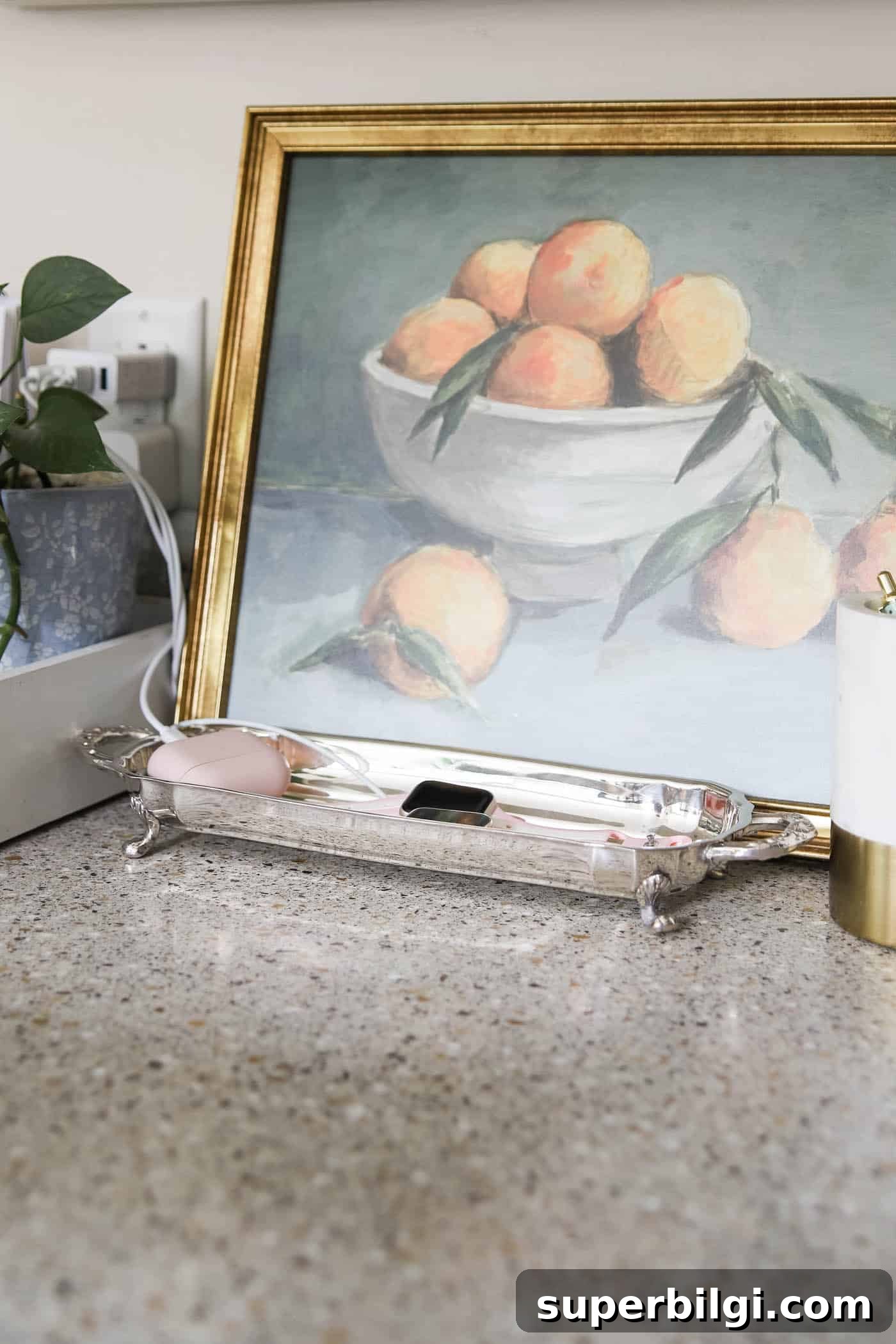
Pair silver with blue-and-white pottery, natural wood, wicker, linen, white ceramics, books and greenery to keep the look relaxed and curated. Mixing finishes and textures makes your home feel collected rather than staged.
Can You Mix Silver and Brass?
Yes. I mix metals throughout my home. Combining aged silver with warm brass or gold helps the pieces blend with existing decor and enhances the layered, collected aesthetic.
5. Actually Use Your Silver for Entertaining
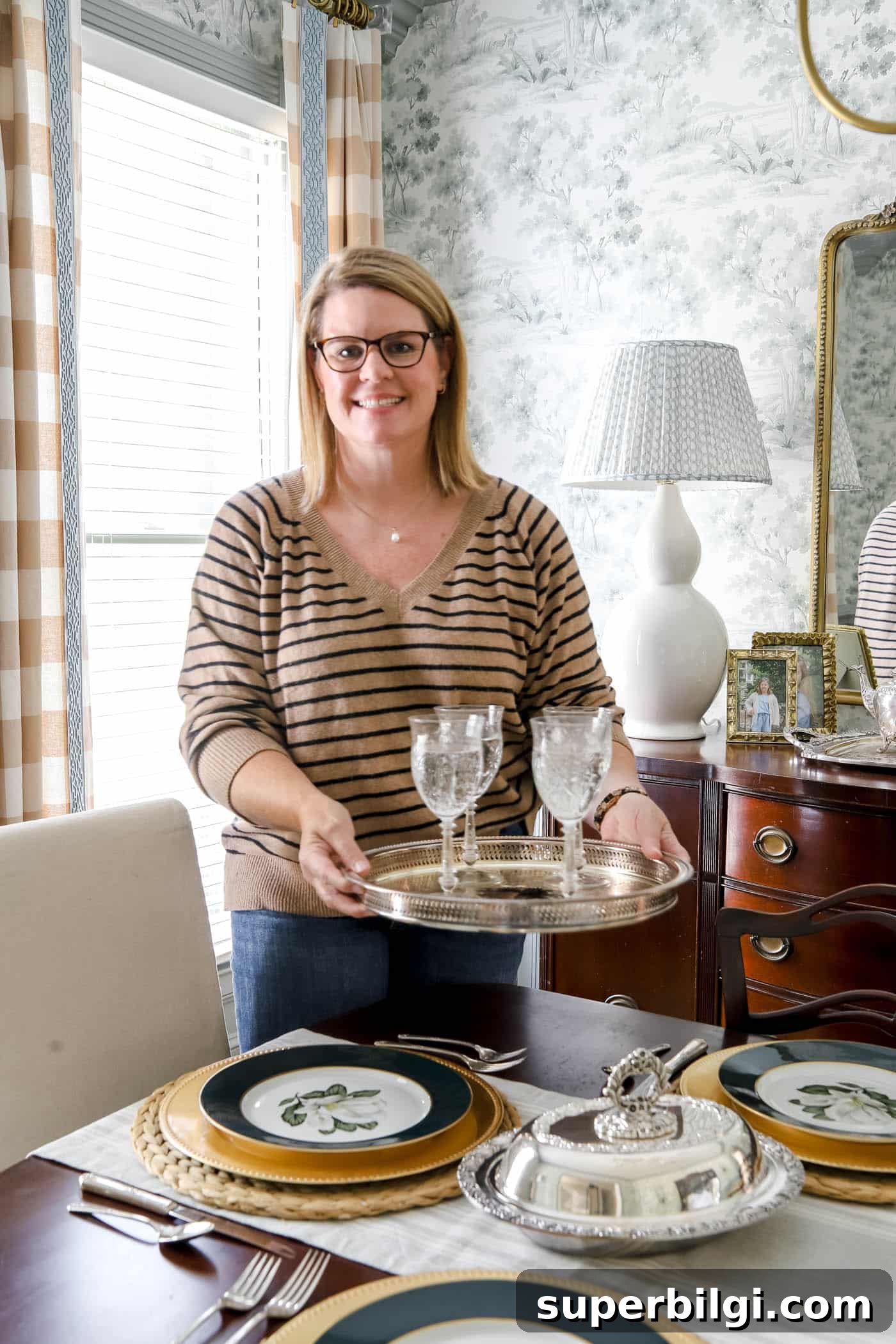
One of the best ways to honor inherited silver is to use it. Bring out trays, pitchers and serving pieces for holidays, showers, birthdays, brunches or even a simple Sunday lunch. Serving store-bought cookies on Grandma’s silver tray on a Tuesday is a perfectly lovely special occasion.
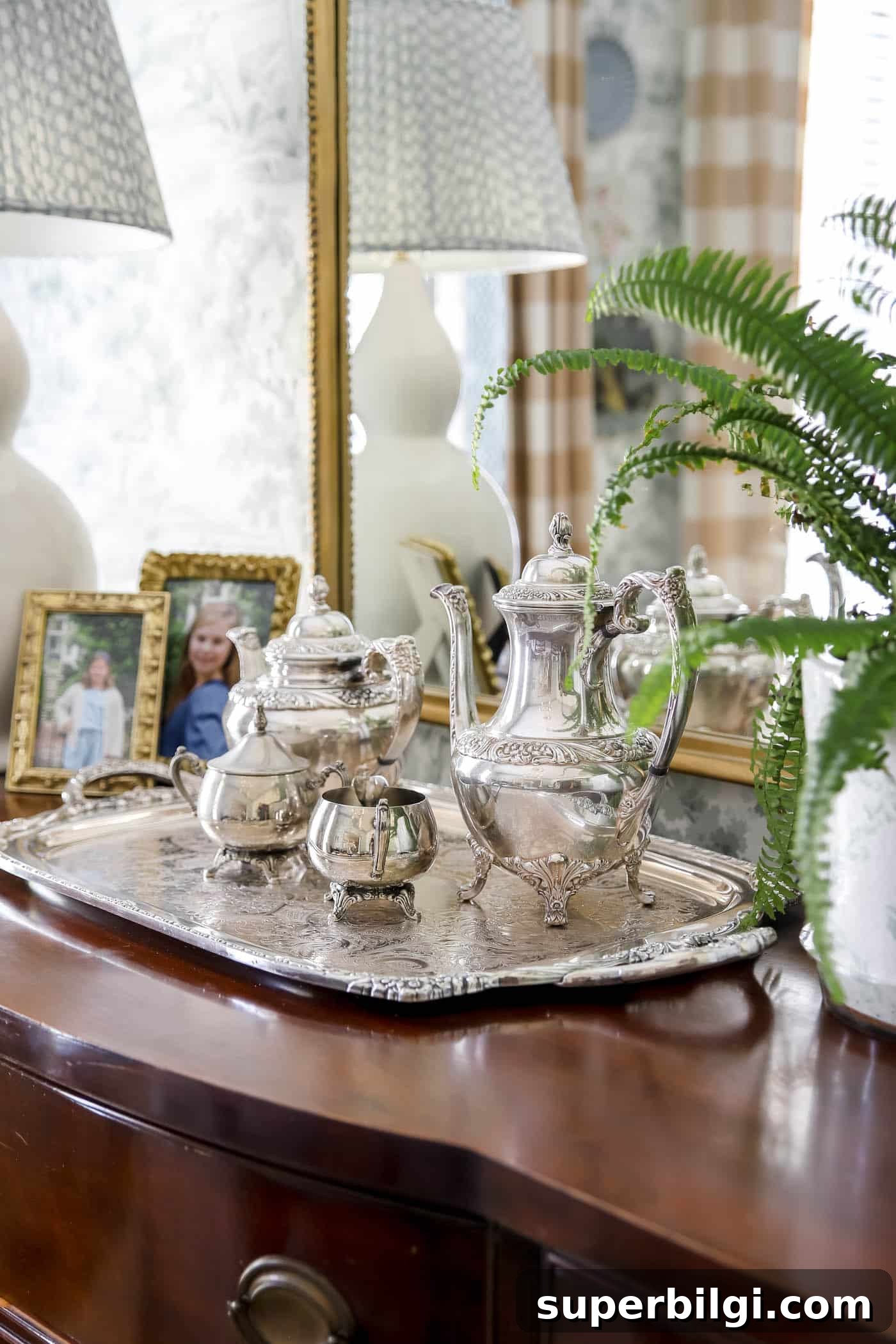
There’s a worn spot on my great‑grandmother’s coffee pot where the silver plate has rubbed through. I love imagining her hands using the same pot I use now. Using these pieces keeps family stories alive and makes gatherings feel more meaningful.
How Do You Know If Inherited Silver Is Valuable?
I value my grandmother’s silver for its sentimental meaning more than its monetary worth, but it’s useful to know a bit about value. Several factors influence how collectible or valuable a piece might be:
- Sterling vs. silver plate: Sterling (higher silver content) usually has greater intrinsic value than silver-plated items.
- Maker: Pieces from notable silversmiths or manufacturers may be more desirable.
- Age: Older pieces can be collectible, though age alone doesn’t determine value.
- Pattern: Discontinued or sought-after patterns attract collectors.
- Condition: Dents, scratches and worn plating affect worth.
- Markings: Stamps and hallmarks give clues about maker, origin and date.
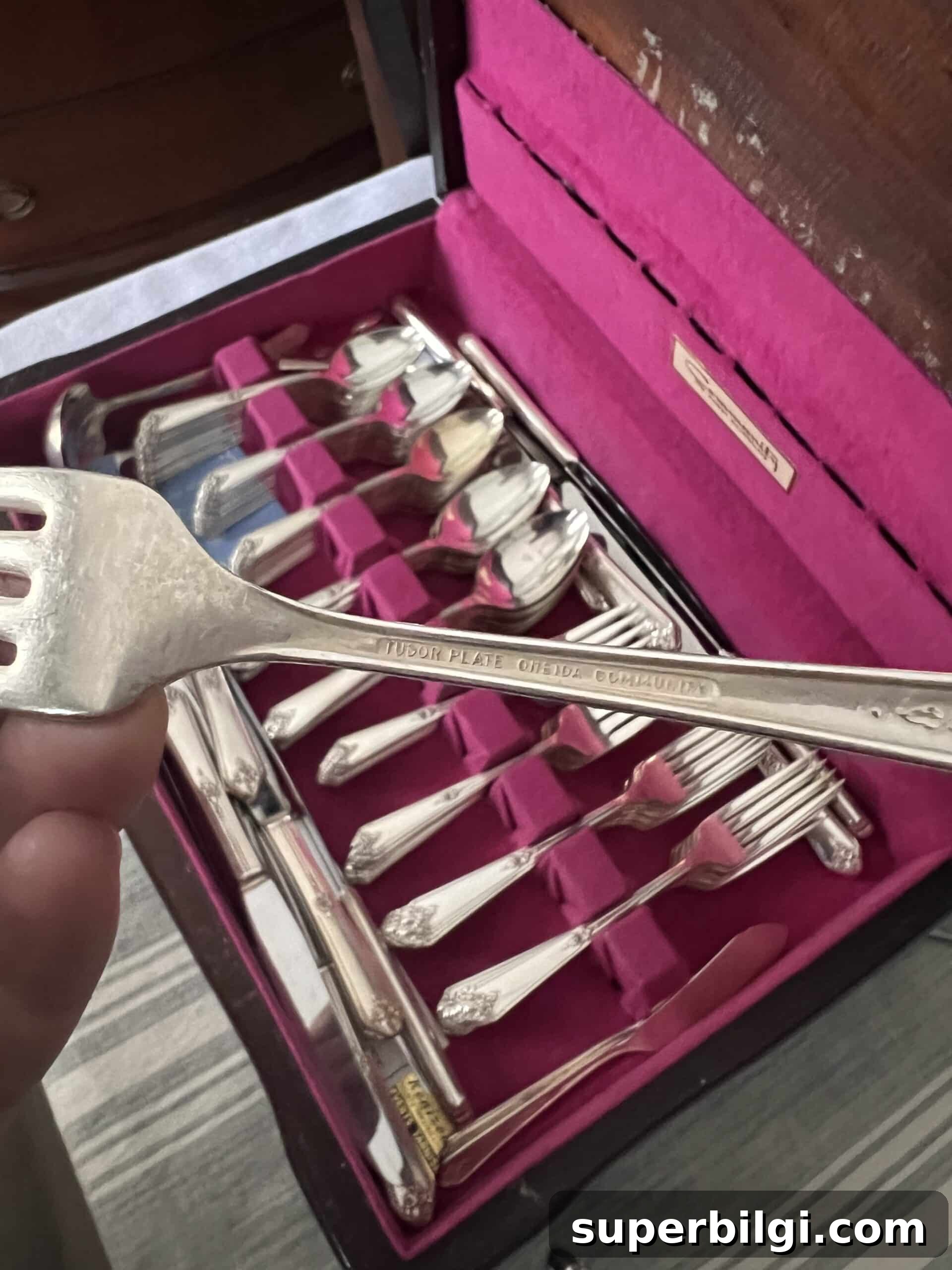
A simple first step is to turn the piece over and look for marks: words like “Sterling” or “925” indicate sterling; “Silver Plate,” “EPNS,” or “EP” typically mean plated. Hallmarks or maker’s stamps help you research the item further. Whether or not a piece is valuable monetarily, knowing its story makes using it more meaningful.
How to Start Collecting Antique Silver
Once you begin looking, silver shows up everywhere—estate sales, antique stores, thrift shops, flea markets and online marketplaces. I focus on pieces I genuinely love rather than hunting for perfectly matched sets. Shape, function, patina and price matter to me, and a mismatched collection gathered over time tells a richer story than a matched set bought all at once.
FAQ About Inherited and Antique Silver
What should I do with old family silver?
Use it and enjoy it. Incorporate inherited pieces into daily life: organize small items, hold flowers, or serve food on them when you entertain. Keeping heirlooms visible helps preserve family memories.
Is antique silver still in style?
Yes. Antique and vintage silver complements today’s collected decorating styles when mixed with warm wood, woven textures, books, pottery and greenery.
Should I polish inherited silver?
Polishing is personal preference. I like my silver polished but allow some tarnish to develop between cleanings. Always confirm whether a piece is sterling or plated to choose a safe cleaning method.
How can I tell if my silver is sterling or silver-plated?
Look for markings like “Sterling,” “925,” or “.925” for sterling. Silver-plated items often have “Silver Plate,” “EPNS” or “EP.” Use these marks as a starting point for research.
Can you mix silver and gold or brass decor?
Absolutely. Mixing silver with brass or gold creates a layered, curated look and helps antique pieces feel integrated with modern decor.
Where is the best place to buy antique silver?
Estate sales, antique stores, flea markets and thrift shops are great places to start. Online marketplaces and asking family members can also yield treasures. Take your time and choose pieces that speak to you.
Final Thoughts
I’m grateful to have my grandmother’s collection of trays and serving pieces. As I continue learning about antique silver, I expect this will be a collection I add to over time—especially smaller treasures like vanity pieces, napkin rings, and other finds from antique shops.
Our homes don’t have to be filled only with new things. Inherited and carefully collected pieces give a home a story and character that can’t be bought all at once.
I’ve decided not to save my grandmother’s silver for “someday.” I’ll fill her teapot with hydrangeas, use her trays around the house, and bring out serving pieces when friends and family come over. If I left them in drawers, I’d forget them—using them keeps their memory alive.
Do you have any silver or family heirlooms passed down to you? I’d love to hear what you’ve inherited and how you’re using it in your home.