Wondering how high you should mount a TV? These practical tips will help you choose the right height for comfortable viewing and a polished look.
Remember the old bulky box TVs that dominated living rooms? They tended to stick out and clash with a modern, stylish decor.
Flat-screen TVs changed everything. Sleeker and less intrusive, they can be wall-mounted for a clean, contemporary feel. Some models, like frame-style TVs, even display artwork when not in use, blending into your decor.
Mounting a TV gives a room a dual purpose—entertaining and relaxing—while keeping the space visually neat. But deciding where to hang it can be tricky. Before you drill, consider room layout, TV size, viewing angle, seating, and the heights of the people who will watch it.
How high should you mount a TV?
To choose the best mounting height, think about where and how you watch TV. The right position depends on several factors outlined below.
Key considerations include room size and layout, screen size, recommended viewing angle, furniture placement, and the typical height of viewers. Below is a practical guide to help you balance those elements and find a comfortable, attractive placement.
1. Viewing angle
Mounting a TV too high forces viewers to tilt their heads and can quickly lead to neck strain. Most manufacturers and AV experts recommend positioning the screen so the center is roughly at eye level for your typical viewing position.
Ask yourself: Do you and your family usually watch sitting upright, reclining, lying down, or standing? For seated viewers, eye-level placement is ideal. If you often watch while lying on the couch, a slightly higher position may be more comfortable.
Pro tip: Use a tilt-and-swivel wall mount so you can angle the screen to suit different seating areas and viewing heights.
2. Size of the TV
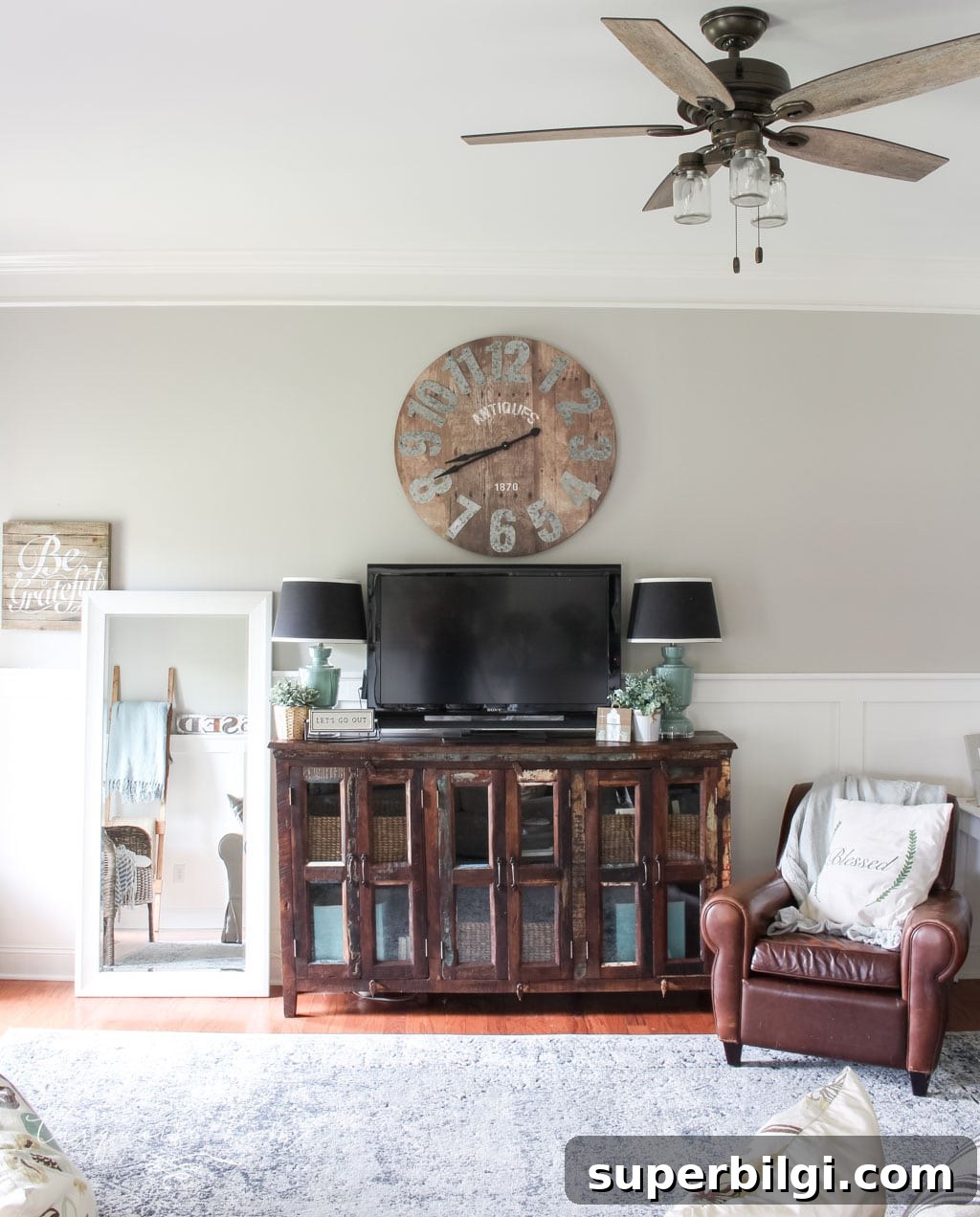
Screen sizes vary widely, and many online guides offer mounting heights based on inches. While useful, those charts don’t account for your room or viewing habits. A flexible, viewer-focused approach often works better.
A practical rule of thumb is to place the center of the screen at the average eye level of the people watching from their usual seats. If household members differ in height, use the average eye height from the preferred viewing position as your reference.
3. The room
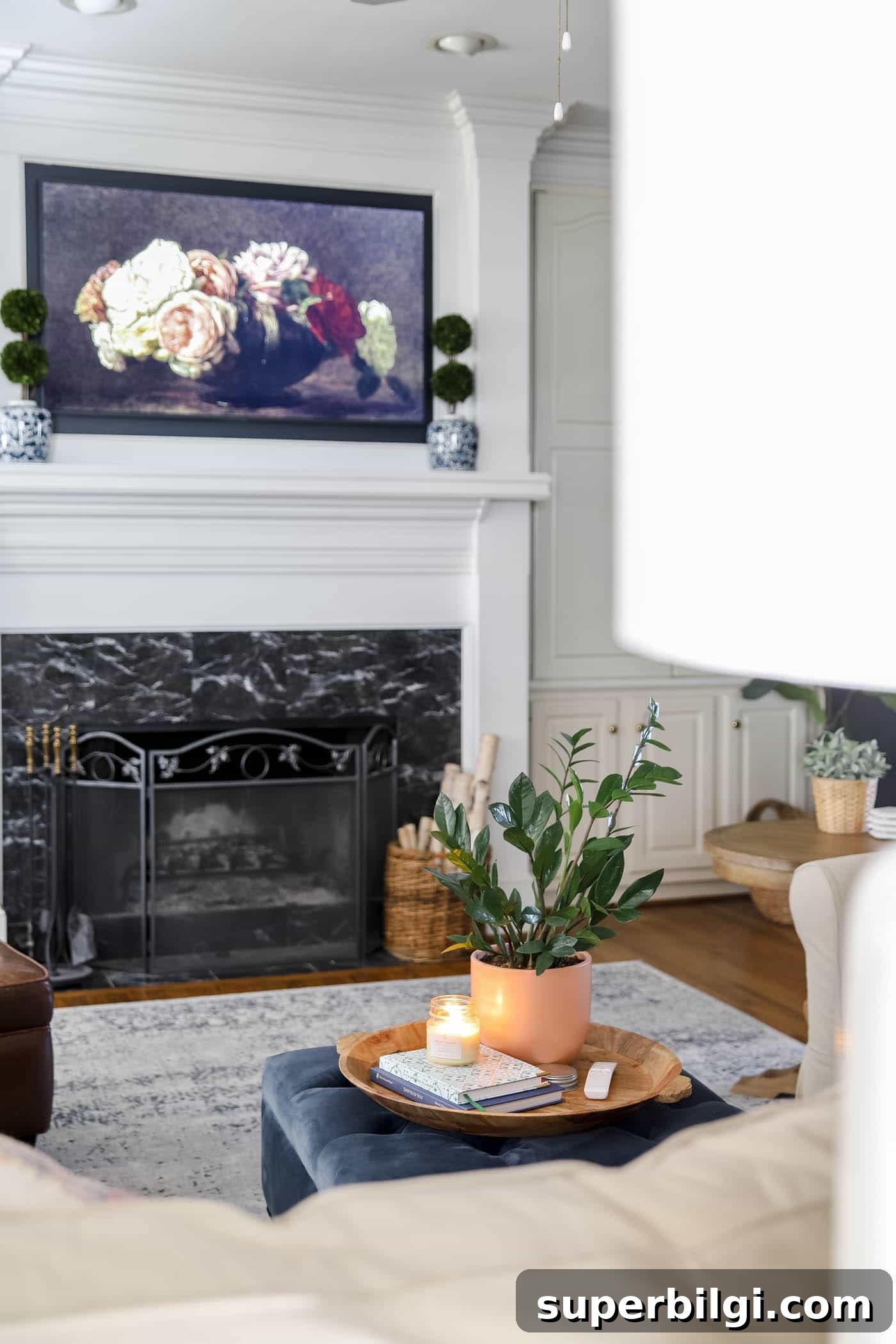
The room itself affects placement. Windows, lighting direction, architectural features, and furniture all play a role. A TV facing a bright window may suffer glare during parts of the day, and built-ins or focal features might limit where you can mount the screen.
Consider these elements when planning placement:
- Room size and viewing zones
- The room’s layout and traffic flow
- Visual obstructions and decorative elements
- Features on the wall such as built-ins or a mantel
- Distance from screen to seating
- Potential glare from windows or lights
- Location of power outlets and cable access
4. Viewing distance
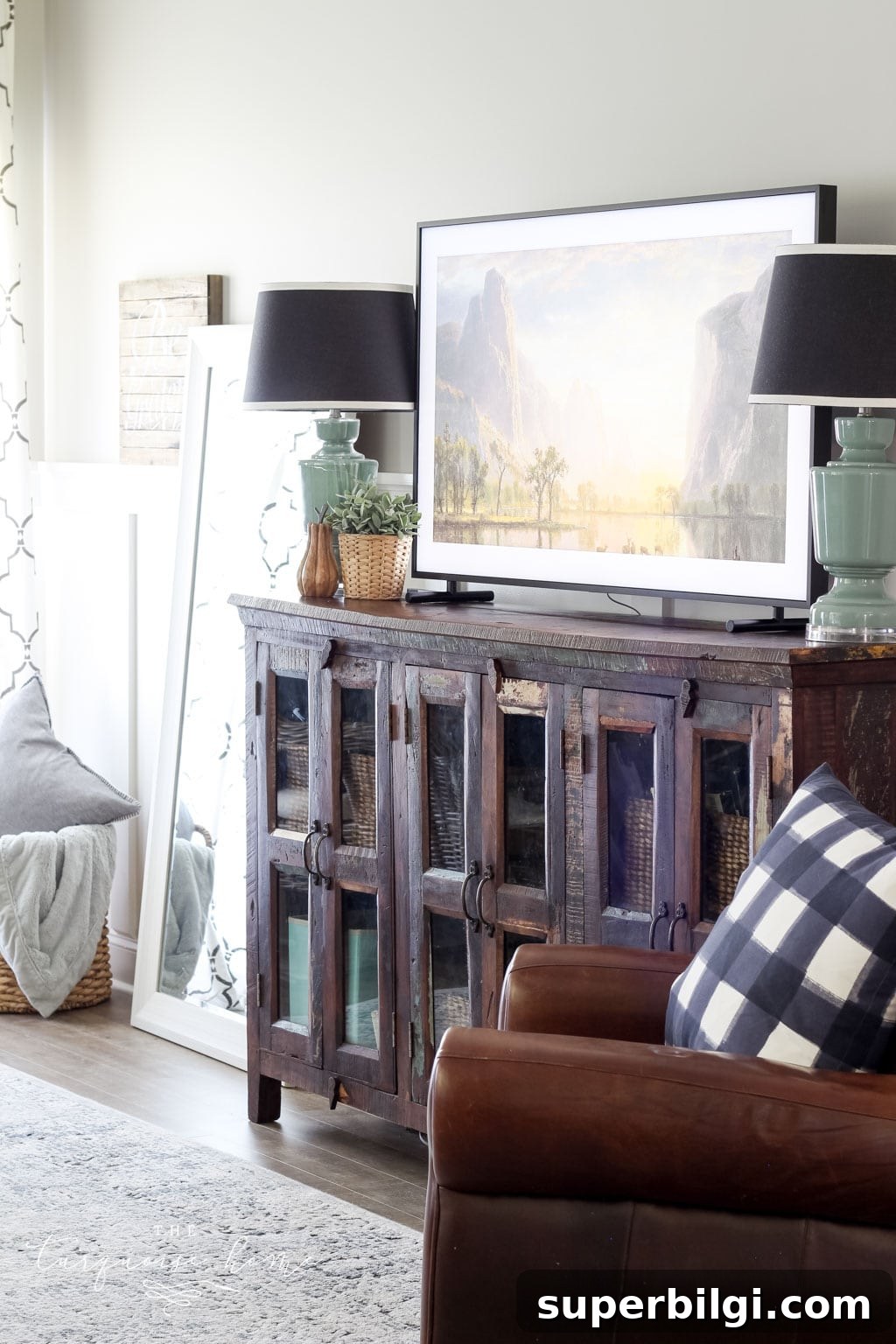
How far you sit from the screen influences both comfort and image clarity. Sitting too close can cause eye strain, while sitting too far reduces detail. Many experts suggest a viewing distance proportionate to screen size. For example, a 55″ TV often works well at roughly 8–10 feet, depending on resolution and personal preference.
If you prefer a quick formula, divide the TV size in inches by a factor tied to sharpness standards to estimate a comfortable distance, or use an online calculator for a tailored recommendation that considers screen size and seating.
5. Layout
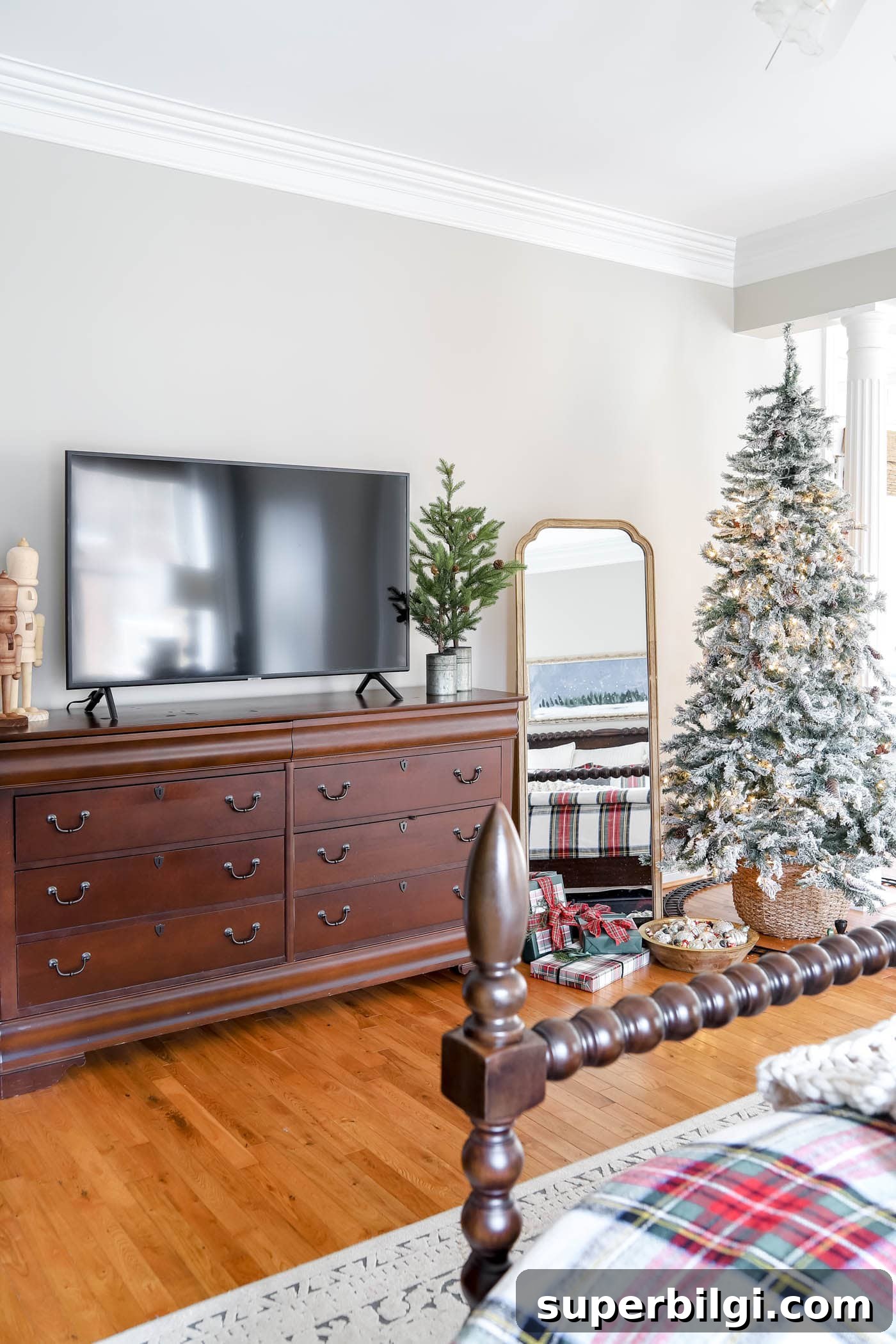
Practical constraints may force adjustments. A fireplace, built-ins, or a piece of furniture might limit where you can hang the TV. If the ideal spot isn’t available, consider alternative walls or adjust the height so viewing remains comfortable.
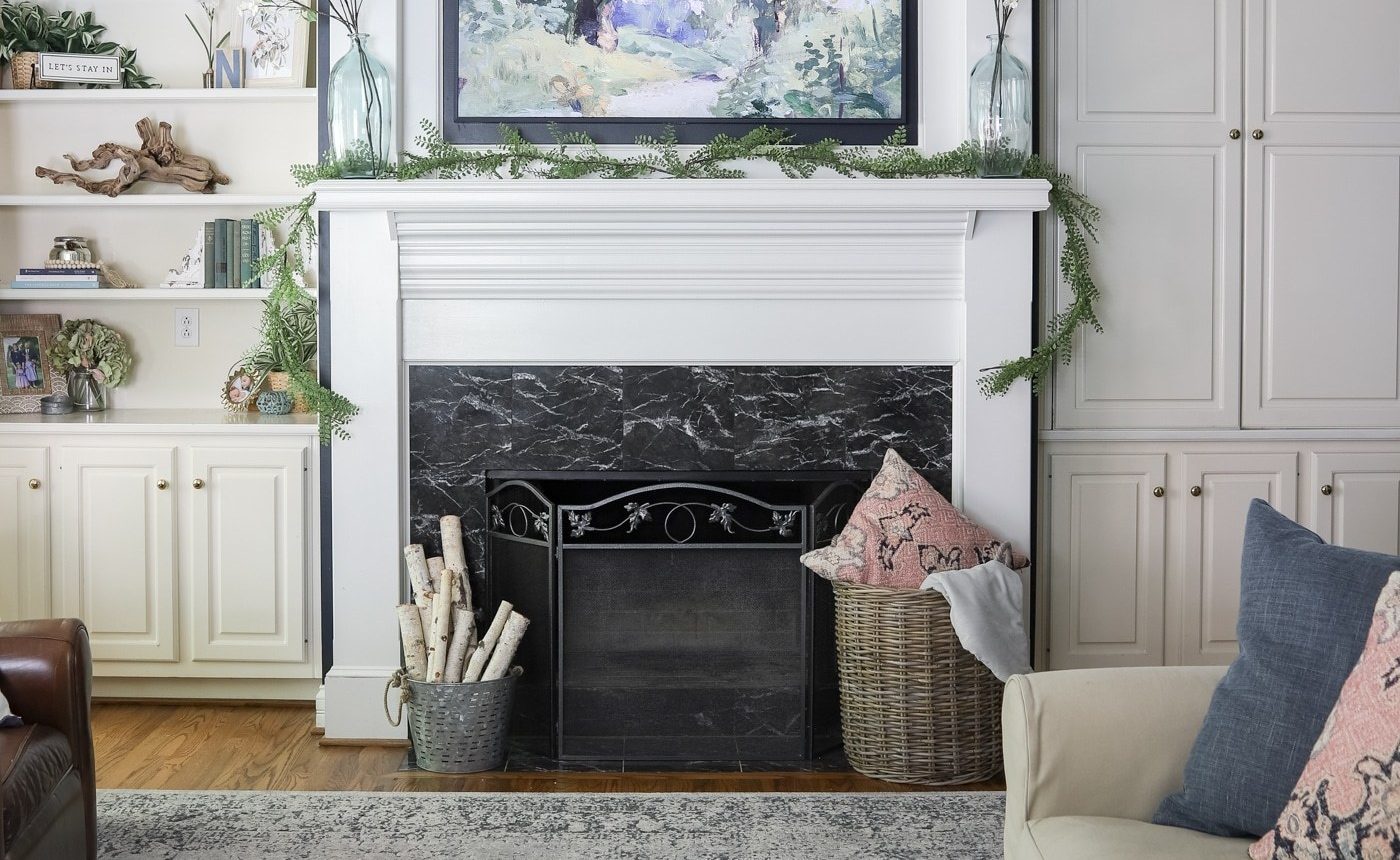
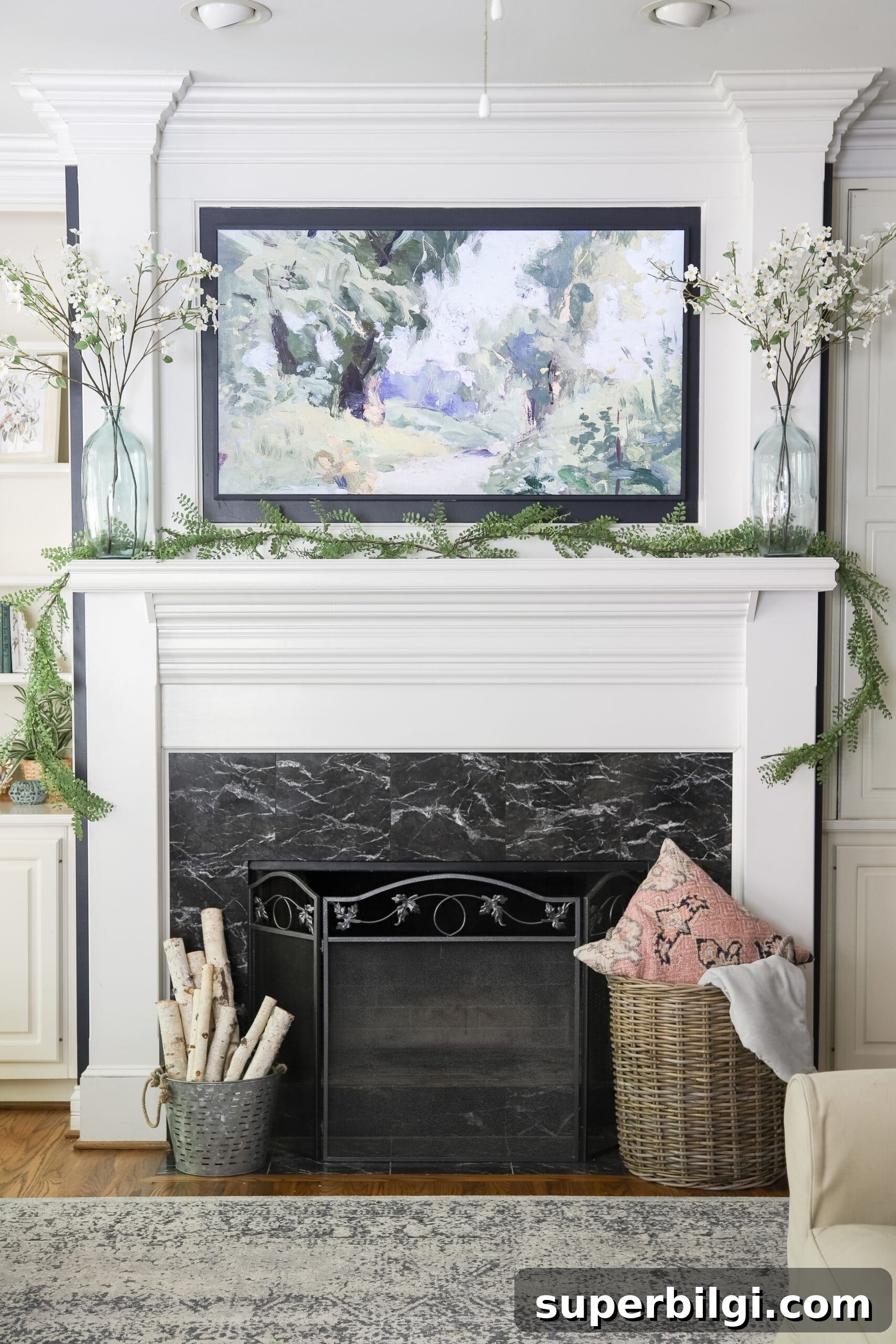
In our living room, the only practical place for the Frame TV was above the mantel between built-in shelves. That limited the vertical placement, but because the sofa sits far enough back, viewing is still comfortable.

Special considerations
Different viewing habits call for special handling. Below are common scenarios and practical ways to find the best mounting height for each.
People who watch TV lying down
If you frequently watch while lying on a bed or couch, mount the TV a bit higher to maintain a comfortable line of sight. A simple method: have someone lie down in the preferred spot while another person marks the eye-line on the wall—place the center of the TV there.
In smaller bedrooms, positioning the screen to the side rather than at the foot of the bed can help achieve a better viewing distance and angle.
Areas where viewers watch standing up
For spaces like home gyms or game rooms where viewers stand, determine the average standing eye level and mount the TV accordingly. If household members vary in height, using the average eye height usually provides a reasonable compromise.
Mounting a TV above a mantle or fireplace
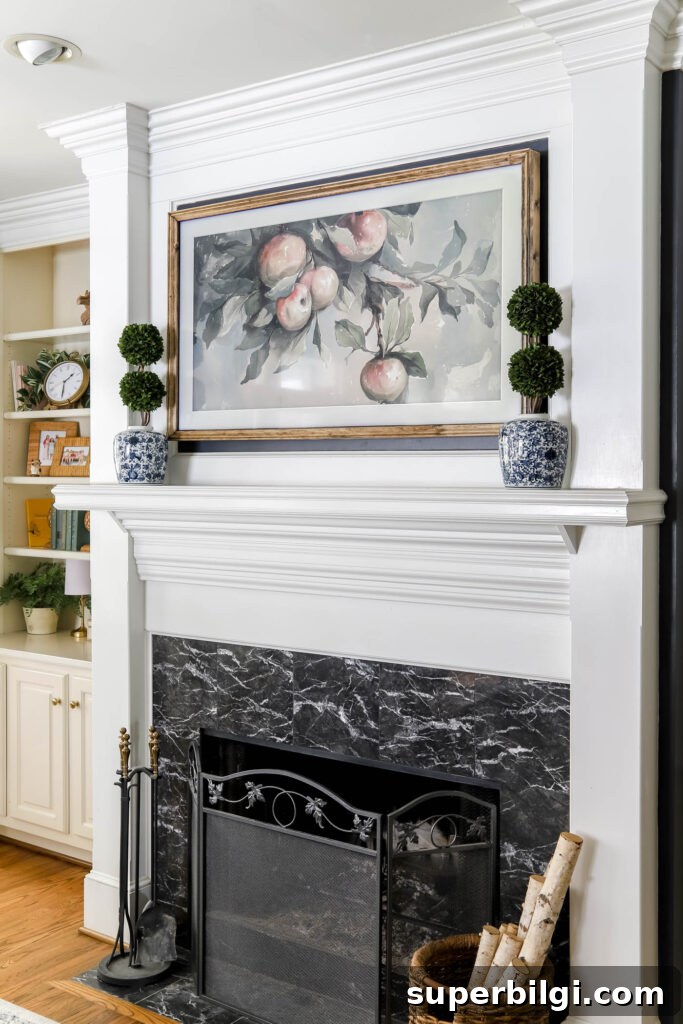
Mounting above a mantel can work well visually, especially with TVs that display art when off. Center the screen over the mantel horizontally and, where possible, keep the bottom of the TV 4–6 inches above the mantel to leave room for decor and avoid visual clutter.
If mounting above a fireplace, check that heat and ventilation won’t harm the electronics. Leaving a bit more clearance—6–12 inches—between the mantle and the TV bottom can reduce heat exposure. Concealing cords behind the wall or running them into adjacent cabinetry creates a clean, museum-like finish.
Final thoughts on how high to mount a TV
Eye-level viewing is the best starting point, but the final mounting height depends on room features, seating arrangements, and how you normally watch. Take time to measure sight lines and seating distances before you drill to ensure an enjoyable viewing experience and a clean, polished installation.
More Living Room posts you may enjoy:
- How to Hang a Christmas Mantel Garland
- 10 Best Ideas for Decorating a Mantel With a TV Above It
- 12 Gorgeous DIY Faux Fireplace Ideas
- 25+ Stunning Summer Fireplace Mantel Decor Ideas
- Fall Fireplace Mantel Decor Ideas