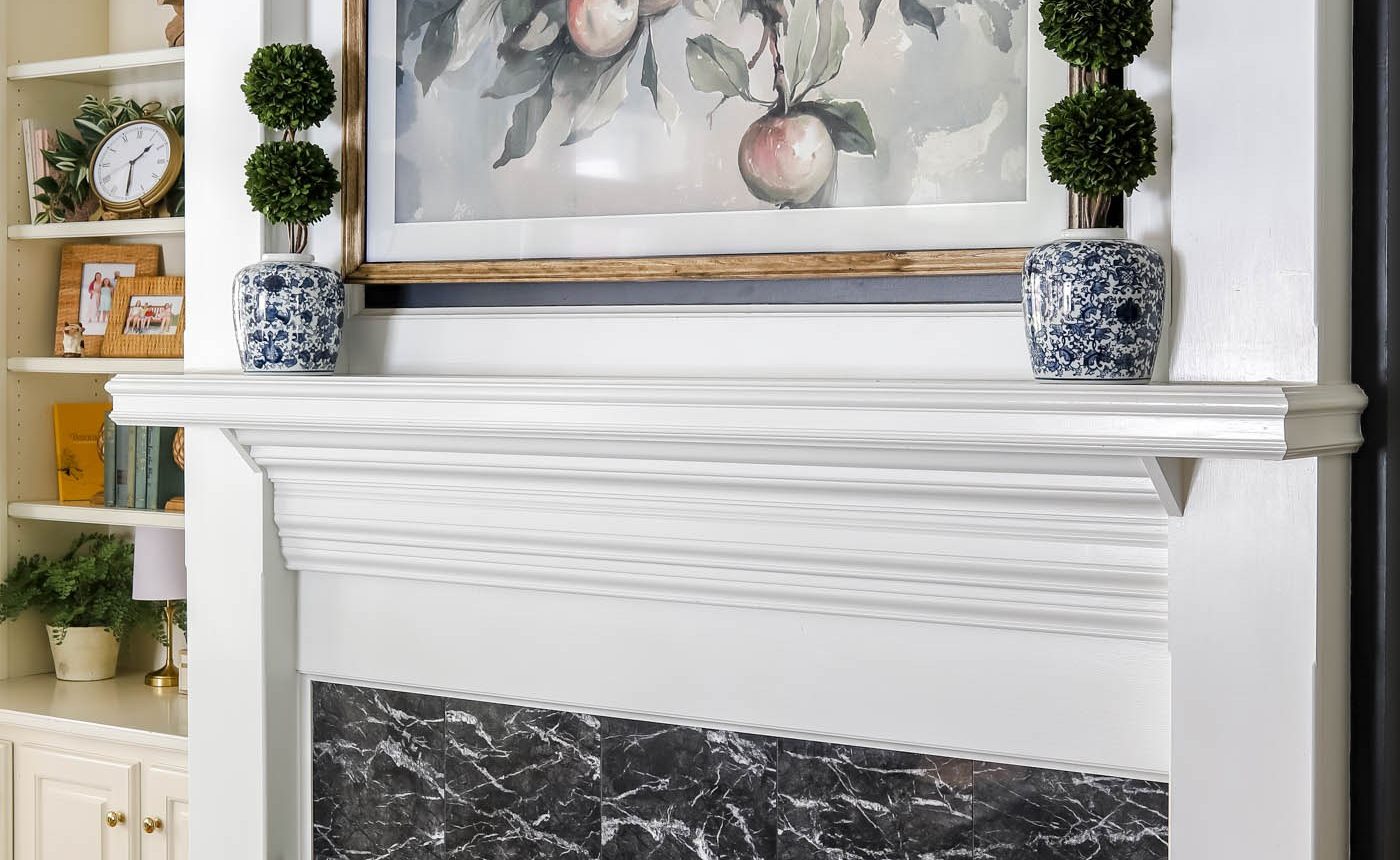
Finding your decorating style can feel overwhelming, but these six simple steps will help you decorate with confidence.
Do you often feel unsure about your decorating style? Maybe your home is full of pieces you once loved but no longer do, or everything feels mismatched. That uncertainty is common, and it’s solvable. Use the steps below to clarify what you truly like and make future decorating choices with confidence.
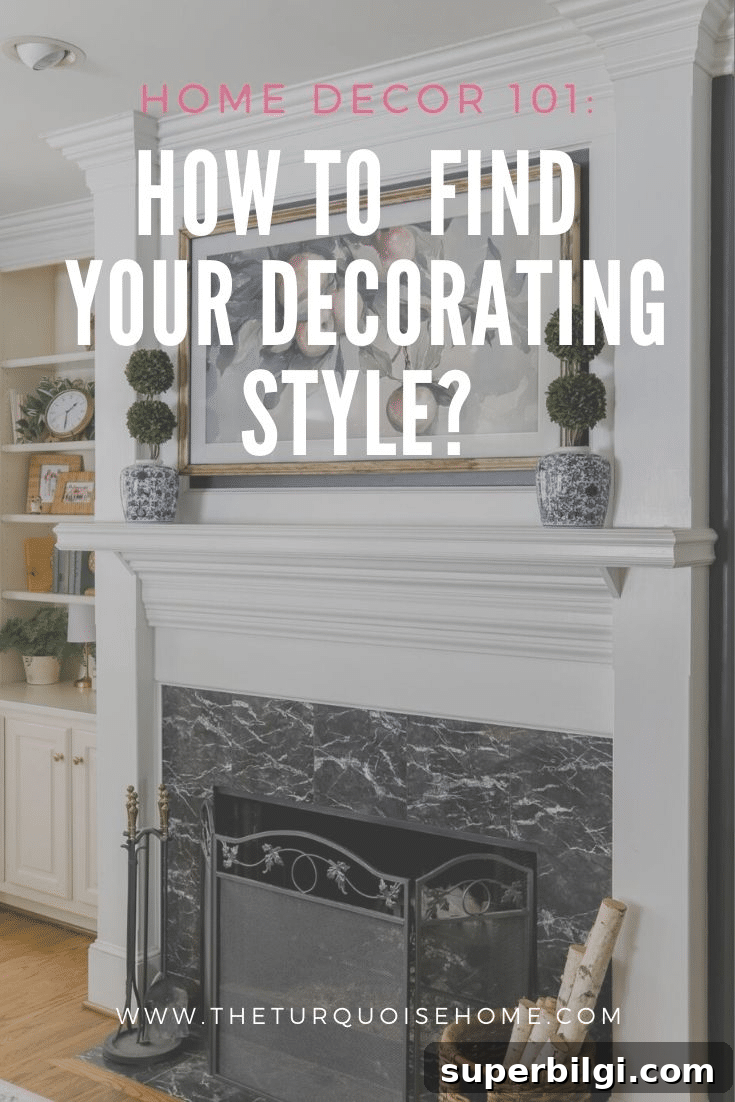
My own search for an “official” decorating style has taken years. My tastes have evolved, and at times decorating felt frustrating. Over time, though, I learned practical ways to determine what I love and how to build a cohesive home. I hope these tips help you find a decorating rhythm that feels right for you.
How to Find Your Decorating Style
1. Gather Inspiration and Note the Common Threads
Collect your inspiration—whether it’s magazine clippings, photos, or Pinterest boards—and look for repeating themes. Identifying patterns will reveal your preferences more clearly than trying to pick a single “style” label.
- Color families you’re drawn to
- Metal finishes (brass, chrome, oil-rubbed bronze)
- Fabrics and textile feels (linen, velvet, cotton)
- Preferred patterns (stripes, florals, geometrics)
- Light and atmosphere: airy and bright vs. dark and moody
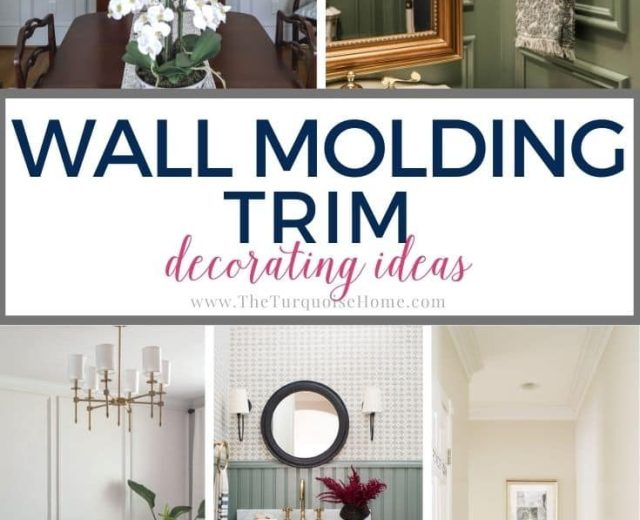
- Architectural elements (trim, moldings, built-ins)
- Line quality: ornate details vs. clean, minimalist lines
- Formality: formal rooms vs. relaxed, casual spaces
- Eclectic touches vs. historically rooted pieces
- Preference for neutral bases with color accents vs. bold, saturated palettes
Styles aren’t one-size-fits-all. Labels can be useful, but the goal is to know what you like and how to find it.
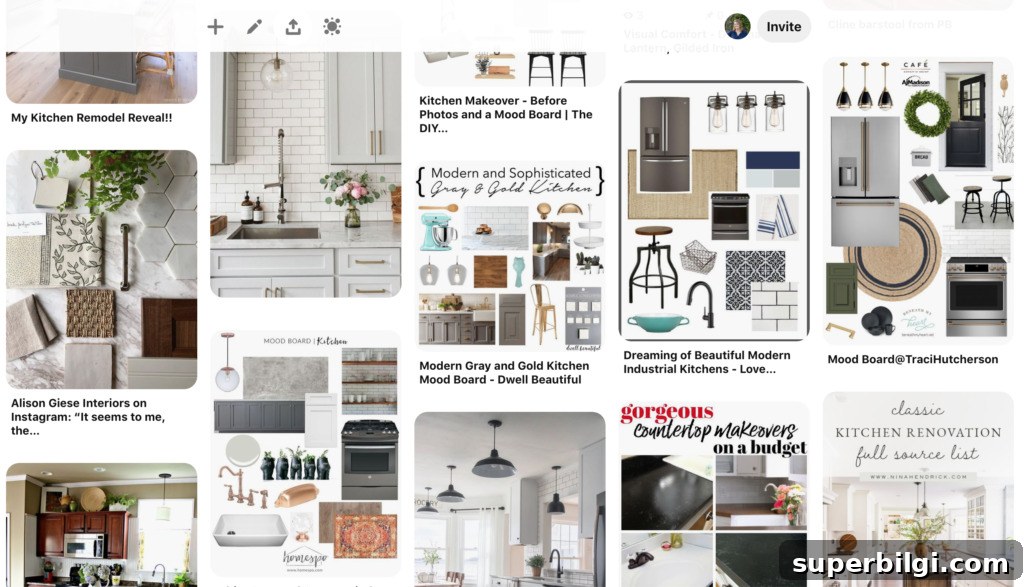
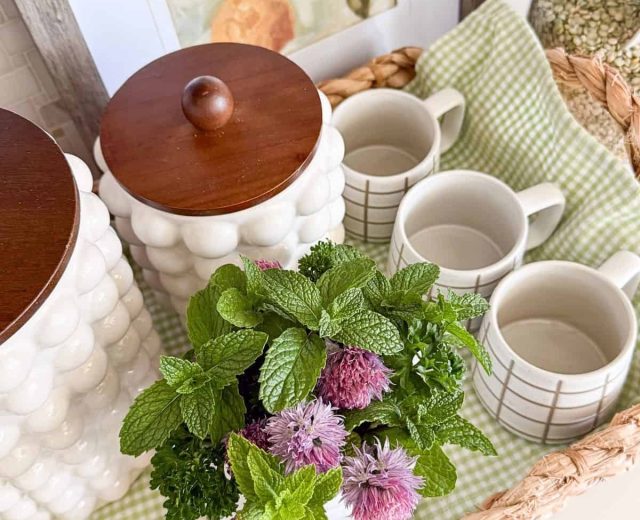
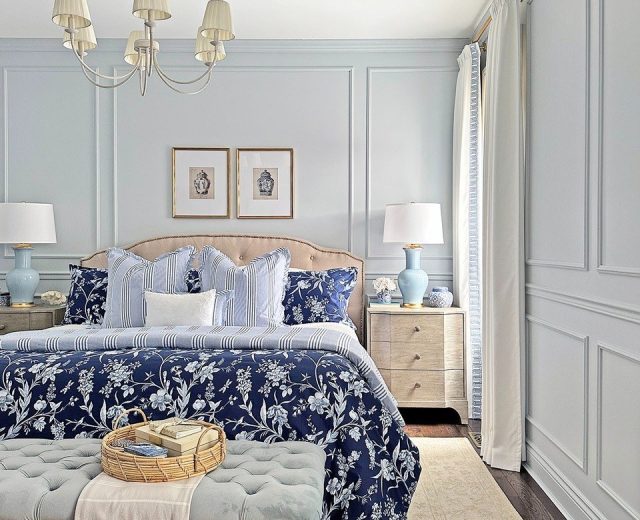
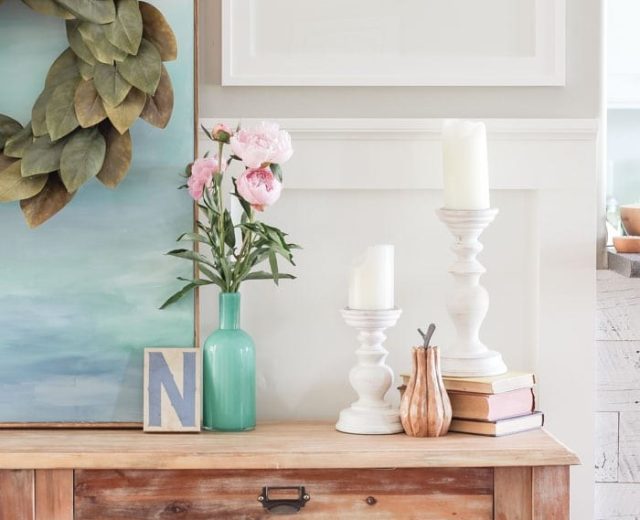
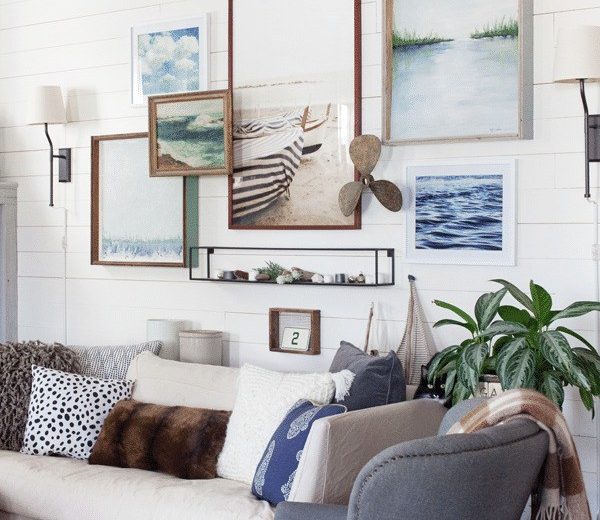
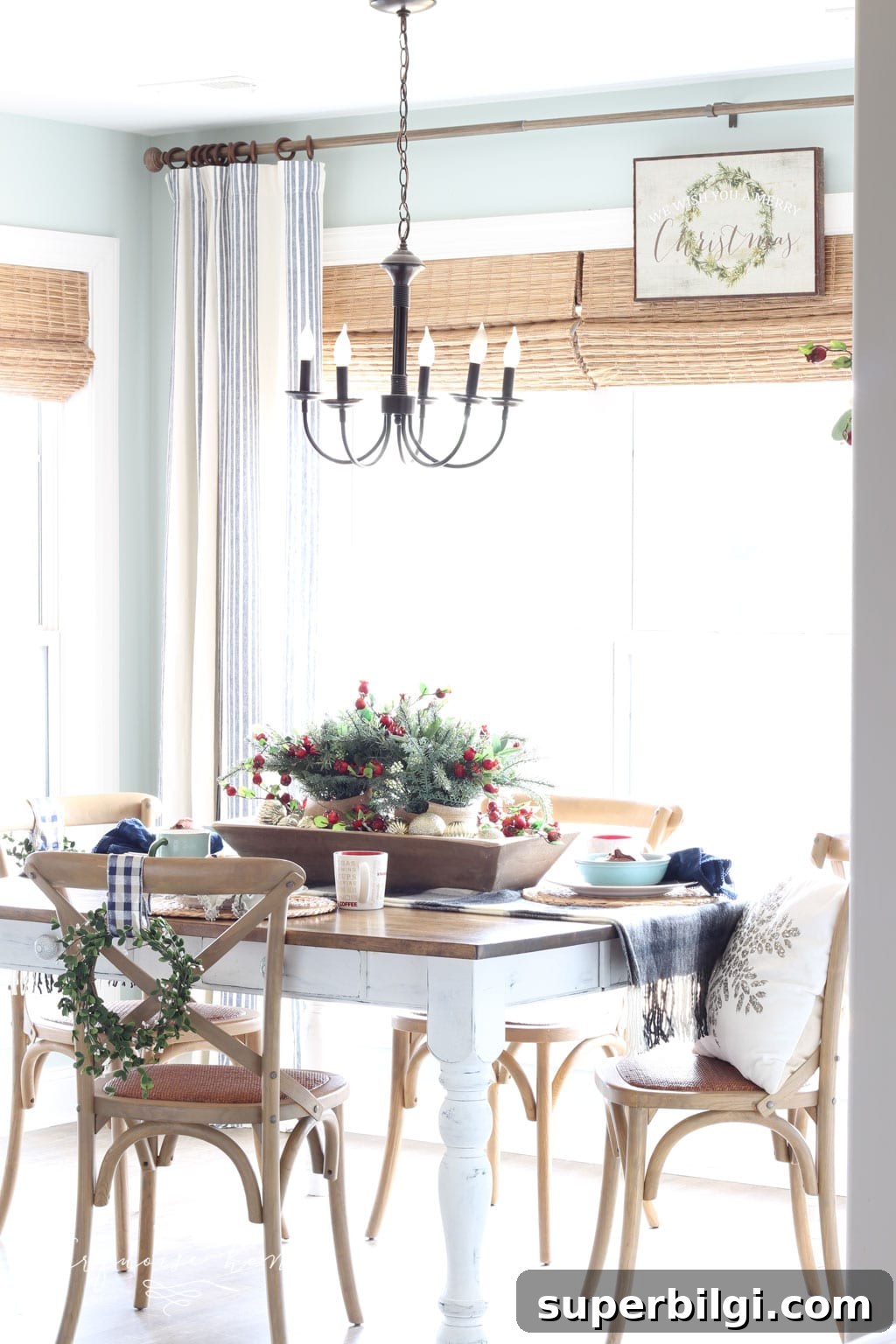
For example, I keep separate inspiration boards for different rooms. Over time I noticed I’m drawn to architectural details like wood trim, neutral furniture, medium wood tones, blue and green accents, brass finishes, and lots of greenery. These recurring choices form the foundation of my look.
2. Define Your Color Palette
Once you identify the colors that show up most in your inspiration, build a home color palette from them. A consistent palette makes decorating decisions much easier and creates visual cohesion across rooms.
Start with the dominant colors you love, add complementary neutrals, and choose one or two accent colors for accessories and artwork. If you’re unsure, check the colors you consistently wear—your wardrobe can be a great clue to what you’ll enjoy living with.
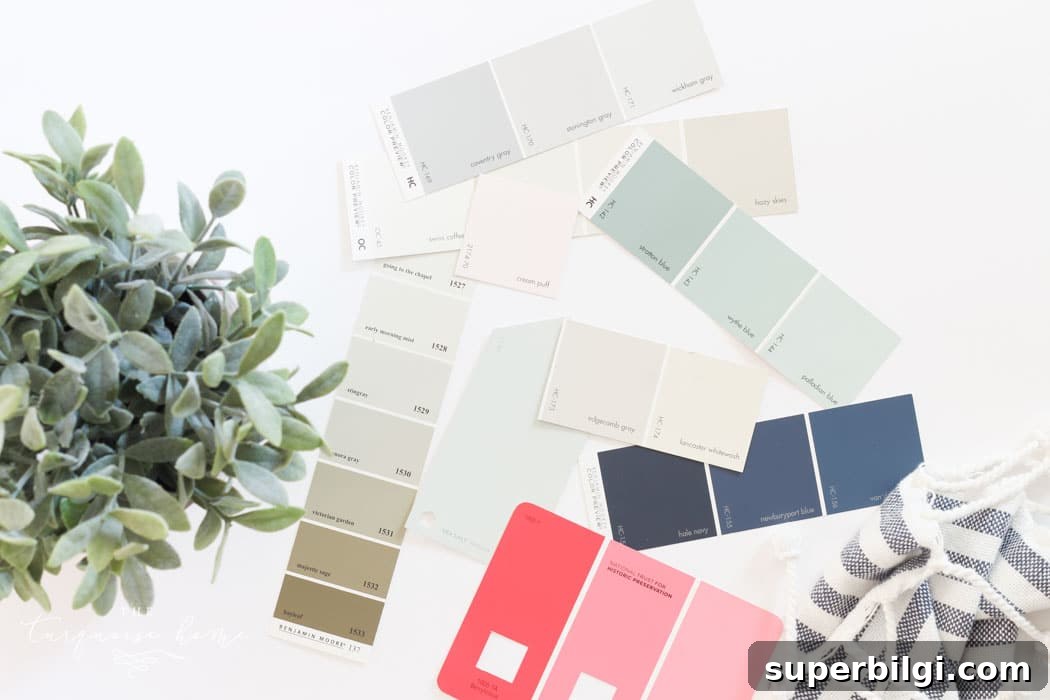
3. Let Your Home’s Architecture Guide You
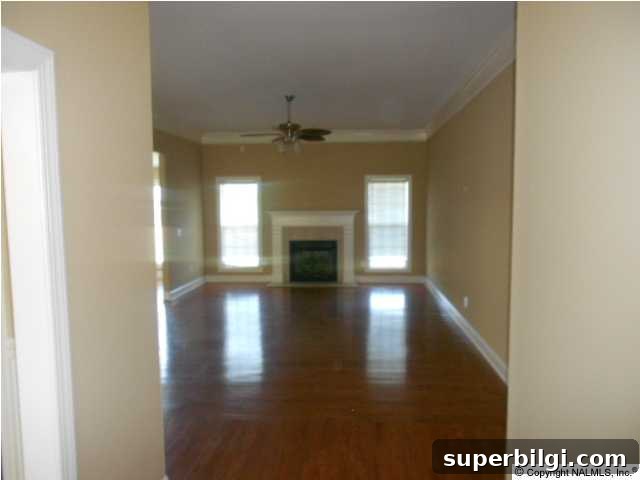
Your home’s style and architectural details should influence your decorating direction. A modern, minimal house will feel different from a classic, traditional home with crown molding and built-ins. Work with what the house already offers.
For example, a Cape Cod or traditional house benefits from classic, transitional pieces and richer finishes, while a blank-slate builder home can accommodate farmhouse, modern, or eclectic layers more easily. It’s fine—and often wise—to evolve your style as you move into a new space, blending familiar preferences with elements that suit the structure.
4. Inventory Your Current Decor and Edit Ruthlessly
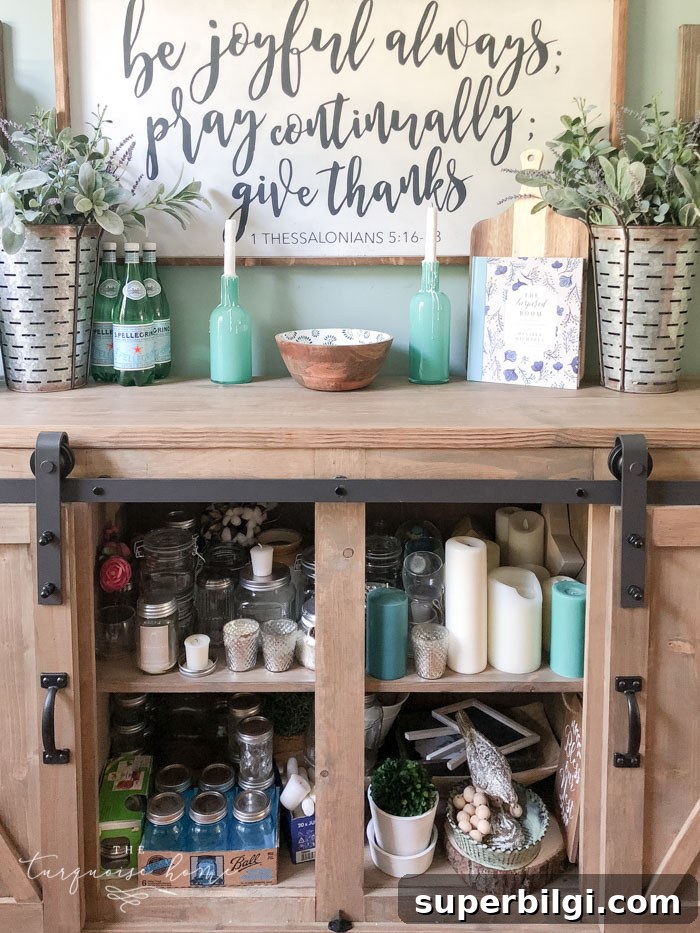
Gather your decorations and assess each piece. Decide what you truly love, what’s necessary, and what’s holding you back from a cohesive look. Ask:
- Is this the best example I own? If you have multiples, keep the strongest pieces.
- Is this my favorite? Would you buy it again today?
- Is it necessary? Keep practical items until you can replace them, but don’t keep filler pieces just to avoid empty spots.
Filling your home only with pieces you love builds a stronger foundation for your style and makes future decisions easier.
5. Design for How You Actually Live
Practical living should shape style choices. Families with young children may prefer washable fabrics, slipcovers, or durable leather and rugs with patterns that hide stains. If your household is mostly adults, you might display fragile collectibles and prioritize more delicate finishes.
Choose furniture and finishes that support daily life. A beautiful home should also be livable. Use clever storage solutions—covered baskets, trunks, or built-ins—to hide clutter while keeping style intact. With thoughtful choices, you can have a stylish home that suits an active family.
6. Use Online Quizzes as a Guide, Not a Rule
Decorating quizzes can help confirm your instincts. If several reputable quizzes point toward the same style—transitional, modern, farmhouse, or traditional—that consensus can validate your direction. Treat quizzes as helpful input alongside your personal observations and the other steps above.
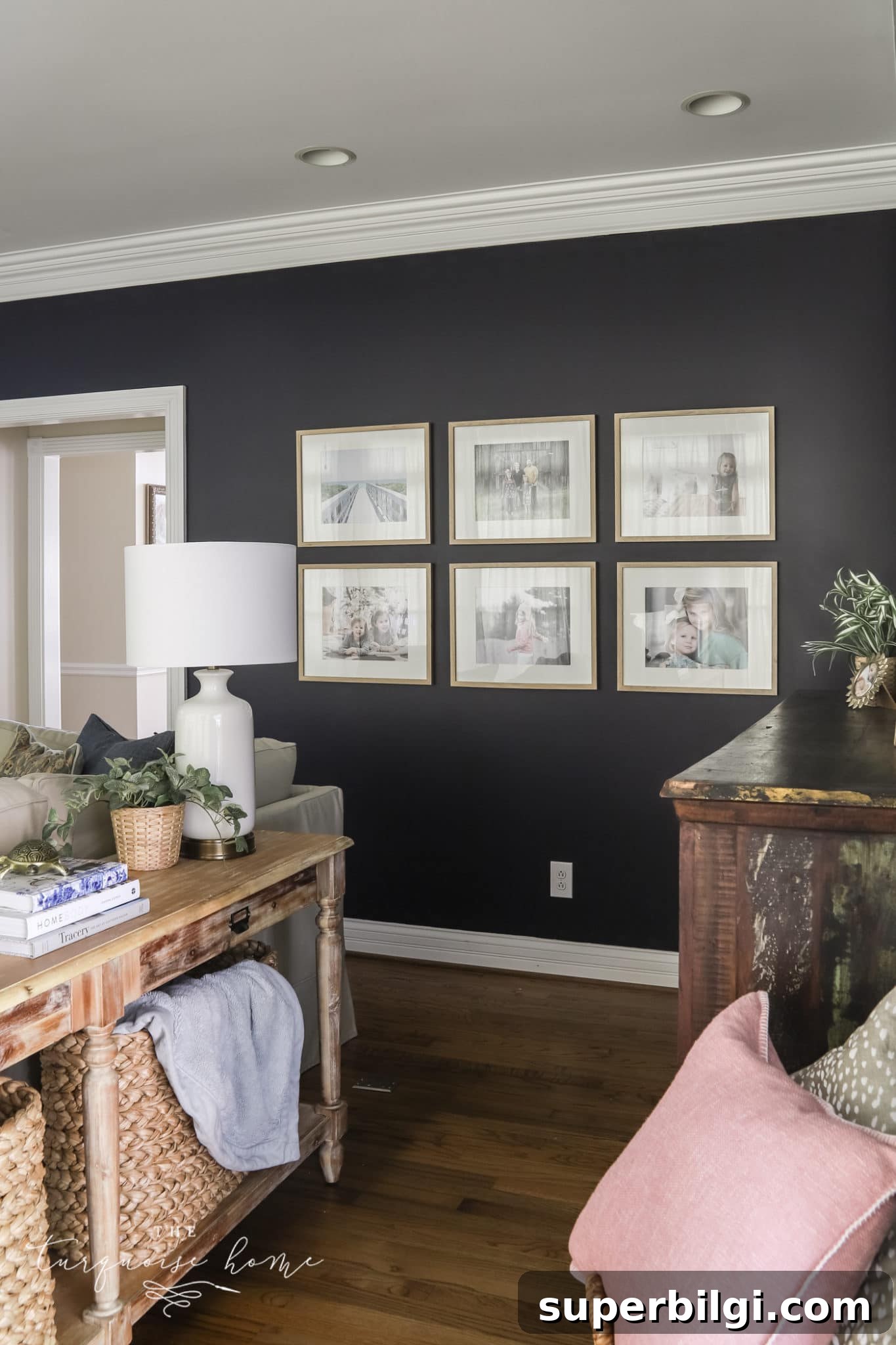
Finally, Layer in What You Love
After identifying common themes in your inspiration, choosing a color palette, and respecting your home’s character and lifestyle, bring in the things you love. The most inviting homes reflect personal taste rather than a strict adherence to a single decorating trend.
Layer textures, accessories, artwork, and meaningful objects over your base pieces. Combine what appeals to you and let the home grow organically. Over time, your space will feel cohesive, intentional, and uniquely yours.
More posts you might enjoy (titles only):
- How to Decorate End Tables
- How to Choose and Style Sofa Pillows
- Best 15 Haint Blue Paint Colors for Porch Ceilings
- How to Style a Console Table Behind a Couch (4 ways!)
- How to Decorate with Ginger Jars