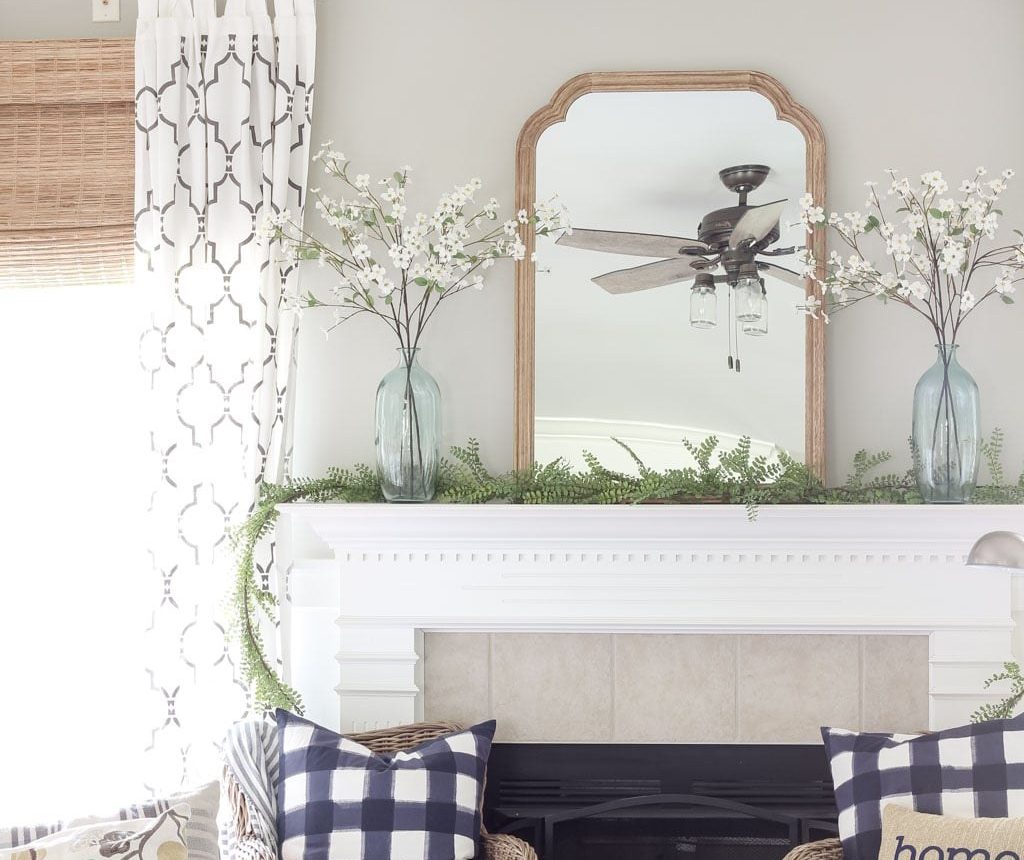
Learning how to decorate a living room can transform the look and feel of your home. From making the most of what you already own to carefully selecting art and lighting, this concise guide walks you through decorating a living room—simply and confidently.
For many of us, the living room is one of the most-used spaces in the house. It’s where we relax, gather with family and friends, watch TV, and spend quiet moments. Because it’s so central to everyday life, the living room is also one of my favorite rooms to style and refresh.
A few years ago I had a major opportunity to redecorate: water damage required new flooring and repairs, and everything on the walls had to come down for repainting. While the cause wasn’t ideal, the result was a chance to rethink furniture placement, wall art, and the overall look. If you’re in a similar situation or simply want a refresh, these practical living room decorating tips will help.
Note: Since writing this, we moved and applied these same principles to decorate a new living room.
After repairs and updates—new flooring, a larger TV that will be wall-mounted, and a new sectional on the way—I found myself back at square one in many ways. This reset made it the perfect time to assemble a clear, practical guide for decorating a living room.
How To Decorate A Living Room
Trends change, but good decorating fundamentals last. These core ideas will help you create a living room that feels cohesive, comfortable, and stylish. Breathe easy—small changes can have a big impact and many choices are easy to reverse if you change your mind.
Step #1: Arrange Your Furniture
Furniture arrangement is the foundation of a successful living room design. How you place sofas, chairs, and tables determines the flow, scale, and usability of the room. Start by identifying the natural focal point: a fireplace, a large window, built-ins, or the TV. Make that focal feature the anchor for your layout.
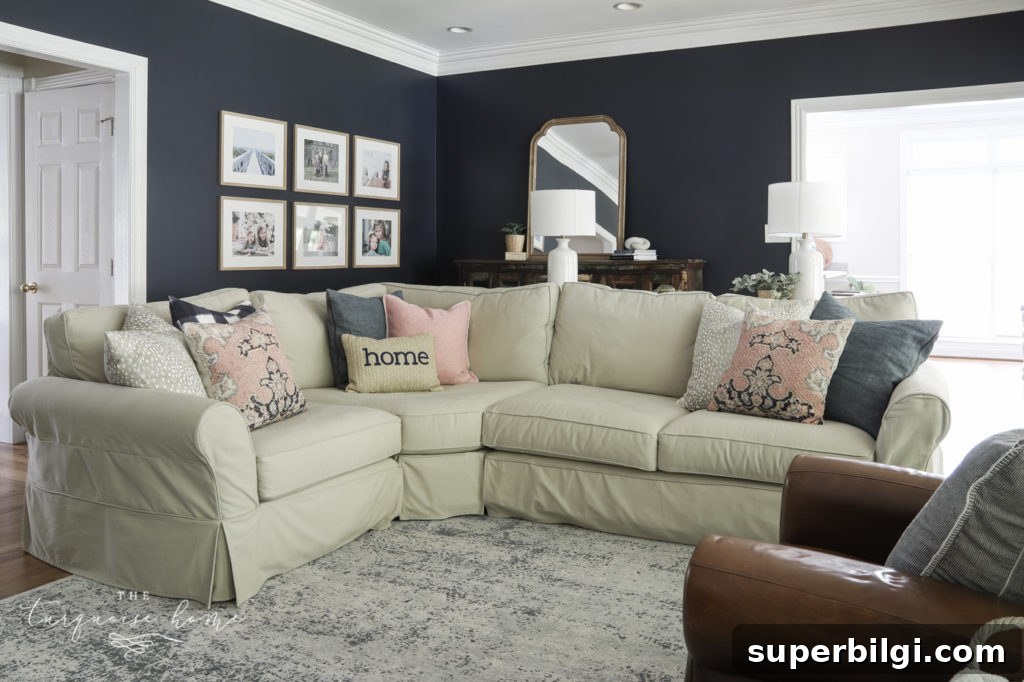
Consider traffic flow. Avoid blocking common pathways with chairs or tables. If the room is big enough, pull furniture away from the walls to form a more intimate and inviting conversation area. Group seating so pieces face each other; this creates a cozy, functional center for conversation and TV viewing.
You don’t have to buy new furniture to refresh a space. Reconfiguring what you already own—swapping a sofa for chairs, moving the coffee table, or angling seating—can dramatically alter the room’s feel. Always measure your space and furniture before buying anything new; save the dimensions on your phone or in a home binder so you can shop confidently.
Pick the Size of Area Rugs Carefully
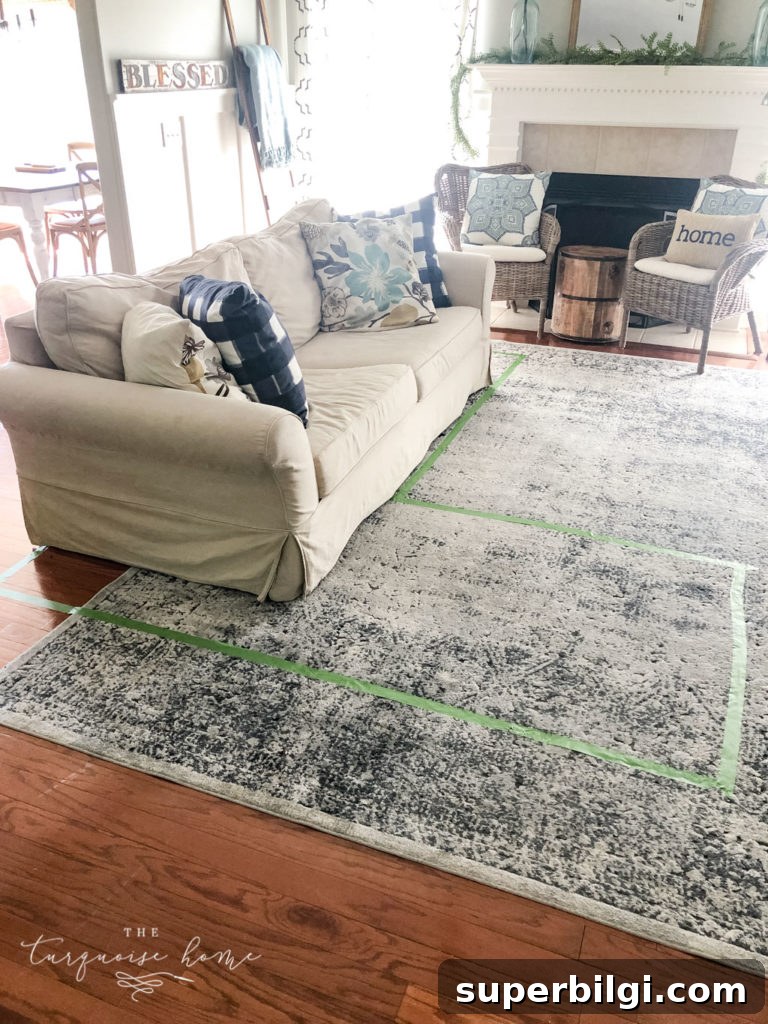
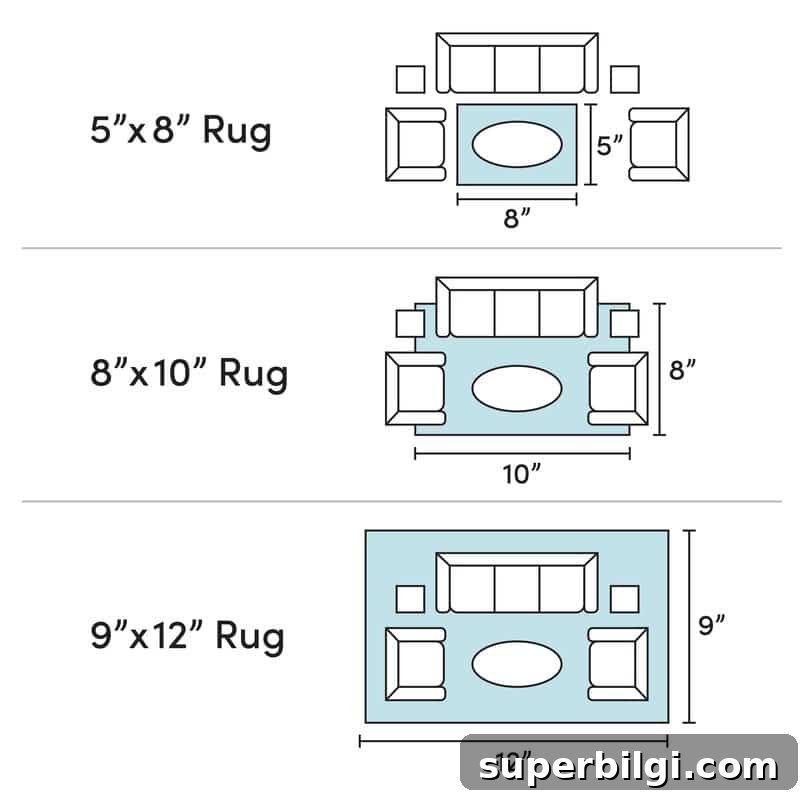
Area rug size matters. A rug that’s too small will make the room look disjointed; the right rug can visually enlarge a space and tie furniture together. Aim to leave about 18 inches between the rug edge and the walls when possible. You can place the front legs of a sofa on the rug to anchor seating. For smaller rooms, ensure furniture legs rest consistently on or off the rug to avoid a chopped appearance.
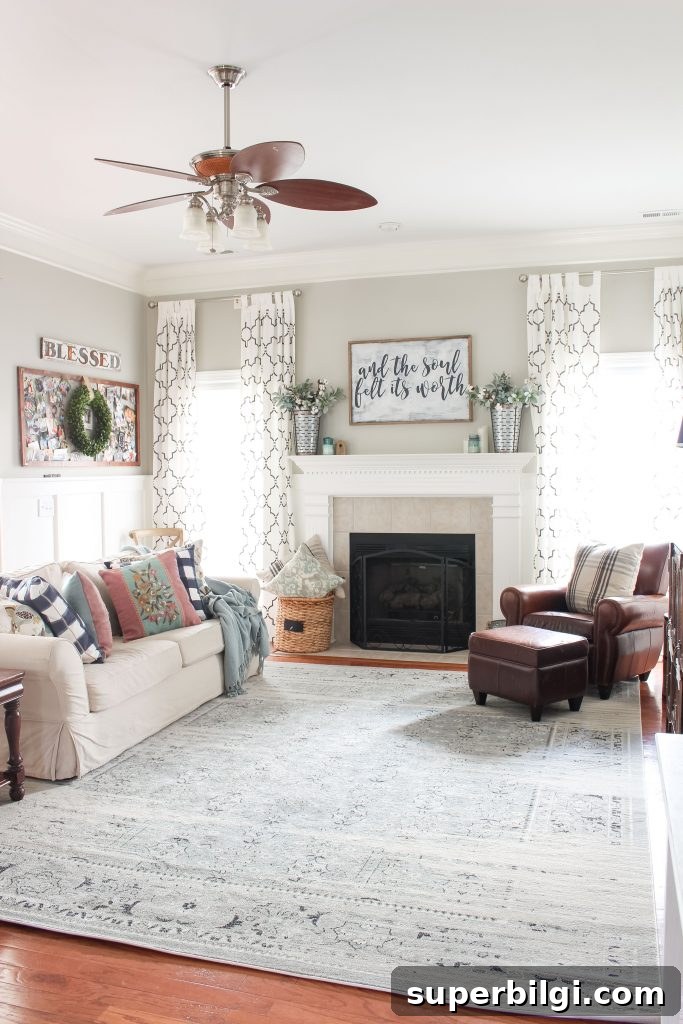
Choose colors and patterns that complement your palette. A rug can be a subtle backdrop or a bold accent—either approach can work, depending on the mood you want to create.
Where To Hang Artwork in the Living Room
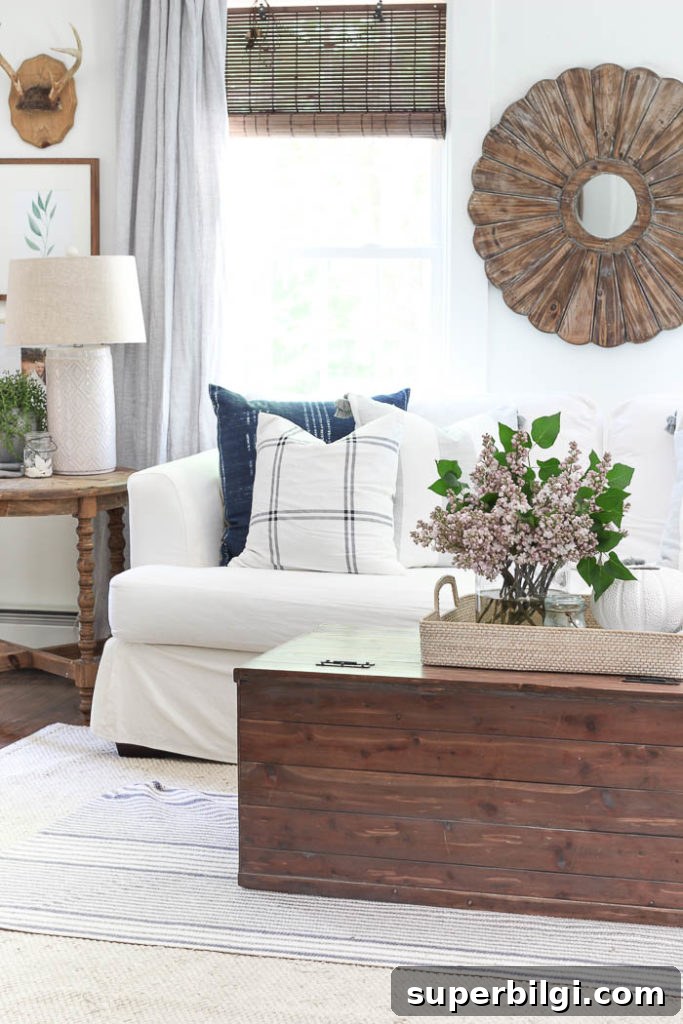
Artwork adds color, texture, and personality. If your room lacks a natural focal point, a large piece of art can fill that role. In seating areas, hang art slightly lower than you might in a hallway because people will be seated—eye level for a seated viewer is more inviting.
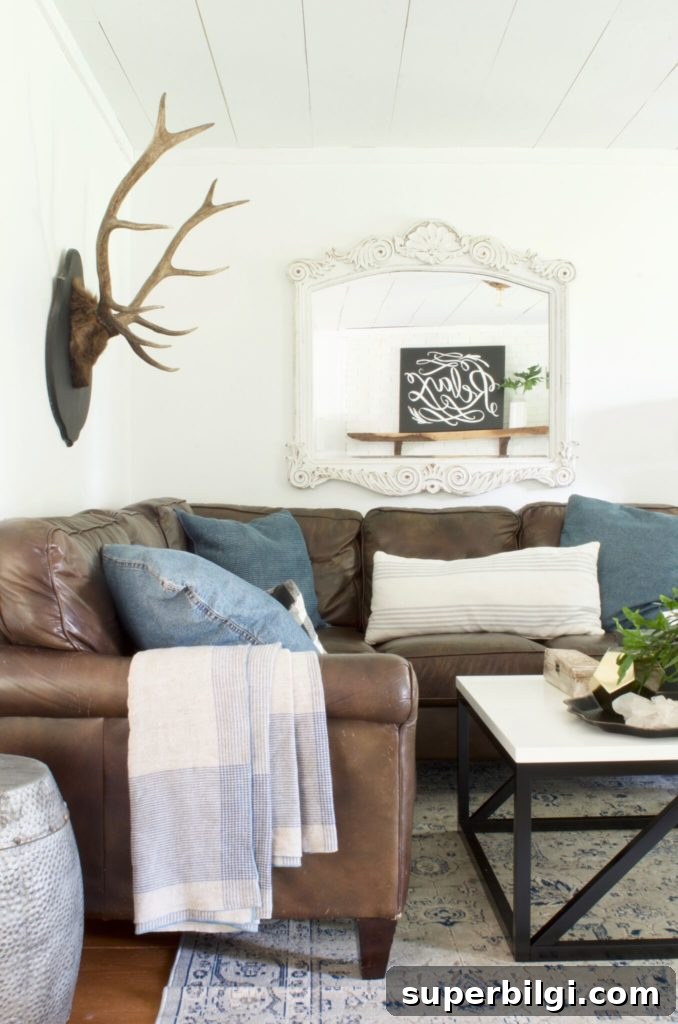
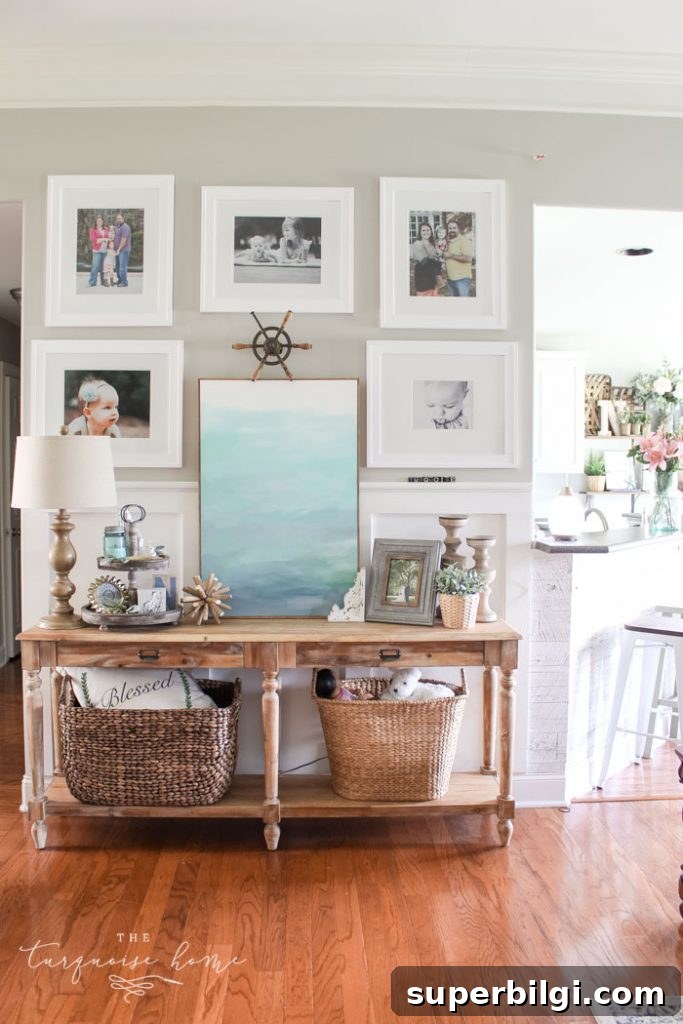
A rule of thumb: art above a sofa should be roughly two-thirds the width of the sofa for balanced proportions. If one piece feels wrong, consider a gallery wall to fill the space. When creating a grouping, lay out your arrangement first using paper templates or painter’s tape on the wall. Odd-numbered groupings typically feel more natural and visually pleasing—place larger pieces centrally and fill in with smaller works.
Set The Stage With Lighting
Lighting shapes ambiance. The living room should feel relaxed—not harshly lit—so include layered lighting: overhead for general use, table and floor lamps for softer pools of light, and task lighting where needed. Dimmable switches or smart bulbs are particularly helpful for adjusting mood when watching TV or entertaining. Accent lighting can highlight art or architectural features and adds depth at night.
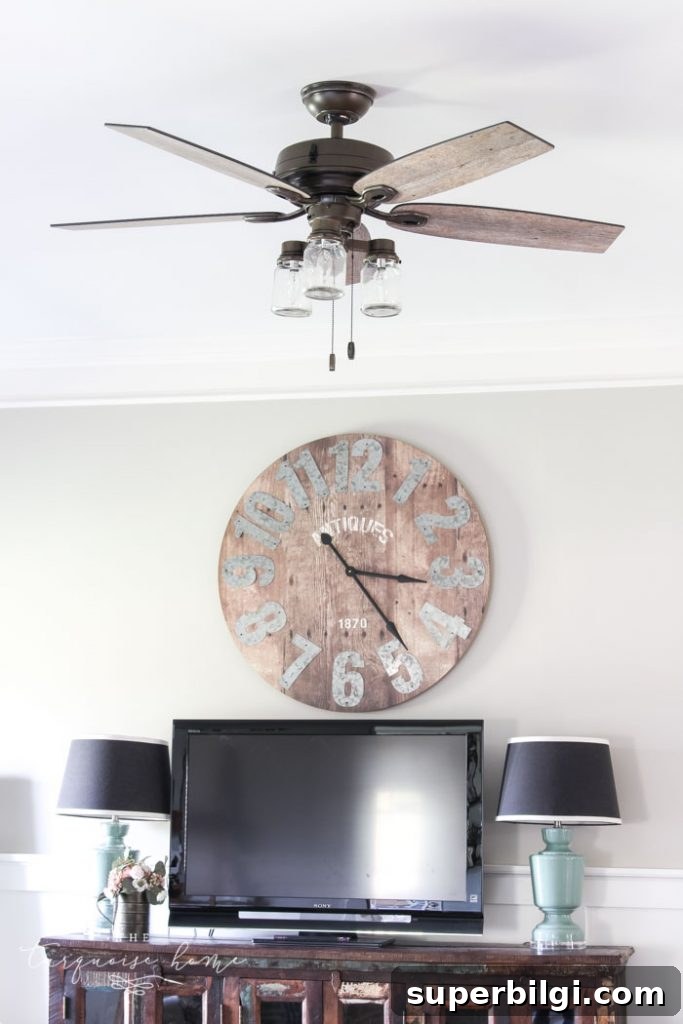
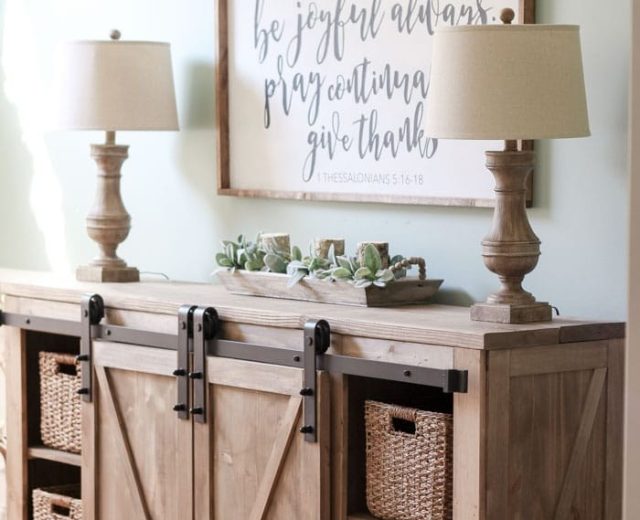
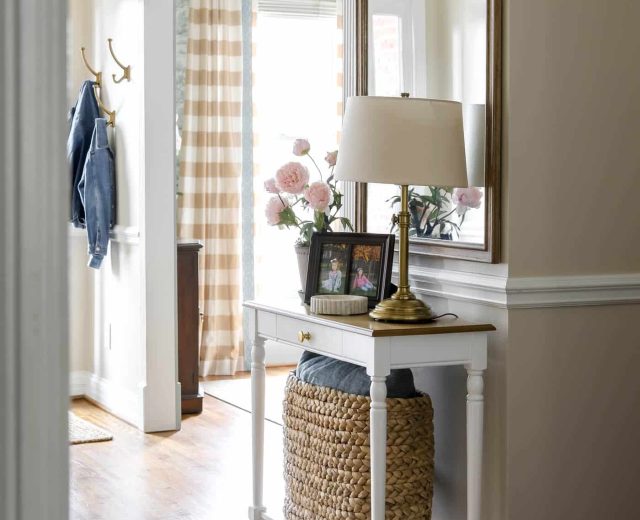
We rely on lamps most evenings for a warm, cozy glow and use smart controls to turn them on and off or dim them by voice—an easy way to add convenience and atmosphere.
Choosing Paint Colors
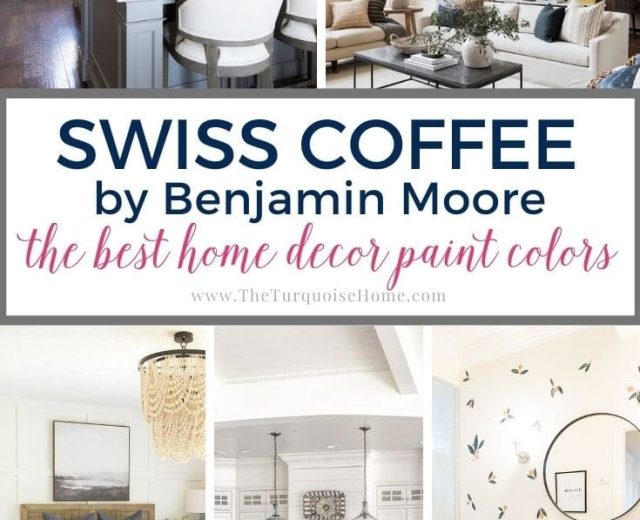
Choose paint with longevity in mind; you’ll be living with the color for some time. Neutral tones—whites, grays, tans, and taupes—offer versatility and a timeless backdrop. Pale blues and soft greens bring a calming vibe, while a bold accent wall can add drama without overwhelming the space. If your living room feels small or has limited natural light, lighter colors will keep it feeling open; darker shades work well in larger, well-lit rooms for a cozy, enveloping effect.
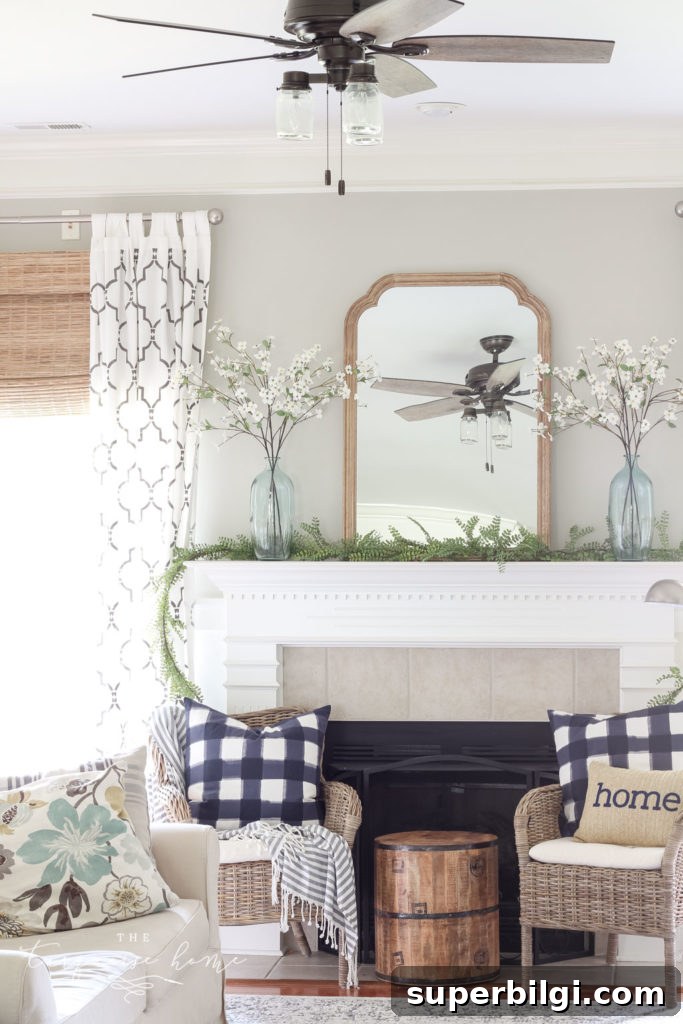
Ultimately pick colors that reflect your taste and make the room feel like home. If you love bold hues, try them on an accent wall or in accessories first.
Space Planning & Measuring
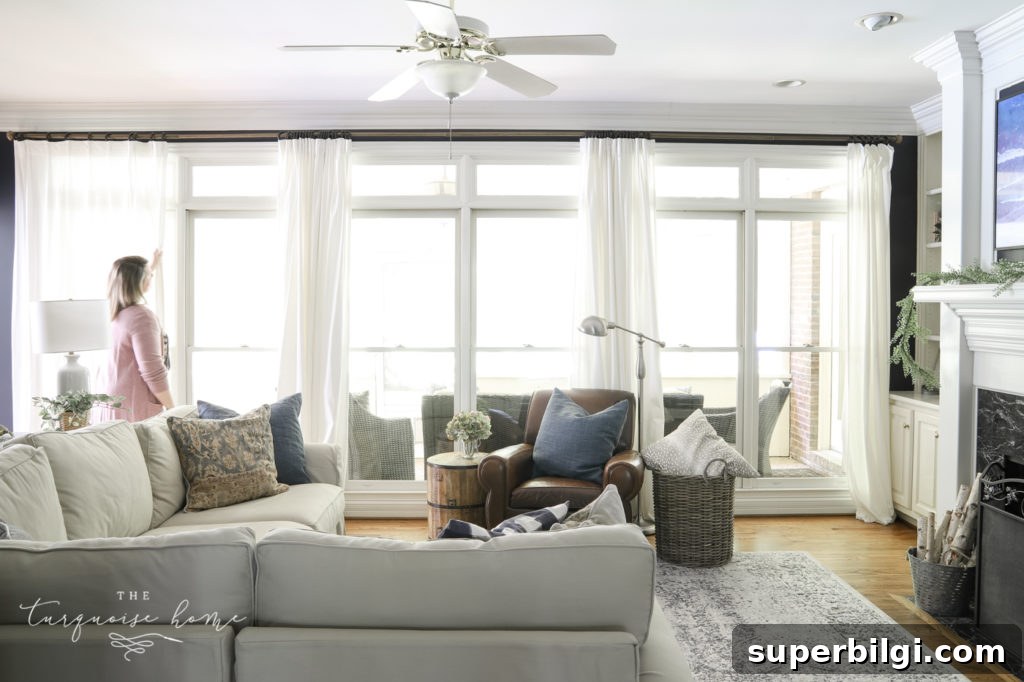
Accurate measurements are essential. Measure the room twice, note doorways and windows, and record ceiling height. Sketch the room to scale on graph paper or use free online room planning tools to experiment with layouts. Measure your furniture and arrange it on the plan to ensure everything fits comfortably, including circulation space between pieces.
Good space planning prevents costly mistakes and helps you visualize options before you buy. Remember: most changes in a living room are reversible, so start with confidence and tweak as you live in the space.
Decorating a living room should be enjoyable. Focus on comfort, proportion, lighting, and the details that make the room uniquely yours. Happy decorating!
MORE POSTS YOU WILL LOVE:
- Traditional Christmas Living Room Decor
- How to Style a Console Table Behind a Couch (4 ways!)
- Home Decor 101: How to Decorate End Tables