If you’ve ever ordered a large, expensive piece of furniture, you know the feeling of “analysis paralysis.” Committing to a big purchase for your home—especially one that costs thousands—can be daunting. What if the scale is wrong? What if it doesn’t arrive as expected? What if you can’t return it? These are normal questions when shopping for major pieces like sofas or sectionals.
We’re currently hunting for a new living room sofa, so I’ve been working through the same decision-making process I share below. These are practical steps that help me feel confident before committing to a high-ticket furniture purchase.
This post contains affiliate links for your convenience.
How to Decide on New Furniture
Large furniture purchases deserve careful thought because they’re expensive and often difficult to return. Below are clear, practical steps I use when choosing new furniture. Following them will help you avoid buyer’s remorse and pick pieces that fit both your space and lifestyle.
Measure the Space
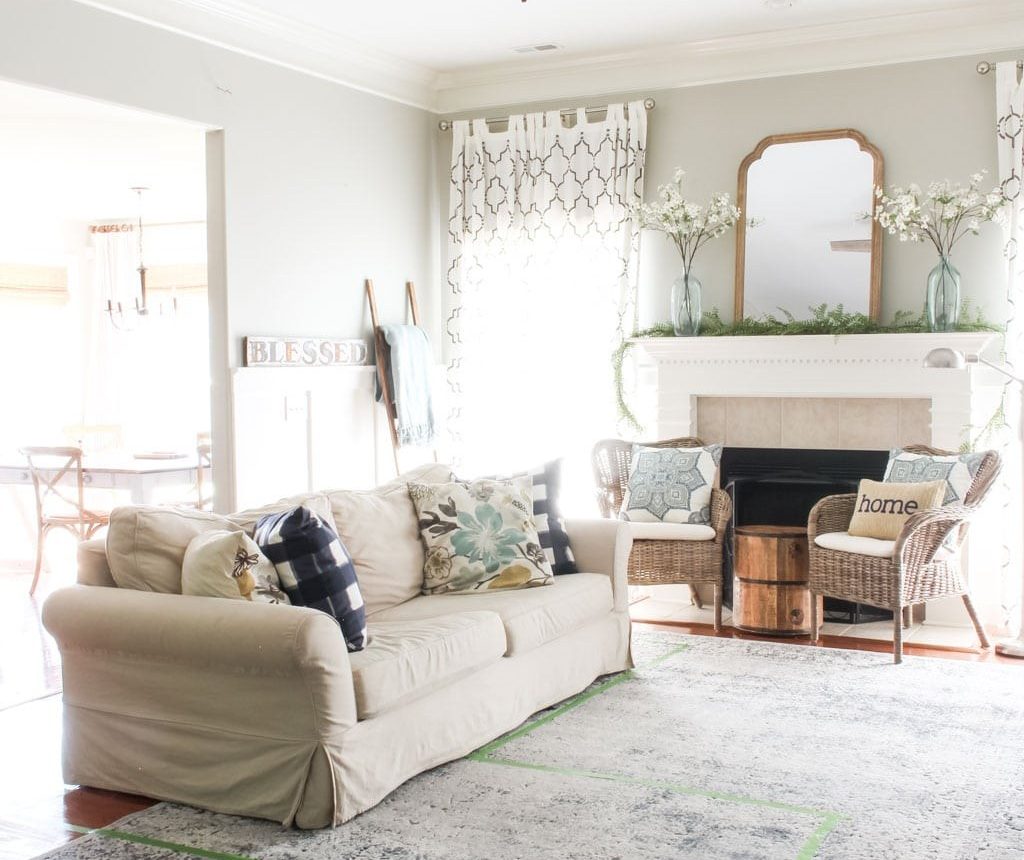
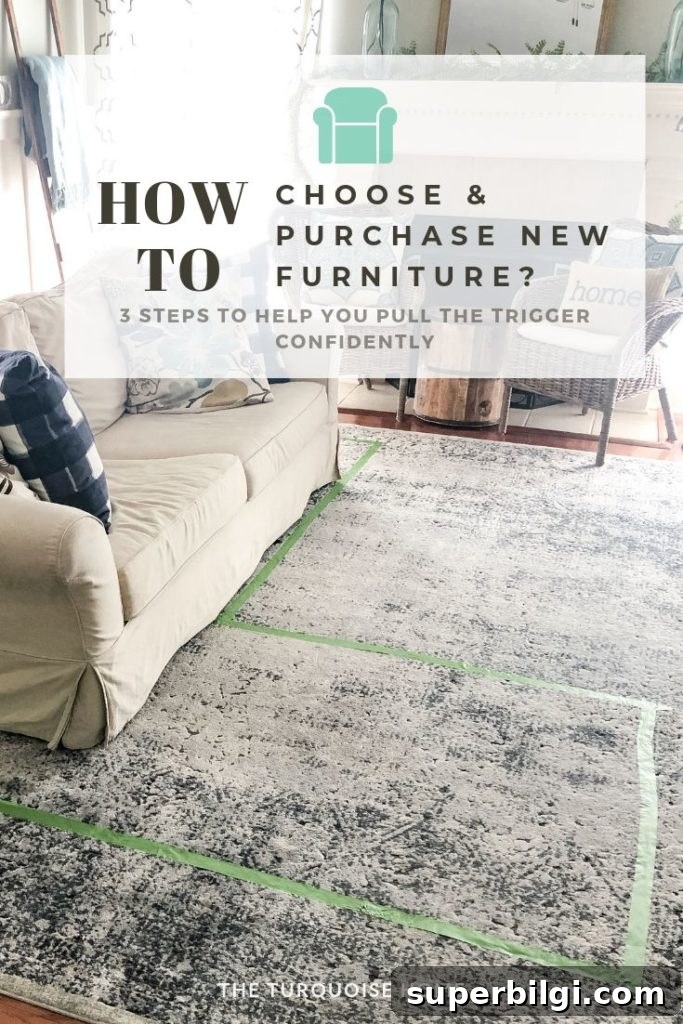
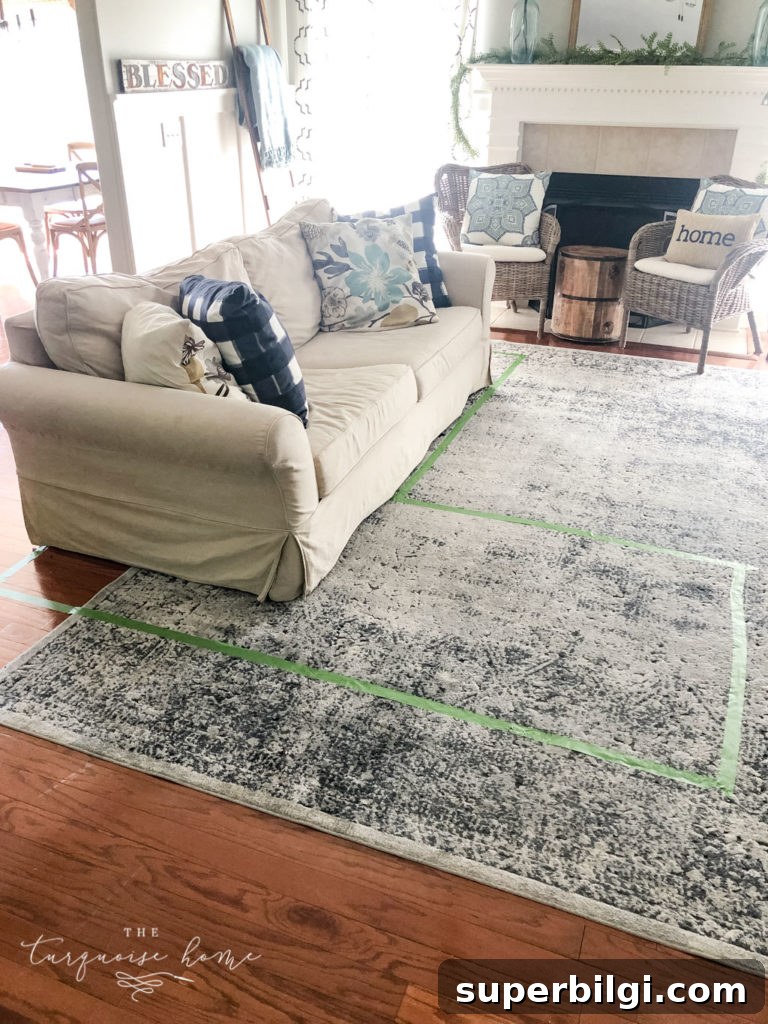
Start with accurate measurements. If you’re furnishing a room from scratch, sketch your floor plan on graph paper (or print a free template) and draw the room to scale, including doors, windows, and openings. Then add the furniture to scale. If you already have furniture, use painter’s tape on the floor to outline the footprint of the new piece—this reveals how it will actually feel in the room.

Keep these practical clearances in mind: allow 30–36 inches for walkways and space seating 3–10 feet apart for comfortable conversation. Measure doorways, stairwells, and any tight halls the delivery team will need to navigate so the item can be delivered and installed without surprises.
Try Before You Buy
If possible, sit on the sofa or chair, lie on the bed, and inspect finishes in person. Testing a piece in-store reveals comfort, cushion support, and how finishes look in real light. If you can’t see the item in person, order fabric or finish samples and try them at home. Place material samples in the intended room and observe them in different lighting throughout the day so you know how they’ll read in your space.
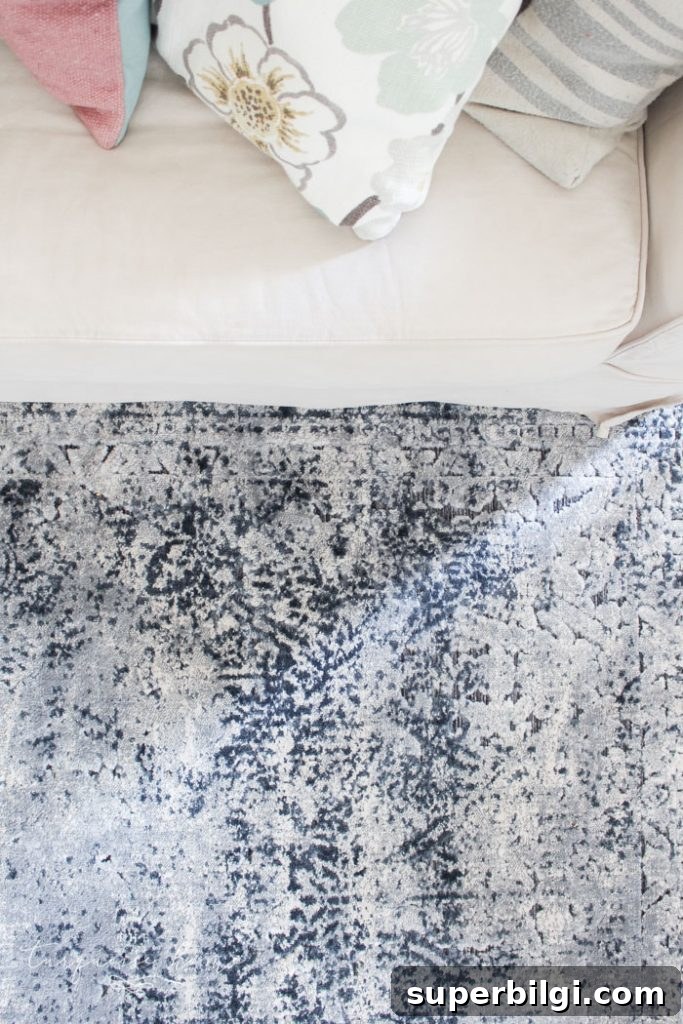
For families, consider washable or slipcovered fabrics that hold up to kids and pets. I’ve had excellent results with canvas or twill slipcovers that clean well—spot treat stains and launder periodically to keep them fresh. Always request a sample from the manufacturer and test spills and cleaning before committing.
Watch for Sales
Major retailers run predictable sales around holidays and seasonal events. If you’re not on a tight timeline, watch prices for several months—sometimes a year—to spot the best time to buy. Track historical sale patterns and set a target price so you know when to pull the trigger. Waiting for a known promotional event can yield substantial savings on a high-ticket purchase.
Also check delivery timelines and return policies when a sale is running—sometimes discounts come with longer lead times. If you know a retailer regularly offers a certain percentage off at big sale events, plan your purchase accordingly.
Go Ahead and Hit “Buy”
No piece of furniture will be absolutely perfect in every way. When you’ve measured the space, tested materials or samples, and monitored pricing, you’ve done the due diligence. If the piece checks those boxes, go ahead and make the purchase. Confidence comes from preparation—not from waiting for perfection.
If you’d like to see the sectional I ordered and how it fits in our living room, there’s a room reveal that shows the finished result—and we love it.
When to Splurge vs. Save on Home Furnishings
Deciding where to splurge or save depends on usage and longevity. Invest in pieces that get daily use and need to be durable and comfortable—like a sofa. Save on accent pieces or trend-driven items that you may replace more often. Consider construction, warranties, and how the piece will function in your life when making that decision.
More posts you may enjoy:
- Home Decor 101: Why Decorating Matters
- How to Decorate a Living Room
- How to Style a Coffee Table
- Major Holiday Sales to Watch for Furniture
- Pretty Pink Home Decor Ideas