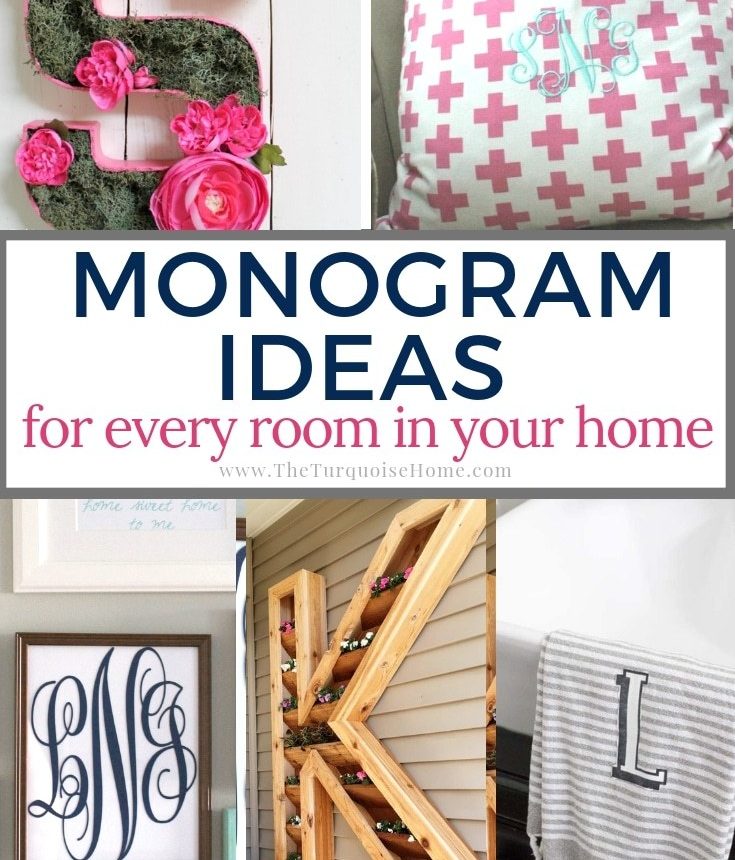
Learn how to create abundant monogram ideas to personalize every room in your home. These DIY monograms are budget-friendly and simple to make.
A monogram instantly elevates ordinary items. There’s something timeless and personal about initials—perhaps it’s a nod to tradition, or simply the charm of custom details. Whatever the reason, monograms add polish and character to any space.
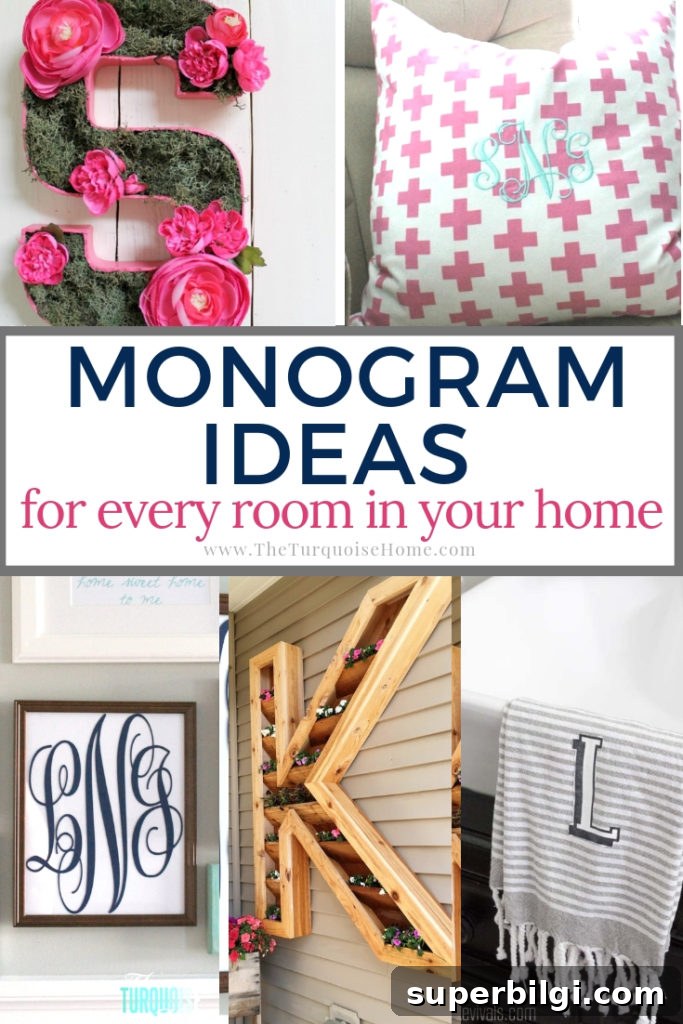
Monogrammed items bought retail can be expensive. The good news: you can easily make your own DIY monograms with basic supplies and a little creativity. Below I cover simple techniques, materials, and a long list of practical projects so you can add personalized touches throughout your home without overspending.
How to Make a DIY Monogram
There are many ways to create a DIY monogram, but the fastest and most versatile method is using a cutting machine and adhesive vinyl or heat transfer vinyl (HTV). Once you design the monogram, you can cut it in multiple sizes and colors for endless projects. If you don’t have a cutting machine, vinyl stencils, printable iron-on transfer paper, or even hand-drawn designs with fabric markers can work just as well.
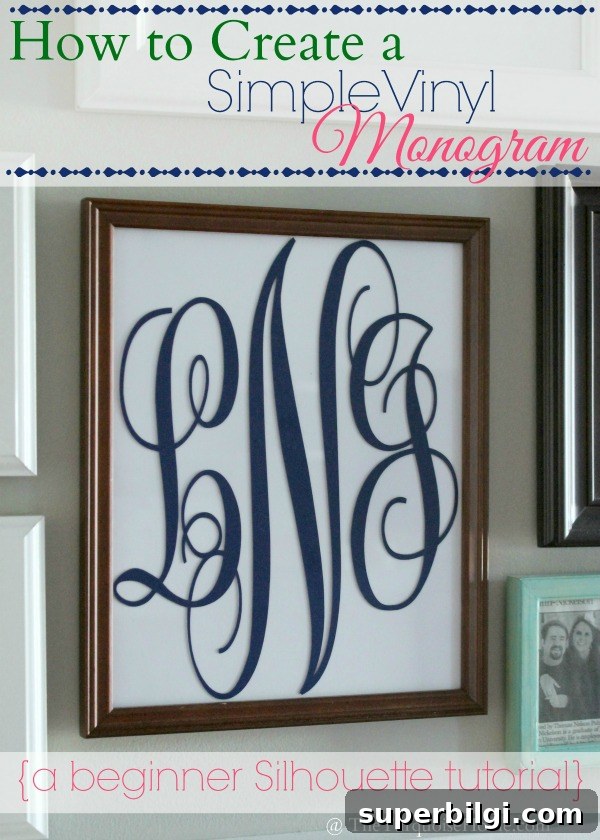
Heat transfer vinyl (HTV) is especially useful for fabric projects—tote bags, pillows, towels, and apparel. Adhesive vinyl works great on hard surfaces like wood, glass, and metal. With these materials, you can achieve crisp, professional-looking monograms at home.
How to Monogram Every Room in Your Home
Once you know how to make a monogram, the possibilities are endless. Below are favorite ideas for each room so you can add stylish, personalized accents throughout your house.
Put a Monogram on Your Living Room Wall
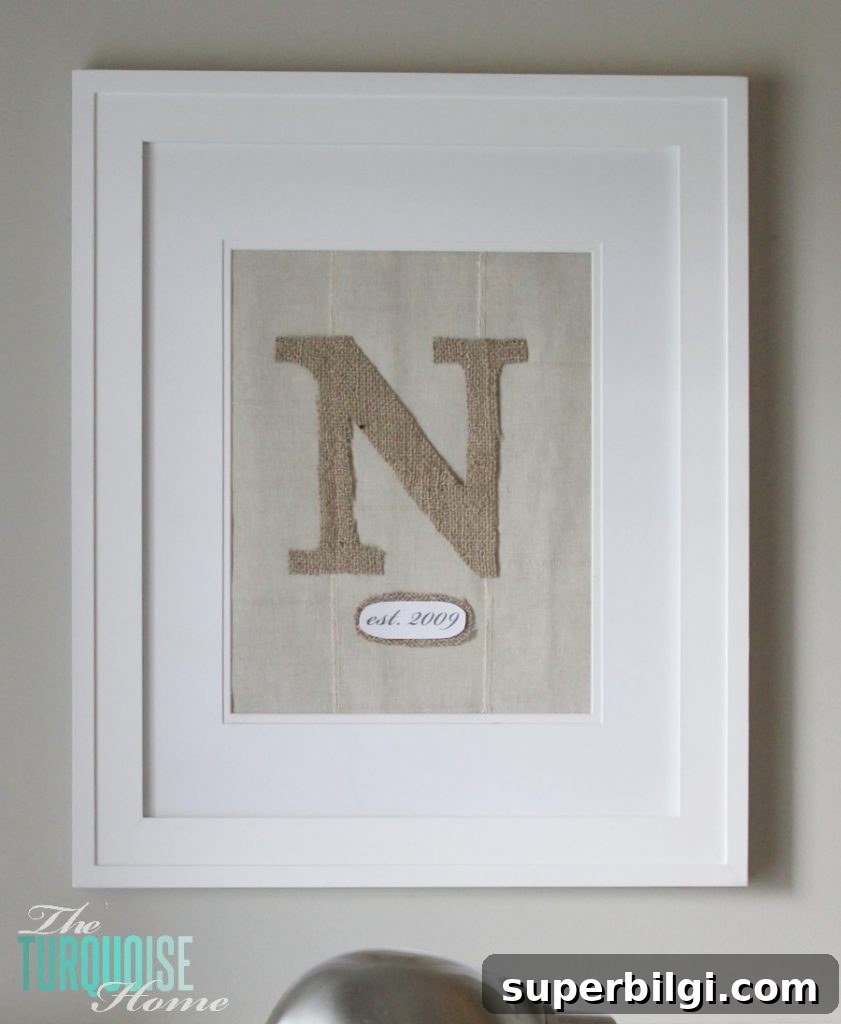
A framed monogram makes an elegant focal point over a sofa or mantel. Use an empty frame and a fabric background—burlap, linen, or patterned fabric—all you need is a cut monogram applied directly to the fabric or painted onto it. This simple, framed piece lends a handmade, custom look to your living room decor.
How to Use Monograms in Your Kitchen
The kitchen is full of everyday items that make perfect canvases for monograms. Oven mitts, dish towels, aprons, and mugs all look charming with a personalized initial. For fabric items, HTV or iron-on transfer paper makes application quick and durable. For mugs and glassware, consider ceramic markers or vinyl decals made for dishwasher-safe use. Small, inexpensive upgrades transform practical tools into thoughtful, coordinated decor.
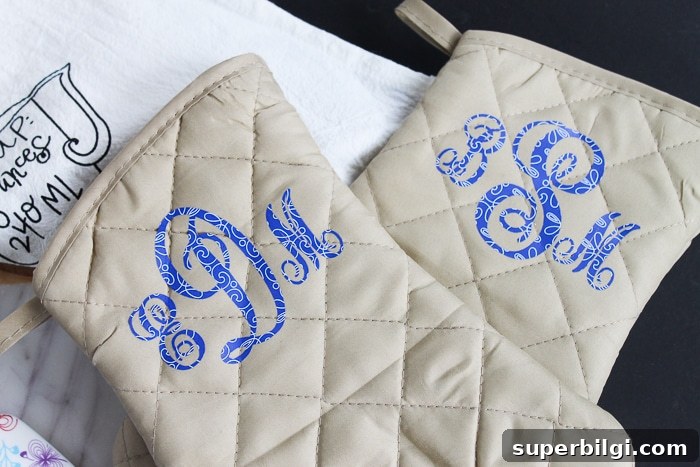
Other kitchen items that benefit from monograms include cutting boards, utensil holders, and storage jars. These personalized touches make everyday tasks feel a bit more special and can also help with organization.
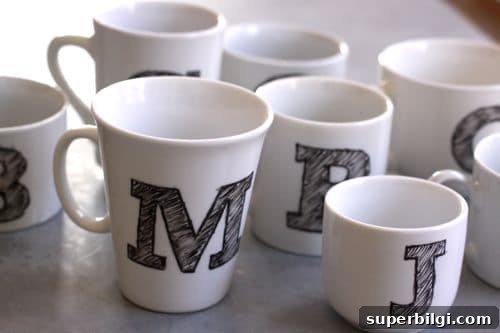
How to Use Monograms in the Bathroom
Bathrooms are ideal for small, personalized accents. One-letter initials on towels give a clean, custom hotel feel. You can also personalize shower curtains, bath mats, and bathrobes. For accessories like toothbrush holders and small bins, adhesive vinyl or paint pens work nicely to add initials that coordinate with your overall bathroom palette.
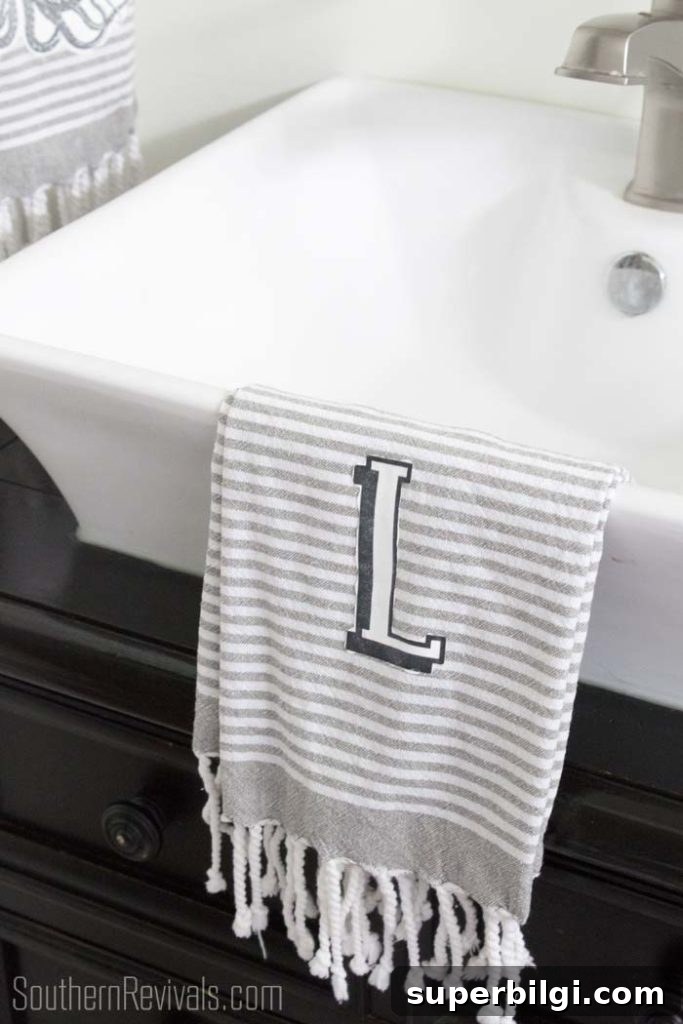
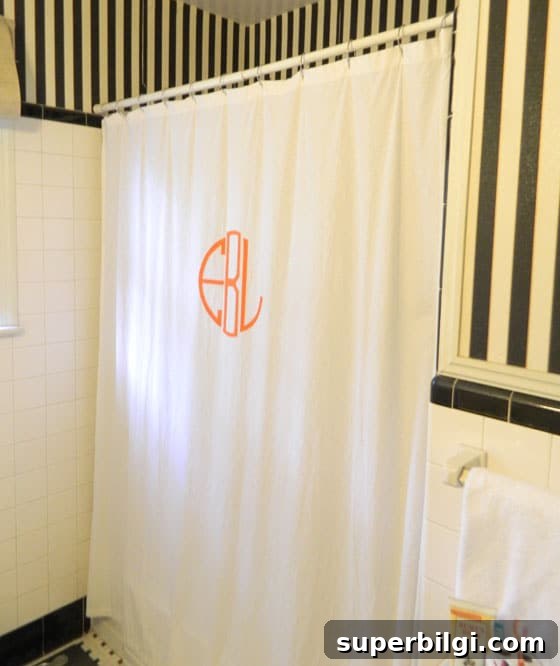
Try monogramming smaller bathroom items such as trash cans, makeup bags, and storage containers to create a cohesive, organized look.
How to Add Monograms to a Bedroom
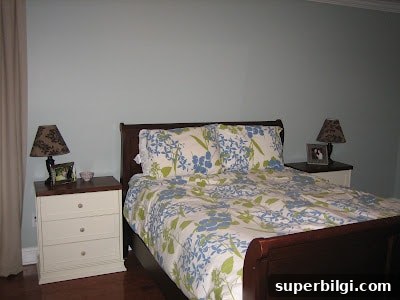
Bedrooms are the perfect place to be generous with monograms. Add initials to pillows, duvet covers, throw blankets, and even lampshades. A monogram pillow, whether appliquéd, ironed on, or screen printed, adds a personal and comfortable touch to your bedding.
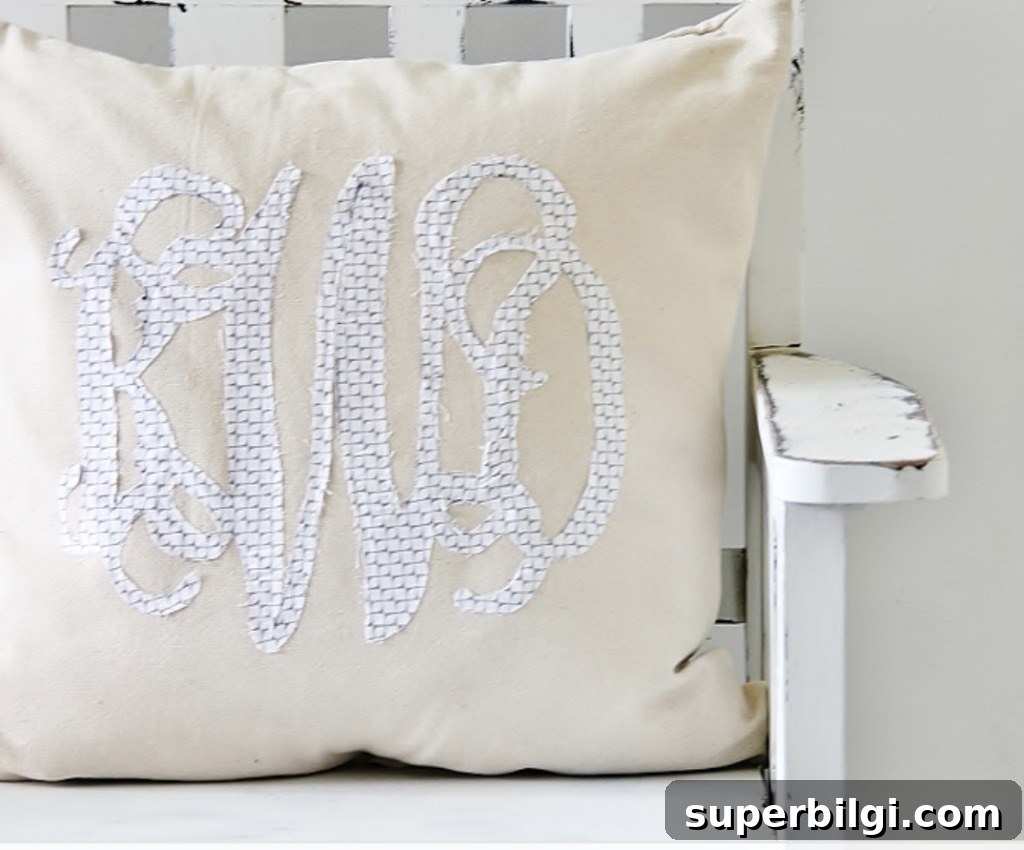
If you want a larger statement, a personalized comforter or monogrammed duvet cover creates a cohesive look for an entire bed. For quick projects, printable monogram templates or iron-on transfers make it easy to apply a design even if you’re new to crafting.
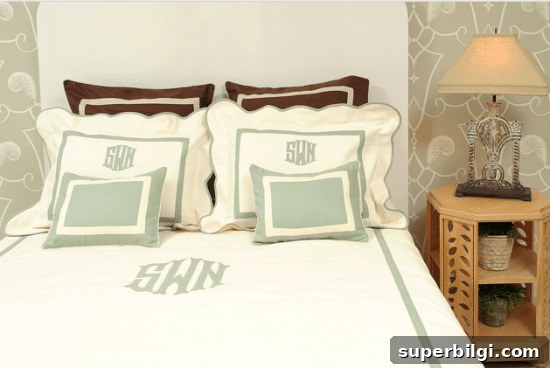
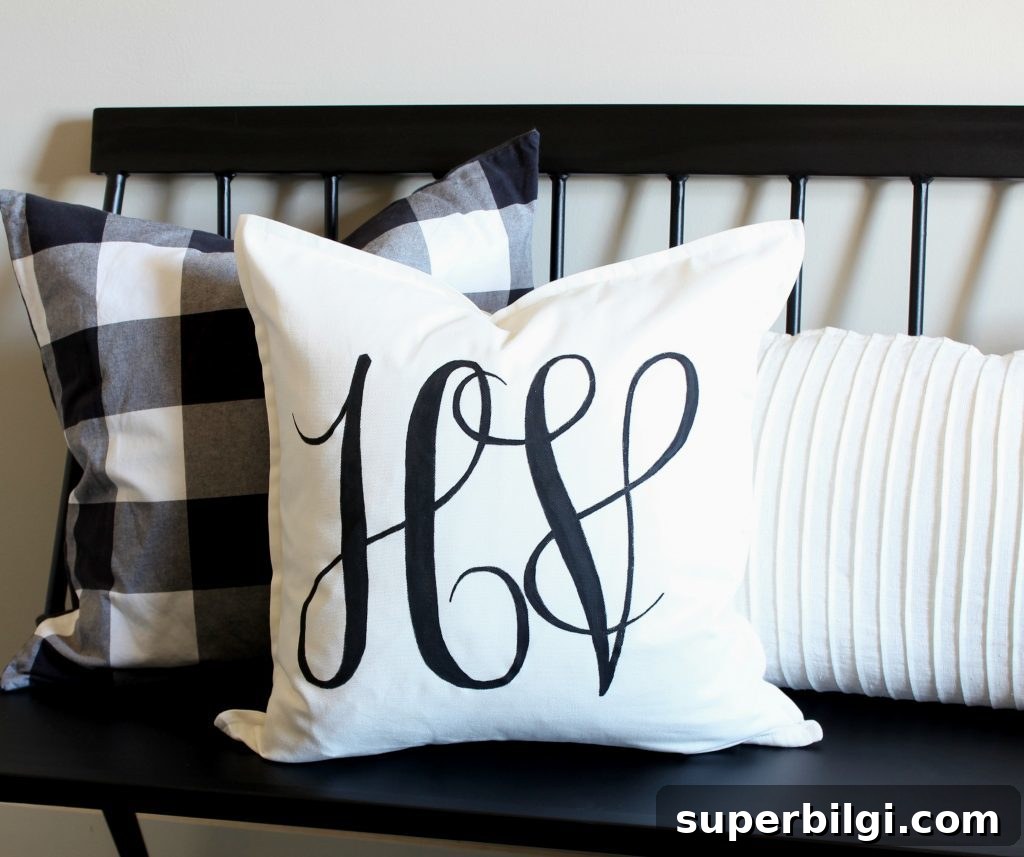
Other bedroom items to monogram include throw blankets, vases, and lampshades—small details that build a polished, coordinated space.
Wall Art Monogram Projects
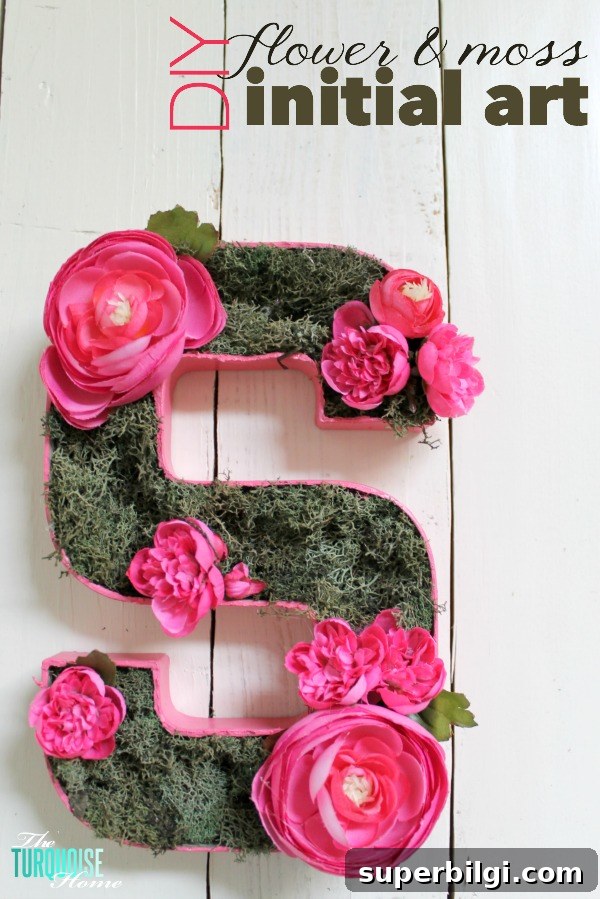
Monograms are not limited to textiles. Wall art projects—like floral and moss letters, fringe initials, or painted wooden initials—are excellent for nurseries, kids’ rooms, and playrooms. These pieces can be customized to match colors and textures in the room, and they make memorable, personalized decorating statements.
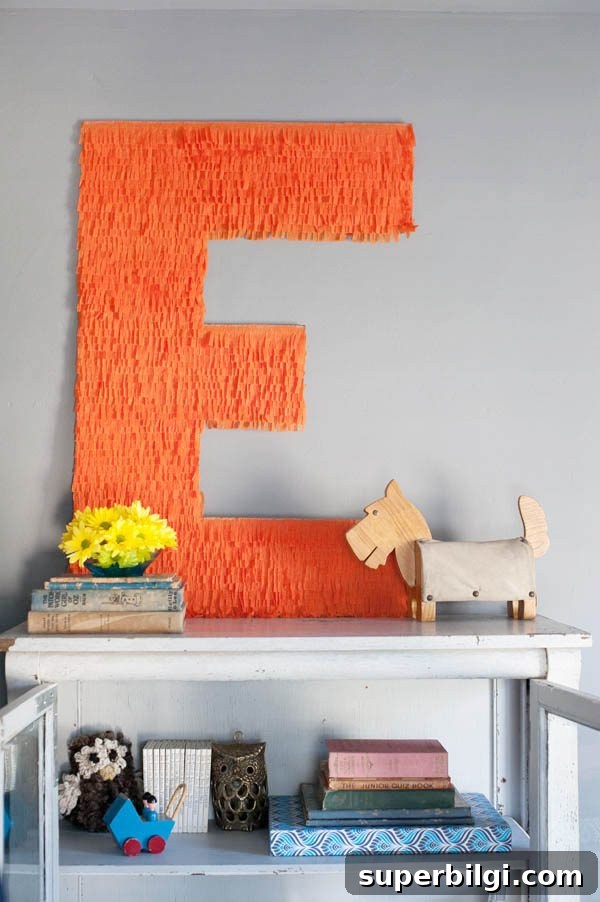
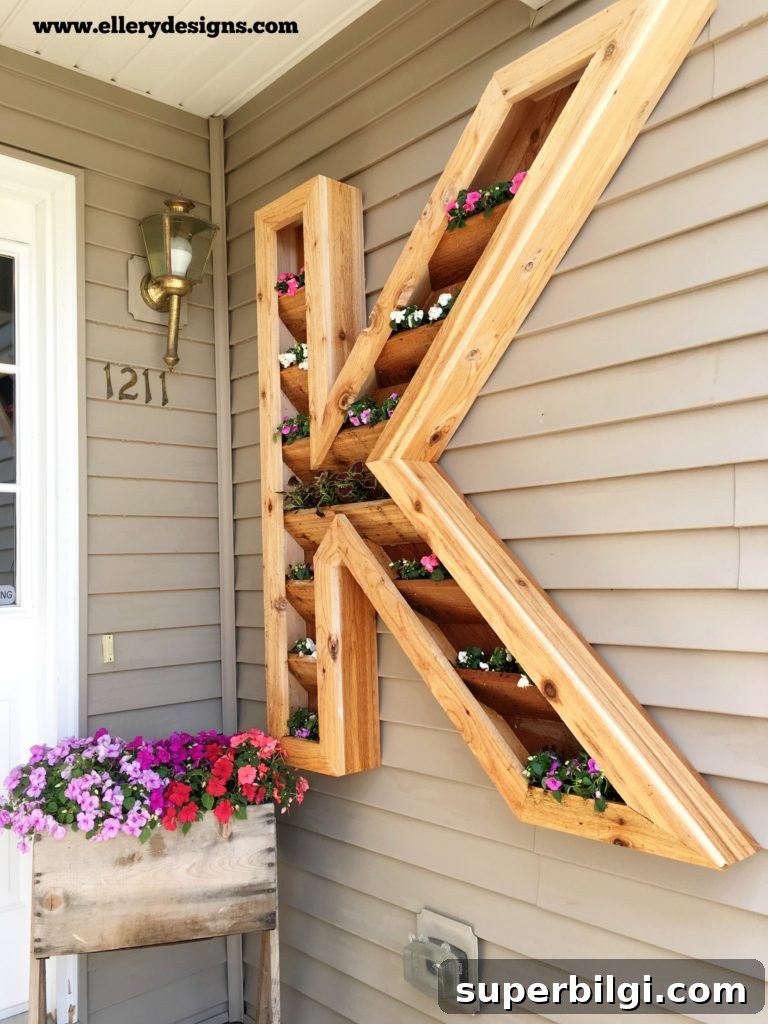
Outdoor monogram projects—like a stenciled cedar planter or painted house initial—extend personalized style to porches and garden areas. Durable materials and weather-resistant paints help these projects last outdoors.
Which Order Should the Letters Go In?
A common question is how to order letters in a monogram. For a single initial, most people use their last name initial. For a traditional three-letter monogram the order is: first name initial, last name initial (center and often larger), then middle name initial. For a couple’s monogram, the convention is: wife’s first initial, shared last name initial (center), then husband’s first initial on the right. These conventions help your monogram look balanced and recognizable.
There are countless ways to use monograms to personalize every room in your home. Start with one small project—like a towel, mug, or pillow—and you’ll likely want to add initials to many more items. Monogramming is an easy, affordable way to bring a cohesive, custom look to your decor.
More posts you may enjoy:
- Create a Simple Vinyl Monogram (beginner tutorial)
- Cotton Wreath Free Printable with Your Monogram
- Wooden Monogram Wreath
- Framed Burlap Monogram
- DIY Dry Erase Wall Calendar