Smart home technology is not just the future — it’s already a part of everyday life for many households. If you haven’t yet invested in smart devices, you’ve likely considered it or planned to explore them. For many people, the decision comes down to whether a smart device will solve a recurring, practical problem.
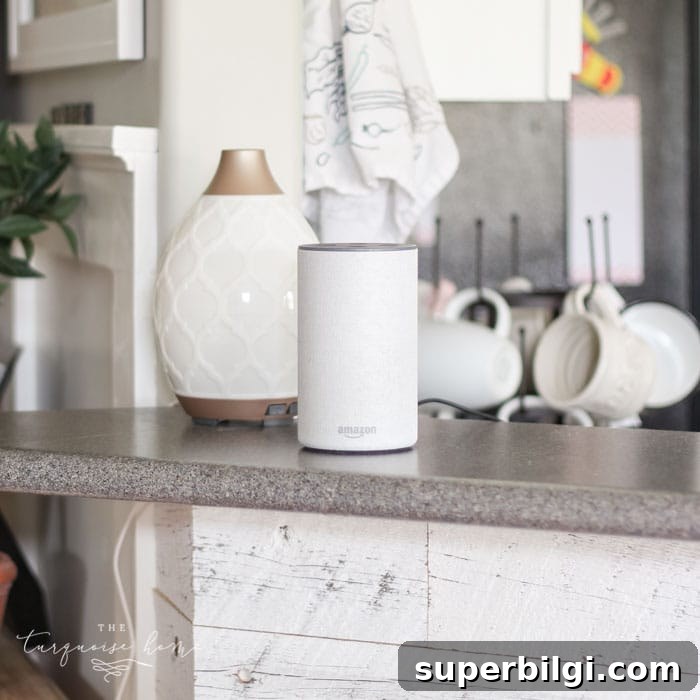
I’m not usually an early adopter, but I decided to buy a smart speaker after realizing it would simplify a small but persistent daily task: walking around the living room twice a day to switch on or off multiple lamps. That problem, combined with a set of Philips Hue light bulbs I received as a gift, made a smart speaker an easy choice.
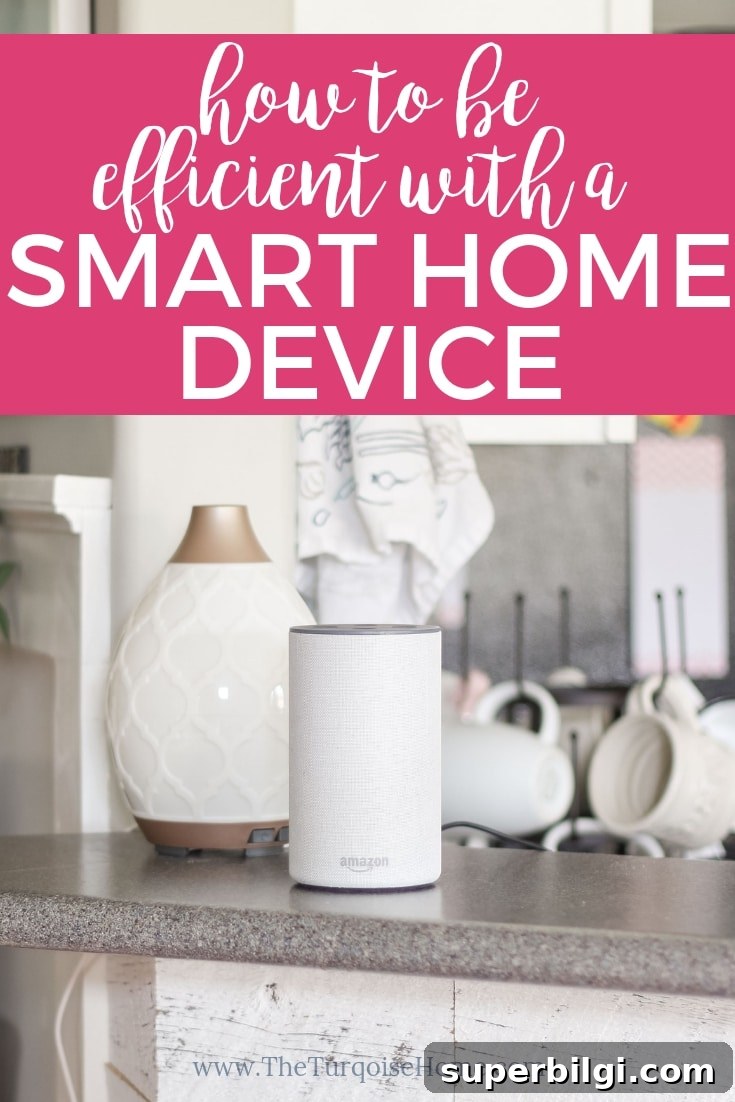
If you’re undecided, think about how a device could improve your daily routines and whether that convenience makes it worth buying. For us, voice control for the living room lamps quickly proved its value: a simple command like “Alexa, turn on the living room lights” lights the room instantly. At bedtime, “Alexa, turn off the living room lights” does the opposite. We can also ask for dimming or brighter settings, which is a fun and useful feature.
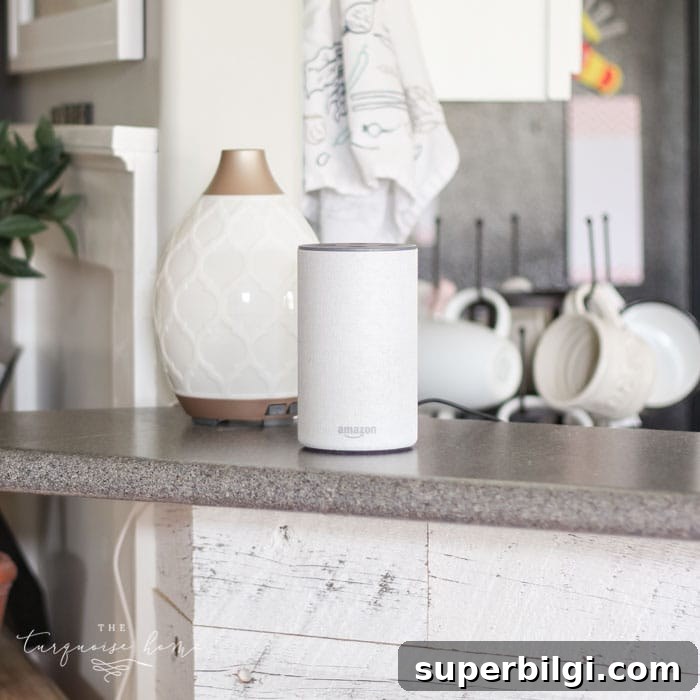
We chose an Amazon Echo as our smart home hub because our existing devices were compatible and we preferred the Echo’s ecosystem. However, other popular options, like Google Home, also work well with many smart devices. If you already own smart products, check which voice assistant integrates best with them before deciding.
If you’re waiting for a good time to buy, smart speakers and related accessories often have their lowest prices during Black Friday and holiday sales. I’m planning to add an Echo Dot or an Echo Spot to expand voice control into the bedrooms.
Below are the practical ways we use smart devices in our home and a few upgrades we’re considering. If you’re wondering how to make a smart home genuinely useful, these examples may help you decide.
How we Make our Home More Efficient with Smart Devices
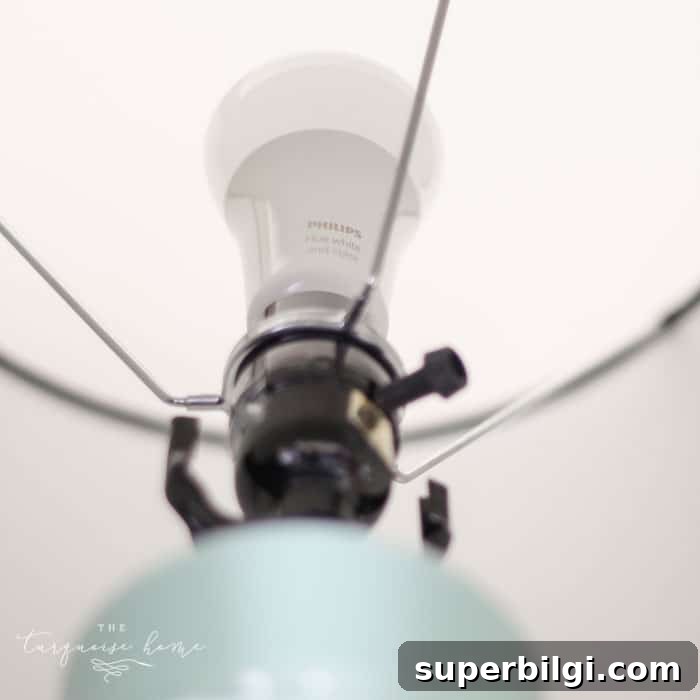
1. Control Lighting. The primary reason we bought a smart speaker was to control our lamps by voice. The Philips Hue smart bulbs are Wi‑Fi controllable and simple to install: screw them in, pair the hub with your phone, and you can control them via app, schedule them on a timer, or use voice commands. We set timers for daily routines and paired the Hue hub with our voice assistant so we can turn lights on and off without walking around the room.
For outlets and decorations, smart plugs are great. This year I’ll use a smart plug with the Christmas tree lights so I don’t have to crawl behind the tree every day. Smart plugs are versatile because they work with any device that turns on and off, not just light bulbs.
2. Add Items to a List. Instead of leaving notes on paper or typing lists into a phone app, I simply ask the voice assistant to add items to my grocery list. For example, saying “Alexa, add chicken to my grocery list” saves the item to the app instantly, and the list is available on my phone when I shop. It’s quick and hands-free, which helps when I’m cooking or juggling kids.
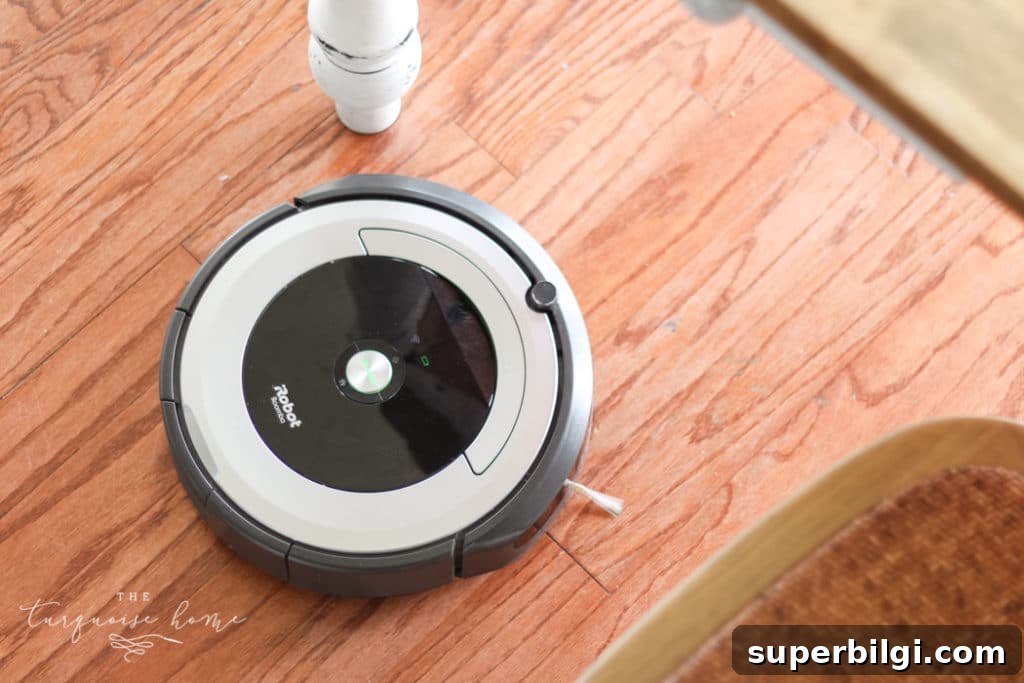
3. Control the Robot Vacuum Cleaner. Our Wi‑Fi enabled robot vacuum is another favorite smart device. Because it’s connected, I can start cleaning from my phone when I’m away, or I can ask the voice assistant to start the vacuum without moving from my seat. If the vacuum gets stuck, I can even ask the assistant to make it emit a sound so I can locate it — a surprisingly helpful trick.
4. Set Timers and Reminders. Voice timers are convenient for cooking, timing short tasks, or managing kids’ time with a toy or device. A quick voice command sets a countdown without needing to reach for the phone.
5. Check the Weather. Rather than opening an app each morning, I ask the voice assistant for the weather and plan kids’ outfits and activities accordingly. It’s a small convenience that makes mornings smoother.
6. Find TV Shows and Control Streaming. After cutting the cable, our streaming stick paired with voice search makes finding shows much faster. Pressing the voice button and asking the assistant to play a show takes us right to the episode, saving time scrolling menus.
7. Music and Family Time. While not strictly about efficiency, voice-controlled music has become part of our daily routine. The kids ask for songs and have small dance parties in the kitchen; I play background music while cooking. Having quick access to music by voice encourages more listening and makes everyday moments more enjoyable.
Ways we Want to Make Our Home More Efficient in the Future
We’re planning a few upgrades to expand smart home convenience:
1. Ring Doorbell — A video doorbell would let us see who’s at the door from the voice hub or our phones. Linking a doorbell camera to a video-capable smart speaker could display the front door feed on command.
2. Nest Thermostat — Our existing thermostat is old and difficult to program. A modern smart thermostat would let us adjust temperature from our phones and with voice commands, improving comfort and energy efficiency.
These examples reflect how we use smart devices now and the upgrades we plan. Smart home technology becomes most valuable when it saves time, reduces small daily hassles, and adds convenience. If you already use smart devices, what are your favorite ways to make home life easier? Share your ideas and tips — we’re always learning new ways to use this technology.
More Posts You Will Love:
- How To Choose The Best Light Bulbs For Your Home
- How to Budget for Home Projects
- Paint a Room Like a Pro in 5 Easy Steps