Should you close the space above kitchen cabinets? Pros and cons of closing the gap above cabinets
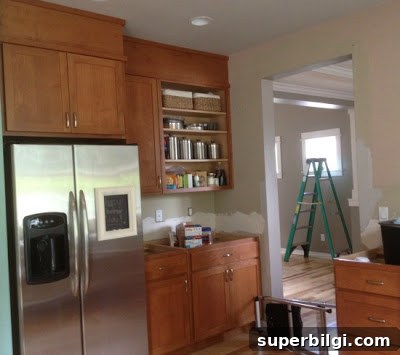
Many kitchens have a narrow gap between the top of the cabinets and the ceiling. It’s often dusty, awkward to reach, and not large enough to store anything useful. If you’re updating your kitchen or planning a remodel, one common decision homeowners face is whether to leave that space open or close it in.
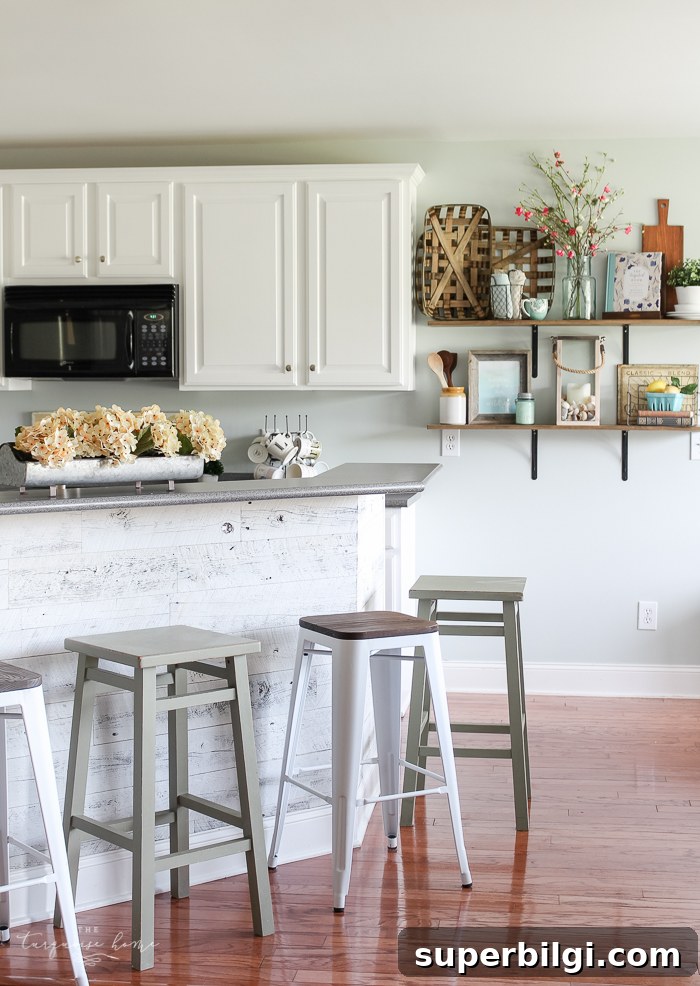
I’ve been considering changes to my kitchen recently and have spent time looking at ideas and examples from other homeowners and designers. Closing the cabinet gap is a popular option in many remodels because it creates a finished, built-in look and removes that hard-to-clean ledge where dust collects.
Some homeowners choose to keep the space open for decorative display—seasonal items, pottery, or plants—while others prefer the cleaner lines and reduced maintenance that come with closing it. There are plenty of tutorials and DIY approaches showing how to frame and finish this area to match the existing cabinetry, and many finished kitchens look more cohesive when that gap is closed.
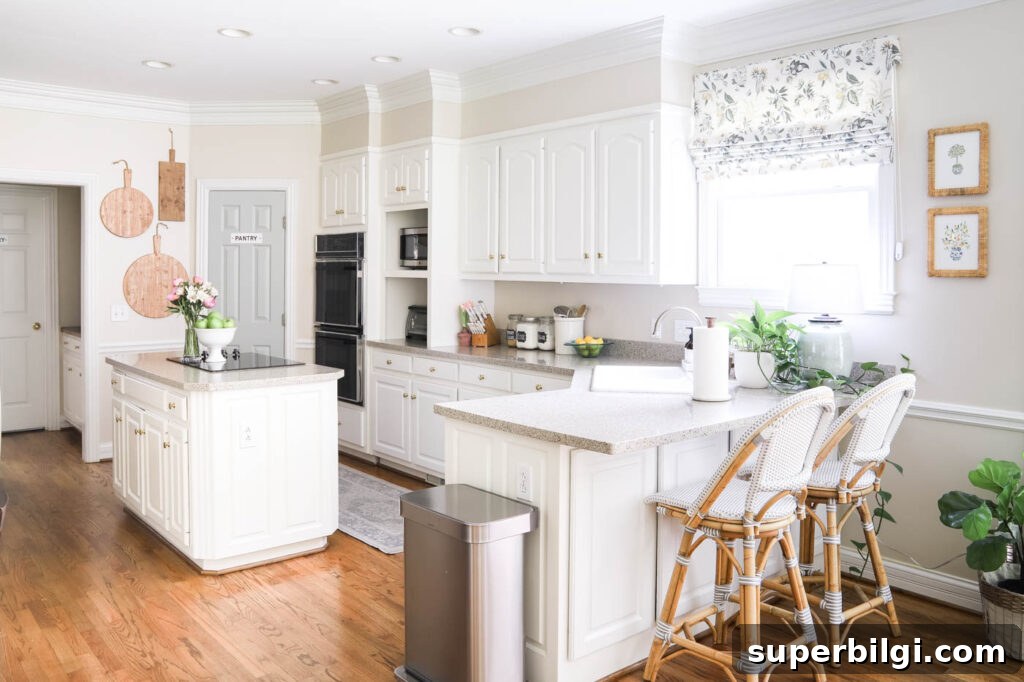
In my current home the space above the cabinets is closed, and I appreciate the results. The closed soffit draws the eye upward and contributes to a taller, more streamlined appearance. The top of the cabinets is completely enclosed, which means less dusting and no awkward clutter zones. Even empty, that area helps the kitchen feel finished rather than just a stack of cabinets under the ceiling.
If you move frequently or plan to sell in the near future, closing the cabinet gap is often a worthwhile investment because it can improve perceived quality and modernize the kitchen’s appearance. For older homes with uneven ceilings, a closed soffit can also hide wiring, ducts, or structural inconsistencies, producing a cleaner transition between cabinets and ceiling.
That said, leaving the space open also has valid advantages, particularly if you enjoy decorating above the cabinets. Open space can provide a place for seasonal accents, artwork, or plants that bring personality to the room. If you have tall ceilings and the gap is large, creative display can add visual interest and balance to the space.
Pros of closing the space above cabinets
- Cleaner, more cohesive aesthetic and a built-in look.
- Less dust buildup and reduced cleaning effort.
- Can hide imperfections, wiring, or ductwork near the ceiling.
- Improves resale appeal for buyers who prefer a finished kitchen.
- Provides a clear visual line that can make the room feel taller and more polished.
Cons of closing the space above cabinets
- Eliminates a display area that some homeowners use for décor or seasonal items.
- Adds construction time and cost if you need to frame, drywall, or match cabinet finishes.
- May feel less open in kitchens with low ceilings or where the gap contributes to a lighter, airier feel.
- Once closed, reversing the decision requires extra work if you later decide you prefer open space.
If you’re leaning toward closing the space, consider a few practical points: match the new trim or soffit to your existing cabinet finish and molding for a seamless result; plan for recessed or under-cabinet lighting if needed; and address any ventilation or access needs for range hoods or exhausts before sealing things off. For a budget-friendly update, some homeowners add crown molding and a shallow soffit to visually close the gap without major construction.
On the other hand, if you love the idea of seasonal displays or have a wide, well-styled gap that contributes positively to your kitchen’s character, leaving it open can be the right choice. Open shelving or decorative baskets can keep things intentional and reduce the cluttered look that often comes with unused space above cabinets.
Ultimately, the decision comes down to your priorities: cleanliness and a finished look versus display space and a more open feel. In my experience, closing the space made the kitchen feel complete and significantly reduced maintenance, so if I encounter that gap again in a future home, I’ll likely close it in right away.
What about you? Do you have that open space above your cabinets, and would you consider closing it? Share your thoughts and what has worked in your kitchen.
More posts you might enjoy:
- How to Decorate Kitchen Counters {Decorating 101}
- 7 Ways to Refresh a Kitchen
- How to Decorate the Kitchen for Christmas