Ready to start tackling DIY projects at home? These five essential tools are a perfect place to begin for any beginner DIYer.
I often hear from readers—especially women—“I’d love to build that, but I don’t have the right tools or I don’t know how to use them.” I felt the same way when I started. That’s exactly why I share what I’ve learned: to encourage and empower you to try. With a few reliable tools and some basic safety habits, you’ll be surprised how much you can do.
When I began, I refinished and repurposed furniture because new pieces weren’t in the budget. Over time I discovered another reason to DIY: I often couldn’t find what I wanted, or I could build a better version for much less. Growing confidence and a few well-chosen tools made all the difference.
Even if you’ve only used a hammer or a drill, you can learn the rest. I didn’t know how to use saws or a Kreg Jig at first—I learned by reading instructions, watching tutorials, and practicing carefully. Above all, respect safety guidelines, wear proper protective gear, and keep your workspace organized.
This post contains affiliate links for your convenience. See my full disclosure policy.
I love sharing practical tips and tool recommendations. You’ll find guides on tasks like removing drywall anchors, choosing the best light bulbs, and changing a light fixture—small skills that add up to a more confident DIYer. My goal is to help you create a home you love without breaking the bank.
My Favorite Beginner DIY Tools
1. An Orbital or Sheet Sander
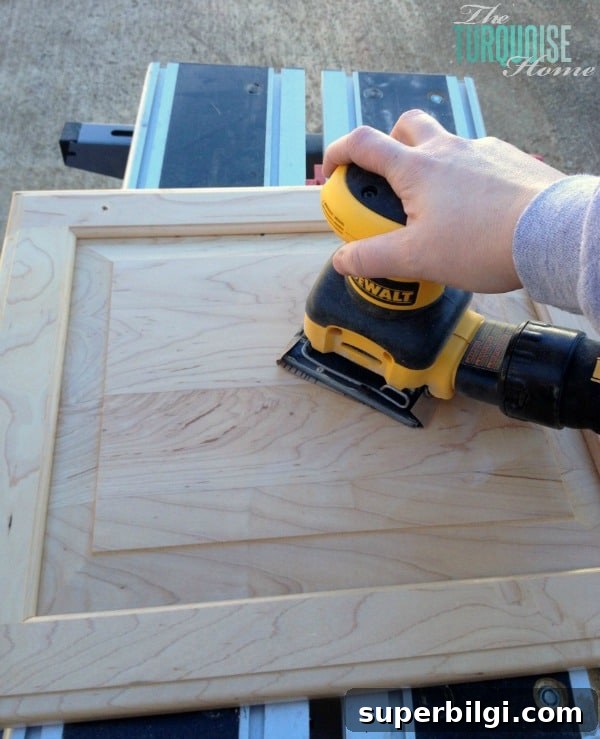
Sanding is part of almost every woodworking project. An electric sander saves time and gives a more even finish than sanding by hand. I own both an orbital sander and a sheet sander. The orbital sander is a powerhouse for aggressive sanding, while the sheet sander is gentler and better suited for finishing or working with stain-sensitive surfaces. Tip: when preparing wood for stain, sand with the grain and consider using a sheet sander to avoid swirl marks.
2. Miter Saw
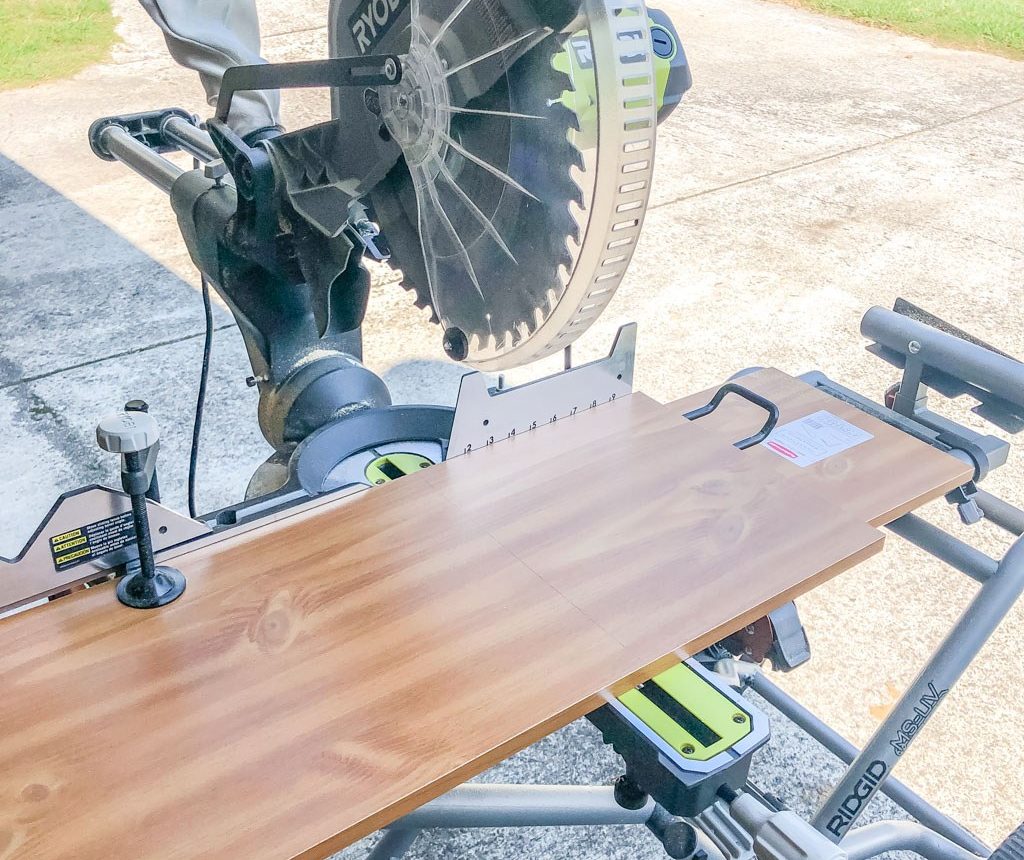
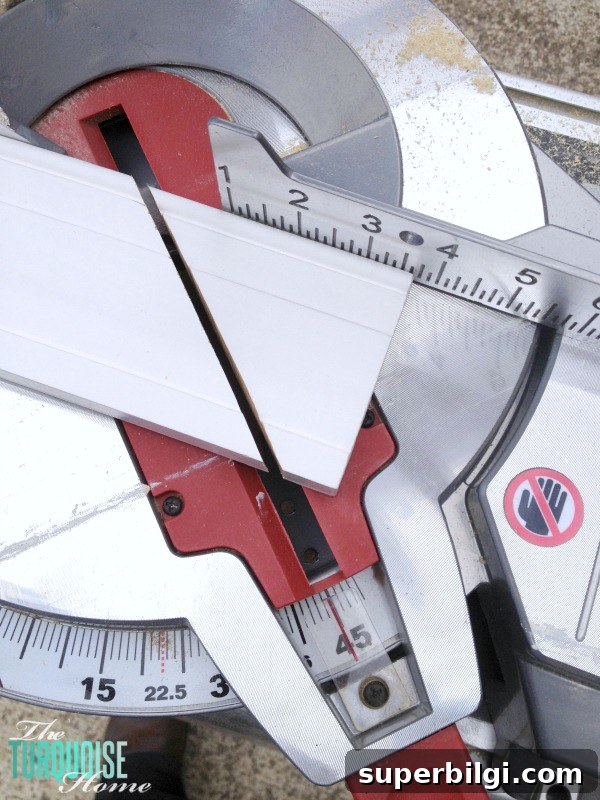
A miter saw was my first major power tool purchase and one of the best. It makes accurate crosscuts and miter cuts quickly—perfect for trim work, picture frames, and many furniture projects. Many people feel intimidated by miter saws, but if you follow the manual, use clamps, and keep hands clear of the blade, it’s straightforward and safe. This is the tool I use more than any other.
Tip: use the miter saw outdoors or in a well-ventilated area if possible—sawdust spreads quickly. If you must work indoors, a wet/dry shop vacuum is indispensable for cleanup. If you plan to use your miter saw often, a mobile miter saw stand makes setup and storage much easier.
3. Circular Saw
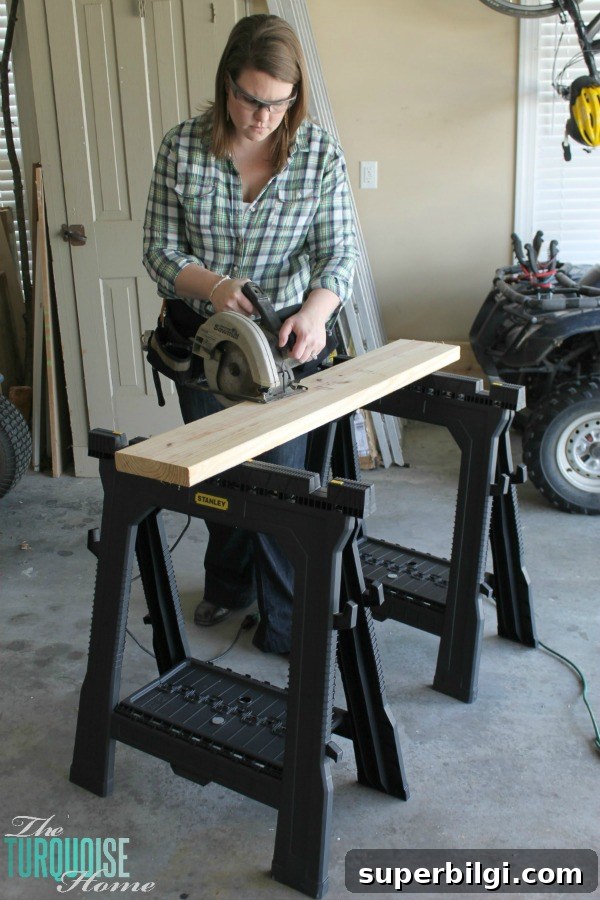
A circular saw is essential for cutting large sheets or long boards that won’t fit on a miter saw. At first it felt intimidating because you control it by hand, but with practice it becomes a reliable, portable solution. A cordless circular saw is especially convenient for quick cuts without dragging extension cords. For straight, consistent cuts, pair the circular saw with a straight-edge guide or track accessory.
4. Kreg Jig
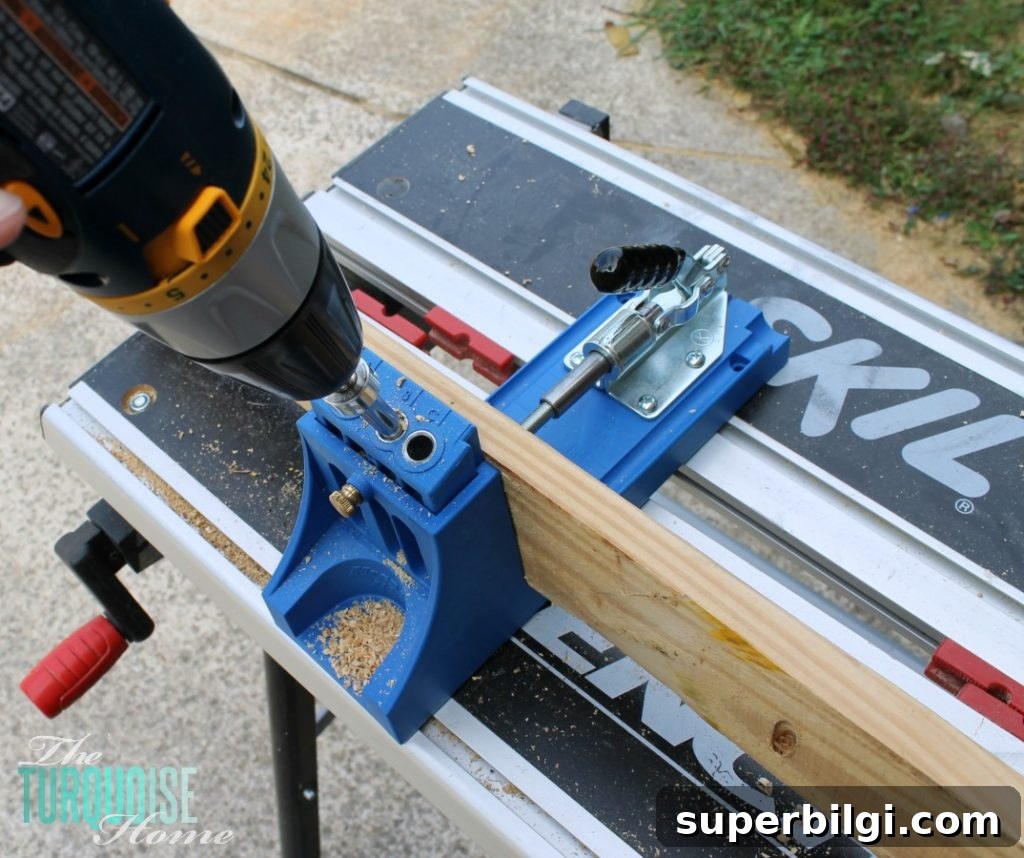
A Kreg Jig makes strong, hidden pocket-hole joints quickly. It’s perfect for building tables, shelves, and many furniture projects where you want clean faces without visible screws. The Kreg Jig was a game changer when I built my farmhouse table and many smaller projects since. If you plan to join boards together, this tool will save time and create professional-looking results.
5. Cordless Brad Nailer
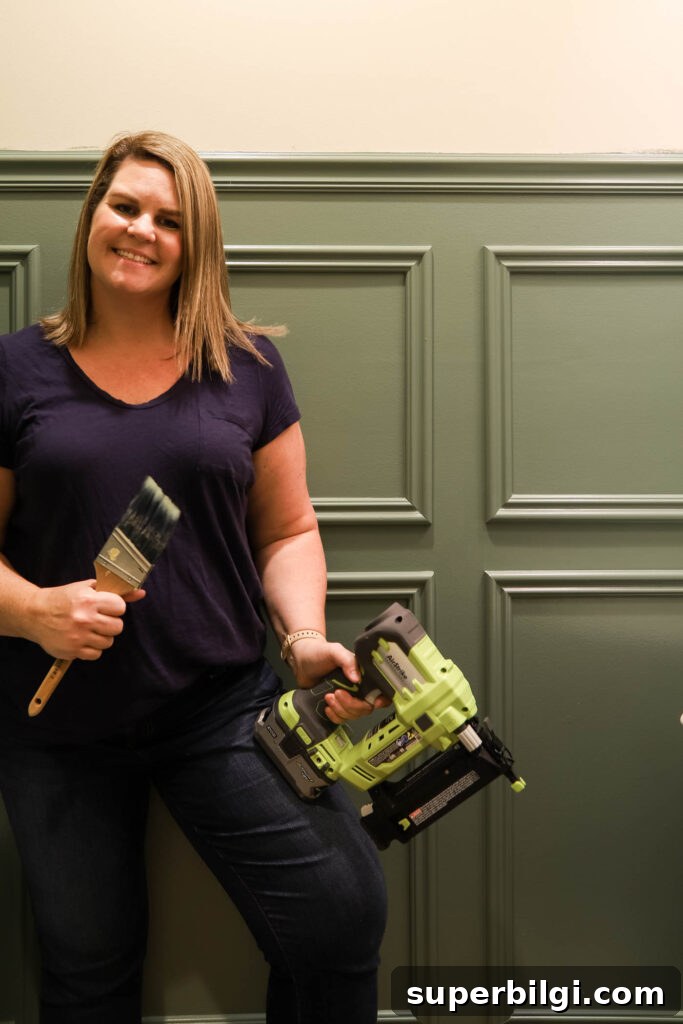
A cordless brad nailer is one of the most useful finishing tools. It’s ideal for installing trim, picture frame molding, beadboard, and many light carpentry tasks. The convenience of a cordless model—no compressor, quick setup—makes finishing work fast and tidy. Once you have a brad nailer, many finishing jobs become much easier and look more polished.
Bonus Tool: Wet/Dry Shop Vacuum
A wet/dry shop vacuum feels more like a necessity than a luxury once you start working with power tools. It keeps your workspace clean, collects sawdust, and makes post-project cleanup far less painful. If you only get one accessory to go with your power tools, make it a good shop vacuum.
What’s your favorite DIY tool so far? If you’re building your collection, start with these essentials and add tools as your projects demand. With practice and patience, you’ll build skills and confidence quickly.
More posts you might enjoy:
- Paint a Room Like a Pro in 5 Easy Steps
- My Favorite Paint Tools, Tips, and Tricks
- The BEST Power Tool Set Gift Guide