
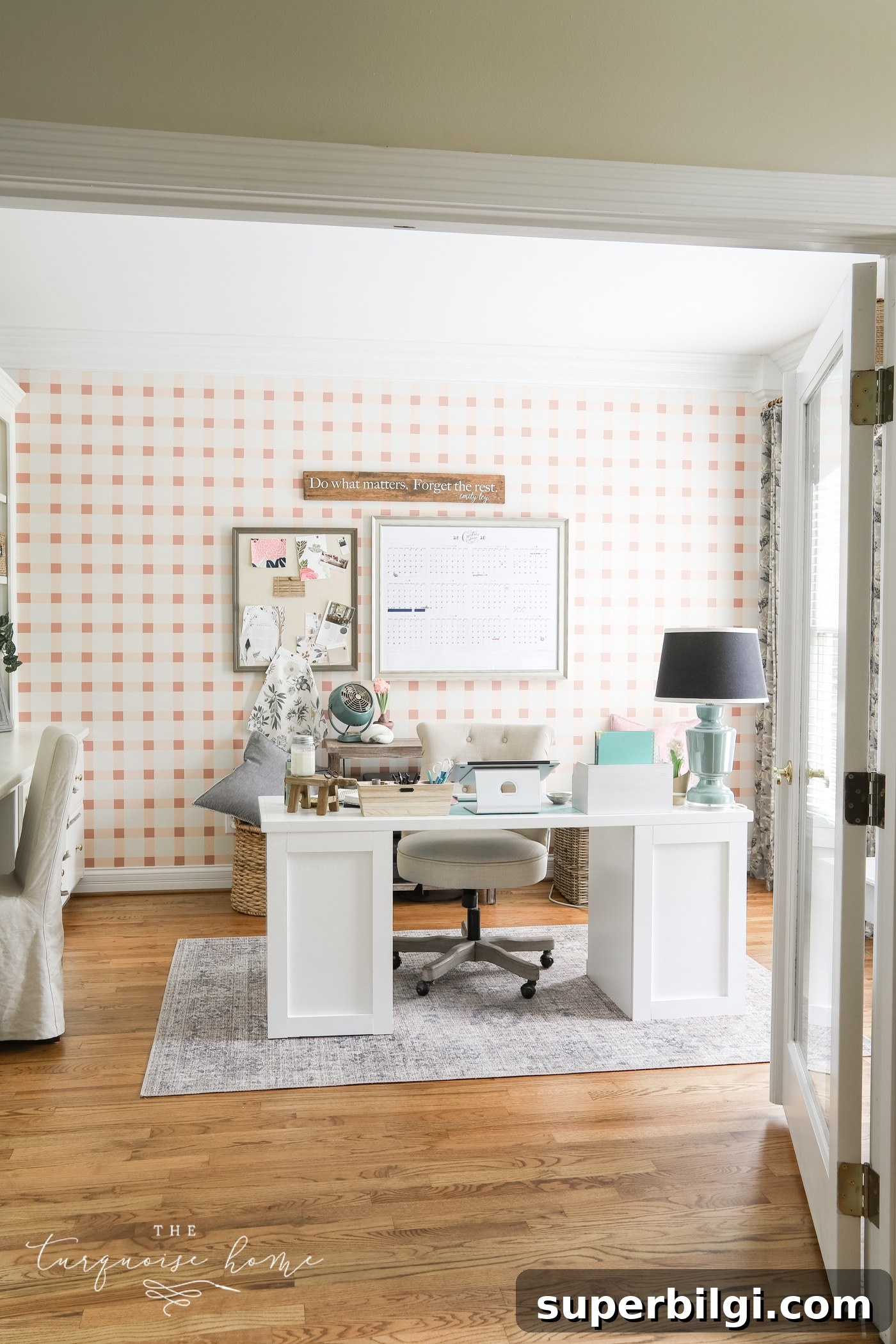
Learn how to paint a plaid wall using just a couple of simple measurements and no math. This striking feature wall takes time and patience, but the result is a beautiful, high-impact focal point that’s well worth the effort.
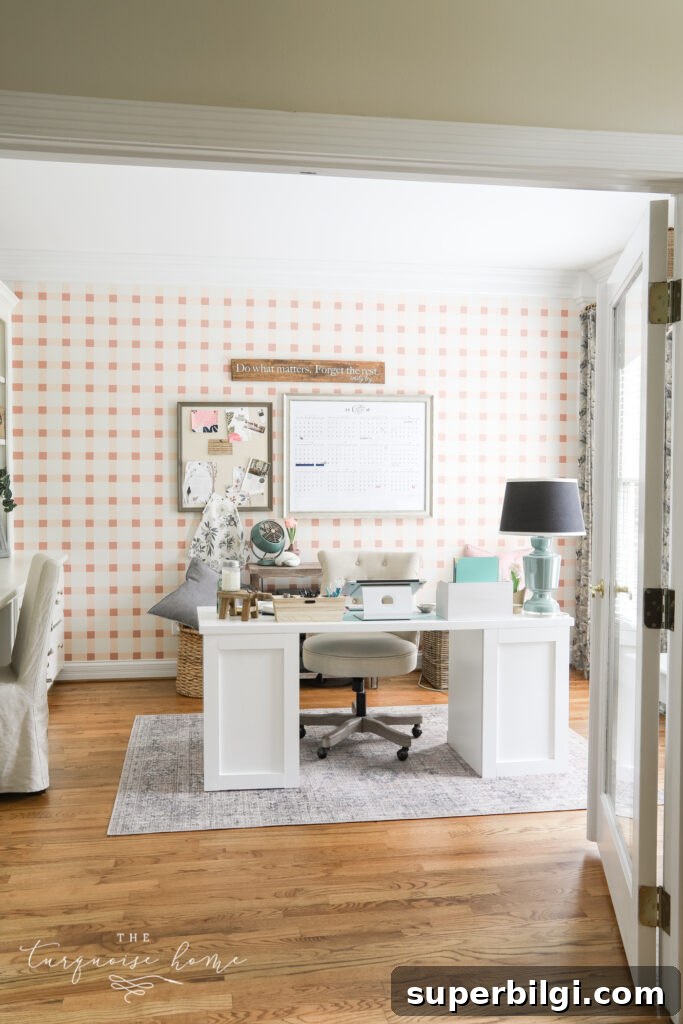
When I was finishing my office makeover, I wanted the wall behind my desk to have more character. I considered wallpaper but chose to paint a pattern instead to keep the budget manageable. With floral curtains in the room, a geometric plaid pattern felt like the perfect complement.
Since installing the painted plaid six months ago, it has received more compliments than any other element in the house—everyone assumes it’s wallpaper. It’s durable, looks professionally done, and can be painted over later if you want a different look.
The Paint Colors
I debated between gray and pink for the plaid, and ultimately chose a pink palette that gave the room a softer, more feminine feel that worked beautifully with the floral curtains. For a successful plaid, select three coordinating paint shades: a light base color, a medium tone for the stripes, and a darker accent for the crossing squares.
- Shoji White (light/base color)
- Raleigh Peach (medium stripe color)
- Wythe Rose (dark accent color)
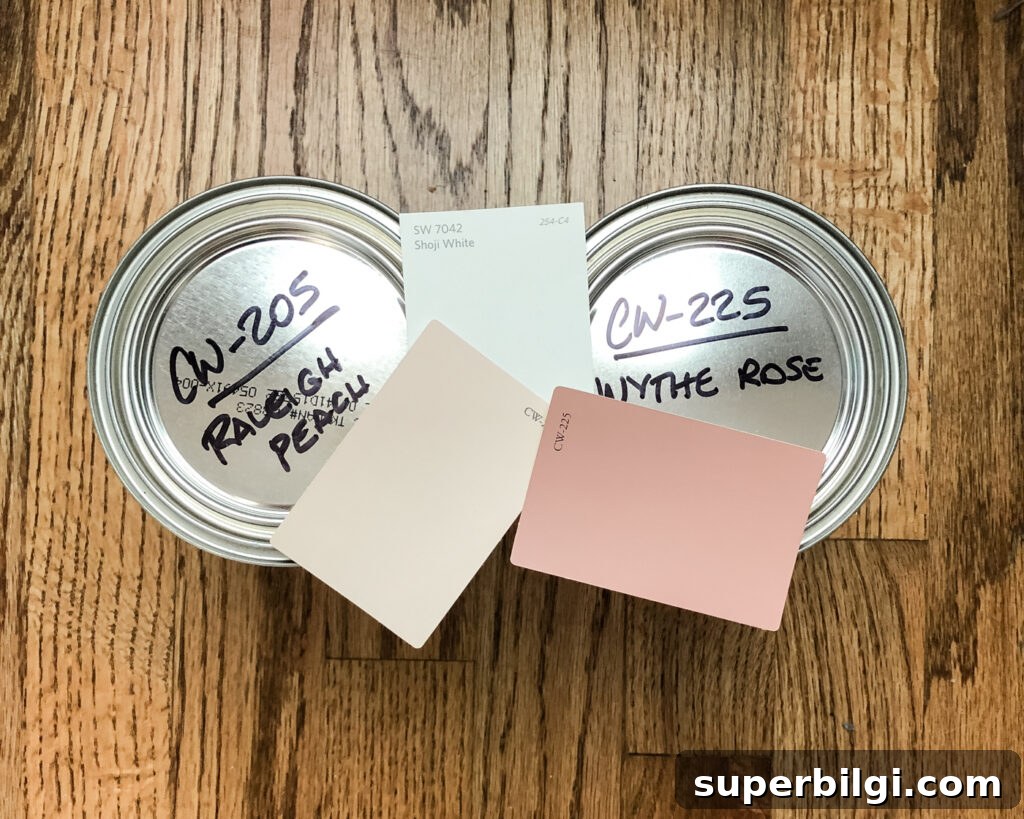
If you’re unsure which shades to pick, choosing a light, medium, and dark color from the same paint strip helps keep everything in the same tone and color family. I already had the light base on the wall, so I only needed to pick the two pink tones. The final result feels cohesive and intentional.
What You Will Need to Paint a Plaid Wall
- Painter’s tape — a lot of it. I used multiple rolls of 1.88″ tape for this project.
- Wallpaper smoothing tool to press down tape and create crisp edges.
- Ladder for reaching the top of the wall.
- Level or laser level to ensure perfectly straight lines.
- Quality paintbrush — a 1-inch angled or sash brush works well for stripe edges.
- Paint roller if you need to apply the base color across the whole wall.
- Three paint colors (light base, medium stripe color, dark accent color).
How to Paint a Plaid Wall
This method uses only two measurements and no math. The pattern is based on the width of your painter’s tape. Using 1.88″ tape, the light squares are twice the tape width, making each light square roughly 3.76″ across. If you prefer larger squares you can adjust the spacing, but the steps below require only two simple reference lines.
I recommend applying two coats of paint for each painted area to ensure even coverage and crisp color.
Step 1. Paint the Lightest Color
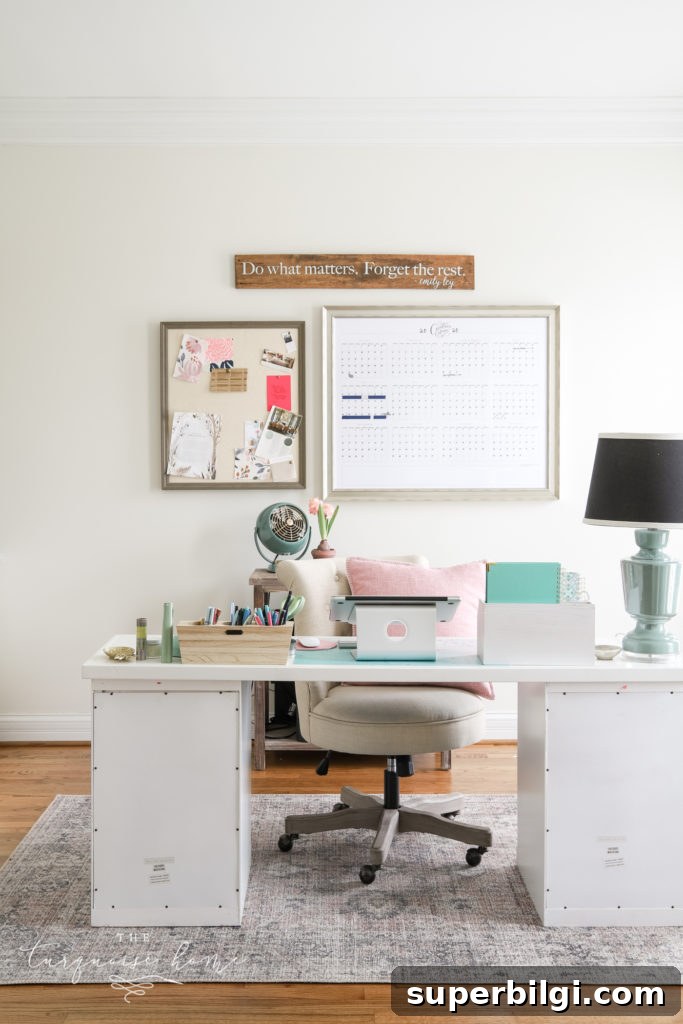
Paint the entire wall the lightest of your three colors if it isn’t already. This will be the background that forms the light squares of the plaid. If you need basic painting tips, patch any holes and apply two even coats of the base color before starting the plaid pattern.
Step 2. Draw Middle Vertical Line
Use a level or laser level to mark one vertical line down the center of the wall. This is your first measurement and the main reference for laying out the vertical stripes. Place a small piece of tape or a pencil mark along this line for guidance.
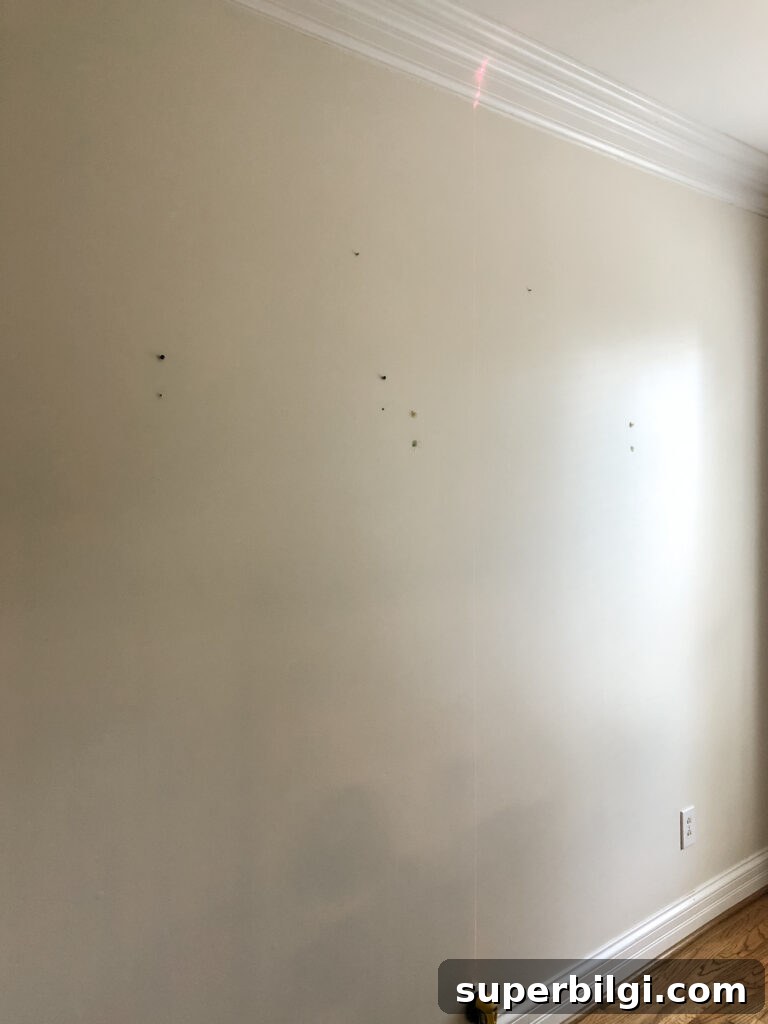
Step 3. Make Vertical Stripes with Tape
Starting on the center line, apply two strips of painter’s tape side by side from top to bottom. Skip the width of one tape, then apply two more strips. Continue this pattern across the wall until it is covered in evenly spaced vertical banding.
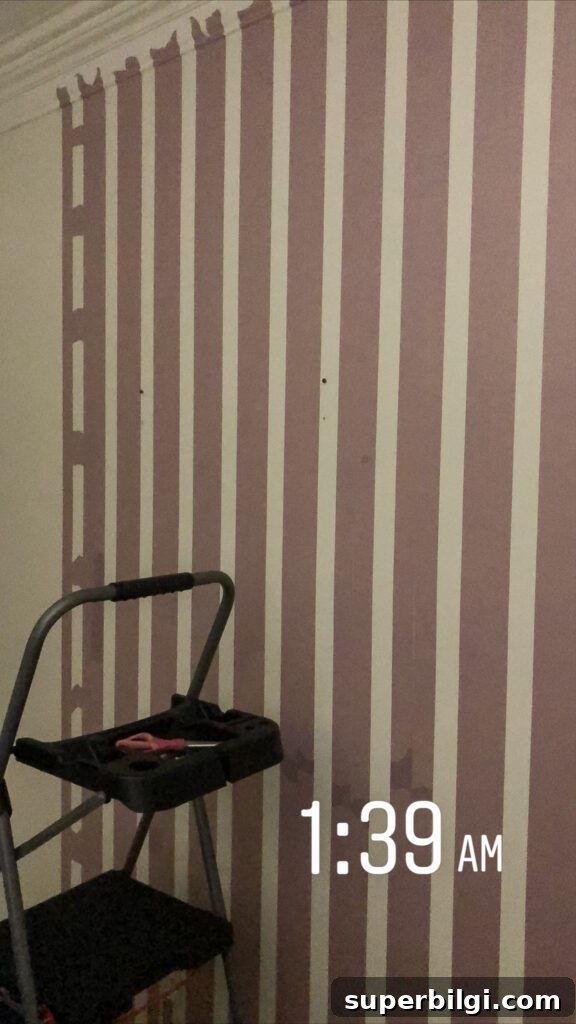
To measure the skipped space, use small pieces of tape as spacers between the long strips. Check alignment frequently with a handheld level so the bands remain straight.
Step 4. Press Down the Tape
Run a wallpaper smoothing tool firmly over the tape edges so they seal tightly against the wall. This step prevents paint bleed and keeps your lines crisp.
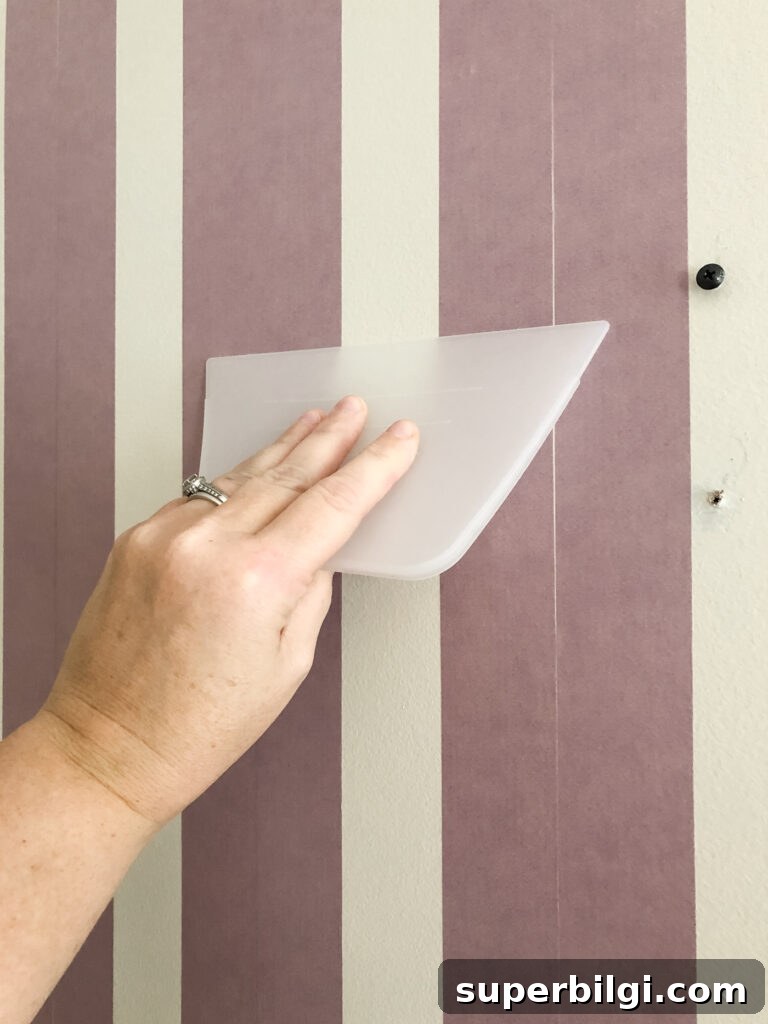
Step 5. Paint the Medium Color
Using a 1-inch brush, paint two coats of the medium color within the taped vertical stripes. Work carefully along the tape edges for a clean line. Allow proper drying time between coats.
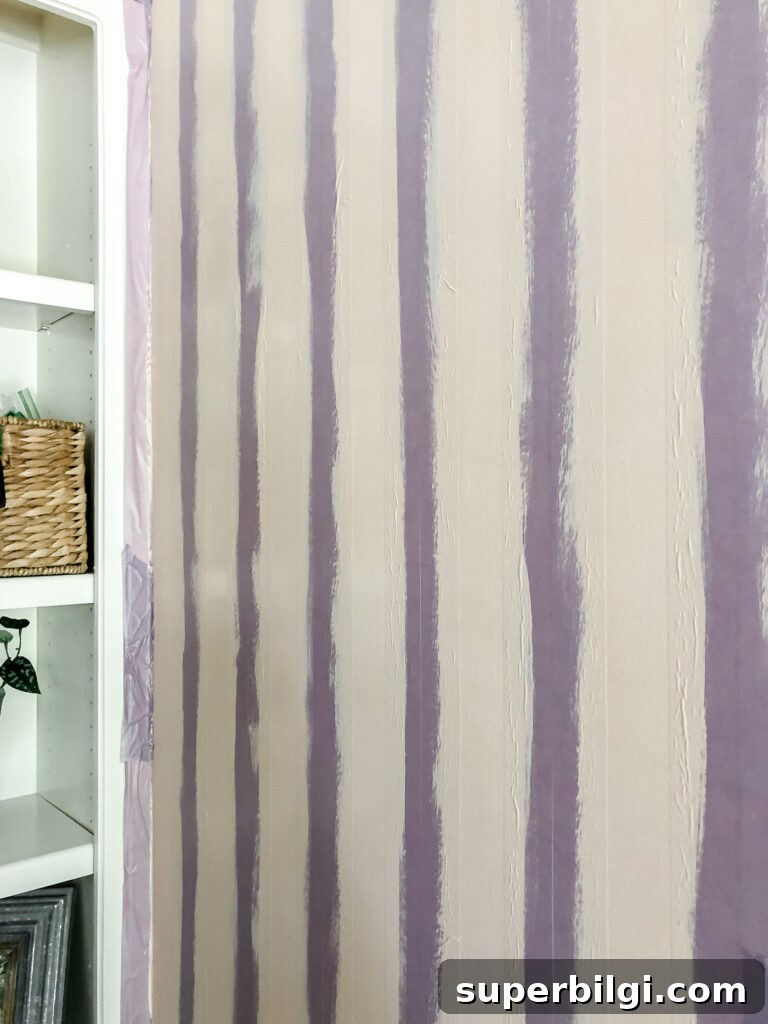
Step 6. Remove Tape and Make Middle Horizontal Line
Carefully remove the vertical tape now that the medium color has dried. Then use your level to mark a horizontal center line across the wall. This horizontal center line is your second and final measurement and will guide the horizontal band layout.
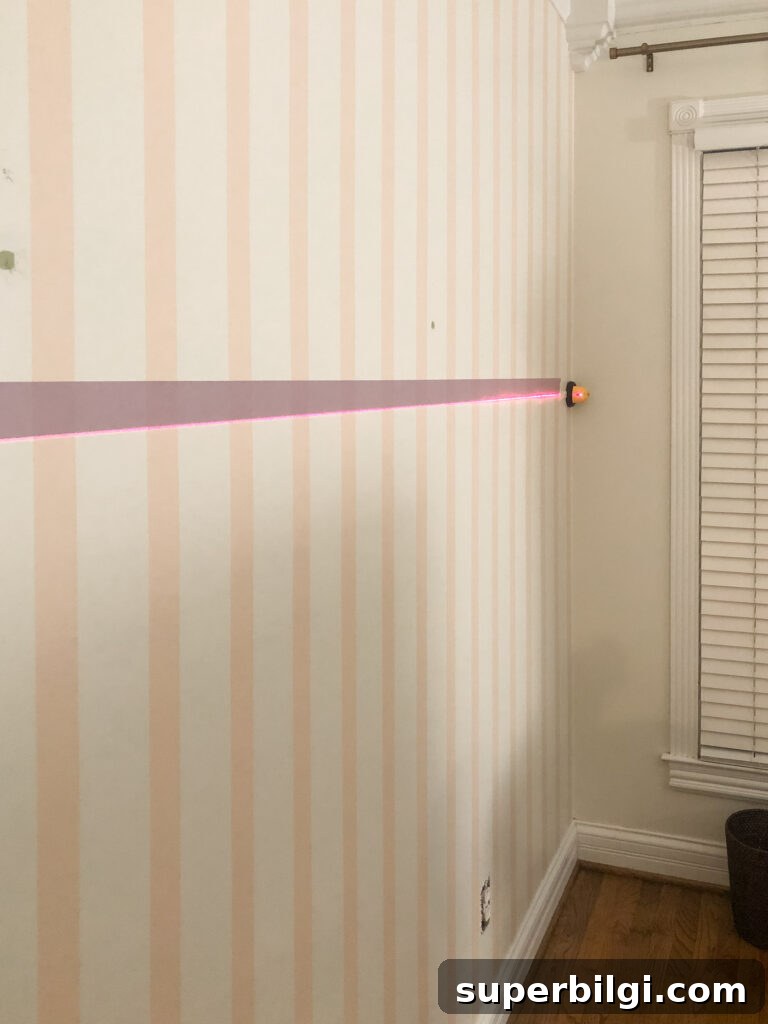
Step 7. Make Horizontal Stripes with Tape
Along the horizontal center line, apply two strips of tape side by side, skip one tape width, then apply two more. Repeat this pattern to cover the wall with horizontal bands that intersect the previously painted vertical stripes. Keep checking that each row stays level as you work across the wall.
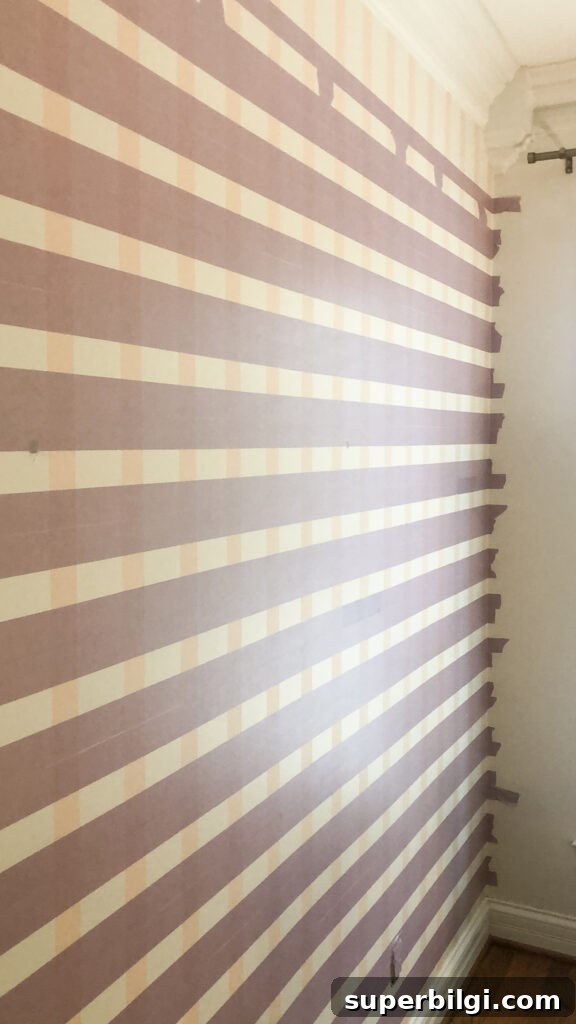
Step 8. Press Down Tape Again
Use the smoothing tool again to press the horizontal tape edges down firmly against the wall. This prevents paint seeping under the tape when you paint the horizontal bands.
Step 9. Paint the Medium Color Again
Apply two coats of the medium color to the horizontal tape bands with the 1-inch brush. Do not remove the tape after painting these horizontal bands; you will leave it in place until the final steps.
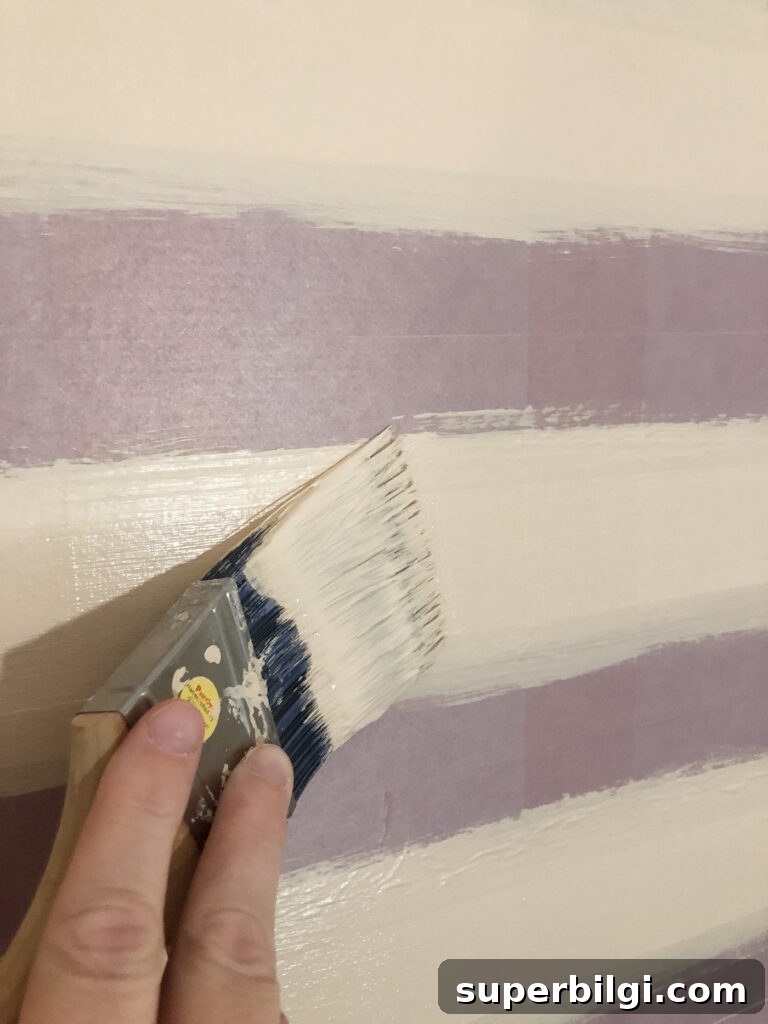
Step 10. Re-tape the Vertical Lines
Reapply tape over the vertical lines using the painted medium stripes as guides. Eyeballing is fine—line the tape up with the painted bands. Press the tape down firmly with the smoothing tool so all edges are sealed.
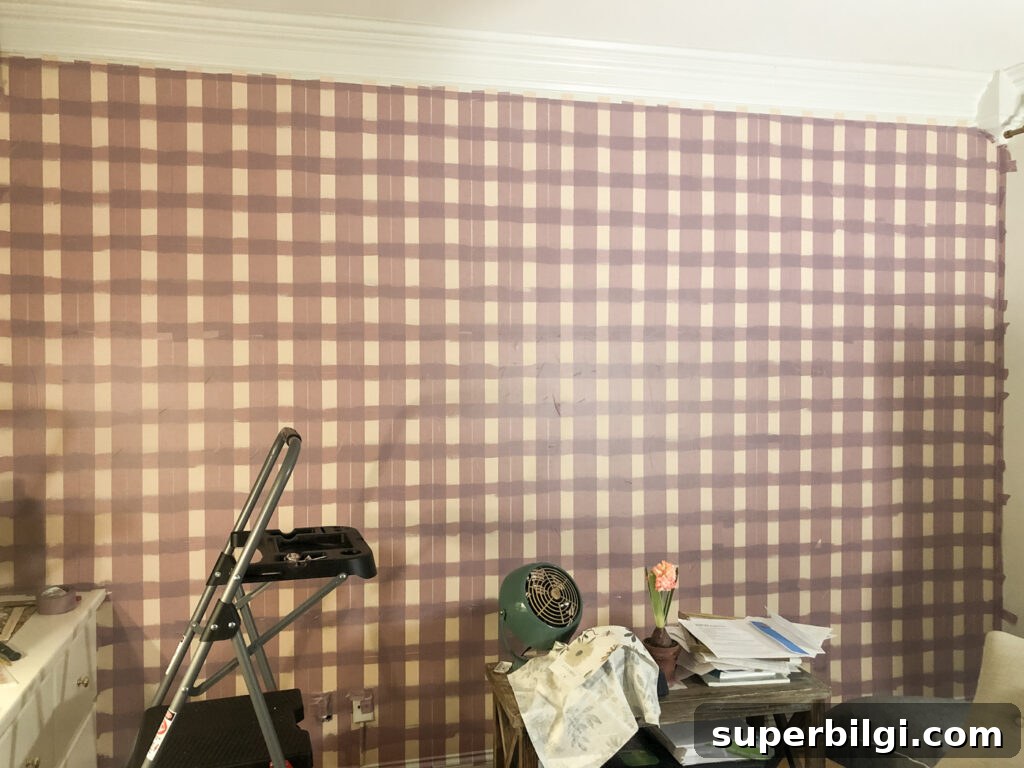
At this stage you’ll have small exposed squares where the vertical and horizontal bands intersect. These squares are where the darkest accent color will go.
Step 11. Paint the Darkest Color
Paint two coats of the darkest color into each small exposed square. This creates the illusion that the overlapping medium bands darken where they cross—mimicking the depth and texture of traditional plaid.
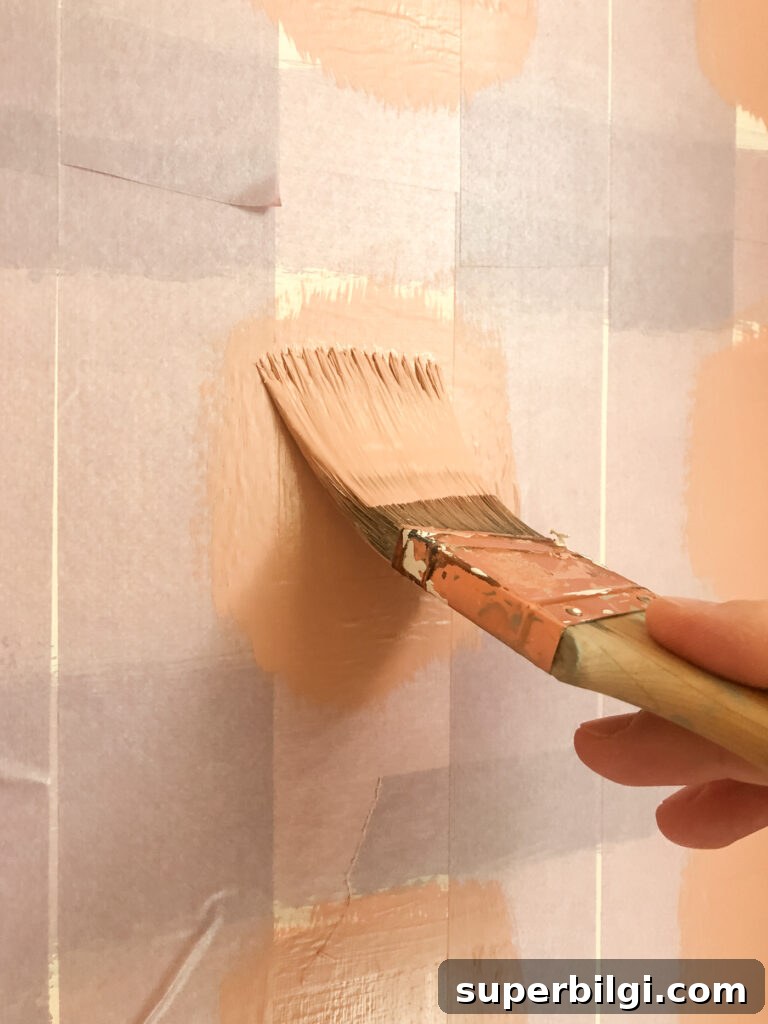
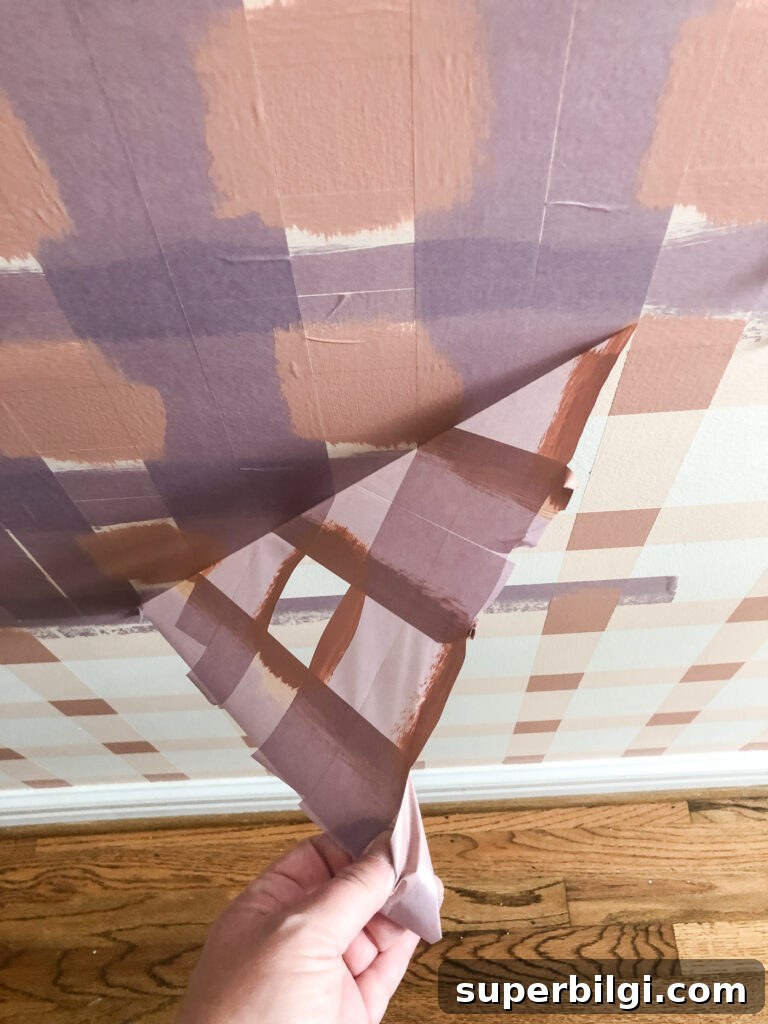
Step 12. Remove the Tape
Carefully remove all the tape once the paint has dried. Step back and admire your new painted plaid wall—crisp lines, layered color, and a professional-looking feature that transforms the room.
This technique gives you a custom, high-impact accent wall without wallpaper. It pairs especially well with soft florals and adds a graphic touch that can tie together adjoining rooms when used thoughtfully.
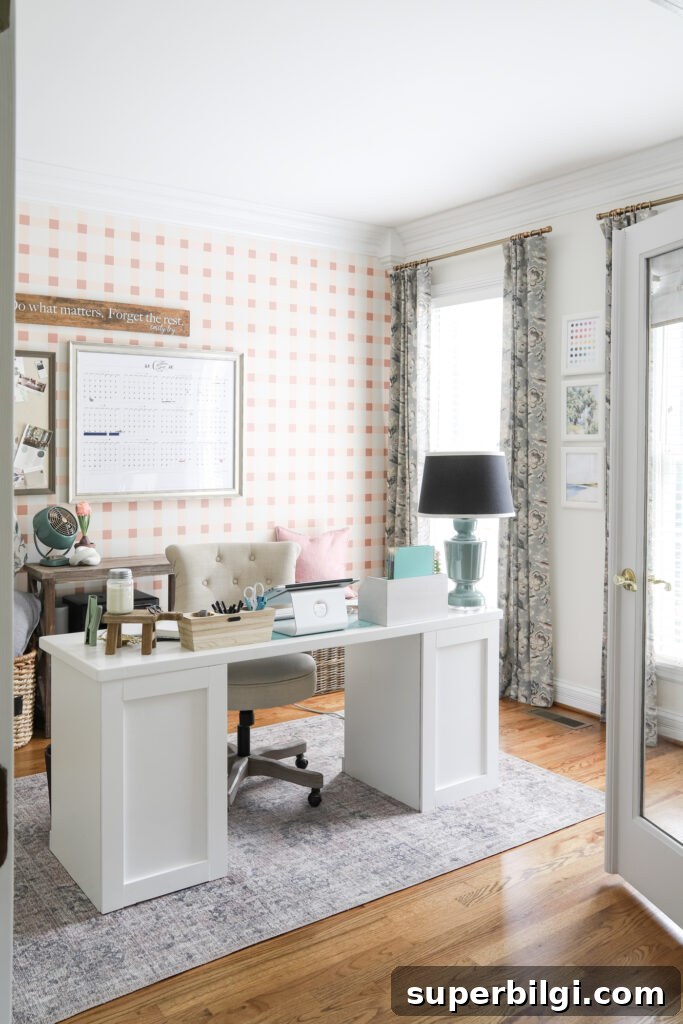
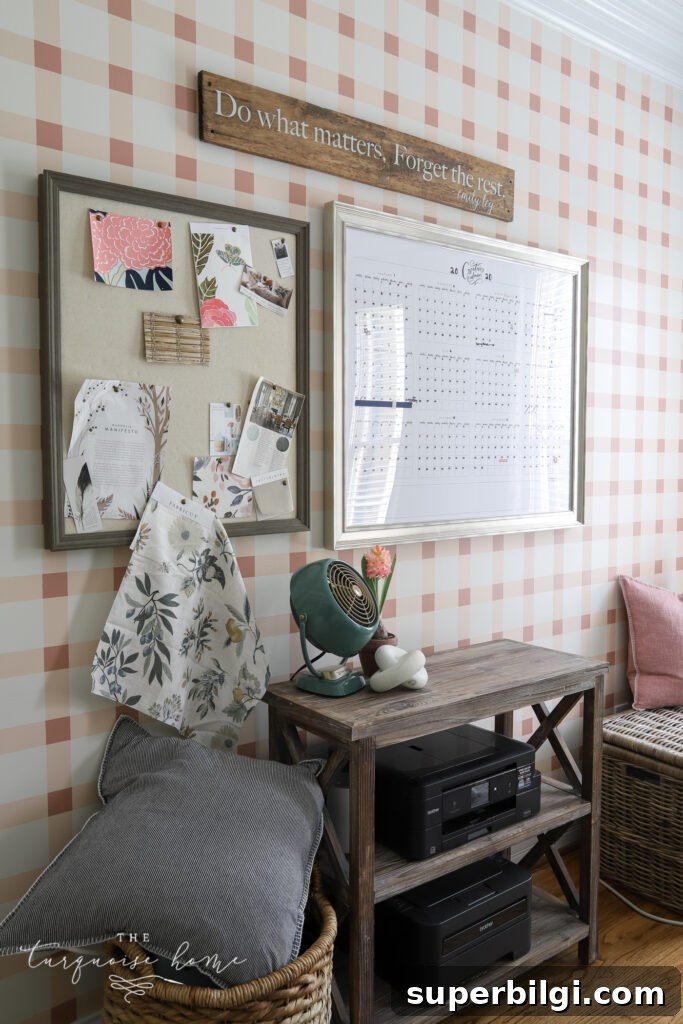
If you try this technique at home, I’d love to see your result—share photos or tag your work so others can be inspired. Happy creating!
Related topics to explore:
- The best neutral paint colors
- Top living room paint colors
- Interior door paint ideas
- How to paint outlet covers
- Seasonal office decor inspiration