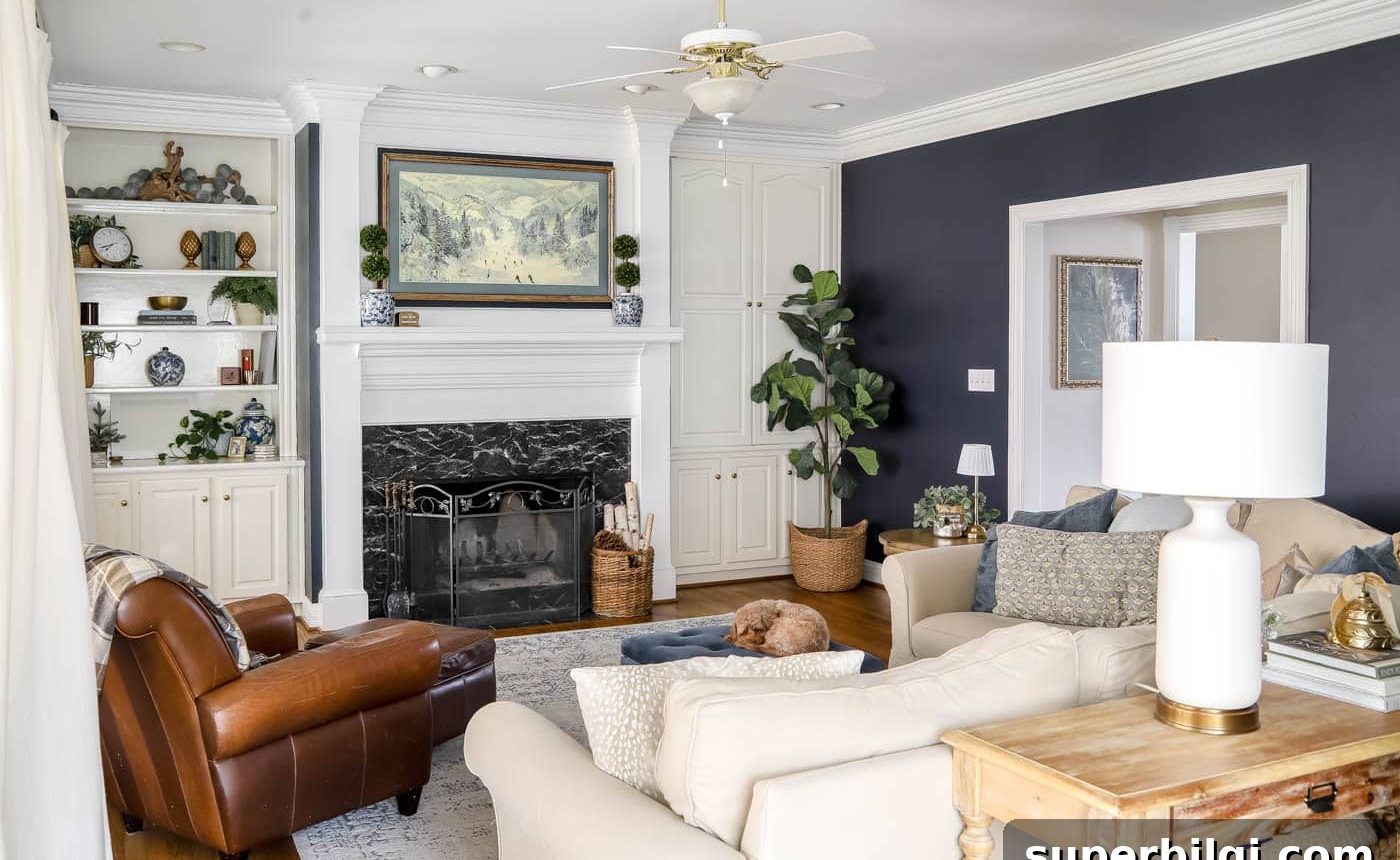
For a long time I equated a “finished” room with success: freshly painted walls, perfectly styled shelves, and a before-and-after photo ready for Instagram. But after years of raising kids, living with the everyday messes, and learning what genuinely lasts in a home, my thinking shifted. I no longer want rooms that feel rushed or disposable. I want beautiful, meaningful spaces that grow with our family.
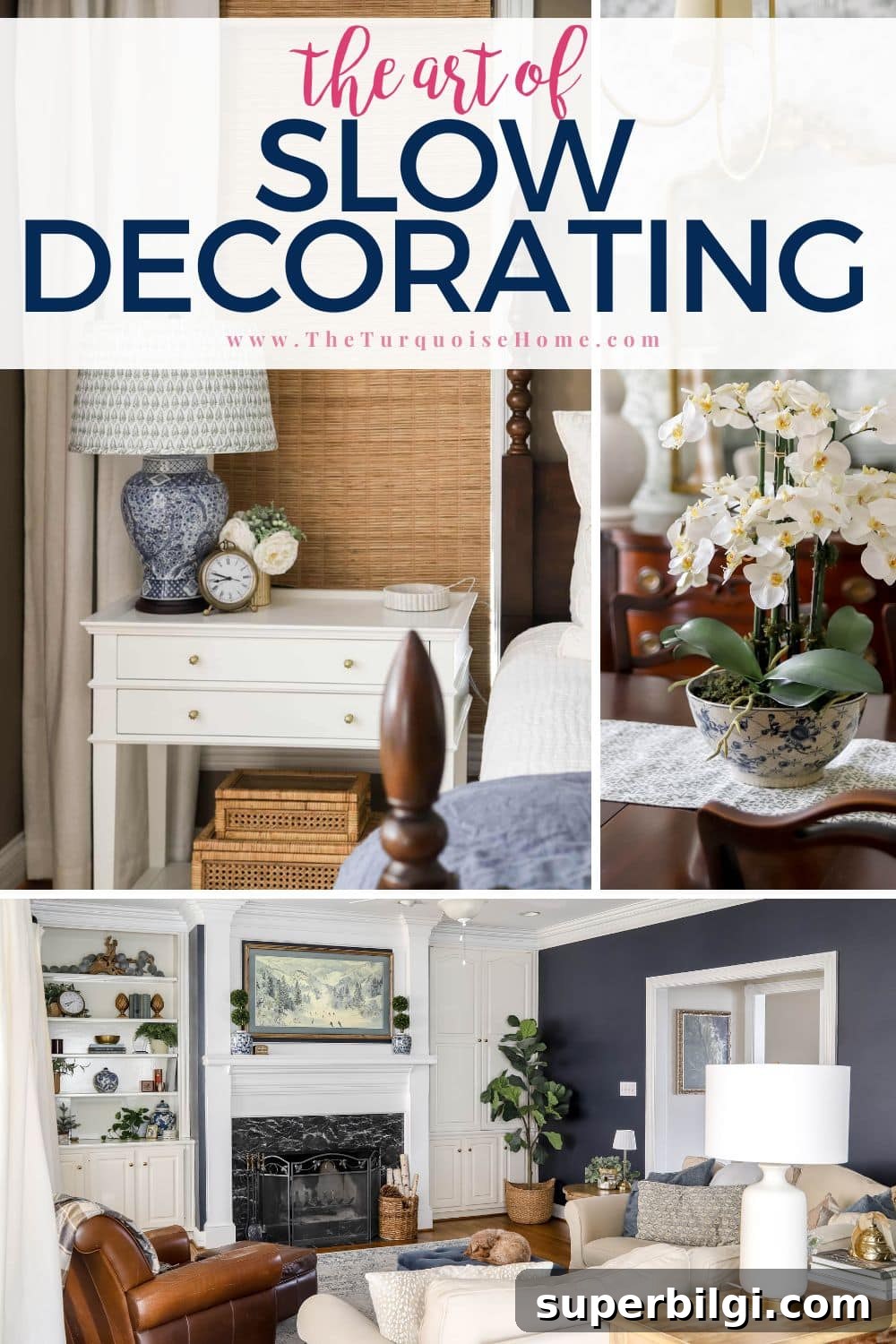
That realization led me to slow decorating — a gentle, intentional approach that has changed how I create and live in my home. I still prefer to focus on one room at a time, which helps me actually finish a space. But I no longer rush the process. I’m comfortable taking a room or two a year, or even less, and allowing each space to evolve at its own pace.
This post contains affiliate links for your convenience. See my full disclosure policy.
What Is Slow Decorating?
Slow decorating is exactly what it sounds like: decorating your home intentionally and over time instead of filling every corner at once with whatever’s trendy or on sale. The goal is a collected, storied look created through considered choices rather than impulse buys. Slow decorating lets rooms mature as your family changes and reveals what you truly need and love.
Rather than chasing trends, slow decorating values comfort, function, and a cohesive story. I like to live in a room for a while, see how we use it, and then make design decisions. That patience often lets me save for higher quality pieces that last and feel right for years.
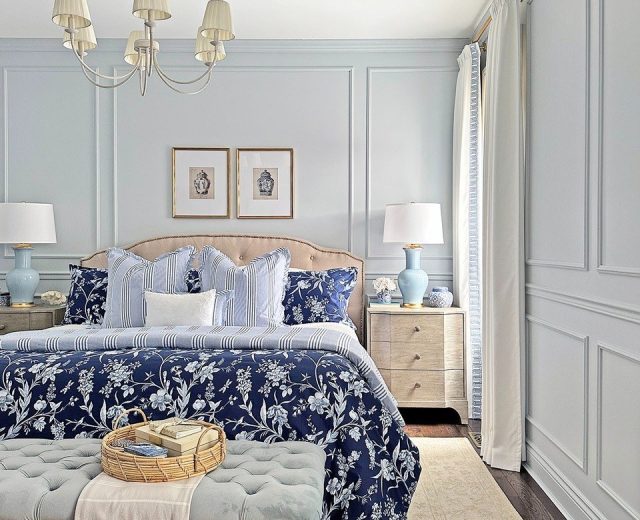
Our bedroom is a perfect example. I began with a basic plan based on what was available at the time, but I didn’t follow through with all of it because it didn’t feel right. Over five years, I made small, intentional updates until the room finally reflected the timeless, traditional look I wanted. Taking my time meant spending more wisely and choosing pieces I’ll truly keep for the long term.
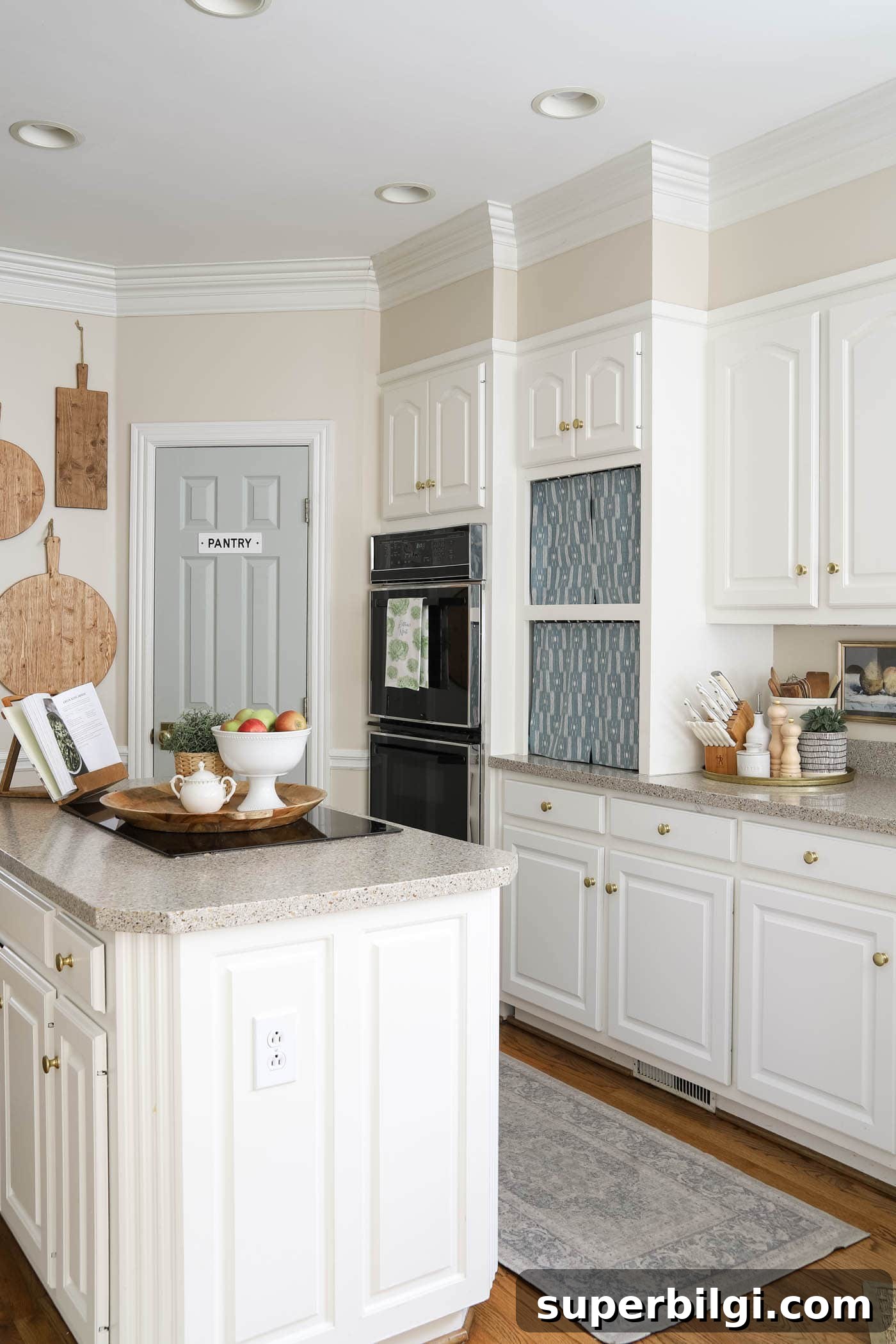
Why I Stopped Rushing Room Makeovers
There was a season when I finished one project and immediately planned the next, pressured by the constant stream of online reveals. Over time I learned that rushing led to mistakes:
- Buying decor just to fill space
- Following trends that didn’t age well
- Replacing items too often and wasting money
- Creating rooms that looked styled but didn’t feel like home
When I gave myself permission to slow down, my decisions became more confident. The result is a home that feels more personal, functional, and enduring.
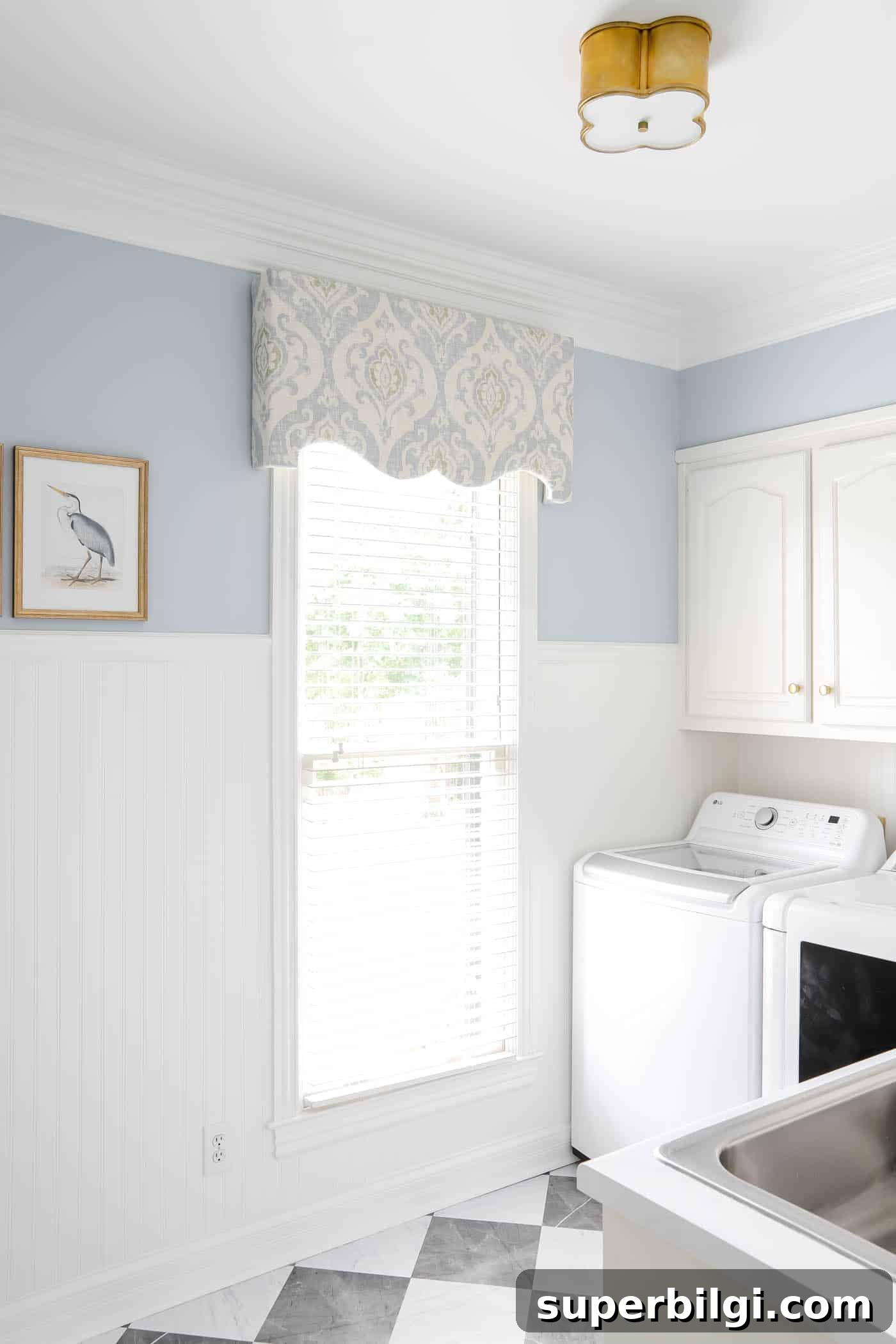
How to Decorate Slowly Without Feeling Stuck
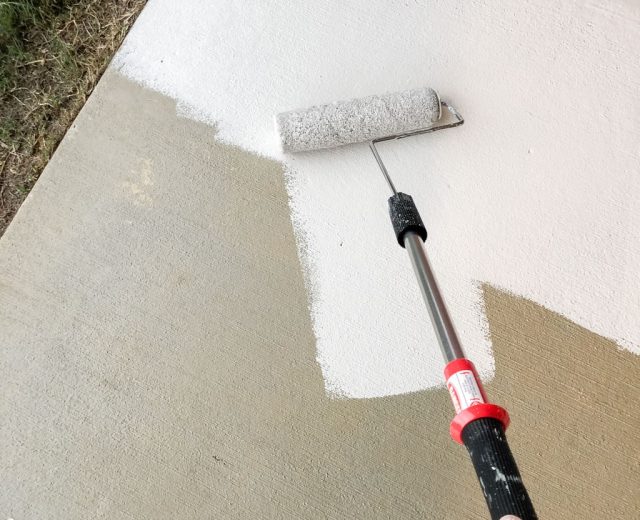
If the idea of slow decorating worries you because you don’t want to live with blank walls forever, know there’s a practical middle ground. I usually do a simple baseline makeover to get a room functional and neutral: a fresh coat of paint, basic lighting, and a sensible layout. From there I live in the space, observe how it’s used, and add layers gradually.
For example, we painted our bedroom a neutral color when we first moved in because I liked it, then repainted years later once I had a clearer design plan. That slow evolution allowed us to choose colors and pieces with confidence.
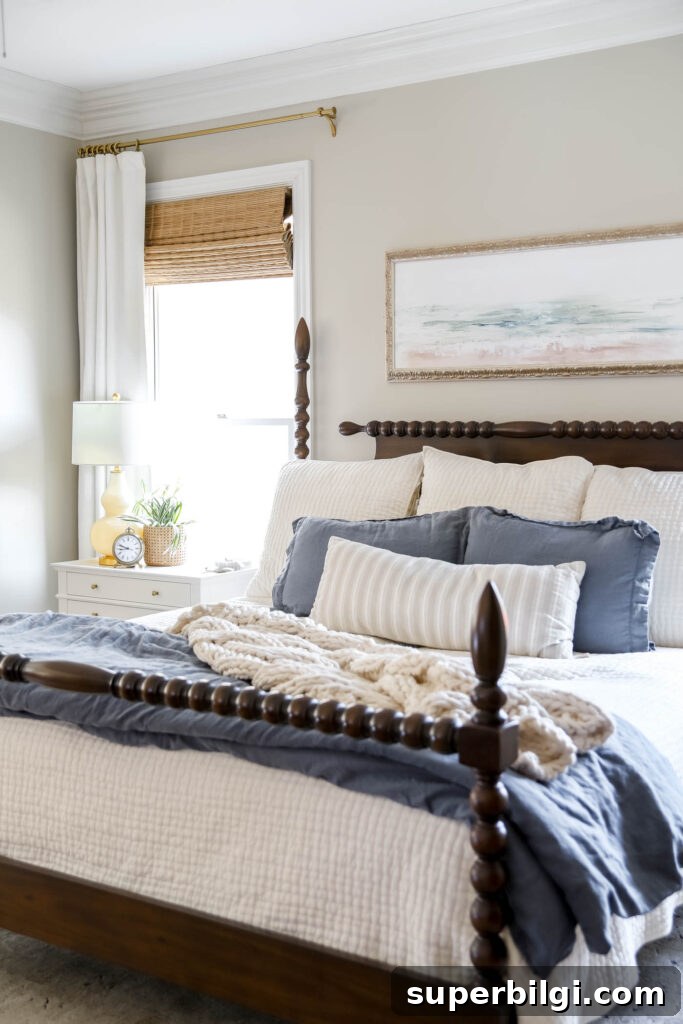
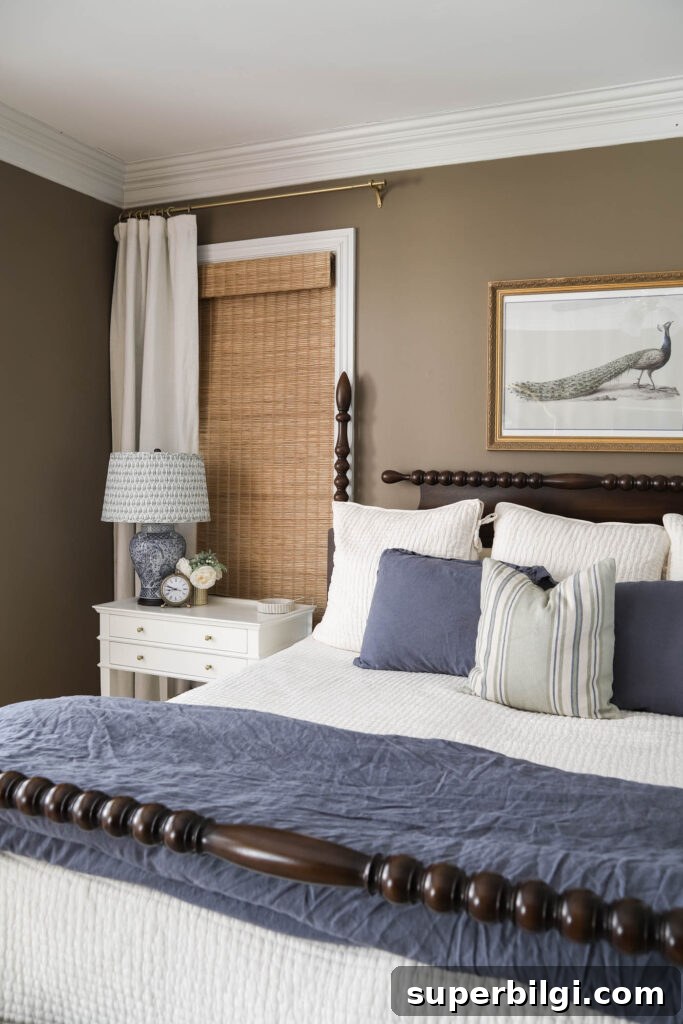
Here are the practical steps I use when decorating slowly:
1. Start With the Bones
Invest first in paint, floors, lighting, and layout. These foundational elements have the biggest impact and give you something stable to build on. Choose classic, neutral options—like a medium floor stain or timeless lighting—so they remain relevant as your style evolves.
2. Live in the Space First
Before buying large furniture or committing to a full design, spend time in the room and ask practical questions:
- Where do we naturally sit?
- Does anything feel awkward?
- What’s missing?
- What’s unnecessary?
Your daily habits will reveal what the space truly needs.
3. Layer Slowly
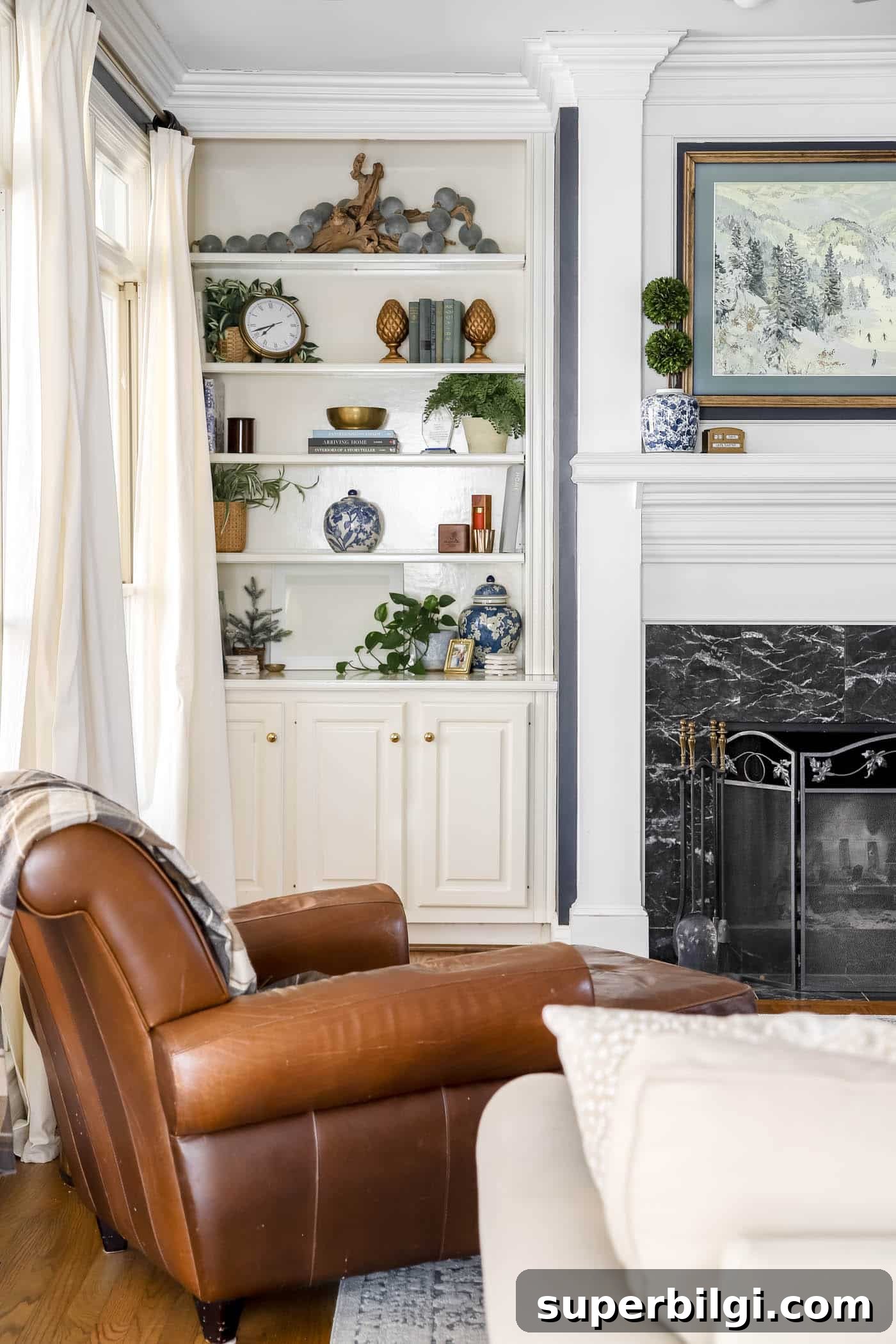
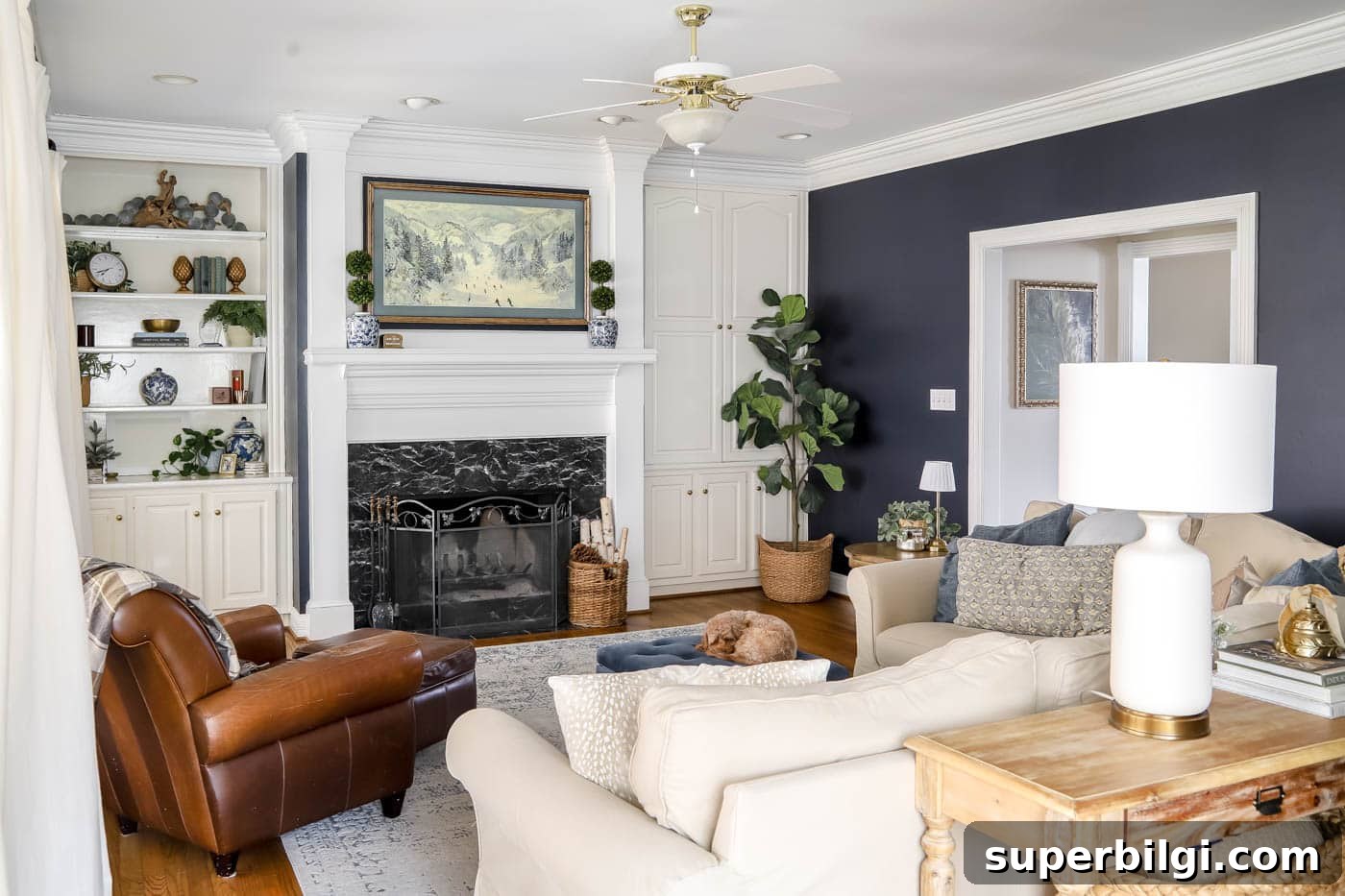
Add one layer at a time: rugs, textiles, wallpaper, art, and collected pieces. Let one element be the focal point—perhaps a bold rug or patterned curtain—and build the rest of the room around it. Layering slowly prevents overwhelm and keeps your options open if you want to change course.
4. Buy With Intention
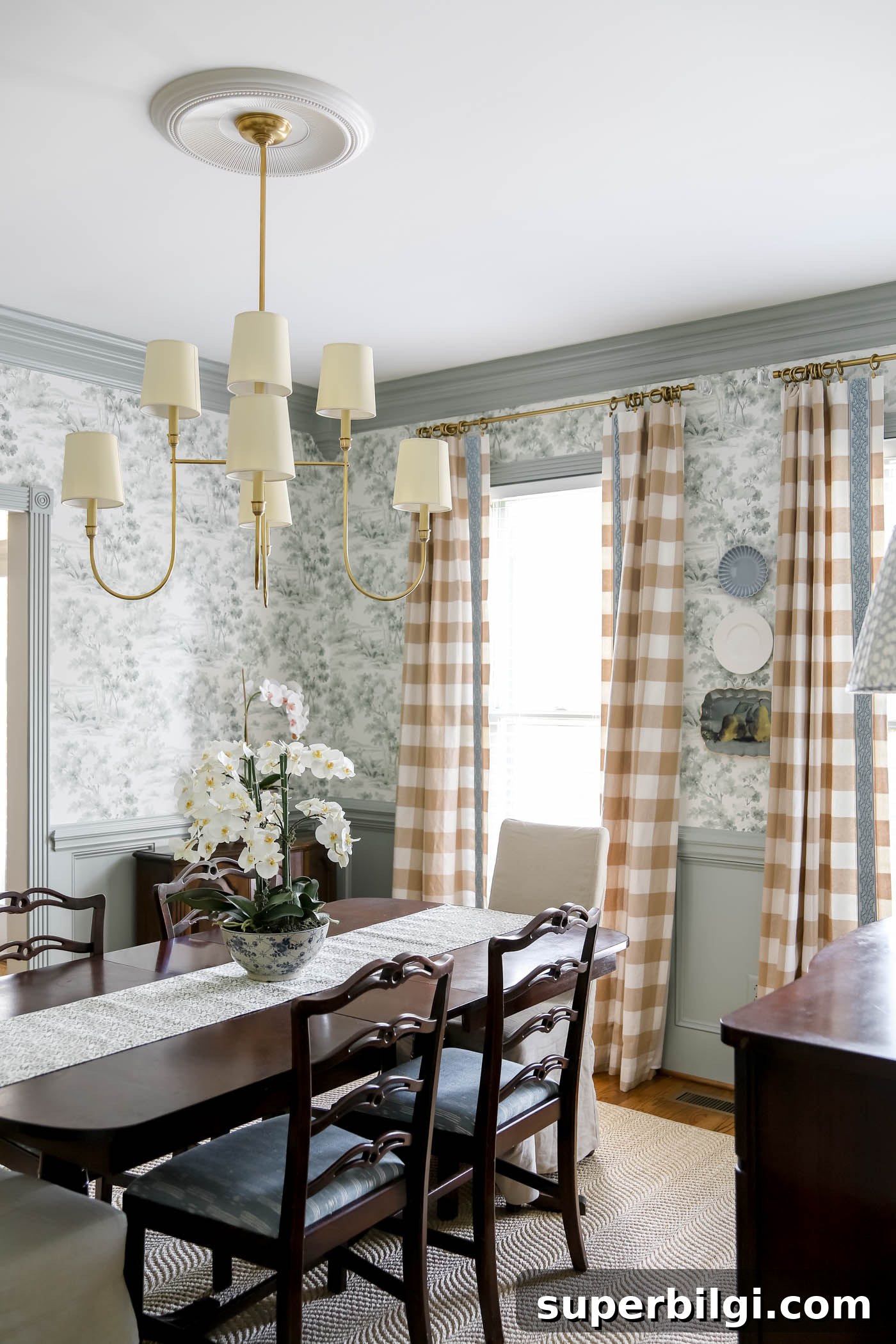
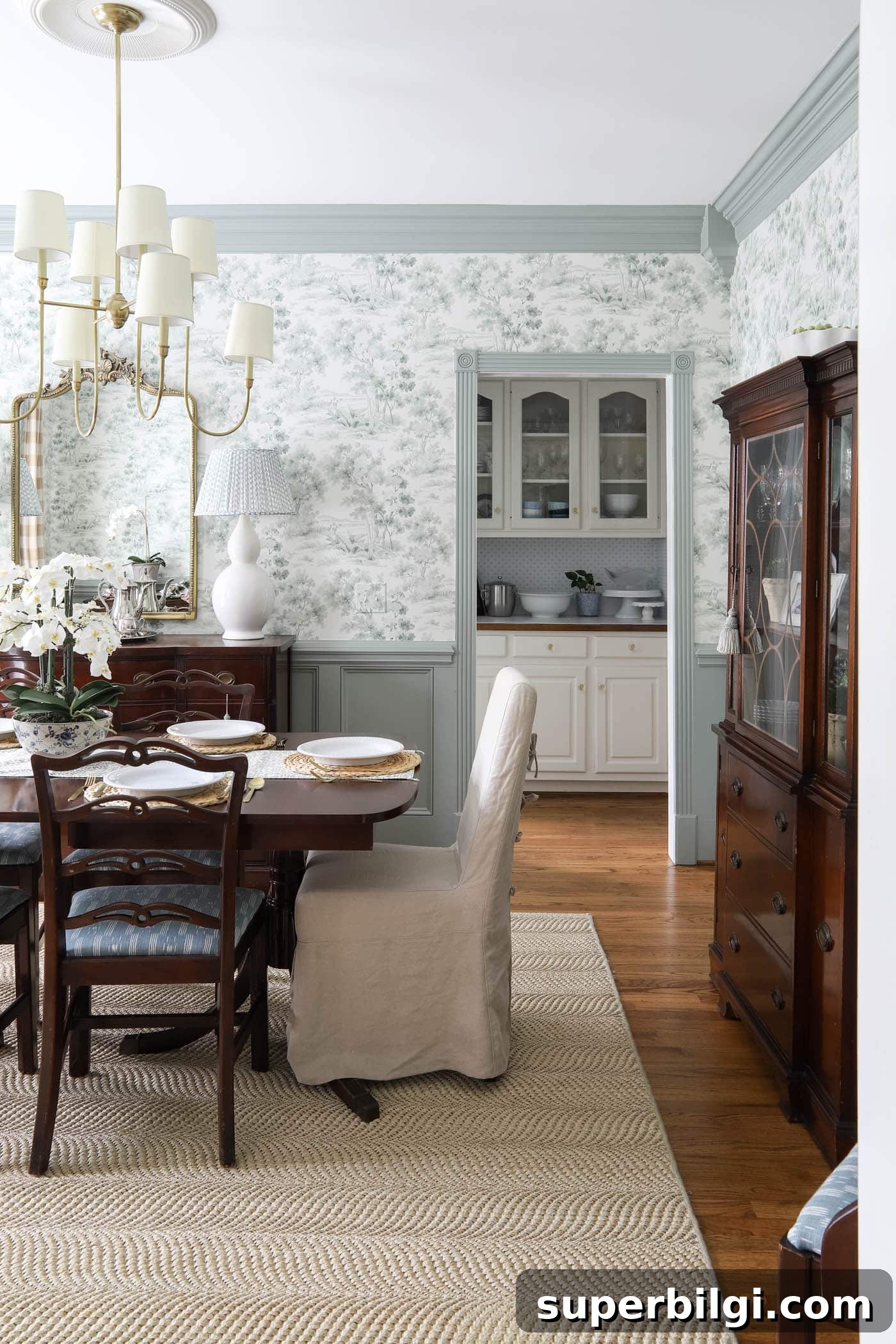
Slow decorating lets you save for pieces you truly love and avoid settling for “good enough.” I prioritize quality over quantity, mix vintage and new items, and say no to impulse purchases. When a splurge is worth it—like a chandelier that becomes the room’s anchor—I’ll save for it rather than compromise.
Why Slow Decorating Feels Right Now
Life is full of obligations and noise, and our homes should be a respite—not another source of pressure. Slow decorating encourages contentment, helps your style mature naturally, and results in rooms that feel lived-in and layered. It allows you to change your mind and decorate around real life instead of an arbitrary deadline.
A Gentle Encouragement
If you feel behind or overwhelmed by your home, consider this your permission to slow down. You don’t have to finish everything at once. Start with one corner, one piece, or one small decision. Living with an “unfinished” space while you figure things out is perfectly fine — and often the best way to create a home you’ll love for years.
More posts you might enjoy:
- How to Find Your Decorating Style
- 7 Rental-Friendly Home Decorating Ideas
- Timeless Home Decor Essentials