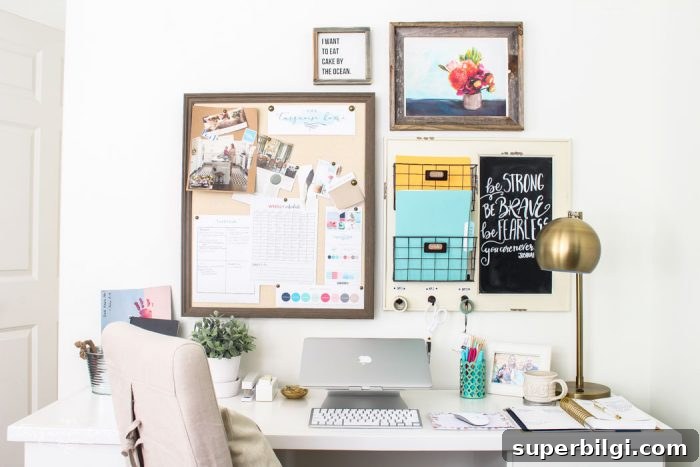
Improve your productivity and efficiency with a smart organization system for your home office. Use these practical home office organization ideas to design the workspace you’ve been dreaming of.
Working from home can feel like a dream—when your workspace supports you. Whether your office is a dedicated room or a small nook, setting up a workspace that looks good and functions well will boost your focus and productivity.
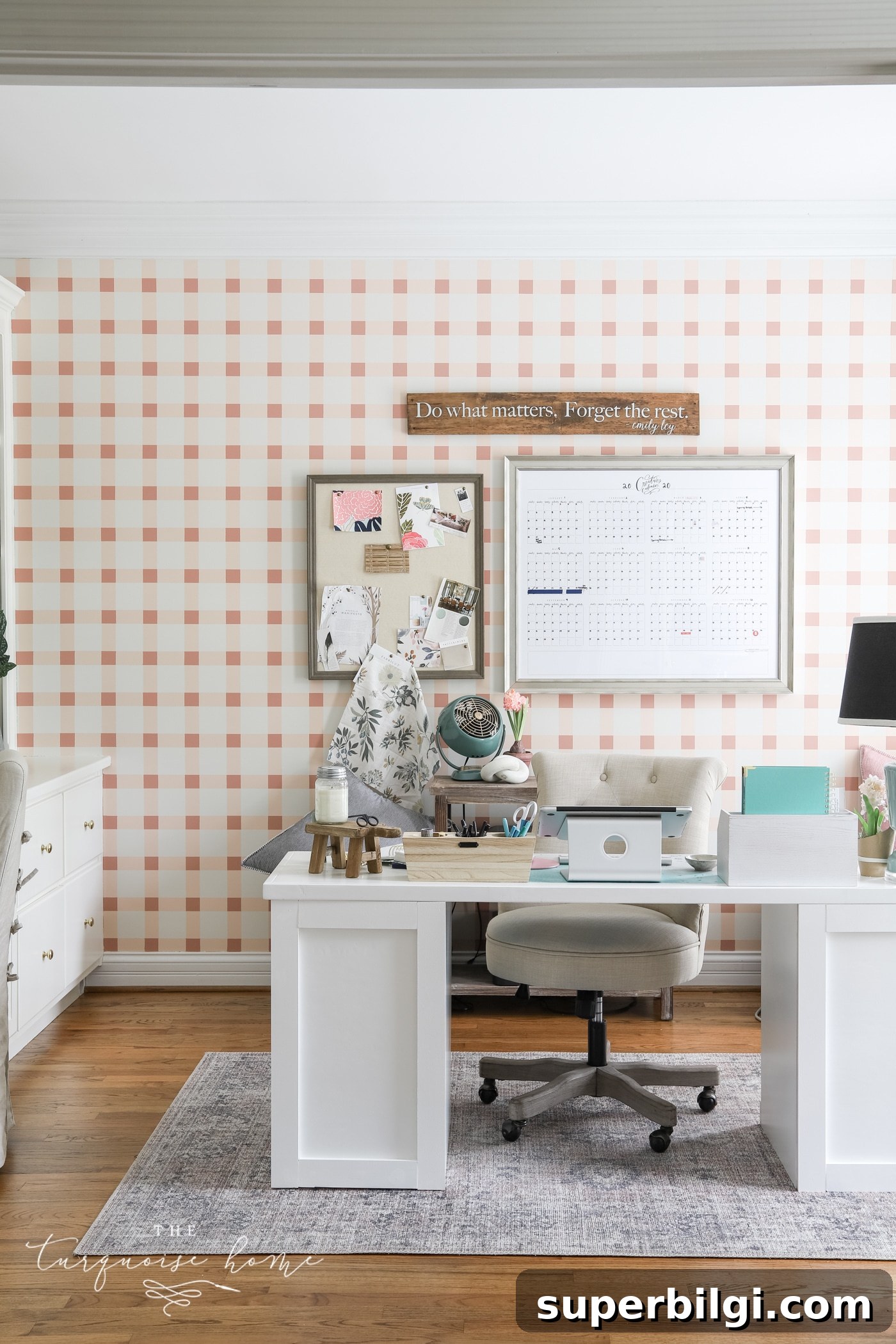
From personal experience, a cluttered, unorganized office stifles creativity. In my previous home I let the office fall into disarray and avoided it—working from the couch instead. After reorganizing in my new home, I now enjoy a calm, efficient space that makes working easier and more enjoyable.
No matter the size of your office, without solid organizational systems you’ll face piles of files, loose papers, and scattered supplies. Fortunately, there are plenty of storage solutions and simple habits that help any home office stay tidy, functional, and productive.
This post contains affiliate links.
Essential Home Office Organization Ideas
If you need inspiration to turn your workspace into a smooth-running home office, these eight practical solutions will help. Implementing them will leave no pencil, paperclip, or bill without a home.
1. Create Ample Workspace
It’s hard to get work done without enough surface area. A functional desk should have room for your computer or laptop, clear writing space, and room for any extra tasks you regularly handle. A desk with integrated drawers and a filing base helps keep the surface clear and stores supplies within reach.
Choose a comfortable, supportive chair and check that your desk height promotes good posture. Small adjustments such as desk risers can add a couple of inches for better ergonomics and prevent hunching over.
- Long, stable desk with drawers
- Ergonomic desk chair
- Optional desk risers for height adjustment
2. Create a Desktop Filing System
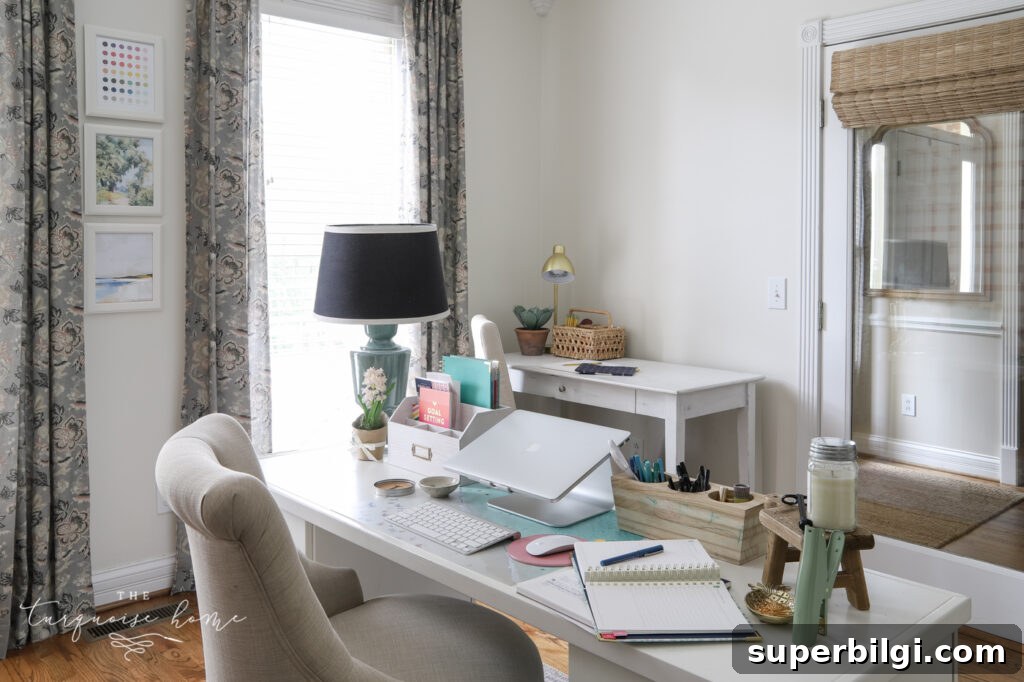
Paper piles grow when filing isn’t convenient. Keep a desktop file system for your top 8–12 frequently used folders to minimize desk clutter. Colorful or patterned folders can brighten the area while helping you find documents quickly.
- Desktop file folder organizer
- Colored or decorative file folders
- Small wooden or metal desk organizer
3. Use Wall Storage
Instead of stacking action items on your desk “for later,” move them to wall-mounted baskets or an organizer. A wall system keeps important items visible, prevents piles, and provides a clear visual reminder of tasks such as mail, bills, and follow-ups.
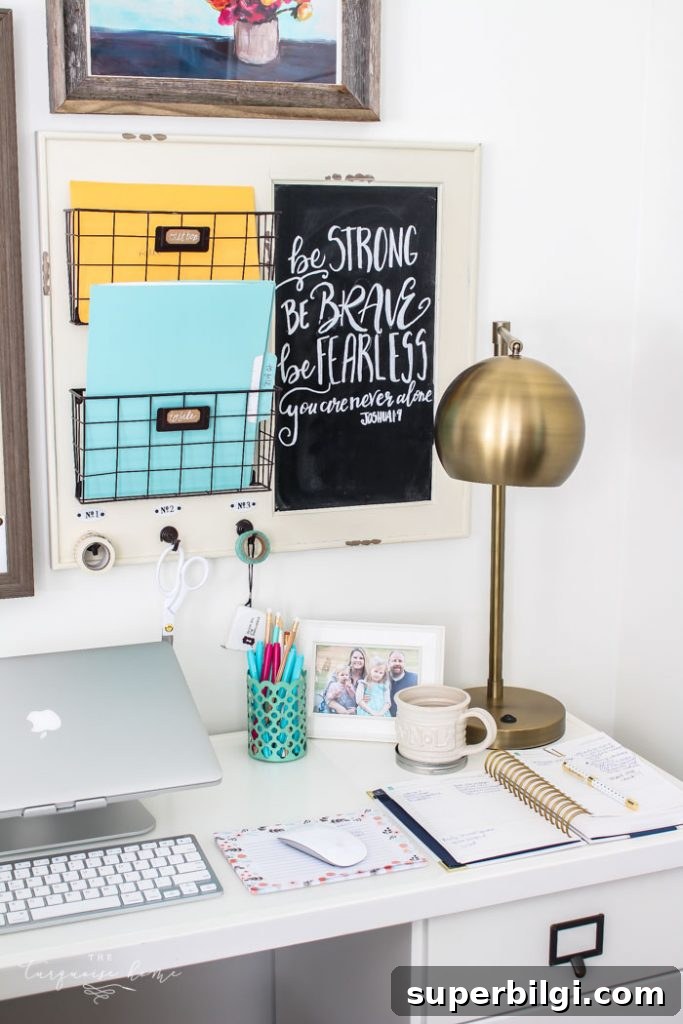
Wall organization essentials:
- Hanging baskets or pocket organizers
- Wall-mounted file holders
- A small bulletin board or magnetic board for reminders
4. Add Shelving to Create Space
Shelves expand storage without taking up floor space. If built-ins aren’t an option, stackable crate shelves or modular cubbies are affordable and customizable. Paint or arrange them to match your decor and needs.
- Stackable wood crates or cubby units
- Adjustable shelving units
- Built-in shelves, if possible
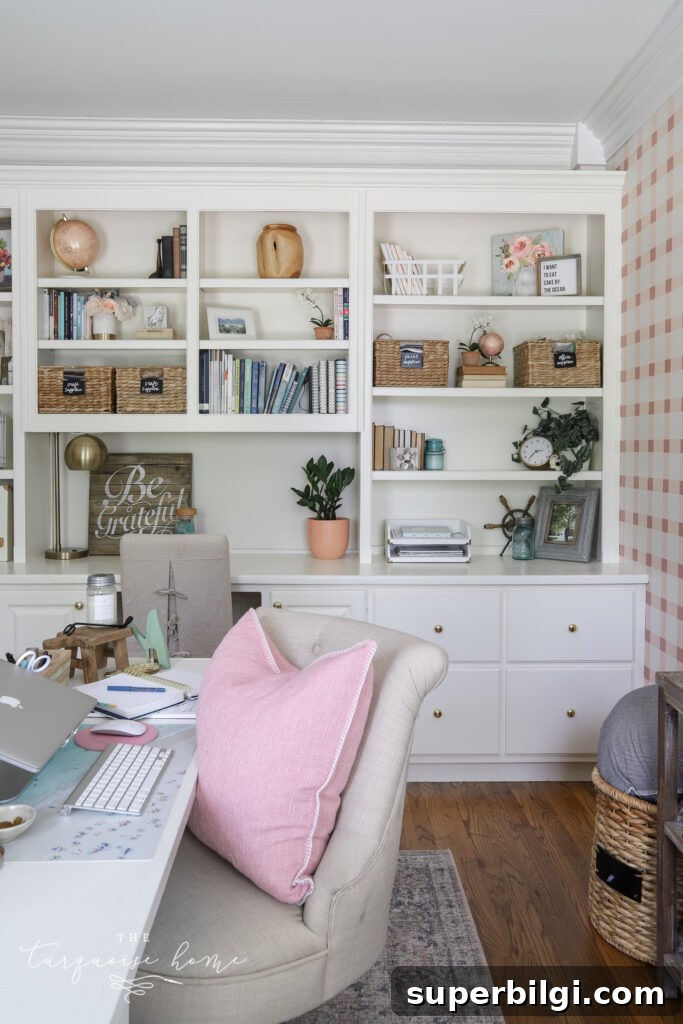
5. Put Together Organized Shelves
Shelves are versatile but can themselves become clutter magnets without a system. Use magazine holders, boxes, and labeled bins to keep paper, stationery, and supplies orderly. Choose colors and styles that make it easy and pleasant to maintain organization.
- Magazine file holders (colorful or neutral)
- Labeled baskets or boxes
- Closed containers for small items
6. Give Desktop Items a Home
When pens, highlighters, and chargers are tossed into a cup or drawer, they become hard to find. Use a desk organizer, pencil cups, or compartment trays to assign a permanent spot for each supply. This reduces visual clutter and speedily returns items to their place.
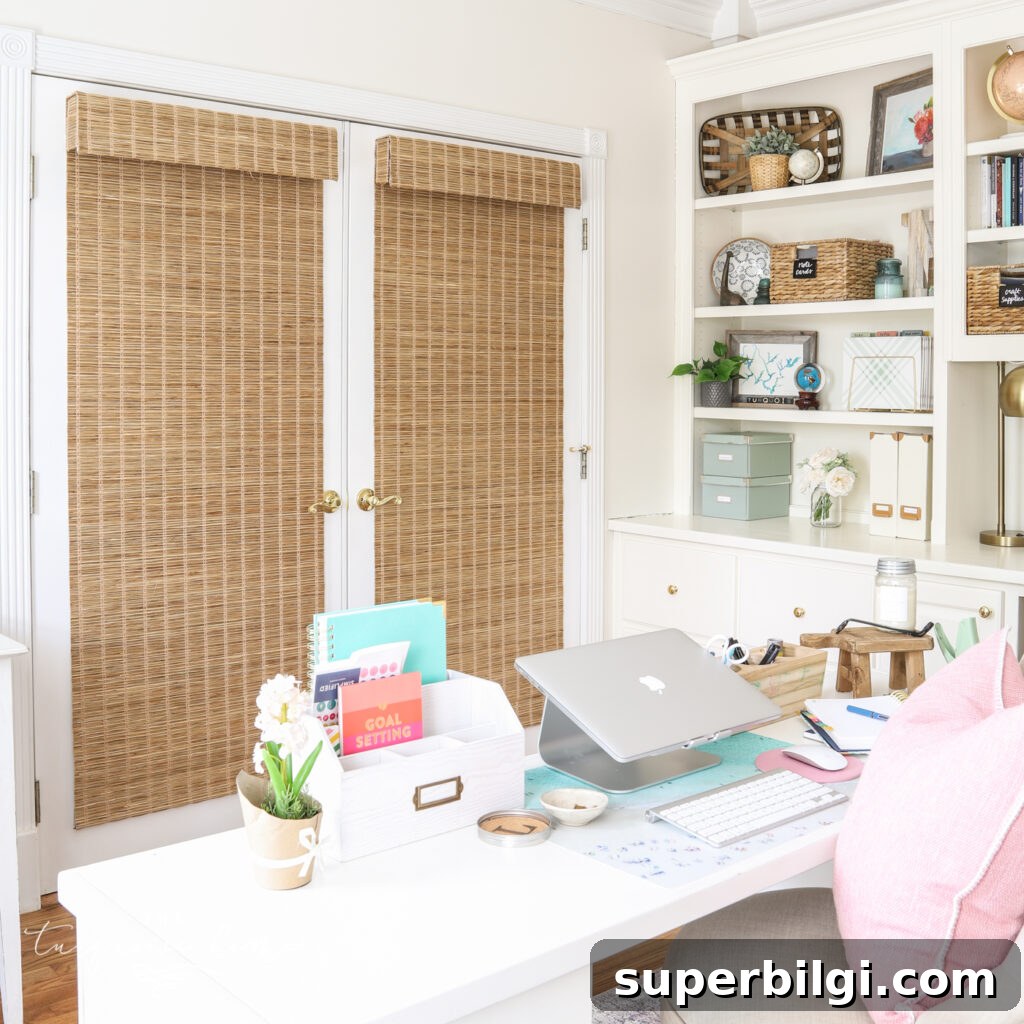
- Pencil cups or trays
- Translucent storage compartments for small items
- Multi-compartment mesh or wooden desk organizers
7. Design a DIY Paper Organizer
Tackle documentation with a desktop paper sorter. Build or buy a sorter with multiple slots and label each section with a label maker. You can personalize it with contact paper or paint so it complements your decor while keeping paperwork sorted by priority or category.
- Paper sorter with labeled slots
- Label maker for clear labeling
- Designer contact paper or paint for a custom look
8. Create a Printer Station
An efficient printer station keeps paper, ink, and other supplies in one place so printing and processing documents is fast. Position the printer within easy reach of your desk and add shelves or a small bookcase to store extra paper, ink, and letter trays.
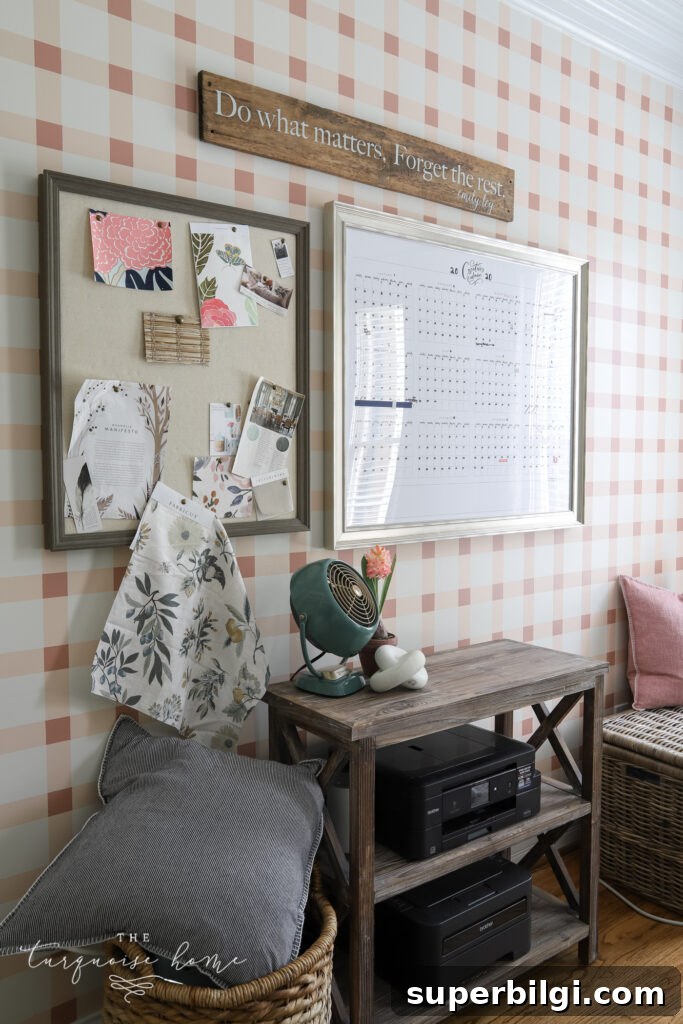
- Small bookcase or cabinet for printer and supplies
- Letter trays for incoming and outgoing documents
- A reliable printer placed within arm’s reach of your desk
More Organization Ideas
With these simple, effective home office strategies you’ll notice improved focus and productivity. Good organization is a habit, and small systems maintained consistently produce big results.
If you want to expand organization throughout your home, consider related projects such as eliminating paper clutter, organizing a pantry, designing a command center, or tackling a linen closet. Small wins in each area add up to a calmer home and clearer mind.
I hope these tips help you create a home office that supports your best work. Staying organized is an ongoing effort, but the payoff in time saved, reduced stress, and increased productivity is worth it. If you’d like guided support, consider joining a decluttering challenge to build lasting habits.
More posts you may enjoy:
- How to Organize a Linen Closet
- How to Organize a Pantry
- How to Declutter Your Home in 5 Simple Steps
- How to Organize a Messy Garage
- Bedside Cord Organization Ideas