
Learn 3 practical tips to organize a room overflowing with things you think you love.
A reader recently asked a thoughtful question that many of us face: “How can I be organized—and avoid feeling like a hoarder—when I truly love too many things?” I wanted to take a day to respond and offer simple, realistic strategies you can use right away.
Here’s what my friend shared with me:
I stumbled across some of your pins several years ago—probably about the same time you were getting started! I live in a small craftsman house, and my goal is to have a cozy, comfortable home. My favorite color is turquoise.
Because I love decorating and collecting unique pieces to personalize my home (or “hoarding,” as my family teases me!), organization can be a real struggle in a small house. I’d appreciate any posts or tips you have about this. I enjoy seeing your decorating ideas. May God bless you and your family!
June (not her real name)
I absolutely relate. I also love new home decor finds and rarely say no to a quick shopping trip. I often swing through clearance aisles and come home with something that felt irresistible at the moment. That’s why practical organization strategies matter—they help you keep the pieces you truly love while avoiding unnecessary excess.
Welcome to Day 21 of the 30 Days to Less of a Hot Mess Challenge! We’re decluttering, reorganizing, and creating a calmer home you love. If you’re just joining the challenge, you may want to start here at the beginning. Affiliate links used for your convenience.
While decluttering my craft and decor closet recently, I realized I simply have too many items. The challenge is narrowing that collection down to pieces I truly love and actually use. These ideas will also help you shop more intentionally—once you know what you already own and what you genuinely want, impulse purchases become easier to resist.
How to Organize a Room When You Love Too Much Stuff
1. Display Sentimental Items
Sentimental pieces often end up gathering dust in storage. Instead of tucking them away, find ways to use or display them so they contribute to daily life. For example, swap new wall art for an old print you love and frame it, or use travel bowls to corral bathroom items. Putting meaningful items on display reduces storage clutter and keeps your home feeling personal—without buying replacements.
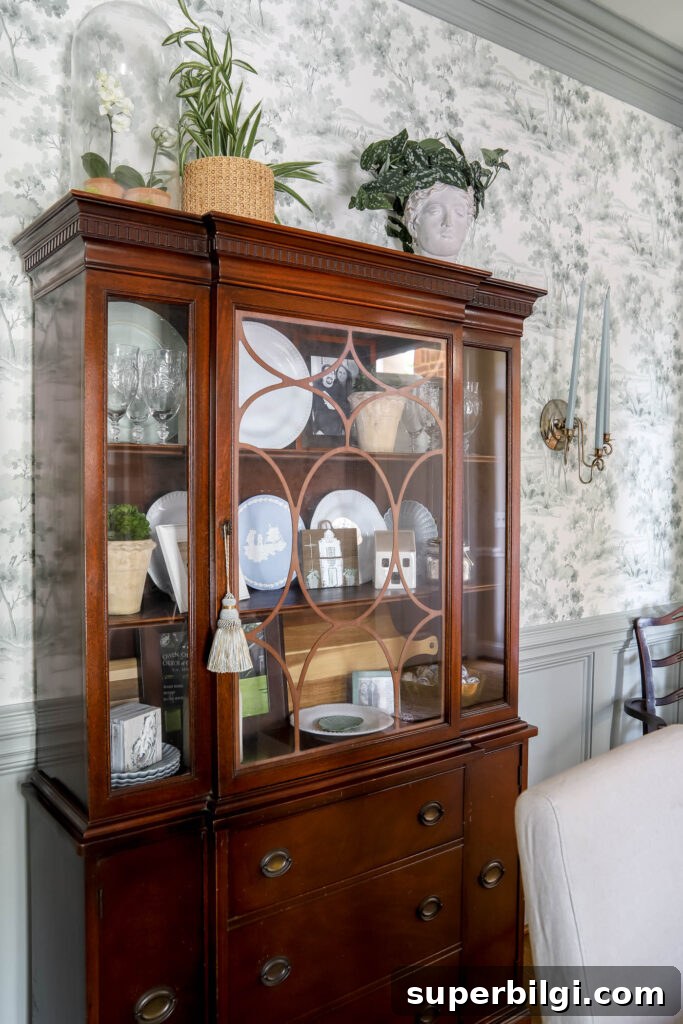
Think about repurposing items you already own. If a sentimental object can serve a function or enhance a room visually, put it where you’ll see and enjoy it. This reduces what’s boxed away and helps you resist buying something new just to fill a space.
2. Choose Your Favorites
If you collect a certain category—pillows, baskets, frames, or candle holders—limit yourself to the pieces you love most. For example, if you have 30 throw pillows but only use 10 at a time, decide on a top 15 that really bring you joy. Keep versatile pillow covers that transition through seasons, and reserve a few seasonal covers for special occasions. Keep the same pillow inserts to save space and money.
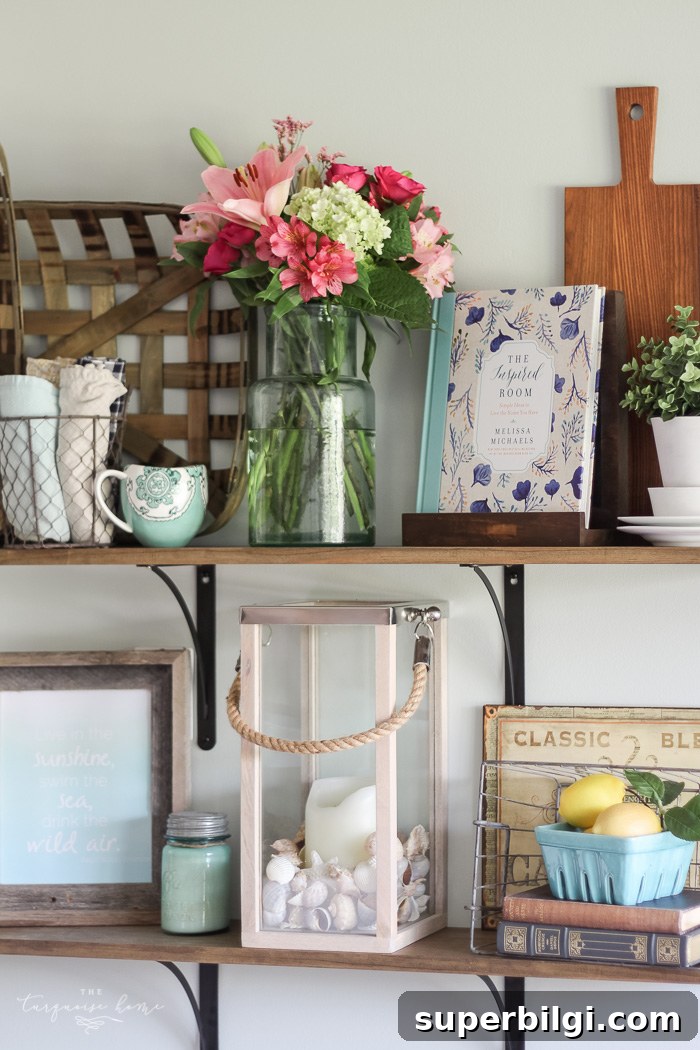
Ask yourself: do I love this the most, or is it just “nice”? If a piece isn’t a favorite, let it find a new home where someone else will appreciate it. Reducing duplicates—like extra sets of candle holders or too many baskets—makes storage and upkeep much simpler.
3. Define and Know Your Style
When you know your decorating style, deciding what to keep becomes straightforward. Items that don’t fit your aesthetic are easier to part with, and shopping choices become quicker and more confident. As you edit, aim to have your visible decor reflect the style you love; when your home looks cohesive, it feels calmer and more intentional.
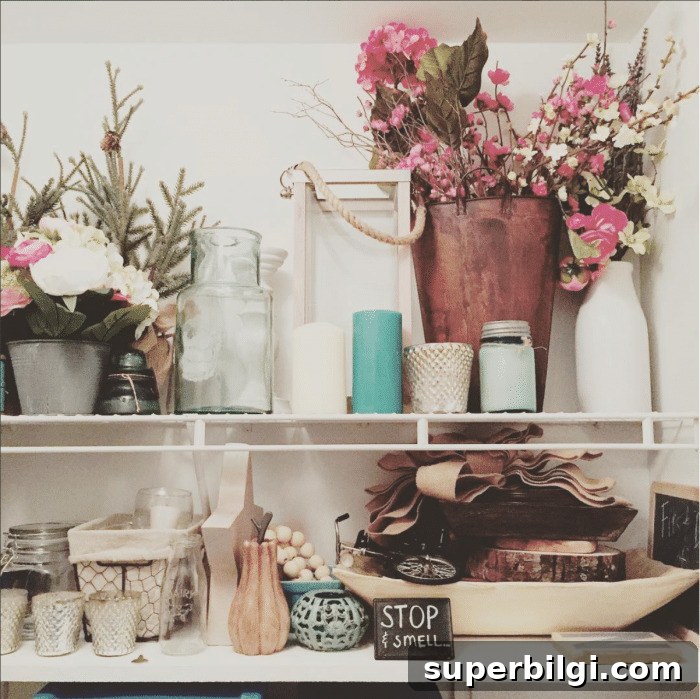
If you’re still defining your style, start by surveying your home. Do your rooms feel traditional, modern, farmhouse, coastal, or a mix? Take note of recurring colors and textures—these patterns reveal what truly resonates with you. Once you have a clear sense of style and color palette, it’s easier to let go of items that don’t belong.
A Little About Defining Your Style
Here are a couple of practical steps to help clarify your style and make decluttering decisions easier:
- Observe your home and identify the main style influences—traditional, modern, rustic, coastal, etc. Knowing your style helps you avoid impulse buys that don’t fit your aesthetic.
- Identify your favorite colors and stick to them. Narrowing your palette makes it simpler to identify items that belong and to let go of those that clash.
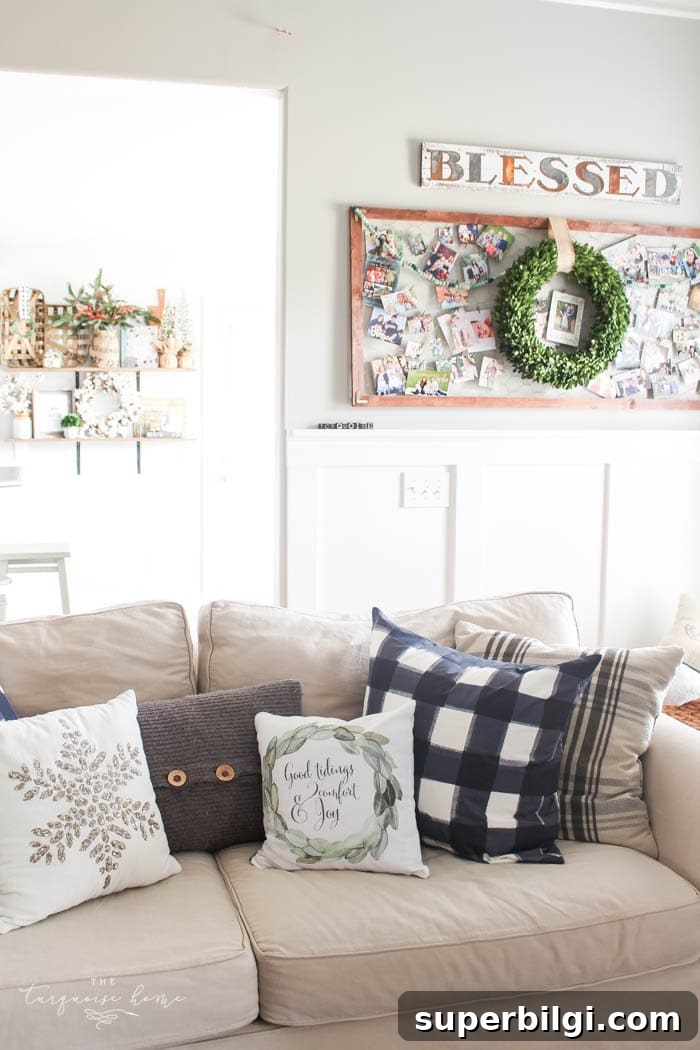
These simple guidelines make it much easier to sort what to keep and what to release.
The Messy Work: Choose one room and go through it thoroughly. Sort everything into three piles: “can’t live without,” “adds personality,” and “let it go.” If your “can’t live without” pile is too big, refine it further by asking whether each item truly earns the space it occupies. Once you’re done, pack the “let it go” items and take them to a donation center.
In the mess with you, Laura
More Posts You Will Love:
- How to Declutter an Entire Room in 5 Simple Steps
- The BEST Holiday Planner Printable Binder
- How to Organize a Messy Garage