Cabinet hardware adds that final touch of personality to your kitchen. Believe it or not, where you place cabinet knobs can affect how the whole space functions. Learn the general guidelines and tips to help you get the placement right for knobs, handles, latches and pulls on kitchen cabinets!
Where knobs go on cabinets is part practicality and part personal style. While the right hardware can add that final touch to kitchen décor, positioning it correctly has a big effect on how the room works.
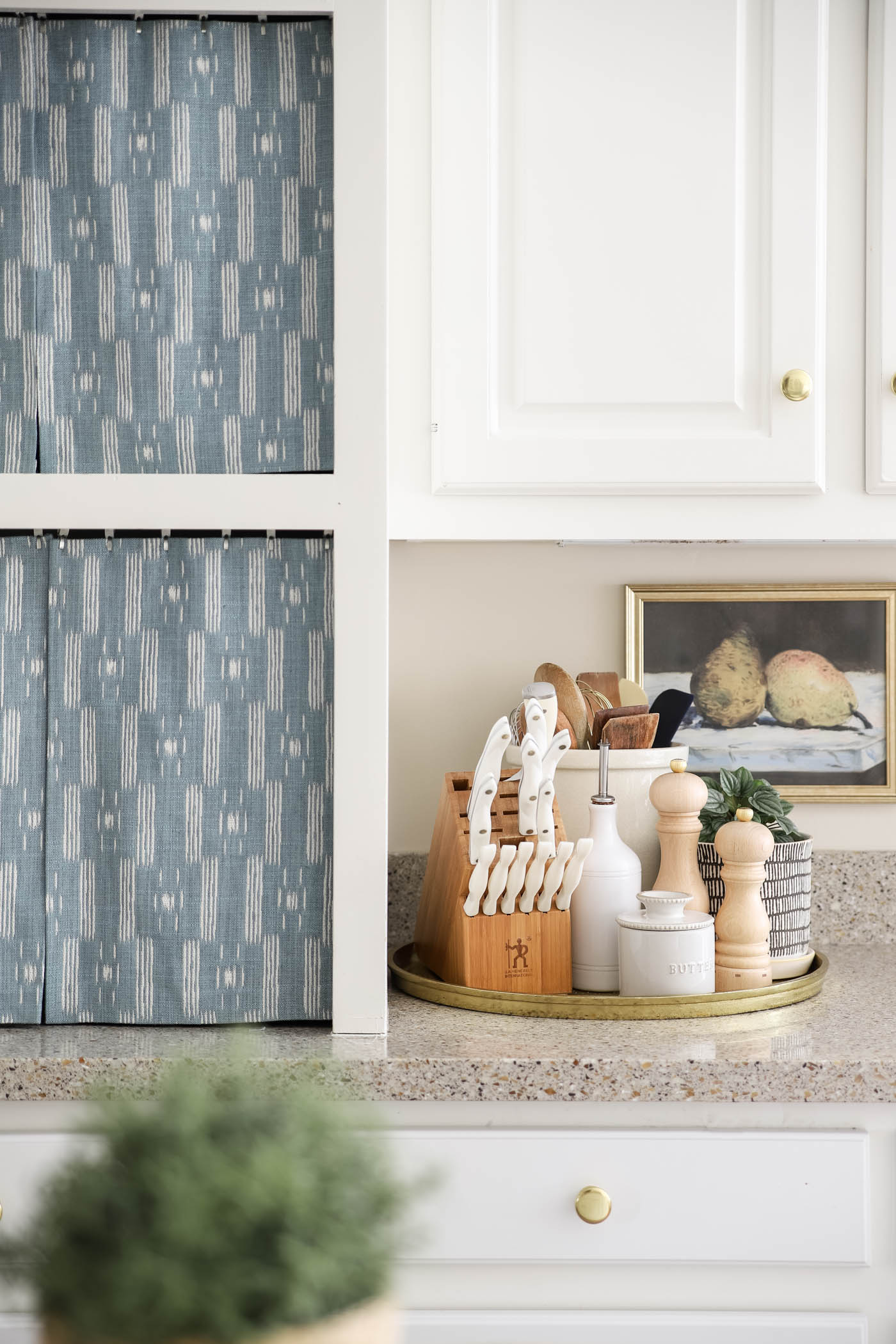
Is there a right and a wrong way to place cabinet knobs? Where do knobs and pulls actually go? Most of us only ask these questions while standing in front of brand-new cabinets, wondering where to drill!
There’s no strict rule for where kitchen cabinet knobs should go, but there are common suggestions that help with both looks and function. For example, putting hardware near the top of an upper cabinet would leave it out of reach for most people.
I’ll share these standard practices and a few helpful tips to help take your kitchen décor from okay to stunning.

Types of Cabinet Knobs and Pulls
If you haven’t browsed the cabinet hardware aisle in a while, you may be amazed by how many styles there are! Before we get to placement, let’s quickly cover the different styles, since they’ll help you choose hardware and decide where it goes.
Knobs
We all know what knobs are. They have plenty of benefits, from price to the fact that you only need to drill one hole into your cabinet (instead of two for bar pulls).
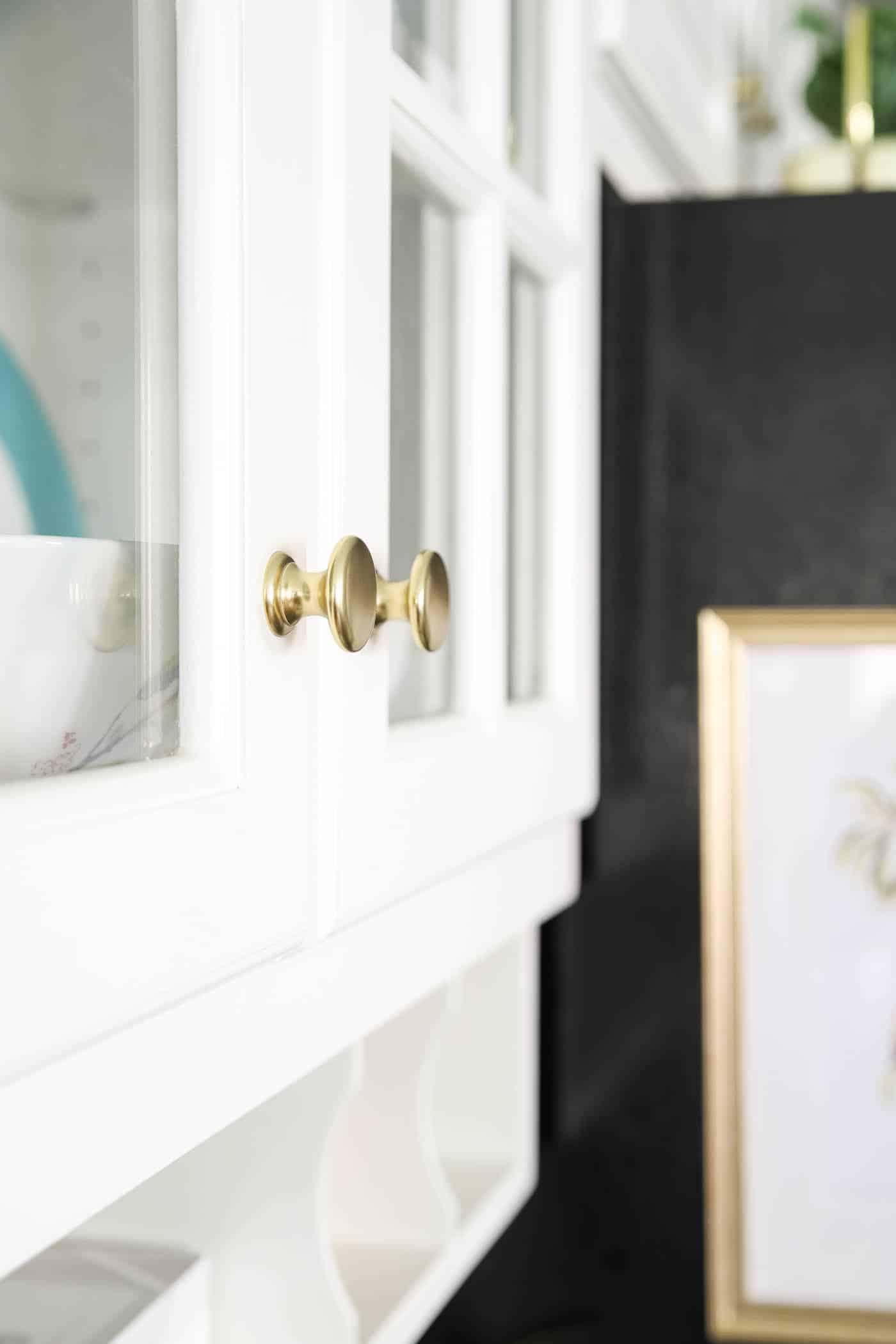
Cabinet knobs used to be plain, round and made of wood. Those old-fashioned knobs have evolved into beautiful variations, though you can still find lovely classic options if you prefer that look.
If you love the simplicity of a knob but want something less common, you’ll now find plenty of shapes, materials and colours. Picture your kitchen with square, cylinder, geometric, glass, wood or natural stone knobs. How would they change the design?
Pulls
Pulls look like short bars and use two screw holes on each cabinet. They’re a great alternative to knobs, with styles ranging from classic to contemporary and everything in between!
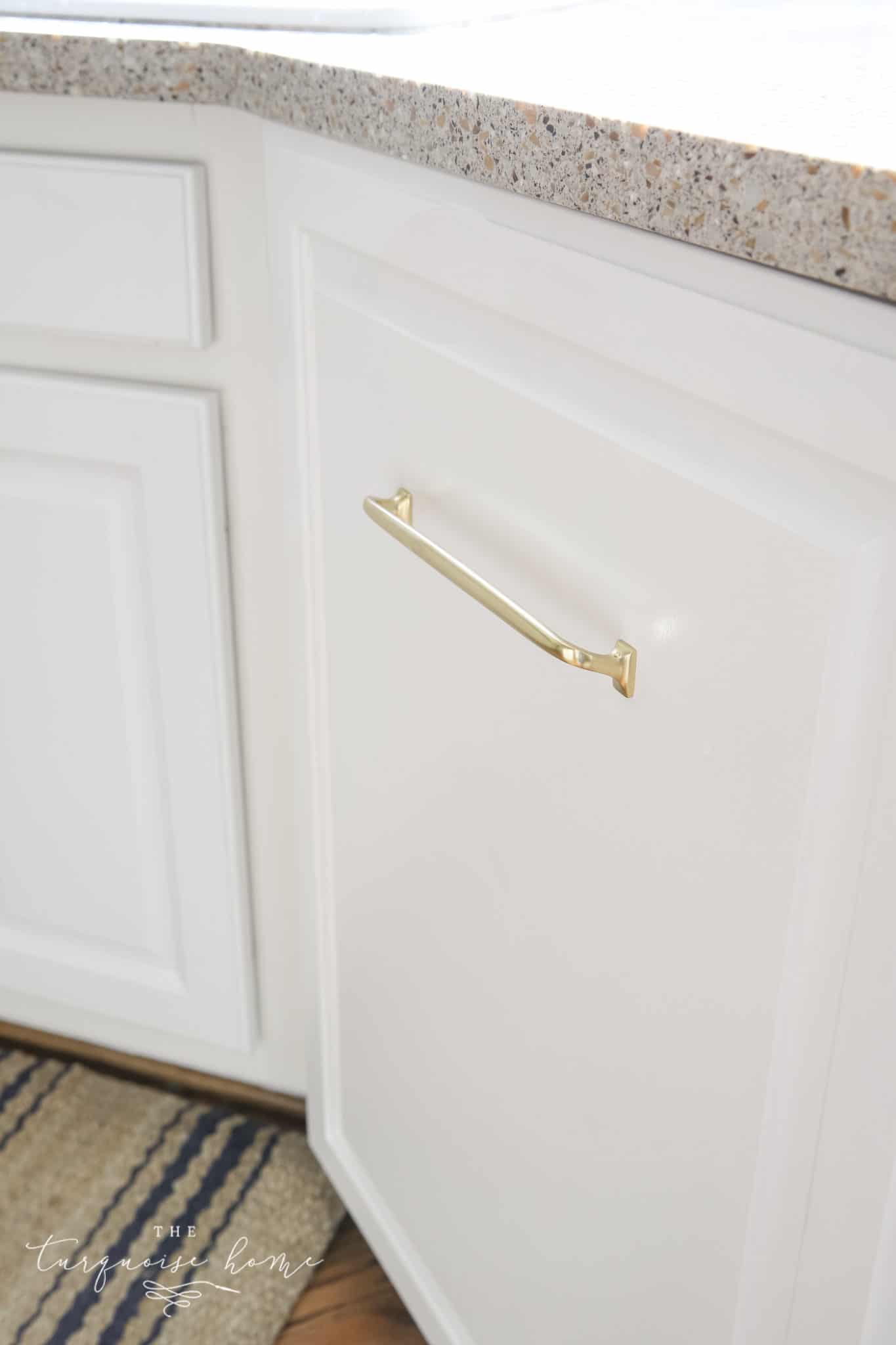
Choosing pulls takes a little more thought than picking knobs, because you need to consider the size of your cabinets. Pulls should be in proportion to the cabinet or drawer they sit on. You might even use one size on your cabinets and a different size on your drawers.
Learn how to measure and install new cabinet pulls (the easy way!)
Cup Pulls
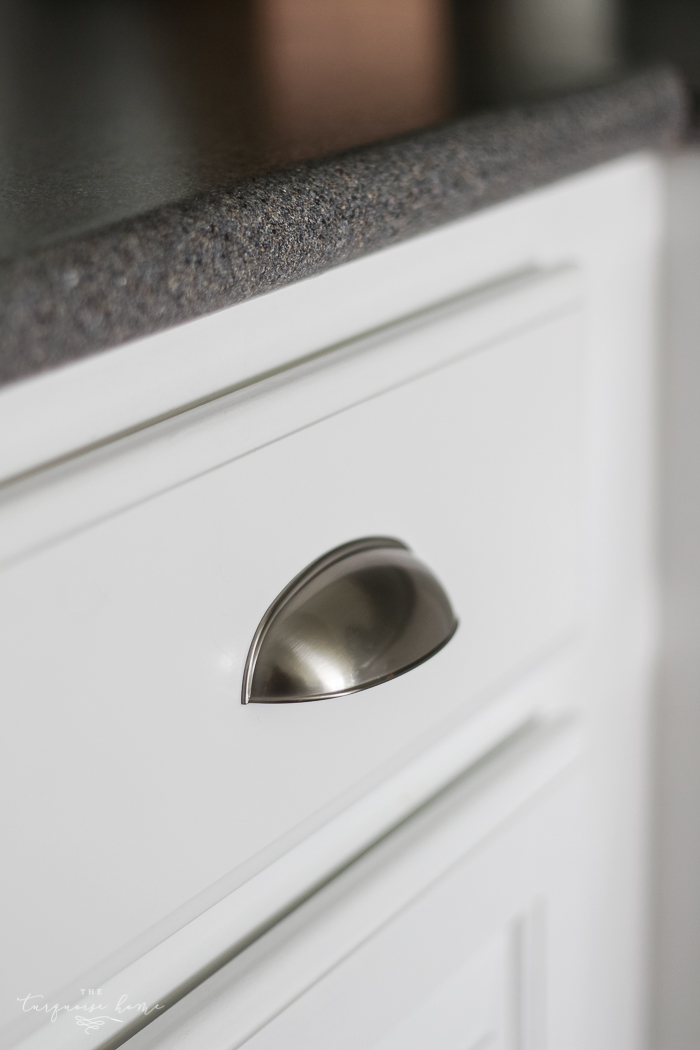
These cabinet pulls look like an upside-down cup, and you slide your fingers underneath to grip them. They’re very functional and add a little something extra to the décor. They look timeless, offer a personal touch, and come in many shapes, sizes and styles.
NOTE: Because they’re designed to be gripped from below, cup pulls are only used on base cabinet drawers.
Cabinet Latch
This style is growing in popularity because it instantly evokes history and charm. A cabinet latch is made of two or three pieces that cover the opening of a cabinet.
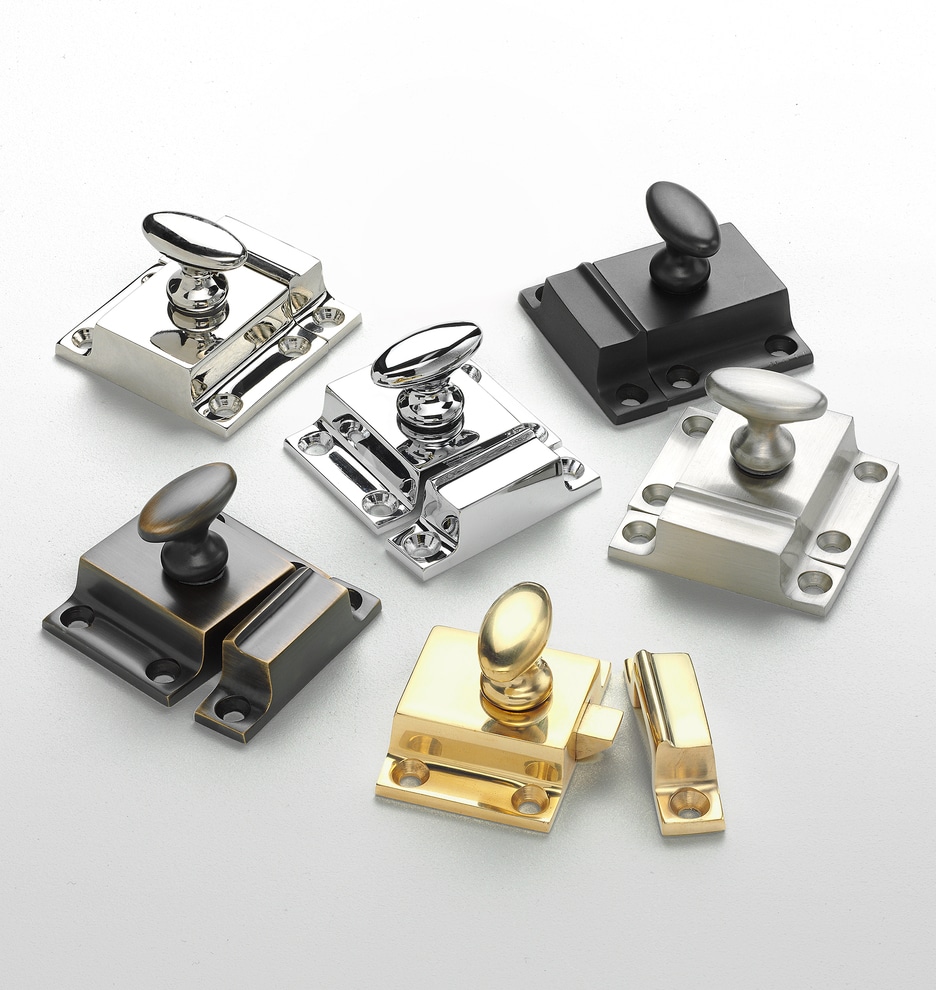
This style works best on inset cabinets, though you can also use it on the fronts of two overlay cabinets. Just make sure the doors sit right up against each other.
Cabinet latches are also best kept for storage cabinets rather than everyday-use ones.
Finger Pulls or Edge Pulls
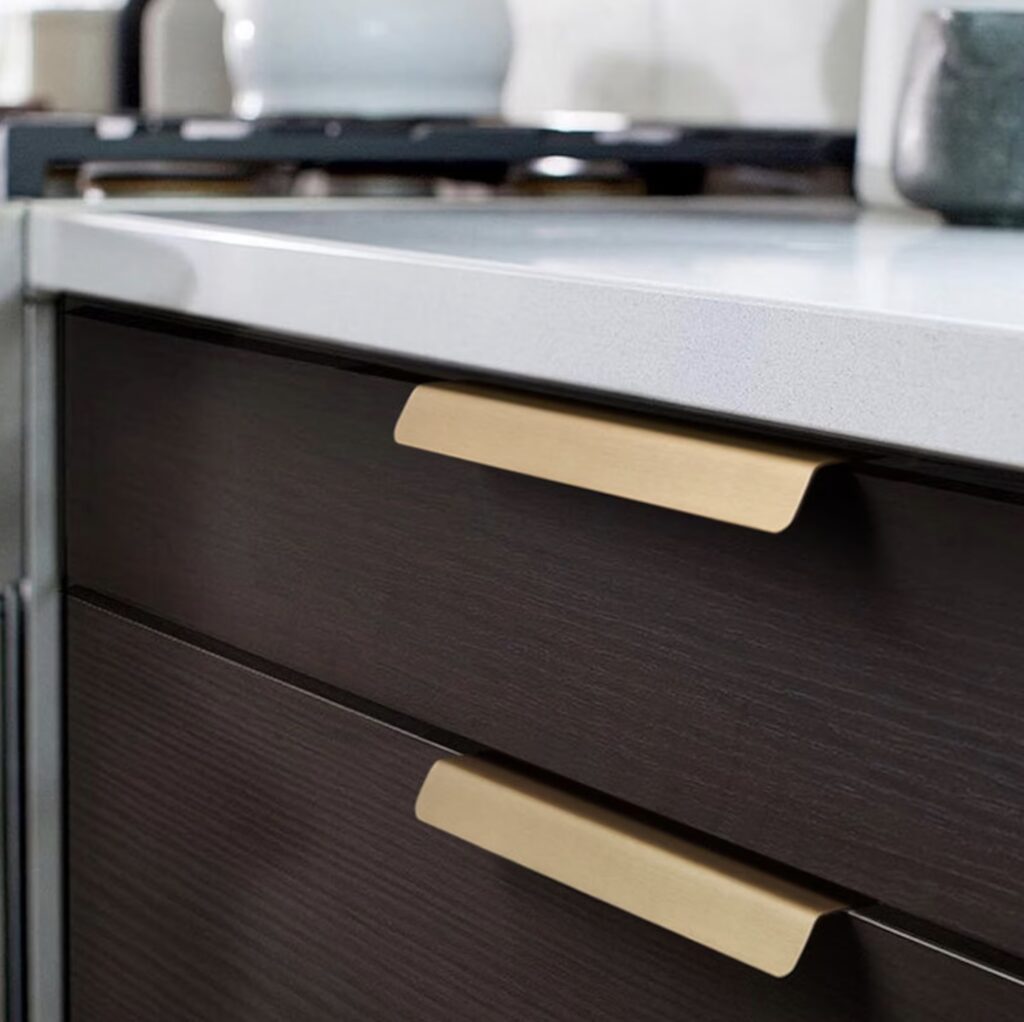
This modern style of hardware, also known as tab pulls, sits on the top edge of a door or drawer and overhangs it to create a small lip to grab. They’re often placed in the middle of the panel but can also sit at the outer edges.
They have a sleek design that keeps hardware on the drawer front to a minimum. I’d choose this style for a modern home rather than a traditional one.
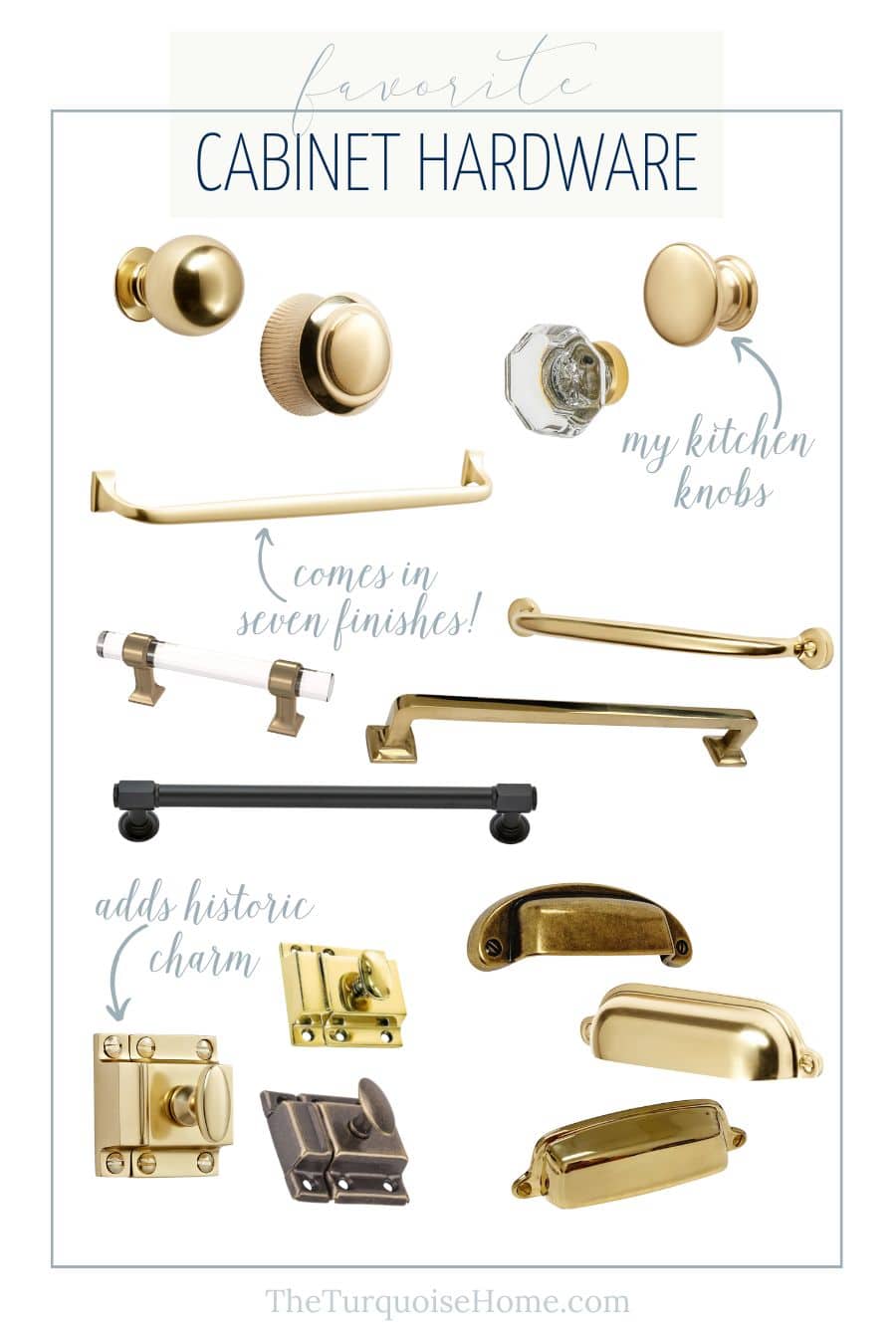
SOURCES: Ball Knob | Rigdon Knob | Waldorf Crystal Knob | Vernon Mushroom Knob | Vernon Brass Drawer Pull | Massey Drawer Pull | Acrylic Drawer Pull | Unlaquered Brass Mission Style Pull | Hassalo Appliance Pull | Oval Cupboard Latch | Unlaquered Brass Latch | Antique Brass Cabinet Latch | Antique Brass Drawer Pull | Vernon Bin Pull | Polished Brass Cup Pull
Knobs vs. Pulls
Traditionally, cabinet doors get knobs and drawers get pulls. In the end, though, it’s a matter of personal taste, as you can mix and match them or use either throughout.
Personally, I almost always prefer a knob to a pull. It’s a classic look that doesn’t make a room feel too linear, with lines running everywhere. Still, pulls certainly have their place when mixed in thoughtfully.
Cabinet Construction Terminology
Before we move on to placement tips, let’s get on the same page with some terminology. Here are a few terms to know:
- Rails – Think of fence rails. On cabinets, rails are the horizontal pieces of wood at the top and bottom (and sometimes the middle) of a cabinet door.
- Stiles – These are the vertical wood pieces on either side of a cabinet door. If you get confused, just remember that “stiles stand.”
- Panels – This is the central section of the door, framed by the rails and stiles.
NOTE: Some cabinet doors are completely flat, solid slabs with no rails, stiles or panels.
Cabinet Hardware Placement for Doors
Ultimately, my placement suggestions balance practicality with good looks. Treat these tips as basic guidelines for installing knobs and pulls, and feel free to adjust them to suit your personal style.
Cabinet Knob Placement
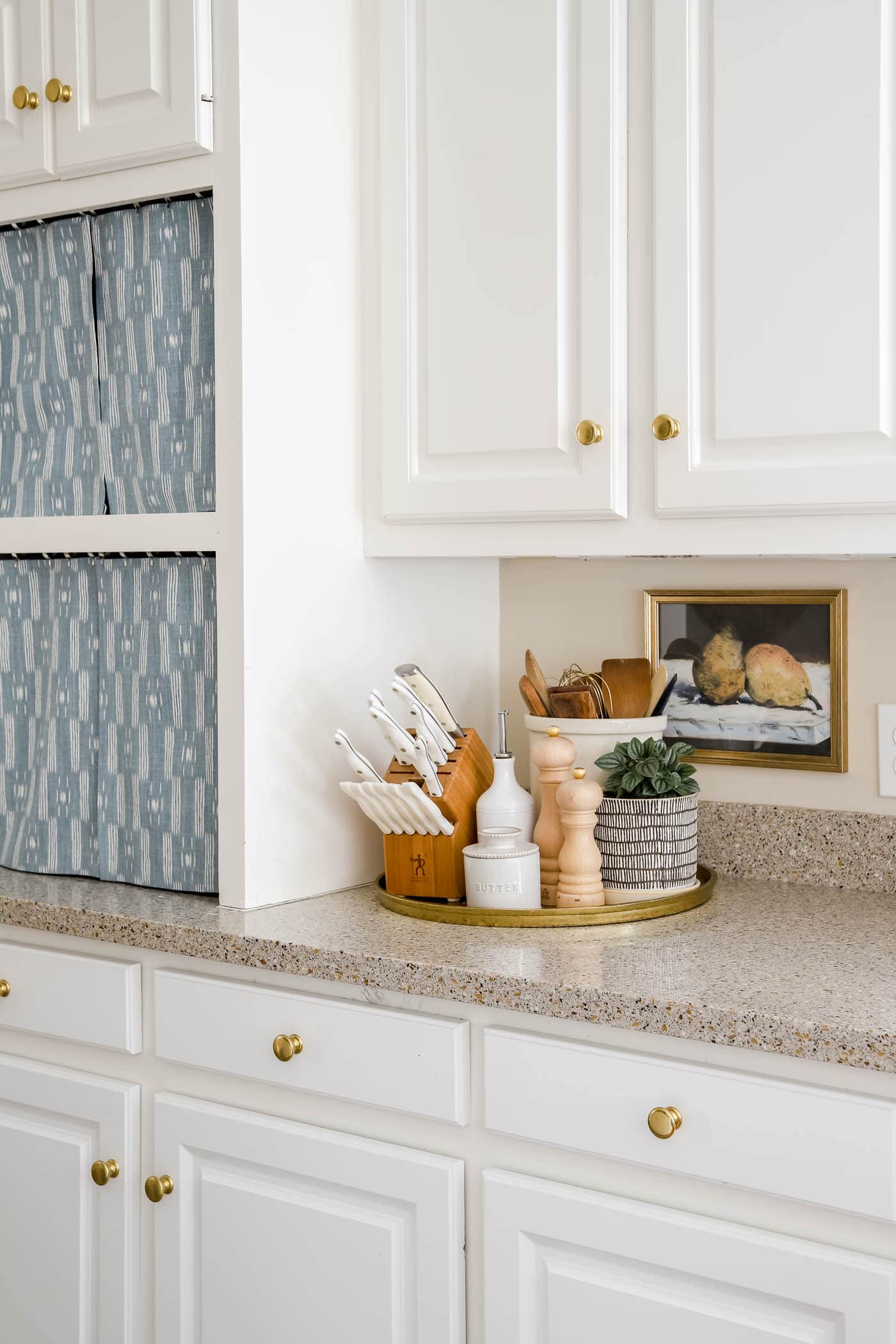
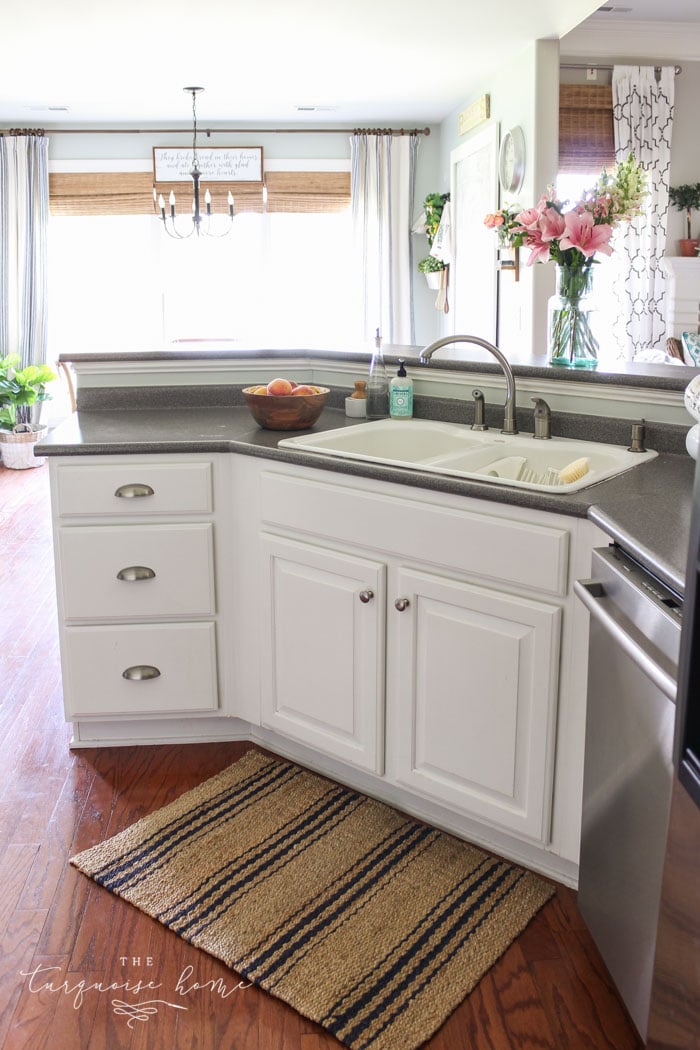
Line knobs up with the inside edge of the rail and install them on the stile opposite the hinges, about 2.5” to 3” from the corner of the door. Put knobs in the bottom corner on upper cabinets and in the top corner on lower cabinets.
Cabinet Handle Placement
If you’re using pulls on doors, position them vertically and use the same 2.5” – 3” reference point. Centre them horizontally on the stile. On upper cabinets, the bottom hole sits in that range, and the top hole goes at the other end of the pull.
Lower cabinets work in reverse. Place the top screw within that 2.5” – 3” range, and place the bottom screw at the right distance for the length of the pull and the width of your drawer.
Cabinet Latch Placement
Cabinet latches need to sit on the stiles or sometimes even on the panels. As with other knobs and pulls, position them 2.5″ – 3″ up from the bottom of an upper cabinet door, or down from the top of a lower cabinet door.
Cabinet Hardware Placement for Drawers
Drawers don’t have hinges to work around, so the placement guidelines for knobs and pulls differ from those for cabinets.
Drawer knob positioning
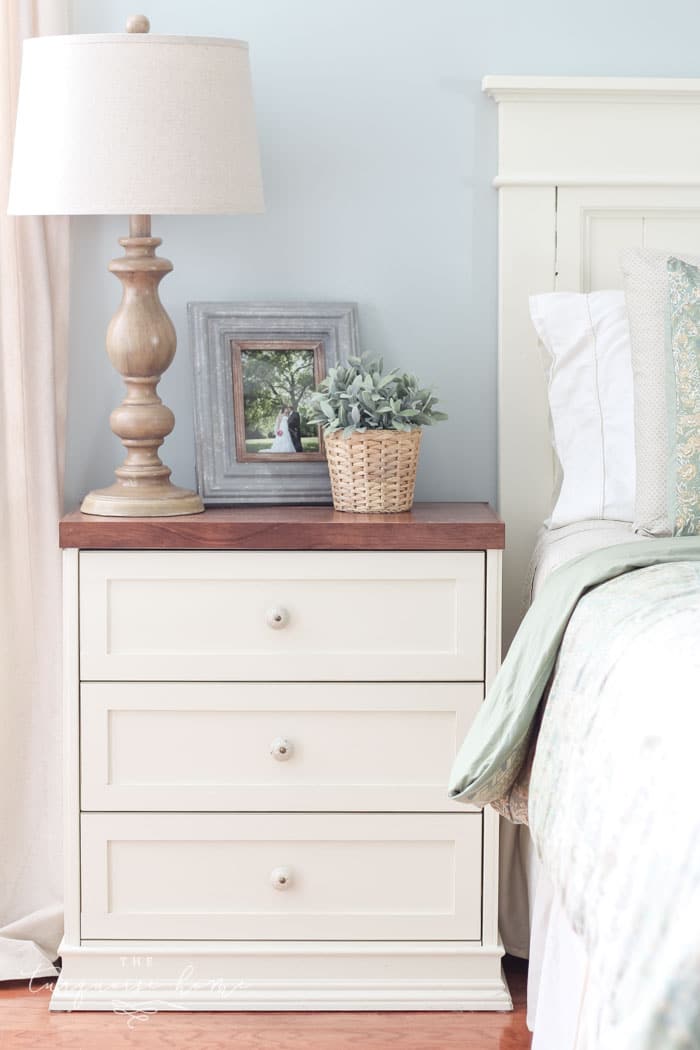
When adding knobs to drawers less than 24” wide, centre one knob horizontally and vertically on the panel. Shaker cabinets are the exception to this “rule”: if you prefer a more contemporary look, you can place the knob in the centre of the flat top rail.
For drawers wider than 24”, install two knobs for balance. To space them evenly, divide the width of the drawer into thirds and place one knob at the one-third mark and the other at the two-thirds mark.
Drawer pulls positioning
Install pulls horizontally on standard drawers, centred both vertically and horizontally on the panel or the top rail. For extra-wide drawers, use two pulls: centre one in the right third of the drawer and the other in the left third.
Drawer cup pulls positioning
Comfort is the priority when installing and using cup pulls. I recommend fitting them either in the centre of the drawer panel or in the top third of the drawer, so you don’t have to reach down as far to use them.
In the photo above, I placed my cup pulls in the centre of the drawers, and they worked just fine!
Hardware for Appliances
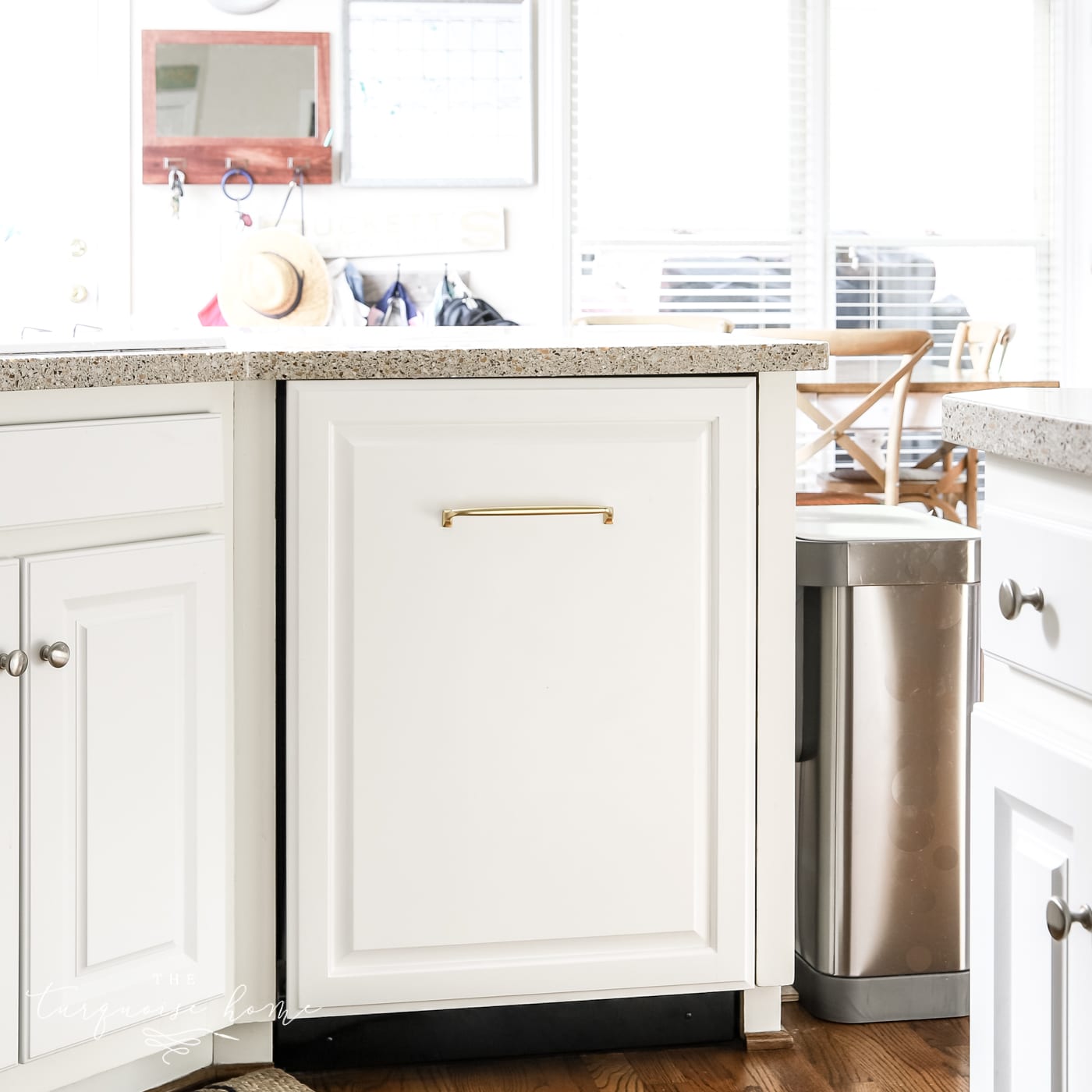
Create a seamless kitchen by using panel-ready appliances, so the dishwasher looks like a cabinet. Be mindful when choosing hardware for appliances, though, as picking a handle for a dishwasher is different from picking a knob for a cabinet.
Hardware made for drawers and cabinets isn’t built to bear the weight of an appliance door. You’ll need to choose hardware designed specifically for panelled appliances, such as refrigerators, dishwashers or microwaves.
Appliance hardware can help create a uniform, cohesive look throughout the kitchen.
For example, if your cabinets have brushed nickel handles, the panelled dishwasher can have matching brushed nickel hardware on its panel. This creates a cohesive look and stops the appliance from standing out as a separate element.
With careful hardware choices, you can achieve a seamless, stylish kitchen.
Tips to Keep in Mind
Here are a few small tips to make installing cabinet hardware easier.
- If you’re updating your kitchen by swapping out the handles, choose cabinet knobs and pulls that match the length of the hardware you’re replacing so you can reuse the existing holes.
- Check that your doors and drawers are level before drilling any holes.
- If you’re installing hardware on new cabinets, make a pre-measured drilling template so you mark the holes in the right spot every time.
- Your cabinet knobs and pulls should feel comfortable in your hand. Function matters more than looks, so choose hardware that feels good.
If you’ve ever wondered where to put knobs and handles on kitchen cabinets, I hope this post has cleared it up for you.
Remember, treat the tips and suggestions I shared as basic guidelines. In the end, exact knob placement comes down to your personal taste and practical needs.
More Posts You Might Enjoy: