
White Dove by Benjamin Moore is one of the most popular designer paint colors. It balances white and cream to deliver both warmth and brightness, making it an excellent choice for a wide range of interiors.
Benjamin Moore’s White Dove (OC-17) is a warm, soft white that reads as both bright and inviting. It remains crisp and clean while still feeling cozy—an elegant neutral that works with many color schemes and decorating styles.
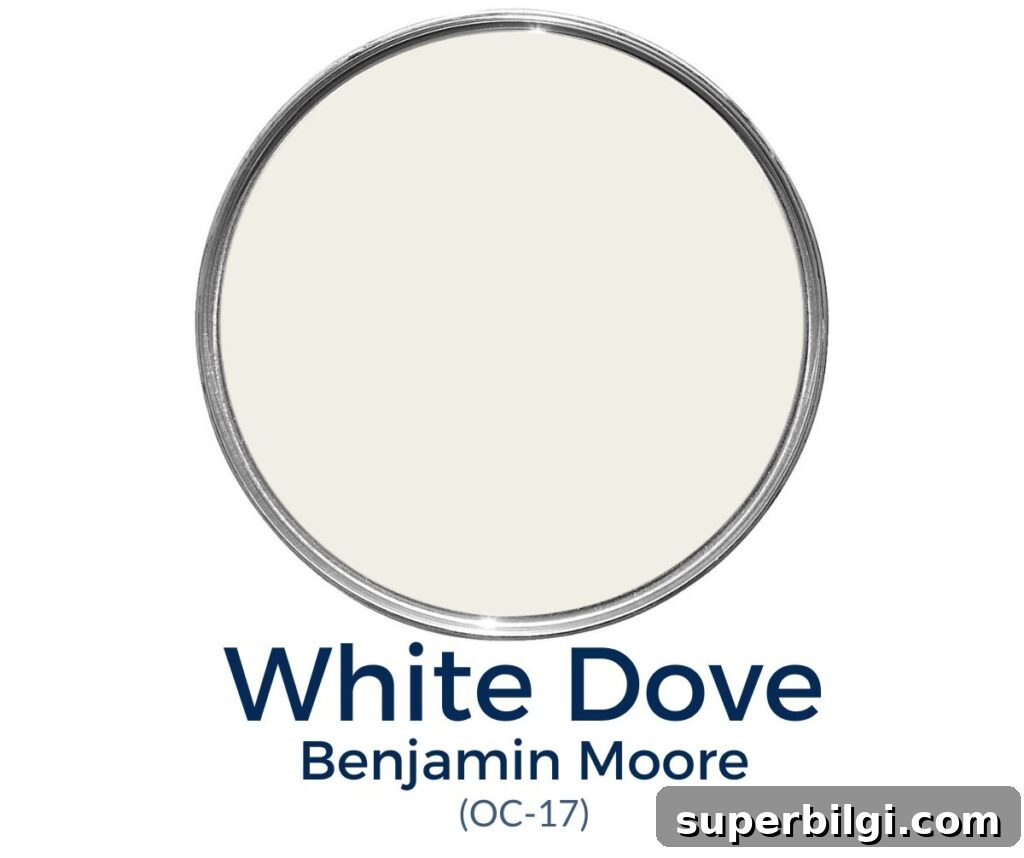
The unerring style defines this classic, softly shaded white. Light and luminous, it is a favorite choice for moldings and trim.
Below is a clear overview of White Dove’s undertones, light reflectance value, coordinating colors, and where it typically shines in a home. If you’re considering this shade, testing the color in your actual room is essential—lighting and adjacent colors will influence how it reads.
White Dove Undertones
White Dove shows warm, creamy yellow undertones, yet it also contains subtle gray notes. This combination keeps the color from feeling too yellow while giving it a soft, neutral warmth. The undertone you perceive will depend on surrounding colors and light.
Next to a true, bright white it reads creamier; next to darker shades it can appear almost stark. Against light gray, White Dove can take on a taupe or “greige” quality. With ample natural light, it looks balanced and versatile; in rooms with little light it will read warmer, so keep that in mind when choosing it for north-facing or shaded spaces.
LRV of White Dove
White Dove has a Light Reflectance Value (LRV) of 85.38. LRV measures how much visible light a paint color reflects: 100 is pure white and 0 is black. White Dove’s high LRV means it reflects a lot of light, contributing to a bright, open feel while still retaining a soft warmth.
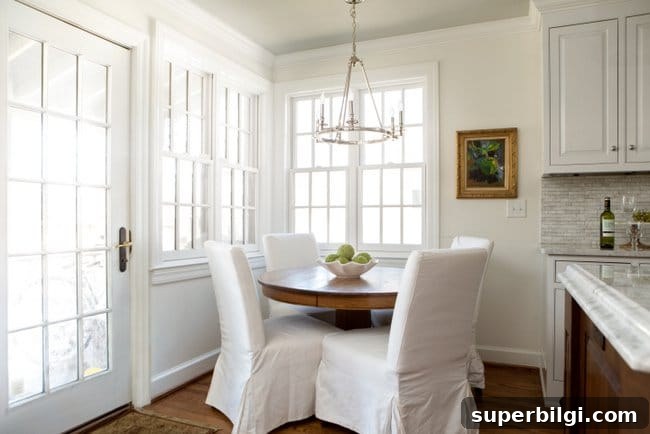
Coordinating Colors for White Dove OC-17
White Dove pairs well with many colors. Benjamin Moore recommends shades such as Cheating Heart, Silver Lake, Yukon Sky, and Horizon Gray. Designers also commonly pair White Dove with:
- Hale Navy
- Revere Pewter
- Northampton Putty
- Chocolate Fondue
- Flint
- Sea Haze
- Classic Gray
Using White Dove on both walls and trim can create a cohesive, elegant look—variations in finish (eggshell on walls and semi-gloss on trim) will add subtle depth without introducing a second color.
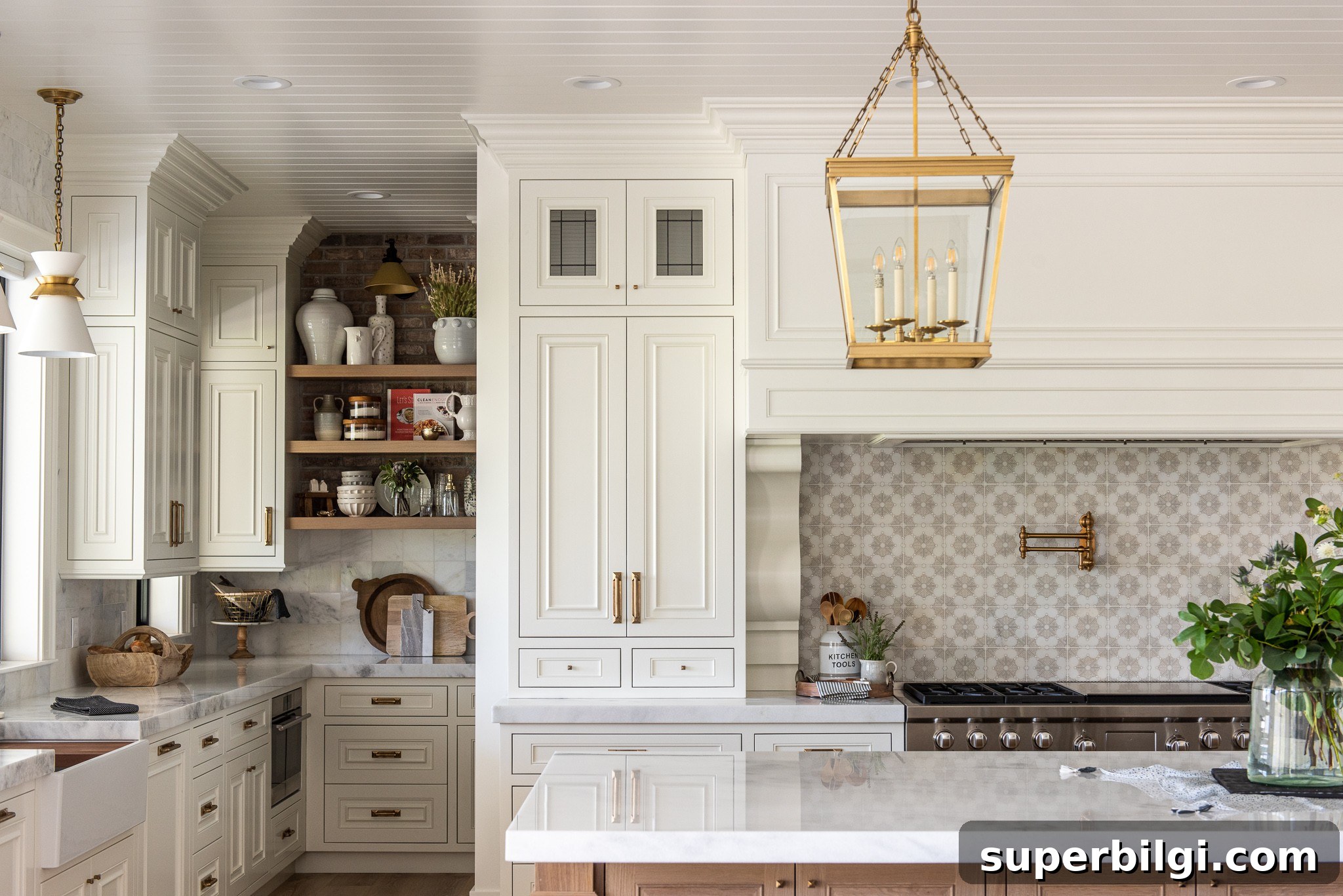
Is White Dove Too White?
No—White Dove is not a clinical, pure white. It contains both yellow and gray undertones that soften the shade and prevent it from feeling stark. Compared with Simply White and Chantilly Lace, White Dove is slightly deeper and creamier, making it a comfortable, calming choice for many spaces.
Is White Dove the Same as Sherwin-Williams Alabaster?
They are similar but not identical. White Dove (LRV 85.38) is slightly lighter and reads a touch more creamy, while Sherwin-Williams Alabaster tends to read a bit warmer and more taupe in certain lights. Always compare actual swatches in your space rather than relying solely on online images.
Where to Use White Dove
White Dove is exceptionally versatile and can be used almost anywhere in the home. Typical uses include:
- Trim and moldings
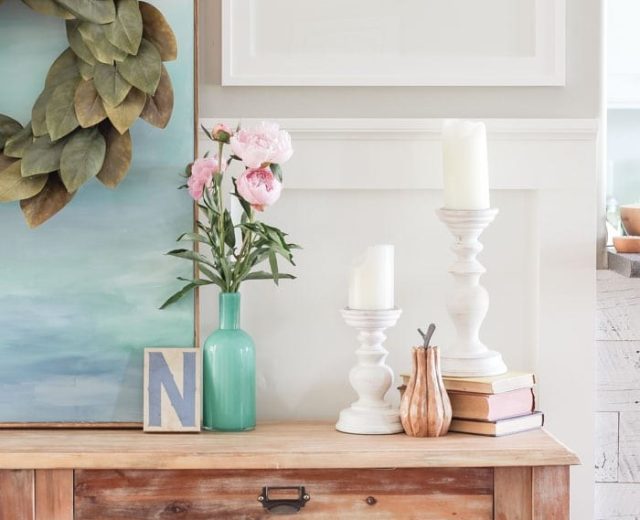
- Wall millwork
- Interior walls
- Exterior siding and trim
- Ceilings
- Kitchen cabinets
It evokes a feeling that is light and airy, soft and creamy, timeless and classic—working particularly well with traditional, farmhouse, country, and transitional styles.
Room Examples
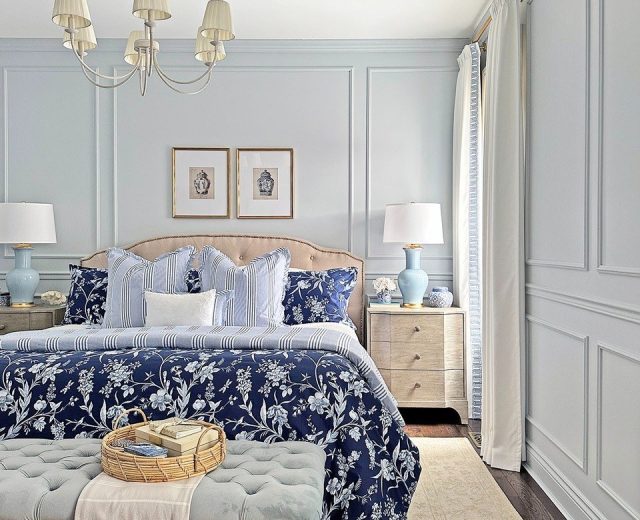
White Dove performs differently depending on context. In bedrooms it feels warm and comforting; in bathrooms and kitchens it reads clean and bright; on exteriors it can present a fresh, inviting façade when paired with appropriate roof and accent colors. In living rooms, it provides a neutral backdrop that accommodates a wide range of accent colors and textures.
Frequently Asked Questions
Is White Dove warm or cool? White Dove is a warm white with enough gray undertone to keep it from appearing overly yellow.
Does White Dove pair well with Simply White? Yes—Simply White is lighter, so you can use Simply White for trim or cabinets and White Dove for walls for a layered white palette.
Does White Dove look yellow? Not in most settings. While it contains yellow undertones, they are subtle; next to a pure white it will read as a soft cream or off-white.
Why is White Dove so popular? Its popularity stems from its versatility: it works in countless settings, pairs well with both warm and cool tones, and reads as a refined, timeless neutral.
Choosing a White Paint Color
Choosing the right white can be challenging. Off-whites like White Dove avoid the coldness of true white while offering flexibility. Always test samples in your space—peel-and-stick samples or painted swatches are invaluable for seeing how light and neighboring colors affect the final look.
Tools to Help You Paint
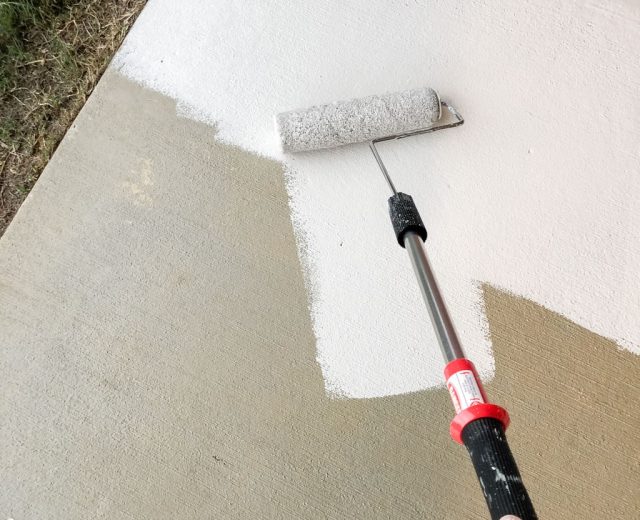
Good tools make a big difference. High-quality brushes, painter’s tape, drop cloths, a comfortable paint cup, and a reliable roller tray with liners will speed the job and improve results. If you plan to DIY, take the time to prepare surfaces and test your color in multiple locations and times of day.
More paint colors to consider: Simply White, Shoji White, Alabaster, and other popular neutrals can complement White Dove or serve as alternatives depending on the effect you want to achieve.