Learning how to budget for home projects removes the overwhelm from a room makeover and helps you focus on what matters most. Let me walk you through a clear, practical process.
Starting a remodel or refresh can be exciting — and also confusing. You might already have a mood board to visualize the space, but without a budget and timeline, costs and delays can quickly stack up. The goal is to plan deliberately so you avoid surprises and make the best use of your time and money.
How to Budget for Home Projects and Makeovers
Budgeting for home projects doesn’t have to be painful. With a few intentional steps you can create a realistic plan, prioritize well, and keep stress to a minimum. Below are practical steps I use every time I start a room makeover.
1. Set a Flexible Overall Budget
Begin by deciding the total amount you’re willing to spend. This is a flexible top-line number that frames your choices. When you know the limit — even roughly — it helps you prioritize items, opt for alternatives, and avoid impulse buys that push costs upward.
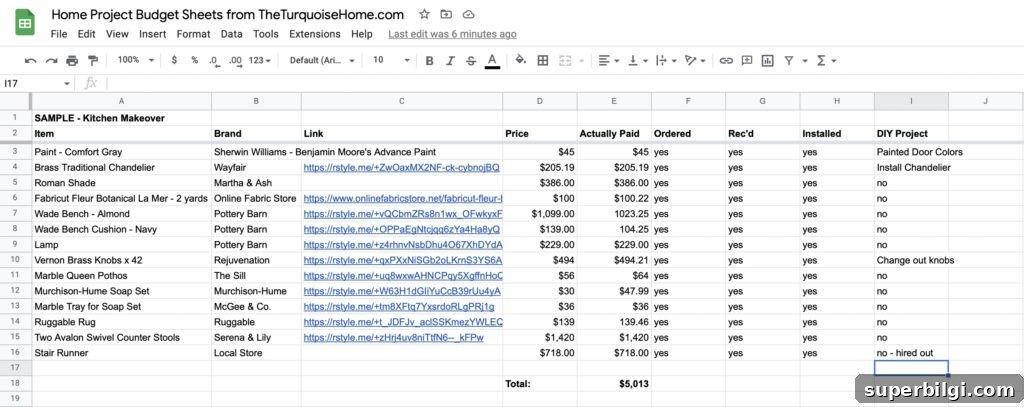
I track everything in a spreadsheet: item, estimated cost, vendor or link, and whether it’s essential, nice-to-have, or optional. If you don’t have a template, create a simple sheet with columns for item, vendor, cost, installation/labor, timeline, and status. This becomes your source of truth during the project.
2. Make a Complete Wish List
Write out every idea for the room — big and small. Include paint, furniture, lighting, hardware, trim, labor, and any materials needed. Capturing everything up front prevents overlooked items from showing up later as costly “extras.”
3. Research Real Costs
Price out each wish list item. Look for realistic ranges rather than single prices. For example, find two or three chandeliers at different price points or compare custom versus ready-made solutions. Note shipping and lead times, which affect both cost and schedule.
4. Plan for DIY vs. Professional Labor
Be honest about what you can do yourself. DIY can save money but costs time and sometimes tools. If you plan to DIY, block out days in your calendar. For work that requires pros — electrical, plumbing, structural changes — get at least two quotes and add those numbers into the spreadsheet.
5. Prioritize Your List
With real costs in place, rank items by priority. Identify “must-haves” that affect function and safety first, then “want-to-haves” for aesthetics. If the total exceeds your budget, remove or postpone lower-priority items or seek more economical alternatives until the numbers align.
6. Build in a Contingency
Always add a contingency — 10–20% is a common rule of thumb for renovation projects. Unforeseen issues, price changes, or under-estimated labor add up quickly. A buffer prevents small surprises from derailing the whole plan.
7. Save or Stage the Work
Decide whether you’ll wait until the full budget is saved or complete the makeover in stages. Staged projects let you spread costs over time but require careful phasing so earlier work doesn’t need redoing later. If you’re saving up, calculate how much to set aside monthly to reach your goal by the desired start date.
8. Order Long-Lead Items First
Once you’ve committed, order items that take longer to arrive — custom pieces, certain furniture, or specialty lighting. Prioritizing lead times keeps your schedule from stagnating and prevents last-minute substitutions that can raise costs.
9. Schedule Installation and Track Progress
Book tradespeople in advance and block DIY days on your calendar. Use your spreadsheet to track deliveries, installation dates, payments, and remaining tasks. Clear milestones and frequent updates will keep the project moving and help you address issues early.
Budgeting well transforms a stressful renovation into a manageable project. With a flexible budget, a comprehensive wish list, detailed cost research, and a built-in contingency, you’ll be prepared for most surprises and able to make decisions that match your priorities.
More Posts You Will Love:
- Bookshelf Decor Ideas for a Beautiful Styled Bookcase
- How to Style a Console Table Behind a Couch (4 ways!)
- Timeless Home Decor Essentials
- 25 Timeless Interior Design Choices That Will Last
- How to Choose the Right Checkered Floors for Your Home
- How To Decorate With Ginger Jars
- 13 Amazing Corner Decor Ideas
- How High To Mount A TV (Guidelines & Tips)
- Ideal Cabinet Knob Placement