How to select the right wallpaper for your space, where to find it, and what kinds of wallpapers are available — it’s all here!
Wallpaper has been a decorating staple for centuries. Its popularity has waxed and waned over time, but in recent years it has returned with better materials, improved adhesives and far more inspiring patterns than the mass-produced rolls of past decades.
If you grew up with wallpaper from the 1980s or 1990s, you may remember poorly installed paper that was glued directly to drywall and peeled off in tiny pieces — often damaging the wall beneath. That experience left many homeowners wary. More recently, the DIY paint movement made quick room refreshes affordable, and paint remains a fantastic option. Still, wallpaper today offers texture, scale and pattern you simply can’t achieve with paint alone.
I’ve installed wallpaper in several rooms and experimented with different types. I’m not a professional installer, but as a homeowner who’s done multiple projects — from bathrooms to dining rooms — I’ve learned what works, what’s worth ordering as a sample and how to avoid common mistakes. Below I’ll explain the main types of wallpaper, how to choose patterns and colors, where to look for rolls, and tips for a successful installation or a smooth conversation with a professional.
Different Types of Wallpaper
Wallpaper types are usually defined by how the adhesive is applied. Each has pros and cons depending on the project, your experience and the wall conditions.
Pre-Pasted Wallpaper
Pre-pasted wallpaper has dry adhesive already on the back that activates with water. It’s a good option for many DIYers because you simply soak the strip or roll to activate the paste, then hang and smooth it. For first-time installers, pre-pasted paper can feel a lot like wrapping a large gift — you’ll be cutting around corners, fitting around fixtures and smoothing seams. It works well in small rooms and spaces where you want a cost-effective, good-looking result.
Paste-on-Wall Wallpaper
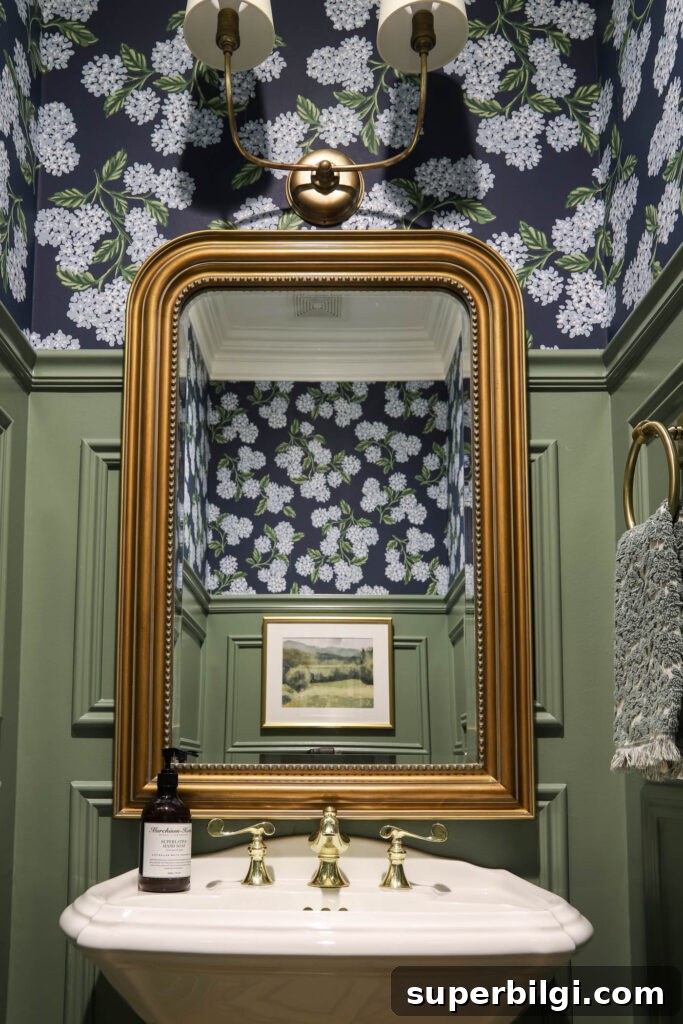
High-end papers are often unpasted and require you to brush or roll paste directly onto the wall (or the paper, depending on the manufacturer’s instructions). Many professionals prefer paste-on-wall because it reduces the risk of over-stretching the paper and makes alignment easier. I used this method in a powder room and found it straightforward: apply the adhesive to the wall, position each panel, then smooth and trim. For spaces with simpler layouts, this method often yields the most professional finish.
Peel & Stick Wallpaper
Peel-and-stick wallpaper has an adhesive backing protected by a removable liner. It’s marketed as renter-friendly and easy to apply, but results vary. Proper alignment is still critical, and some peel-and-stick products can be difficult to remove cleanly from certain wall finishes. It may be ideal for short-term applications, accent walls, or small projects like furniture fronts — but test first and consider ordering a sample to evaluate removability on your specific wall surface.
How to Select the Right Wallpaper
Selecting wallpaper involves color, scale, pattern balance and how the paper interacts with existing room elements. Thoughtful selection makes the difference between a chaotic space and a cohesive design.
Start with a Color Scheme
Begin by identifying the room’s main colors: paint, upholstery, rugs and major furniture pieces. Use online filters or vendor catalogs to narrow options by those colors, then order samples. Wallpaper photographs on a screen can be misleading — lighting changes scale and contrast — so always test samples in the room, on different walls and at different times of day.
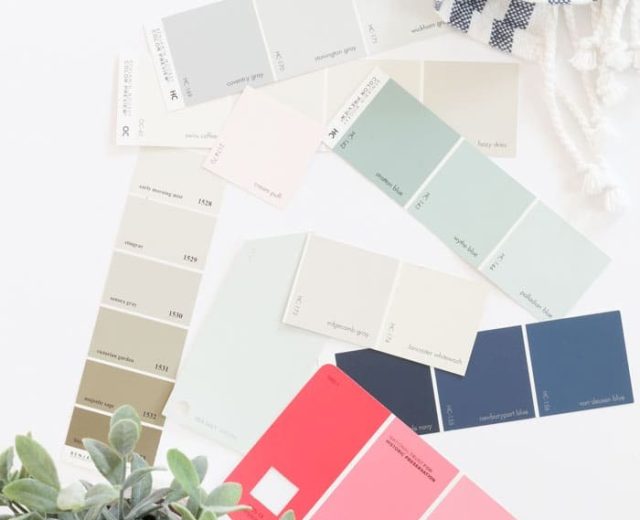
Assemble a mood board with paint chips, fabric swatches and rug samples. Place wallpaper samples next to these elements to make sure everything harmonizes. If you can’t bring every sample to the paint store, consider a color-matching tool to translate paper tones into paint codes for matching trims or complementary walls.
Floral, Geometric or Solid?
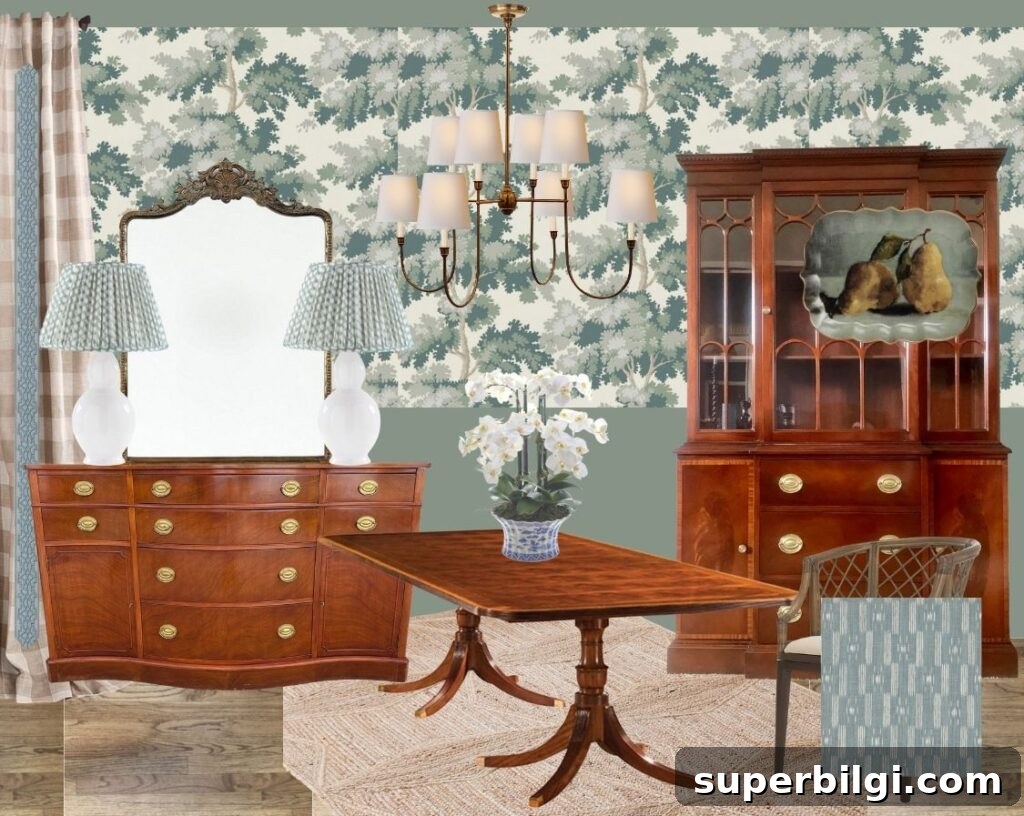
Match wallpaper patterns to the existing pattern mix in the room. A simple rule: pair one multicolored or botanical pattern with a larger-scale geometric or solid, then add a third element in a smaller scale. For example, if your rug is geometric, a floral wall pattern can soften the space. If drapery is solid and the rug is patterned, a subtle geometric wallpaper might be the right counterpoint. Think of wallpaper as a major player in the room’s pattern story — coordinate, but don’t overmatch.
Ask a Designer or Shop the Samples
If you’re unsure, consult a designer or a knowledgeable retailer who can bring multiple samples and help coordinate scale and flow between adjacent rooms. Designers often think in layers — large patterns next to smaller patterns — and can recommend papers that transition well from one room to the next.
Tip for Picking Paint to Match Wallpaper
A color-matching device or app can help identify paint colors that complement wallpaper without carting every sample to the paint counter. Scan a wallpaper swatch and use the resulting color code as a starting point for trim or coordinating wall paint.
Where to Buy Wallpaper
There are many sources beyond the familiar big-box selections. Shop a variety of retailers and dealer sites to compare prices and availability. Most websites offer sample programs and calculators to estimate how much paper you’ll need — use them before ordering rolls. Shopping around can also uncover sales or discontinued styles at a discount.
Common retailers and sources include department store home sections, specialty wallpaper dealers, online home decor shops and design-focused boutiques. Always check sample availability and return policies before committing to full rolls.
Favorite Wallpapers for Inspiration
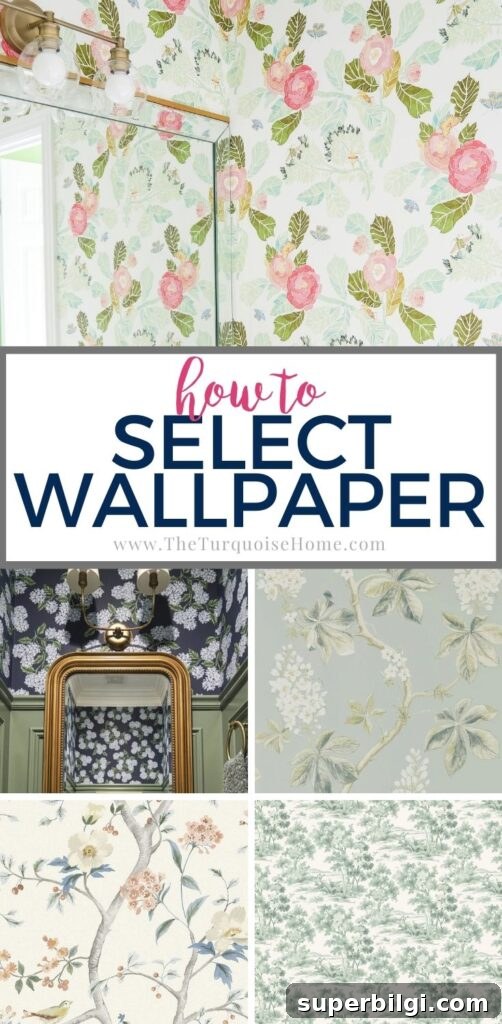
If you’re hunting for inspiration, florals and botanicals are especially popular right now. Here are a few pattern names and styles that designers tend to favor: Inez Bird Floral, Navy Hydrangea, Countryside Morning, Woodland Walk Floral, Watercolor Floral, Scalamandre Raphael, Chinoiserie Floral, Pure Honeysuckle and Tulip, Cole & Son Bourlie, Cole & Son Florencecourt, Hawthorne Wallpaper and Pure Acorn. Use these as starting points when searching catalogs or requesting samples.
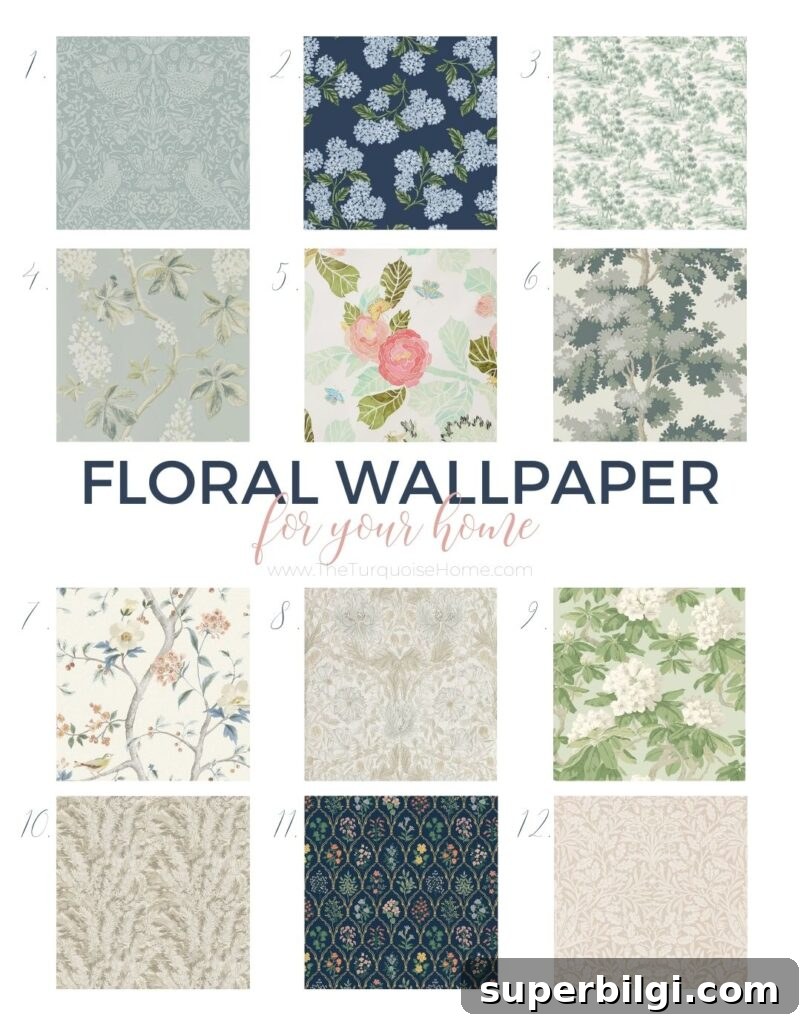
Example patterns: Inez Bird Floral | Navy Hydrangea | Countryside Morning | Woodland Walk Floral | Watercolor Floral | Scalamandre Raphael | Chinoiserie Floral | Honeysuckle & Tulip | Bourlie in Duck Egg | Florencecourt in Stone | Hawthorne | Pure Acorn
Wallpaper can dramatically change the look of a room when chosen and installed well. Order samples, test them in your space, and consider whether you’ll tackle installation yourself or hire a pro. Small investments in sample rolls and preparation pay off with a successful, long-lasting result.
If you have questions or want tips for measuring, ordering or hanging wallpaper, feel free to leave a comment. And if you share a photo of your completed project on social media, tag the account @turquoisehome so others can see your results.