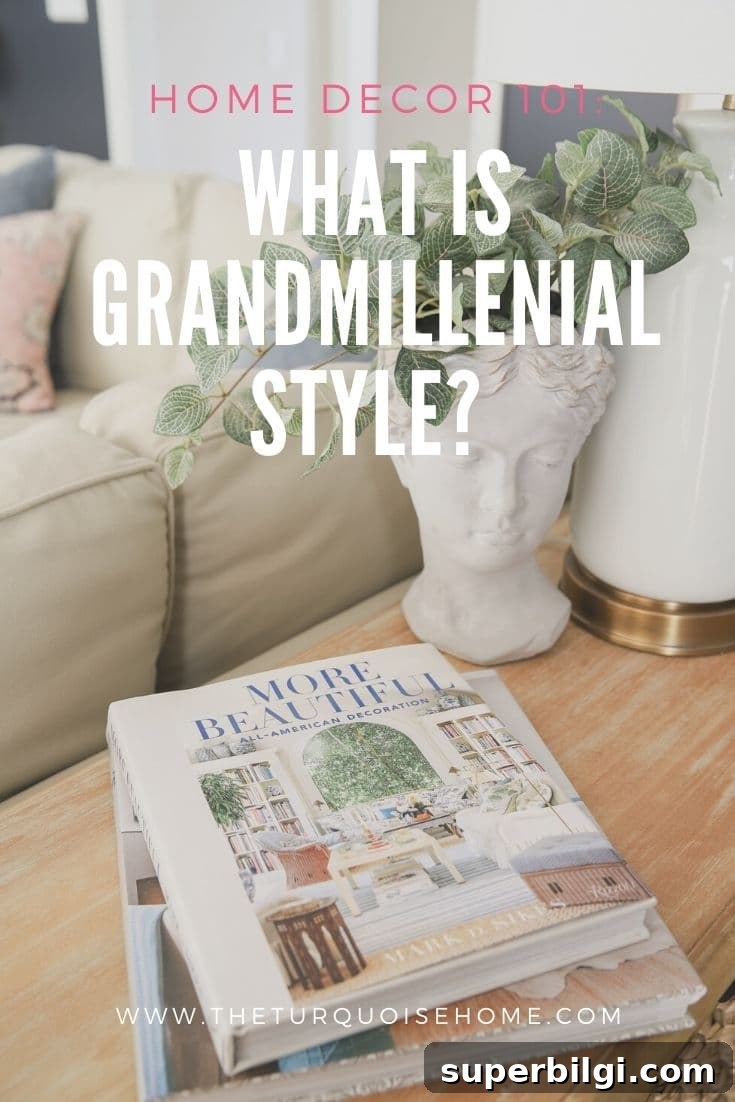
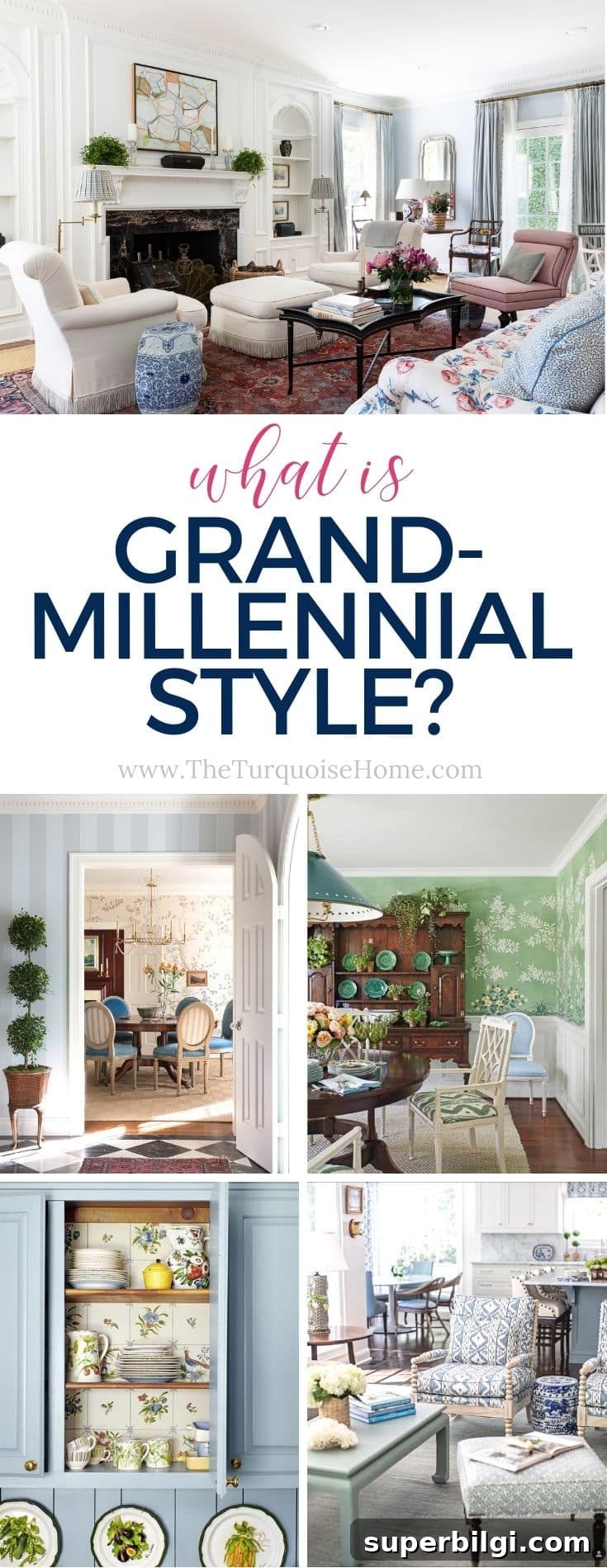
What, in fact, is Grandmillennial style? The phrase, popularized by Emma Bazilian in 2019, describes a renewed interest in the traditionally classic styles of earlier generations. It celebrates heirloom pieces, patterned textiles, and layered interiors that feel collected and comfortable rather than minimal or stark.
A grandmillennial is often someone younger—ranging from mid-20s to late-30s—who embraces design trends mainstream culture once deemed “stuffy” or outdated: floral prints, ruffles, embroidered linens, needlepoint pillows, and curated collections. Think of the cozy, lived-in rooms from films like Home Alone and Father of the Bride—the warmth, the pattern mixing, the feeling of home.
Although the elements themselves are not new, the growing enthusiasm for this aesthetic is. For many, including myself, the return to traditional, layered decor feels like a welcome shift: it honors family memories while allowing a modern, livable approach to classic design.
Grandmillennial Decor
This style makes me happy because it evokes the comfort of our mothers’ and grandmothers’ homes—hence the affectionate nickname “Granny Chic.” It’s an aesthetic rooted in nostalgia but updated for contemporary life: pieces are mixed thoughtfully, surfaces are inviting, and rooms are arranged for everyday use, not just for show.
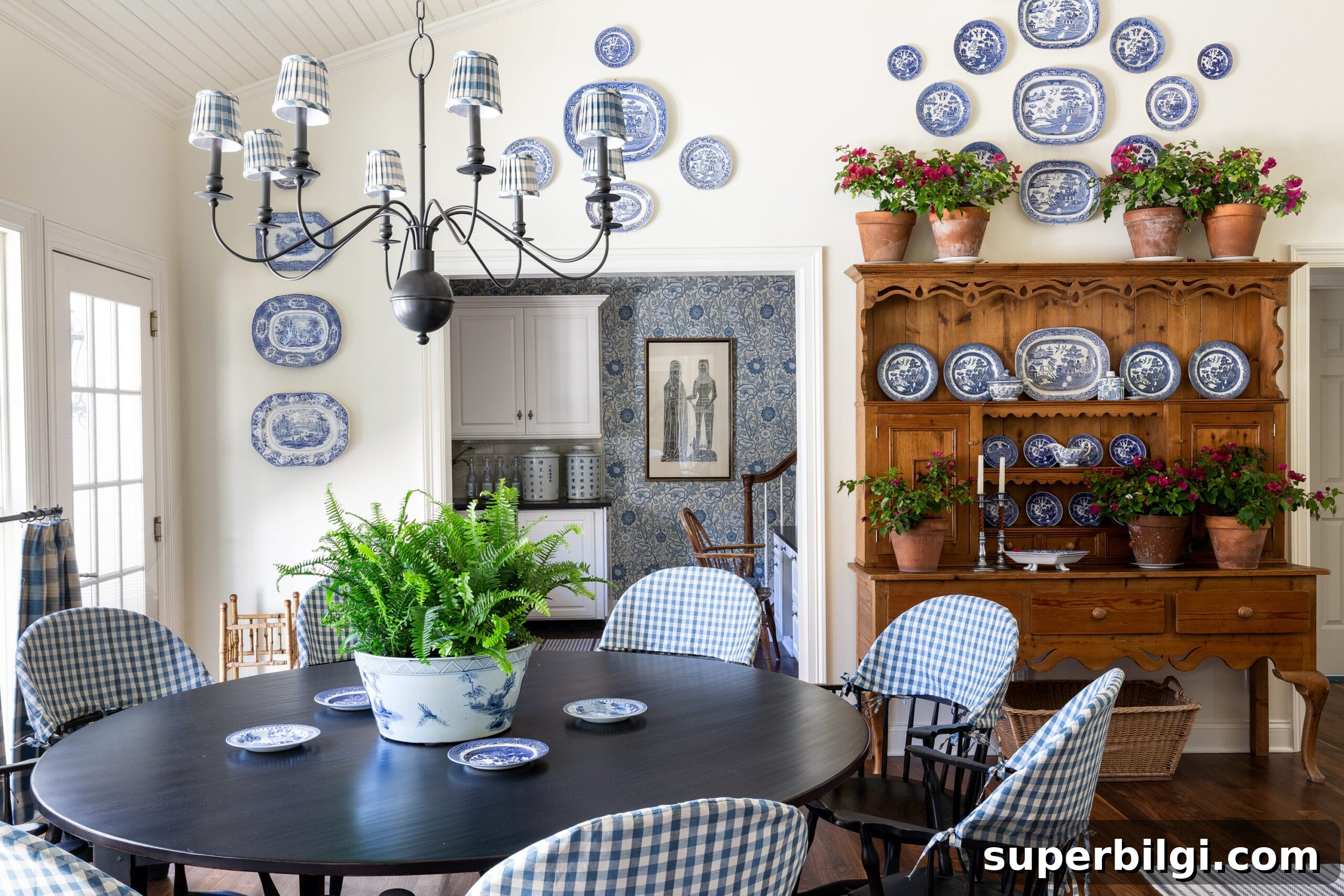
I grew up visiting relatives whose homes were full of ornate furniture, framed landscapes, and carefully kept collections—silver, china, crystal. Those visits shaped my taste. Today I proudly display inherited crystal in my butler’s pantry because it connects me to family history and brings a personal story into daily life.
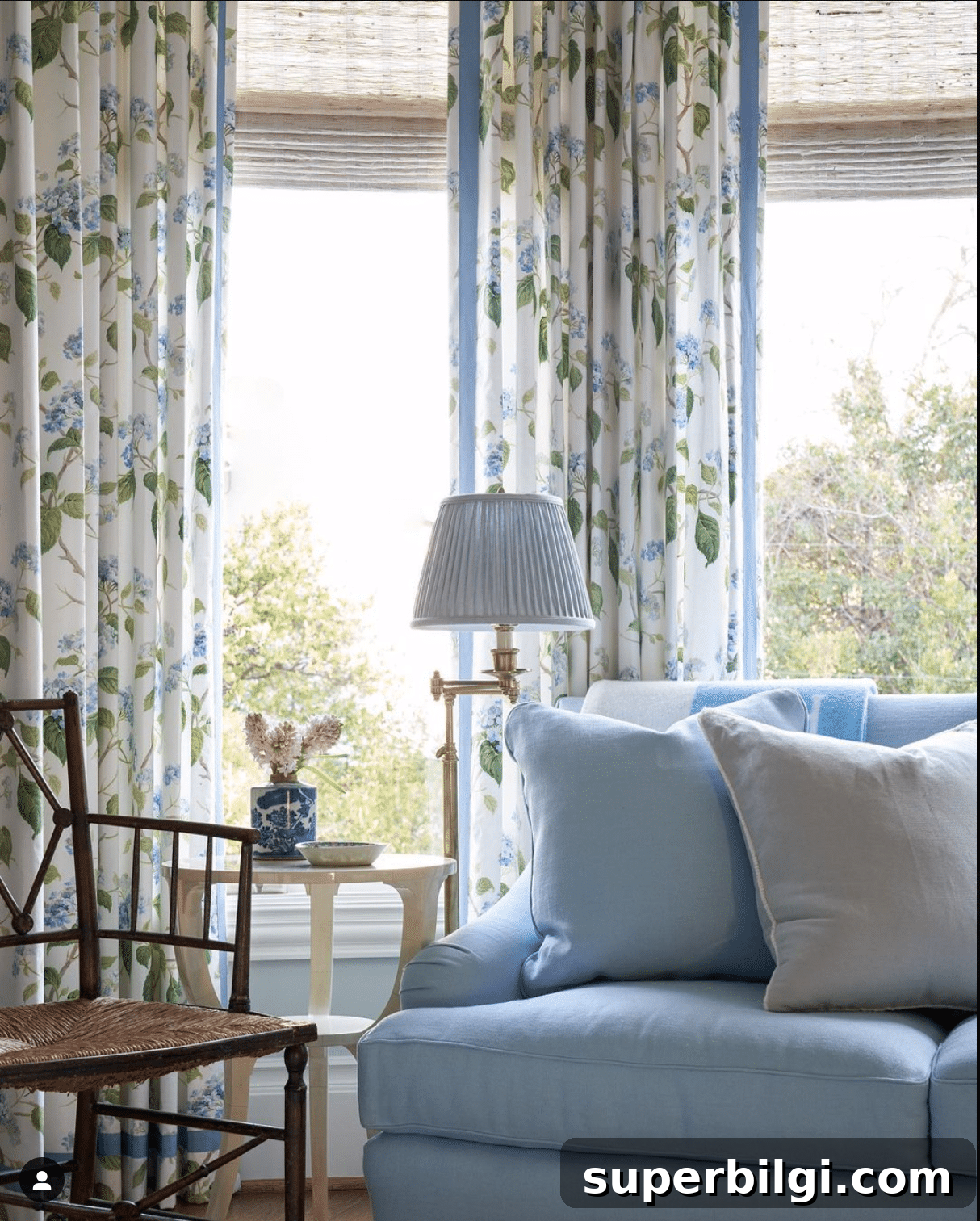
Important Elements of Grandmillennial Style
The modern take on this classic look combines timeless features with contemporary touches. Look for these signature elements:
- floral wallpaper
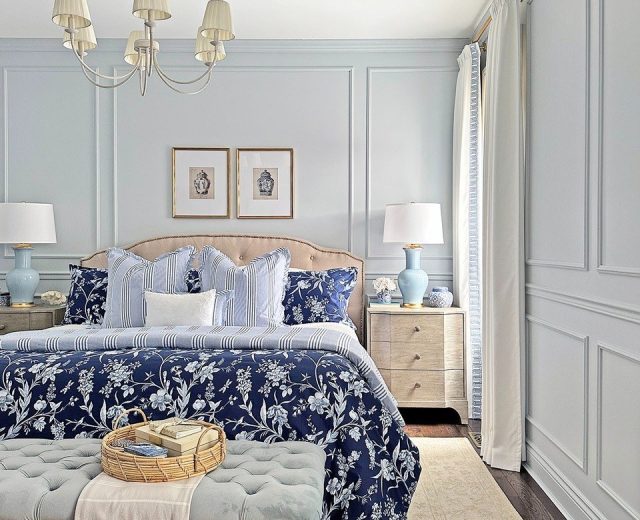
- blue and white palettes
- skirted tables
- block prints
- needlepoint and embroidered pillows
- mixed patterns and layering
- monograms and personalized textiles
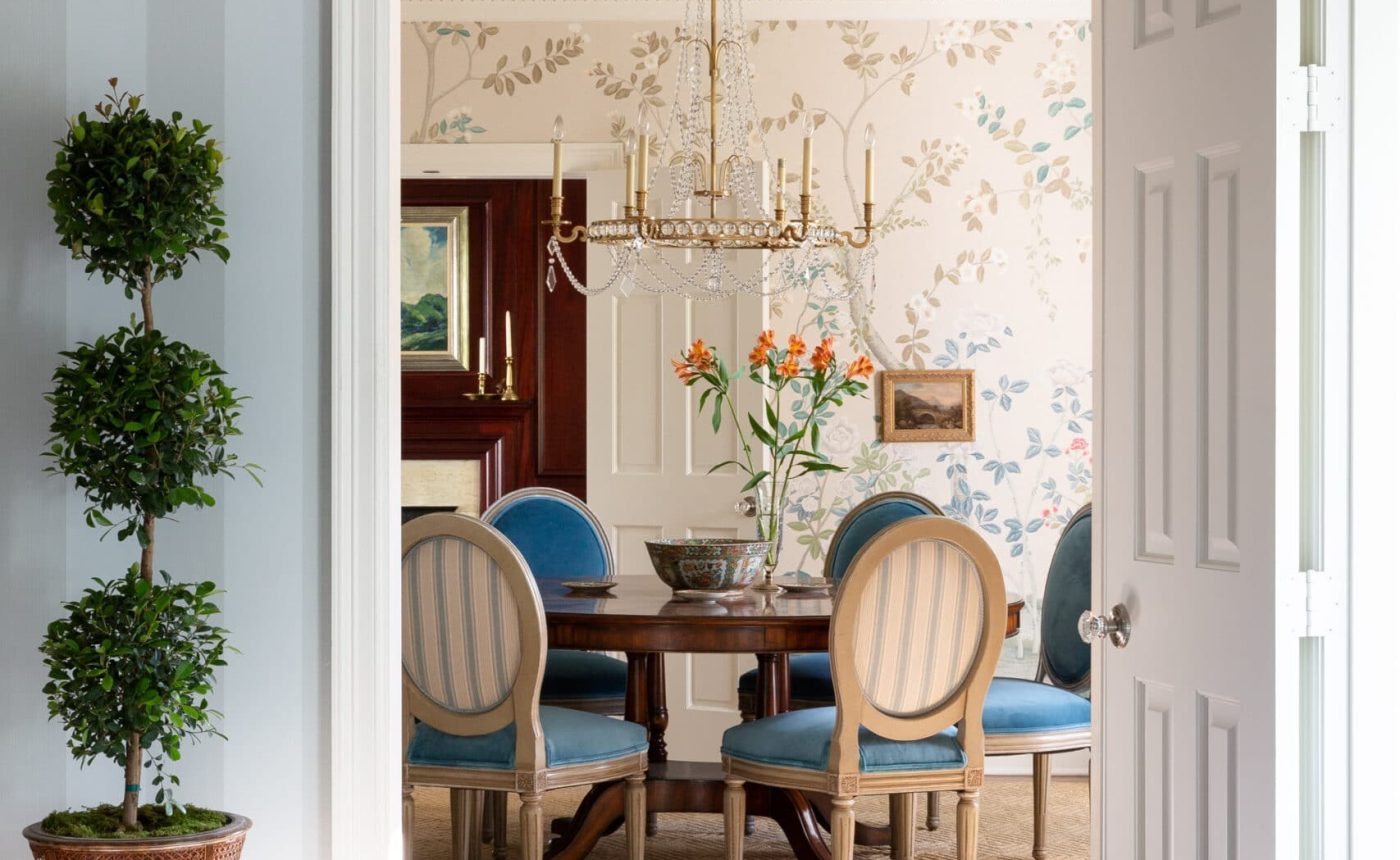
- ornate chandeliers
- collections—silver, china, crystal—that tell a story
- pleated lampshades
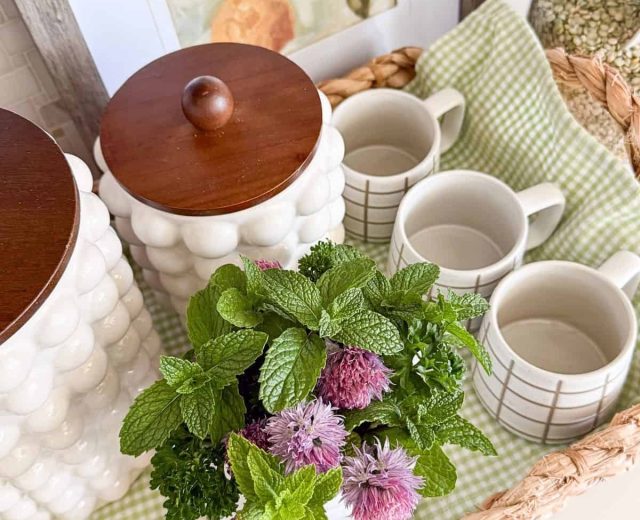
- rattan, bamboo, and wicker accents
- toile, chintz, and plaid fabrics
- ruffles, pleats, fringe, and lace details
- slipcovers for livability
- chinoiserie and vintage brass accents
- rich wood furniture—walnut, cherry, mahogany
- boxwood topiaries and classic greenery
At first glance these components might appear formal, but the grandmillennial approach is surprisingly approachable. It’s not about plastic-covered upholstery; it’s about comfortable, well-made pieces arranged in a way that feels welcoming and practical for daily family life.
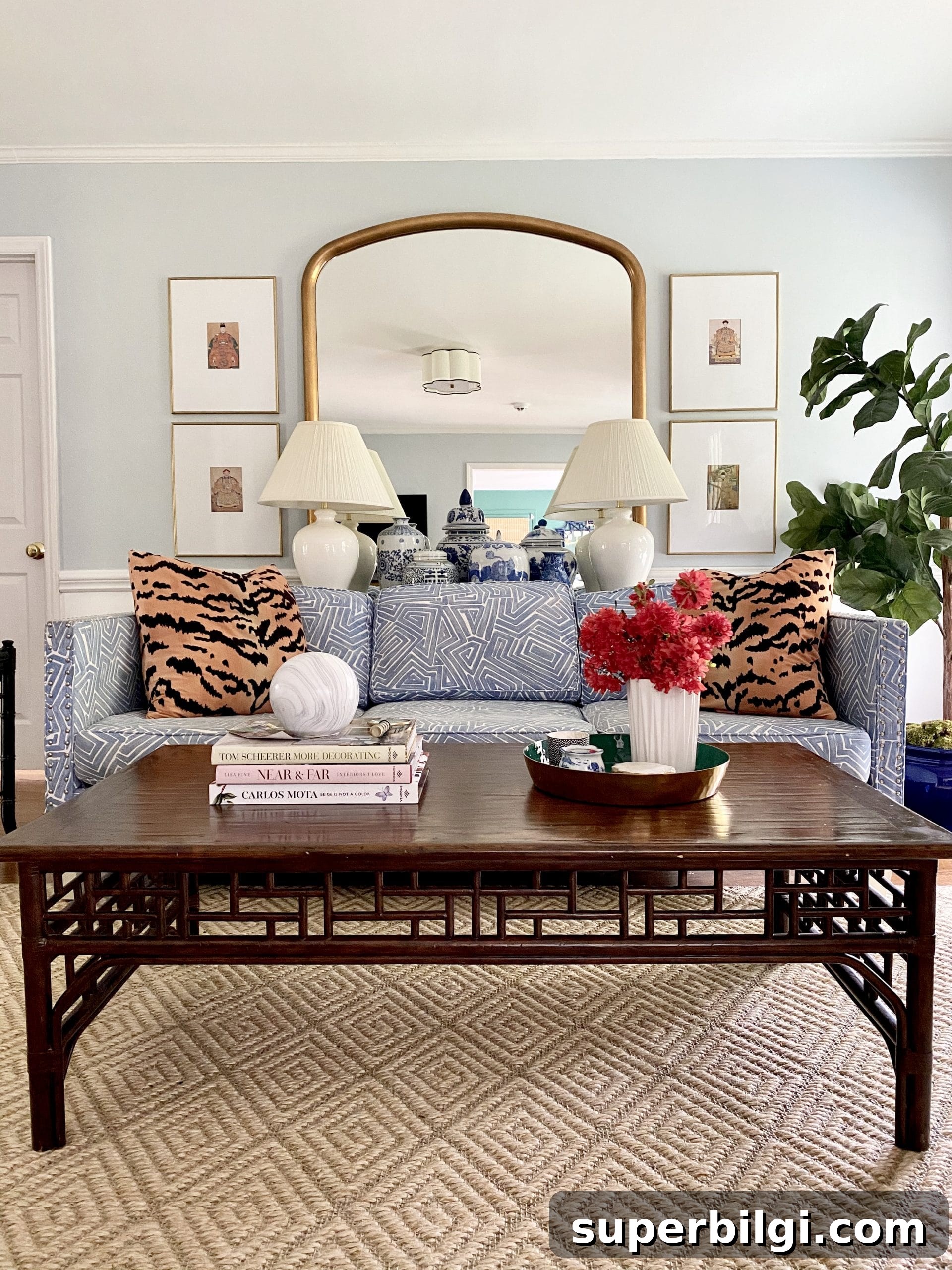
One of the strengths of this style is contrast: abstract art can hang above an inherited walnut dresser; a modern mirror can be paired with patterned wallpaper. Those contrasts keep the look fresh and personal. Collections and heirlooms give rooms character—just be sure to edit thoughtfully so layering reads as curated, not cluttered.
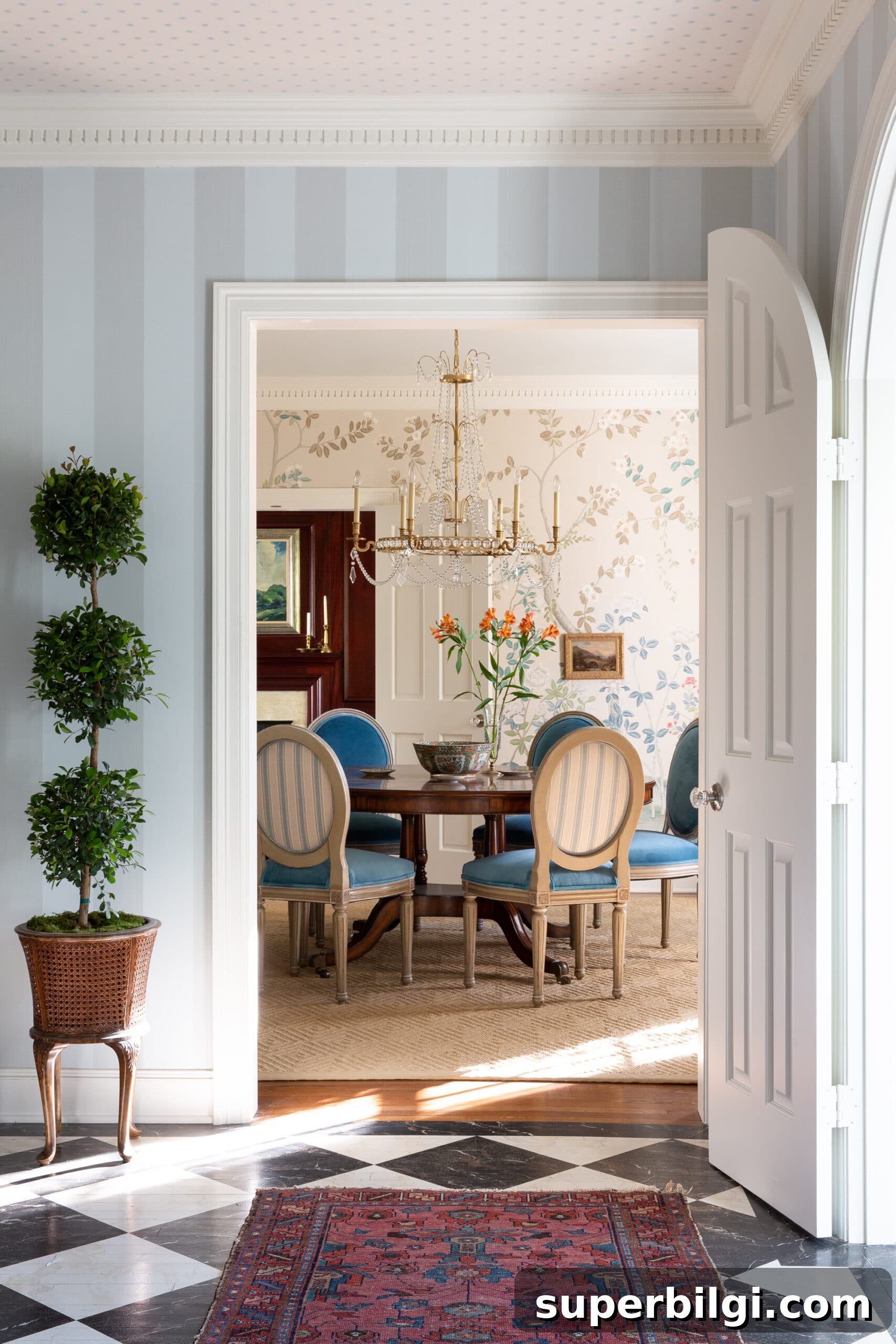
We’re also seeing a move away from the bleached-wood trend. While light woods suit certain homes—especially beach houses—the grandmillennial revival favors darker, antique furniture and finishes that feel grounded and warm.
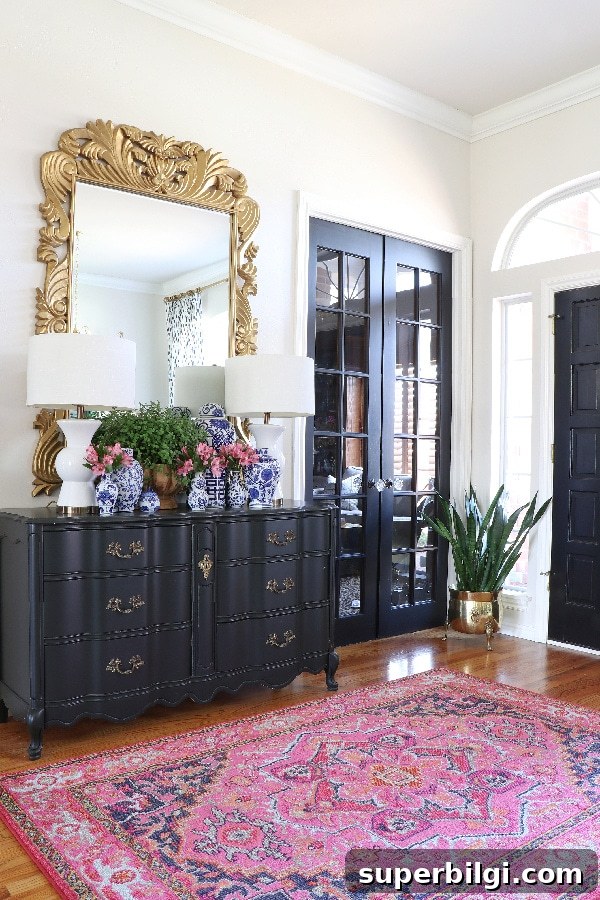
Design trends typically cycle over years, and the shift from farmhouse and minimalism toward classic, tradition-rich rooms reflects a desire for warmth and longevity. Grandmillennial decor isn’t a fad; it’s a renewed appreciation for craftsmanship, pattern, and personal history.
The style incorporates traditional details on upholstery and cushions such as tape, trim, or tassels, in monochromatic or analogous color combinations.
– Stefani Stein
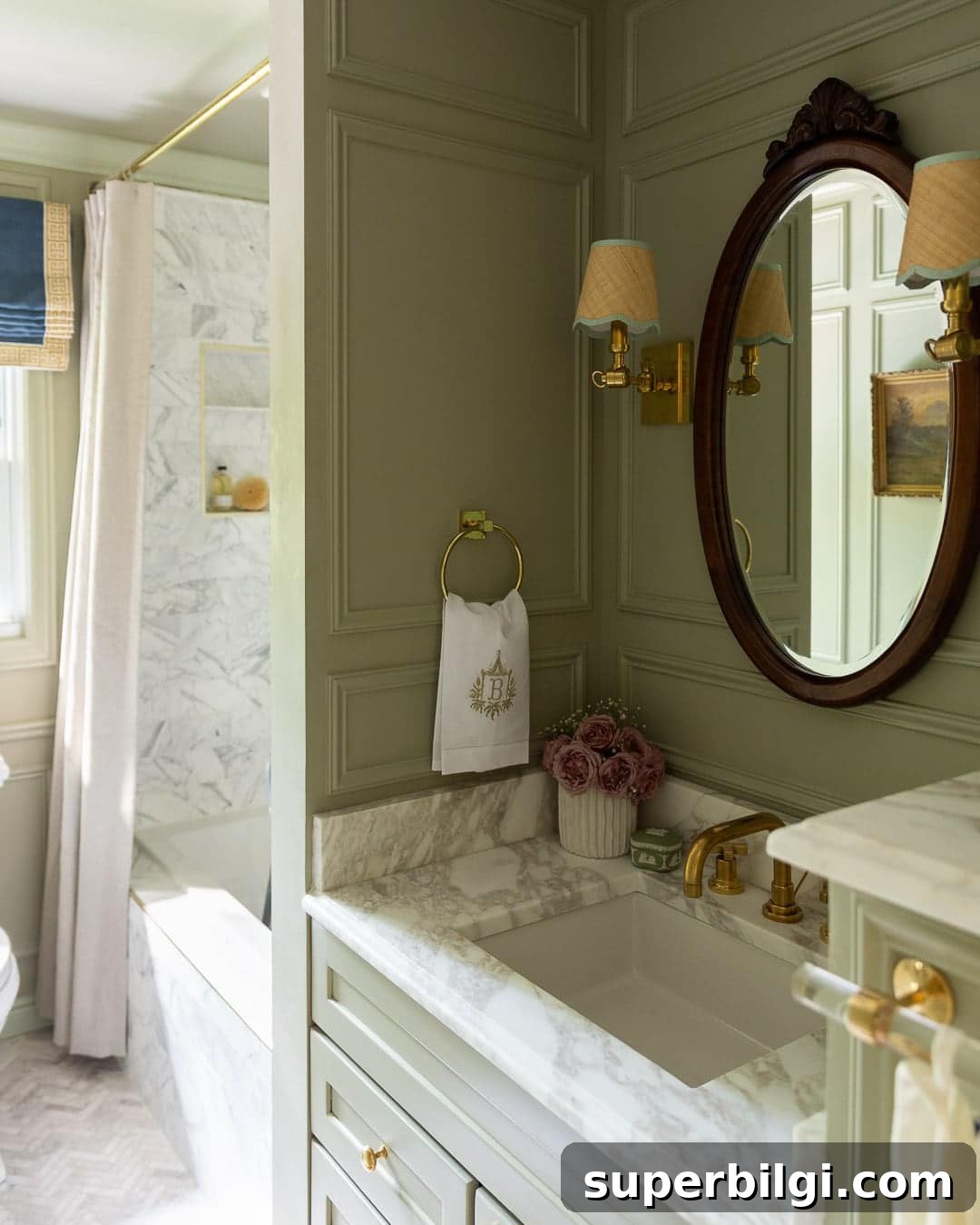
My advice is to listen to the bones of your home. If your house has traditional details—ornate trim, hardwood floors, or vintage hardware—lean into those strengths. Let the architecture guide your choices and add modern touches where they feel natural.
Settling into a Home Slowly
It often takes time for a new house to feel like home. For me, that process can take a year or more—painting, arranging furniture, and evolving the decor as I live in the rooms. Rather than rushing to fill every space, I prefer settling in slowly: living with pieces, learning what the rooms need, and choosing items that respect the home’s original character.
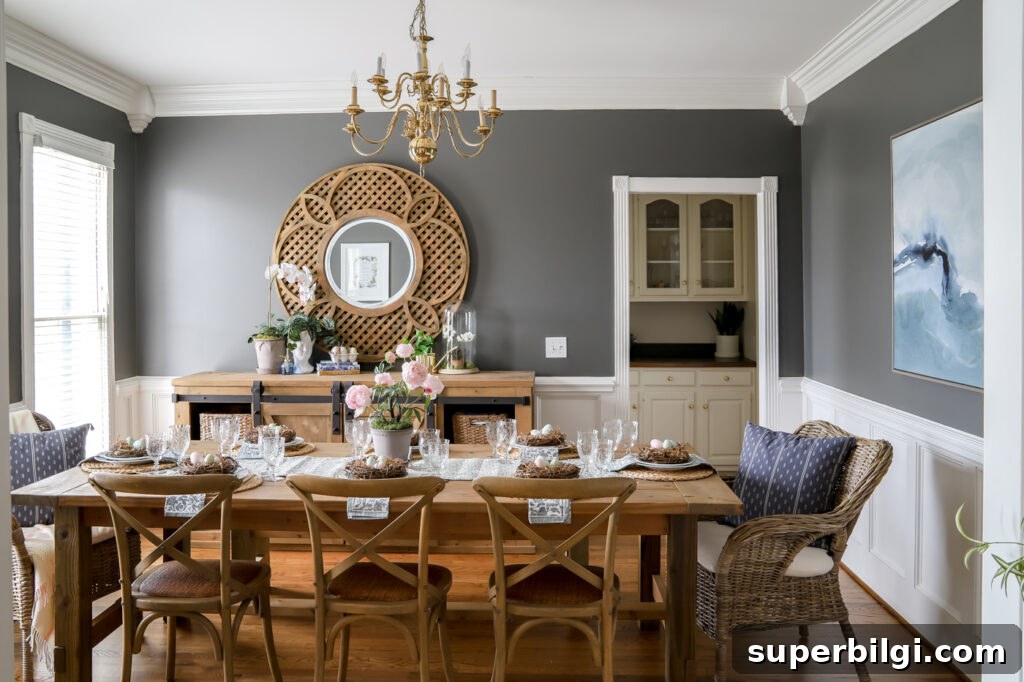
In my current home—full of brass, wallpaper remnants, and classic proportions—I’ve leaned into the grandmillennial aesthetic to honor the house’s personality. I mixed some furniture from our previous home with new purchases that felt more aligned with the house’s style, creating a cohesive look that still accommodates everyday life.
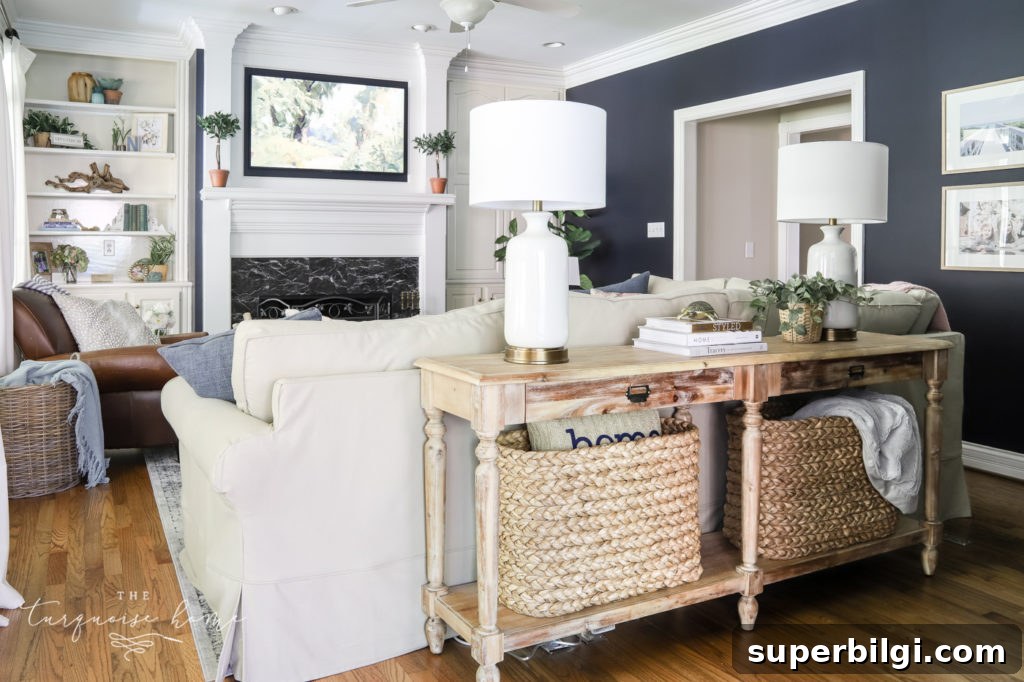
Settling slowly also helps you avoid impulsive purchases. Over time, you’ll discover which antiques, textiles, and accessories truly resonate with you. The goal is a timeless, layered home that reflects personal history as much as present-day life.
I’m embracing Grandmillennial decor as a direction, not a strict rulebook. I won’t necessarily match drapes to wallpaper in every room, but I will borrow lessons from the past—quality fabrics, thoughtful layering, and meaningful collections—while keeping rooms practical and family-friendly.
Coming from the South, this aesthetic feels particularly natural to me. It honors hospitality, tradition, and comfortable elegance. Whether you love the look or prefer something more modern, the grandmillennial trend offers a warm alternative that can be personalized to any home.
What do you think? Do you love this look, have you decorated this way for years, or do you prefer a different approach? Share your thoughts and experiences.
More posts you might enjoy:
- Traditional Dining Room Reveal
- Benjamin Moore Davenport Tan (HC-76) in Our Primary Bedroom
- Coastal Book Nook Makeover
- Furnishing a Teen Girl’s Bedroom: 10+ Tips and Tricks
- 7 Ways to Refresh a Kitchen