If you want practical, multipurpose decor for your home, houseplants are one of the best choices. The right indoor plants enhance style, improve air quality, and create a calmer, more inviting space to relax.
Houseplants have become a popular element of home decor, and for good reason. When I moved into my new home, the previous owner left behind a healthy collection of plants, and I’m gradually learning how effortless a single real plant can be to care for. If you’re curious about easy-care houseplants, here are a few simple picks and practical tips to help you succeed.
Adding greenery to your rooms brings texture, color, and a sense of life to any corner. If you prefer not to care for live plants, high-quality faux plants are a fine alternative and can deliver the same visual appeal without maintenance. But if you want to try live plants and worry about their survival, choose resilient varieties that tolerate a bit of neglect—these will build your confidence and brighten your home.
Beyond aesthetics, certain common houseplants can also help improve indoor air quality. Research has shown that several species can reduce volatile organic compounds and filter airborne particles, making plants both a decorative and functional addition to your living spaces.
Easy Indoor Plants for Your Home
If you want low-maintenance live plants, these three are among the best options. They tolerate a range of light and watering conditions and are ideal for beginners who want reliable, attractive greenery.
These picks are forgiving if you forget a watering or if your home has spots of lower light—perfect for those just starting a plant collection.
This article references common products and recommendations for convenience.
Pothos (aka Devil’s Ivy)
Pothos is a trailing vine that works well in a pot or hanging basket. It thrives in a wide range of lighting conditions and is prized for its attractive, often variegated foliage and air-purifying qualities.
There are many handsome varieties of pothos, so you can mix and match types throughout your home for a lush, coordinated look. Its forgiving nature makes it one of the easiest houseplants to keep healthy.
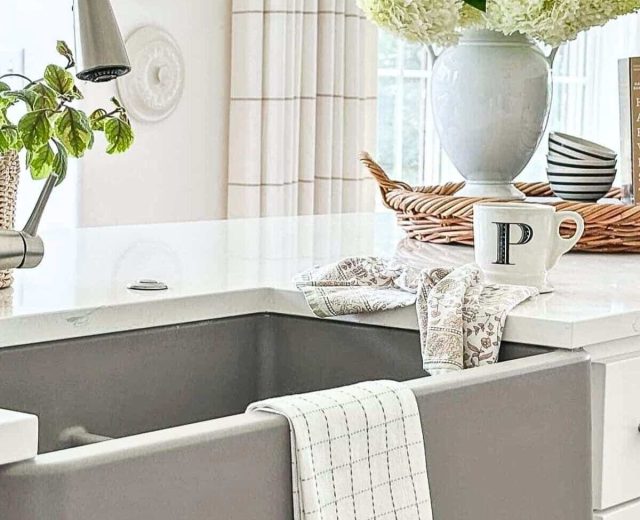
I keep a pothos near my kitchen sink where it receives northwest light and occasional watering; it fills an awkward corner and lifts the mood every time I’m doing dishes.
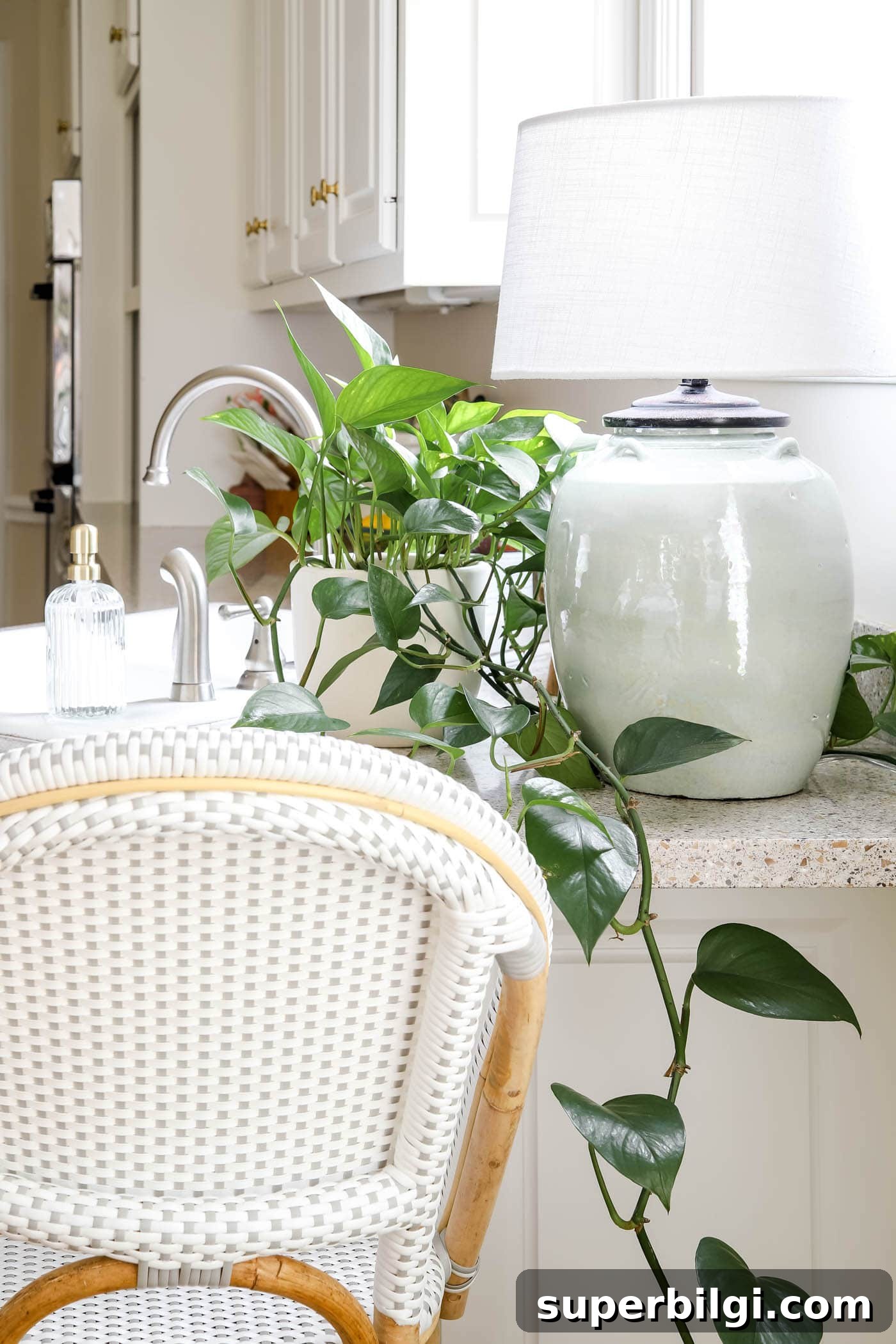
Light: Moderate indoor light (east or west-facing window is ideal), though pothos tolerates low light.
Water: Let the top inch or so of soil dry between waterings. Drooping leaves usually recover after watering.
Fertilizer: Feed with a balanced liquid houseplant fertilizer about once a month during the growing season.
Notes: Pothos is toxic if ingested; keep it away from curious pets and children.
Snake Plant (Sansevieria)
Snake plants, sometimes called mother-in-law’s tongue, have upright, architectural leaves that make a striking statement. They’re succulents that tolerate a wide range of environments and require very little care.
Their sculptural form looks great in a basket or decorative pot and they’re an excellent choice for adding height and structure to a room.
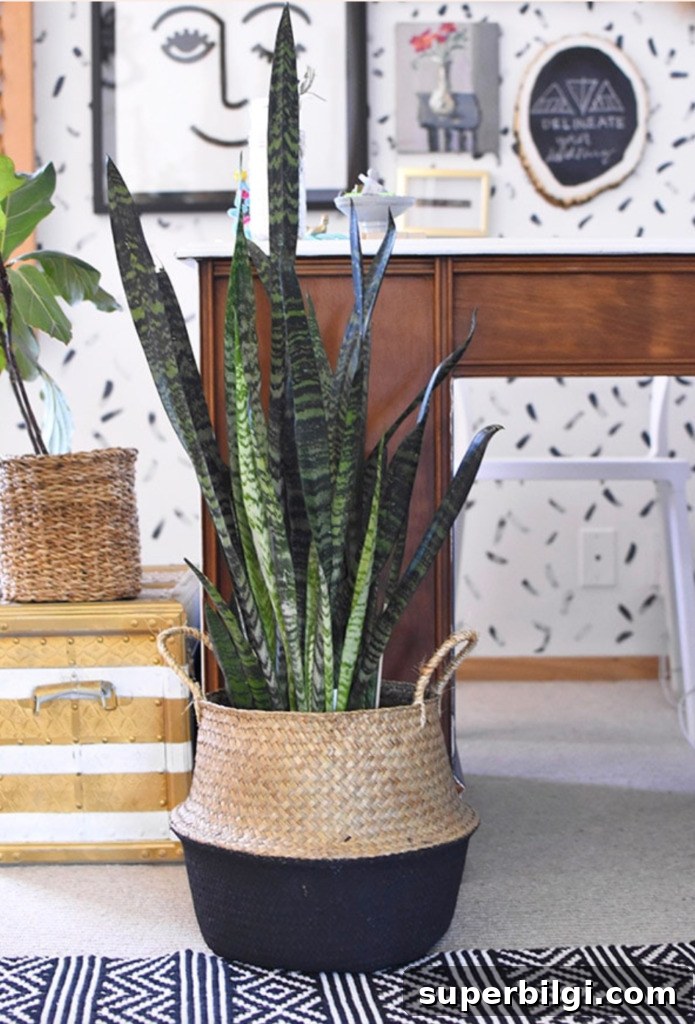
Light: Best in medium to bright indirect light but tolerates low light very well.
Water: Water sparingly; allow soil to dry completely between waterings.
Fertilizer: Apply a balanced liquid fertilizer monthly during active growth.
Notes: Leaves contain compounds that are toxic to pets if eaten and may cause digestive upset.
ZZ Plant (Zamioculcas zamiifolia)
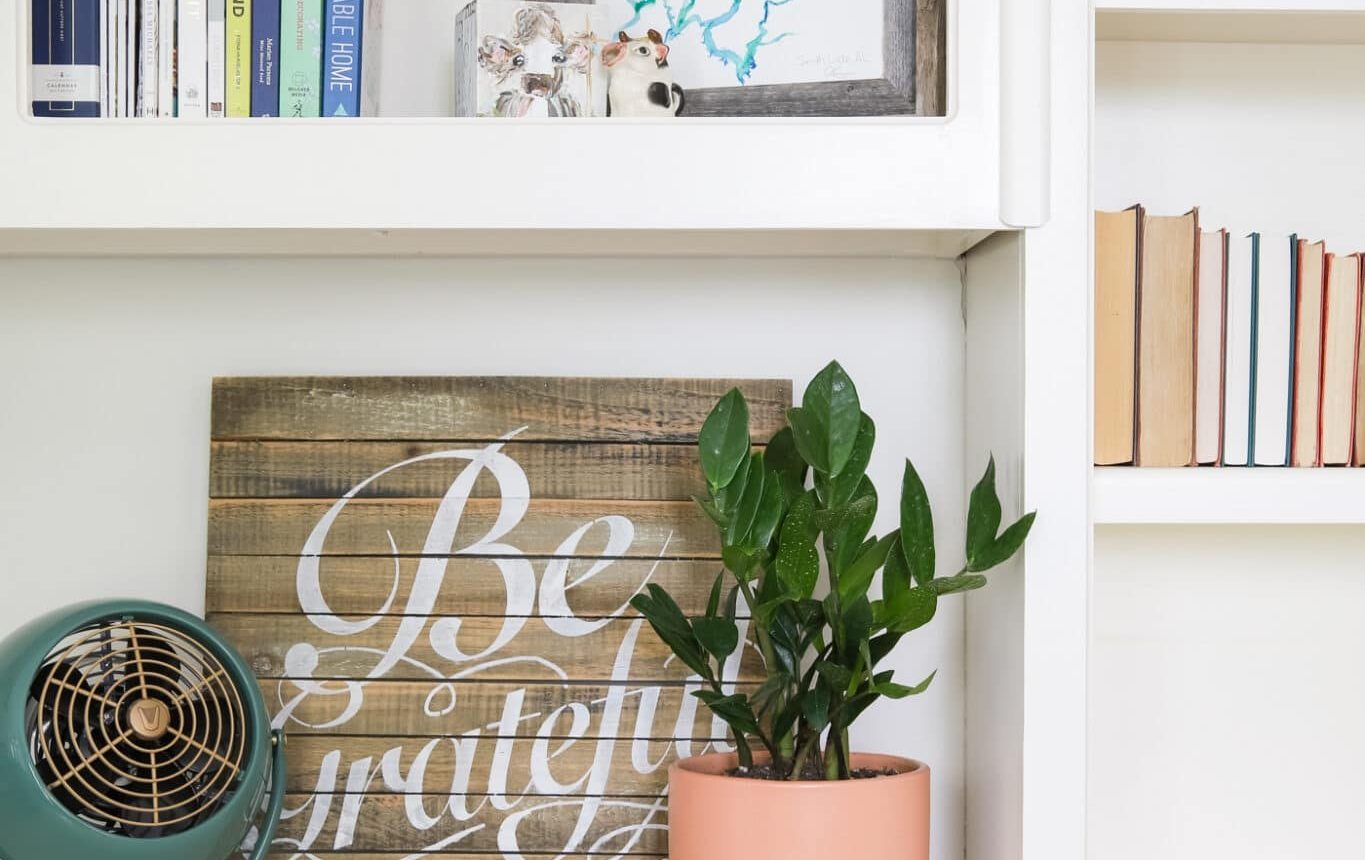
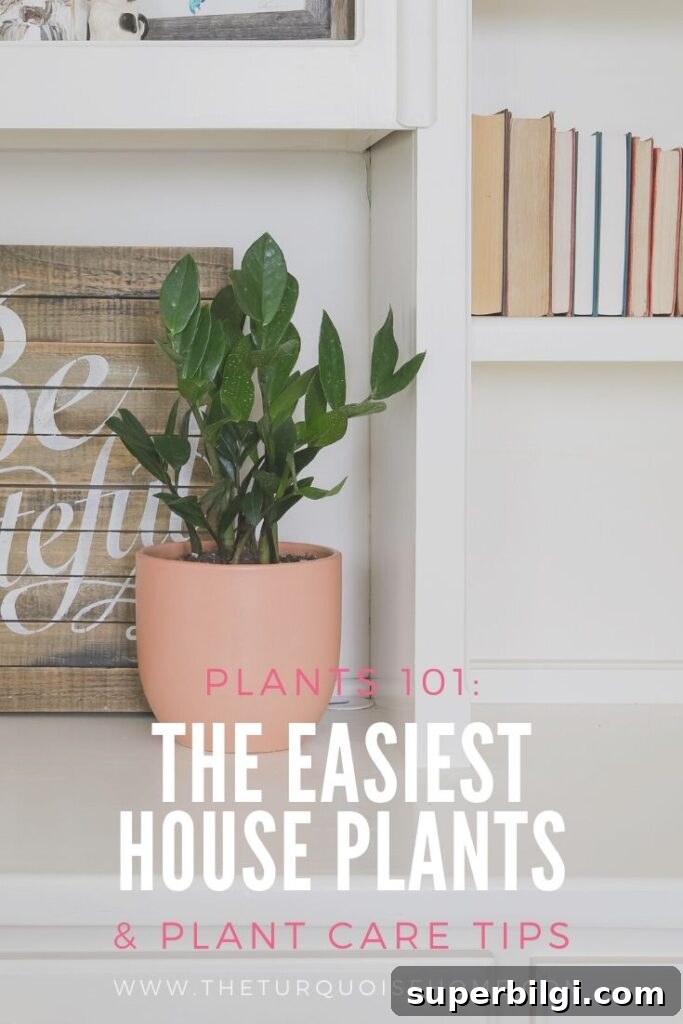
The ZZ plant is one of the most low-maintenance options available. With glossy, resilient leaves and upright stems, it tolerates low light, infrequent watering, and a variety of indoor conditions.
If other plants have failed for you in the past, the ZZ is a great candidate to restore confidence. It comes in compact sizes suitable for desks or larger specimens for floor placement.
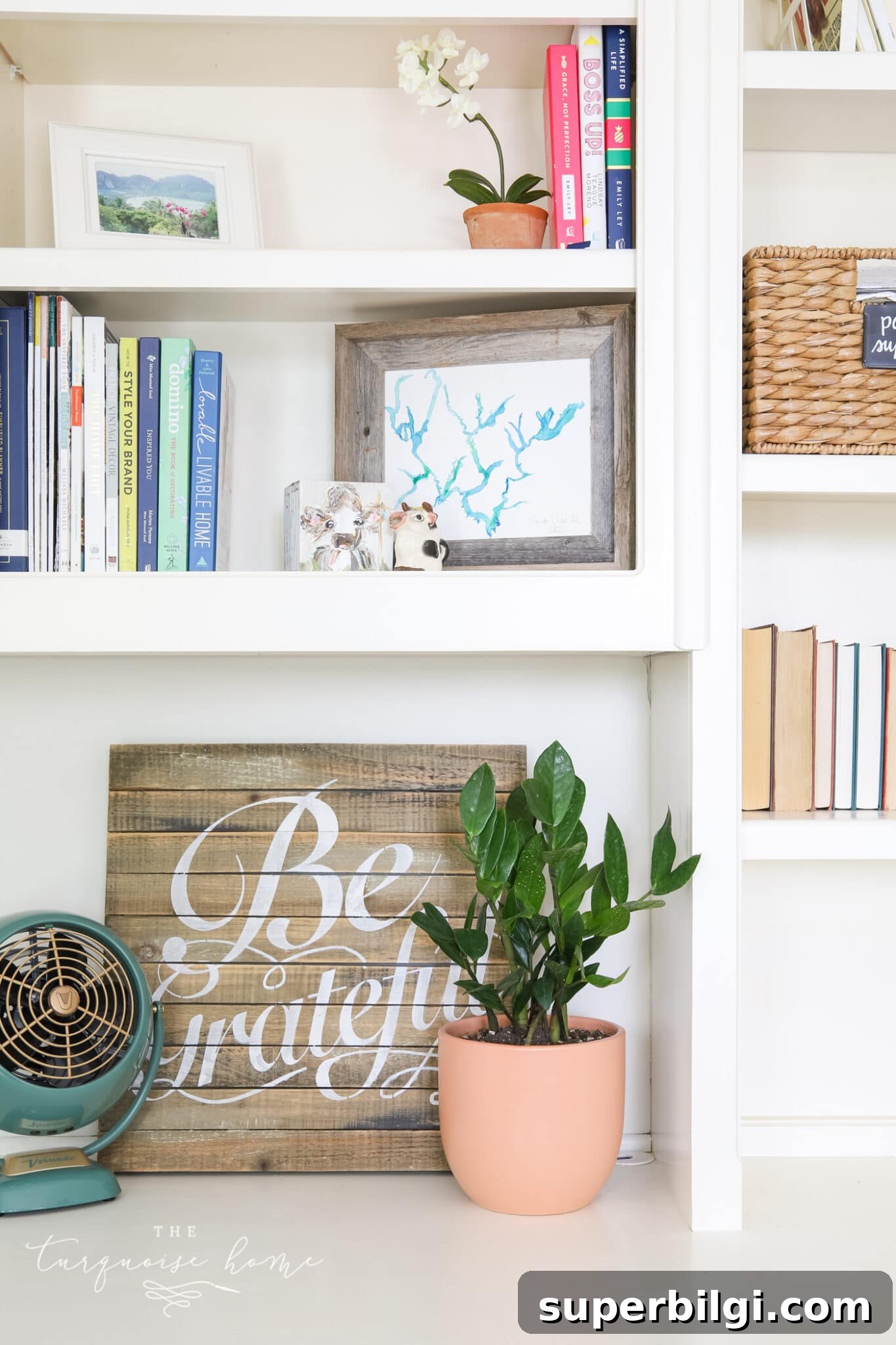
Light: Prefers moderate light but performs well in low light.
Water: Water roughly every 2–3 weeks, allowing the soil to dry between waterings.
Fertilizer: Feed monthly during the spring and summer with a balanced liquid houseplant fertilizer.
Where to Buy Easy Houseplants
You can buy healthy, affordable houseplants from several places. Local grocery stores and big-box retailers often carry common easy-care plants at low prices. Garden centers and nurseries typically offer a wider selection and expert advice, though prices may be higher. Online plant shops and marketplaces are also convenient if you prefer delivery and curated plant selections.
More Places to Buy Your Indoor Houseplants
If you’re just starting, check local grocery stores and home-improvement retailers first. If you want specialized varieties or larger specimens, visit a nursery where staff can answer questions and help you choose the right plant for your space.
Important Tips for Indoor Houseplant Care
Problems to Watch For
Yellow or Brown Leaves – Two common causes:
- Normal aging: Older leaves will naturally yellow and brown before falling off; this affects isolated leaves and is not usually a concern.
- Overwatering or root issues: If new or young leaves are yellowing, overwatering may be suffocating roots and causing decline. Check soil moisture and root health.
Pests or White Spots – Signs of infestation. Treat by taking the plant outside, rinsing leaves, and applying a gentle homemade spray of water with a small amount of neem oil, apple cider vinegar, or mild dish soap. Wipe leaves, allow the plant to dry for a few hours, then return it indoors.
When to Fertilize Your Plants
Most houseplants have an active growing season in spring and summer and a dormant period in fall and winter. Fertilize during the growth season and reduce or pause feeding during dormancy to avoid damaging the roots.
Essential Houseplant Accessories
A few helpful accessories make plant care easier and more successful:
- Balanced liquid houseplant fertilizer for monthly feeding during the growing season.
- Self-watering planters for consistent moisture when you’re busy or travel often.
- Plant stands or shelves to group plants and make the most of bright spots.
- Soil moisture and light meters to check conditions if you’re unsure.
Choosing the right houseplants can transform your indoor environment. Start with a few hardy varieties, learn their basic needs, and gradually expand your collection as you grow more comfortable caring for them.
More posts you may enjoy:
- How to Plant Flowers in a Pot, Planter or Container
- Where to Buy the Best Faux Plants
- Simple DIY Wood Planter Box
- How to Get Rid of Gnats in Houseplants
- Spring Home Tour with Floral Styling