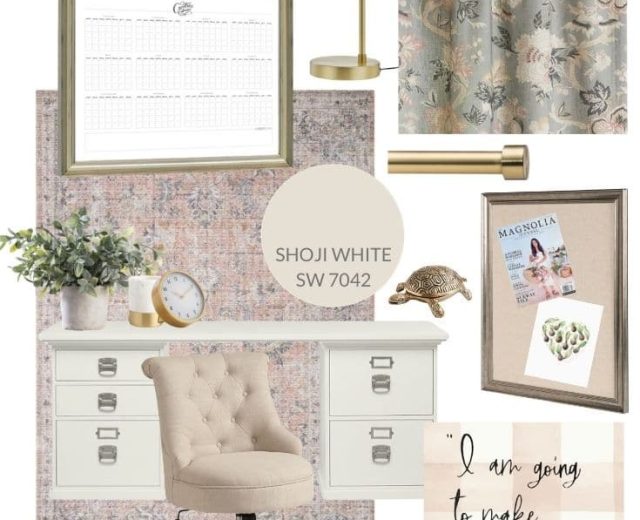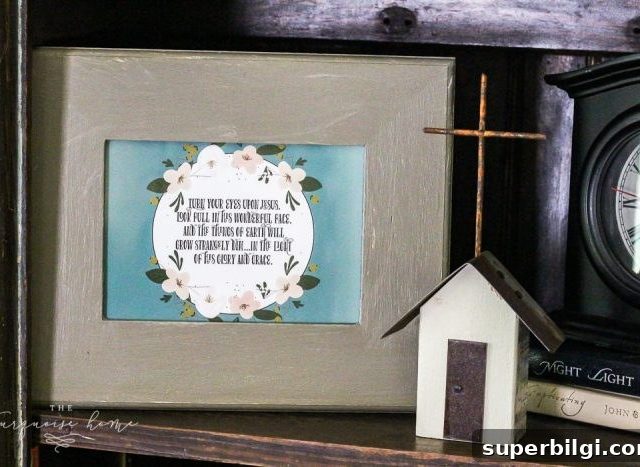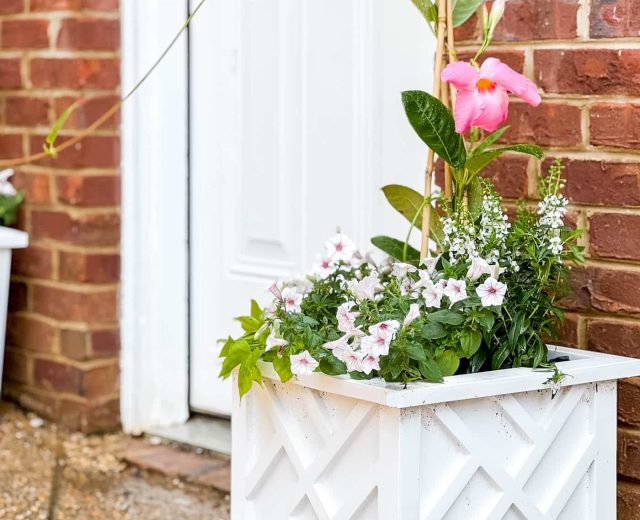
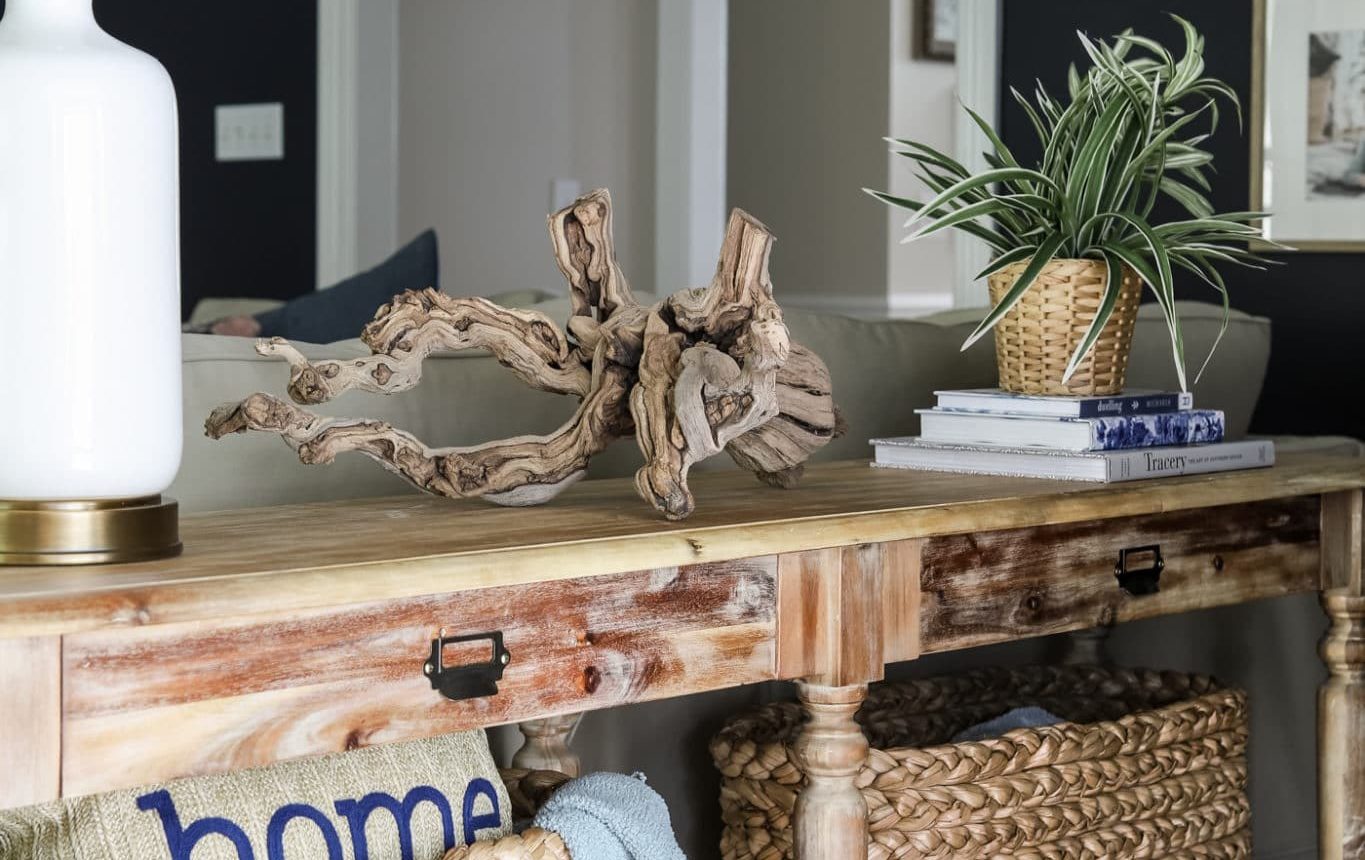
Your home and decor play a vital role in shaping your mood, productivity, and even your confidence. Read on to learn how to use interior design to create a home you truly love.
Think back to the day you first moved in: an empty space full of possibilities. That blank canvas represented more than fresh paint and new furniture — it was the chance to design a home that supports how you live, how you rest, and how you connect with others. The way you arrange a room, the colors you choose, and the objects you display all add up to an environment that either energizes or drains you.
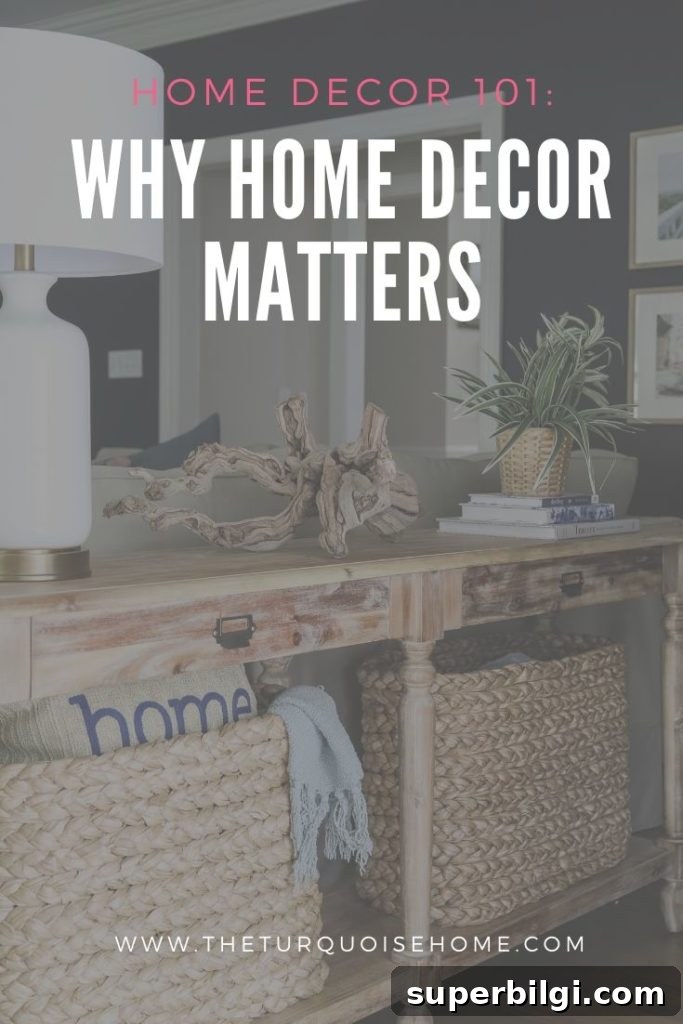
Home design should reflect the life you want to live. Maybe your living room is built for marathon streaming sessions on a comfortable sofa, or perhaps your dining area centers on a welcoming table for friends and family. A reading nook with built-in shelving and a favorite chair might be your sanctuary. Small details—photos, souvenirs, and textiles—bring personality and memory into every room.
Home and Decor: Why Interior Decor Matters
Interior decor is more than aesthetic—it’s a reflection of who you are. Your choices reveal preferences, habits, and priorities. An entertainer might prioritize a well-stocked bar and accessible seating. A reader might create a cozy library corner. Families might design a media-friendly living room for movie nights. Whatever your lifestyle, decor helps translate it into daily experience.
Why It’s Important to Create a Home You Love
Yes, it matters how you decorate. Thoughtful interior decisions shape your daily life: they influence mood, productivity, and self-assurance. A home that reflects your tastes supports relaxation and creativity; it can even boost your confidence when hosting guests. Decorating is not just about appearances—it’s about crafting an environment that enhances well-being.
By choosing colors, textures, and furnishings that resonate with you, your decor can lift your spirits, help you focus, and make your home feel effortless and inviting.
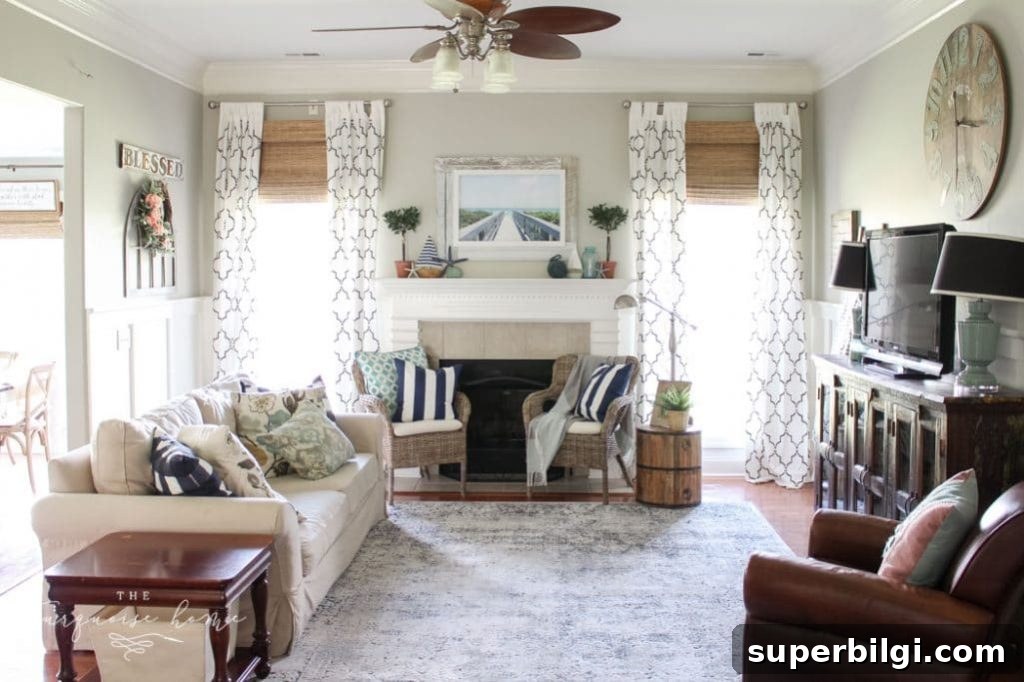
How Home and Decor Work Together: Five Essential Elements
You don’t need to move to create a home you love. Thoughtful styling and small changes can transform the space you already have. Every choice—paint, textiles, lighting, furniture, and accessories—creates the backdrop for daily life. Below are five key elements to focus on when shaping a home that feels like you.
Color
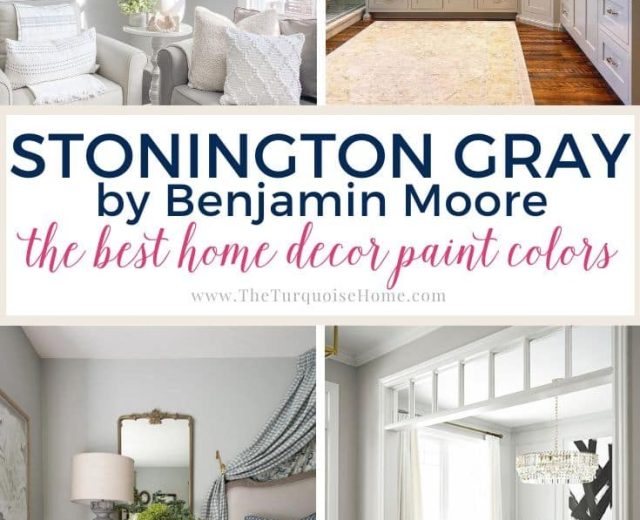
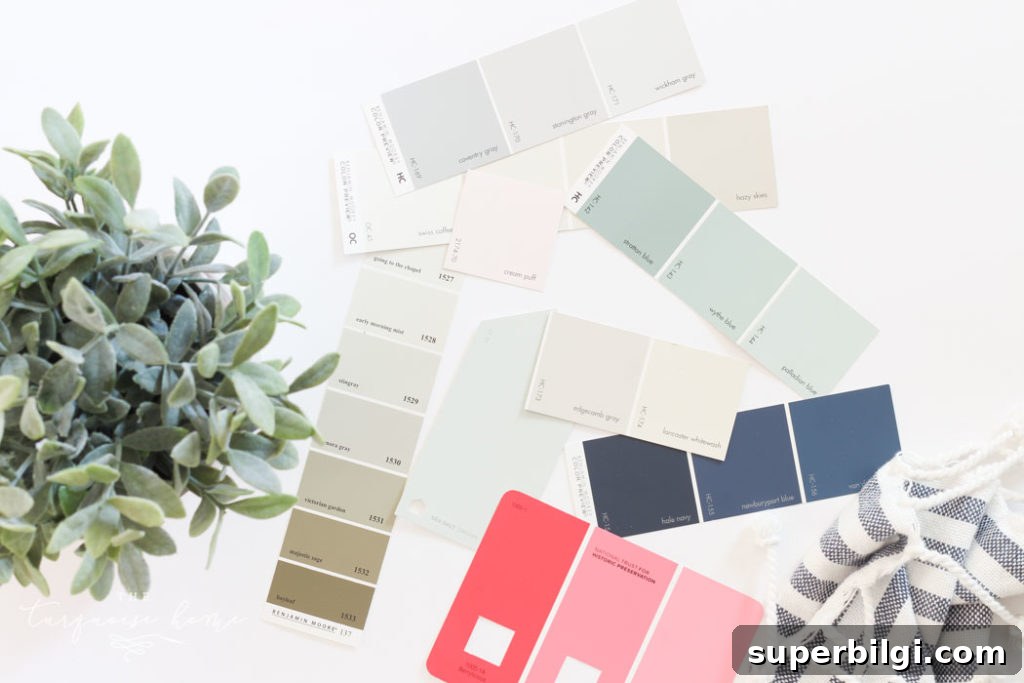
Color sets the tone for every room. Wall color is often the first impression you get when entering a space, so choose shades that make you feel calm, energized, or cozy depending on the room’s purpose. A quick way to find colors that suit you is to look at what you wear: your clothing palette often reflects colors you naturally gravitate toward.
General tips for paint choices:
- Cool, muted tones create a serene, restful atmosphere.
- Warm hues and wood tones foster comfort and coziness.
- Bold colors, patterns, and textured finishes enliven spaces used for entertaining.
Once you settle on a color family, layer in complementary patterns and textures to add depth and interest.
Related Post: How to Create a Whole House Color Palette
Layout
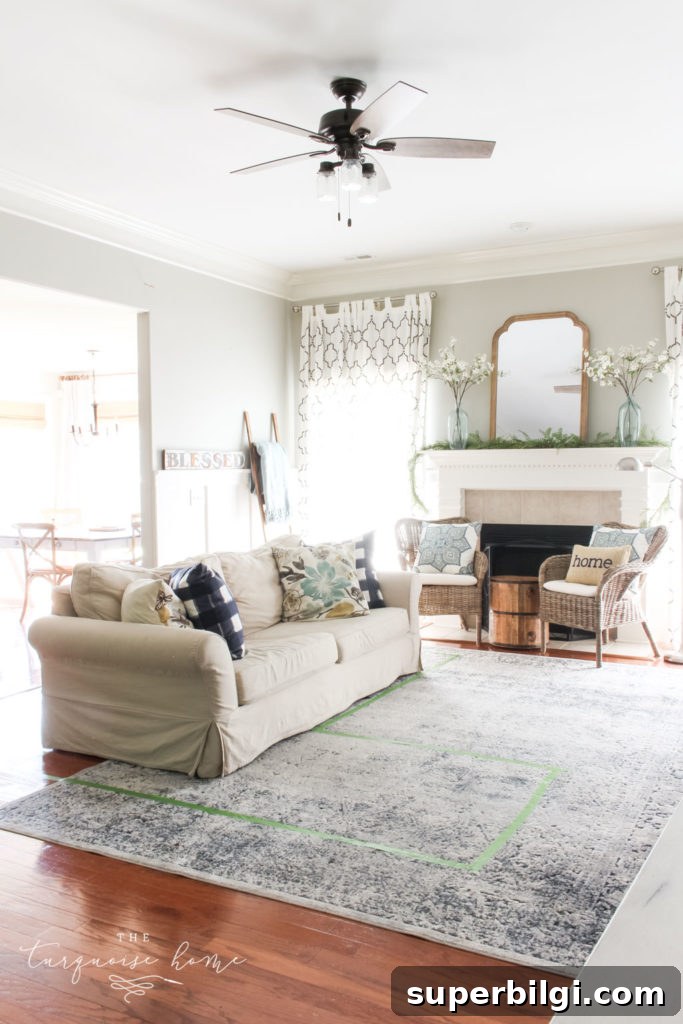
The layout of your home influences style and flow. Open-plan living encourages cohesive color schemes and furniture groupings that can be seen from multiple vantage points. Conversely, compartmentalized rooms offer chances to express different moods and styles in each space. Either way, aim for visual continuity that allows rooms to transition smoothly from one to the next.
Your decorating style should honor the architecture and scale of your layout while reflecting your personal aesthetic.
Related Post: Introducing: Our New Home!
Lighting
Lighting dramatically changes how color and materials read. Natural light enhances certain palettes and textures while dim rooms often benefit from lighter finishes and layered artificial lighting. Use a mix of ambient, task, and accent lighting to create flexibility: bright for work, softer for relaxation, and targeted for reading or highlighting artwork.
Artificial light can also create a sense of scale and atmosphere, helping smaller rooms feel larger or cozier rooms feel intimate.
Related Post: Budget Lighting Solutions
Furniture
Furniture expresses style and defines how a room functions. Choices such as materials (wood, leather, fabric), scale (compact or oversized), and configuration (sofa, sectional, chairs) shape both comfort and use. Practical considerations—storage, traffic flow, and the activities you’ll do in the room—should guide selections as much as looks.
Furniture also carries emotional value: inherited pieces and handmade items tell the story of the people who live in your home and make a space feel personal.
Related Post: Four Reasons to Love Wood Furniture
Decorations and Accessories
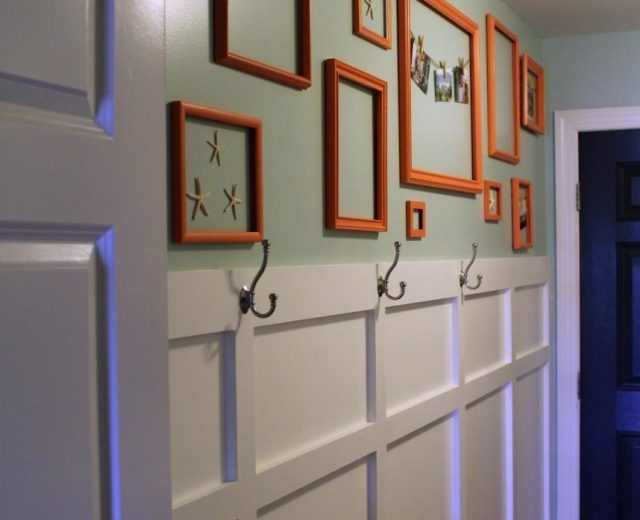
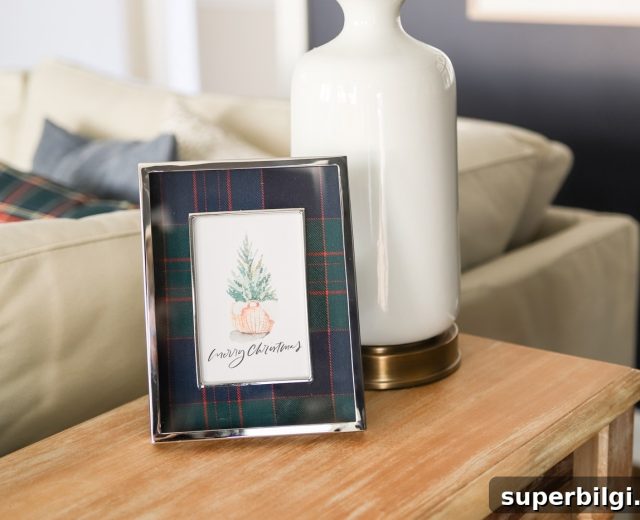
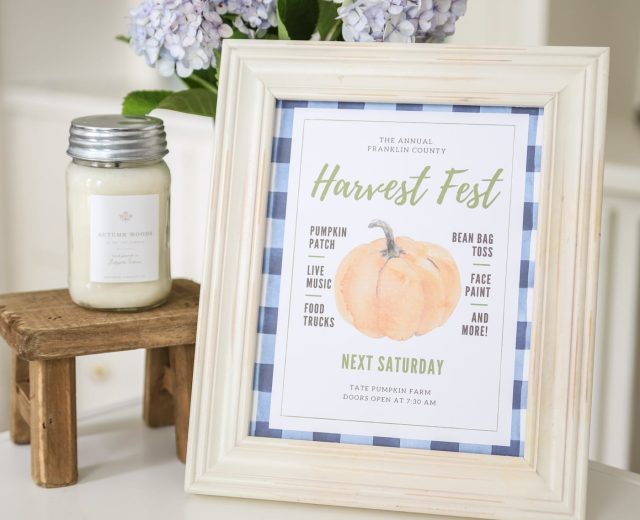
Accessories are the finishing layer that unifies color, layout, lighting, and furniture. Rugs, wall art, pillows, and tabletop decor add scale, pattern, and personality. Thoughtful styling brings cohesion—grouping objects by color or theme, keeping visual balance, and leaving negative space so each piece can breathe.
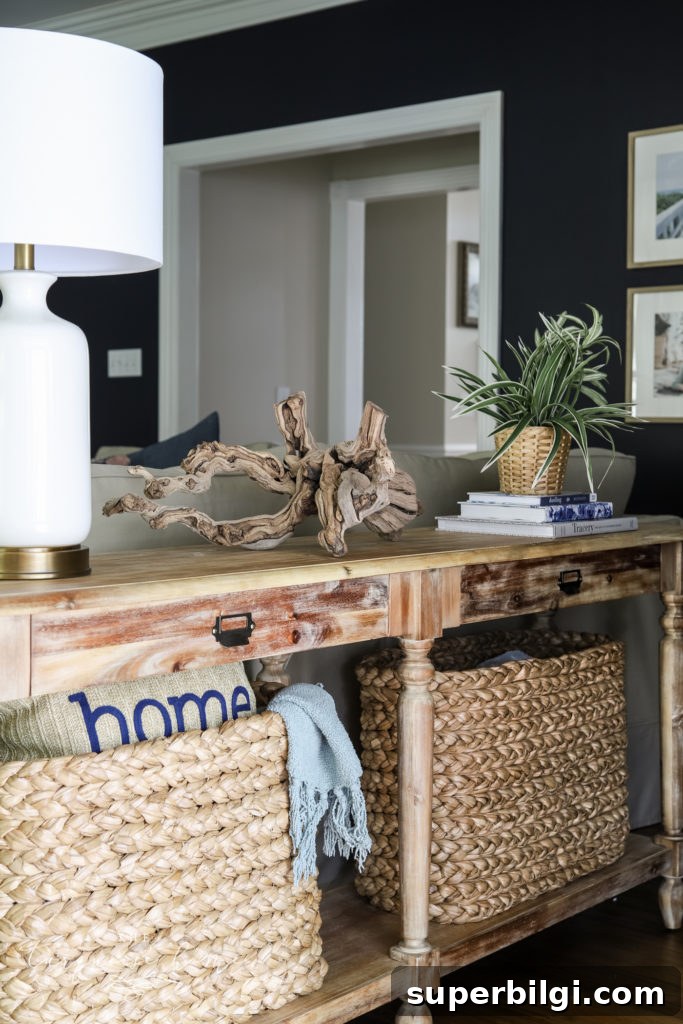
Use accessories strategically to reinforce the mood of each room and to display meaningful items that reflect your life. Small investments—an artful lamp, a well-chosen rug, layered bookshelves—go a long way toward a finished, welcoming home.
Related Post: 25+ Ways to Decorate Your Home on a Budget
Your Home Decor Matters
Interior decor matters because it shapes the way you feel and function in your home. Decorating thoughtfully—adding pieces that tell your story and choosing elements that support how you live—creates a space that encourages your best self. Even a few intentional changes can improve mood, productivity, and confidence.
If you’re unsure where to begin, start small: choose a room and focus on one element—color, lighting, or a signature furniture piece—and build from there. Over time, those choices add up to a home that looks beautiful and feels authentically yours.
MORE POSTS YOU WILL LOVE:
Explore more ideas on home decor, color palettes, furniture selection, and budget-friendly styling to continue crafting a home you love.