
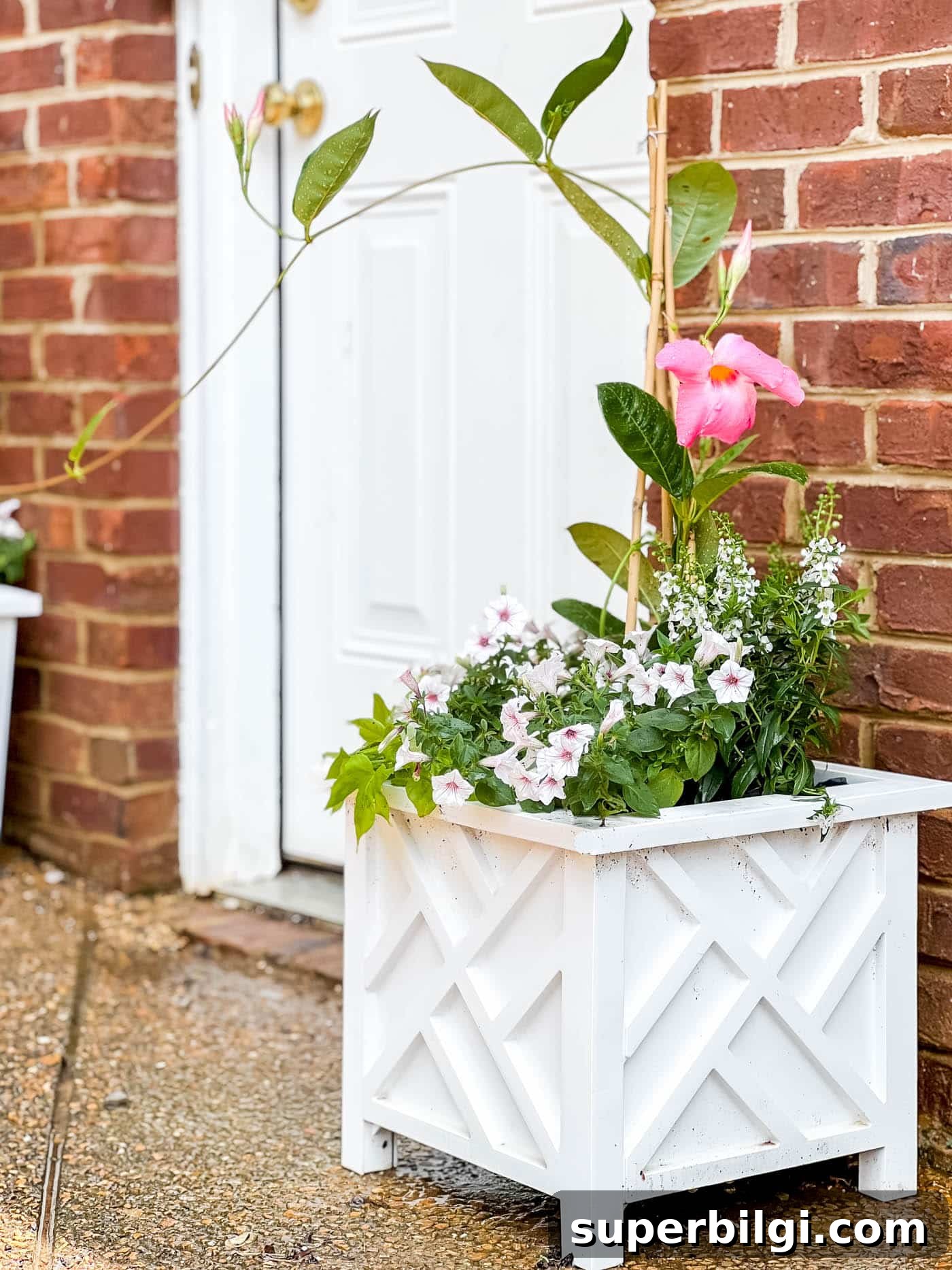
Planting flowers in pots or containers is an easy and rewarding way to add color and charm to your home and garden. This guide covers practical tips, techniques, and ideas for building beautiful container arrangements that thrive all season long.
As my kids grew older, I found myself with more time to tend real plants both indoors and outdoors. I used to favor faux botanicals, but starting with a few low-maintenance houseplants turned into a full-blown hobby. Over the years I learned about annuals, perennials, and the simple but powerful “thriller, filler, spiller” approach to designing attractive planters.
A small pot or container is a great place to begin if you’re new to gardening. Containers are affordable, manageable, and flexible—you can start with just one or two and expand from there. Below you’ll find a step-by-step approach to choosing plants, preparing containers, planting, and caring for container flowers.
This post contains affiliate links for your convenience. See my full disclosure policy.
The Thriller, Filler, Spiller Method
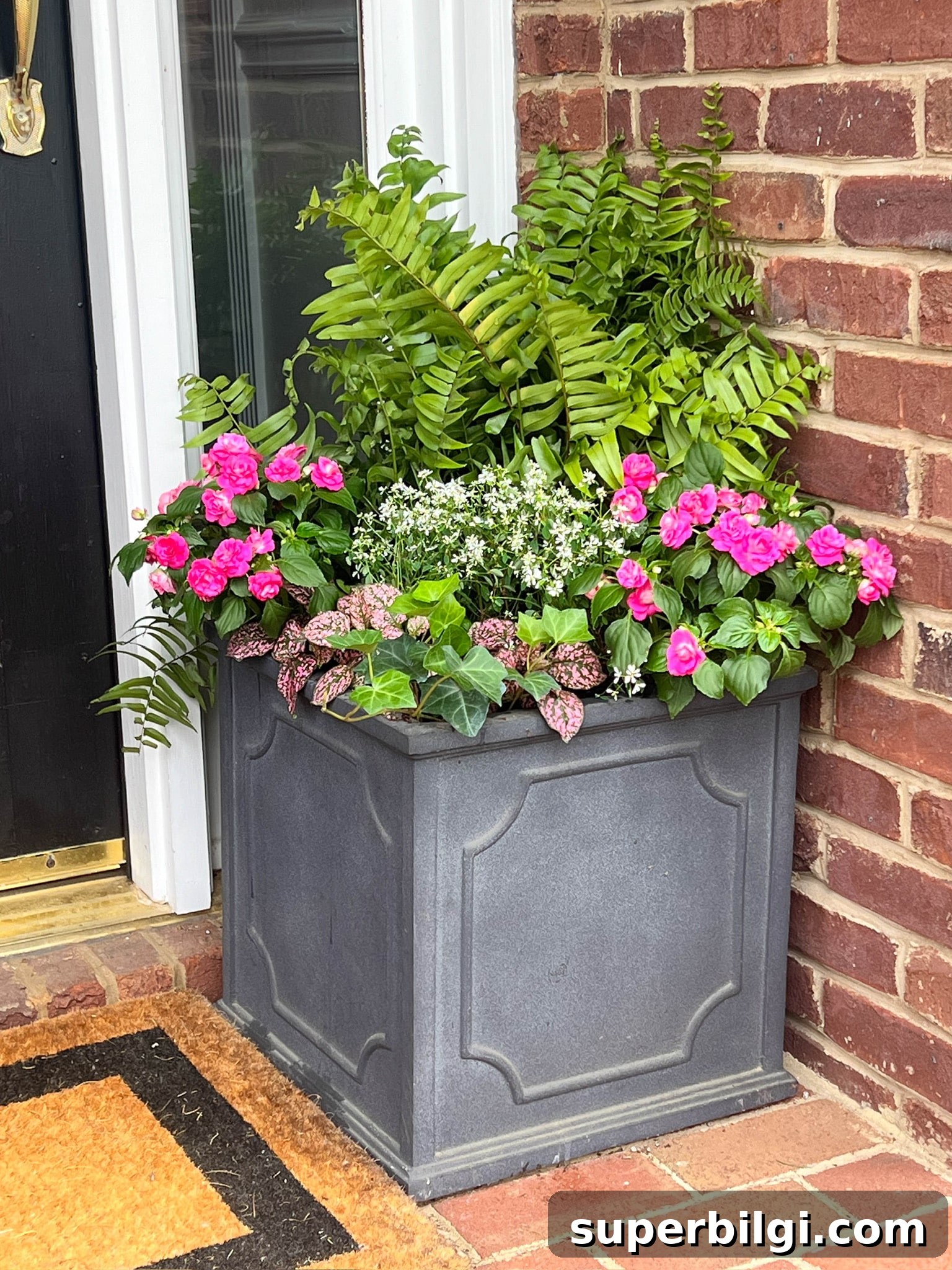
The thriller, filler, spiller formula is a reliable way to create a layered and visually interesting container. Choose one or two plants for each role and arrange them together in the pot for balance and texture.
Thriller: A tall, striking plant that adds height and drama—placed at the back or center of the container. Examples: spike dracaena, mandevilla, canna lily, salvia, or a small topiary.
Filler: A mounded or bushy plant that fills the middle of the container without overpowering the thriller. Examples: petunias, begonias, geraniums, impatiens, pansies, or heuchera.
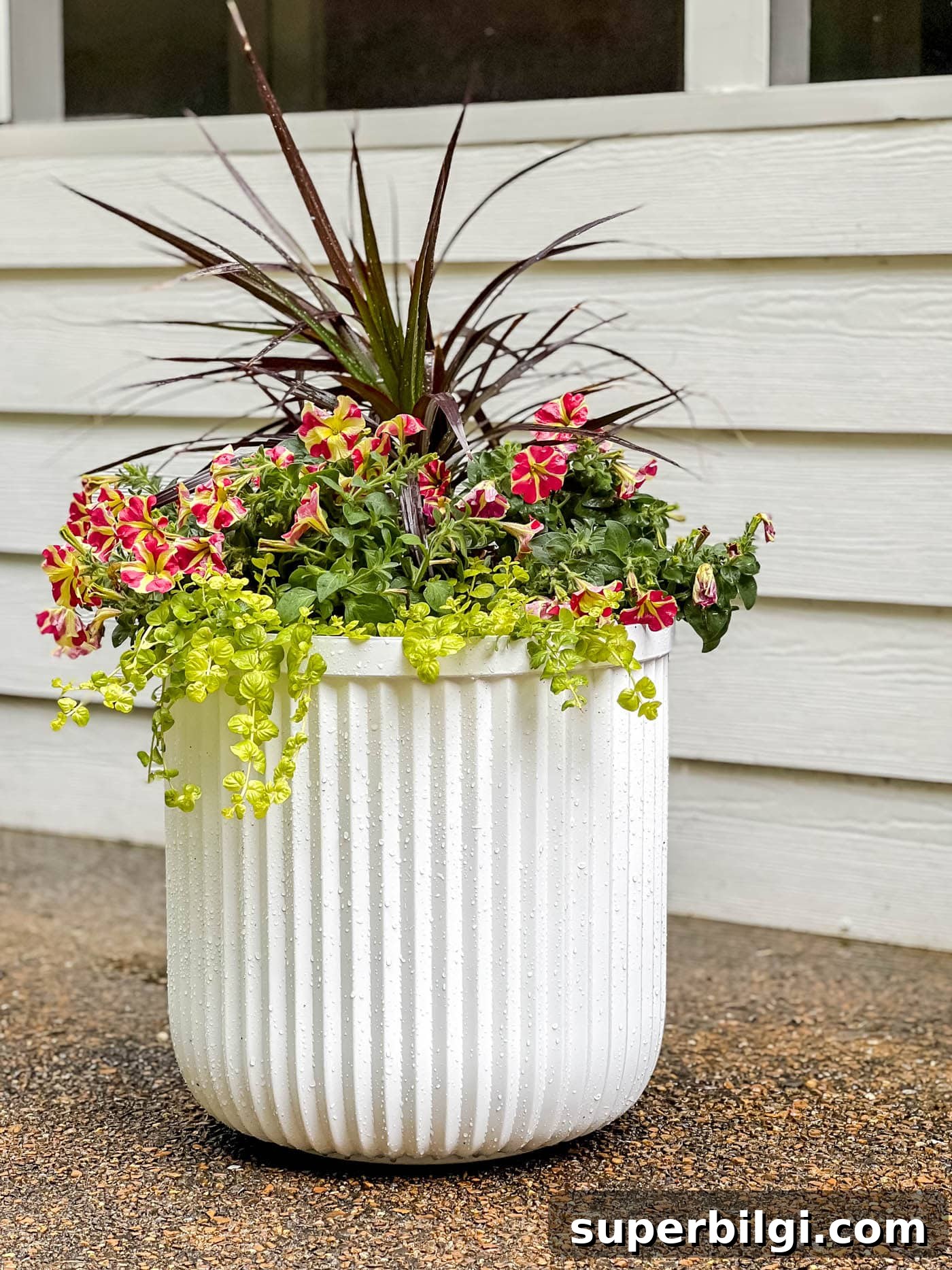
Spiller: A trailing plant that spills over the edge to soften the pot’s silhouette and add movement. Examples: creeping Jenny, sweet potato vine, ivy, or trailing lobelia.
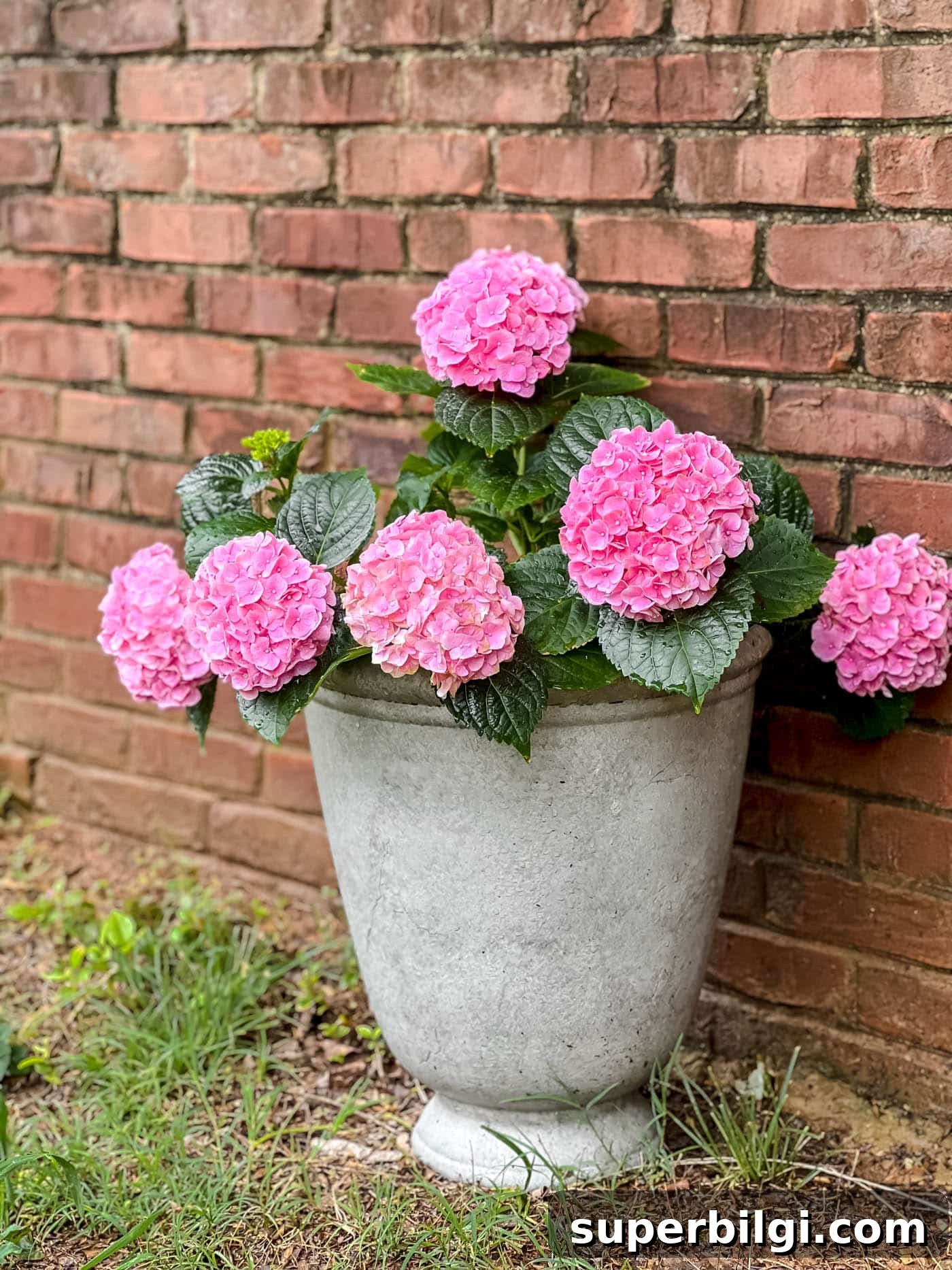
You don’t have to follow this method strictly—single-species containers or groupings of the same plant can be equally striking. The key is to consider scale, color, and growth habit when composing a container.
Choose the Best Flowers for Your Spot
Before you buy plants, observe the location where the planter will sit. Note how many hours of sun the area receives and whether it’s morning or afternoon sun. Plant choices should match the light and microclimate of the spot—full sun, part sun, or shade.
Nurseries often group plants by their light requirements, which makes it easier to pick compatible varieties for a container. If your porch is shaded, choose shade-loving plants. If the planter gets full sun, select sun-tolerant species.
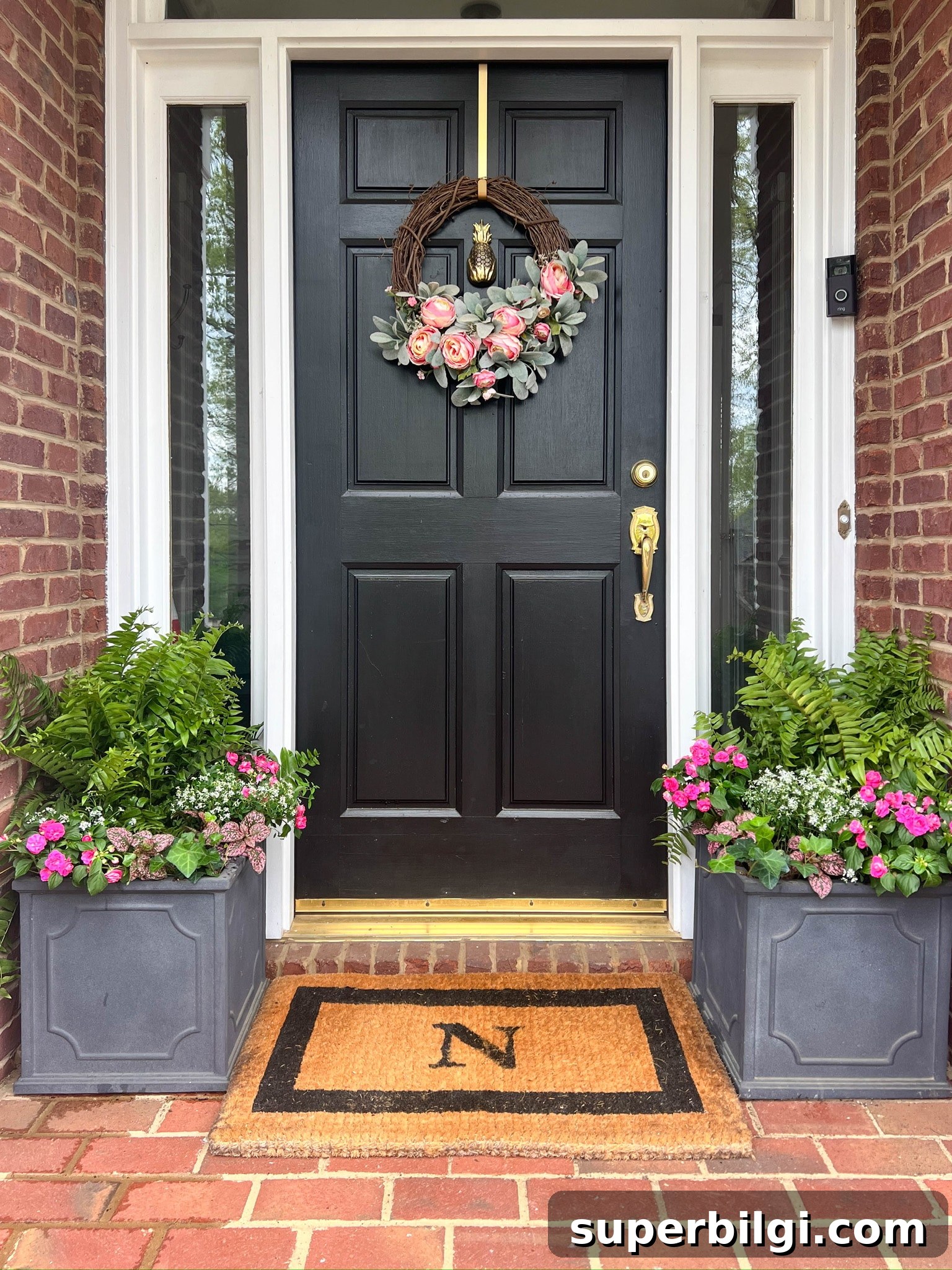
A quick tip: Boston ferns perform well on covered porches, while larger outdoor ferns like Kimberly Queen ferns are better for exposed outdoor planters. Matching plant needs to the site will save you time and trouble later.
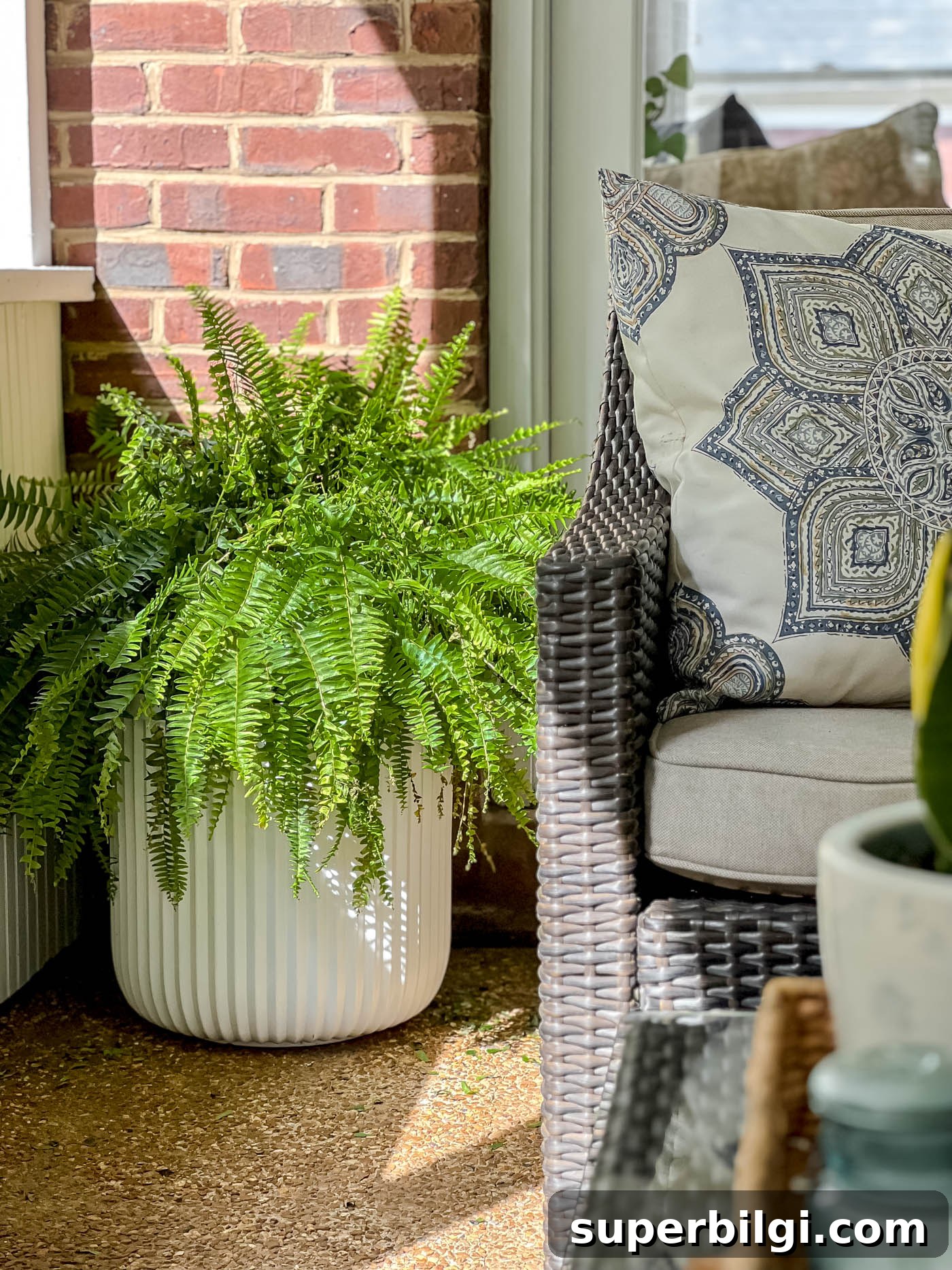
What You’ll Need
- Flowers or seeds suited to the light and climate where the planter will be kept
- Planter — a 12–16 inch diameter pot is a good starting size for mixed containers
- Potting mix — use a quality potting soil formulated for containers
- Gardening gloves to protect your hands
- Small trowel or spade for planting
- Planter filler (optional) — lightweight materials to reduce soil volume in very large pots (pool noodles, cardboard, plastic containers)
- Watering can or hose and easy access to water
How to Plant Flowers in a Container
Follow these steps to create a healthy, attractive planter that will bloom all season.
1. Choose the right pot
Pick a pot that fits the size of your plants and has drainage holes. A 12–16 inch container works well for most mixed arrangements. Good drainage prevents waterlogged roots.
2. Gather your materials
Collect your soil, plants or seeds, tools, gloves, and water source before you begin. Having everything within reach makes the process smoother.
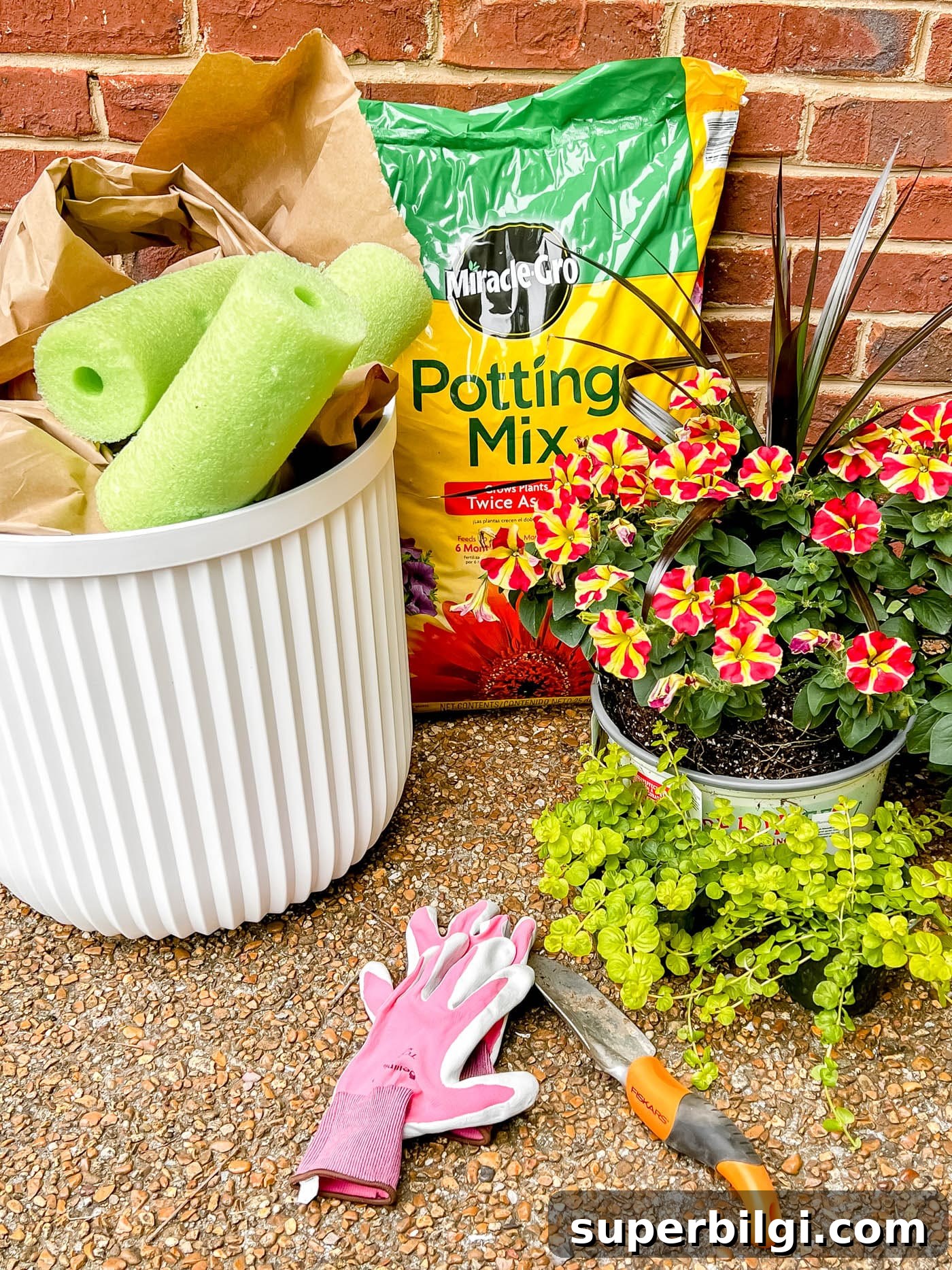
3. Prepare the pot
Fill the pot with high-quality potting soil, leaving about 2 inches of space below the rim for watering. If the container is very large and would be heavy, add lightweight filler to the bottom and then cover with potting mix.
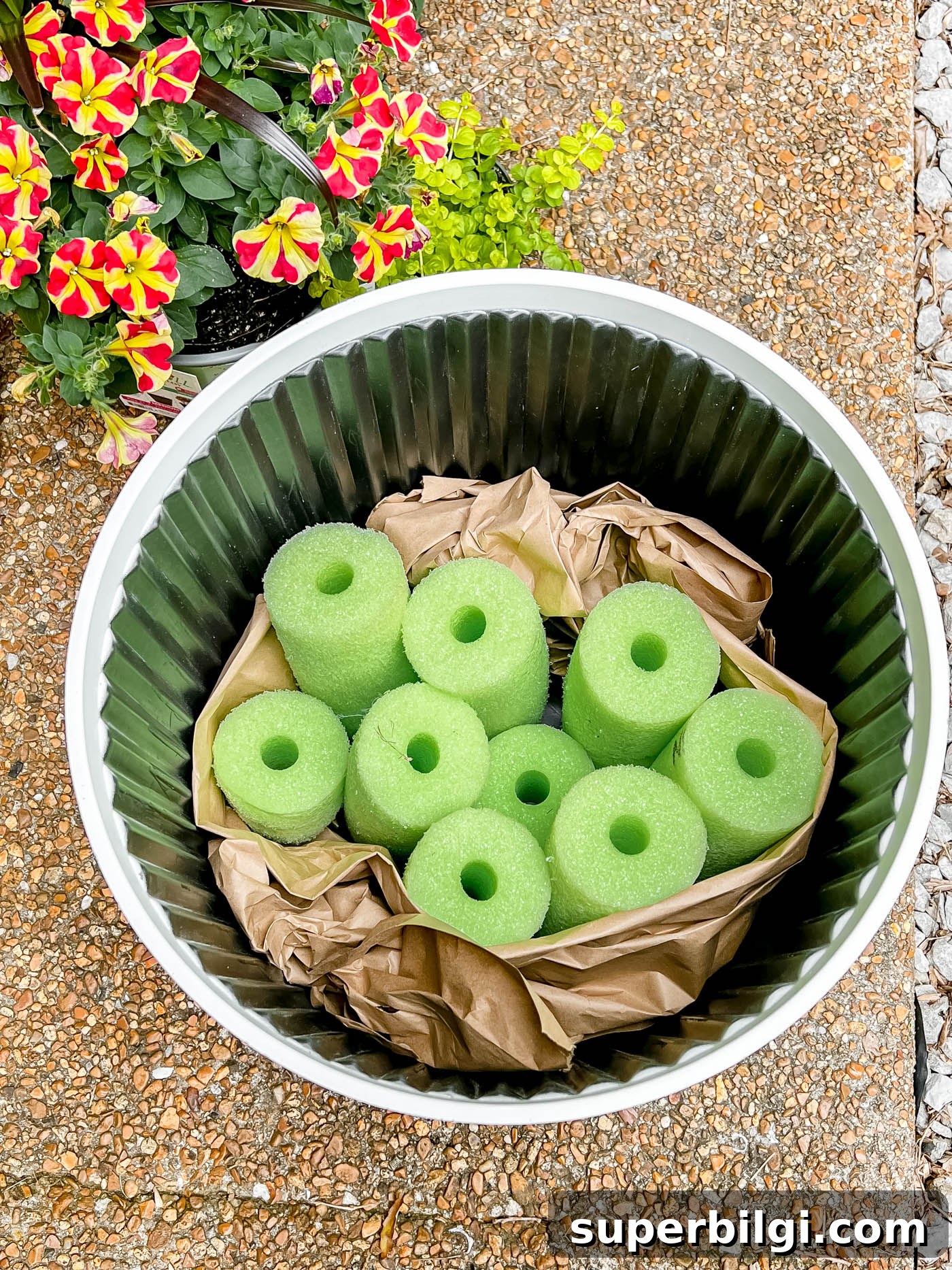
4. Dry-fit the plants
Before planting, arrange the potted plants on top of the soil to see how they will look. This lets you adjust spacing, composition, and color balance without disturbing roots.
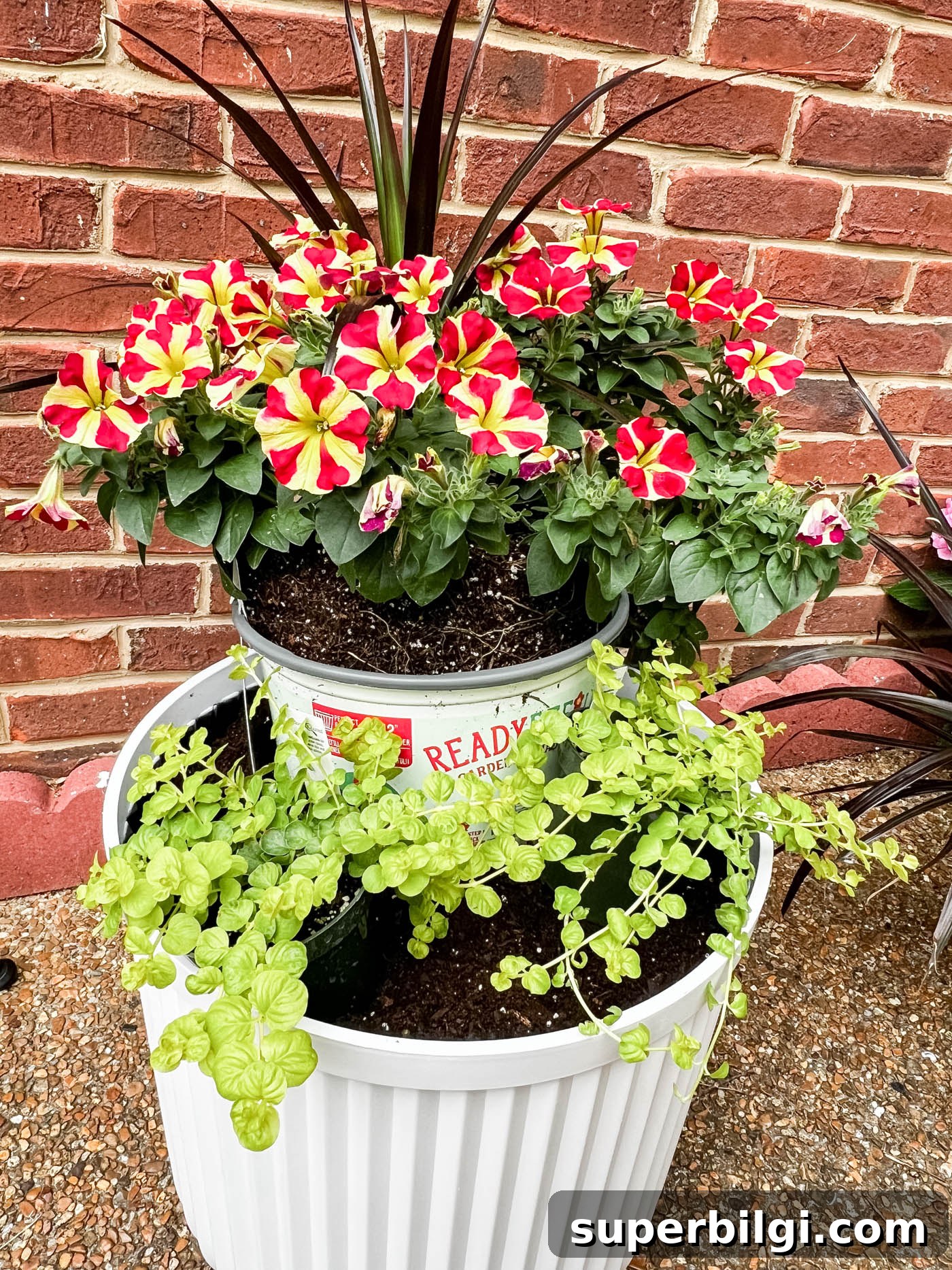
5. Prepare the plants
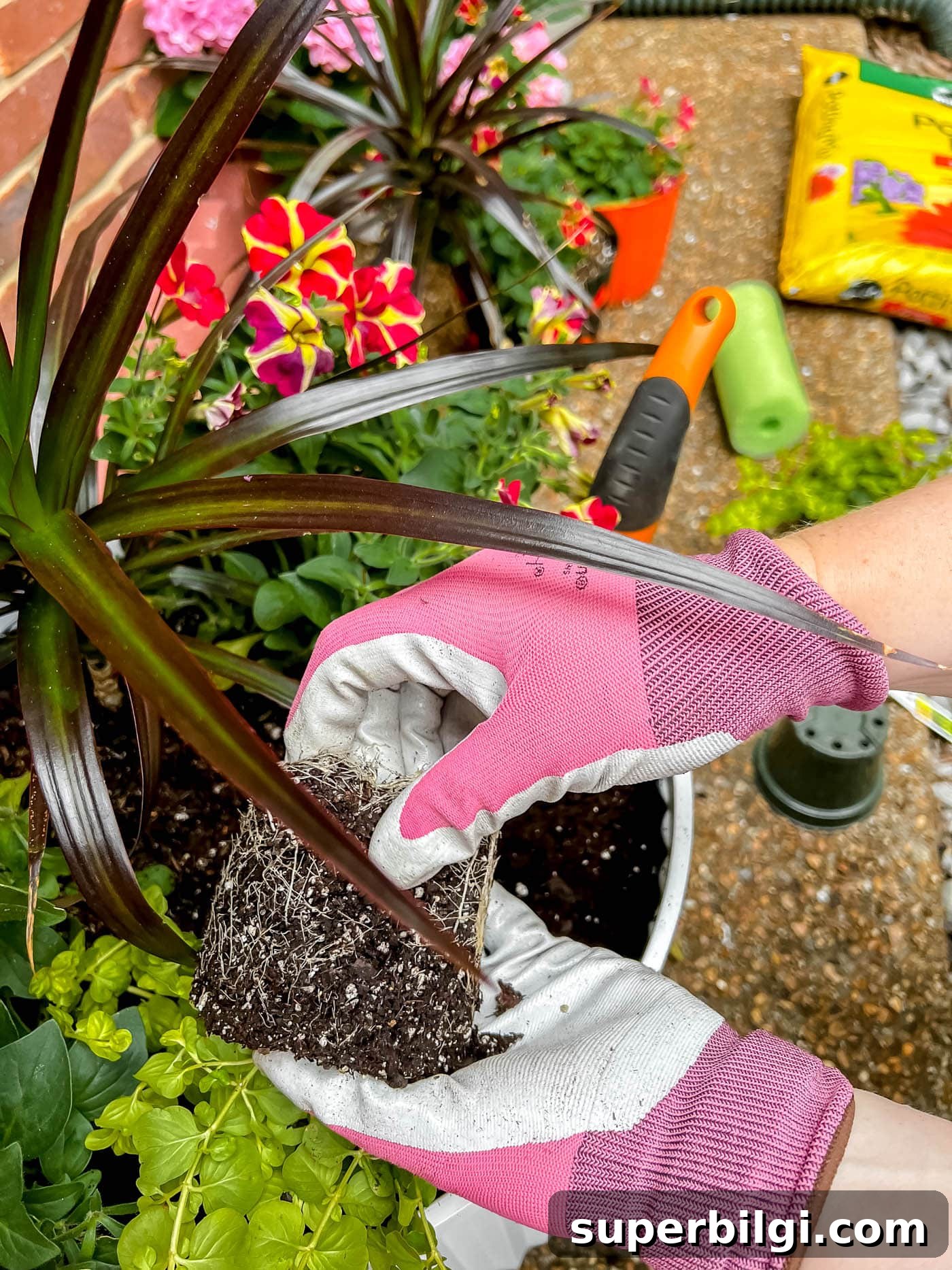
Gently remove plants from their nursery pots and loosen the root ball before planting. This helps roots spread into the new soil rather than staying bound in a circle.
6. Plant
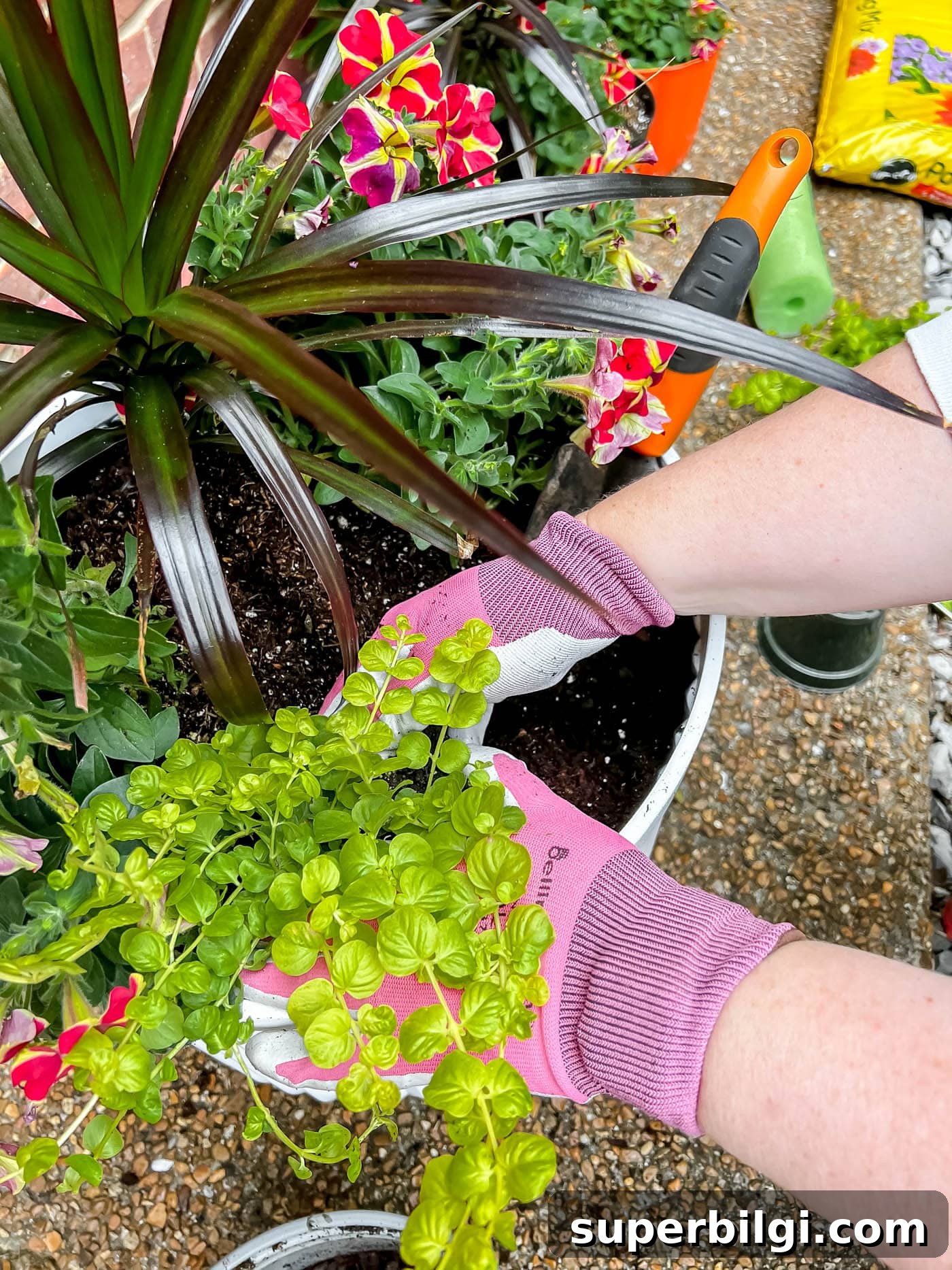
Dig holes deep enough for each root ball, set plants into place, and backfill with soil. Firm the soil gently and remove any air pockets so roots have good contact with the soil.
7. Space and repeat
When planting multiple plants, leave enough room for them to grow. Many annuals are planted a bit closer in containers than they would be in a bed, but avoid overcrowding to limit disease and competition.
8. Water thoroughly
After planting, water until you see water drain from the bottom of the pot. This settles the soil and ensures the roots receive moisture. Hanging baskets and shallow containers dry out faster and will need more frequent watering.
9. Ongoing care
Place the planter where it will receive the appropriate light. Follow care instructions for the plants you chose—this includes watering, fertilizing, pruning, and deadheading spent blooms to encourage new flowers.
10. Monitor moisture
Check soil moisture regularly by slipping a finger about an inch into the soil. If it’s dry at that depth, water. Avoid overwatering to prevent root rot; a soil moisture meter can be helpful if you’re unsure.
11. Enjoy the blooms
With a little attention, your container garden will reward you with color and texture season after season. Experiment with combinations and have fun creating seasonal looks for your porch, patio, or balcony.
Frequently Asked Questions
When should I plant flowers in pots? Usually in spring after the last frost in your zone. Check local planting dates for your climate.
How far apart should I plant flowers in a pot? Containers allow closer spacing than garden beds. If a plant’s label recommends 6 inches in a garden, you can often plant it about 3 inches apart in a container, adjusting as needed for mature size.
How many plants fit in a pot? It depends on the planter size. A useful rule of thumb: 3–4 plants in a 10–12 inch pot, 4–6 in a 14–16 inch pot, and 6–8 in a 16–20 inch container. Leave room for growth so plants aren’t overcrowded.
Favorite Planter Styles
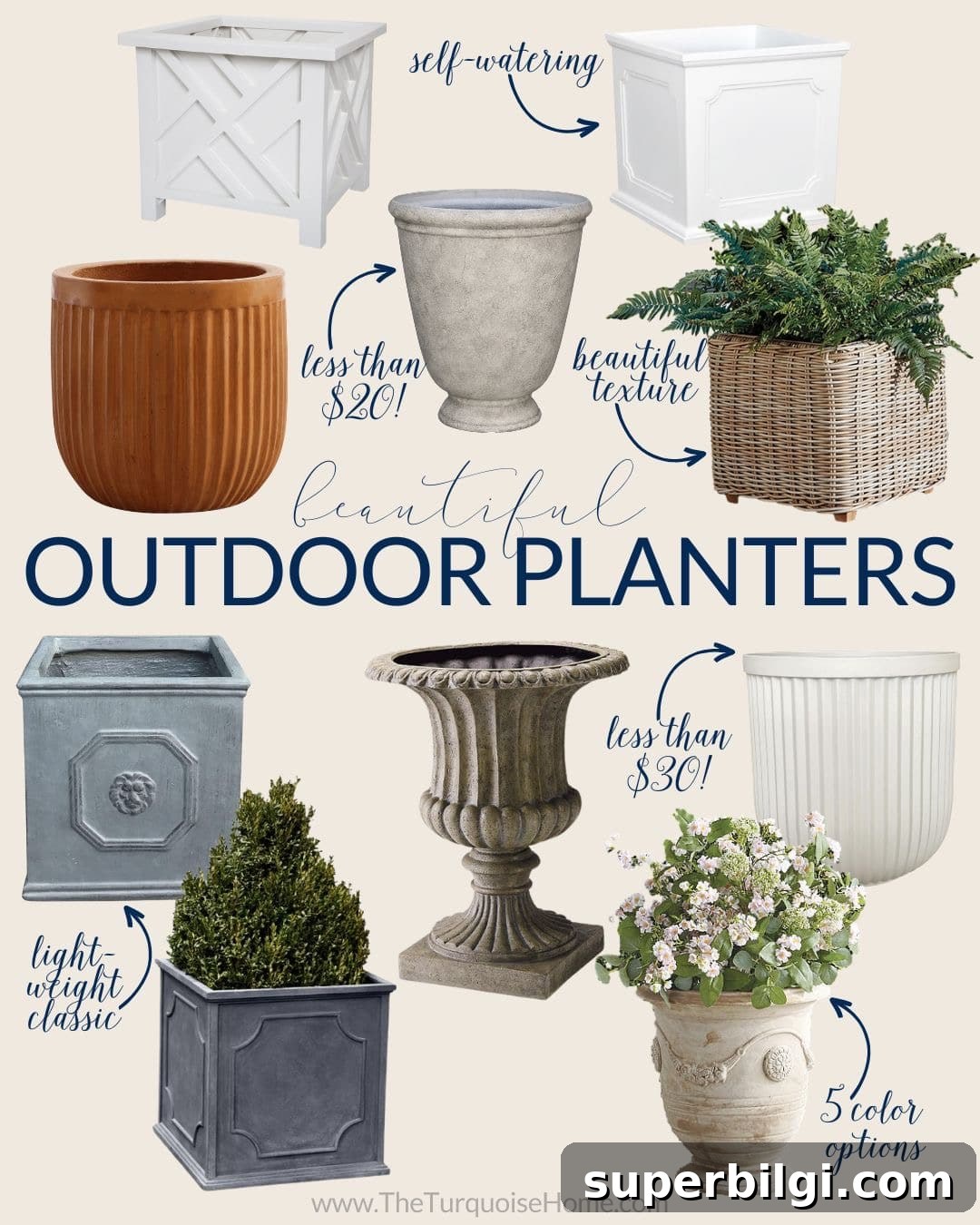
If you don’t have a local garden center, many attractive and affordable planters are available online. My favorites include fluted resin planters, faux concrete styles, woven resin planters, and classic urns—many budget-friendly options look great and hold up well outdoors.
More posts you may enjoy: Gorgeous and Functional Outdoor Living Spaces; My Haint Blue Porch Ceiling; How to Add Curb Appeal to Your Home; How to Paint a Wood Fence the Fast and Easy Way; Easy Ways to Spruce Up Your Yard.