
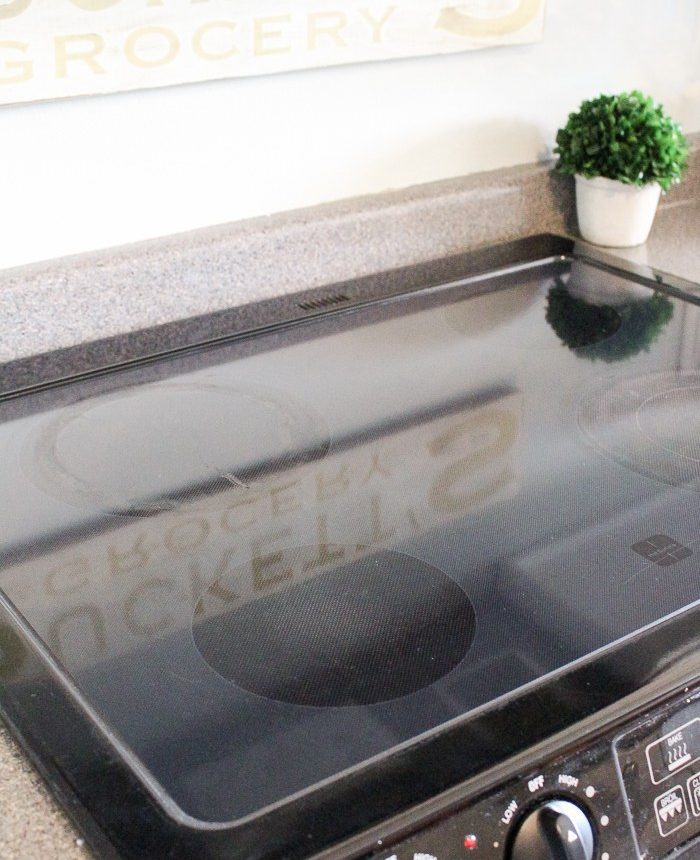
This non-toxic glass stove top cleaner uses just three simple ingredients you likely already have at home. It won’t fill your kitchen with harsh fumes, and it cleans baked-on spills and grease to restore a sparkling cooktop.
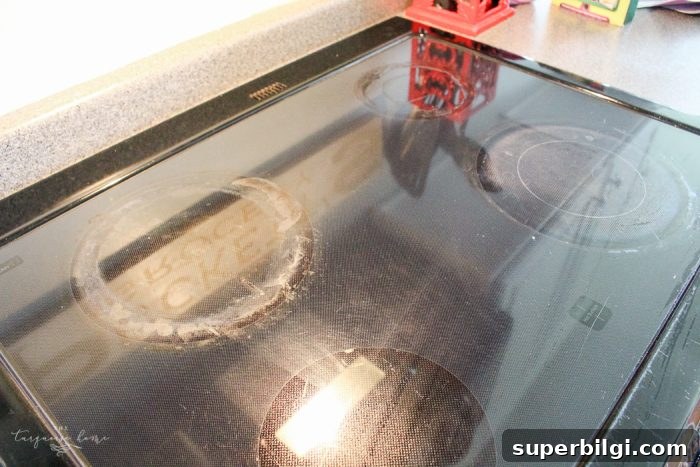
I keep a few staple cleaning items that make household chores easier, and a simple baking soda paste is one of my go-tos for sinks, tubs, and stove tops. My glass cooktop tends to collect boiled-over water and splatters when I’m making mashed potatoes or simmering sauces, and those cooked-on spots are stubborn if left alone. This gentle, effective homemade cleaner loosens grime so you can wipe it away without toxic chemicals.
Be prepared: for extremely baked-on messes you may still need a razor scraper carefully, but most everyday spills come away easily with this method.
How to Clean Your Glass Stove Top (Step-by-Step)
If you have about 10–15 minutes and a little elbow grease, follow these steps for a streak-free finish.
Step 1: Cool Down and Prepare
Turn off the stove and wait until the surface is completely cool. Remove loose crumbs or debris with a damp cloth or the crevice tool on your vacuum. Working on a cool surface prevents damage and keeps the cleaner from evaporating too quickly.
Step 2: Apply the Cleaner
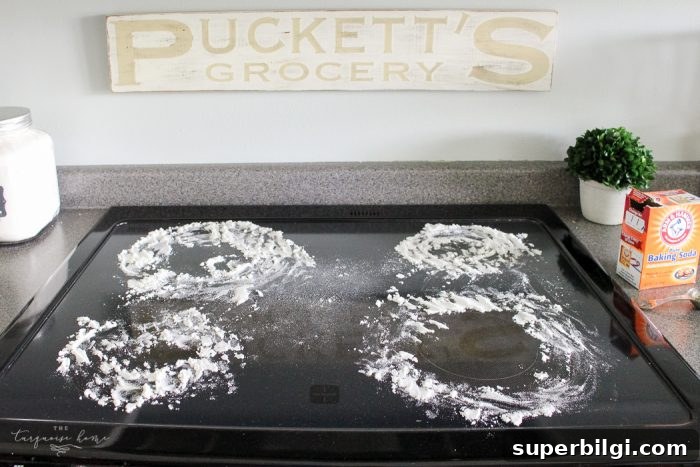
Spread the baking soda paste over stained or greasy areas. For tougher stains, apply a generous layer and let it sit for 5–15 minutes to soften the residue.
Step 3: Gently Scrub
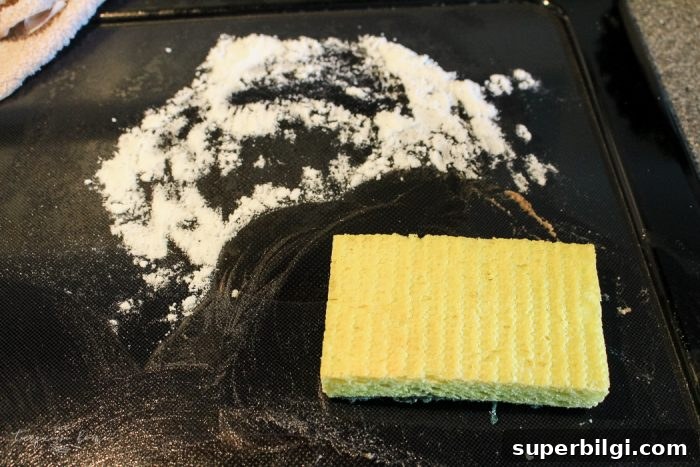
Use a soft, non-abrasive sponge or a microfiber cloth and scrub in circular motions. Avoid steel wool or harsh scouring pads that can scratch the glass. An old toothbrush is useful for cleaning around burner edges and tight crevices.
Step 4: Remove Residue
Wipe away the paste and loosened grime with a damp microfiber cloth, rinsing the cloth as needed. Repeat if any stubborn spots remain.
Step 5: Buff to Shine
Finish by drying and buffing the surface with a clean, dry microfiber cloth to eliminate streaks and restore shine.
DIY Glass Stove Top Cleaner
This gentle, eco-friendly recipe uses common household items and is safe for glass cooktops when used properly.
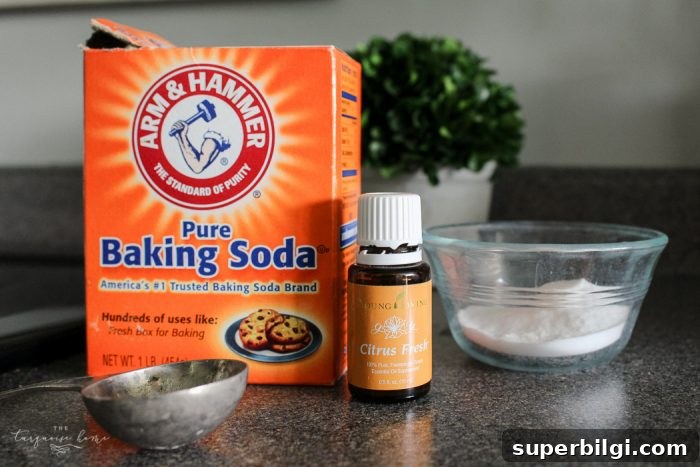
Ingredients:
- 3 tablespoons baking soda
- 10–15 drops citrus essential oil (optional — a natural degreaser and pleasant scent)
- 1–2 tablespoons water
- White vinegar in a spray bottle
Directions:
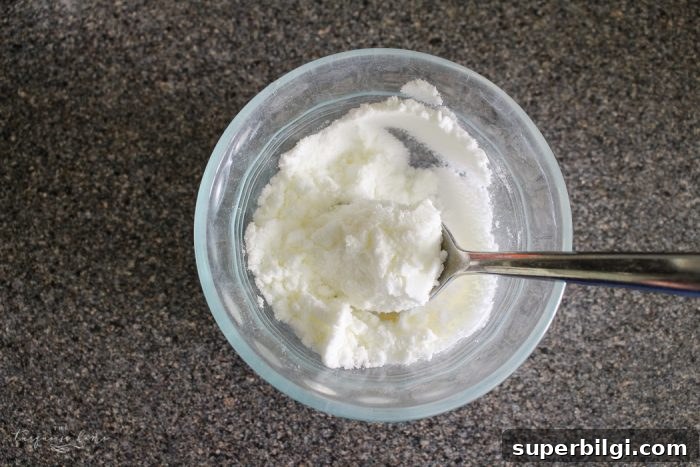
- In a small glass jar or bowl, mix the baking soda with water a little at a time until you have a smooth paste. Stir in the essential oil drops if using.
- Apply a thin layer of the paste to stains and greasy spots on the cooktop.
- Spray white vinegar over the paste—this will foam and help lift grime.
- Let the fizz work for 5–15 minutes, depending on how baked-on the residue is.
- Gently scrub with a soft cloth or non-abrasive pad, then wipe away residue with a damp microfiber cloth.
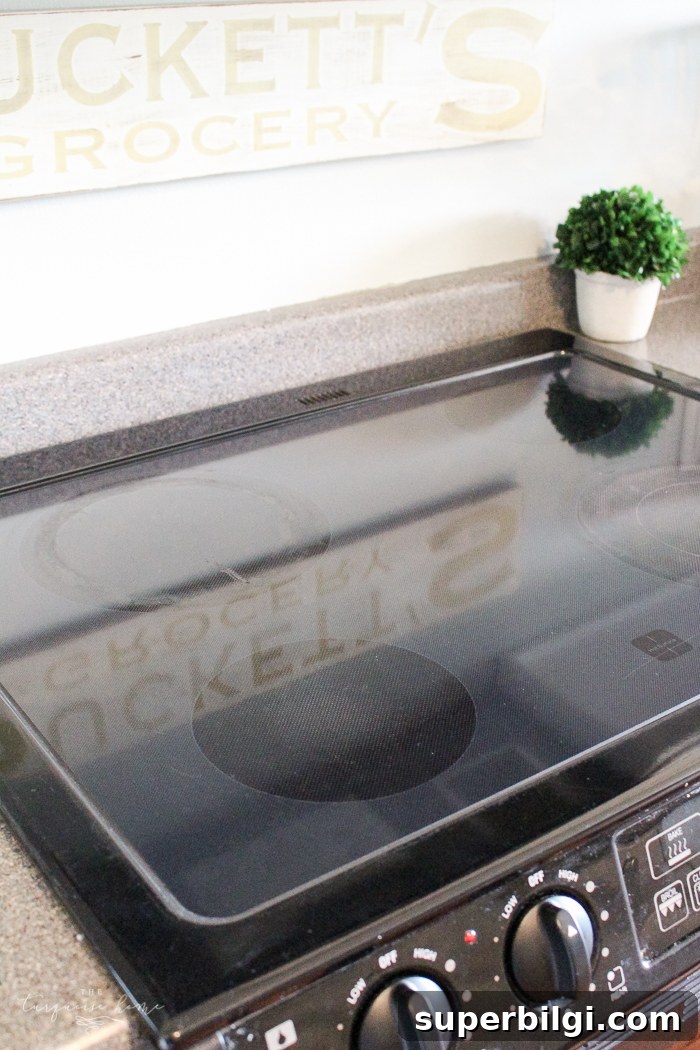
- Dry and buff the surface with a clean microfiber cloth for a streak-free finish.
The citrus essential oil is optional but helpful: it adds a pleasant aroma and offers natural degreasing power. The baking soda acts as a mild abrasive to lift residue without scratching, and the vinegar helps break down stubborn spots.
For particularly persistent, carbonized stains you can carefully use a razor scraper designed for glass cooktops. Hold the blade at a low angle and work gently to avoid scratching. Always make sure the surface is cool before scraping.
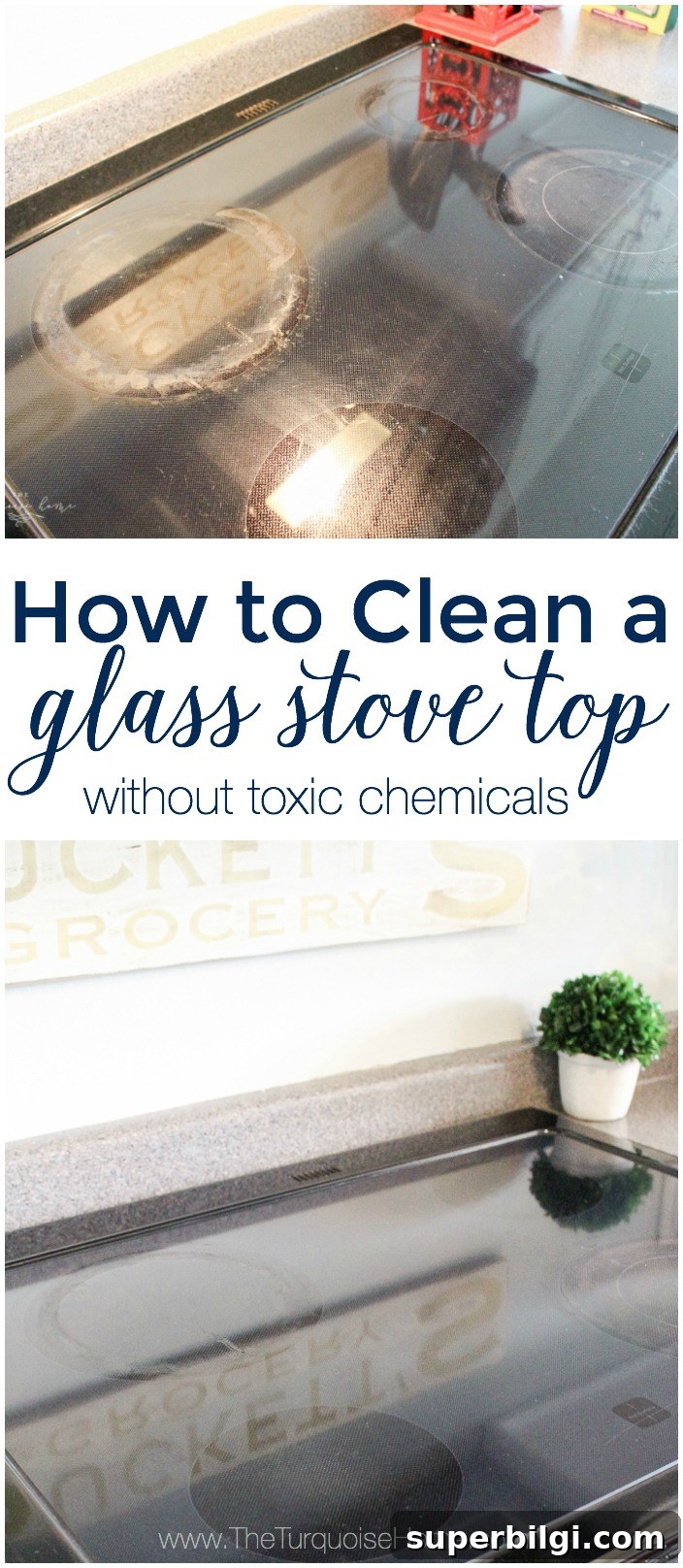
In my experience, this method removes most rings and baked-on messes. Sometimes a faint trace remains where a spill was very old, but the overall improvement is dramatic and the finish looks new again.
Tips and precautions:
- Always let the cooktop cool before cleaning.
- Avoid abrasive scouring pads and household cleaners containing bleach or ammonia.
- Test any cleaner on a small inconspicuous area first.
- If you use a razor scraper, proceed very carefully and follow the manufacturer’s instructions for your cooktop model.
Enjoy your refreshed, streak-free glass stove top!
Other posts you might like:
- Homemade Lavender Bath Salts
- DIY Bath Bombs + Printable Gift Tag
- DIY Lemon Sugar Scrub + Free Printable Labels
- Top Gifts for the Essential Oil Lover
- Spring Cleaning Checklist (Free Printable)