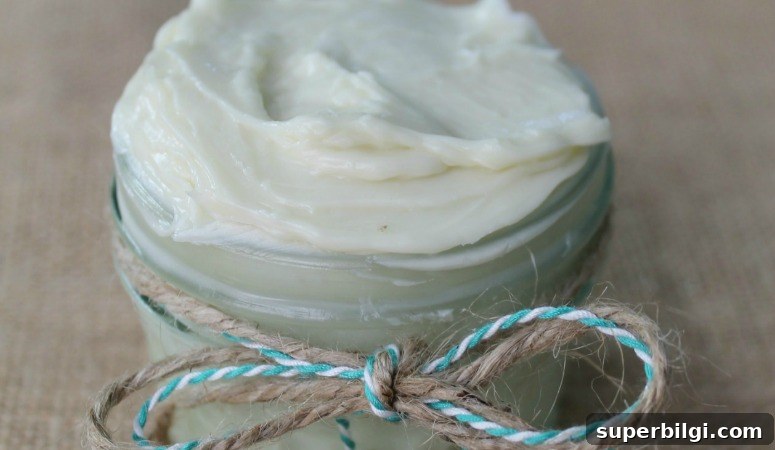
Learn how to make a simple, all-natural homemade body butter with just a few ingredients and a little time—your skin will thank you.
I’ve wanted to share this homemade body butter recipe for a long time. I’ve never been a big lotion person—I don’t like heavy, sticky, or greasy lotions—but winter changes everything. My skin gets extremely dry in cold months and my hands have even cracked and bled in past winters. Over the years I’ve tried many lotions and balms, and while some helped, none compared to this all-natural body butter.
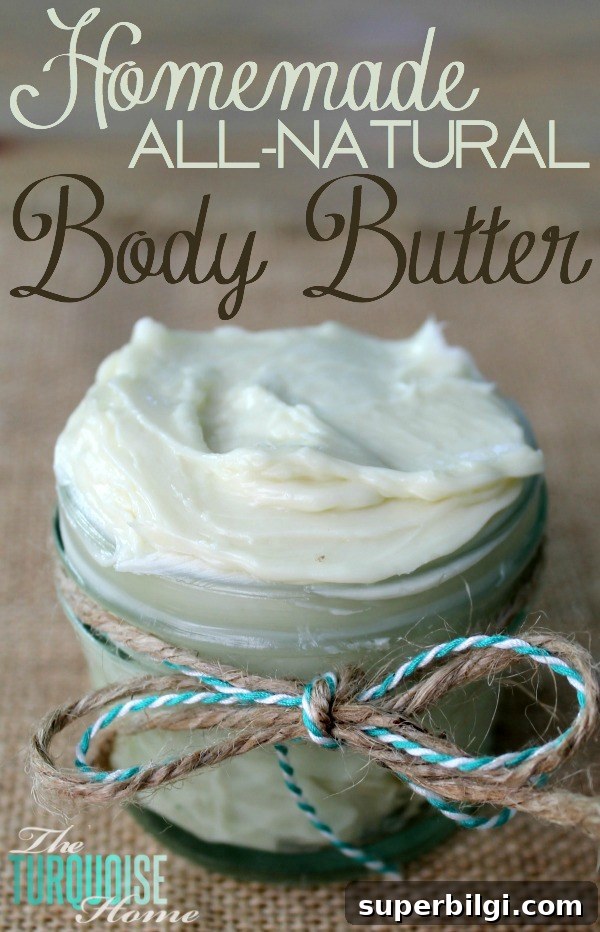
One of the best things about this recipe is how gentle it is—perfect for the whole family. I use a lavender-scented batch on my children after bath time; it calms them and helps them sleep. My husband uses it nightly on his hands, too. It’s very economical: a little goes a long way, and a jar can last many months depending on use.
Ingredients for Homemade All-Natural Body Butter Recipe
- 1 cup organic shea butter
- 1/2 cup coconut oil
- 1/2 cup almond oil or jojoba oil (both work; I prefer almond oil)
- About 30 drops of your preferred essential oil (adjust to taste)
Notes on ingredients: choose unrefined, organic shea butter when possible for maximum nourishment. Coconut oil adds smoothness and a pleasant texture, while almond or jojoba oil provides lightweight moisture and skin-conditioning fatty acids. Use high-quality essential oils if you want fragrance or aromatherapy benefits; start with 30 drops and add more to suit your preference.
How to Make All-Natural Body Butter
1. Melt the shea butter and coconut oil
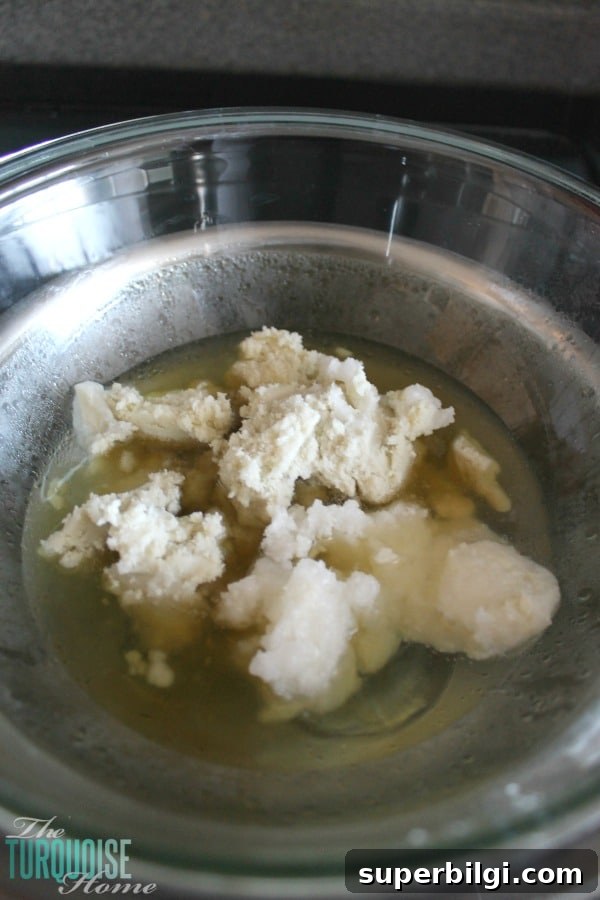
Combine the shea butter and coconut oil in a double boiler or a makeshift double boiler and heat gently until fully melted. Stir occasionally to blend the oils together completely.
2. Cool briefly
Remove the melted oils from heat and let them cool for 30–40 minutes. The mixture should still be slightly warm and pourable but beginning to thicken.
3. Add carrier oil and essential oils
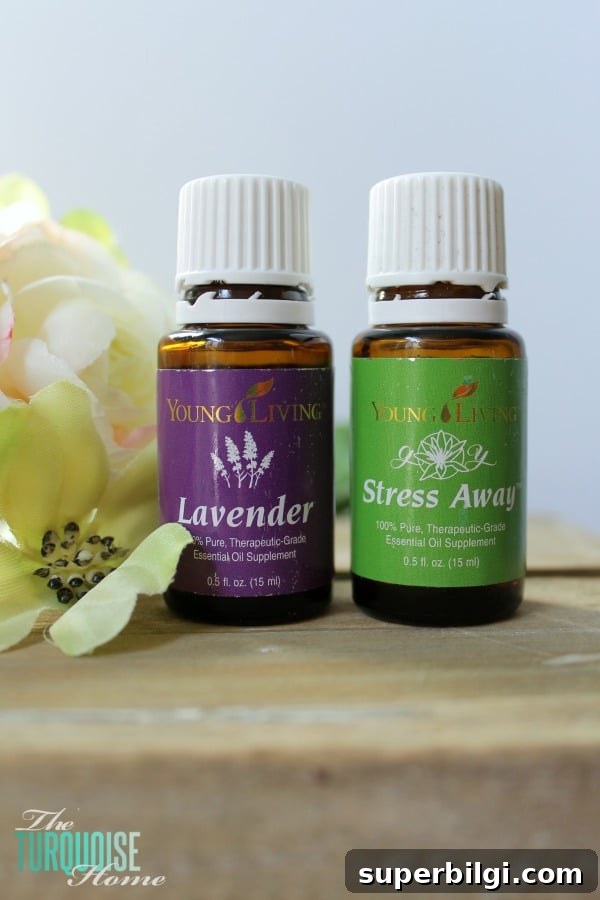
Stir in the almond or jojoba oil and then add your essential oils. Start with roughly 30 drops in total, then adjust to your scent preference. If you want two different scents, you can split the batch before adding oils.
4. Chill until semi-solid
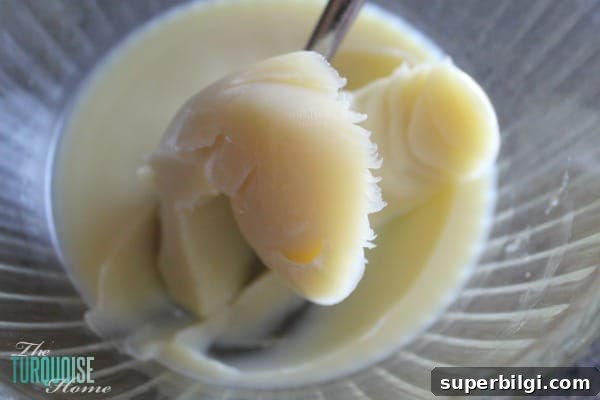
Place the bowl in the freezer for 20–30 minutes. You want the mixture to be fairly solid but not rock hard—if it becomes completely solid, let it sit at room temperature a few minutes before whipping.
5. Whip to a fluffy consistency
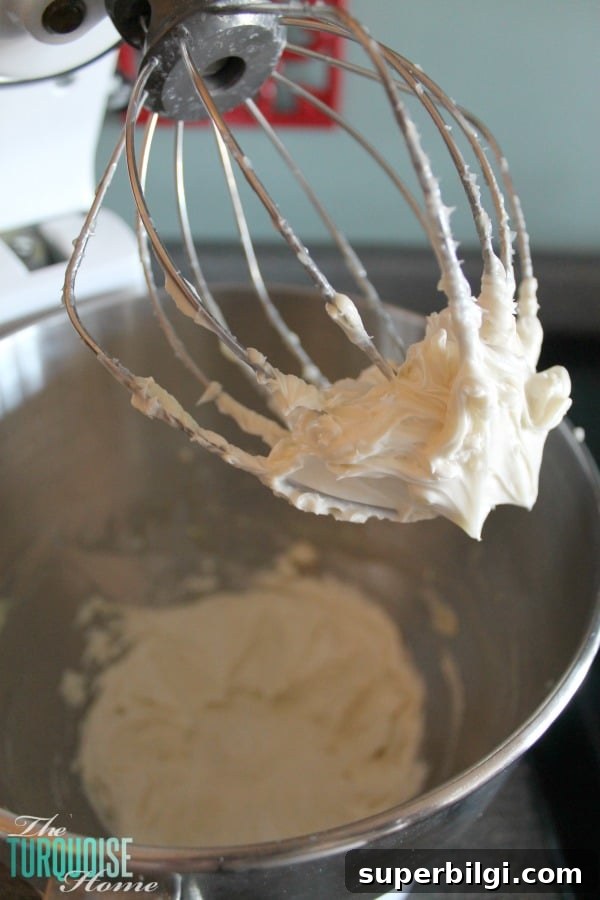
Use a stand mixer or hand mixer to whip the semi-solid mixture for 5–8 minutes until it resembles whipped butter. Scrape the bowl occasionally to ensure everything is evenly incorporated and light and fluffy.
6. Store and enjoy
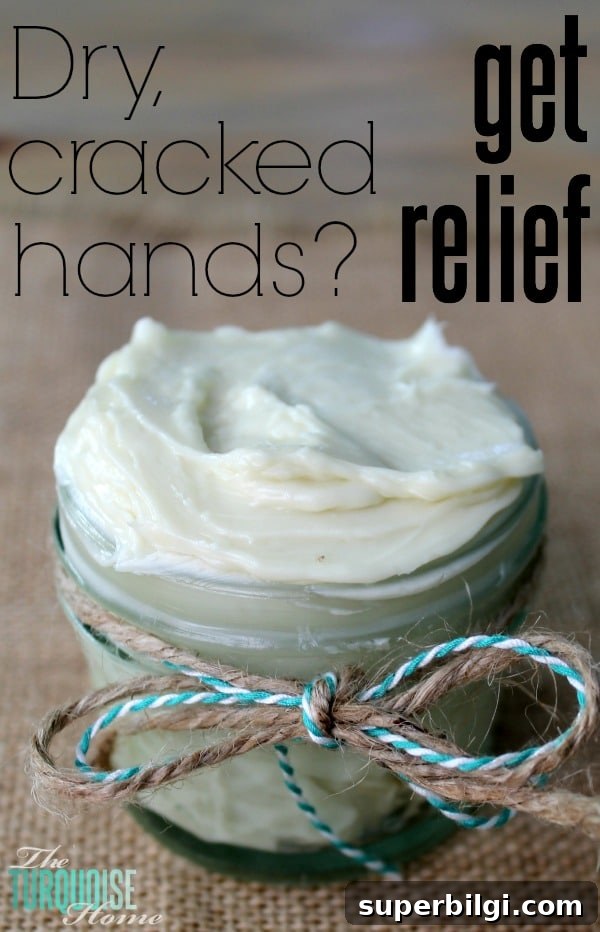
Spoon the whipped body butter into clean glass or plastic jars. I prefer glass jars, but any tight-sealing container works. Store in a cool, dry place. The butter will stay solid at room temperature but melts quickly when applied to warm skin.
Apply a small amount to dry areas—hands, elbows, feet, or anywhere that needs extra hydration. A little goes a long way, and the texture absorbs nicely without feeling greasy.
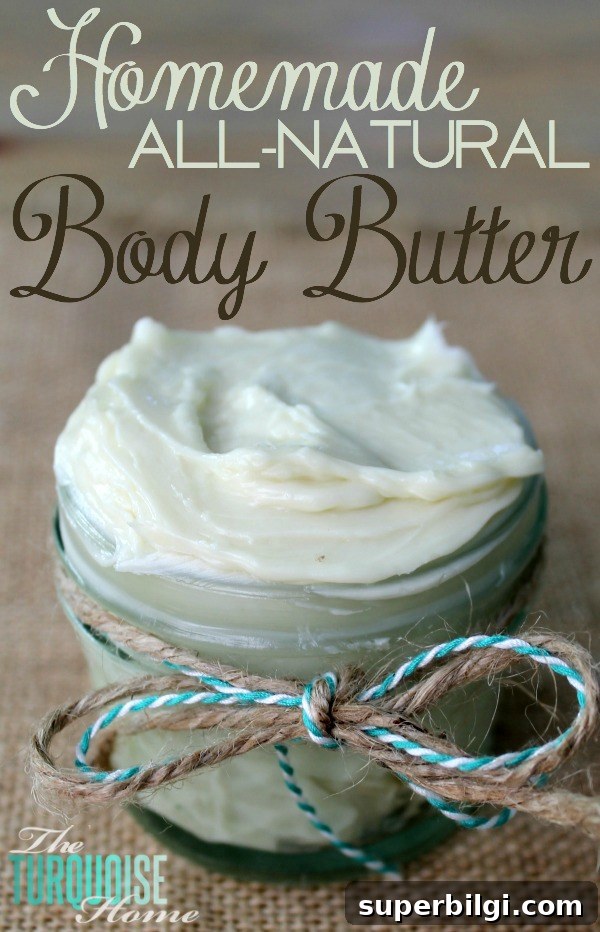
This simple, natural body butter replenishes skin with nourishing oils rather than synthetic chemicals. It’s excellent for winter dryness and gentle enough to use on children when you choose skin-safe essential oils.
Tips and safety: always patch-test a small amount on sensitive skin before widespread use. If you use essential oils on children or pregnant individuals, research safe oils and dilutions. Store jars out of direct heat and sunlight. With a few simple ingredients and a bit of time, you’ll have a rich, all-natural moisturizer that keeps skin soft and healthy for months.
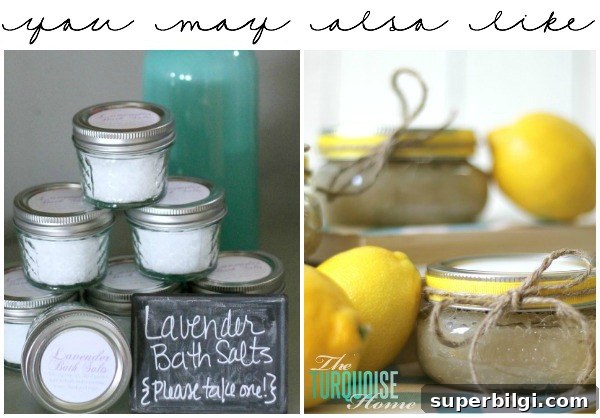
Related DIY ideas: Lavender bath salts, lemon sugar scrub, homemade foaming hand soap (recipes you can adapt to create a more natural home care routine).
Disclaimer: This reflects personal experience with essential oils and homemade skincare. It is not medical advice. Consult a healthcare professional for medical concerns and research essential oil safety for your situation.