Welcome to the 30 Days to Less of a Hot Mess Challenge! We’re decluttering, reorganizing, and taking a breath of fresh air to create a home we love. If this is your first time with the challenge, start at the beginning of the series to follow along step by step.
**************************************************************
How to Organize Your Day
I won’t sugarcoat it—I’m a bit of a hot mess when it comes to juggling daily responsibilities. Most of the time that’s because I’ve said yes to too many things. One habit that consistently keeps me sane is using a daily paper planner. For me, a physical planner ties everything together: appointments, to-dos, meal plans, routines, and little reminders that keep our household running smoothly.
While there are countless digital planners and calendar apps, I firmly believe that the core of an organized day is a paper planner. If you prefer digital tools, that’s great—use what works for you. For my own system, I use a paper planner for the big-picture daily flow and set a few crucial reminders on my phone calendar for time-sensitive alerts.
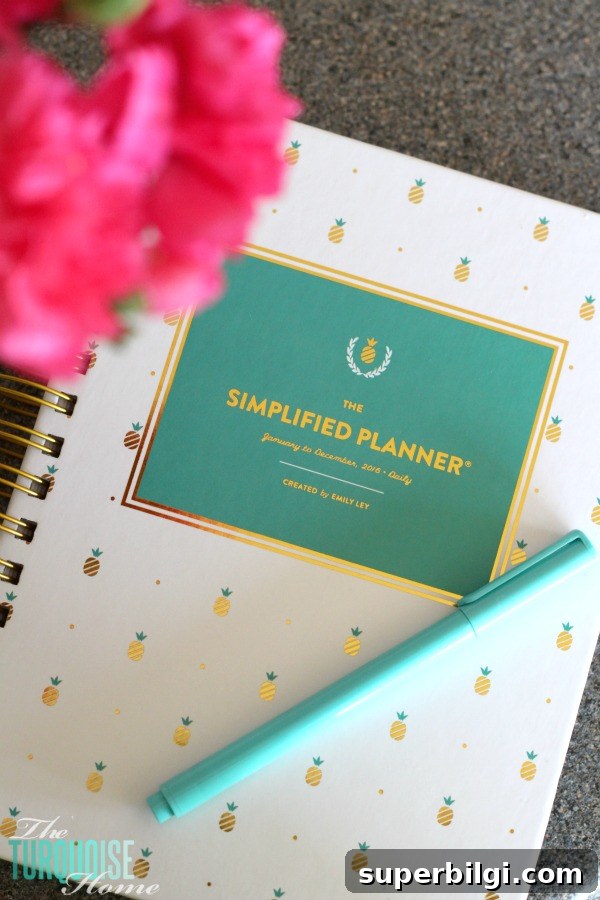
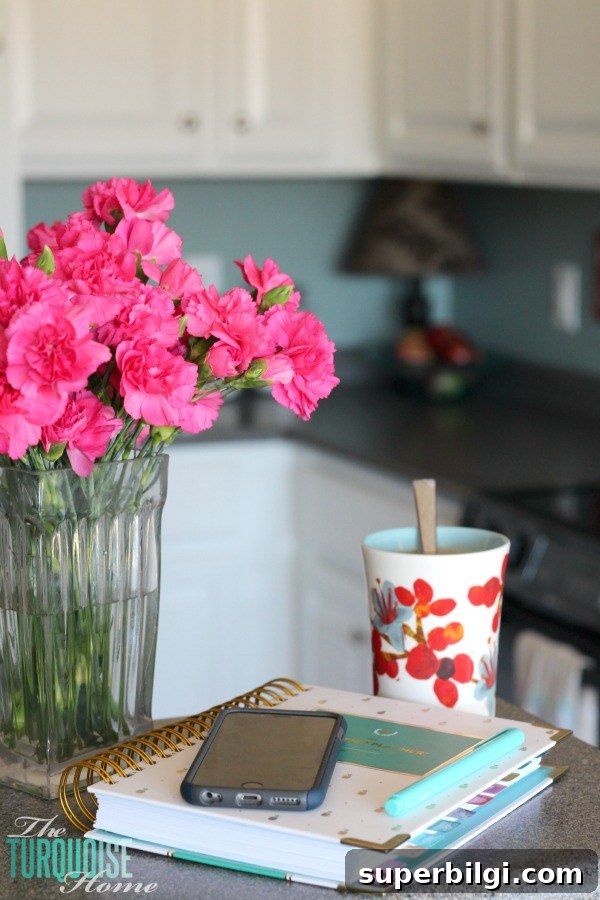
I use a simple, straightforward planner—one that isn’t overloaded with complexity. That simplicity helps me stick with it. I keep my planner open and visible: at my desk when I work, or on the kitchen counter when I’m at home. Keeping it within view reminds me to check and update it throughout the day.
Want to Save This?
If you want to keep a printable snapshot or a quick reminder of these ideas, save the article or jot down the key points in your planner. Having a saved copy makes it easy to revisit habits and tweaks as you improve your routine.
RELATED: My Favorite Daily Planner to Keep You Organized
My biggest tip for using a planner is simple: commit to it. Write everything down and check it every morning, throughout the day, and again each night. Use it actively. There’s something cathartic about checking items off with a pen or pencil, and seeing your day on paper makes priorities clearer.
Here’s how I use my planner every day:
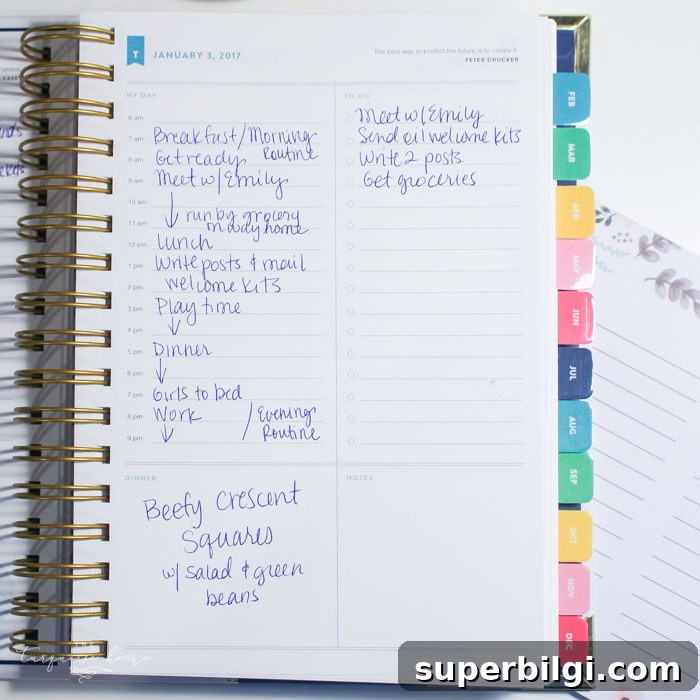
- I write down my to-dos in the right-hand column so nothing gets forgotten.
- I use time-blocking: I map out everything for the day on the left-hand schedule, including preparing meals, caring for my children, and my morning and evening routines.
- I fit extra to-dos into available slots as the day progresses. When I finish one task, I look to the next item on my list. I also deliberately schedule downtime and playtime—this is crucial when caring for young kids. Even when the day doesn’t go exactly as planned, I get much more done when I follow this system.
On a business note: I track daily tasks in my personal planner and keep a separate paper planner for business and blogging details, like post ideas, titles, and content schedules. Separating general daily life from work-specific planning helps me stay focused and organized.
One of my favorite benefits of a paper planner is being able to flip back to the same week last year and see what we did then. Those past notes act as a built-in memory: events that repeat annually, seasonal tasks, or preparation timelines become obvious when you have a written record. For example, knowing roughly when to begin Christmas planning or when a yearly activity takes place helps me prepare in advance rather than scrambling at the last minute.
Examples that come up year after year: a local vacation Bible school during a particular week in June, a couple of birthday parties each December, or the need to begin vacation planning months ahead. Having those notes on paper makes yearly planning clearer and easier to act on.
Weekly Tips for Keeping Your Life Organized
These straightforward weekly habits have made a noticeable difference in how smoothly our household runs. Implementing them gradually can help you win at daily life, too.
- Every Sunday evening, review the week ahead. What tasks can you complete early? Do you need to arrange child care for an upcoming event or order a gift? Planning ahead reduces last-minute stress.
- Plan your meals for the week on Sunday night (or on a day that works for you). If your town offers grocery pickup, use it to save time. Plan your meals, place the grocery order, then pick up or receive that order at a convenient time.
- Establish three simple habits each morning and each evening to keep momentum. Three is manageable for most people; adjust if you can do more without feeling overwhelmed. Here are examples that work for me:
- Evening routines:
- Quick pick-up of clutter
- Load and run the dishwasher
- Check the planner and jot a to-do list for tomorrow
- Morning routines:
- Prayer or a short devotional
- Unload the dishwasher
- Plan dinner and pull any frozen ingredients needed
- Evening routines:
Keep it simple and on paper. Over time you’ll get better at using your planner and your routines will become easier to maintain. If it doesn’t work perfectly at first, keep at it—consistency pays off.
The Messy Work: Write down three morning tasks and three evening tasks that will keep your home running. Choose a paper planner and decide which day you will plan your meals each week. Commit to checking your planner daily.
Tomorrow we’ll talk about putting together an organized home binder—practical tools to centralize important documents and routines. See you then!
In the mess with you, Laura
More Posts You Will Love:
- The 10 Easiest Family Command Centers to Get Organized
- How to Declutter Your Home in 5 Simple Steps
- The BEST Holiday Planner Printable Binder
- How To Organize Your Home in 4 Simple Steps
- 10+ Stylish Dog Crate Furniture Ideas