
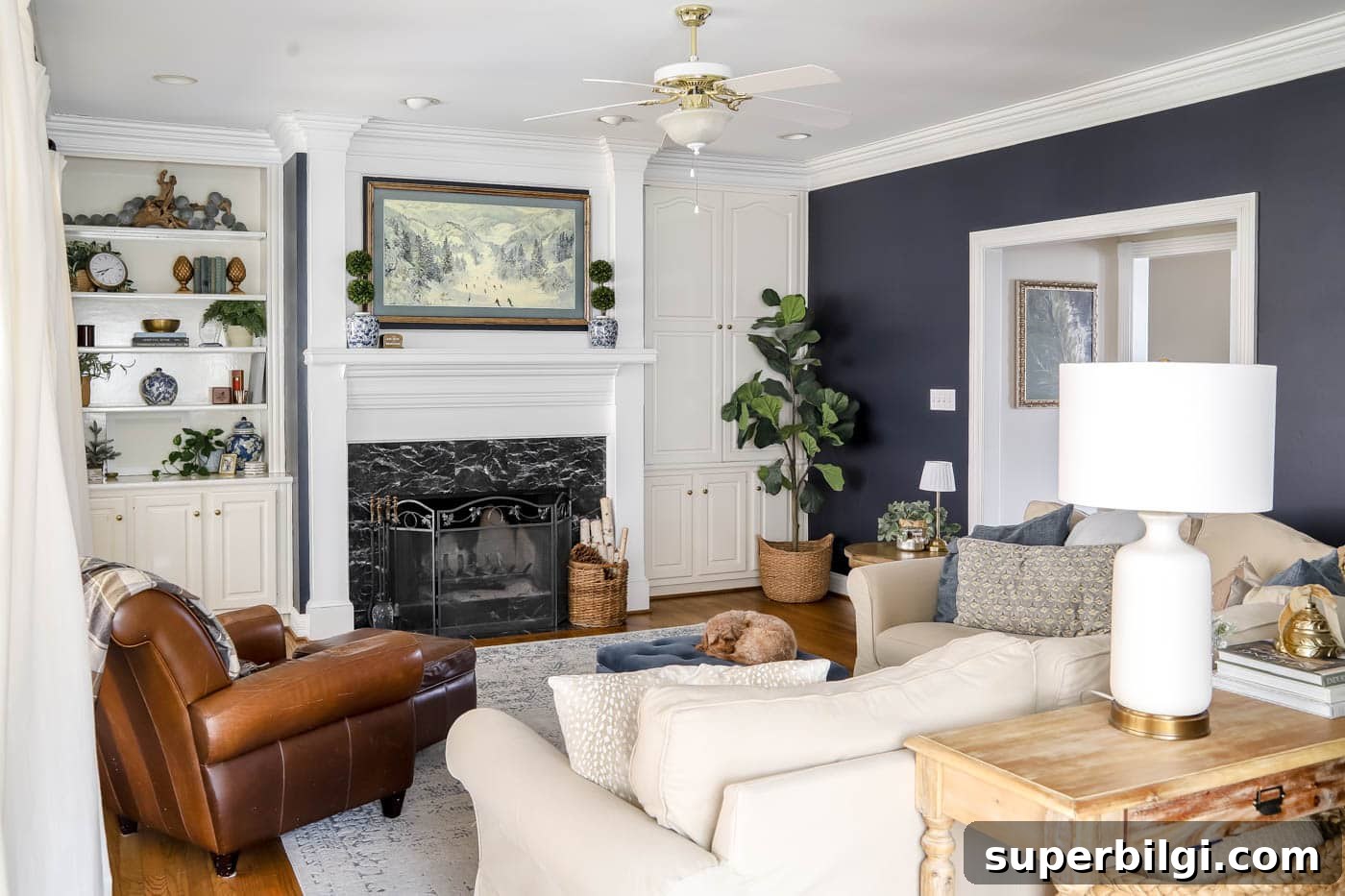
For a long time I believed a “finished” room was the same as success: painted walls, styled shelves, and a before-and-after photo ready for Instagram. But after years of raising kids, living in the space, and noticing what actually endures in a home, my priorities changed. I no longer chase perfectly completed rooms; I’m after spaces that feel beautiful and meaningful over time.
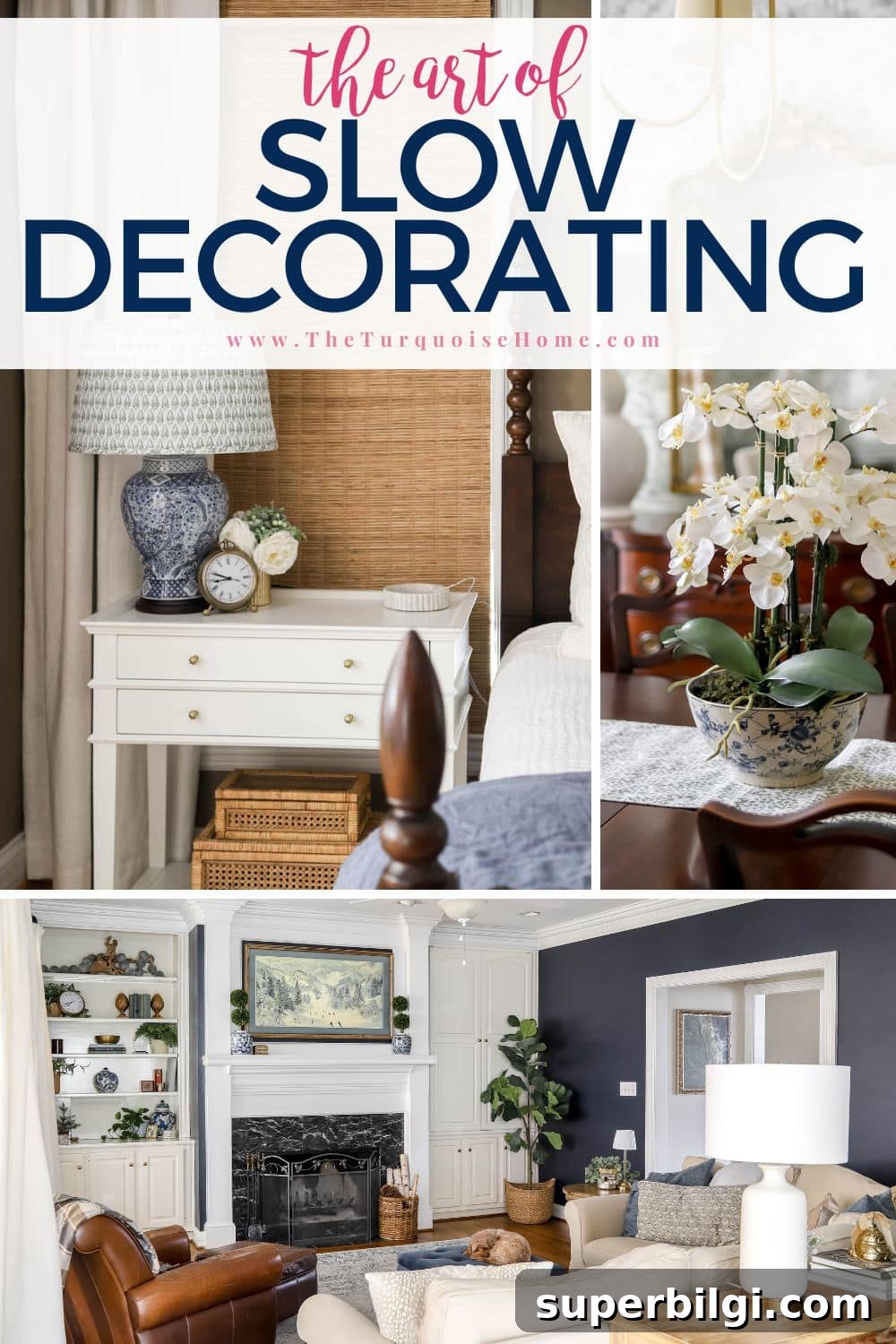
That change brought me to slow decorating — a gentler, more intentional approach that has quietly transformed how I treat our home. I still prefer to tackle one space at a time because finishing a room matters, but I no longer rush the process. Sometimes a room takes a year, sometimes five. The pace feels right when the result is lasting and true to how we live.
This post contains affiliate links for your convenience. See my full disclosure policy.
What Is Slow Decorating?
Slow decorating is exactly what it sounds like: decorating slowly, with purpose, and over time. Instead of filling every corner at once with whatever is trendy or available at the store, slow decorating favors careful choices, collected pieces, and a layered, storied look that grows with your life.
It’s about giving rooms room to breathe and evolve as family needs, routines, and tastes change. Instead of impulse buys that may be discarded later, slow decorating encourages thoughtful decisions that prioritize comfort, functionality, and longevity. I like living in a space first and seeing how it’s used before committing to major purchases. That patience usually leads to better investments and less regret.
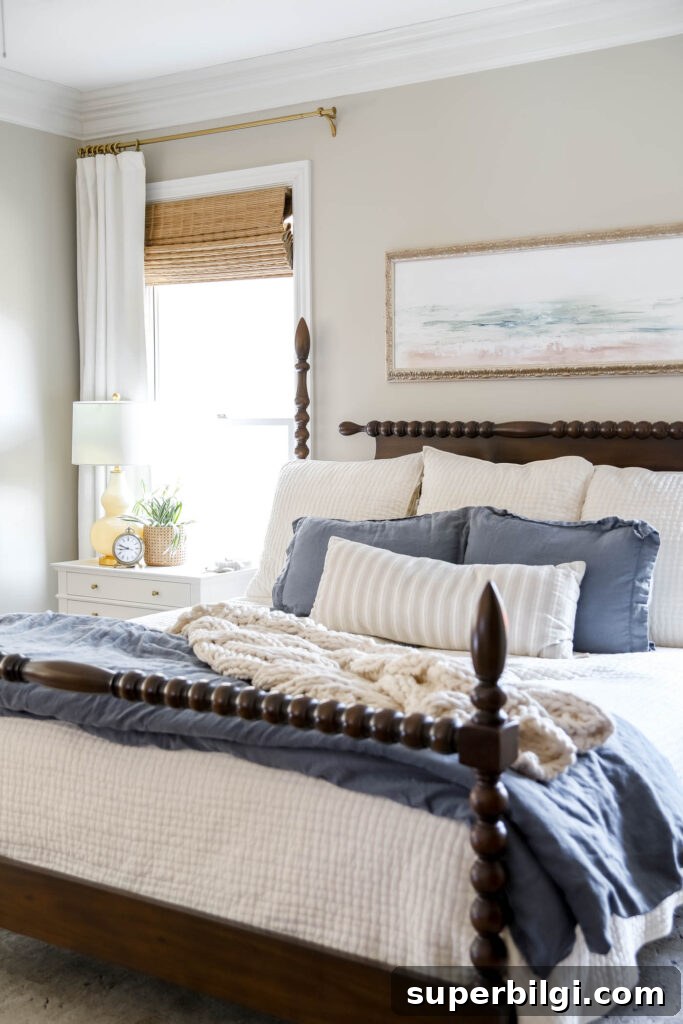
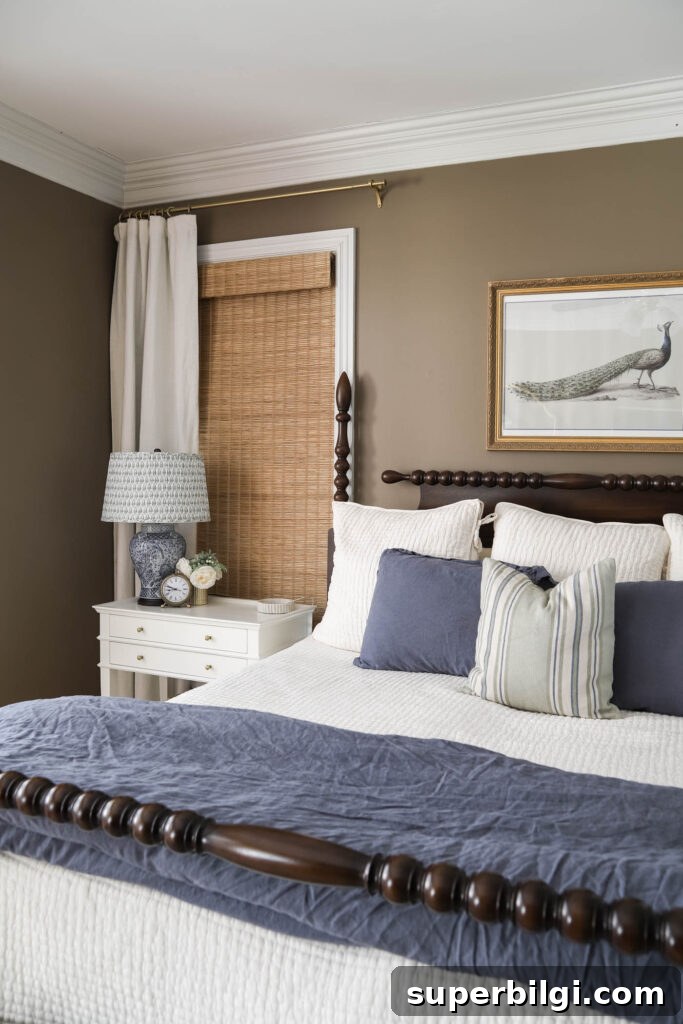
My master bedroom is a good example. I tinkered with it slowly—making small updates here and there—and it took about five years to land on the look I truly wanted. Waiting allowed me to save for higher-quality pieces and make choices I still love years later.
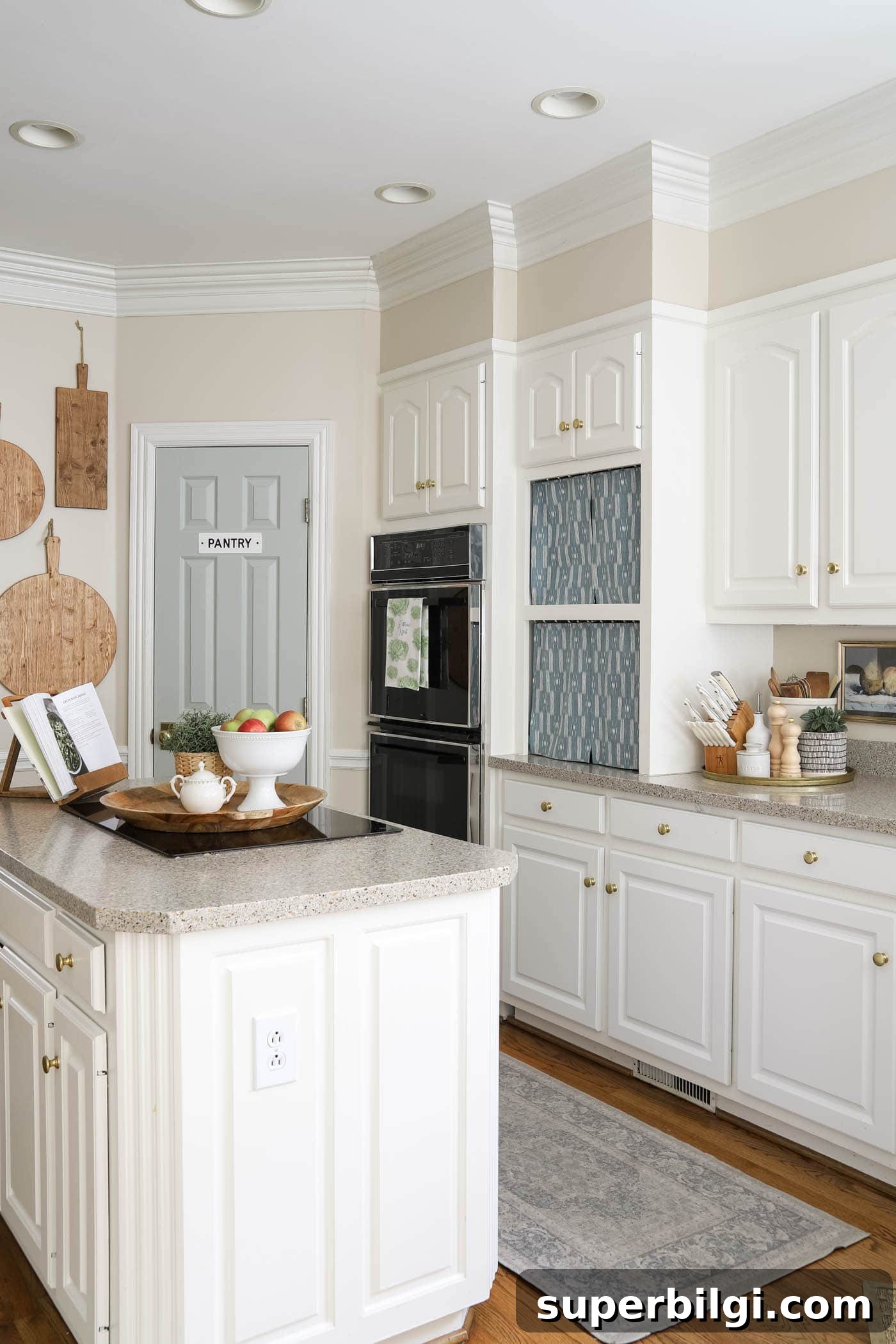
Why I Stopped Rushing Room Makeovers
There was a season when I would finish one project and immediately start planning the next. The pressure to complete rooms quickly often came from what we see online. But real life rarely fits that timeline.
Rushing taught me a few hard lessons:
- I bought decor just to fill space.
- I followed trends that didn’t stand the test of time.
- I replaced items too often and wasted money.
- Rooms looked styled but didn’t always feel like us.
When I finally allowed myself to slow down, my choices became clearer and more confident. I stopped settling for “good enough” and started making decisions that felt right for our home long-term.
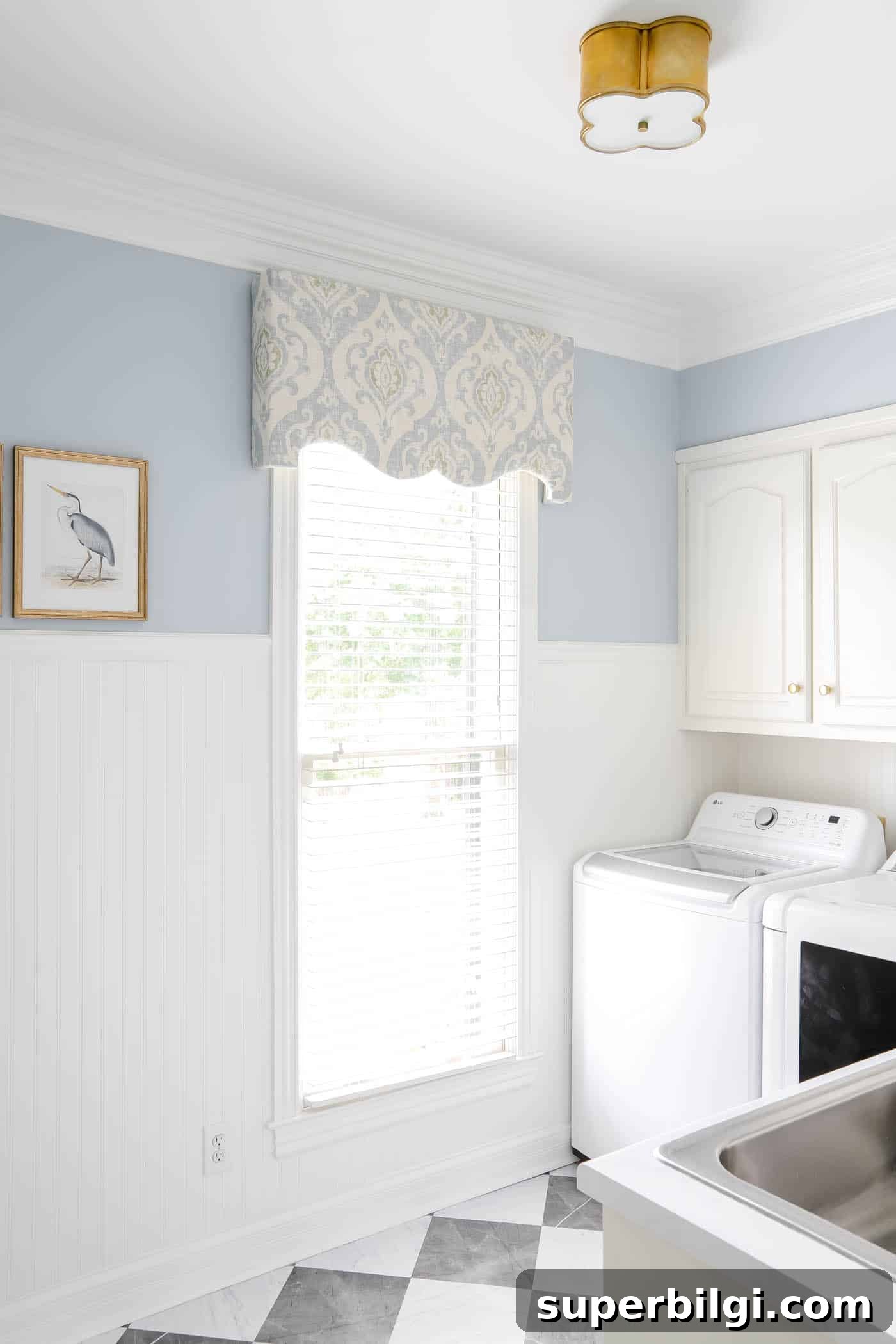
How to Decorate a Home Slowly (Without Feeling Stuck)
If the idea of slow decorating sounds appealing but you worry it means living with blank walls forever, there’s a comfortable middle ground. I usually do a minimal baseline refresh so each room functions well while I figure out the longer-term plan. A neutral paint color, updated lighting, or a new rug can make a room usable without committing to a final design.
For example, we painted our bedroom Revere Pewter after moving in because it was a safe, neutral choice. Years later, when the design plan was clearer, we repainted in Davenport Tan and completed the look. That kind of gradual evolution saved money and helped us make wiser purchases.
Here are practical steps that have kept me moving forward without feeling rushed:
1. Start With the Bones
Focus on paint, flooring, lighting, and layout before adding accessories. When those foundational elements are right, everything else falls into place more naturally. Choose classic, timeless finishes that will serve as a flexible backdrop for evolving decor—neutral wall colors, a medium-toned floor stain, and practical, attractive lighting are smart starting points.
2. Live in the Space First
Use the room for a while before making major purchases. Ask yourself:
- Where do we naturally sit?
- Does anything feel awkward?
- What’s missing?
- What’s unnecessary?
Your everyday use of a room will reveal priorities far better than an aspirational mood board alone.
3. Layer Slowly
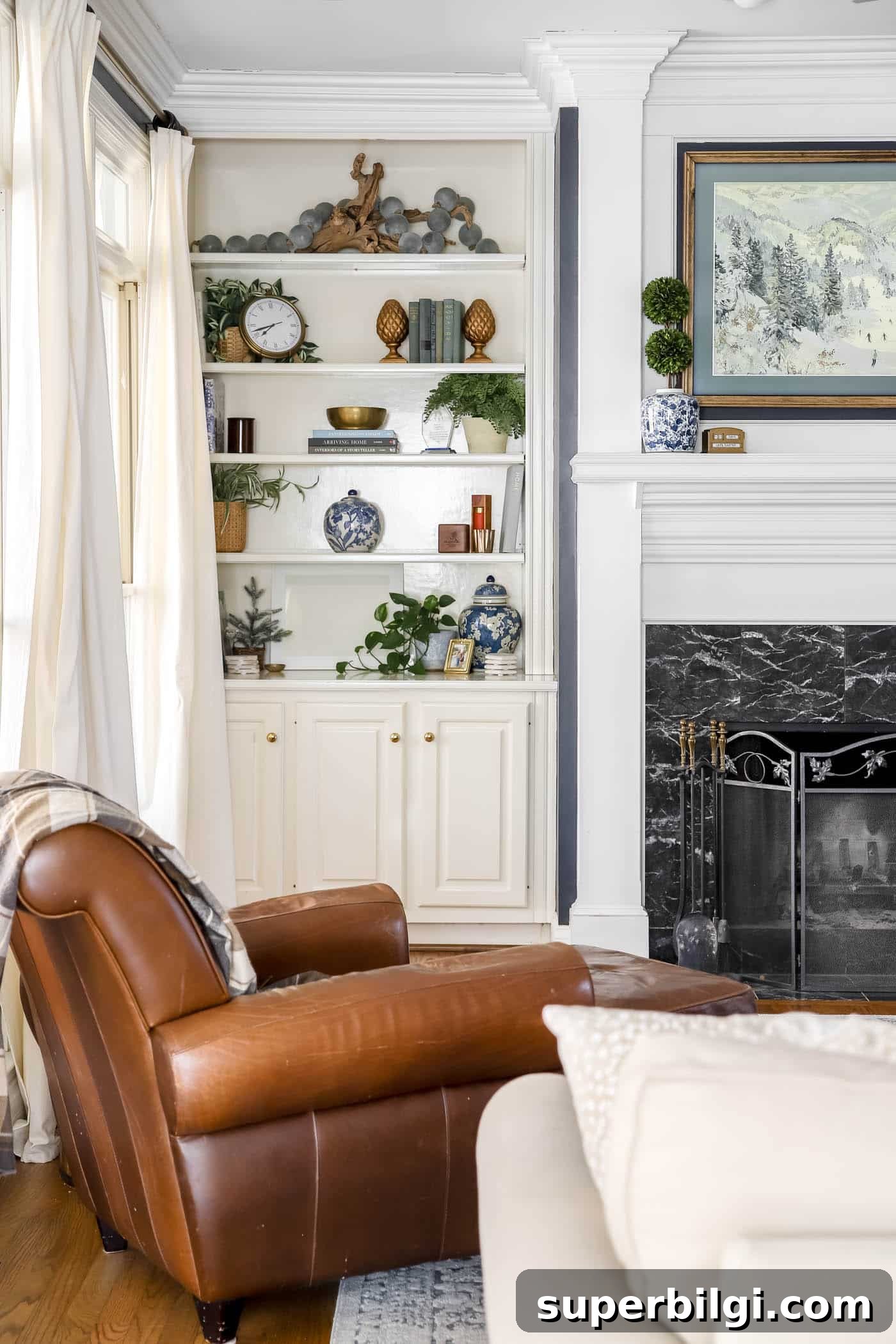
Add elements one at a time: rugs, textiles, wallpaper, art, and collected pieces. Let one item be the star—perhaps a patterned rug or a bold piece of art—and let other choices support it. Layering slowly prevents a room from feeling overdone and makes course corrections easy if something doesn’t feel right.
4. Buy With Intention (and Fewer Regrets)
Slow decorating makes it easier to save for pieces you truly love rather than settling. I try to:
- Save for items I can’t DIY or replicate
- Say no to “good enough”
- Choose quality over quantity
- Mix old and new to create a collected feel
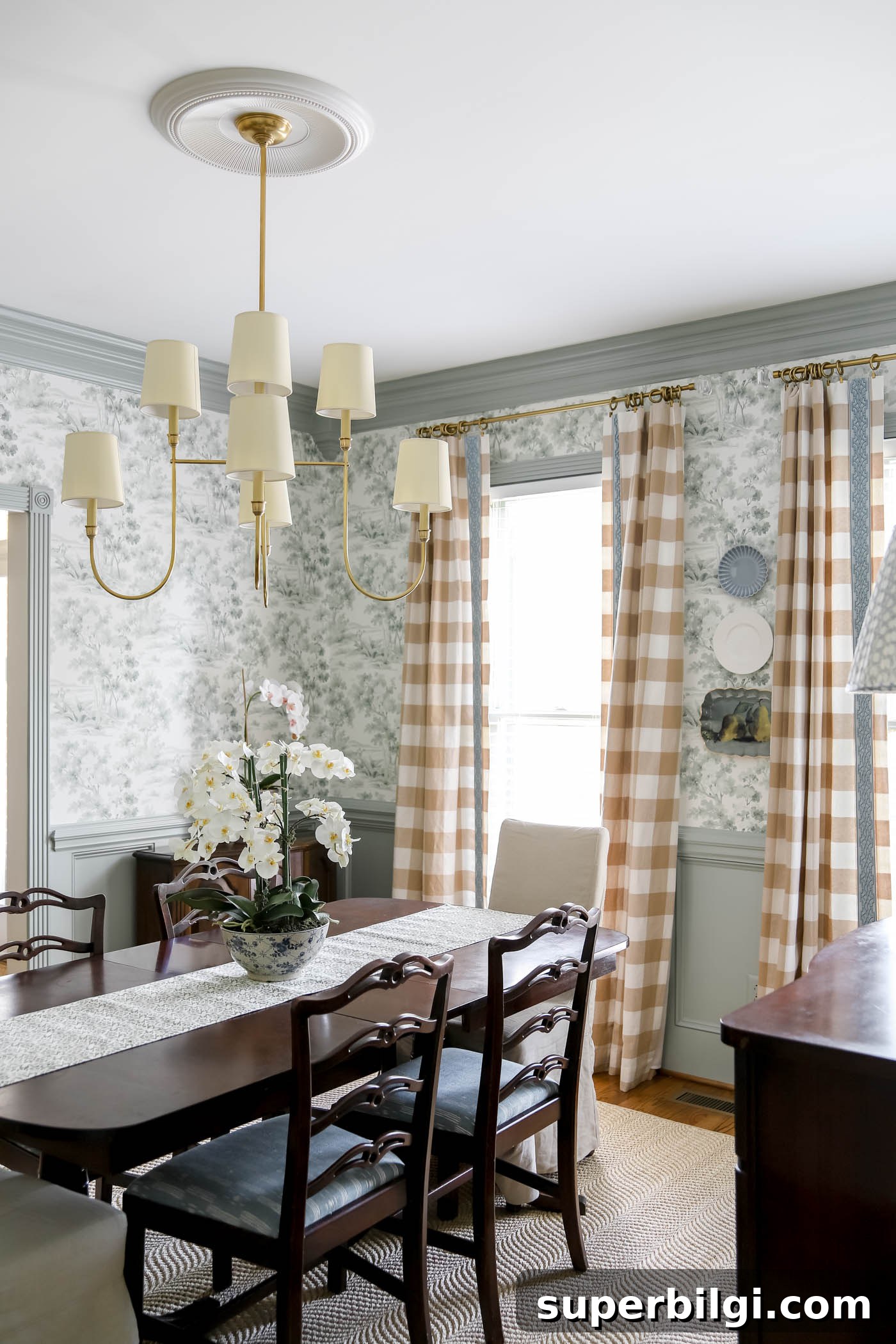
The upside of this approach is that I rarely want to redecorate later. If a special piece—like a chandelier—requires saving up, that wait almost always leads to a purchase I don’t regret.
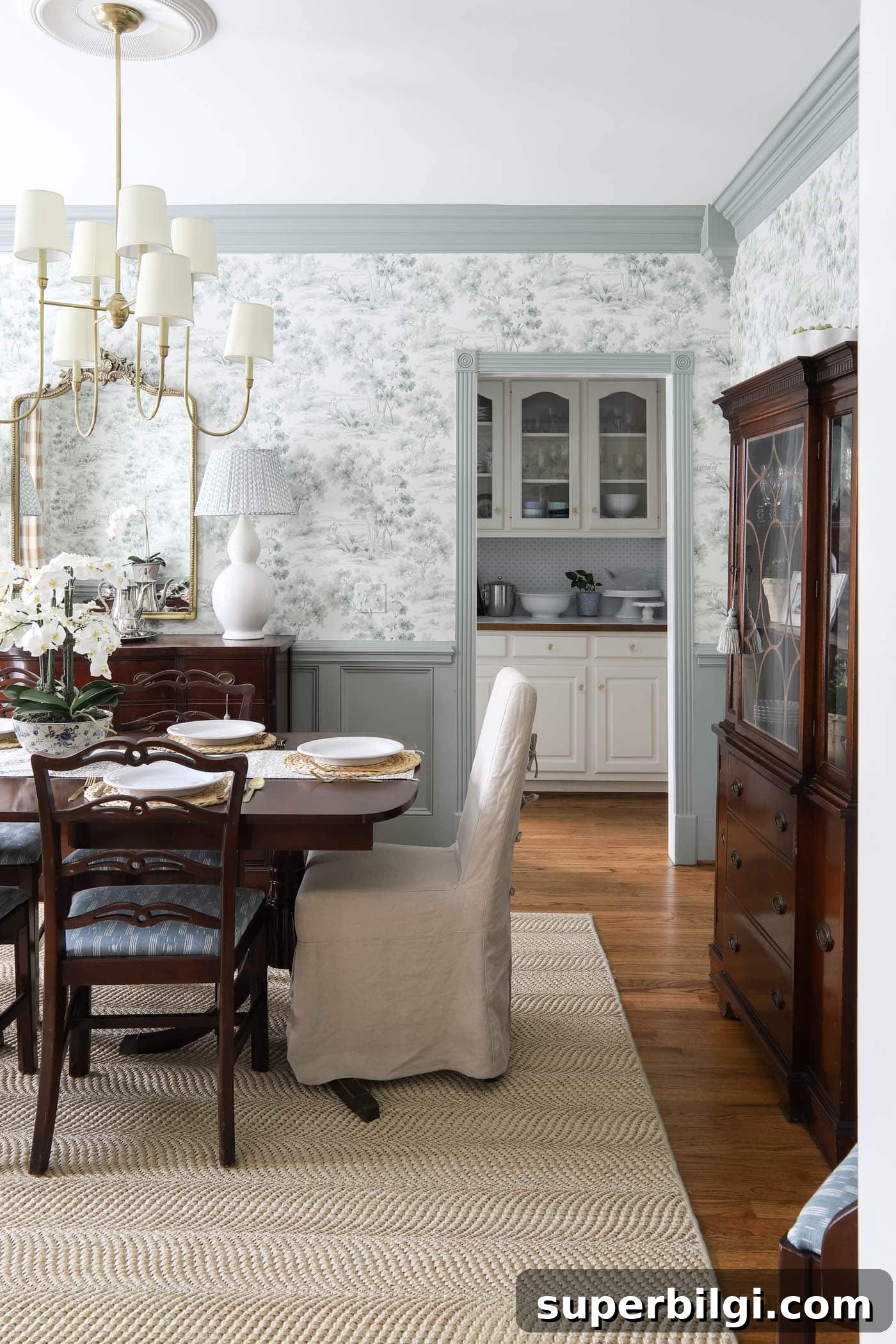
Why Slow Decorating Feels So Right in This Season
This season of life often feels full of commitments and noise. Our home shouldn’t add to that pressure. Slow decorating helps me be content with what we have, letting rooms become layered and lived-in instead of constantly being flipped to chase what’s next. It’s about decorating for your life, not for a deadline.
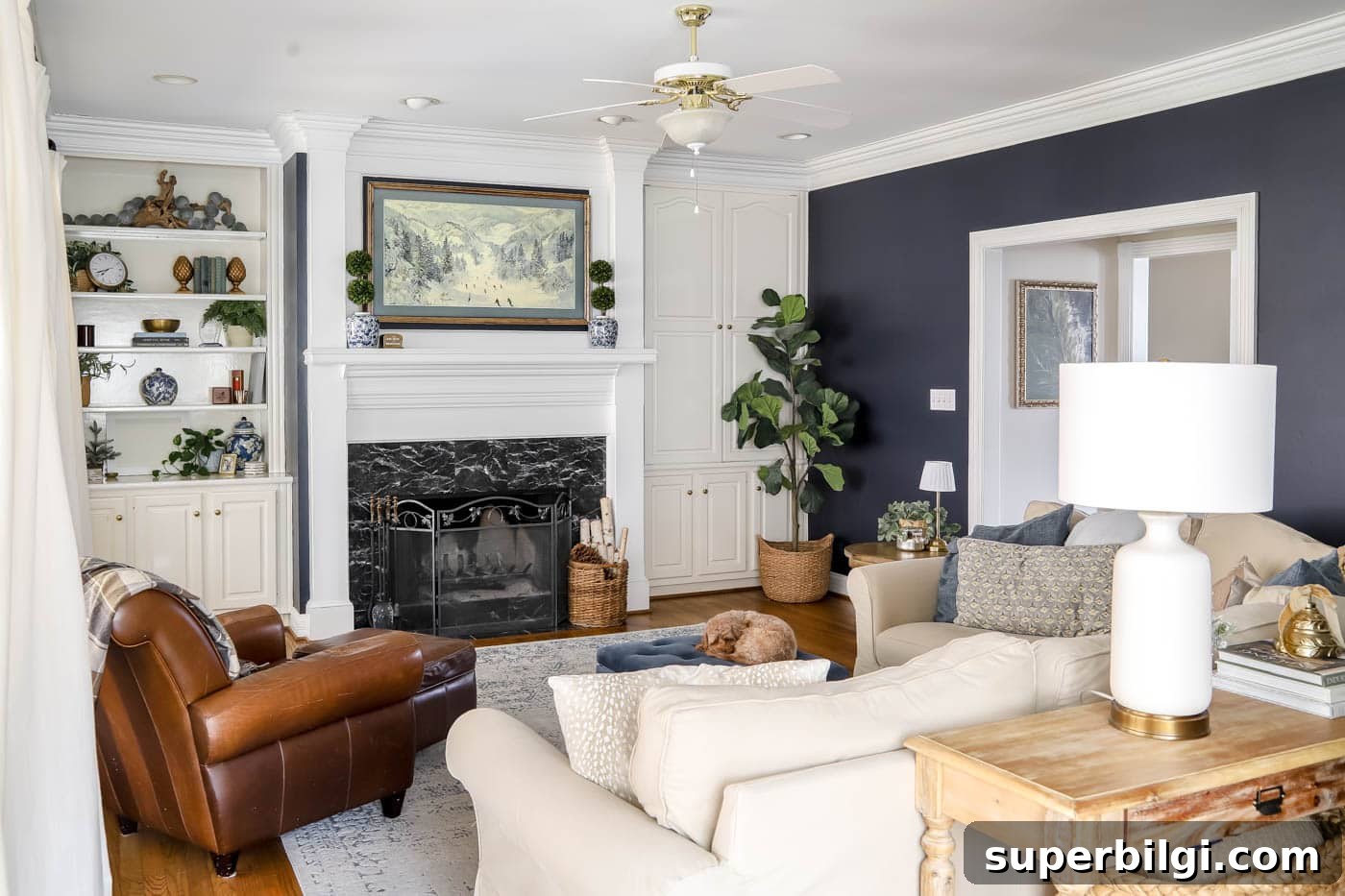
Slow decorating gives you permission to change your mind, let your style mature, and create a home that truly reflects how you live. There’s a quiet confidence in a home that unfolds over time.
A Gentle Encouragement
If you feel behind or overwhelmed by your home, consider this your permission slip to slow down. You don’t need to finish everything at once. Begin with one corner, one piece, or one small decision. If your space feels “unfinished” right now, that’s okay—you’re on the right path.
More posts you will love:
- How to Find Your Decorating Style
- 7 Rental-Friendly Home Decorating Ideas
- Timeless Home Decor Essentials