
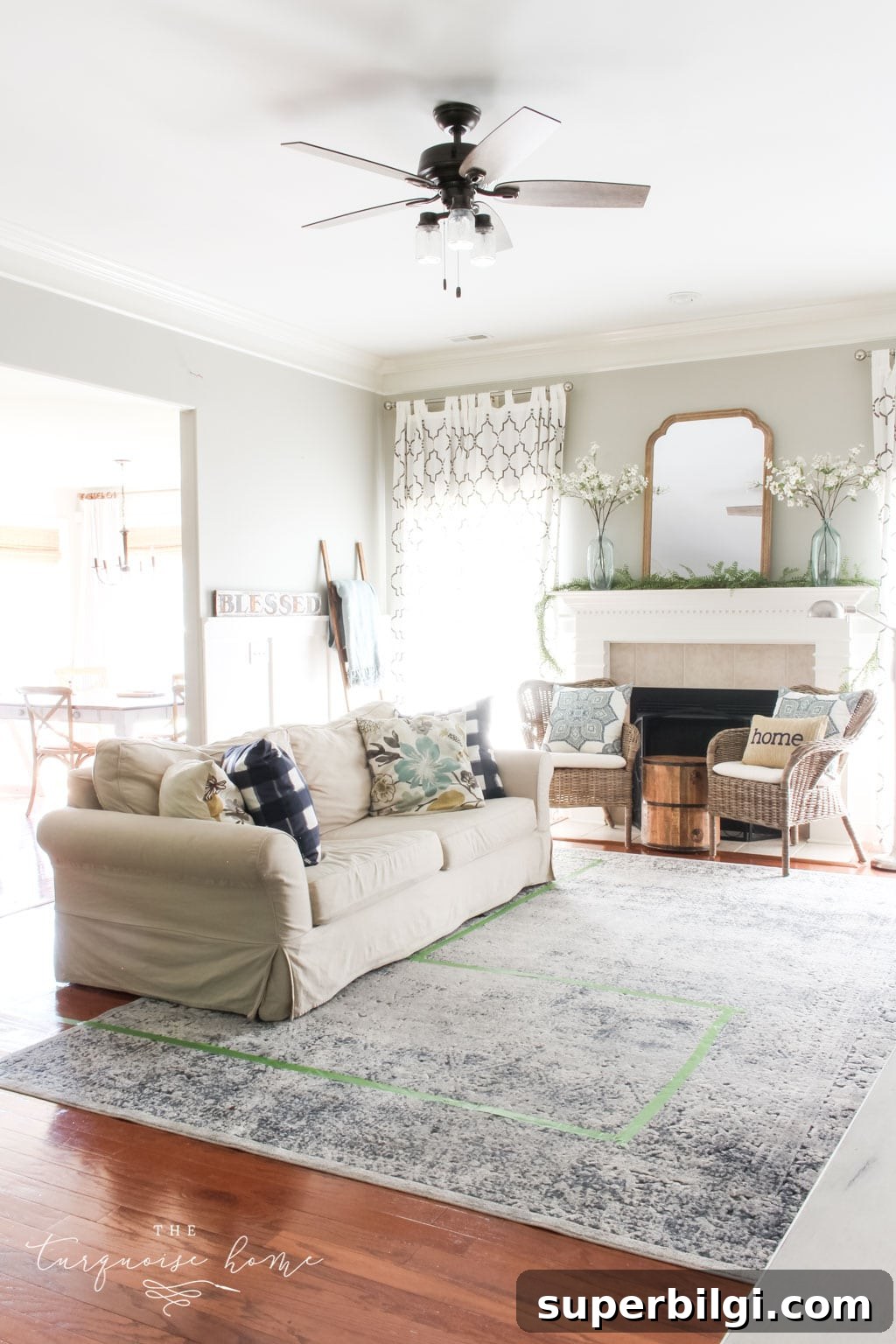
If you’ve ever placed an order for a large, expensive piece of furniture, you know the feeling of “analysis paralysis.” Committing to a high-ticket item for your home can be stressful—especially when it could cost thousands and might be difficult to return.
You ask yourself: What if I don’t like it? Can I return it? Is it the right scale for the room? Will it force me to change everything else in the space? These are all valid concerns—and the exact questions we’ve been answering while searching for a new living room sofa.
This post contains affiliate links for your convenience. See my full disclosure policy here.

Want to Save This?
Enter your email below and I’ll send it directly to your inbox!
To subscribe, visit the site and sign up via the newsletter form. (Form removed for clarity in this version.)
How to Decide on New Furniture
Some questions about a furniture purchase only you can answer, but I can share the practical steps I use when deciding on a major piece. Large furniture purchases deserve careful thought—many are costly and not always returnable. These strategies have helped me make confident choices and avoid buyer’s remorse.
Measure the Space
Start by measuring the room. If this is the first time furnishing a room, sketch the floor plan on graph paper (or print a free template) and draw openings, doors, and windows. Add furniture to scale so you can visualize placement. Accurate measurements prevent surprises and ensure traffic flow.
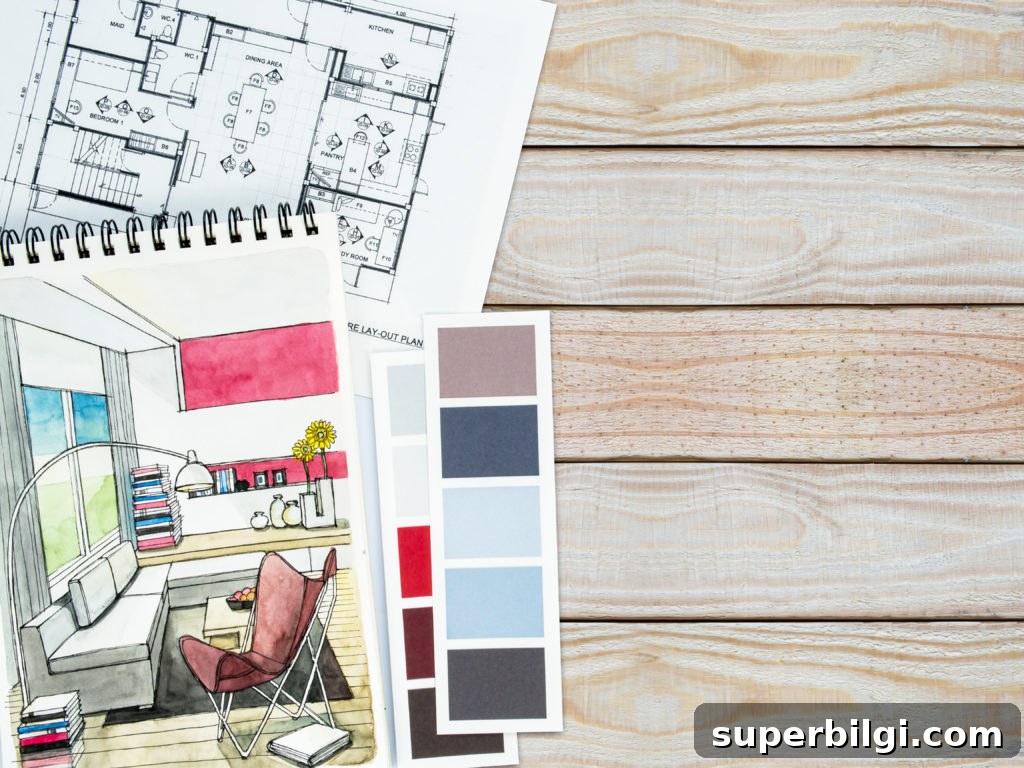
Aim to leave 30–36 inches for main walkways and space seating 3–10 feet apart for comfortable conversation. If you prefer a digital approach, many retailers and design sites offer free room planners you can try—just search for “space planning” to find tools and tutorials.
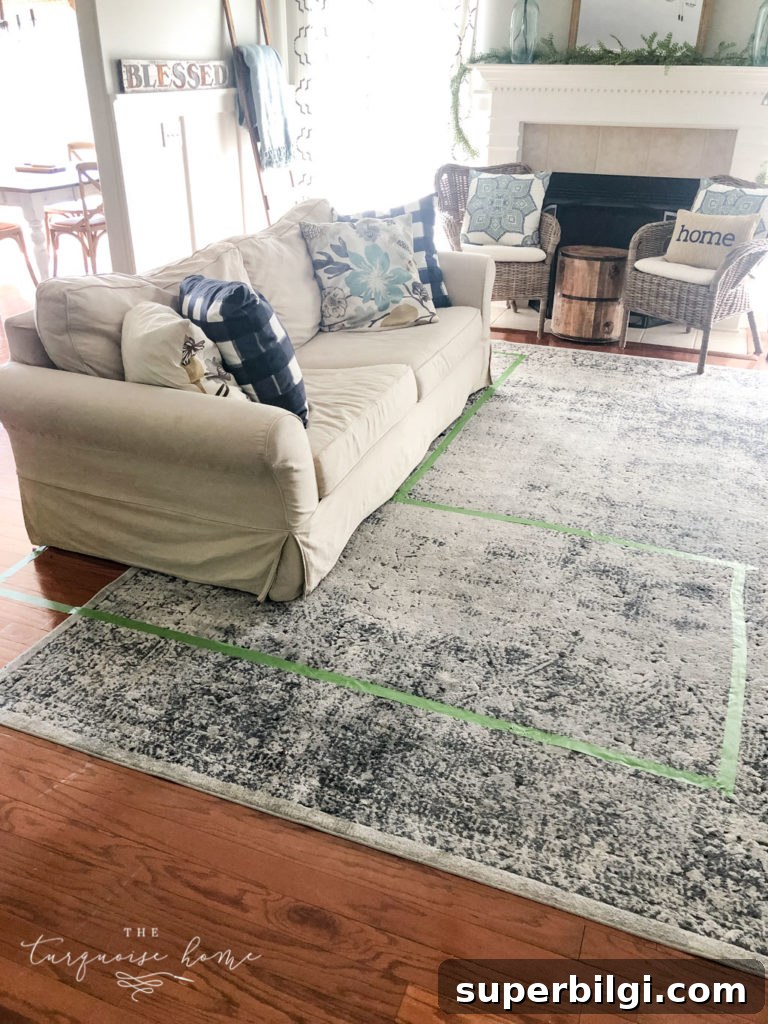
If you already have furniture in the room, use painter’s tape on the floor to outline the new piece. This “tape method” helps you see scale and circulation in real time and how the new item interacts with existing pieces. For us, it showed that the sectional would need to be set farther from the fireplace and that a console table could move behind the new sofa.
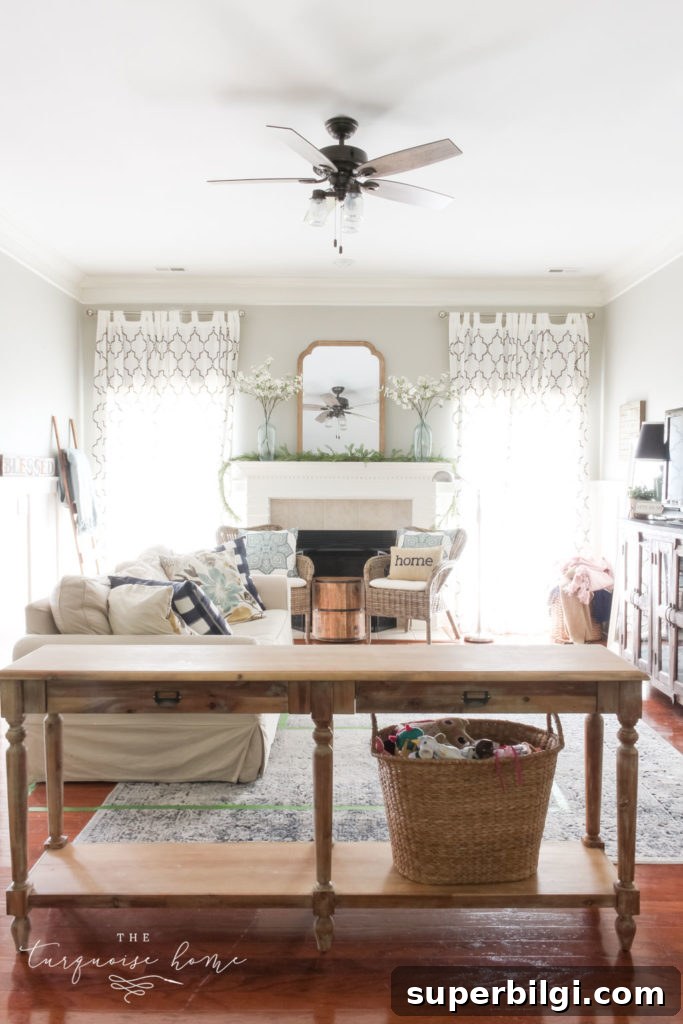
Try Before You Buy
Whenever possible, test the piece in person. Sit on the couch, try the chair, lie on the bed, and inspect finishes up close. Comfort and construction feel different in person than in photos. Materials can vary in texture and durability—if you already have a fabric that works well, matching it can reduce uncertainty.
If in-person testing isn’t possible, order fabric samples from the manufacturer. Place samples in the actual room light, spill a small amount of water and try cleaning it (on an inconspicuous area or a test swatch) to evaluate how the material reacts and how stains respond to cleaning.
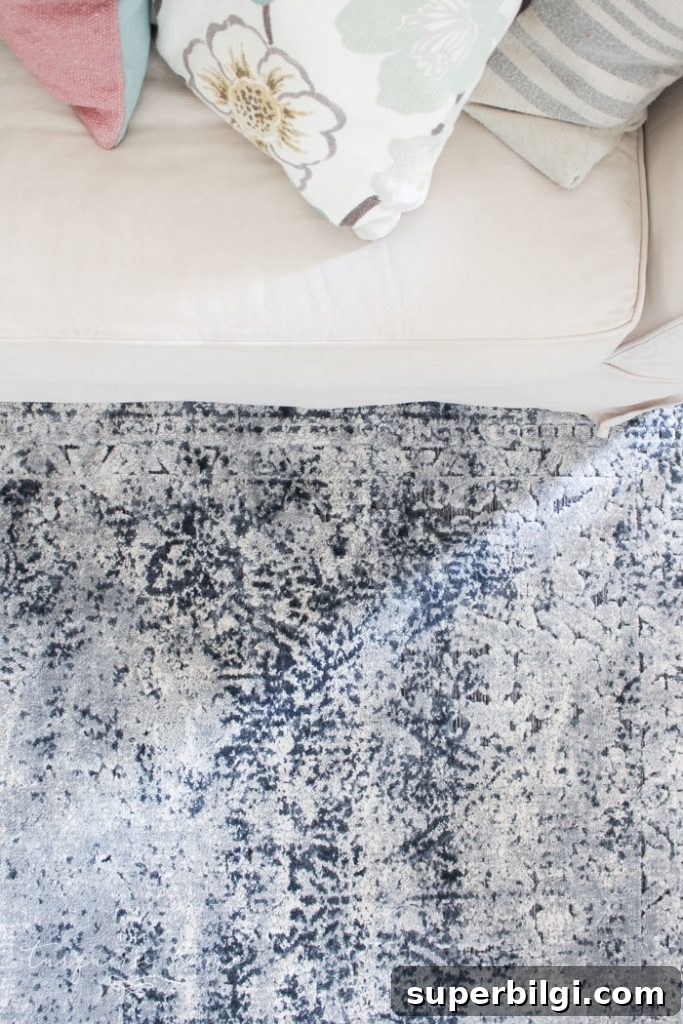
For example, slipcovered sofas with washable canvas or twill fabrics can be an excellent choice for families. Regular washing and spot treatment can keep them looking fresh—you’ll want to confirm care instructions before purchasing.
Watch for Sales
Large retailers often have predictable sale cycles around holidays. If you know a brand’s promotion pattern—for instance, substantial discounts on purchases over a certain amount—you can wait for a sale to get more value. I sometimes monitor a specific item for up to a year; if the price never drops, I accept it’s unlikely to get cheaper and move forward when other criteria are met.
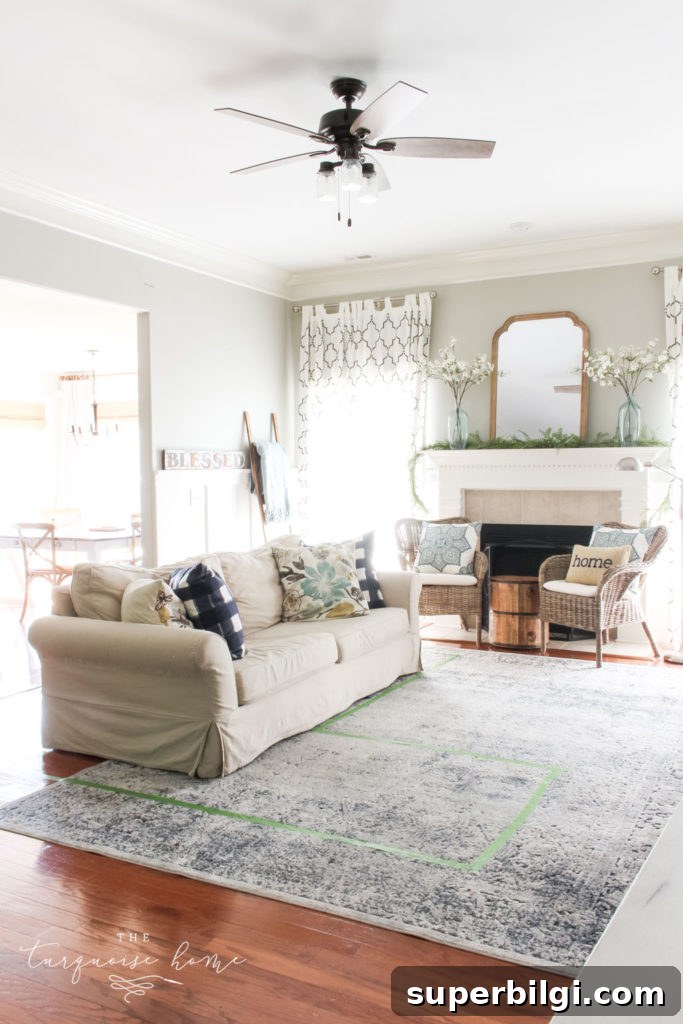
Patience can pay off, but balance waiting for a better price with the risk of the item selling out or being discontinued. Decide in advance how long you’ll wait and what your target price is.
Go Ahead and Hit “Buy”
Once you’ve measured the space, tested comfort and materials, and watched for the right price, trust your process and purchase. No item is perfect, but if you’ve done the homework—checked dimensions, sampled fabrics, and tracked sales—you’re much more likely to be satisfied.
If you want to see the sectional I ordered, you can view it in our living room reveal. We love it!
When to Splurge vs. Save on Home Furnishings
Some items are worth investing in, while others can be more budget-friendly. A sofa is often one of the pieces I recommend splurging on because it gets heavy daily use and defines the room. Consider spending more on solid construction and durable upholstery, and save on accent pieces and accessories that are easier to replace.
More Posts You Will Love:
- Home Decor 101: Why does Decorating Matter?
- How to Decorate a Living Room
- How to Decorate a Coffee Table
- The BEST President’s Day Weekend Sales
- Pretty Pink Home Decor