
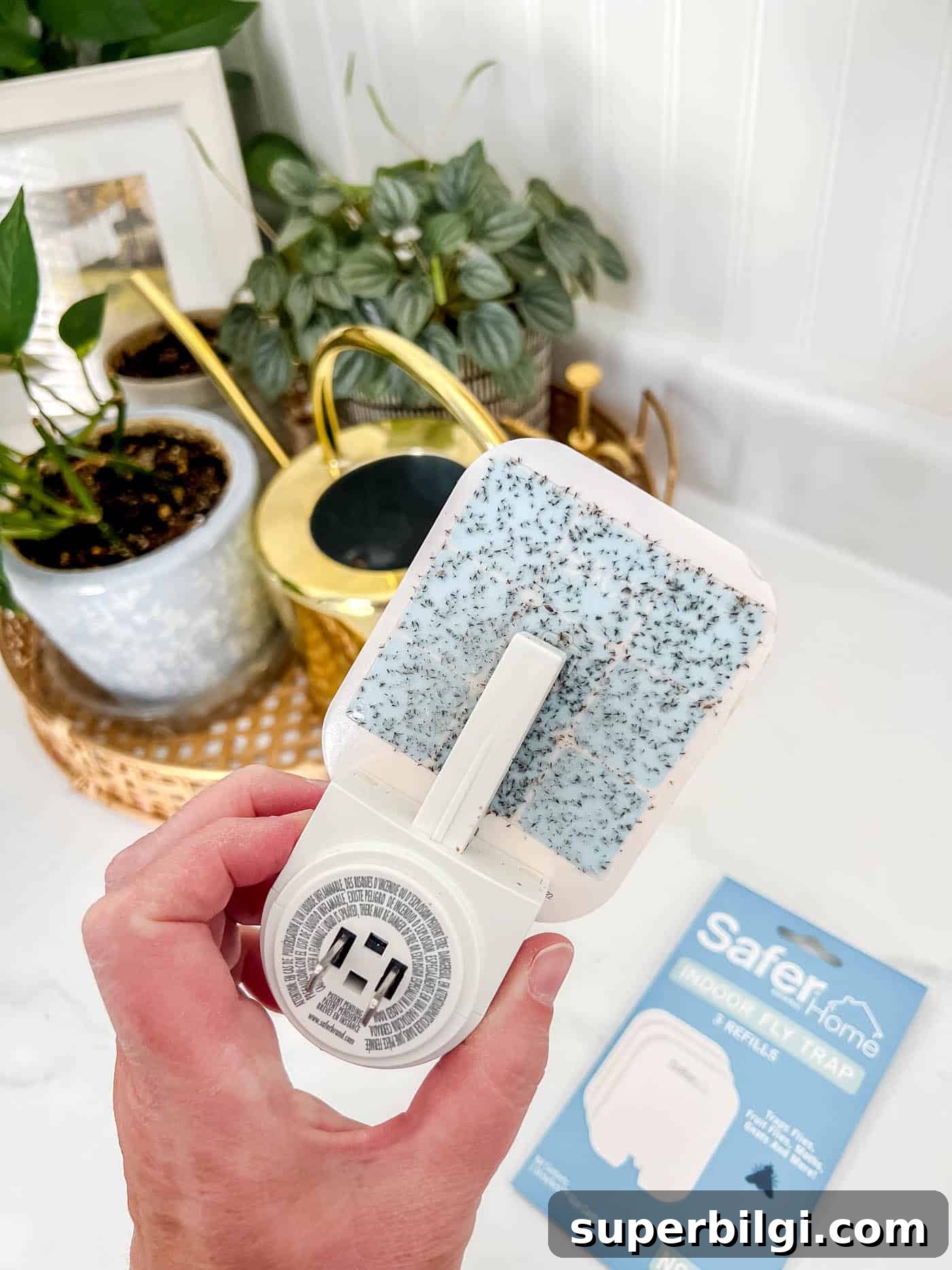
It’s time to address a question every houseplant lover may face: why are indoor plants attracting fungus gnats? Pour a glass of sweet tea and let’s explore these persistent pests and proven methods to get rid of gnats in houseplants once and for all.

A few years ago I finally became a true houseplant person. I’d always liked the look of greenery in home decor and enjoyed good faux plants, but I hesitated to bring many live plants into the house until I learned how to care for them. I began with some of the easiest houseplants — a ZZ plant, a snake plant and a pothos — and gradually built a collection while learning how to avoid common problems like pest infestations.

In my care guides I always mention the potential for pests and how to keep them at bay. One of the most common offenders is the fungus gnat — a small, mosquito-like fly that is attracted to moist potting soil. Below I explain how to spot gnats, why they appear, and 10 effective ways to eliminate and prevent them so your indoor plants stay healthy and pest-free.
This post may contain affiliate links for convenience.
How can I tell if my plants have fungus gnats?
Look for tiny, mosquito-like flies hovering around your plants, especially when soil is disturbed. You may also see small white or translucent larvae in the top layer of soil. Plants infested with fungus gnats sometimes show signs of stress such as yellowing leaves, stunted growth, or wilting, particularly in young or sensitive plants whose roots are being nibbled on by larvae.
Getting fungus gnats isn’t a reflection of poor gardening — they’re common and can affect even experienced plant owners. The key is to act quickly to stop the infestation and break the gnats’ life cycle.
Why are my indoor plants attracting gnats?
Fungus gnats are common outdoors and are attracted to moist, organic-rich soil where they lay eggs. Indoor pots that are kept consistently damp mimic that environment, making them ideal breeding sites. Overwatering, poor drainage, or potting mixes with a lot of organic matter can all make potted plants more attractive to gnats.
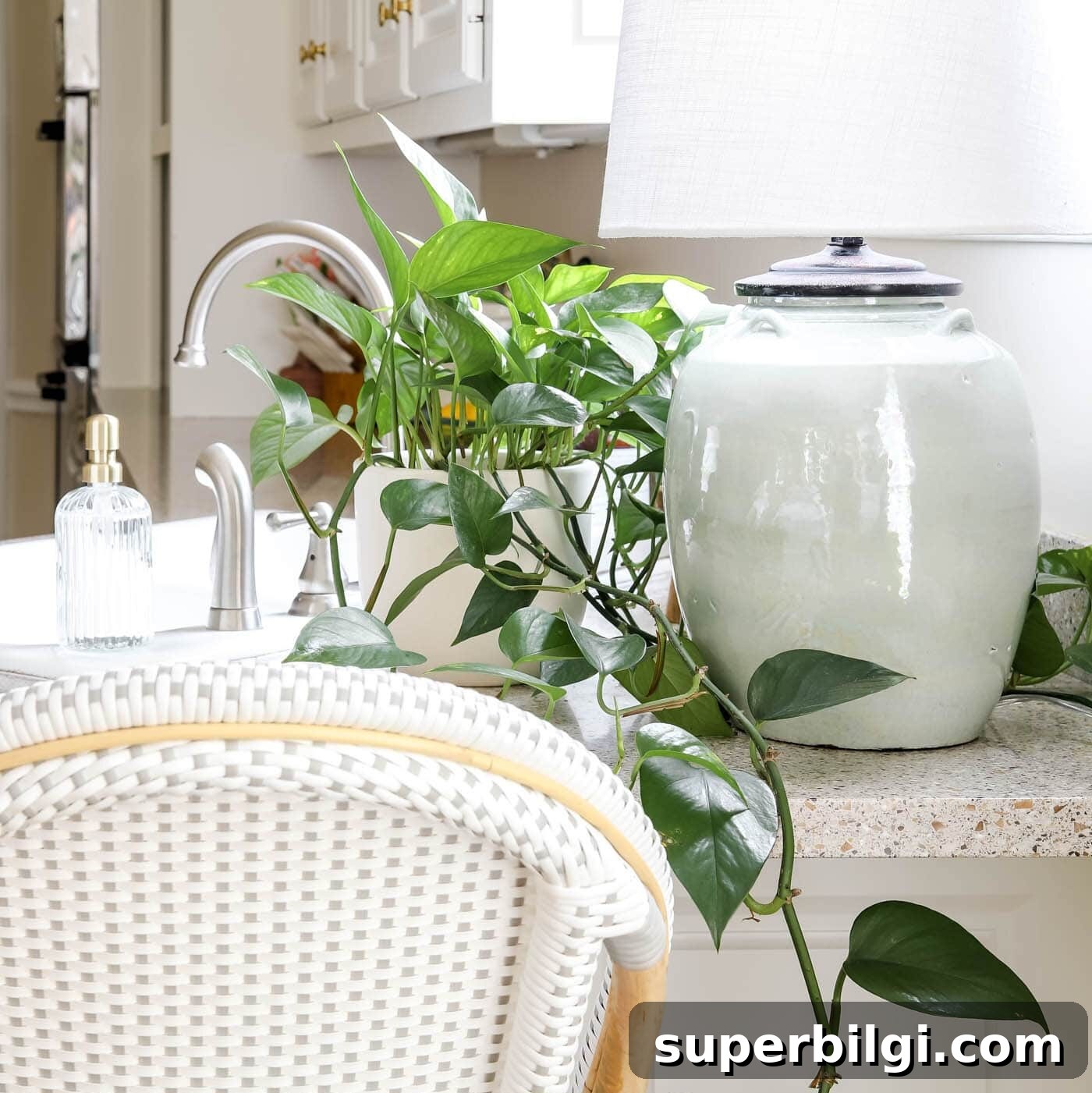
What is the fastest way to get rid of gnats in plants?
Adult fungus gnats are mostly a nuisance, but they reproduce quickly and their larvae feed on soil fungi and sometimes plant roots. To stop damage and reduce the population fast, focus on eliminating adults while treating the soil to kill larvae and eggs. Combining short-term traps and long-term cultural changes usually produces the best, fastest results.
Below are ten effective methods you can use together to tackle fungus gnats quickly and prevent future outbreaks.
10 Ways to Get Rid of Gnats in Houseplants
Try multiple methods at once for the best outcome: traps for adults, soil treatments for larvae and cultural practices to prevent recurrence.
1. Plug-in Gnat Traps
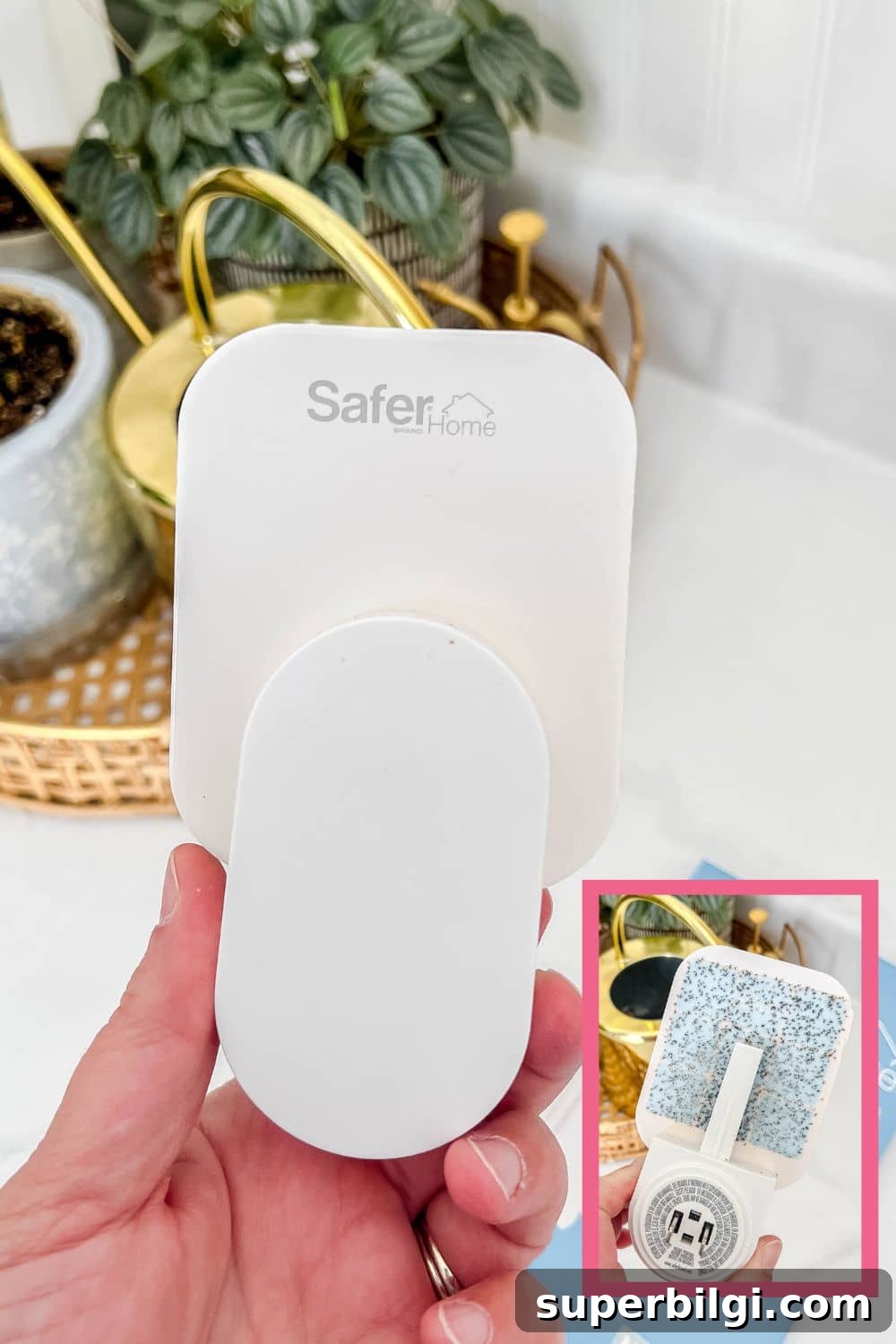
Electric plug-in traps attract and capture flying insects, including gnats. Place one near your plants and fruit bowls to reduce the adult population quickly.
2. Neem Oil Spray

Neem oil is a natural insecticide that can discourage adult gnats and other pests. Use a diluted neem spray on the soil surface and foliage according to product directions to reduce insects and deter egg-laying.
3. BTI-Based Treatments (Fungus Gnat “Death Drops”)

Products containing BTI (Bacillus thuringiensis israelensis) target gnat larvae in the soil. They are applied as a diluted drench and kill larvae on contact while being safe for many beneficial organisms when used as directed.
4. Yellow Sticky Traps

Yellow sticky cards attract and trap adult fungus gnats. Place them near pots to catch flying adults, reducing the number that can lay eggs in your soil.
5. Diatomaceous Earth (DE)
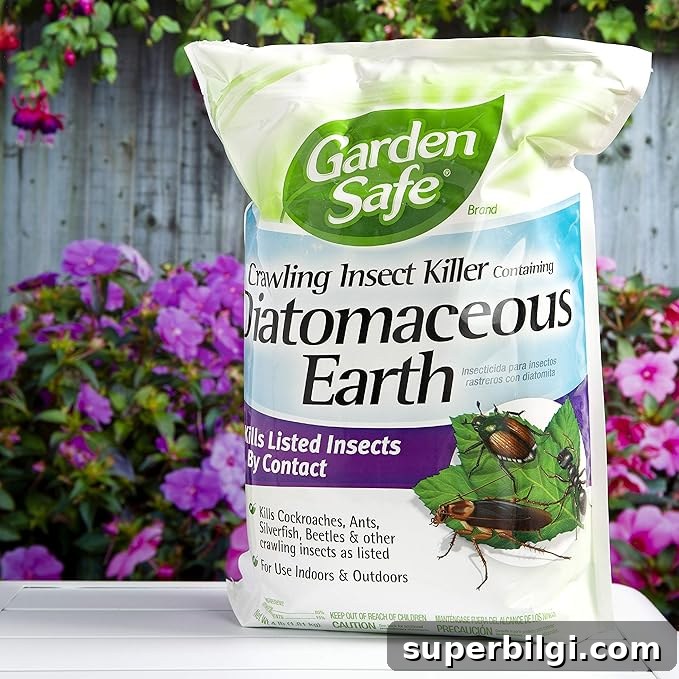
Sprinkling food-grade diatomaceous earth on the soil surface dehydrates soft-bodied insects and larvae. Use caution and avoid inhaling the dust; wear a mask while applying.
6. Apple Cider Vinegar and Dish Soap

Create a simple trap by mixing apple cider vinegar and a few drops of dish soap in a shallow dish. The vinegar attracts adults and the soap breaks the surface tension so they sink. Refresh the mixture every few days.
7. Hydrogen Peroxide Soil Drench
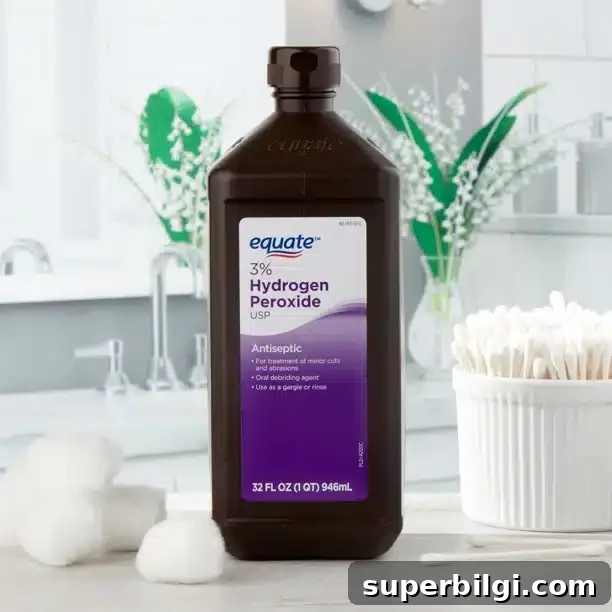
Mix one part 3% hydrogen peroxide with four parts water and water the potting soil. This solution can kill larvae and eggs in the soil on contact. Allow the soil to dry out between treatments and use this method sparingly to avoid stress on sensitive plants.
8. Potato Slice Traps

Place thin slices of raw potato on the soil surface. Larvae are attracted to the potato and will gather there; remove and replace the slices every couple of days until larvae decline.
9. Add a Sandy Soil Cover
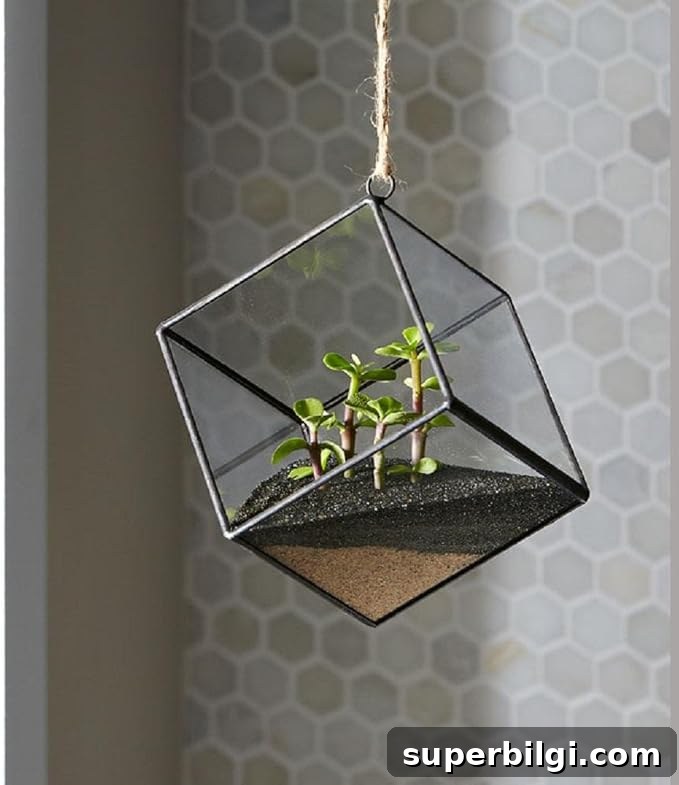
A thin layer of coarse sand or grit on the soil surface dries quickly and discourages gnats from laying eggs. This method is especially useful when repotting or starting new plants with fresh soil.
10. Avoid Overwatering
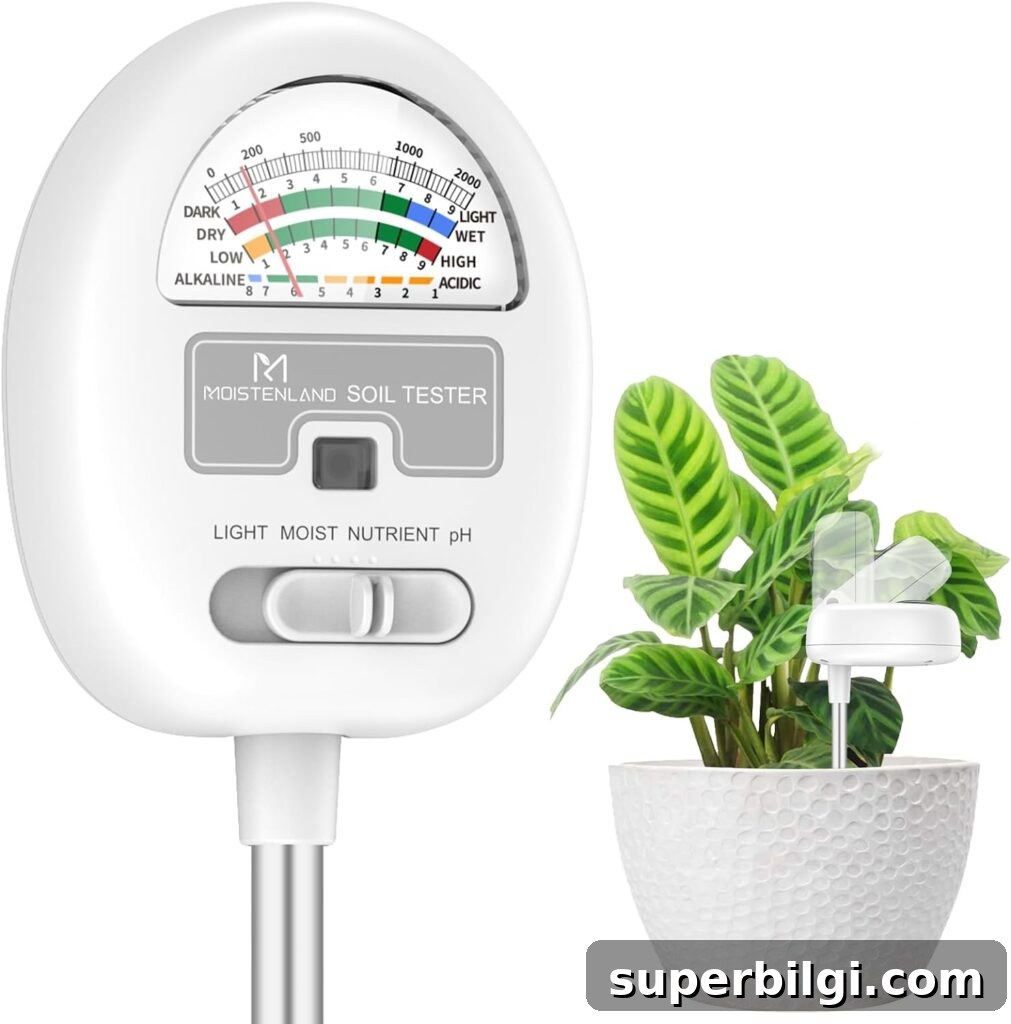
Because fungus gnats prefer moist soil, the simplest prevention is proper watering. Let the top inch or more of soil dry between waterings for many common houseplants. A soil moisture meter can help you water only when needed, lowering the risk of gnat egg-laying and reducing root-rot risk.
More FAQs About Eliminating Gnats Around Indoor Plants
Can I bring new plants into my home while dealing with a fungus gnat infestation?
It’s best to avoid bringing in new plants until you’ve controlled the infestation. New arrivals can introduce more gnats or become infested themselves. If you must bring new plants in, quarantine them in a separate area and inspect and treat their soil before moving them into your main collection.
Are there certain plants that are more resistant to fungus gnats?
No plant is completely gnat-proof, but low-water plants such as succulents, cacti, snake plants and ZZ plants are generally less attractive to fungus gnats because their soils stay drier.
Do fungus gnats spread diseases or pathogens to plants?
Adults are mostly a nuisance, but larvae can contribute to root damage and may increase the risk of root disease by creating entry points or spreading soil-borne pathogens. Keeping larvae under control helps protect root health.
Will using a fan help deter gnats around my plants?
Yes. Continuous airflow makes it harder for tiny flies to hover and lay eggs, so a fan can be a useful part of an overall prevention strategy.
How long does it take to eliminate fungus gnats?
Eliminating fungus gnats can take several weeks depending on infestation severity and the combination of methods used. Be consistent: trap adults, treat the soil to kill larvae and eggs, and adjust watering and soil covers to prevent reinfestation.
Combining traps, targeted soil treatments and improved cultural practices typically brings the best and fastest results. Stay persistent, monitor your plants, and adjust strategies as needed to keep your indoor garden healthy and gnat-free.
I’d love to hear which methods you’ve tried and which worked best for your plants. Share your experience with other plant lovers and help stop fungus gnats in their tracks.
More posts you may enjoy:
- The 3 Easiest House Plants + Indoor Plant Care Tips
- How to Plant Flowers in a Pot, Planter or Container
- ZZ Plant Care Guide
- Where to Buy the Best Fake Plants
- Simple DIY Wood Planter Box